Home Blog Page 417

Labor pledges $500,000 to upgrade St Spyridon Parish Hall in Sydney’s east

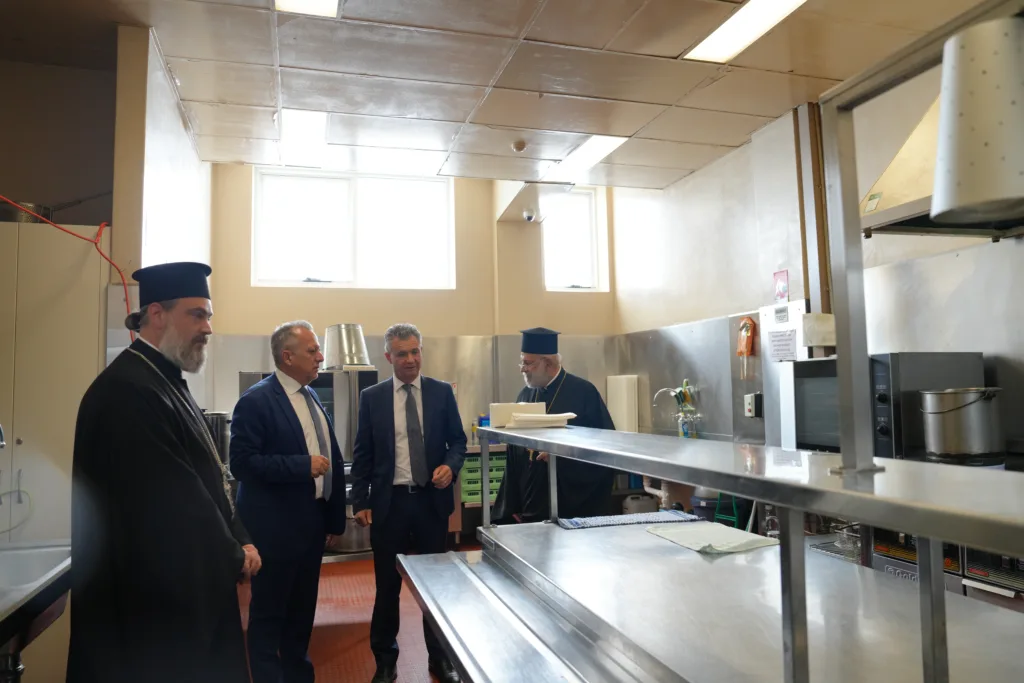
Federal Member for Kingsford Smith, Matt Thistlethwaite today announced that a re-elected Albanese Labor Government will deliver $500,000 to support a comprehensive upgrade of the St Spyridon Parish Hall.

This election commitment will support extensive renovations including structural improvements, modernised facilities, and enhanced community spaces that will benefit the thriving Greek Orthodox community across Sydney’s Eastern Suburbs.

Labor pledges $500,000 to upgrade St Spyridon Parish Hall in Sydney’s East

The Albanese Government said it will consistently support cultural institutions that preserve and celebrate Greek heritage throughout the region, recognising the profound contribution of Greek Australians to our nation’s multicultural identity.

Consistent with past practice, election commitments will be delivered in line with Commonwealth Grants Rules and Principles.

Labor pledges $500,000 to upgrade St Spyridon Parish Hall in Sydney’s East

Federal Member for Kingsford Smith, Matt Thistlethwaite MP, commented on the announcement.

“St Spyridon has been the heart of the Greek community in Sydney’s East for generations, hosting everything from language schools to cultural celebrations,” Minister Thistlethwaite said.

“This $500,000 investment ensures this vital community hub can continue serving families for decades to come.

“Our Greek community has helped shape the character and vibrancy of our local area, and only a re-elected Albanese Labor Government will continue delivering the support these important cultural institutions deserve.”

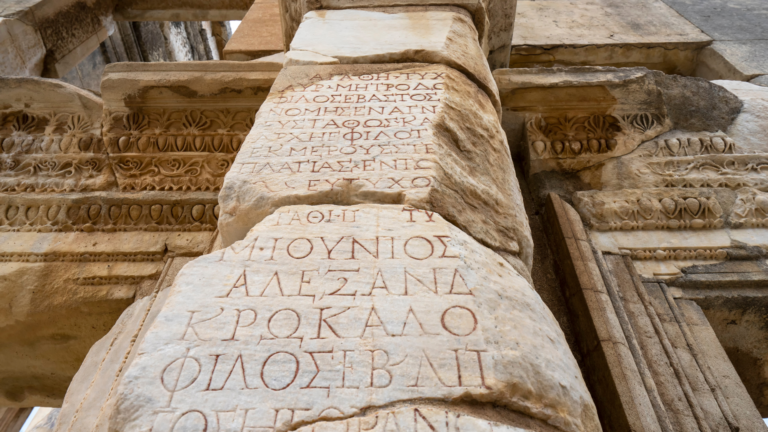
‘A day of national pride’: UNESCO establishes World Greek Language Day

The Executive Board of UNESCO has proposed that 9 February each year be established as World Greek Language Day, following an initiative by Greece’s Permanent Delegation to the Organisation and its Permanent Representative, Georgios Koumoutsakos.

Mr Koumoutsakos worked closely with a team of academics led by Mr Georgios Babiniotis and Christos Klairis. This academic working group, which lobbied and promoted the idea extensively—securing letters of support from local governments, ministers, the Anglican Church, intellectuals and authors around the world—was formed on the initiative of Professor Ioannis Korinthios, who then invited Professors Georgios Babiniotis, Christos Klairis, Philippos Trevezas, Anastasios Tamis and Stella Priovolou to join.

In Australia, from early 2024, the coordination was undertaken by the Australian Institute of Macedonian Studies (AIMS) and the Australian Institute for Hellenic Research, which sent dozens of letters to the governments of Australia and New Zealand, leaders of Christian churches, university officials, intellectuals and major newspaper publishers. Australia’s Minister for Foreign Affairs, Penny Wong, acknowledged the significance and value of the Greek language, but in her response to Mr Tamis’ request, she declined to support the proposal from Greece.

“Australia’s abstention or refusal to support the just recognition of the Greek language as an International Day of Recognition simply insults all Australian citizens of Greek descent,” Mr Tamis said.

In contrast, Federal member for Adelaide, Steve Georganas, showed eagerness and an unwavering determination to convince the Australian Foreign Minister to support Greece’s proposal for the Greek language. A special campaign in Australia was also led by the Archbishop of the Anglican Church, His Eminence Philip Freier, who, following a written appeal from AIMS, sent a heartfelt letter to the Australian Foreign Minister and political leaders urging them to support Greece’s fair request. Leaders of the other Christian Churches in Australia did not respond to the coordination team’s appeal.

Greece’s Permanent Representative, Mr Koumoutsakos, and all those who collaborated with him on this monumental cultural achievement rightly feel proud.

“It is an international recognition of the timelessness, universality and contribution of our language to the cultural heritage of humanity. It is a day of joy and pride,” Mr Koumoutsakos told the Athens-Macedonian News Agency.

In its decision, UNESCO’s Executive Board notes that “language is a vehicle of culture, an ark of values, concepts, identity, a tool of expression and creation, and a bridge of communication, understanding and cooperation.” It also highlights that among the thousands of languages of the world, the Greek language combines four particularly important features:

  1. Unbroken continuity of 40 centuries of oral tradition and 35 centuries of written tradition, if Linear B script is considered, or at least 28 centuries of written tradition using alphabetic script, making Greek the longest continuously spoken and written language in Europe. The Board recalls the words of poet George Seferis during his 1963 Nobel Prize speech: “The Greek language has never ceased to be spoken. It underwent the changes all living organisms experience, but there was never a break.”
  2. Unique cultivation as a language (vocabulary, grammar, and syntax), owing to its use by unparalleled historical figures in literature, poetry, theatre, philosophy, politics, and science—such as Homer, Plato, Aristotle, Aeschylus, Thucydides, Hippocrates, Archimedes, and the Church Fathers.
  3. Widespread influence on many languages, with Greek being one of the most impactful languages on all other European languages and, through them, on the broader world of languages. Its significance is also affirmed by the fact that it is taught internationally in its ancient form at classical studies departments, as well as in its Byzantine and modern forms in departments of Medieval and Modern Greek worldwide.
  4. An inexhaustible source of international scientific terminology, especially in medicine, mathematics, physics, chemistry, engineering, astronomy, quantum mechanics, and the social and human sciences. This feature of Greek is internationally recognised and substantiated by empirical and historical data.

The official Memorandum of the Permanent Executive Committee was prepared by the distinguished linguistics professors of the University of Athens and the Sorbonne, Mr Babiniotis and Mr Klairis.

The Executive Board of UNESCO notes that, as the linguistic cradle of fundamental concepts in culture, science and philosophy, the Greek language holds, by historical and objective standards, a unique place among the world’s languages.

It further underlines that “the understanding of Greek phonological structure led Greeks of the 8th century BC to innovatively adapt the Phoenician consonantal alphabet, inventing the vowel-based alphabet and thus creating a new phonetic writing system in which each sound or phoneme is represented by a letter.”

Additionally, it remarks that in the post-classical Hellenistic period, Greek served for six centuries as the world’s first international language (lingua franca), a language of transactions for many peoples and simultaneously a cultural language (Kultursprache).

“Greek flourished during the reign of Alexander the Great, was embraced by Roman civilisation which adopted Greek script through the Latin alphabet, was given global scope through the language of the Gospels, was rediscovered and highlighted by the Renaissance, and was fully utilised during the Enlightenment,” the Board explains.

The Thesaurus Linguae Graecae (TLG), a digital archive that includes Greek texts from Homer to 15th-century historians, comprises 12,000 texts by 4,000 authors, totalling 105 million word forms.

The Executive Board of UNESCO also stresses that historically, the Greek language holds a central position in intellectual discourse and the formulation of fundamental concepts and terms of European and broader thought, which are expressed or derived from Greek word-concepts.

Based on the above, UNESCO’s Executive Board decided to propose 9 February as “World Greek Language Day,” also noting that on this date in 1857, Greece’s national poet Dionysios Solomos passed away.

Haiti, the first country to recognise the Greek Revolution

It is noted that UNESCO has already recognised several elements associated with the Greek language. Two tangible cultural heritage items—the Lead Oracular Tablets of the Dodona Oracle and the Derveni Papyrus: The Oldest Book of Europe—have been inscribed in the Memory of the World International Register in 2023 and 2015, respectively.

Additionally, two intangible cultural heritage items have been recognised: the Polyphonic Caravan, which studies, preserves and promotes the polyphonic song of Epirus (included in the 2020 Register of Good Safeguarding Practices), and Byzantine Chant, inscribed in 2019 on the Representative List of the Intangible Cultural Heritage of Humanity.

It is worth noting that the first country to speak in favour of establishing World Greek Language Day at the UNESCO session was Haiti, historically the first country in the world to recognise the Greek Revolution and Greece as an independent state.

Finally, the decision text was drafted in cooperation between Greece’s Permanent Delegation to UNESCO and Professors Georgios Babiniotis, Emeritus Professor of Linguistics and former Rector of the University of Athens, and Christos Klairis, Emeritus Professor of General Linguistics at the University of the Sorbonne.

On the occasion of today’s decision, Greece’s Permanent Representative to UNESCO, Mr Koumoutsakos, stated: “With the support of the Prime Minister and the leadership of the Ministry of Foreign Affairs, we began this effort around six months ago, believing that, despite the many difficulties, we could succeed. Ultimately, with a lot of systematic and persistent work, we submitted the proposal on 10 March with the unprecedented for the Organisation written support of 20 member states.”

“The establishment of a global celebration has great significance. Not only because it highlights the Greek language as a value of global cultural importance. Through well-organised events, Greeks around the world—as well as many foreigners with a Greek education or others—will be able to initiate or renew their contact and relationship with the Greek language in its diachronicity. To reassess its connection with the cultivation of spirit, thought, and civilisation,” Mr Koumoutsakos added.
Turkey begins major restoration to earthquake-proof Hagia Sophia’s domes

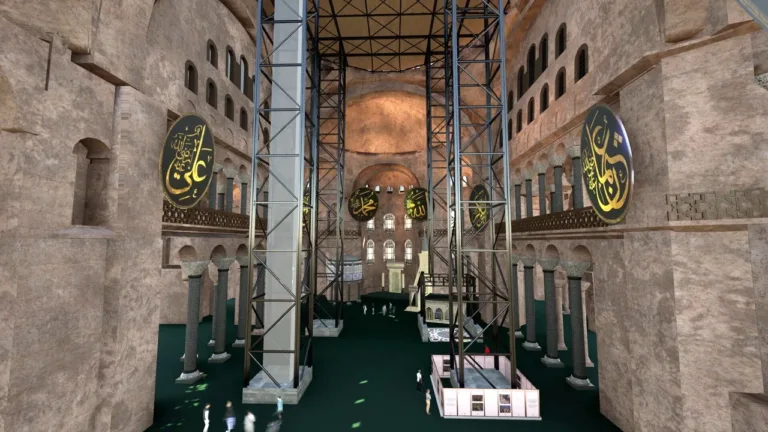
Turkey has launched a significant new phase of restoration at the historic Hagia Sophia in Constantinople, aiming to protect its domes from potential earthquake damage.

This includes reinforcing the main and half domes, replacing worn lead coverings, and upgrading the steel framework—all while keeping the mosque open for worship.

Originally built as a Christian cathedral in 537 AD by Emperor Justinian I, Hagia Sophia has been a mosque, a museum, and now a mosque again since its conversion in 2020.

According to Turkiye Today, construction engineer Dr Mehmet Selim Okten described the recent renovation works as “the most significant intervention in over 150 years,” particularly in light of fears of a major earthquake in Istanbul.

A tower crane has been installed on the eastern facade to aid the efforts, which will also involve academic study of structural damage from fires and quakes dating back to the 10th and 14th centuries.

Okten noted: “We plan to use modern, lightweight materials and keep the building open to the public.”

The timeline for completion remains uncertain, but Okten promised the restoration would be “monitored transparently.”

Source: Turkiye Today

Greece bolsters defence with French anti-ship missile deal

Greece has signed a new defence agreement with France to acquire 16 Exocet anti-ship missiles, as part of a broader effort to modernise its military and address ongoing tensions with neighbouring Turkey.

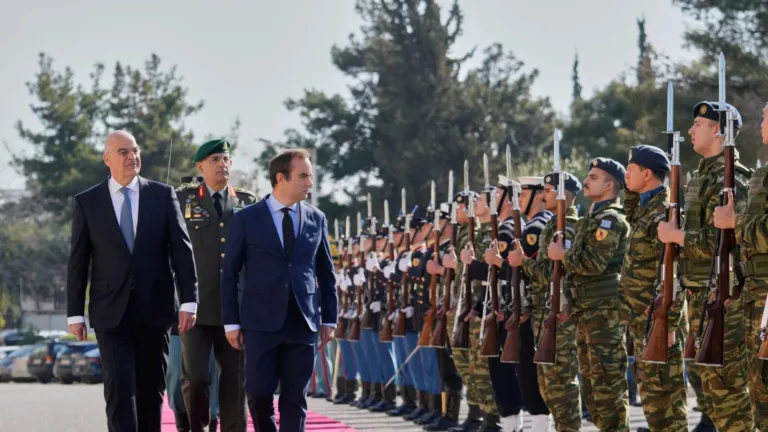
The deal was signed in Athens by Defence Minister Nikos Dendias and his French counterpart Sébastien Lecornu, who also met with Prime Minister Kyriakos Mitsotakis and toured the French frigate Alsace docked in Piraeus.

Although no cost was disclosed, this latest purchase adds to previous acquisitions of Rafale jets, frigates, and helicopters from France.

Dendias emphasised Greece’s defensive posture, stating: “Greece does not threaten, but is threatened.”

The agreement builds on a 2021 mutual defence pact between the two countries and forms part of Greece’s €25 billion overhaul to shift towards high-tech warfare, including AI-powered missile systems and drones, in cooperation with France, the US, and Israel.

Source: AP News

South Melbourne FC announces departure of Head Coach Esteban Quintas

0

South Melbourne FC has announced the departure of senior head coach Esteban Quintas, following the team’s 3-0 home defeat to rivals Heidelberg United on Sunday, April 13 at Lakeside Stadium.

In a statement released Monday, the club confirmed it had parted ways with Quintas, describing his tenure as one marked by professionalism, commitment and notable success. The departure signals a major shift for the NPL Victoria powerhouse, which now enters a transitional phase mid-season.

Quintas had been at the helm since 2019, guiding South Melbourne through a period of revival and renewed competitiveness. During his time in charge, the club secured two NPL Victoria Premiership titles (2022 and 2024), lifted the Dockerty Cup in 2024, reached the semi-finals of the national Australia Cup, and claimed the Charity Shield earlier this year.

He also earned individual recognition, being named NPL Victoria Coach of the Year in 2024, and was widely praised for promoting youth development, regularly elevating under-23 and junior players into the senior squad.

The decision to part ways appears to follow a period of inconsistent performances, with Sunday’s flat display against Heidelberg United adding to growing pressure. Notably, Quintas was seen embracing staff before kick-off – a gesture some interpreted as hinting at an impending departure.

The timing of Quintas’s exit is particularly significant, as South Melbourne prepares to enter the newly established Australian Championship – the formal name for the National Second Tier (NST) competition launched by Football Australia. The league will feature 12 foundation clubs, including South Melbourne FC, in a national 22-round format followed by a finals series.

The Greek Herald previously reported on the official launch of the Australian Championship, which is set to begin in early 2025. South Melbourne is expected to play a central role in the competition, with its strong supporter base and proud history making it a key pillar of the league’s success.

The club has yet to name a successor, but said an announcement regarding the next phase of coaching leadership will be made later this week.

For South Melbourne, a club deeply embedded in Melbourne’s Greek-Australian community, the end of Quintas’s era marks the close of a chapter defined by both silverware and cultural renewal. As the club recalibrates mid-season, all eyes turn to the horizon of national competition and the opportunities that the Australian Championship will bring.

Hellenic Village’s million-dollar sale nears completion, AGM to decide on proceeds split

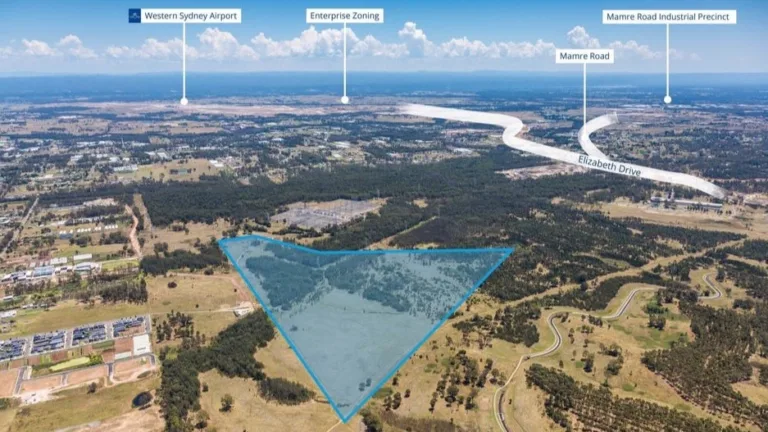
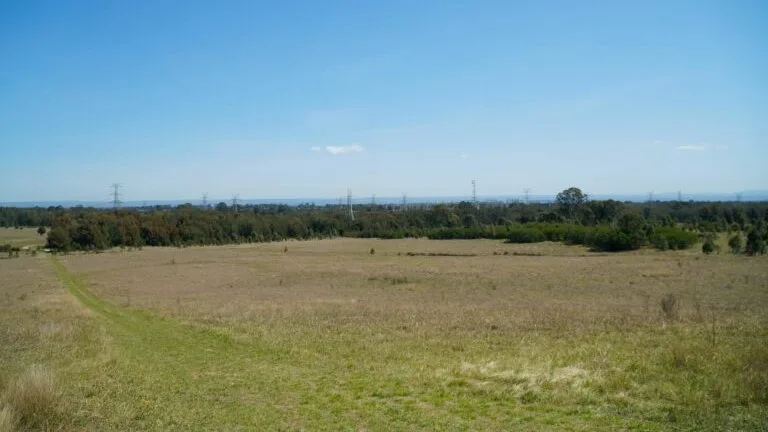
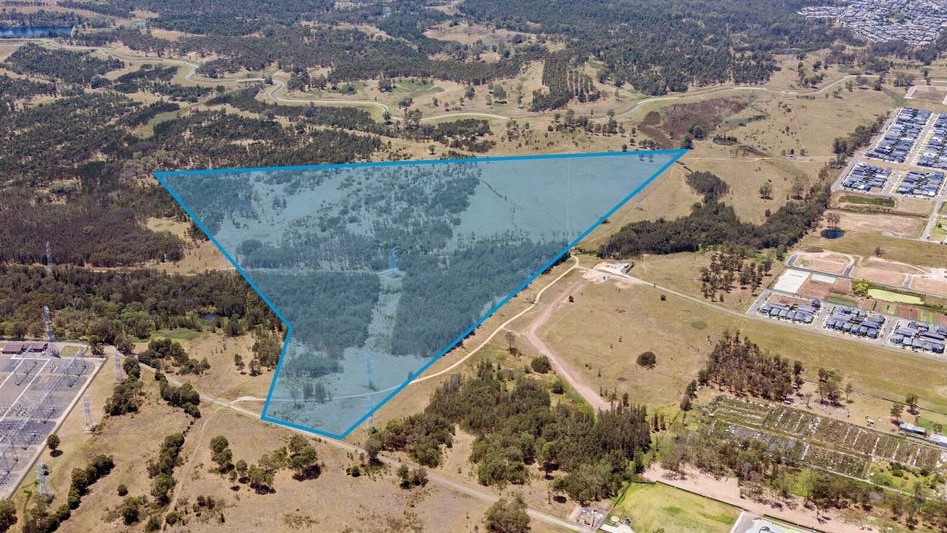
The long-anticipated sale of the Hellenic Village’s 105-acre property at Gurner Avenue in Austral, New South Wales, is nearing completion, with the Board confirming a new purchaser has made a non-refundable payment of $5.45 million and agreed to proceed with the sale of the land.

The transaction marks a major turning point for the Greek Australian community and the future of the Hellenic Village project.

In a President’s Report seen by The Greek Herald and issued ahead of an overdue Annual General Meeting (AGM) in May, it was confirmed that the purchaser completed its Due Diligence period on Monday, 24 March 2025, and advised that it would proceed with the acquisition.

From setback to success: The journey to securing a new buyer

The Greek Herald first reported in October 2023 that the 21 Greek associations (Unit Holders) that make up Hellenic Village Ltd had unanimously agreed at an Extraordinary General Meeting (EGM) to sell the Austral property for $117.5 million.

The Hellenic Village property at Austral.

However, following the initial agreement, the original purchaser entered a Due Diligence period and paid a non-refundable deposit before ultimately terminating the contract in December 2024, citing unresolved issues, including road access. The Board attempted to renegotiate, seeking a good faith payment and legal cost coverage, but the purchaser declined.

In accordance with the EGM resolutions, the Board swiftly engaged with the second and third preference buyers from the original Expression of Interest campaign.

While the second preference party did not proceed, the third preference buyer entered negotiations, initially offering $117.5 million (inclusive of GST), then increasing it to $119 million, and ultimately to $119.5 million. The offer also includes a $200,000 donation to Australian Hellenic Future Fund (AHFF), a charitable structure set to be created to support future Greek Australian community initiatives.

As part of the agreement, the purchaser made a good faith payment and a second non-refundable payment upon completion of Due Diligence. The funds received to date have allowed Hellenic Village Ltd to fully clear its outstanding debts with the Bank of Sydney.

Strategic additions

The purchaser, during Due Diligence, raised concerns about neighbouring developments—particularly the Landcom site—which could impact their own development timelines.

The long-anticipated sale of the Hellenic Village’s 105-acre property at Gurner Avenue in Austral, New South Wales, is nearing completion.

As such, the Board agreed to grant an extension of up to 270 days for settlement. If fully utilised, this would increase the sale price from $119.5 million to $126.25 million (inclusive of GST), along with the AHFF donation.

The Board also secured two additional non-refundable payments — one due in September 2025, and another in January 2026, should the extension be used.

Unresolved issue: Proceeds distribution and AGM agenda

With the sale nearing finalisation, the Board’s focus is shifting toward realising the AHFF. However, a key issue that remains unresolved is how the proceeds of the sale will be distributed.

At the October 2023 EGM, the Board proposed that 50% of net proceeds be distributed to Unit Holders based on their shareholdings, and the remaining 50% be donated to the AHFF. However, no consensus was reached, and the matter is expected to be a major point of discussion at the upcoming AGM.

The 2024 Financial Statements have now been signed, ratified by the Board, and circulated with the official Notice of AGM. The meeting will also include elections for Board positions and further discussion around future planning.

Inside the 2025 Greek Australian Writers’ Festival with Helen Vatsikopoulos

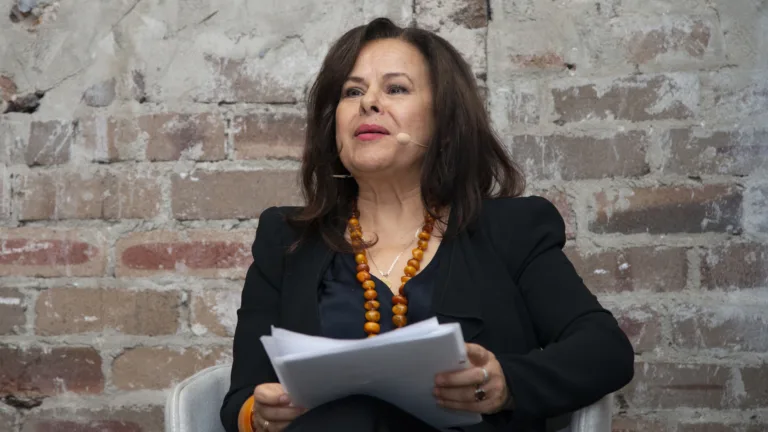
As the Greek Australian Writers’ Festival prepares to return on Sunday, April 27 for its fourth and most expansive edition yet, award-winning journalist and academic Dr Helen Vatsikopoulos — Founder and Director of the Festival — reflects on the power of storytelling, intergenerational memory, and cultural connection.

Held in the Prince Henry Centre at Little Bay in Sydney, the 2025 Festival will feature an ambitious program of parallel sessions spanning fiction, memoir, psychology, photography, and myth.

In this exclusive interview, Dr Vatsikopoulos shares her vision for this year’s event, the stories that continue to shape our Greek Australian identity, and why literature still matters in an increasingly digital world.

This year’s Greek Australian Writers’ Festival is the biggest yet — what can audiences expect from the expanded program?

This is 4th year that we are holding this festival and I am pleasantly surprised that there is no shortage of books on Greek themes to feature.

There’s an impressive range of genres this year — from mythology to memoir, psychology to photography. What was your vision when curating such a diverse lineup?

I want to showcase as many different authors and genres as possible to give audiences choice. It begins with seeing what is available, what books have been written and then trying to curate an event around these.

This year we are honoured to have two prominent Greek Australian intellectuals Professors George Kouvaros and Nikos Papastergiadis sharing their thoughts on identity and generational thinking. Their books allow us to take a deep dive into the past and reflect on what impact this has had on our development. But there is also a focus on women with Koraly Dimitriadis’ short story collection “The Mother Must Die” and Emily Tsokos Purtill’s “Matia,” a matrilineal novel of love in four generations.

Koraly Dimitriadis to launch new short story collection ‘The Mother Must Die’

The Festival features parallel sessions in the morning — can you tell us more about this format and what it offers attendees?

Because we have so many books and we want to keep the festival to one day, we will have two sessions running at the same time in different rooms so the audience can choose which session appeals to them. Most of the literary festivals do this. It’s great to have so much on offer.

One of the standout elements is the launching of two new books. What excites you most about Patrimonies by George Kouvaros and Hydra in Winter by Shelley Dark?

We are honoured to officially launch Professor George Kouvaros’ book Patrimones – Essays on Generational Thinking. Dr Andonis Piperoglou, Hellenic Senior Lecturer in Global Diasporas at Melbourne University, is launching this and will be in conversation with George. This is a great book which asks the questions so many of us second and third generation Greeks are asking: How did the actions and choices our parents made leave their mark on us? We are so fortunate to have intellectuals like George, Andonis and Nikos Papastergiadis who are doing the analysis and research on what has made us, the children of migrants.

Hydra in Winter is a glorious book. Shelley and her husband John had no idea that he was descended from one of the first Greek convicts sent to Australia – a pirate named Ghikas Voulgaris. Now both retired, John was happy surfing but Shelley was determined to find out more and so she went to Hydra in winter, when the tourists are away and she could try and find out who this person was. It’s a great read.

This year’s theme seems to lean into intergenerational storytelling and identity. Was that an intentional direction for the festival?

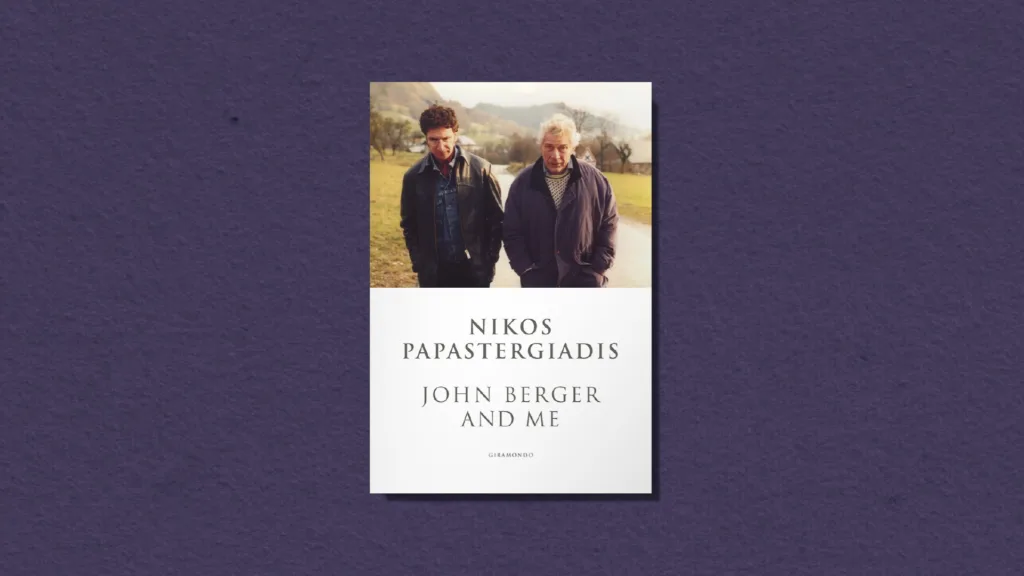
I think that we have reached a moment when we are starting to get introspective. Most of us have aging parents or grandparents and these were the migrants of the post-war generation that migrated to Australia. They are slowly leaving us and we have so many questions to ask them and so much to learn from them. George Kouvaros’ book Patrimonies addresses this theme, as does Nikos Papastergiadis’ John Berger and Me. His memoir reflects on the influences of his mentor and also of his father and draws on personal memories of his familial origins from his peasant roots to experiences of migration.

nick papastergiadis john berger
Nikos Papastergiadis’ new literary memoir ‘John Berger and Me.’

The final session, Books That Made Me, invites personal reflections from both authors and audience. What inspired this more intimate and interactive conclusion?

Most of us have a book that moved us, or caused us to think differently or deeply about our identity or our community or history and purpose, and I think it would be great to hear from the authors about these seminal moments in their lives. It would also be good to hear from the audience too. Perhaps we will get some more books for our reading lists or book clubs.

Greek mythology appears in modern form in works like Delphi and Dancing the Labyrinth. Why do you think myth continues to resonate so strongly with Greek Australian writers today?

This is a phenomenon that just keeps growing and is now a best-selling genre. I think the ancients would have loved to see non-Greeks taking their stories and repurposing them for modern audiences. The readers love these moral tales and the stories are not just in books – there are currently two films slated for release on Odysseus and his return to Ithaca.

The festival is also hosting a session on neuroscience with Dr Anastasia Hronis and several photography-based works. How important is it to stretch the boundaries of what a ‘writer’ is?

Storytelling comes in many forms, from the written word to the visual form of communication. And stories come from the imagination as in novels, but also are based on science and medicine as in The Dopamine Brain. Today we struggle to achieve balance in our lives and Dr Hronis is there to explain the role that Dopamine plays in our daily lives.

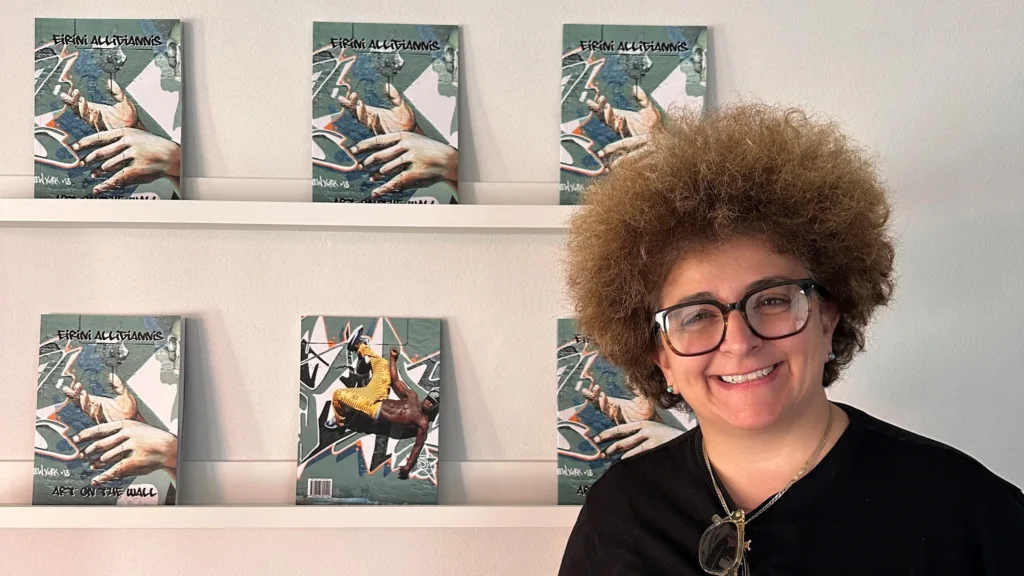
We are lucky to have such great photographers within our community like Effy Alexakis and Eirini Alligiannis. Photographers Marios Kalyvas and Aretha Zygouri moved to Australia from Greece and their book Glimpses of the Silk Road is a mesmerising account of their 25,000 km journey from Turkey to China covering 120 towns and villages and reflecting on the influence of Hellenism on that journey.

Eirini Alligiannis with her book.

As the festival’s founder, what has been the most rewarding part of seeing it grow within the wider Greek Festival of Sydney?

It’s wonderful to see mixed audiences. Greek Australians sharing ideas with those who don’t have Greek backgrounds. I think this is the essence of what we want to achieve, to bring all Australians together and we have been able to achieve that.

I really want to encourage reading and storytelling. I find it disturbing to see people on devices everywhere, on trains, in waiting rooms, on buses, people are always on their phones, when years ago they might have been reading a book, or people watching, or thinking. It’s ruining our brains and creating something called “brain rot” and shrinking our attention spans. I want to encourage people to read and I hope we can get more younger people to attend.

This year we have Will Kostakis presenting his award winning Young Adult Fiction book We Could Be Something. It won the 2024 Prime Minister’s award last year and it’s a story of a young man coming out to his Greek parents. He will be in conversation with Peter Polites, another award winning author.

will kostakis

For those attending for the first time, what would you say makes the Greek Australian Writers’ Festival unique compared to other literary festivals in Australia?

What makes it unique is that its placed within the Greek Festival of Sydney and it’s a celebration of Hellenic culture and ideas. There is no other festival like it in Australia and we have made it a national event. Our writers are not just Greek Australians, but anyone who is writing on Greek themes and they come from Perth, Queensland, Melbourne as well as Sydney. The interviewers are veteran journalists like Phil Kafcaloudes and Helen Tzarimas, as well as younger journalists like Mikala Theocharous. There is no other event like it in the country – Melbourne has an annual book fair but not with sit down discussions and explorations of ideas. And it’s a work in progress – I hope that next year we can include some authors from Greece and make it international.

Is there anything else you’d like to say?

I want to thank The Greek Herald for supporting great storytelling and for the great work it does in journalism.

UTS Hellenic Society celebrates 45 years with sold-out anniversary ball

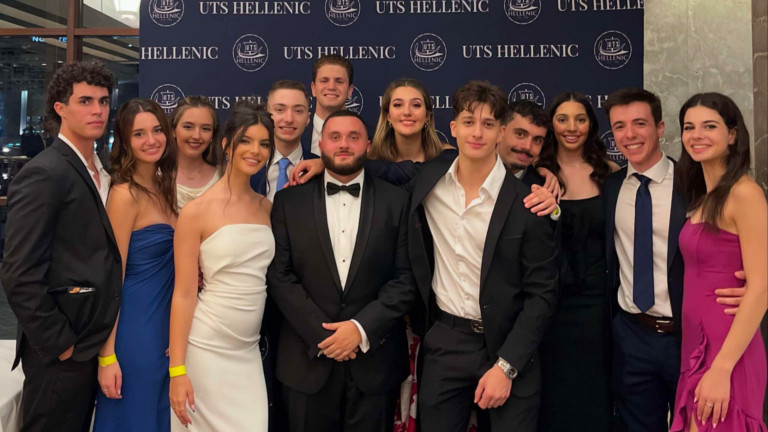
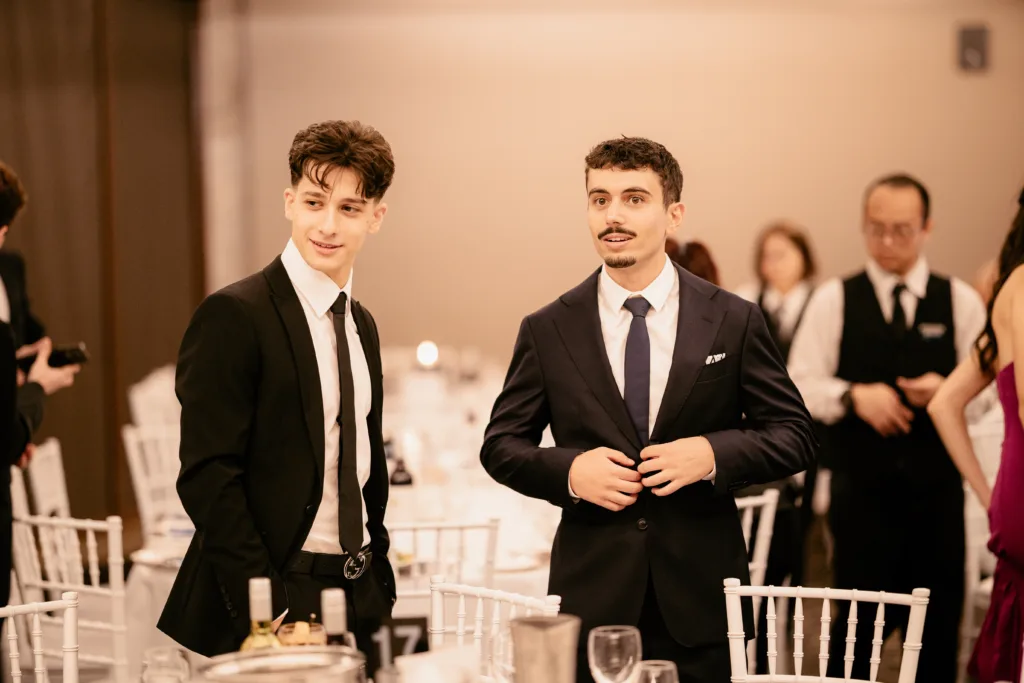
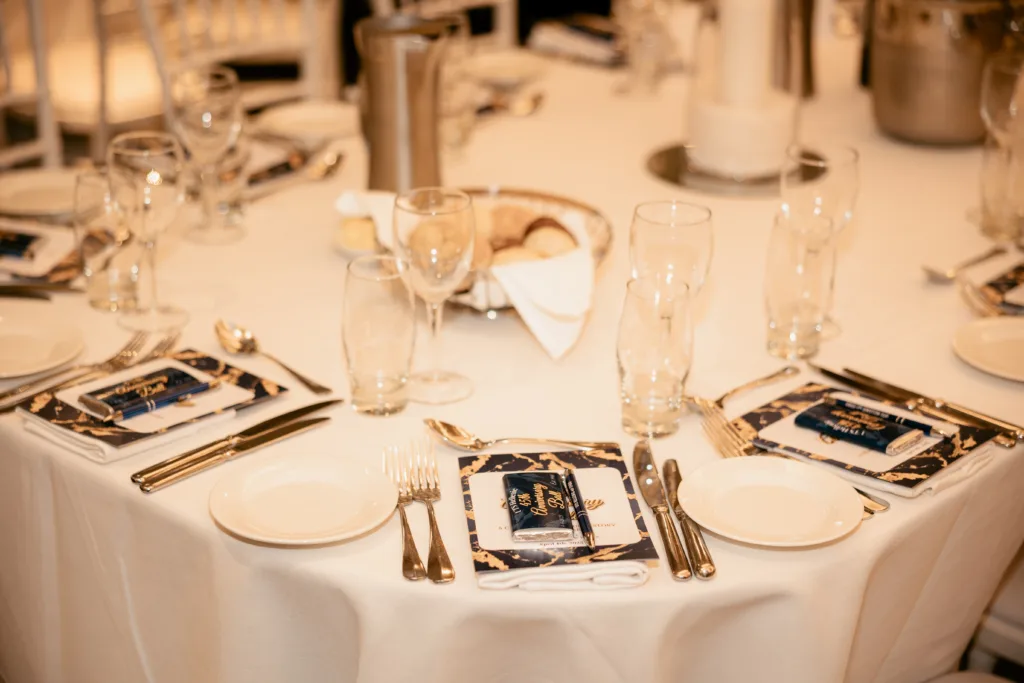
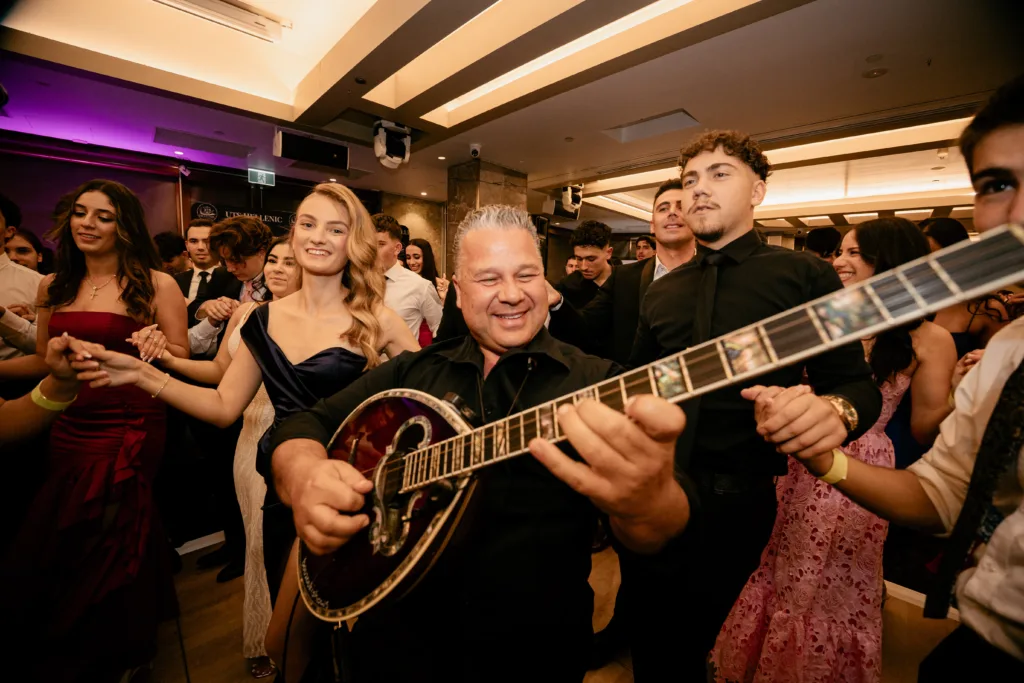
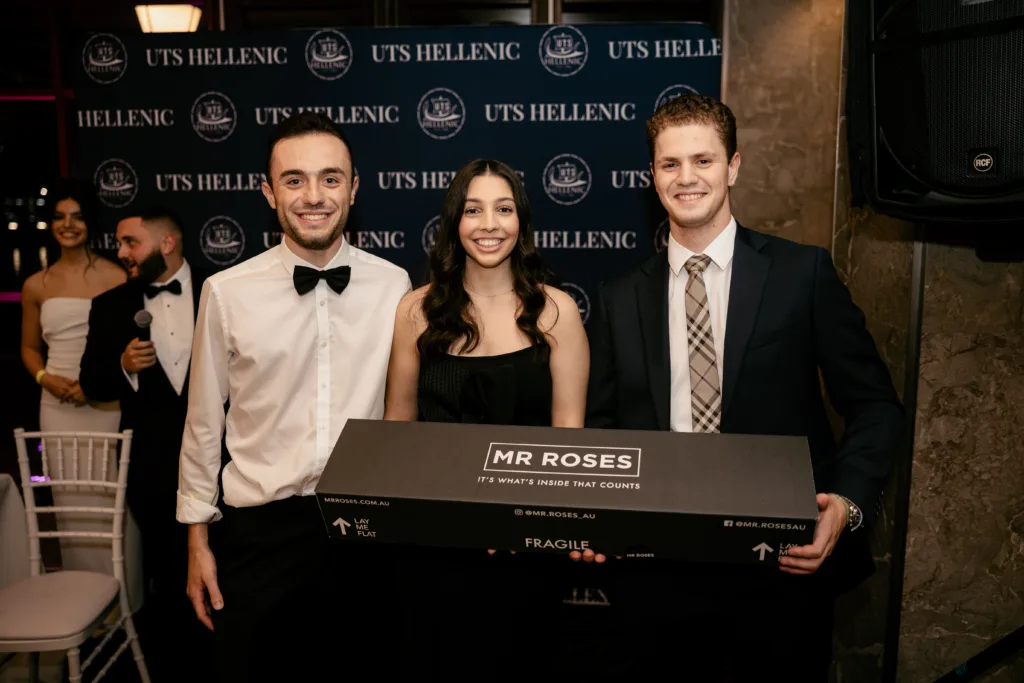
The UTS Hellenic Society marked its 45th anniversary with a sold-out formal ball on Friday, April 4, drawing over 250 guests to Dockside Venues at Cockle Bay Wharf.

The milestone event celebrated the society’s enduring legacy with live Greek music, dancing, a three-course dinner, and a tribute to its history.

Established in 1980, UTS Hellenic is the university’s longest-standing student organisation, dedicated to promoting Greek culture and supporting Greek Australian students.

The ball, the society’s first major celebration in a decade, reflected on its journey and the strength of the community.

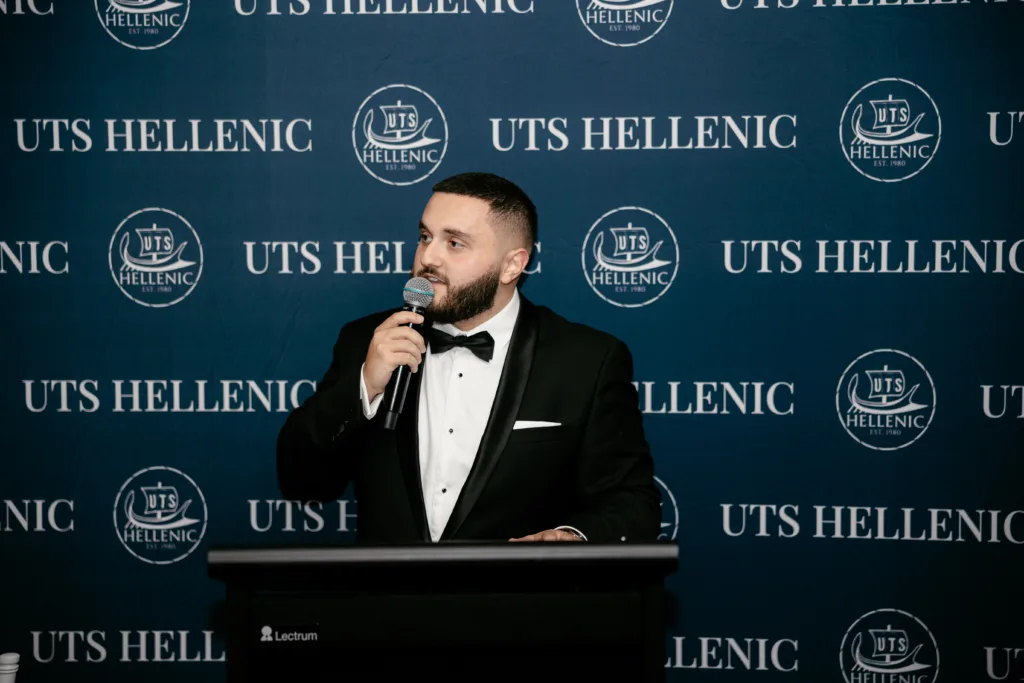
2025 UTS Hellenic President Basil Georgas gave an address on the night and said, “Although times have changed and society has changed, we, as people, have not… There are over 250 people here and this just shows that our community is stronger than ever.”

Mr Georgas thanked committee members, sponsors, and partner university societies, and paid tribute to the sacrifices of migrant families, urging students to honour their legacy through education and cultural pride.

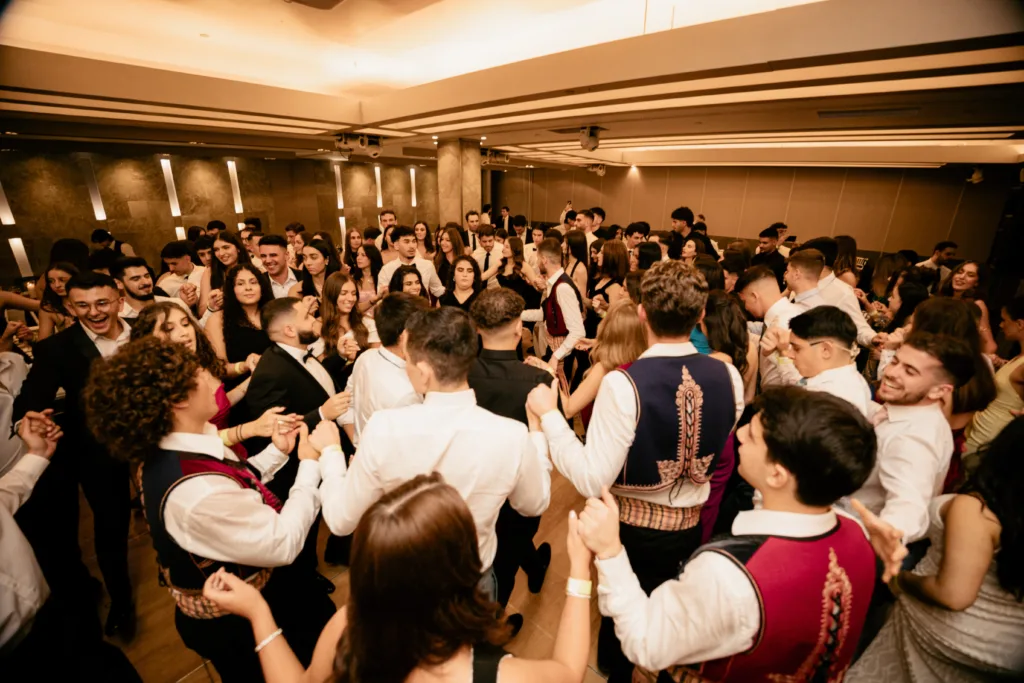
The event featured a surprise performance by the Aristotelian Academy of Greek Traditional Dance, followed by an energetic crowd joining the dance floor.

Raffle prizes and an afterparty carried the celebration into the early hours of Saturday.

The ball highlighted the society’s ongoing commitment to unity, culture, and community — values that have defined UTS Hellenic for nearly half a century.

Greek fire officers conclude successful study visit with Fire and Rescue NSW

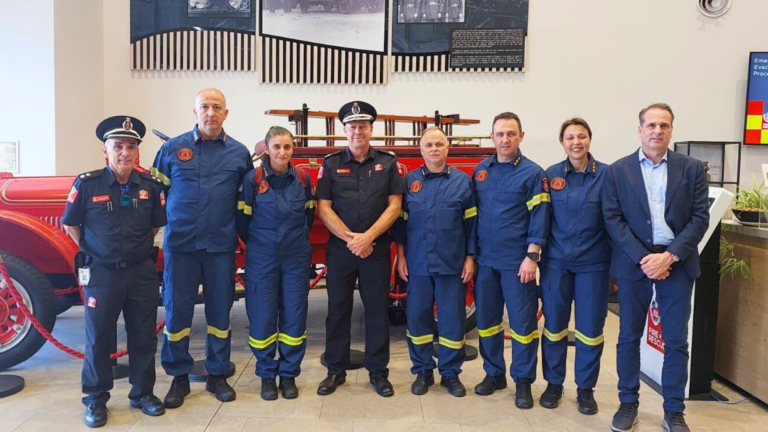
A delegation of fire officers from the Hellenic Fire Corps Headquarters has concluded a highly informative and successful study visit to Australia, hosted by Fire and Rescue NSW.

The visit facilitated a valuable exchange of knowledge and expertise between the Greek and Australian fire services, with participants describing the experience as fruitful.

As part of their trip to Sydney, the Greek fire officers were also officially received by NSW Minister for Emergency Services Jihad Dib and Minister for Industrial Relations and Work Health and Safety Sophie Cotsis.

They were accompanied by the Consul General of Greece in Sydney, Ioannis Mallikourtis.

The Greek delegation expressed heartfelt thanks to Fire and Rescue NSW for their hospitality and support throughout the visit, calling it a memorable and enriching opportunity for collaboration.

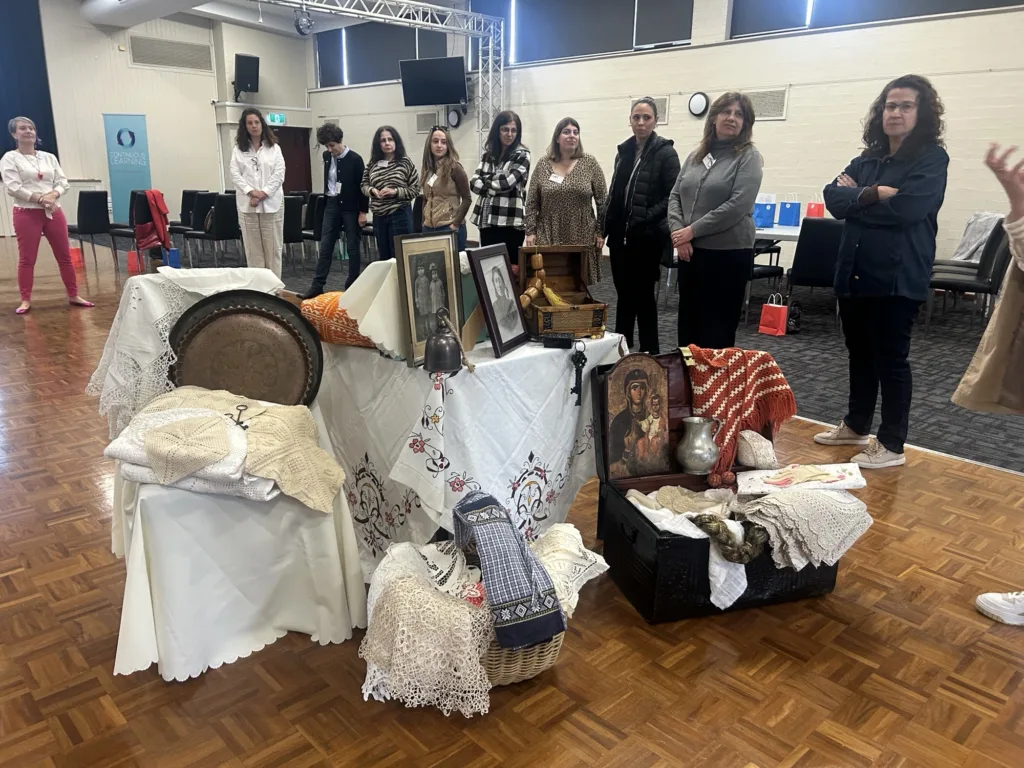
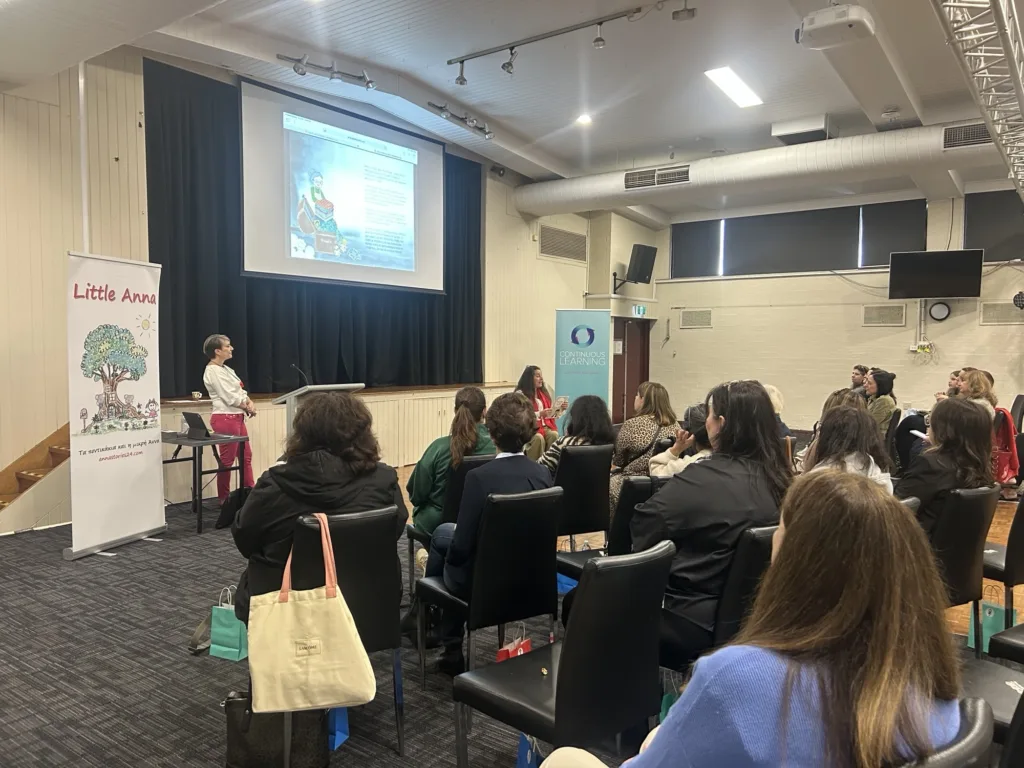
MGTAV hosts Professional Development Day in collaboration with Little Anna

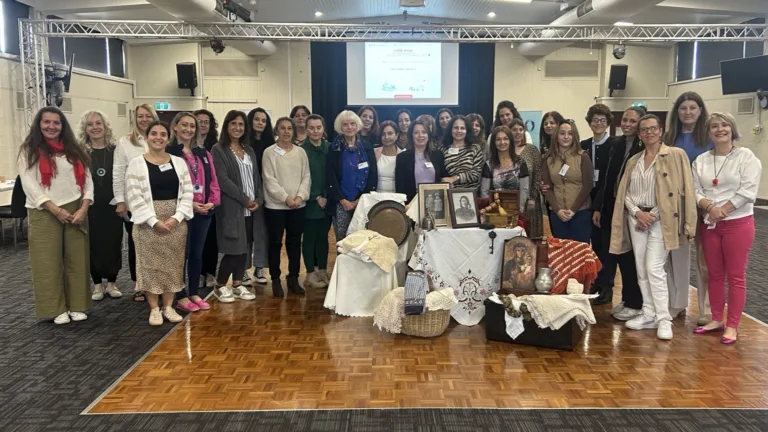
On April 8, the Modern Greek Teachers Association of Victoria (MGTAV) held a successful Professional Development Day at Oakleigh Grammar, in collaboration with Little Anna.

The event aimed to support language educators by exploring diverse methods of bringing the past into the future of language teaching. The MGTAV thanked Oakleigh Grammar for hosting the event.

The PD Day featured expert workshops led by the Little Anna team, including Perry Papageorgiou, Ourania Papageorgiou, Niki Farfara, Katerina Poutahidou, and Christina Soumi.

Teachers rotated through various interactive sessions, gaining valuable resources and practical tools to implement in their classrooms.

This PD Day built upon the success of MGTAV’s Immersion Day, which focused on engaging students, helping teachers continue to provide an enriching learning experience.

MGTAV continues to support language educators by offering professional development opportunities that enhance teaching practices and inspire creativity in the classroom.