Stefanos Tsitsipas made a strong start at the Barcelona Open on Tuesday, April 15, defeating American Reilly Opelka 6-2, 6-2 to secure his place in the second round of the ATP 500 tournament at the Real Club de Tenis Barcelona.
The Greek No. 3 seed, currently ranked 16th in the world, will next face American Sebastian Korda, who advanced with a 3-6, 6-3, 6-2 win over Matteo Arnaldi.
Tsitsipas expressed satisfaction with his performance following a disappointing quarter-final exit in Monte-Carlo last week.
“I’m happy with the way I found relief through fighting, particularly in the difficult moments when he was serving,” he told ATP Tour.
“I got a few metres back (on return) and used that space effectively. I felt I was able to return way more returns than initially expected. I kept my cool when I had to, it was a good win.”
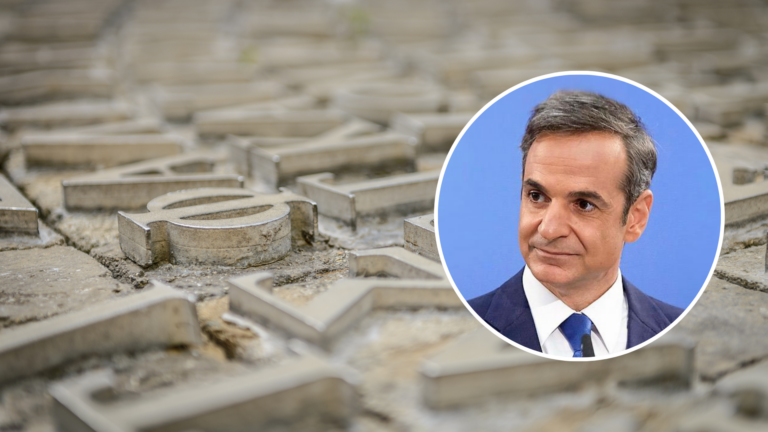
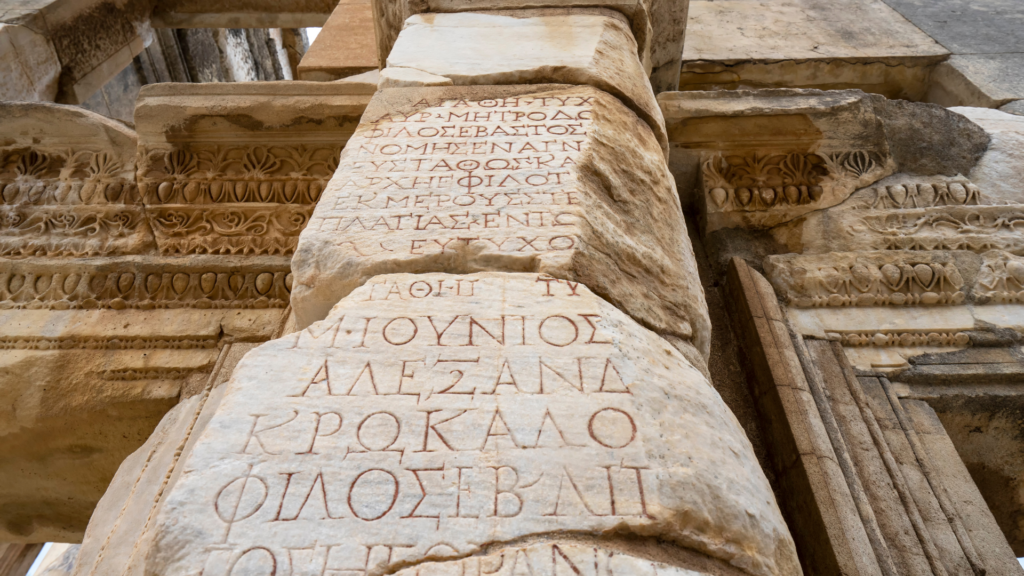
The decision, adopted by UNESCO’s Executive Council on April 14 with the support of 87 member states, was hailed by the Greek Ministry of Foreign Affairs as the result of years of coordinated diplomatic efforts.
The ministry noted the move “recognises the universal nature and global contribution of the Greek language to humanity’s cultural inheritance,” citing its unbroken 40-century oral and 35-century written traditions, and its impact on European languages and scientific terminology.
The official proclamation will take place at UNESCO’s 43rd General Conference in November 2025.
Greece’s Prime Minister Kyriakos Mitsotakis also expressed pride in the announcement, calling it “an undoubted success of our cultural diplomacy.”
He said Greeks everywhere would celebrate the honour, which also serves as a tribute to national poet Dionysios Solomos, who died on February 9.
Mitsotakis added that every year, the world will honour the vehicle carrying the values of the country that gave birth to democracy.”
PASOK-KINAL leader Nikos Androulakis welcomed the move as a “victory of great symbolism,” and highlighted his party’s role in initiating a Greek parliamentary resolution on the issue in May 2024.
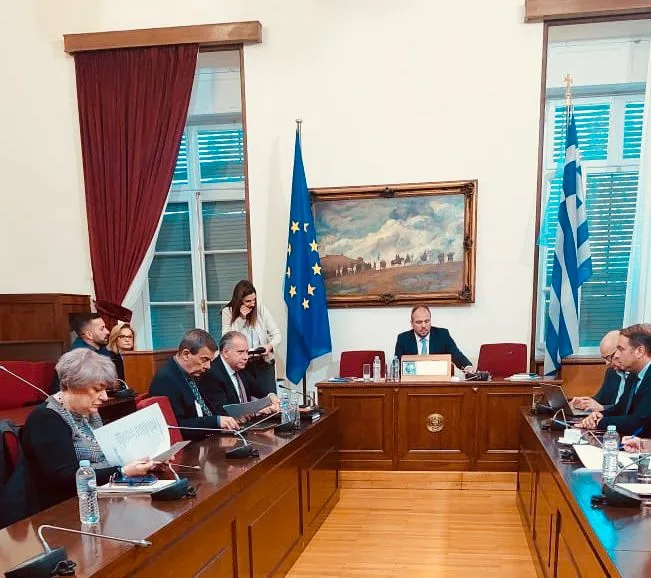
Philippos Fortomas, New Democracy MP and Chair of the Greek Parliament’s Special Committee on Hellenism in the Diaspora, praised the recognition.
Philippos Fortomas, New Democracy MP and Chair of the Greek Parliament’s Special Committee on Hellenism in the Diaspora, also praised the designation as a “historic moment for Hellenism.”
He emphasised the committee’s contribution to advancing the initiative through public dialogue and coordination with Greece’s UNESCO delegation.
“The Greek language is a bridge of culture and identity. Its international recognition strengthens us and obliges us to continue the effort to disseminate and support it,” Fortomas said.
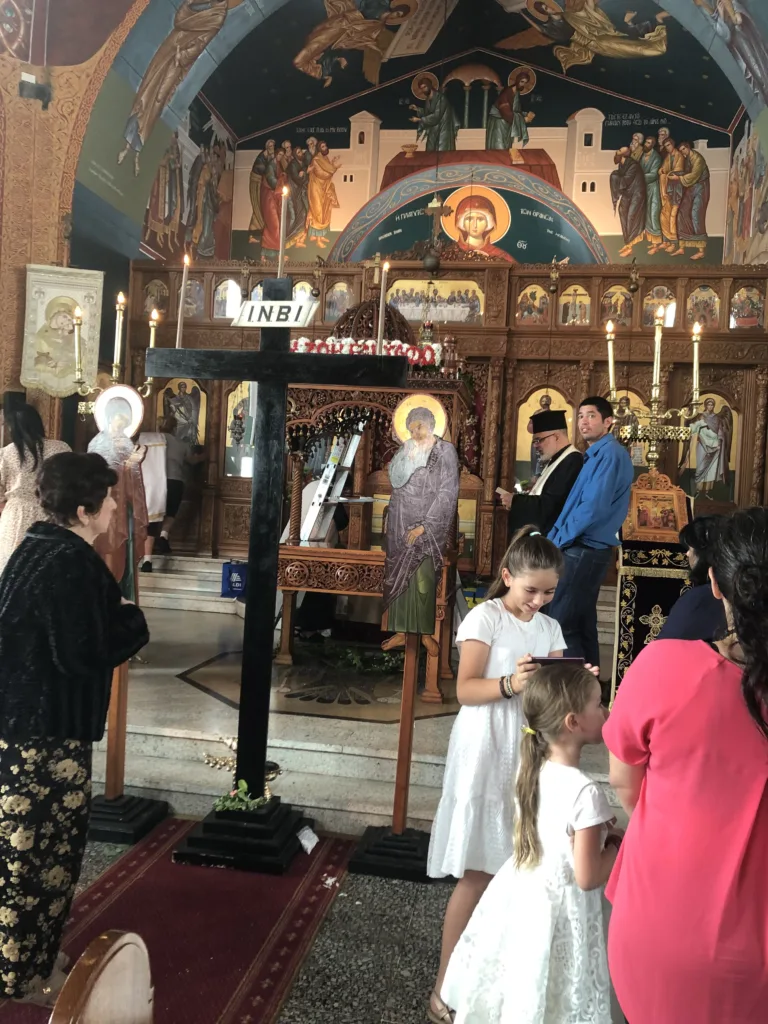
While Woolworths and Coles stock their shelves with bunny-shaped chocolates, the Greek Orthodox community prepares for the most sacred day on the religious calendar. But, it’s not just a day, is it? And, it’s not just a “midnight mass.”
Growing up in my Greek community, with Lent such a constant in my life, it takes seeing through the eyes of outsiders to realise how much the world around us changes come Pascha.
It truly is the one time of year when members of the community, near and far, become one, and traditions that have been carried out for generations continue – something rare in today’s world. Students arrive late to school after their morning service, and wake up tired after Thursday’s late-night one.
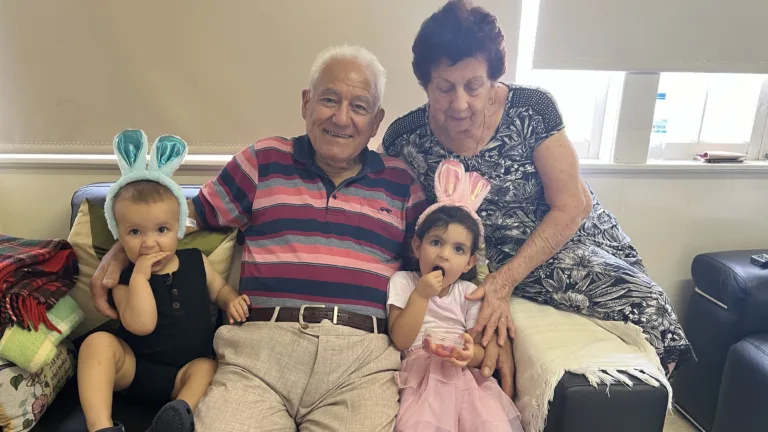
When you visit Yiayia and Pappou, you’ll most likely be served lentil soup with chopped onion, olives, and a drizzle of olive oil. They might seem a bit more fatigued than usual because it’s their day of fasting.
Living in a country that is not the homeland of our heritage and culture can sometimes feel like a threat to traditions, as they ever so slowly start to fade with each generation. Yet, come Pascha, generations young and old come together in faith and tradition – not because they have to, but because they truly treasure this time of year and everything it embodies. It’s about family, faith, and the conscious sacrifice of the things you love.
What makes it even more special is knowing that thousands of kilometers away, in our country filled with Yiayias and Pappous, fakes, and big families, they’re doing the exact same thing. From Palm Sunday celebrations and Epitaphio decorating to late-night services, and giving up sweet treats, food staples, and big events for our faith – although worlds apart, we couldn’t be closer together.
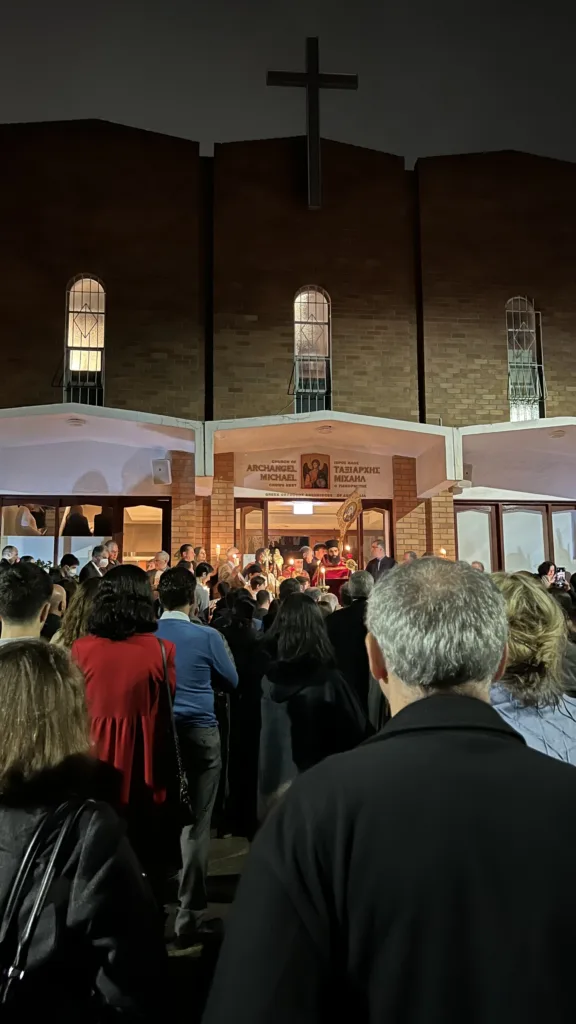
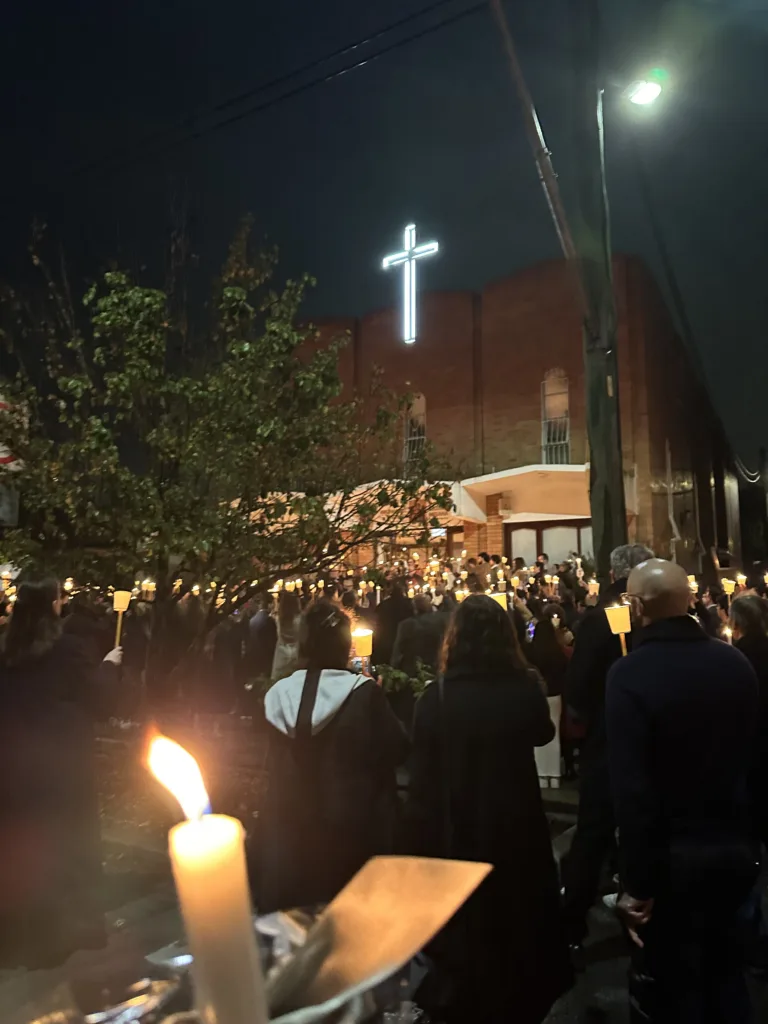
We show up to our local churches as a congregation, no doubt knowing everyone’s name, placing a gold coin in the donation box in exchange for a candle wrapped in red, or white plastic covers (which will have melted edges by the end of the night). Some of us understand the words spoken by the priest; others, not so much. You glance around the room and see faces you’ve watched grow from small to big before your eyes – and those you’ve grown up with yourself. The elderly Yiayias and Pappous in the pews refuse to sit down, putting you to shame if you do prematurely.
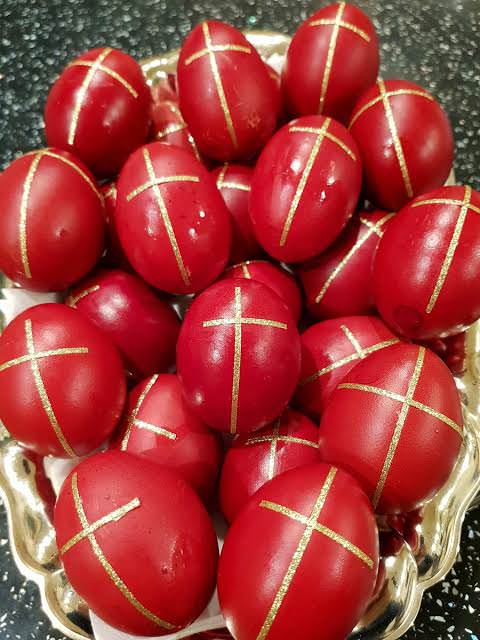
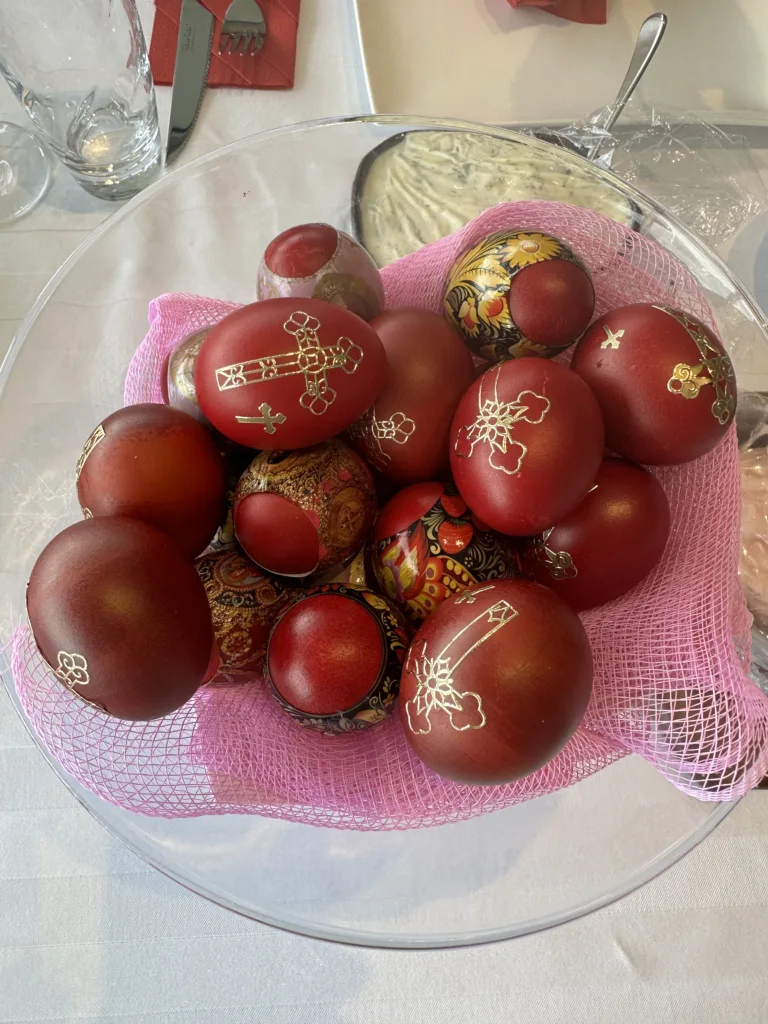
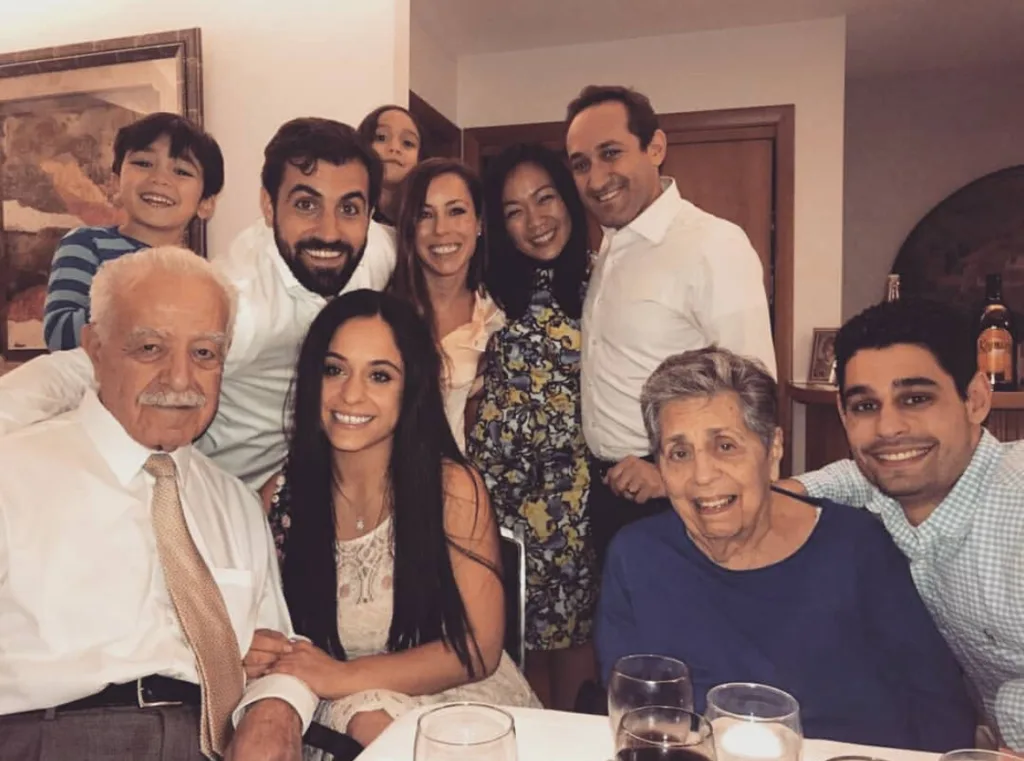
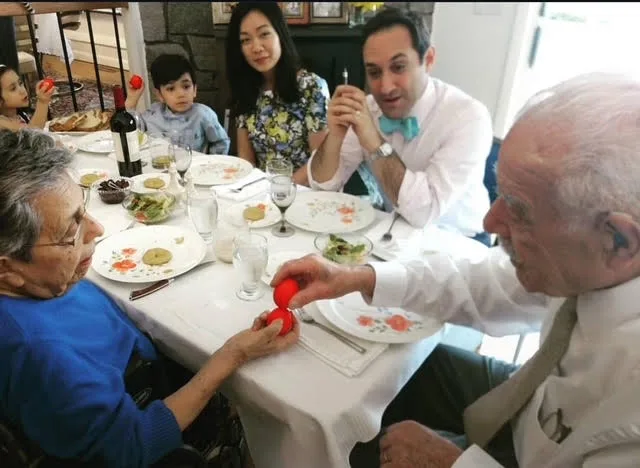
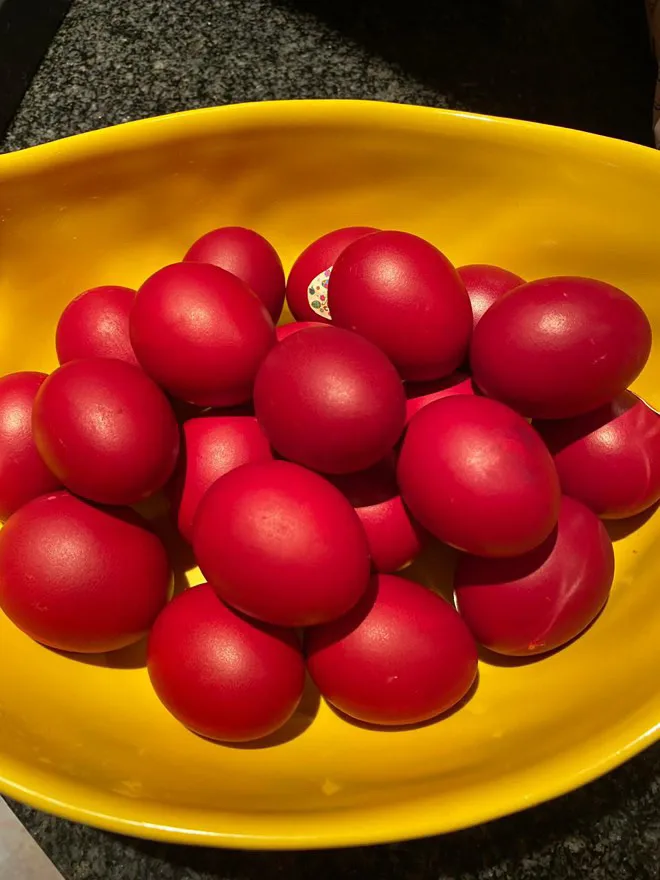
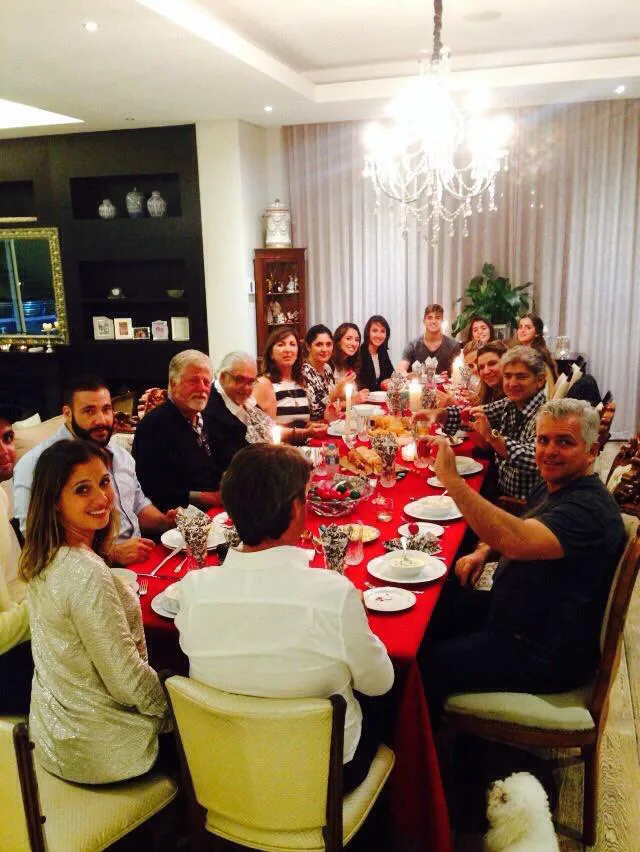
Your cousin is in the altar, and you stare through a crack to catch their eye, knowing that it’s only so long now until you’ll be together around the dinner table, lapping up lamb tongue soup (mageritsa), breaking bread, and cracking shiny red eggs as Yiayia scolds the eldest grandchild for pulling out the wooden one. With bowls empty and bellies full, your eyes begin to grow heavy with sleep, signaling it’s time for bed.
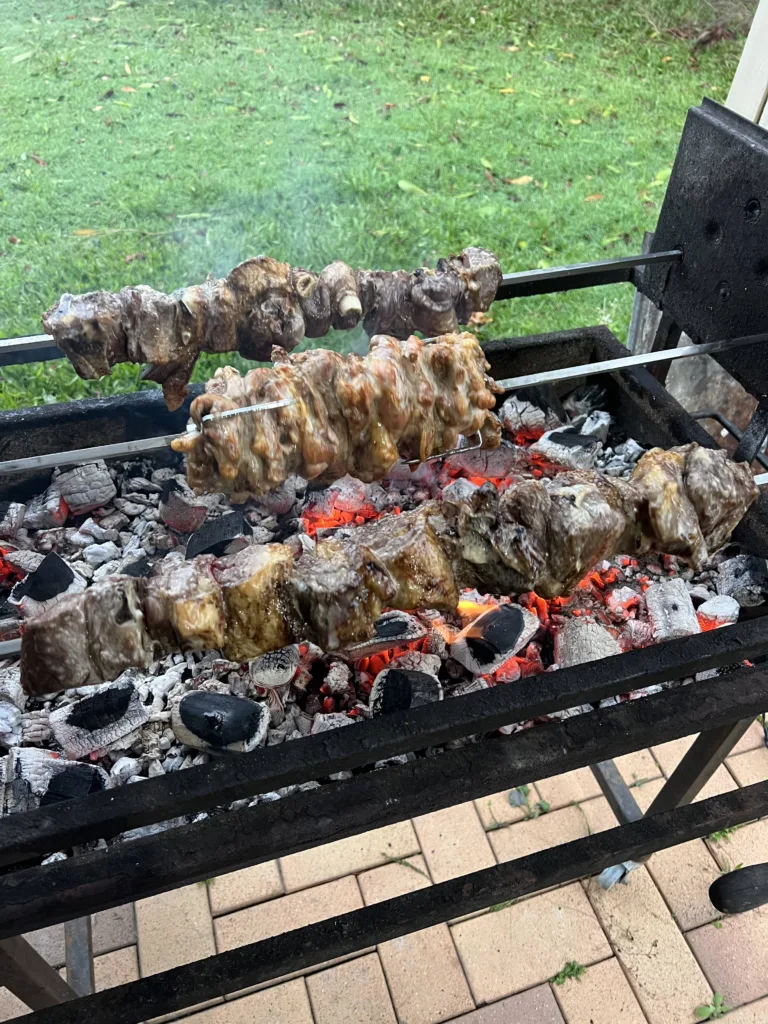
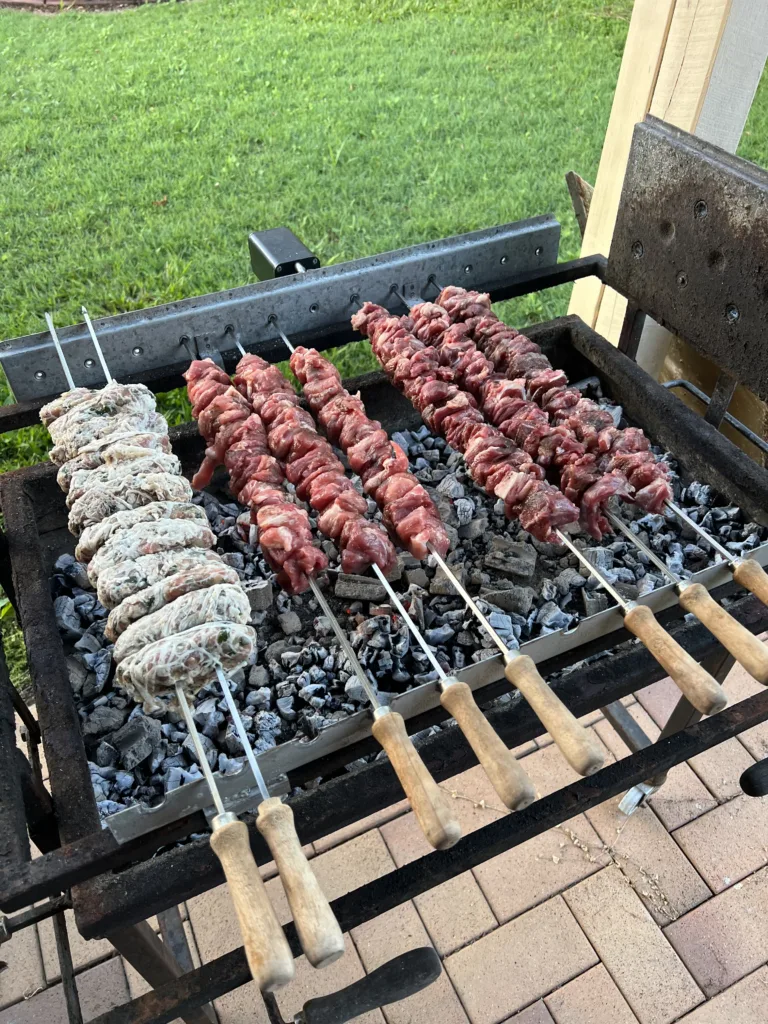
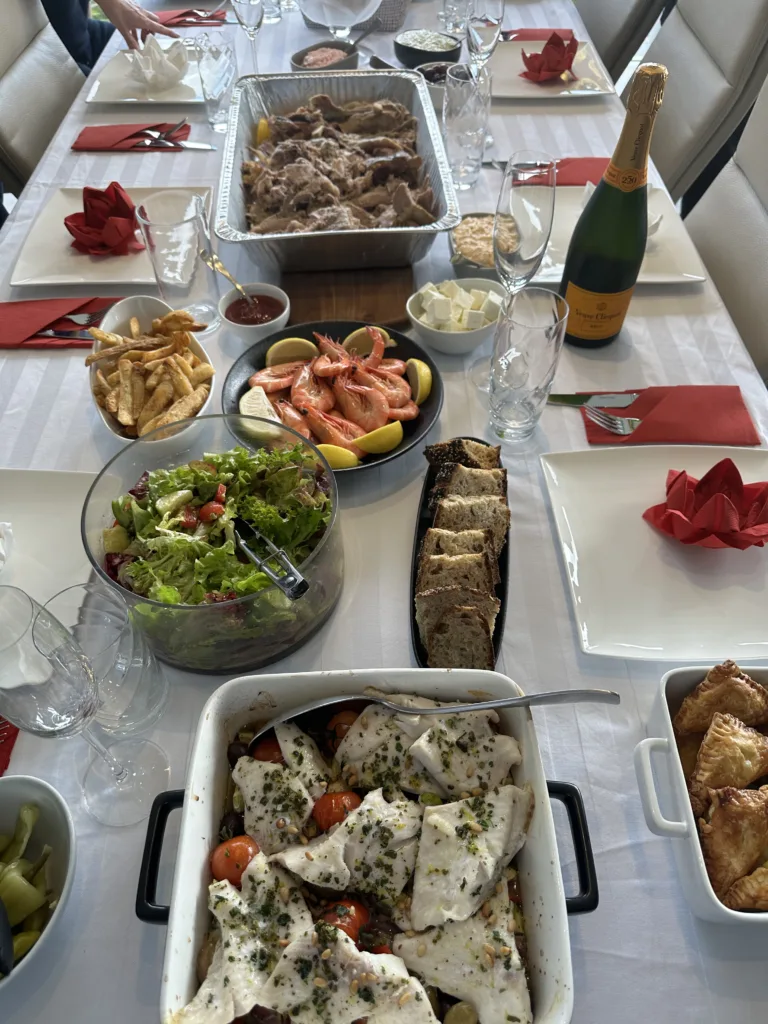
And the best sleep comes just before a day filled with family, souvla off the spit – rubbed with your Theo’s secret-herb mix – crispy lemon potatoes, yemista tomatoes, and about ten other dishes – just to be safe. From day to night, no egg is left uncracked, and no piece of baklava is safe. The bittersweet feeling is that when all is said and done, and the rest is well-deserved, it’s another year until we get to do it all again. So as generations pass and traditions evolve, bend, and sometimes fade, let’s hold on to this one. Because it’s just too special to lose.
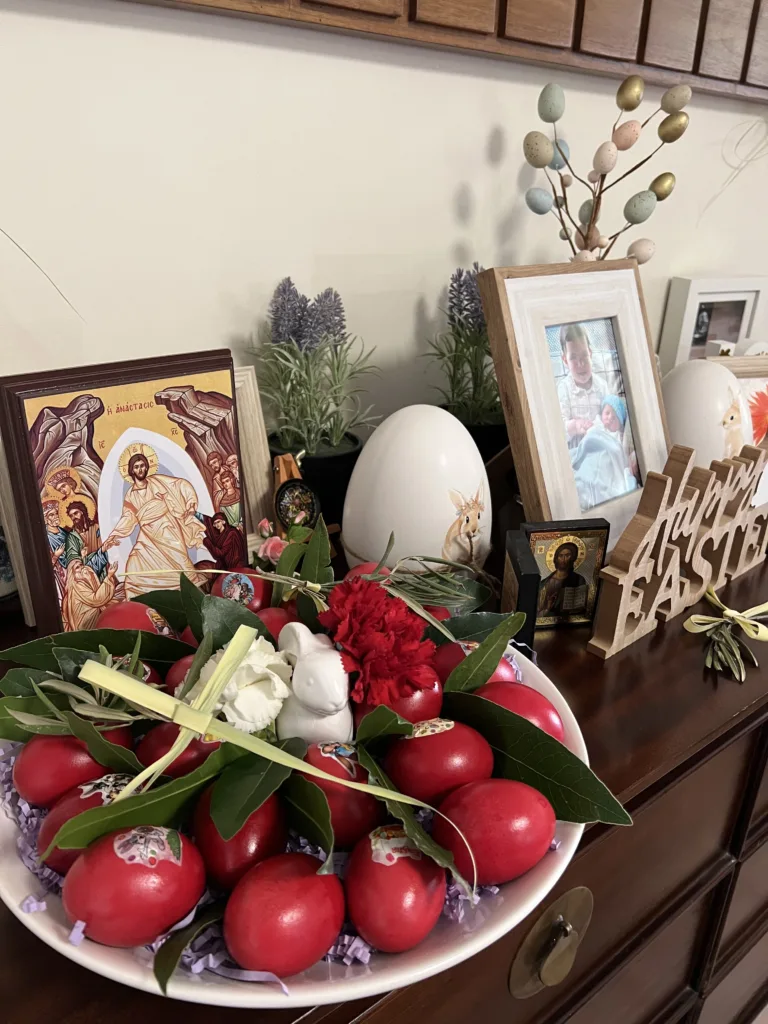
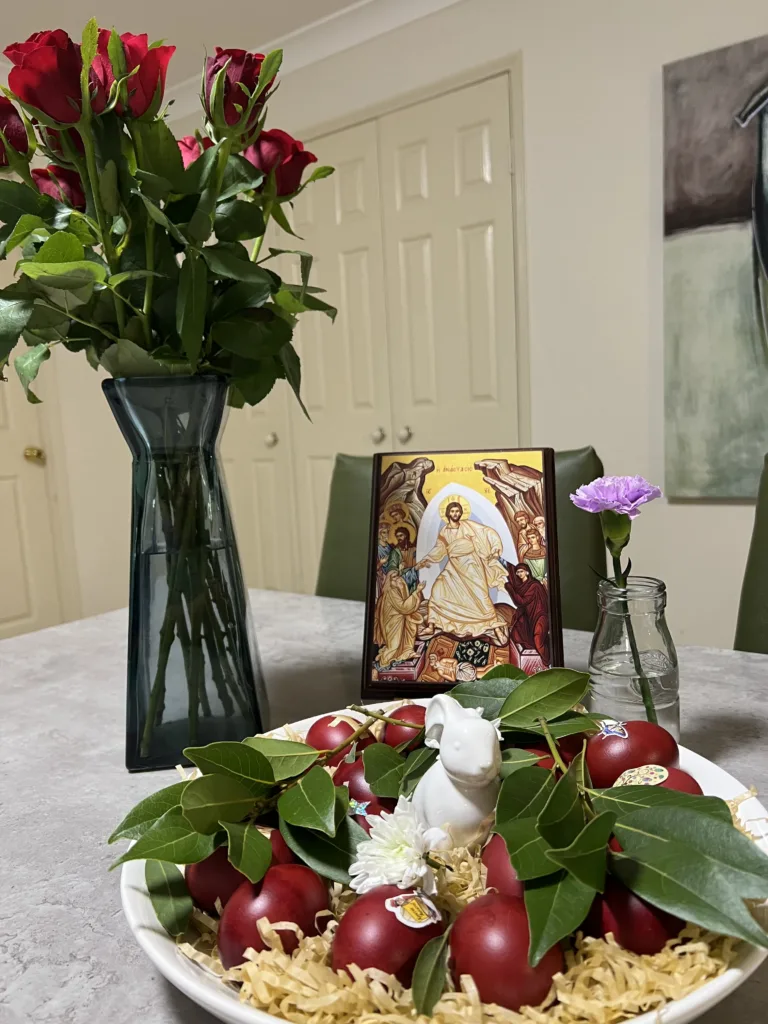
Across the world, Greek communities celebrate Orthodox Easter with deep faith, cherished traditions, and lots of lamb on the spit. From Sydney to Springfield and Cape Town, young and old reflect on the meaning of the Resurrection while keeping cultural rituals alive — proving that Orthodox Easter is truly a global celebration.
Easter in Australia
Vicki P, a 23-year-old from Sydney, Australia revealed that Easter is a time to celebrate with family and enjoy delicious food.
“It is also a time to reflect on what we are grateful for, especially through fasting and by attending the various church festivities,” Vicki told The Greek Herald. “Easter is a really special time for my family, and I’m sure for many Greeks around the world.”
Vicki said each year, a big Easter lunch is held at a different family member’s house.
“We normally start by smashing red eggs until we find a winner, and then begin eating,” Vicki said.
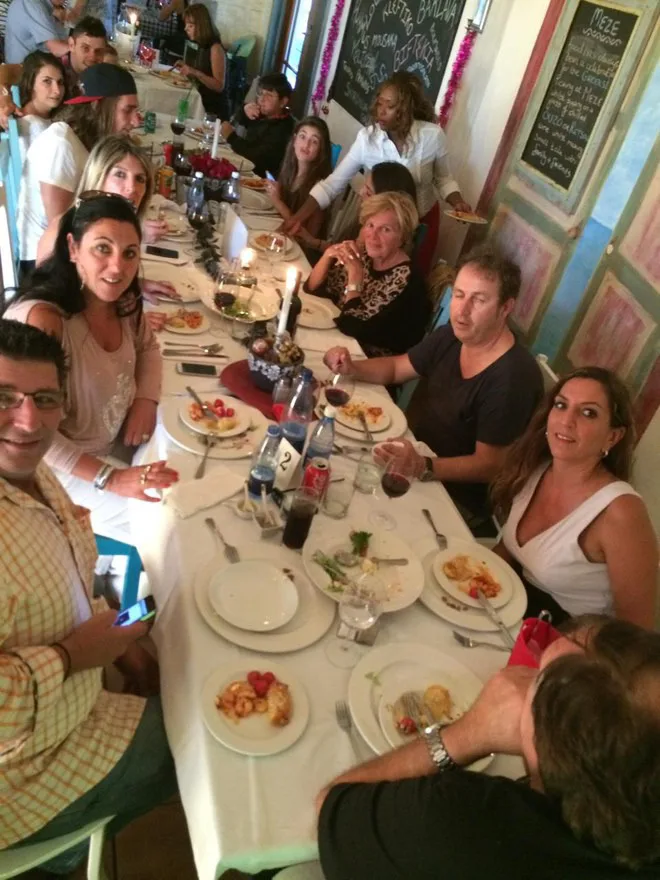
“About 12-15 people come along and we enjoy a lamb on the spit, red eggs, spanakopita, Greek salad, tiropites, and of course plenty of tzatziki.”
Vicki said her family always keeps up with the Orthodox Easter festivities and traditions.
“My family bakes koulourakia, dyes red eggs, and has chicken soup (avgolemono) on Easter Sunday morning after church,” she said.
“We also make sure to collect the holy fire at Anastasi and using a candle, we mark a cross at the top part of our front door.
“When we were kids, my parents would organise an Easter egg hunt around the house, and one year my dad bought us a giant easter egg which was about 1 metre tall.”
Vicki revealed that she is fortunate enough to still receive a lambatha from her godparents each year too.
“It makes me feel very proud to be Greek and happy that despite living in Australia, we have still maintained our traditions. It also makes me feel grateful that I have a lovely family to celebrate Easter with and to enjoy the festivities,” she said.
Easter in the United States
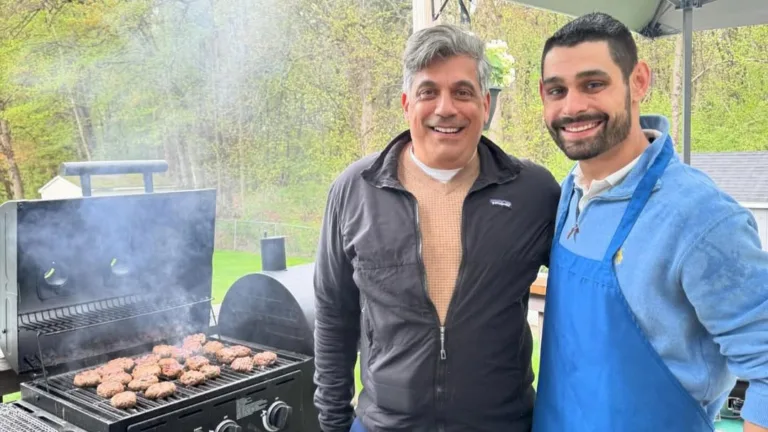
Haralambos Geanopoulos, a Greek American in his early 30s from Springfield, Massachusetts, told The Greek Herald that the Resurrection of Jesus, is a “huge part” of his culture and family.
“It’s a celebration in honour of our Lord Jesus Christ and the sacrifice he made for us. In return, we celebrate with our loved ones, family, and friends with various traditions for the Anastasi,” Haralambos said.
The Greek American, with roots from Lemnos and Crete, said his Holy Week involves “celebrating with all the community Greeks at Saint George Cathedral” in his hometown.
“My family goes to church throughout Holy Week to honour our Lord and we fast in return for what he did for us,” Haralambos said.
“Along with attending church for the Epitaphio on Good Friday to Holy Saturday for the lighting of the Holy Fire at midnight mass, we have a feast with the entire Greek community after church at our community hall to celebrate.”
Haralambos said he feels “great” every year on Easter.
“I love to celebrate with family and friends. I cook and grill usually, so it makes me happy to be able to spend time and create lasting memories with all involved,” he said.
“Easter is most importantly, what Jesus did for us, however it is also its traditions that brings your culture and family together.”
Easter in South Africa
Georgina Protoulis, a South African with Greek heritage in her 50s from Cape Town, revealed that Easter to her involves a blend of “religious and cultural traditions.”
“We celebrate Greek Orthodox Easter which… focuses on the resurrection of Christ. But growing up, it was as much about the Greek cultural traditions as it was about the religious significance,” Georgina told The Greek Herald.
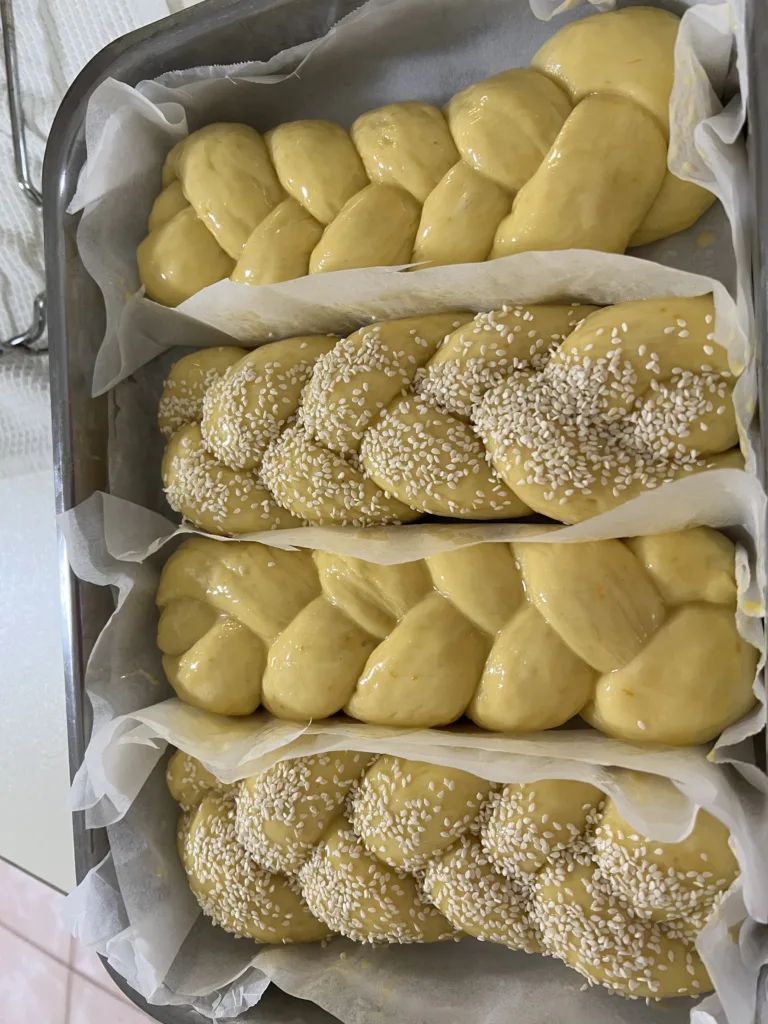
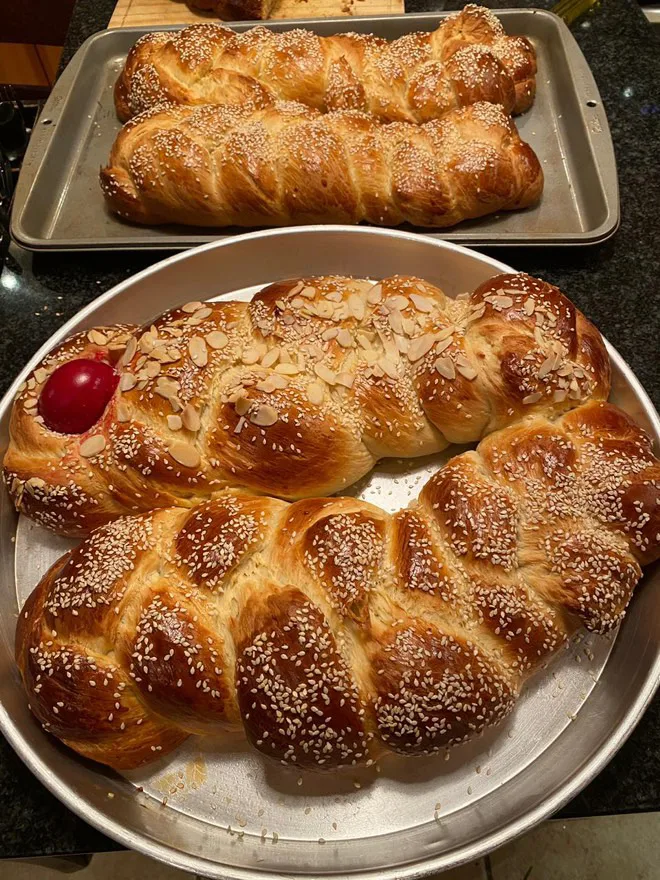
“It’s when we dye the eggs red and make the tsourekia, and then the whole house smells of mastiha and mahlepi.”
Georgina said Easter Sunday is the “highlight” of her Holy Week. It involves a traditional lamb on the spit, tsourekia, red-dyed eggs and plenty of Greek food.
“We also have roast potatoes and salad, and even though it’s more of a Catholic tradition, we eat chocolates too, which has become part of our Greek Orthodox Easter celebration as well,” she said.
“We celebrate by doing Greek dancing and just enjoying the afternoon with family and friends. It’s a time for both spiritual reflection and lots of joy and celebration.”
Georgina added that her family loves to attend various Holy Week services, including Holy Wednesday, Good Friday, and Easter Saturday.
“On the evening of Good Friday, we go to church. It is special because of the Epitaphios service… which is always a moving experience,” she said.
“Then, on Saturday, we make magiritsa. It’s a tradition to make the soup, although not everyone uses the intestines anymore – some people use kidneys and liver.
“After Midnight Mass, we break the fast with a meal at home. We typically serve magiritsa soup, or sometimes avgolemono soup, and a group of people usually gather at the house.”
She said she loves celebrating Easter every year.
“It’s such a special time because we get to come together as a family and celebrate these traditions that have been passed down through generations,” Georgina said.
“It really helps keep us connected, and there’s something so comforting about sharing these moments together every year.”
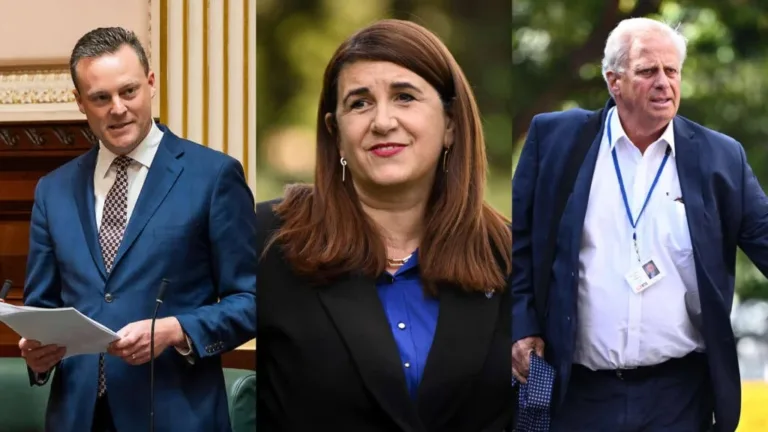
The Federation of Pontian Associations of Australia has warmly welcomed and commended the recent statements made in the Victorian Parliament by Members of Parliament Chris Crewther, Ann-Marie Hermans, and Kim Wells, recognising the Armenian, Assyrian, and Greek Genocides.
“These speeches mark a significant moment for justice, remembrance, and the acknowledgment of historical truth,” the Federation said in a statement.
“As descendants of survivors of the Pontian Greek Genocide, our community has long advocated for formal recognition of these atrocities, and we are heartened to see our voices reflected in Parliament.”
Across Victoria, Federation members work tirelessly to preserve the memory of the victims, educate future generations, and foster intercultural understanding.
“The sentiments expressed by these MPs not only honour the memory of those who perished but also provide reassurance to thousands of descendants that our history is being acknowledged at the highest levels of Government and for this, we say thank you,” Federation President, Esta Paschalidis-Chilas, said.
The Federation applauded this important step towards broader recognition and said they look forward to continuing their work with elected representatives across the political spectrum to ensure that truth and remembrance remain central to people’s shared values.
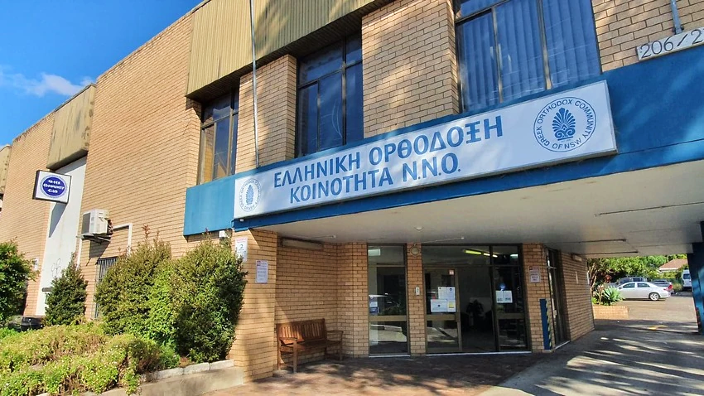
On Sunday, 13 April 2025, the Greek Orthodox Community of New South Wales (GOCNSW) convened an Extraordinary General Meeting (EGM), with the agenda focused on reviewing and voting on proposed amendments to the organisation’s Constitution.
A total of 177 registered members attended the meeting, actively engaging in the proceedings. Opening the session, President of the GOCNSW, Harry Danalis, emphasised the importance of the gathering, highlighting that each proposed amendment required the approval of no less than 75% of eligible voting members present and voting. In practice, four core proposals were presented, with three additional proposals depending on the passage of the first two.
An electoral committee was elected by the attending members. The committee comprised of Nikolaos Thliveris, Maria Chrysanthou, Aikaterini Vetsikas, Stavros Tsilimos, and Kathy Stojanovic.
Voting was conducted by secret ballot. The outcomes of the proposed amendments were as follows:
Proposal 1: Reduction in the number of Board Members from twenty (20) to fifteen (15), with each term set at three (3) years.
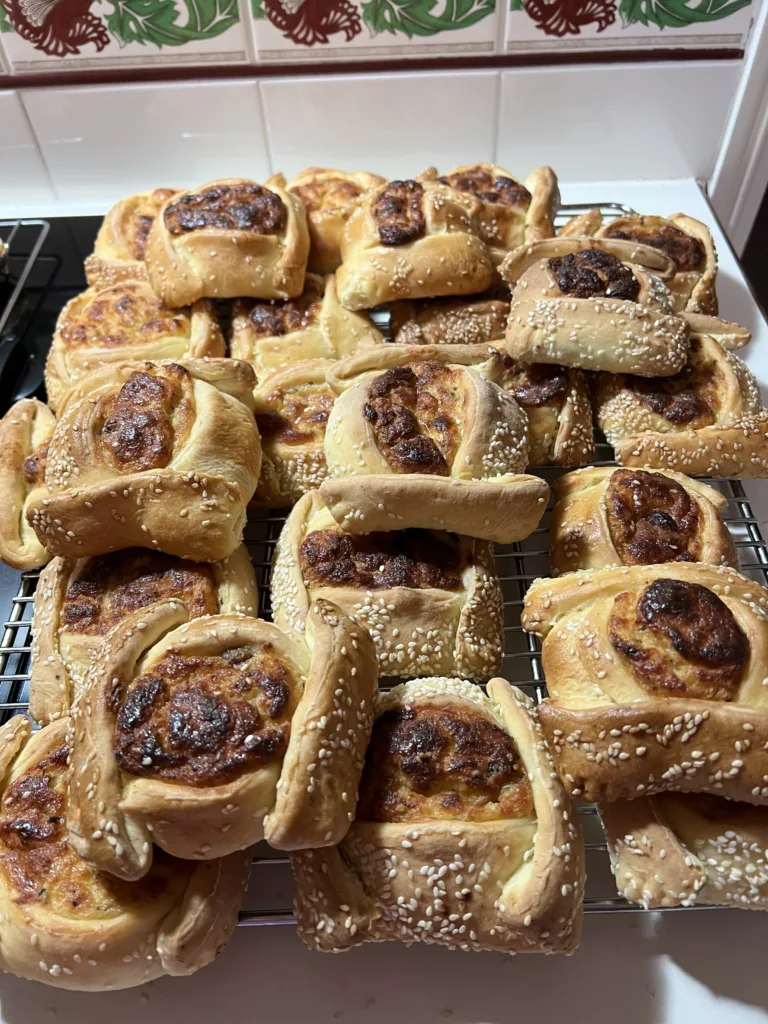
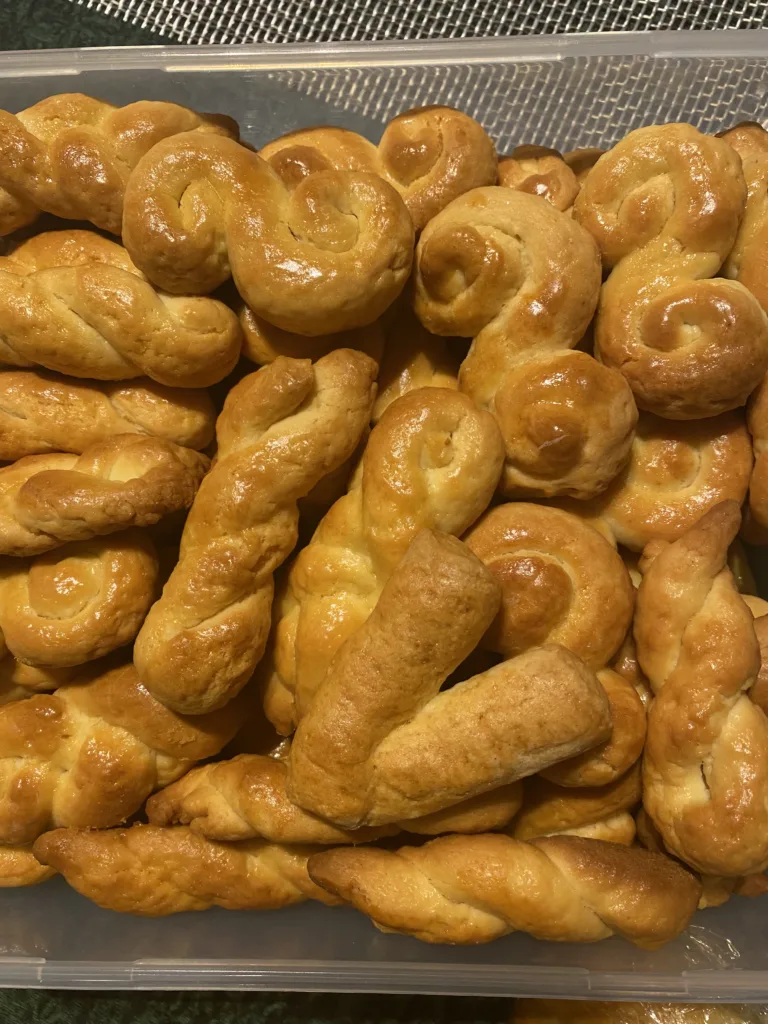
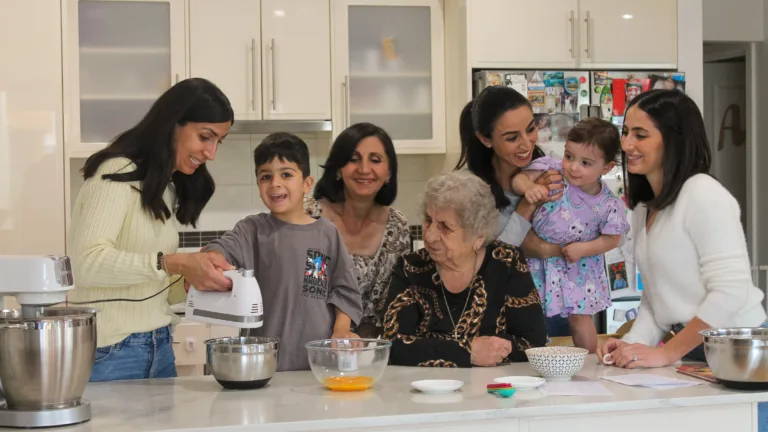
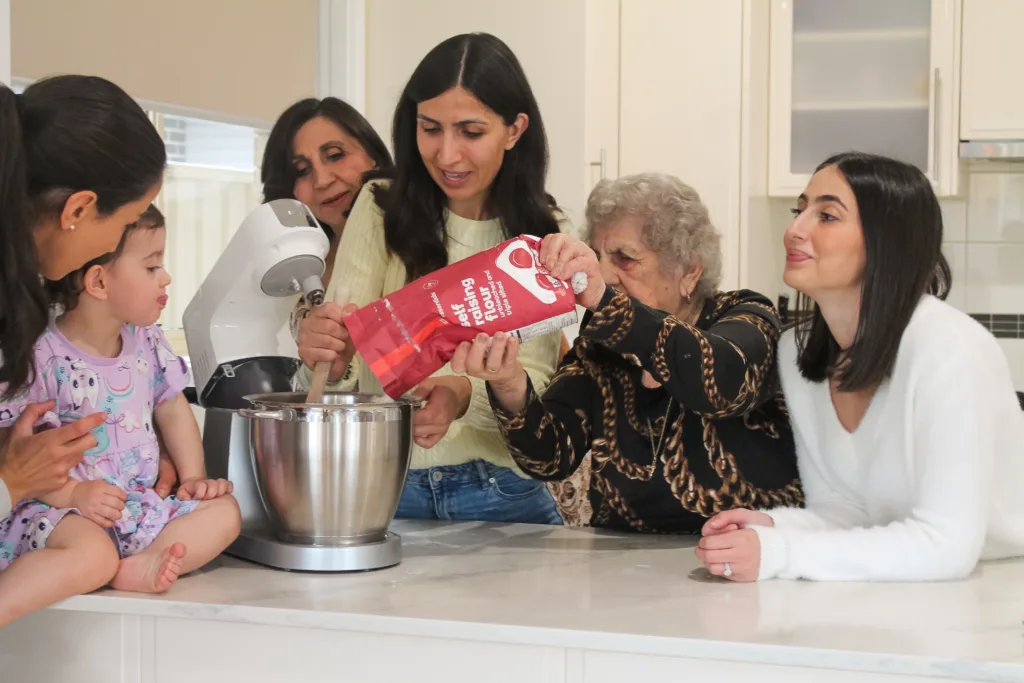
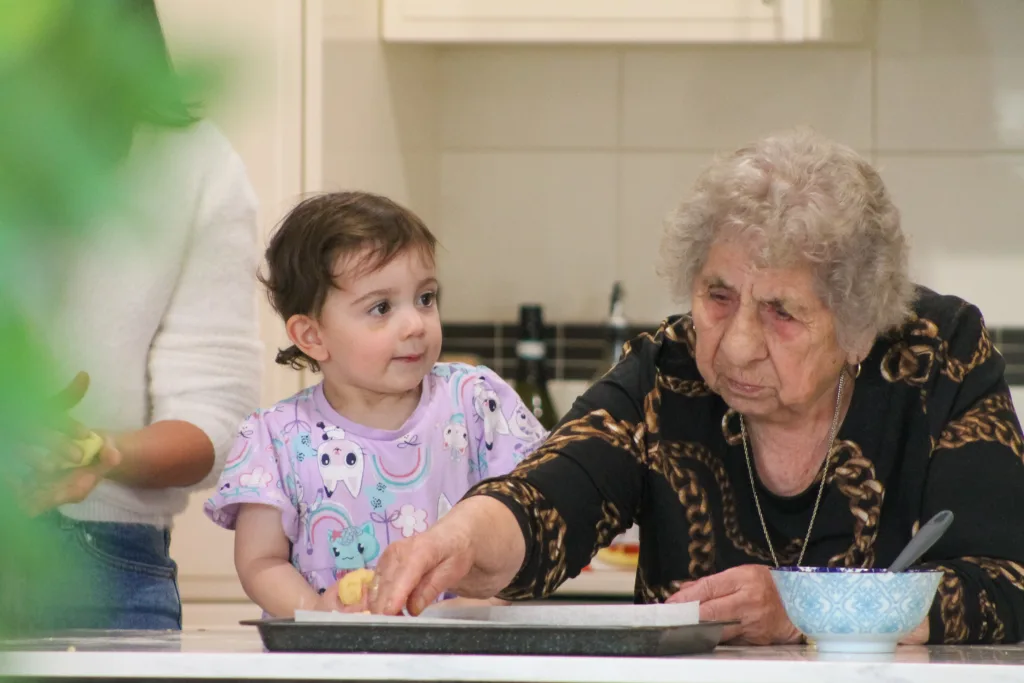
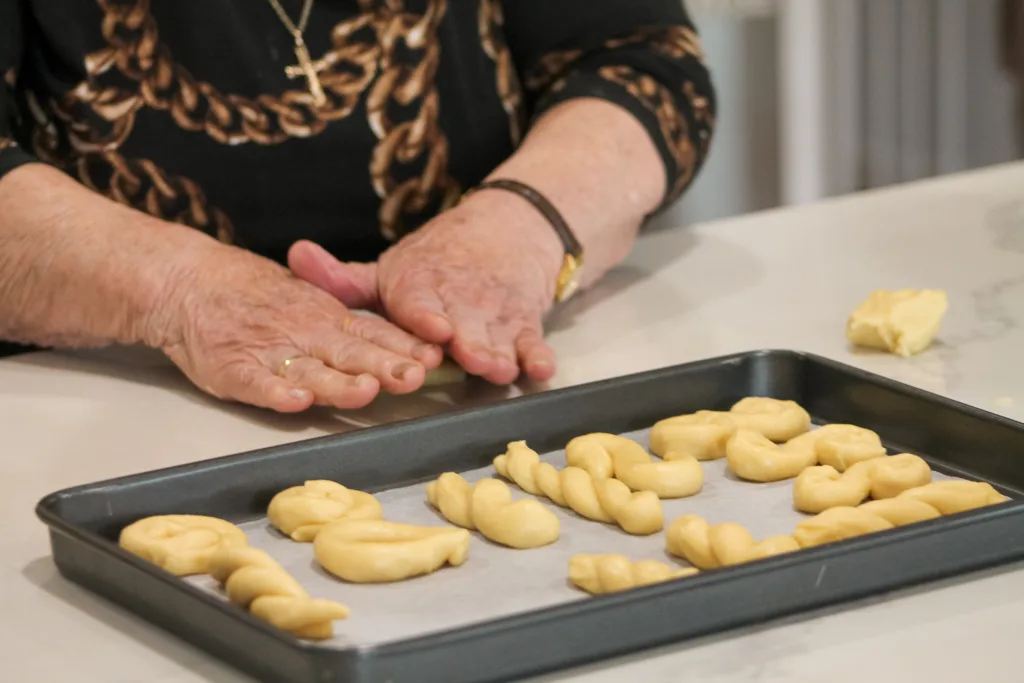
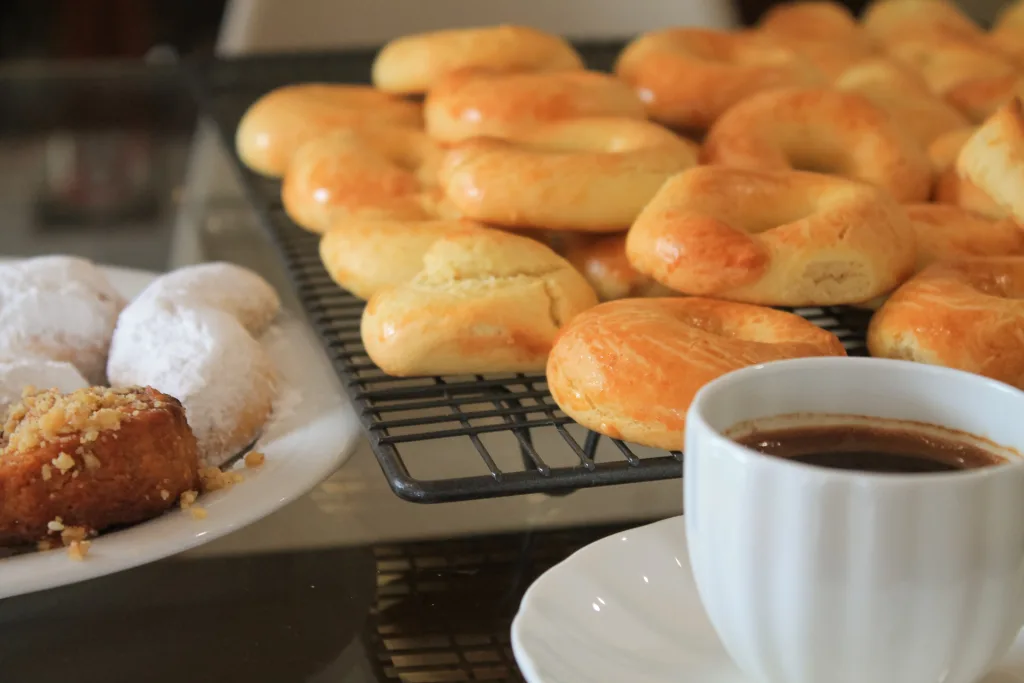
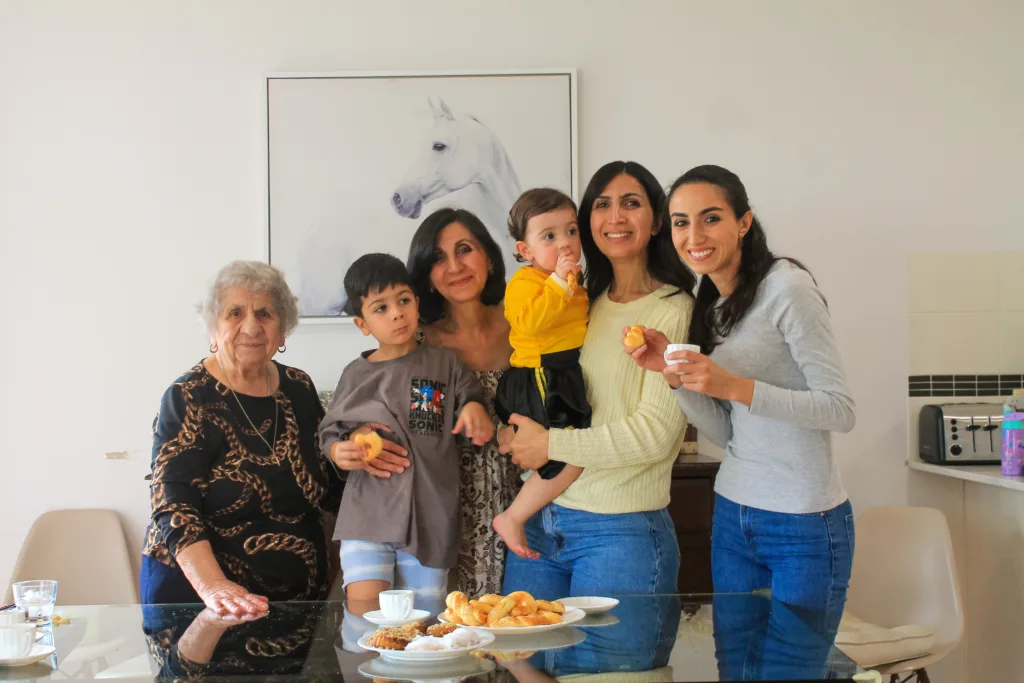
In the spirit of Greek Orthodox Easter, four generations came together to share laughter, memories and the delicious aroma of freshly baked koulouria wafting through the home.
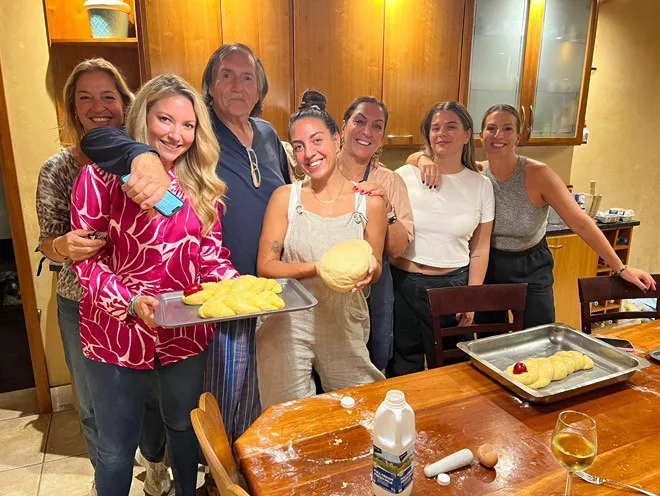
Led by Yiayia Eleni Tsolomitis, with the help of her daughter Katerina Mavromatis, granddaughters Maria, Yianna and Panayiota, and great-grandchildren Adam and Julia, the family prepared this beloved Easter biscuit recipe that’s been passed down and perfected over time.
In collaboration with Neoléa in South Australia*, we are helping you recreate their special Easter tradition in your own kitchen.
Two men accused of murdering Adelaide resident Bill Frangos and setting fire to his home to destroy evidence have faced court for the first time.
According to The Advertiser, Yanick Masengo Nkhangu and Shekuba Kamara, both aged 26, appeared via video link in the Adelaide Magistrates Court on Monday, April 14 and did not apply for bail.
They are charged with murder, arson, and destroying human remains with intent to pervert the course of justice, after Mr Frangos’ body was discovered inside his burning Woodville Gardens home last November.
Prosecutors requested an eight-month adjournment to analyse data from mobile towers, DNA samples, and CCTV footage. Photo: NewsWire / Dean Martin.
Prosecutors requested an eight-month adjournment due to the complex nature of the investigation, including the need to translate phone intercepts in a rare dialect, and analyse data from mobile towers, DNA samples, and CCTV footage.
Defence lawyers argued the delay was excessive, and the court ultimately agreed to a six-month adjournment.
Outside court, Mr Nkhangu’s brother, Christian, expressed his support, saying: “He’s a lovely guy, he’s a great guy. He’s a family guy. He looks after his family.”
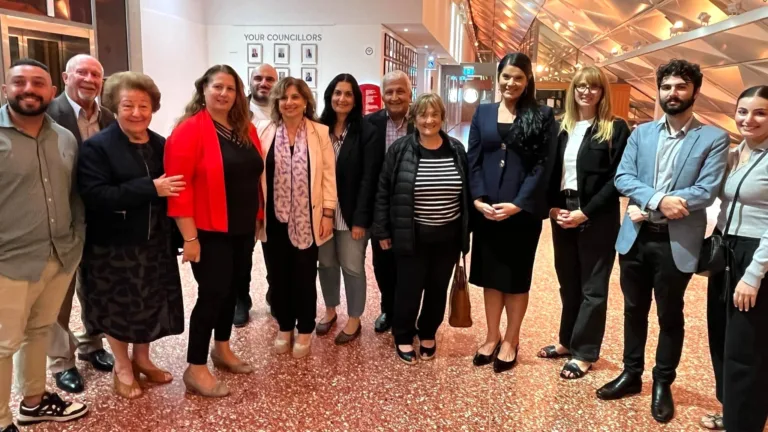
On Monday, April 14, the Parramatta City Council made a historic decision to formally recognise the Armenian Genocide and to establish a memorial garden and plaque in honour of the victims.
This important motion was tabled by Councillor Tanya Raffoul, a proud Armenian-Australian and descendant of a genocide survivor, and seconded by Councillor Anthony Ellard.
The resolution, unanimously passed by the Council, is a significant act of remembrance and solidarity, acknowledging the suffering of the Armenian, Assyrian and Greek peoples during the early 20th century.
In a statement, the Federation of Pontian Associations of Australia said, “we are especially grateful to the City of Parramatta for recognising the shared history of over 6,000 Australians of Armenian, Assyrian, and Greek heritage residing in the local government area.”
“The creation of a memorial garden will serve as a lasting tribute to the memory of the victims and a place for reflection, education, and community healing,” the statement added.
Representing the Federation at this milestone event were members of the Executive Committee, including President Esta Paschalidis-Chilas and Pontoxeniteas NSW President Maria Anthony, along with leaders from our NSW member associations.
“To witness Councillor Raffoul move this motion was personally moving and affirming. Motions such as this, pave the way to healing. Genocide recognition is not about creating division across our rich multicultural community, rather through truth telling inter-community bridges can be built on more solid foundations,” Ms Paschalidis-Chilas said.
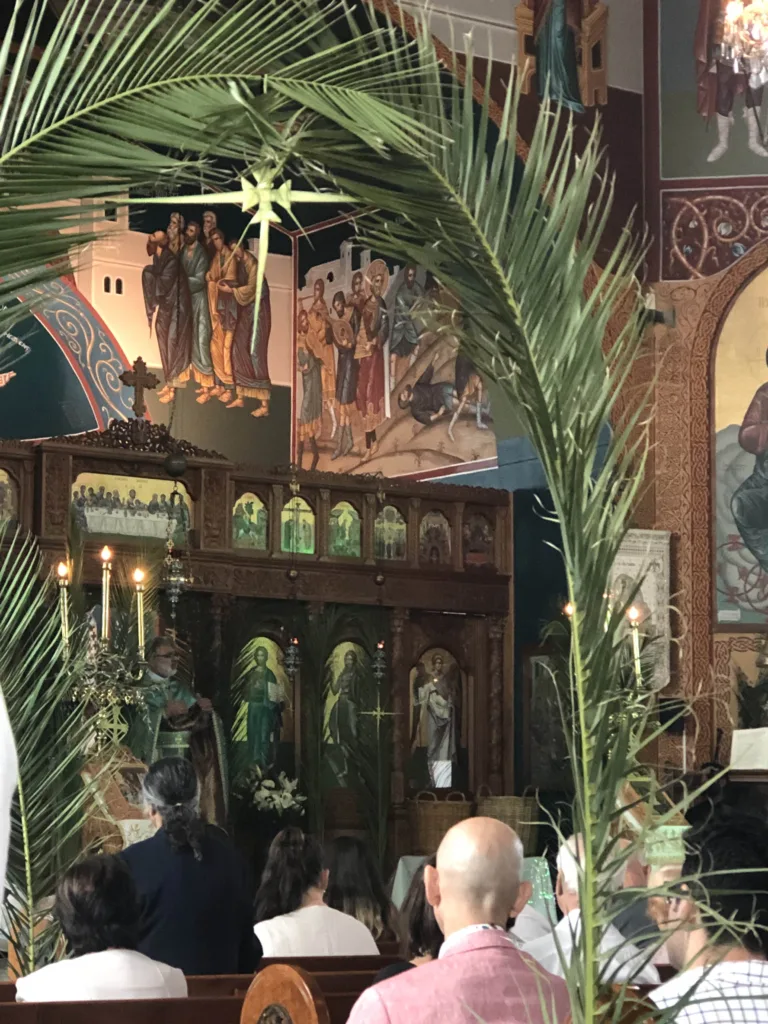
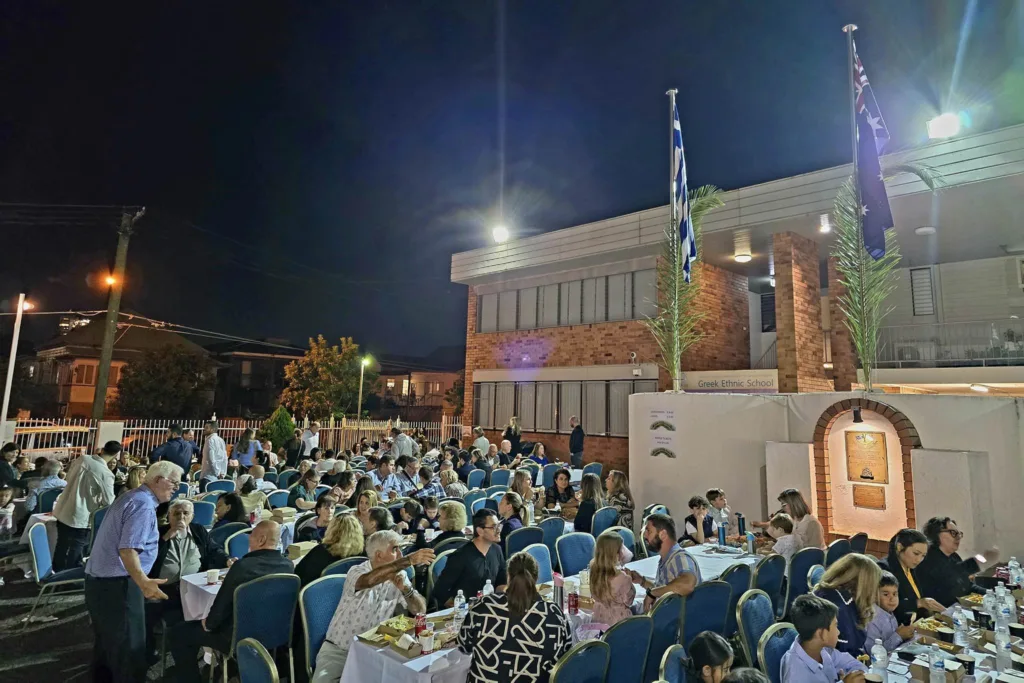
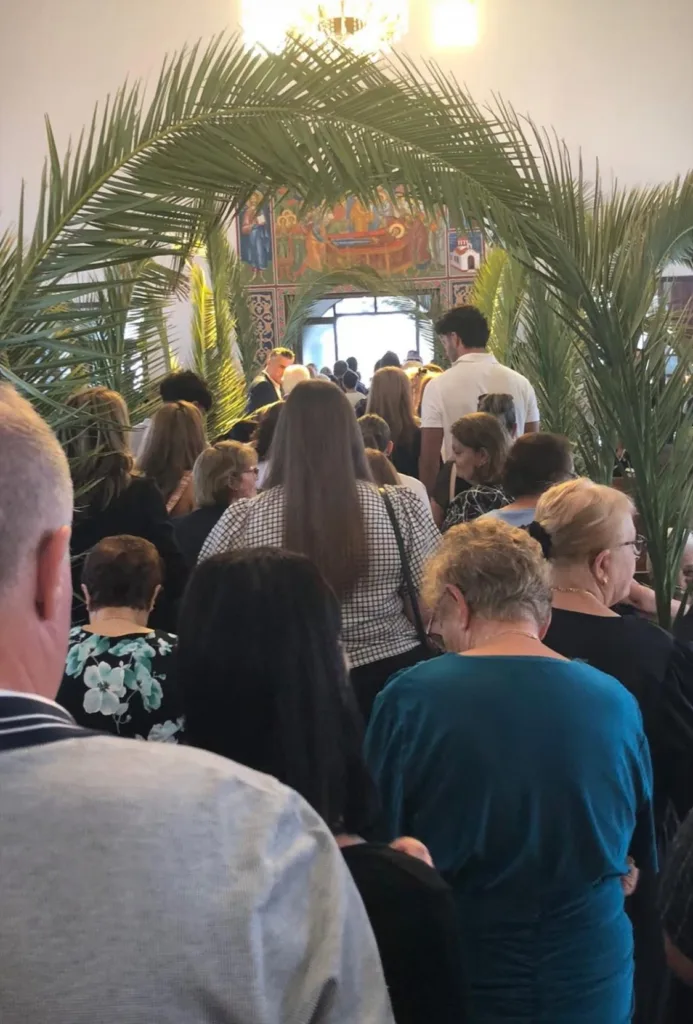
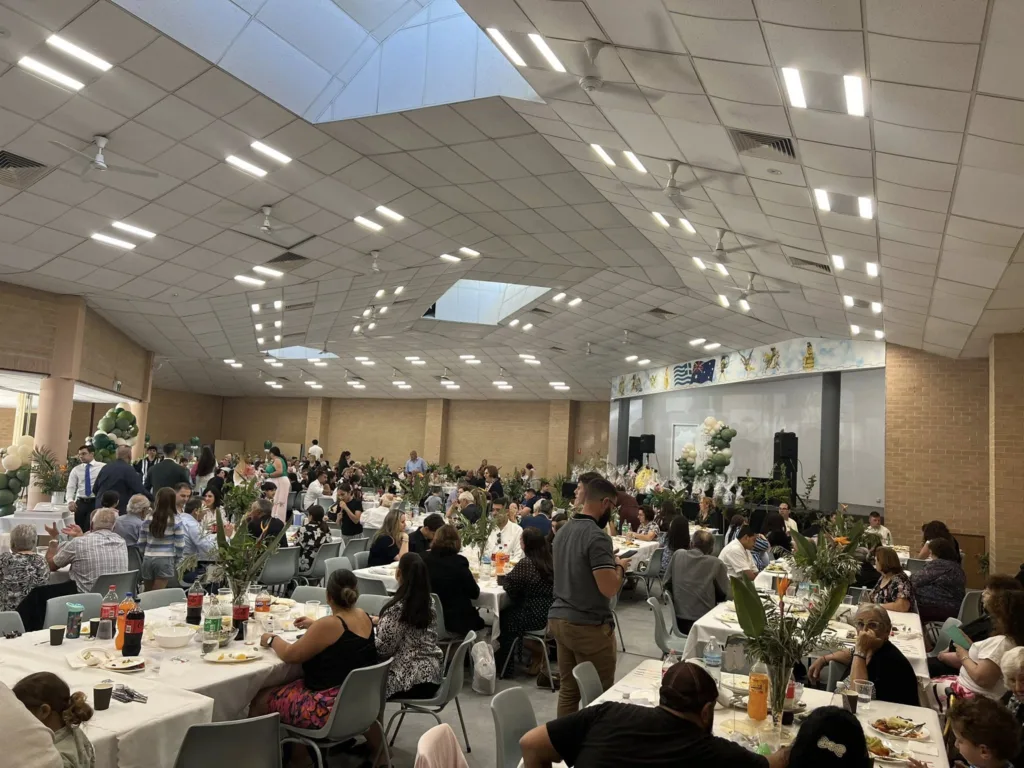
The spirit of community and tradition was on full display at St Demetrios Greek Orthodox Church, St Marys on Sunday, April 13 as over 800 faithful gathered for the Divine Liturgy and the traditional Palm Sunday luncheon, marking a new era for the church.
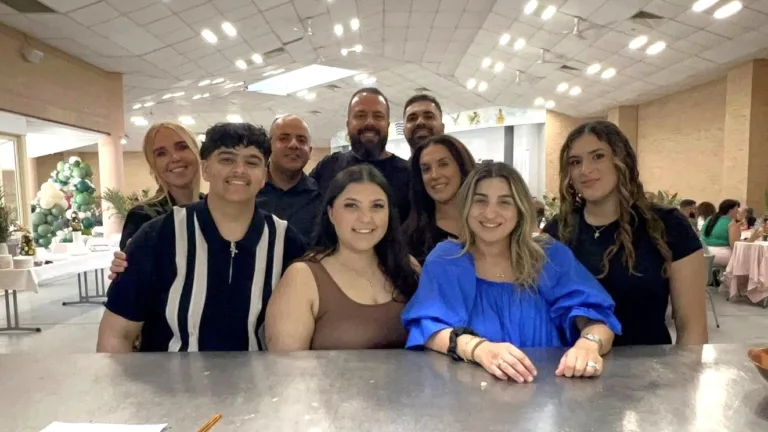
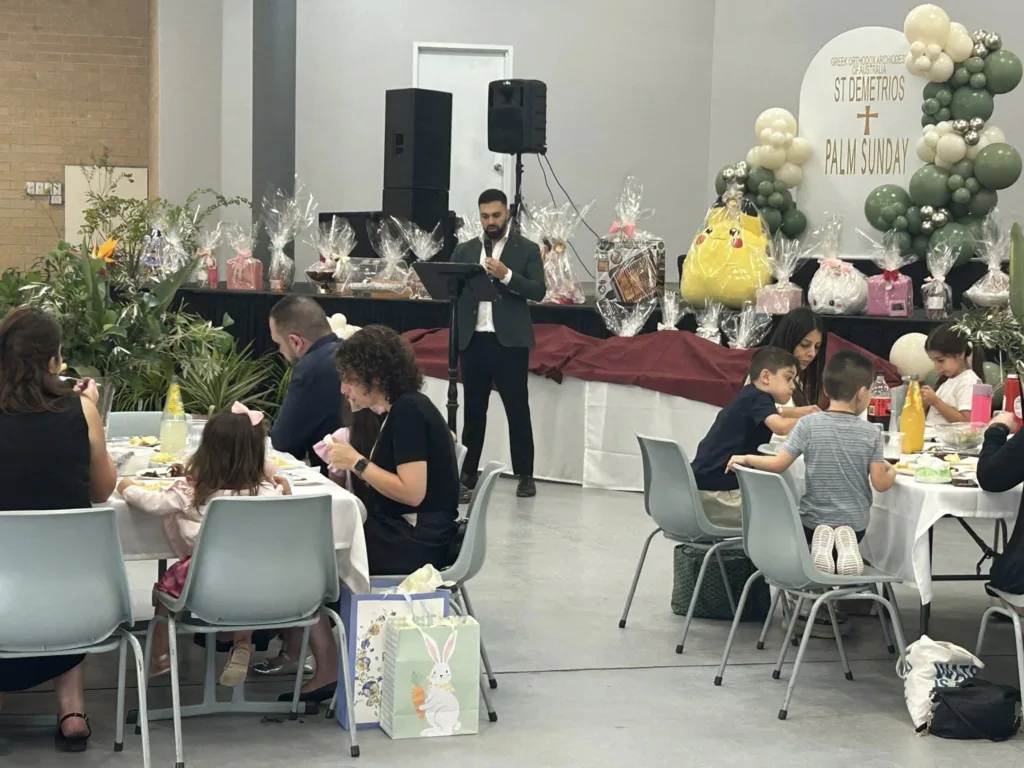
Following the Liturgy, the Parish Committee hosted a luncheon drawing more than 310 guests. The event was a resounding success, thanks to the tireless efforts of committee members, Ladies’ Philoptochos, and volunteers who coordinated the day and prepared and served a traditional Lenten feast.
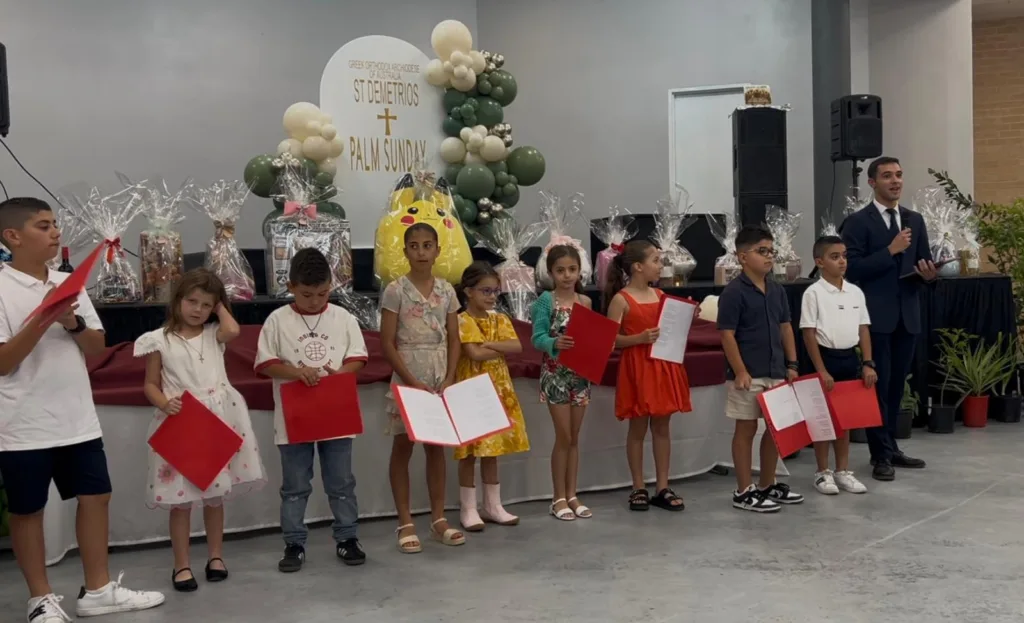
The celebration featured a lively raffle and auction, with prizes including a hand-painted marble icon and a dinner at Santorini on Oxford, all raising funds towards improvements to the Church and Hall.
Students of the St Demetrios Sunday School recited the Epistle reading and a hymn, showcasing the parish’s commitment to engaging and nurturing the next generation.
Con Nicolaou, President of the Parish Committee, expressed his gratitude to the community, “Palm Sunday is always a special time for our community. The incredible turnout, the sense of unity, and the overwhelming support from our parishioners, sponsors and dedicated volunteers speak volumes about the future of our parish. We are deeply grateful to everyone who contributed.”
Parish Priest Fr Leslie Kostoglou also reflected on the day.
“Seeing our church filled with faithful, and witnessing the joy in our hall afterwards was deeply moving. As we prepare for Holy Week, this celebration captured the spirit of hope, renewal, and togetherness that Palm Sunday represents,” Fr Kostoglou said.
The luncheon was generously supported by 2 Sisters Creations, Vakina Designs, and Peter Diamantidis – Ray White United Group.