Home Blog Page 27

‘Our village is hurting,’ say Melbourne cousins fundraising for Pelopi’s livelihood

In Pelopi, a small village on the Greek island of Lesvos, the silence is devastating. Where there were once herds and the daily hum of farm life, there is now uncertainty and loss. In a matter of weeks, an outbreak of foot-and-mouth disease (FMD) has wiped out livestock and livelihoods.

Compelled to act, Melbourne cousins, psychologist Stefan Tsagaris and commercial analyst Nicky Tzouvanellis, have launched a fundraiser to support the community after the catastrophic outbreak. For them, the crisis isn’t just a headline; it’s a direct blow to their heritage.

The virus is notoriously aggressive, spreading rapidly through air and soil. To protect the wider agricultural economy, authorities have enforced strict containment measures, including mass culling, leaving families in Pelopi without their primary source of income just weeks before the peak Easter period.

“Pelopi is incredibly important to us,” they wrote in their fundraiser. “It’s a village whose streets we’ve walked… the origin of our family’s migration story.”

Their connection runs deep. Their grandmothers were siblings who migrated to Australia, creating a close-knit family that has remained tightly connected ever since. Despite growing up in Melbourne, both cousins return often and remain closely tied to the village.

“We’re super connected to the village,” Stefan says. “Everyone we know is kind of concentrated in this one place.”

So when news of the outbreak came through, it hit hard.
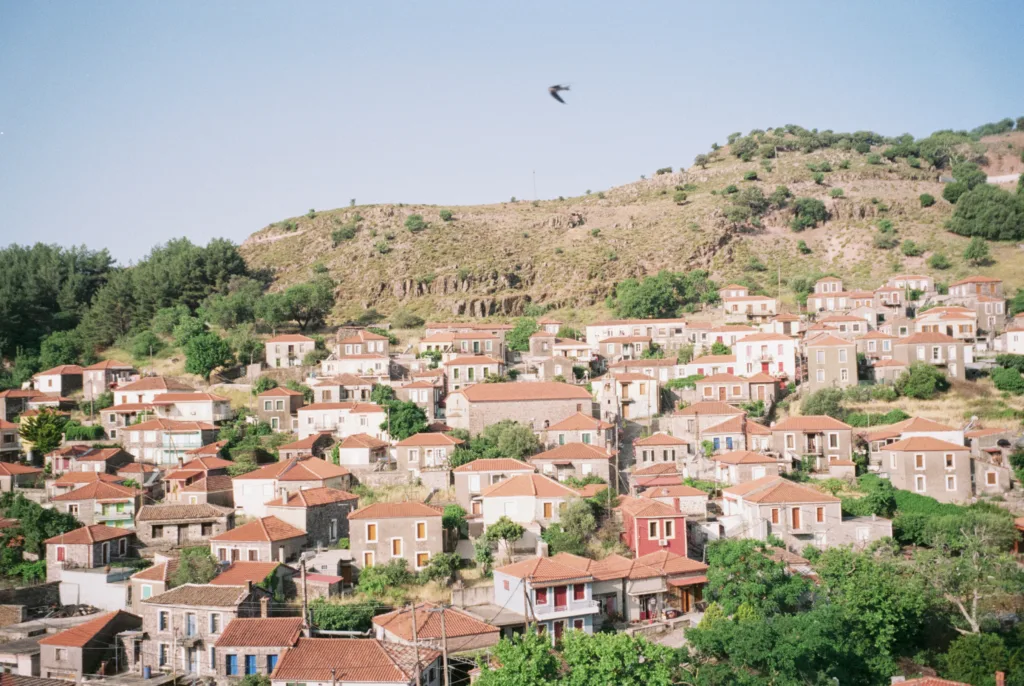
“We found out a few days after it started. It just became talk of the town,” he says, describing a family group chat filling with messages from Greece. The situation quickly became personal, with the first confirmed case linked to someone in their extended network.

“It’s very close to home,” he says.

The impact has been immediate and devastating. Under containment rules, entire herds are culled if just one animal tests positive, erasing livelihoods overnight.

“One of our relatives had over 400 sheep and a few cows,” Nicky says. “To lose everything overnight… it’s not just financial. These animals are part of their everyday life. Then suddenly, they’re gone.”
Thousands of animals have already been culled across the region. For Stefan, the emotional toll is just as significant as the financial loss. 

“These animals are more than income,” he says. “They’re part of people’s identity.”

Watching from Australia, the cousins felt they had to do something. 

“We both had the idea separately, ‘we should start a GoFundMe,’” Stefan says. “Then we realised we were thinking the same thing.”

They launched the fundraiser within days. The response has been swift, and unexpected. 

“We’ve had donations from people we know, but also people we don’t,” Nicky says. “Someone gave $1,000 from overseas and we have no idea who they are.”

While support is coming from across Australia and beyond, their focus is clear: helping the families back home.

“This won’t fix everything,” Stefan says. “It’s a multi-million-dollar problem. But it’s something.”
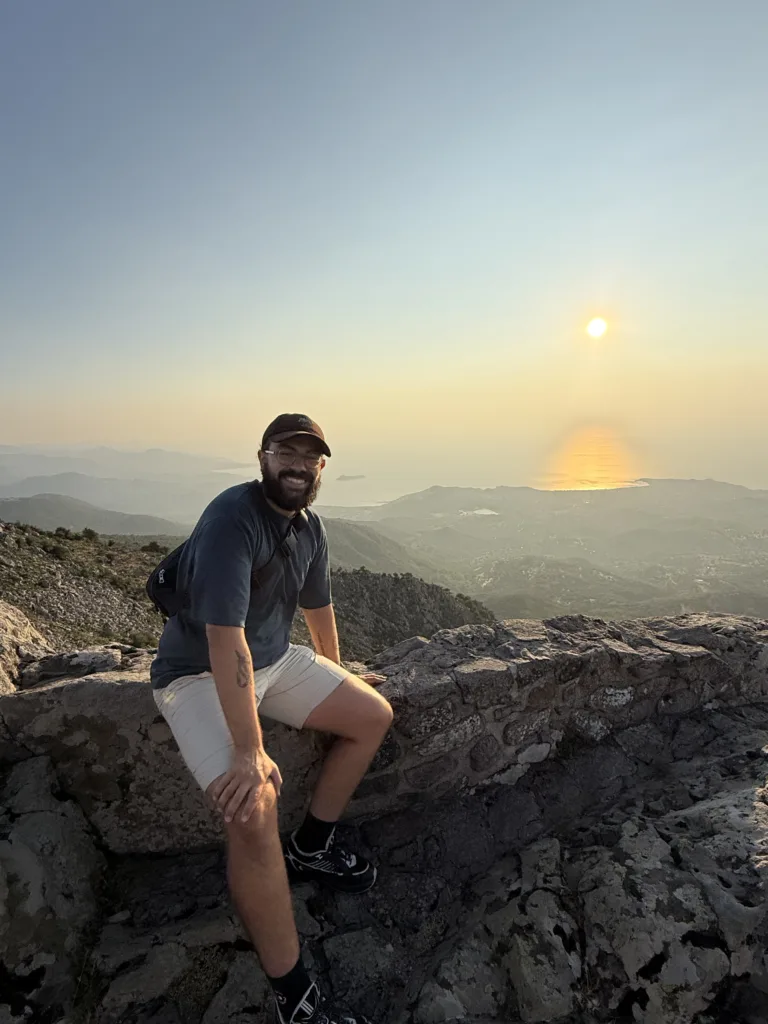
The money will go directly to the worst-affected families, those who have lost entire herds. With help from a trusted contact in the village, they are identifying around 10 to 15 families in urgent need.

“In a village of 300 people, everyone knows whose farms are empty,” Stefan says.

It’s the first time the cousins have taken on something like this. But for them, the decision was simple.

“It doesn’t feel like an obligation,” Nicky says. “We just feel compelled to help.”

Because no matter the distance, the connection remains. 

“What makes this especially personal is that both of our families, our grandparents and parents, come from this village,” Stefan says. “We often think about what our lives might have looked like if they had stayed. You can live on the other side of the world, but that connection never really leaves you.”

And now, as Pelopi faces one of its hardest moments, that connection is turning into action.

*At the time of publishing, the fundraiser had raised almost $9,000 of the $20,000 goal. 

Dionysus Theatre Company returns with new comedy ‘Unforgettable’ in Sydney

The Dionysus Theatre Company is set to return to the Sydney stage with its latest production, Unforgettable, a retro wedding comedy that promises laughter, chaos and a distinctly Greek flavour.

Written and directed by Nicholas Ambrose, the play centres on a wedding reception gone wrong, unfolding behind the scenes as a family-run venue attempts to deliver what is meant to be “the Greek wedding of the year.” As tensions rise, service begins to unravel, personal rivalries surface, and the evening spirals into comedic disorder.

According to event listings, the production invites audiences into the experience, with elements of immersive theatre woven into the performance.

Set in Sydney and drawing on recognisable cultural dynamics, Unforgettable blends English and Greek dialogue, reflecting the lived experience of the Greek Australian community and making the production accessible to a broad audience.

The Dionysus Theatre Company has been steadily building its profile within Sydney’s cultural landscape, bringing contemporary Greek theatre to local audiences.

As outlined in their company material, the group was established as a collective of artists passionate about Greek theatre, comprising both Australian-born performers of Greek heritage and newcomers raised in Greece.

Their earlier production, Soutzouk Loukoum, staged during the Greek Festival of Sydney, achieved a sold-out run, signalling strong community support and appetite for Greek-language theatre in Australia.

With Unforgettable, the company continues that trajectory, expanding into a full-length comedy format while maintaining its cultural core.

Set at a Greek wedding reception in 1999, the play explores the dynamics of family, tradition and expectation through humour and exaggerated scenarios.

From outdated work practices to clashing personalities, the narrative follows the staff and family behind the event as everything that can go wrong does. Relationships are tested, emotions run high, and comedic situations unfold as the night descends into chaos.

The production aims to capture both the nostalgia and intensity of Greek celebrations, where humour often sits alongside drama.

Event Details

Unforgettable will be staged across multiple dates in April and May:

  • 17 April
  • 24, 25, 26 April
  • 2, 3 May
  • 8, 9, 10 May

All performances will take place at the Mytilenian House, 225 Canterbury Road, Canterbury.

Evening performances commence at 7pm, with select matinee sessions scheduled at 1pm and 5pm.

Tickets: https://bit.ly/UnforgettableSydney

Mario Alexandridis spared in $1 billion cocaine case after bail breach

A Sydney businessman accused of supplying a commercial quantity of cocaine has narrowly avoided having his bail revoked, with a judge citing the “very fortunate” support of his partner, former model Monique Belovukovic, in allowing him to remain in the community.

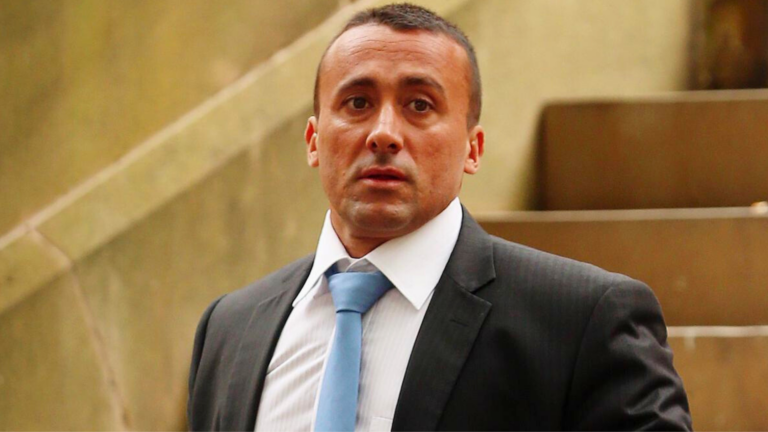
Mario Alexandridis, 47, who faces drug supply and proceeds-of-crime charges linked to an alleged $1 billion cocaine network, appeared in the Downing Centre District Court last Thursday after admitting breaching his $4 million bail conditions.

Despite the breach, Judge Kenneth Averre refused to revoke bail, finding Alexandridis had come “very close” to losing it but crediting Ms Belovukovic’s role in ensuring compliance with strict conditions, including remaining at their Mosman home and only leaving when accompanied.

The court heard Alexandridis was arrested during Strike Force Raptor raids and is accused of involvement in the supply of cocaine and laundering around $1 million, with prosecutors citing DNA evidence and phone records.

His defence said he suffers from schizophrenia but is now more stable under treatment and strong family support. He has not entered a plea and is due to face court again in June.

Source: Daily Mail

Matt Nikakis to close Trinity St Kilda for major $2 million revamp

0

Trinity has become a St Kilda fixture for drinks, food and live music since opening in a former church hall in 2022. Now, the team is doubling down with a $2 million renovation set to introduce a broader music program, expanded food and beverage offering, and capacity for up to 450 people – positioning it as one of the area’s largest all-season venues.

The makeover marks a full takeover of the Trinity site from the neighbouring church, for the first time in the church’s 100-year-old history. With nods to monk beer brews, church dances and school fetes, the new direction leans further into its role as a social, community hub.

“We want to be that everyday local. It’s not just about drinking alcohol. You can have a good meal, play games, and spend time with friends. I think that’s key to modern-day hospitality,” says owner Matt Nikakis, a third-generation hospitality veteran with two hotels under his belt. 

The oversized front courtyard is being completely reworked with a clear glass roof and wall along Chapel Street. The space will offer full weather protection while retaining views of the venue’s heritage red brick facade. 

With flexible furniture and upgraded acoustics, the courtyard will move easily between sit-down dining and stand-up events of up to 200 guests.

The existing Airstream kitchen that once sat outside will be replaced with a 12-metre, fully electric shipping container kitchen, allowing for a broader, more considered menu led by a new executive chef to be announced soon. 

Alongside Trinity’s signature burgers and fries, the new offering will expand into pub classics, Sunday roasts and lighter options, including seafood and salads – designed to suit both quick bites and longer, more relaxed meals.

The drinks list is also set for a refresh. While popular staples like the signature spicy margarita will remain, the team is working with a dedicated mixologist to evolve the cocktail offering, alongside seasonal updates and a continued focus on approachable, well-priced options across beer, wine and non-alcoholic drinks.

The new glass enclosure will allow Trinity to extend its outdoor licence until 1am, bringing its music programming outside for the first time. Expect a new rotation of live acts and DJs across the week, with a focus on building atmosphere without compromising the neighbourhood.

The team has also secured a new private dining room, formerly part of the church behind Trinity. Designed for birthdays, group bookings and small events, the space will accommodate up to 30 seated or 50 standing guests. Featuring the same chapel-style windows as the main venue and acoustic treatment throughout, it’s designed to comfortably host both family and adult gatherings.

The popular kids’ playground – already a drawcard for local families – will be refreshed with additional play equipment, including a surfboard balance beam to build on its bayside theme.

Trinity will close temporarily on 19 April for construction, with a reopening slated for Spring 2026. 

It promises to return as a venue that feels familiar, but more versatile, cementing its place as an all-season destination for St Kilda locals and visitors alike.

Sydney Olympic FC parts ways with Senior Men’s Head Coach David Magrone

Sydney Olympic FC has today announced the immediate departure of Senior Men’s Head Coach David Magrone, with both parties agreeing to part ways following a brief tenure at the club.

In a statement, the club said Magrone joined during a “transitional period” and conducted himself professionally throughout his time, thanking him for his commitment and wishing him well for the future.

Assistant coach Michael Melito has been appointed Interim Head Coach, supported by Graham Forbes, as the club looks to maintain stability and direction moving forward. Sydney Olympic also called on members and supporters to remain united during the transition.

Magrone’s departure comes not long after his appointment was heralded as a significant step in the club’s long-term technical vision. He arrived with extensive European experience, having previously worked with Tottenham Hotspur under former manager Tim Sherwood, where he contributed to tactical analysis, scouting and first-team preparation.

He later served as Chief European Scout for Tottenham, identifying emerging talent across the continent, before taking on a similar recruitment role at Queens Park Rangers alongside technical director Les Ferdinand.

Magrone also played a role in the development of former Socceroo Massimo Luongo, helping guide his pathway from Sydney to a professional career in Europe.

In 2021, he moved into senior coaching as Head Coach of AO Trikala in Greece’s Super League 2, where he focused on implementing a possession-based style built around youth development.

Sydney Olympic has not provided further details on the reasons behind the departure, as the club now turns its attention to the remainder of the season under interim leadership.

Virgin cuts flights as fuel costs surge in aviation shake-up

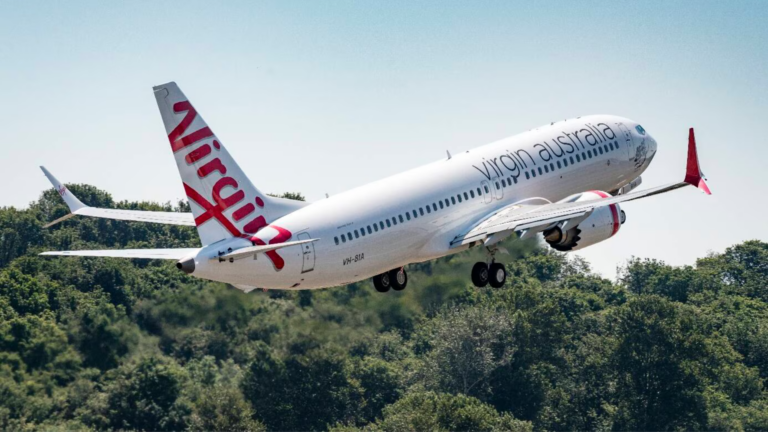
Airline Virgin Australia will reduce domestic flying as rising jet fuel prices continue to squeeze the aviation sector, becoming the latest carrier to respond to sharp cost increases driven by global oil market disruption.

The airline told the ASX it will cut domestic capacity by about 1 per cent in the three months to June 30, while expecting fuel costs to rise by $30–40 million in the second half of the financial year.

It follows a similar move by Qantas, which warned of up to $800 million in additional fuel costs and has already suspended four regional routes and permanently cancelled one domestic service.

Virgin said jet fuel prices had become “extremely volatile and more than doubled since the end of February 2026”, driven by global oil shocks linked to conflict in the Middle East.

The airline also noted supplier assurances that fuel supply remains stable “well into May 2026”.

Despite short-term reductions, Virgin said it still expects domestic capacity to be 1 per cent higher across the second half of the financial year overall.

The company said it would increase fuel hedging to manage volatility, alongside potential fare and capacity adjustments if needed.

Source: ABC.

Greek women’s football team secure promotion and World Cup playoff spot

0

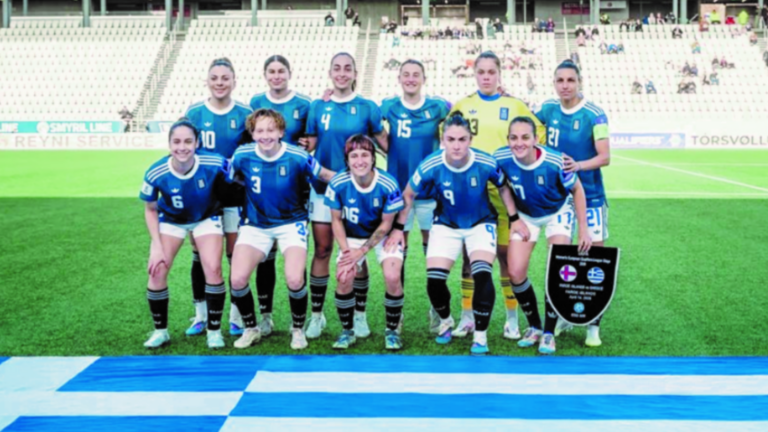
The Greek women’s national football team claimed a 3-2 victory over the Faroe Islands women’s national football team in Tórshavn, sealing promotion to League B and a place in the playoffs for the 2027 World Cup.

The win ensured Greece finished top of Group 4 in League C of the qualifiers, with Vasilis Spertos’ side recording a perfect “3 out of 3” and nine points. Their final group match against Georgia in June is now a formality.

Goals from Moraitou (8’), Giannakas (53’) and Drakogiannakis (78’) secured the result, although the hosts briefly equalised in the 9th minute and pulled one back in stoppage time.

By topping the group, Greece advances to League B and will compete in the October playoffs, where they will face a strong opponent from League A for one of eight spots in the final phase of the 2027 World Cup, seven via direct qualification and one through intercontinental playoffs.

IMF warns global economy could tip into recession amid oil shock risks

The International Monetary Fund (IMF) has warned the global economy could slip into its third recession this century if energy supply disruptions worsen, particularly through a sustained closure of the Strait of Hormuz.

In its latest outlook, the IMF said a sharp rise in oil prices linked to Middle East conflict could cut global growth by 1.3 percentage points to around 2 per cent, widely seen as recession level, while fuelling inflation and volatility.

“Despite the recent news of a temporary ceasefire, some damage is already done, and the downside risks remain elevated,” the report stated.

Australian Treasurer Jim Chalmers said the warning would shape preparations for the May budget, calling it “a dangerous moment for the global economy,” with expectations of “slower growth, higher inflation, and extreme volatility”.

The IMF cautioned governments against broad cost-of-living relief, warning such measures could complicate efforts by central banks to combat inflation.

It described untargeted policies as “poorly designed and costly,” adding: “Avoiding fiscal stimulus is also critical when inflation is rising, so as not to complicate central banks’ task.”

Reserve Bank of Australia deputy governor Andrew Hauser said the oil shock would hit household incomes, describing the situation as “the central banker’s nightmare … inflation up, activity down”.

Oil prices have hovered near $US100 a barrel, well above pre-war levels, with worst-case projections reaching $US110–$US125 across 2026–27.

Economists warn this could push Australia toward stagflation, with inflation forecast to rise into the 5–6 per cent range, exceeding the central bank’s 2–3 per cent target.

The IMF stressed that price pressures should not be artificially suppressed, stating: “Preserving price signals is important… Price controls … cannot change that fact,” and warning such interventions can “backfire by raising underlying prices, leading to rationing.”

Confidence indicators are already weakening, with consumer sentiment posting its sharpest monthly fall since the pandemic and business confidence recording one of its largest declines.

The Reserve Bank has indicated further rate rises remain possible if inflation risks persist, as policymakers weigh slowing growth against ongoing price pressures.

Source: AFR.

Greece denies report alleging migrant use in border pushbacks

0

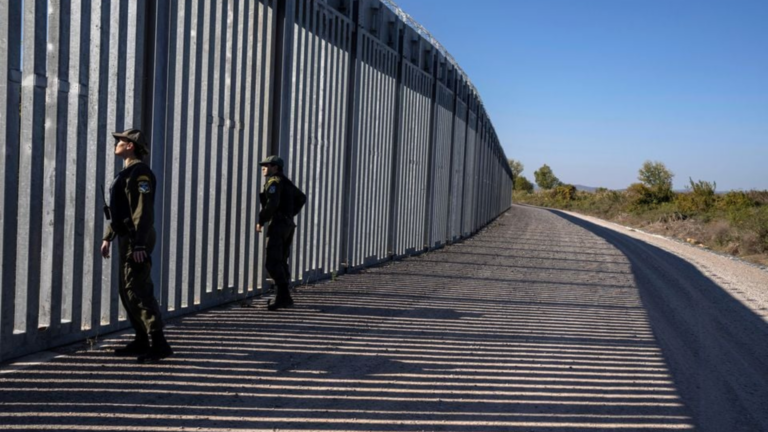
Greek authorities have strongly dismissed claims by the BBC that migrants were recruited to carry out violent pushbacks along the country’s land border with Turkey.

Officials from the Ministry of Citizen Protection said border operations are conducted in full accordance with international, European and national law, stressing respect for human rights and dignity.

They added that similar allegations have surfaced before and have been addressed with what they described as “clarity and documentation.”

The ministry also questioned the reliability of the report, arguing it was based largely on testimonies and secondary sources that cannot be independently verified, and that conclusions appeared to rely on overlapping claims rather than firm evidence.

The BBC investigation, however, cites a range of material, including alleged internal police documents suggesting the use of so-called “mercenaries” directed by senior officers.

It further claims migrants were subjected to abuses such as being stripped, robbed, beaten and, in some cases, sexually assaulted, with the practice allegedly dating back to at least 2020.

Greece’s Prime Minister Kyriakos Mitsotakis said he was “totally unaware” of the accusations, reiterating that Greece is protecting its borders and that European leaders are determined not to repeat past “mistakes” by allowing a “massive influx” of migrants and refugees.

The BBC said its inquiry began last autumn after obtaining video footage, provided by a smuggler, that allegedly shows mistreatment by individuals described as mercenaries.

While the footage has not been independently verified, the BBC said it is consistent with other accounts collected during its investigation.

Source: Ekathimerini.

Israel and Lebanon hold first direct talks in over 30 years as push for de-escalation grows

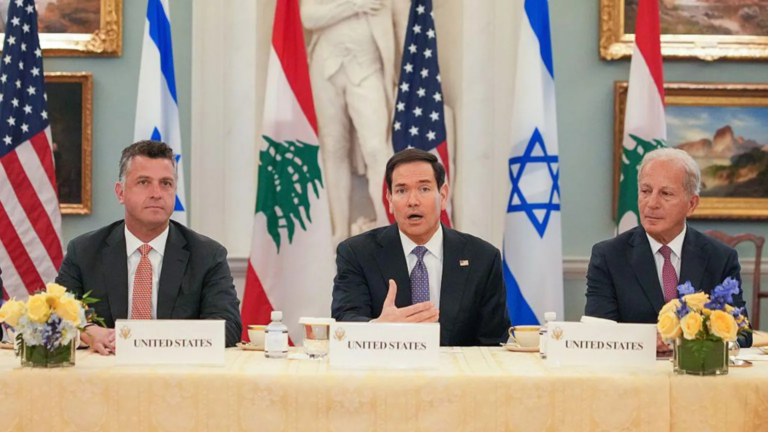
Israel and Lebanon have held their first direct diplomatic talks since 1993, in a rare meeting aimed at ending hostilities linked to Hezbollah, as international pressure mounts for a broader regional de-escalation.

The talks, mediated by Marco Rubio in Washington, were described as a “historic opportunity” to curb Hezbollah’s influence. A US statement said both sides agreed to launch direct negotiations at a time and place to be determined.

Israel reiterated its goal of disarming “all non-state terror groups,” referring to Hezbollah, while Lebanon called for a ceasefire and measures to address its humanitarian crisis.

A US official added both sides had agreed to work towards reducing Hezbollah’s influence, while Washington reaffirmed “its support for Israel’s right to defend itself.”

Speaking ahead of the meeting, Rubio said the process would take time but was worthwhile, calling it “a historic gathering that we hope to build on.”

Lebanese President Joseph Aoun said he hoped the talks would “mark the beginning of the end of the suffering of the Lebanese people in general, and those in the south in particular,” stressing the “only solution” was for the Lebanese armed forces to be “solely responsible for the security of the area.”

However, Hezbollah signalled it would not be bound by any agreement. Senior official Wafiq Safa said: “We are not bound by what they agreed to.”

The meeting comes amid escalating violence, with more than 2,000 people killed and around one million displaced since fighting began on March 2. While talks were underway, Hezbollah claimed at least 24 attacks on Israel, with air raid alerts sounding across northern Israeli communities.

International Foreign Ministers call for Lebanon’s inclusion in de-escalation efforts

The talks come as 18 European foreign ministers, including Greece’s George Gerapetritis and Australia’s Penny Wong, issued a joint statement urging Lebanon’s inclusion in regional de-escalation efforts.

The ministers called on all parties to pursue a lasting political solution and welcomed President Aoun’s initiative to open direct talks with Israel, as well as Israel’s acceptance of US mediation.

“We, Ministers of Foreign Affairs… call for the inclusion of Lebanon in the regional de-escalation efforts and urge all parties to work toward a lasting political solution,” the statement read.

They warned the ongoing conflict risked undermining broader regional stability, adding: “Direct negotiations can pave the way to bring lasting security for Lebanon and Israel as well as the region. We stand ready to support them.”

The group strongly condemned Hezbollah’s attacks on Israel and Israeli strikes on Lebanon on April 8, which reportedly killed more than 350 people and injured over 1,000, stressing that “civilians and civilian infrastructure must be protected in accordance with international humanitarian law.”

They also condemned attacks on UN peacekeepers and reaffirmed support for Lebanon’s sovereignty, calling for full implementation of UN Security Council Resolution 1701.

The ministers pledged readiness to provide emergency assistance to more than one million displaced people in Lebanon, urging all sides to urgently de-escalate and seize the opportunity presented by the current ceasefire efforts.