As Australia braces for another hot summer, McDermott Aviation’s heavy-lift firefighting helicopters have arrived home after completing an international deployment assisting with wildfire operations across Greece.
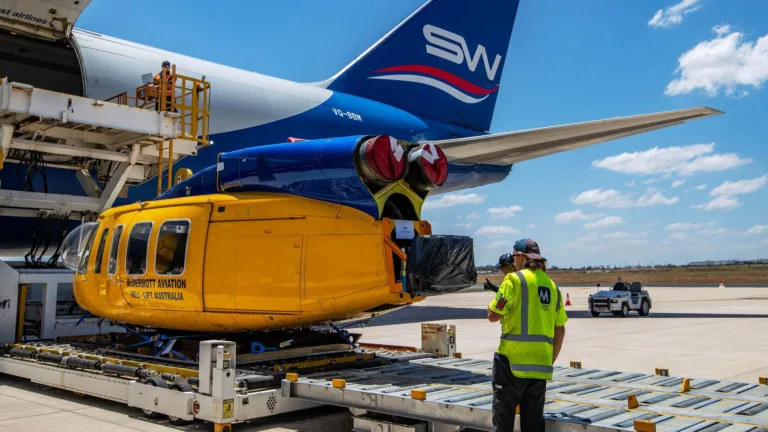
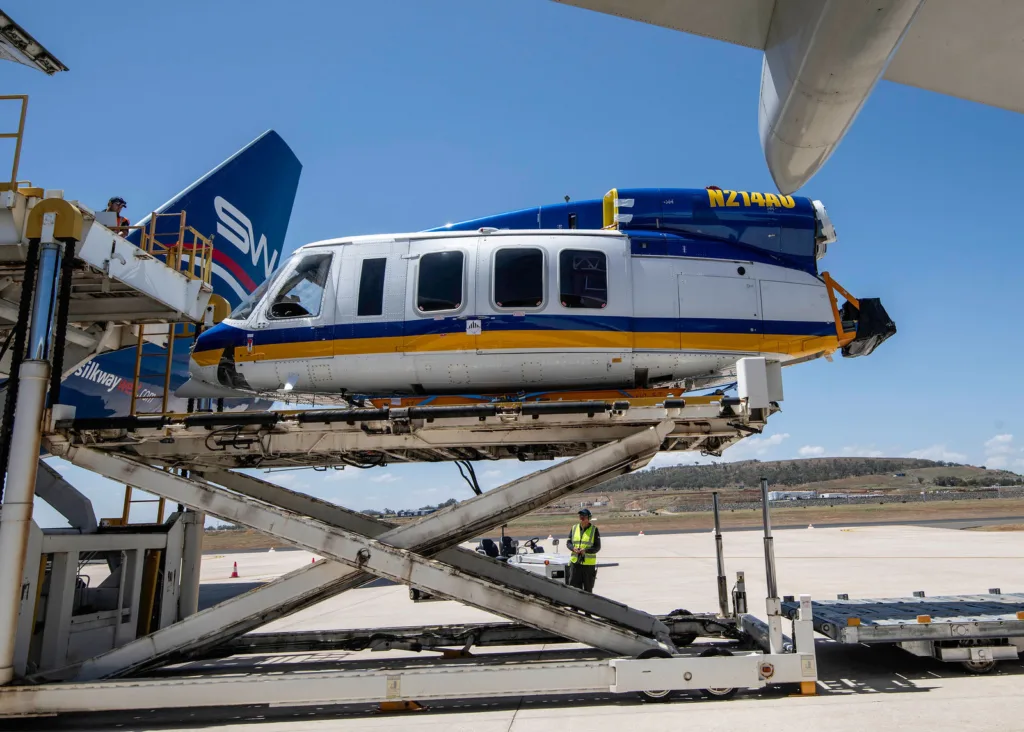
A Boeing 747 carrying six McDermott Aviation helicopters landed at Toowoomba Wellcamp Airport early Friday morning, en route from Athens. The arrival marked the return of one of the world’s largest privately owned firefighting helicopter fleets.
McDermott Aviation Helicopter being unloaded after returning from Greece.
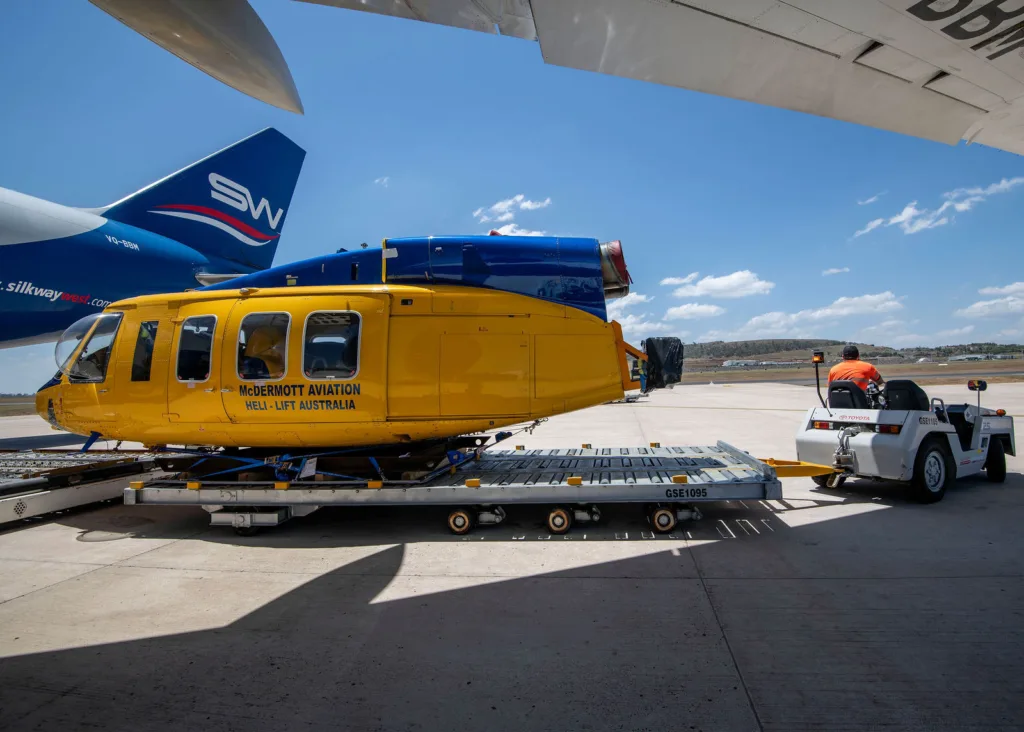
Two Bell 214ST helicopters were offloaded in Toowoomba before being transported to McDermott Aviation’s Sunshine Coast base, where they will be reassembled and prepared for operational readiness ahead of the Australian summer.
The 747 then continued to Western Australia, where four additional Bell 214B helicopters were unloaded and will be reassembled by McDermott’s WA based team in preparation for the state’s fire season.
“McDermott Aviation operates globally, but our heart is here in Australia,” said John McDermott, Founder and President of McDermott Aviation.
“After supporting firefighting efforts across Europe, some of our crews and aircraft have returned home to strengthen our capability as we prepare to protect Australian communities this bushfire season.”
McDermott Aviation Helicopter being unloaded at Toowoomba.
While four McDermott Aviation aircraft remained in Greece to continue Search and Rescue operations, the company is also preparing for future growth – with two Bell 214ST airframes from long-term storage in Australia now en route to its Alabama facility in the United States for full refurbishment and fleet expansion.
The return of the helicopters came as authorities across several states prepared for heightened bushfire activity, with early forecasts indicating dry conditions and above-average temperatures in many regions.
“The return of these aircraft has bolstered our assets, allowing us to position them across Australia so that we are ready to respond wherever we are needed most,” McDermott said.
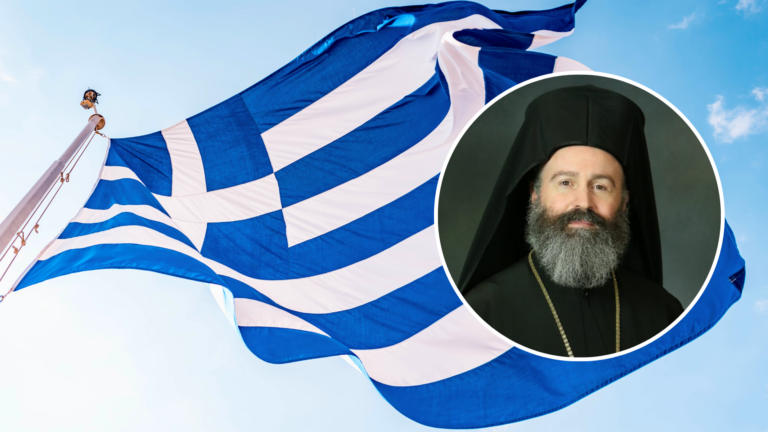
On the 85th anniversary of OXI Day, His Eminence Archbishop Makarios of Australia has shared a message reflecting on the timeless power of Greece’s historic “No” – a word that echoed beyond borders and through generations.
His Eminence called upon all Greeks of the diaspora to safeguard their faith, language, and heritage, ensuring that the spirit of 1940 remains alive in every generation.
Full message in English:
Exactly eighty-five years ago, the pen of history wrote in indelible letters, the word “NO.” A small word, yet so powerful that it echoed far beyond the borders of Greece and transcended the moment in which it was spoken.
The historic “NO” of the 28th of October 1940 signified the clash of two contrasting worlds: arrogance and tyranny on one side; freedom and human dignity on the other. The Greek people small, poor, and long-suffering, yet proud and devoted to noble ideals, did not hesitate for a moment in choosing where they stood. Our ancestors joined wholeheartedly with the ranks of the free nations, forming a barrier against the darkness of fascism and Nazism that threatened to engulf Europe and the rest of the world.
Soon, that proud “NO” moved from people’s lips into their hearts and became what is now remembered as “the Epic of 1940”. One of the most powerful military forces of the time, despite its overwhelming numerical and technological superiority, suffered a humiliating defeat in the mountains of Pindus and Albania. “Little” Greece, by winning the first Allied victory against the Axis powers, gained the world’s admiration and lifted the spirits of all who continued to resist the advance of darkness.
In fact, it was nothing less than a miracle wrought by the help of the Most Holy Theotokos, the “Champion General,” who throughout the ages strengthens, shelters, and protects our nation, but also due to the unity with which the Greek people resisted the invaders, putting aside hesitation, differences, and rivalries.
This spirit of national unity shown by our heroic forebears from the very first hours after that magnificent “NO” constitutes an invaluable inheritance for all Greeks today as we face the challenges and difficulties of our own times; especially for the Hellenism of the Diaspora, which must resist becoming alienated from its roots, its faith, and its cultural identity. Certainly, today we do not experience the nightmare of war and barbarity. We do not live in a hostile land but, rather, in a blessed country; one that shares the same values as our motherland just as it did then when it stood with Greece against the Italo-German Axis. Yet the challenge remains ever present: to safeguard all that our ancestors, through struggle and sacrifice, have handed down to us.
Therefore, let us draw strength and inspiration from the example of the heroes of 1940 and may we move forward united and with faith in God, so that we may pass on to the generations to come a Hellenism worthy of its history. May the “NO” of those days remain alive within us as a lasting call to virtue, unity, and solidarity!
Many years to all Greek women and men; years blessed and protected by the Most Holy Theotokos!
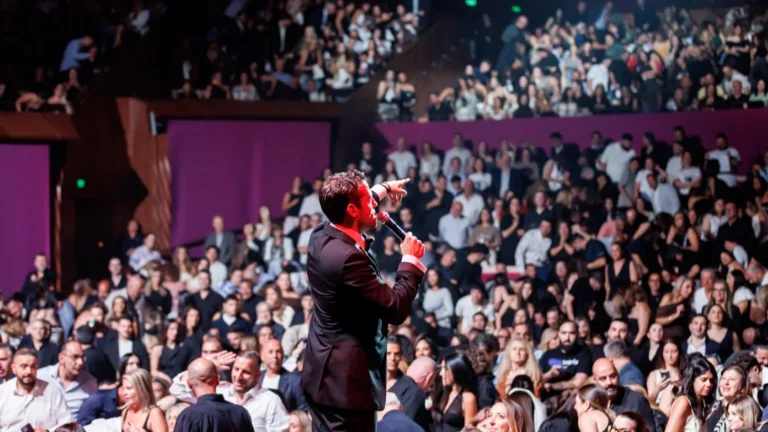
In a landmark moment for Greek music and Australia’s multicultural arts scene, Konstantinos Argiros made history on Monday night as one of the first Greek artists ever to perform at the Sydney Opera House. He was joined by Greece’s Eurovision 2025 star Klavdia.
The chart-topping singer – known for his soul-stirring voice and magnetic stage presence – performed to thousands of adoring fans across a sold-out show on October 27, transforming Australia’s most iconic venue into a sea of blue and white. He has two shows remaining on October 29 and 30.
From heartfelt ballads to electrifying anthems, Argiros’ performance captured the passion and pride of Hellenism, drawing audiences not only from Sydney’s Greek community but from across Australia and New Zealand.
For many, it was an emotional celebration of heritage – a night where Greek culture met world-class artistry beneath the sails of one of the most recognisable stages on earth.
The cultural and economic impact of Argiros’ visit has been significant. According to Besa Deda, Chief Economist at William Buck, his three-night Sydney run is projected to generate up to $4.5 million in local economic activity.
Beyond the numbers, Argiros’ concerts represent a milestone for Sydney’s creative identity – one that underscores the city’s role as a global hub of cultural exchange and artistic excellence.
Having begun piano lessons at the age of five, Argiros is now an accomplished multi-instrumentalist and one of Greece’s most celebrated contemporary performers. His concerts at the Opera House not only mark a career-defining achievement, but also symbolise the deep cultural bonds between Greece and Australia’s vibrant Greek diaspora.
As the final notes echoed through the Opera House, the standing ovation that followed spoke volumes – a night of pride, unity and music that will be remembered for years to come.
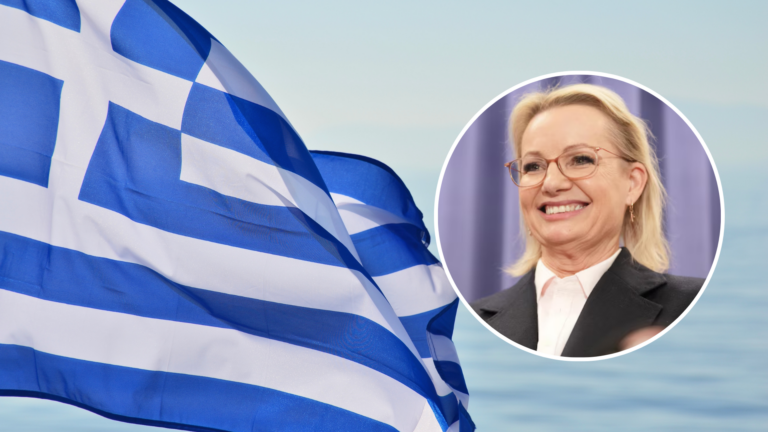
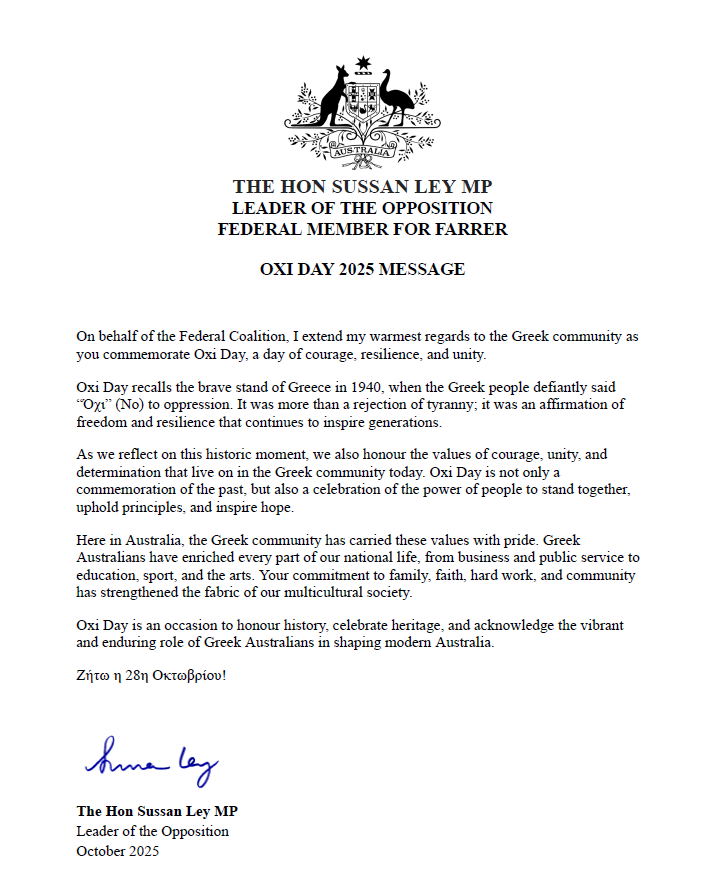
As the Greek community commemorates OXI Day 2025, Federal Liberal Leader Sussan Ley MP has paid tribute to the courage and unity of the Greek people, reflecting on how the values of freedom, resilience and solidarity continue to inspire generations.
In her message, Ley acknowledged the profound contribution of Greek Australians to the nation’s social, cultural and civic life, describing OXI Day as both a commemoration of history and a celebration of enduring heritage.
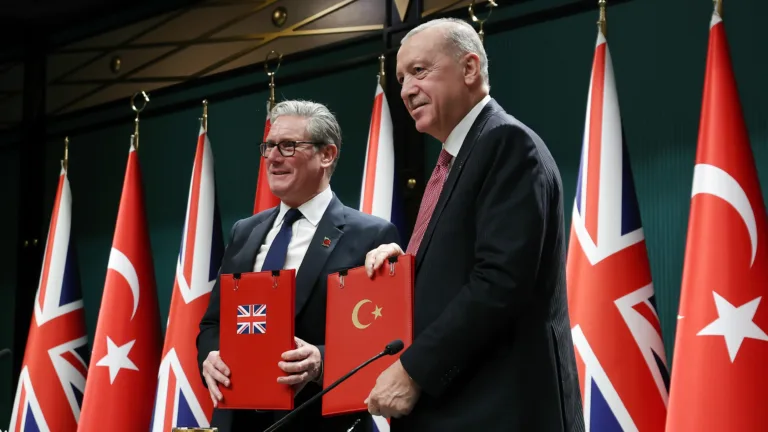
The United Kingdom has finalised an £8 billion agreement to supply Turkey with 20 Eurofighter Typhoon jets – the largest British fighter export in almost two decades.
During his first official visit to Ankara as Prime Minister, Sir Keir Starmer described the deal as “a win for British workers, a win for our defence industry, and a win for NATO security.”
The landmark contract will sustain more than 6,000 jobs at BAE Systems facilities in Lancashire, alongside hundreds more in the South West and Scotland. About 37 per cent of each aircraft’s production will take place in the UK, with final assembly at BAE’s Warton and Samlesbury sites.
Turkey’s President Recep Tayyip Erdogan called the deal “a new symbol of the strategic relations” between the two nations.
Our deal with Türkiye is a win for British workers, a win for our defence industry, and a win for our security. pic.twitter.com/7PpdKCEodo
The agreement forms part of broader efforts to deepen defence and economic cooperation between Britain and Turkey, strengthening NATO’s south-eastern flank.
The Defence Secretary, John Healey, hailed it as “the biggest jet export deal in a generation,” saying it would inject billions into the economy and keep Typhoon production lines active for years.
BAE Systems’ Chief Executive, Charles Woodburn, added that the partnership marks “a new chapter in a longstanding relationship with an important NATO ally.”
Under the agreement, the first jets are expected to be delivered to the Turkish Air Force by 2030, with an option for additional orders in future.
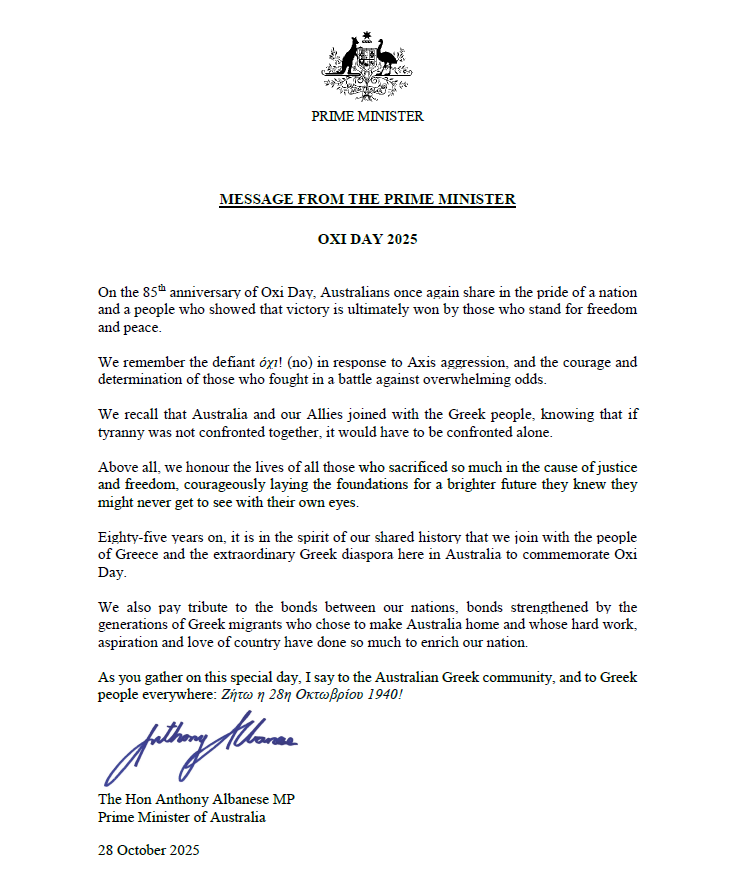
On the 85th anniversary of OXI Day, Australian Prime Minister Anthony Albanese has shared a heartfelt message honouring Greece’s courage and Australia’s enduring friendship with the Greek people. His words pay tribute to those who stood for freedom, peace, and justice – and to the generations of Greek Australians who continue to enrich the nation’s story.
The 13th Greek Student Film Festival – staged within the 30th Greek Film Festival of Sydney – filled the cinema with laughter, pride, and plenty of Greek as students premiered short films made in classrooms and community schools across Sydney.
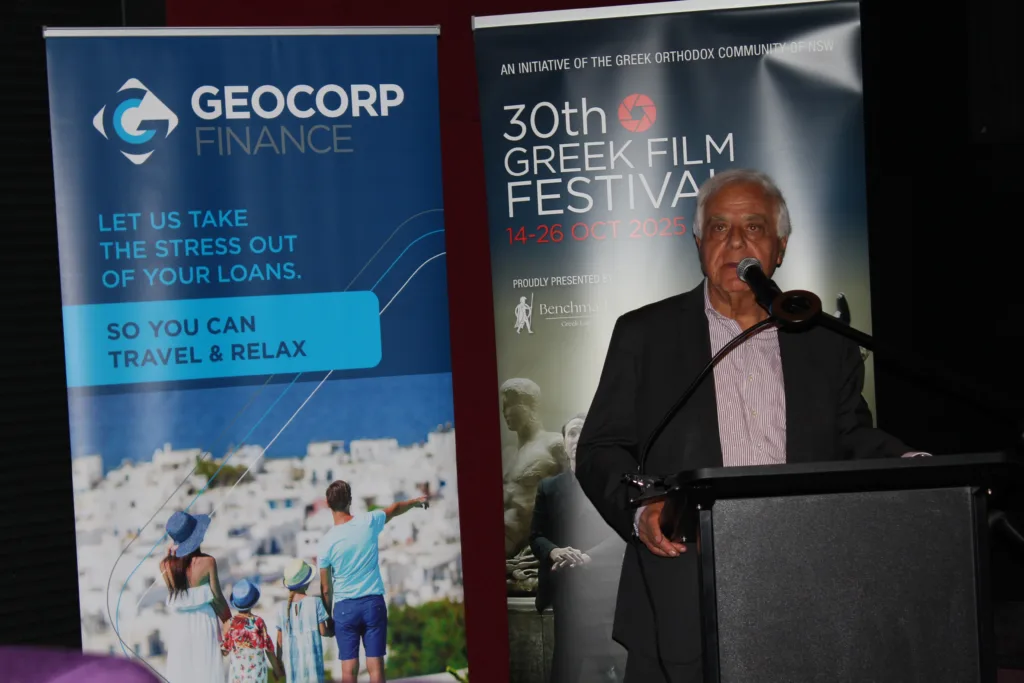
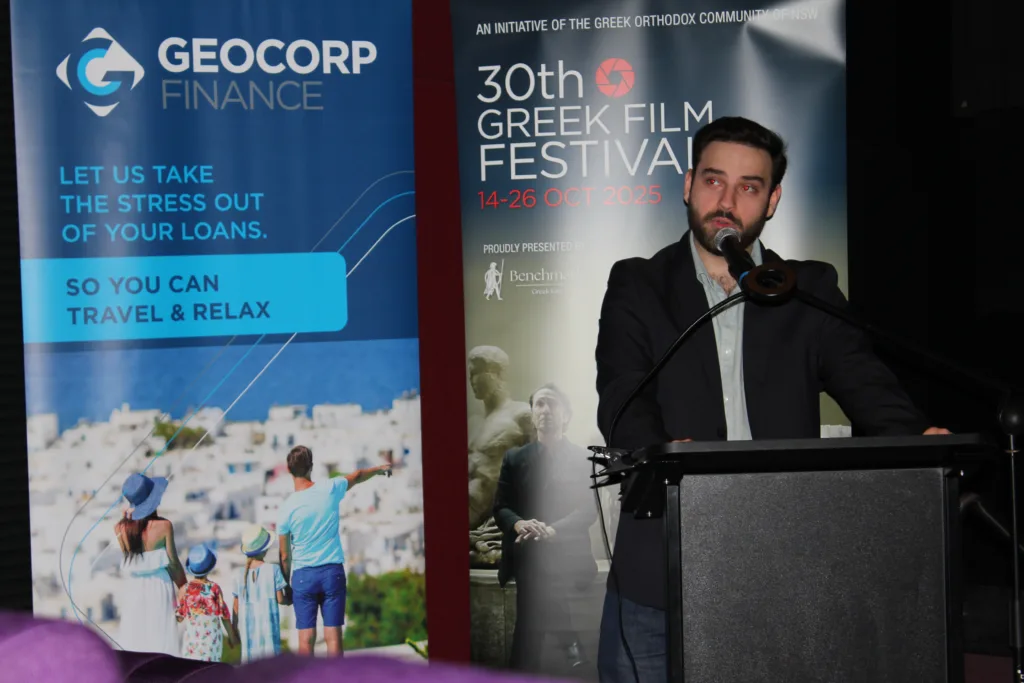
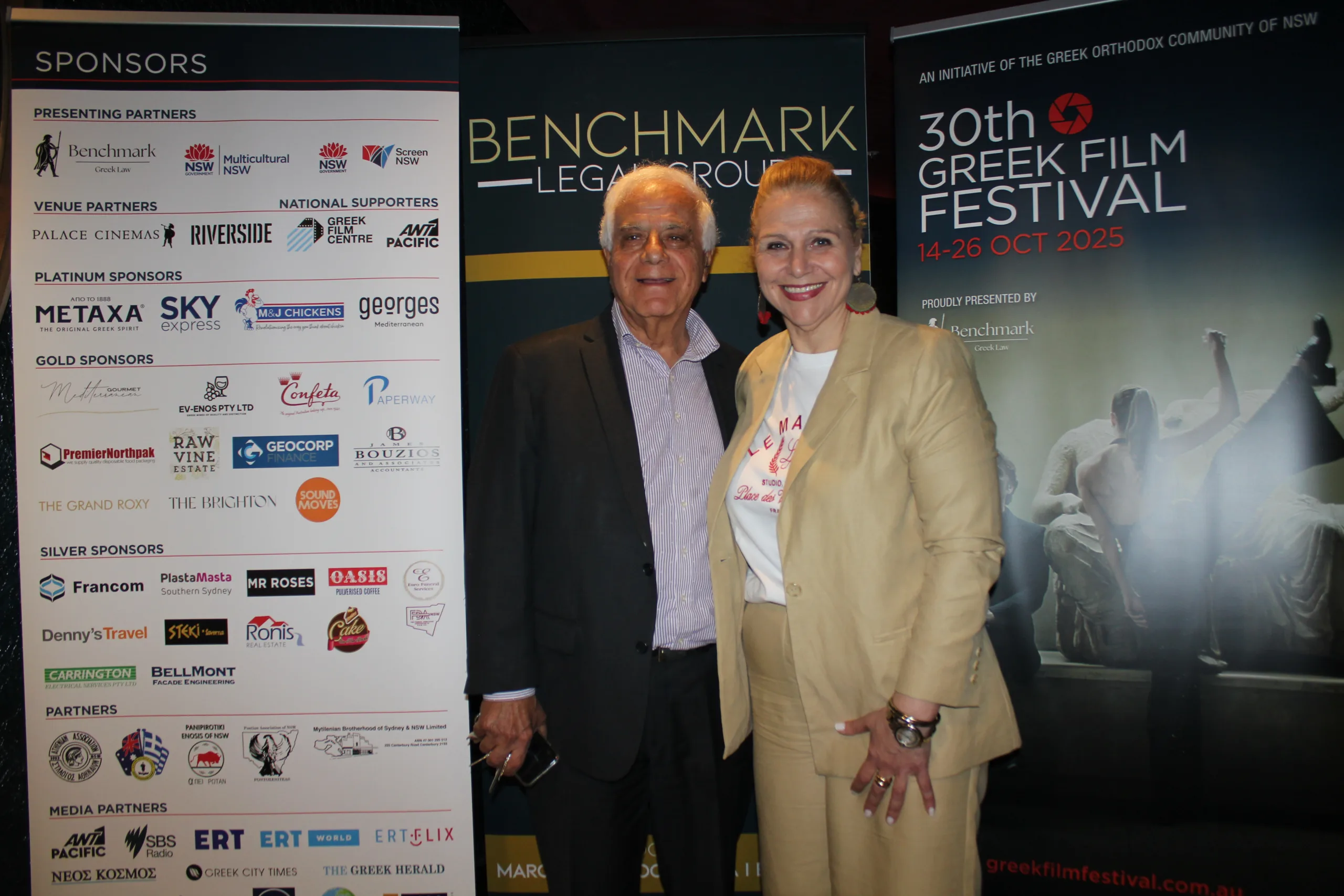
Emcee Dimitri Kallos opened with acknowledgements to presenting partners and guests, including Harry Danalis, President of the Greek Orthodox Community of NSW (GOCNSW), Nia Karteris, Chair of the Greek Festival of Sydney and Film Festival, Lucia Johns, from the NSW Federation of Community Languages, and Geocorp Finance owner Paris Georgiadis.
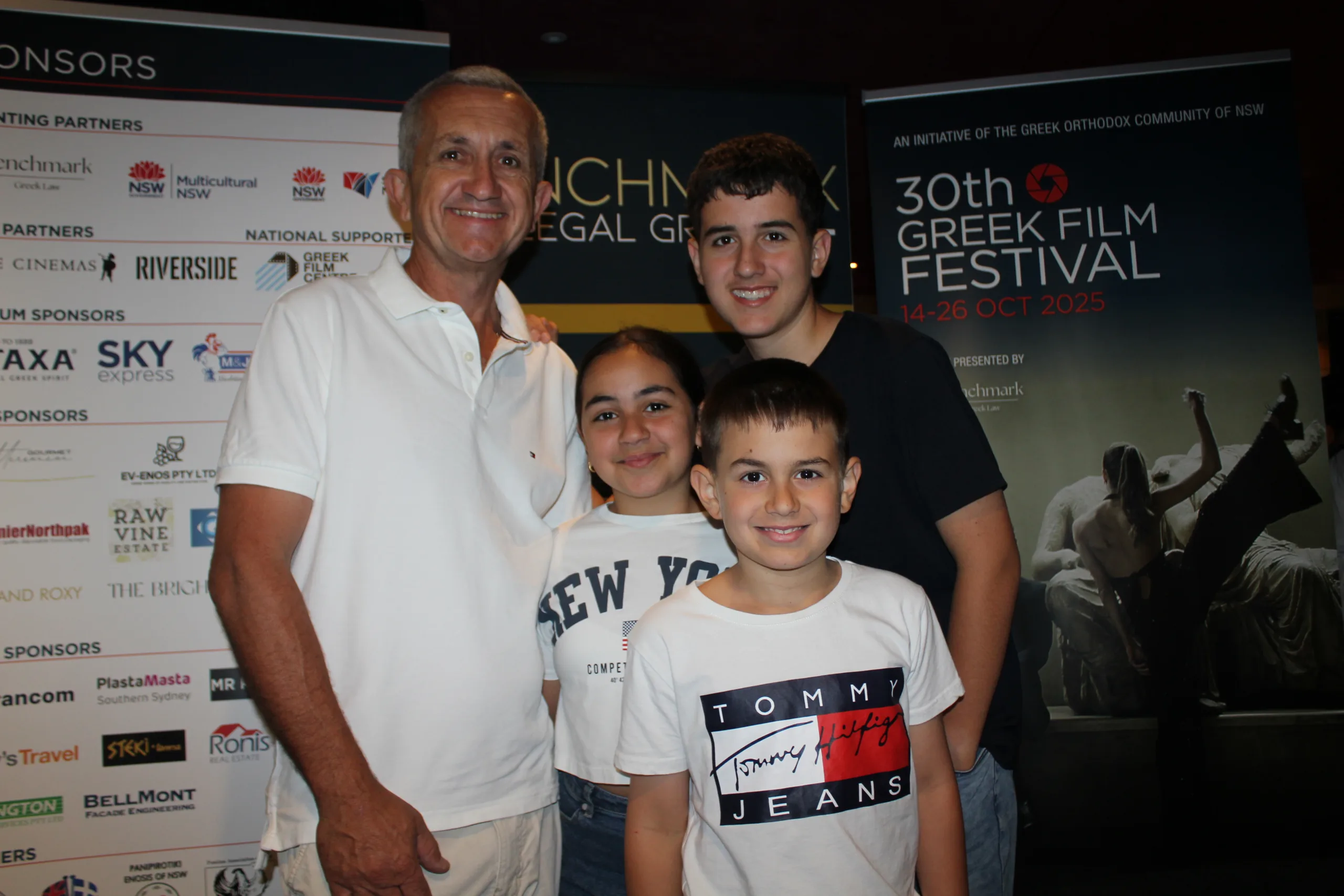
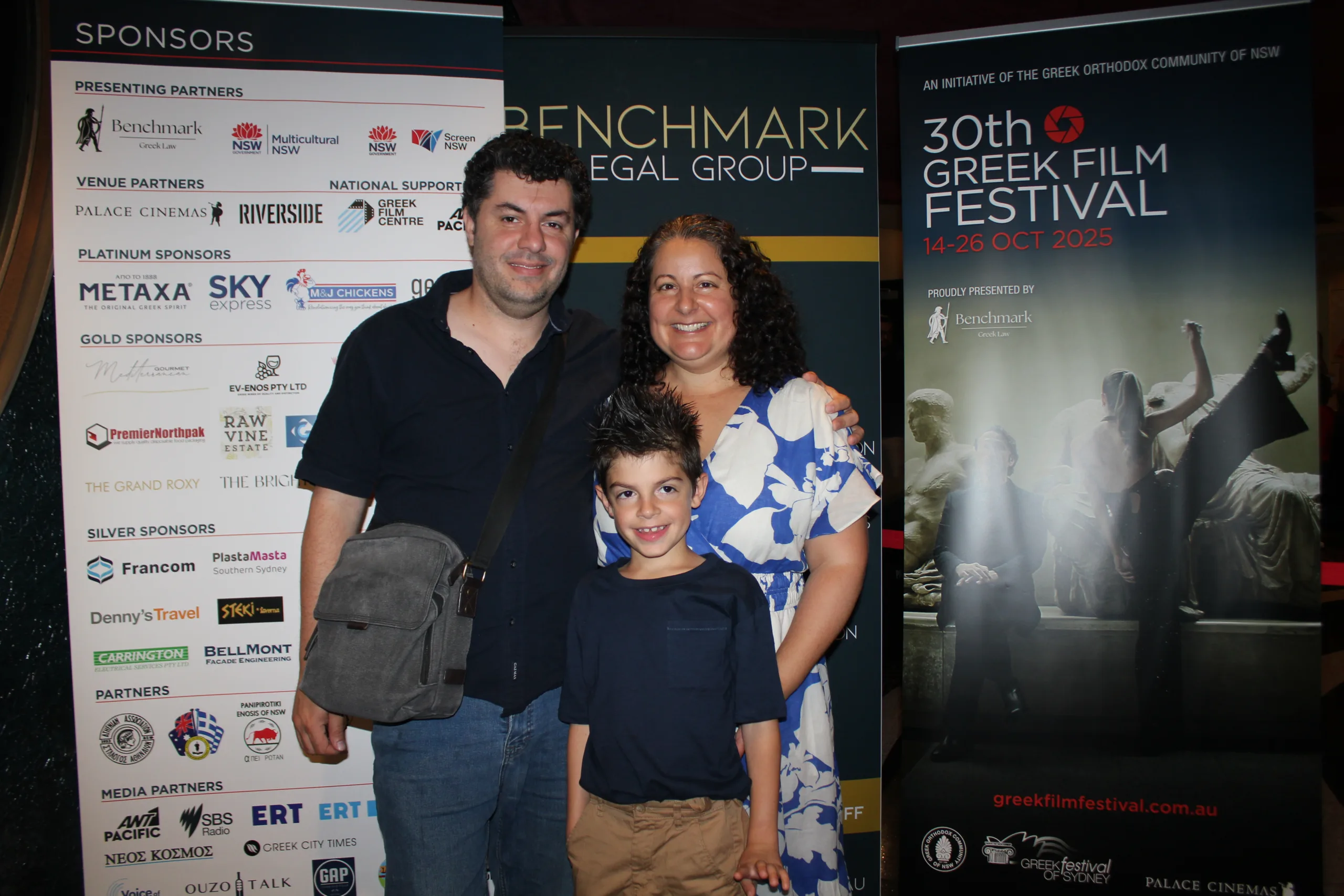
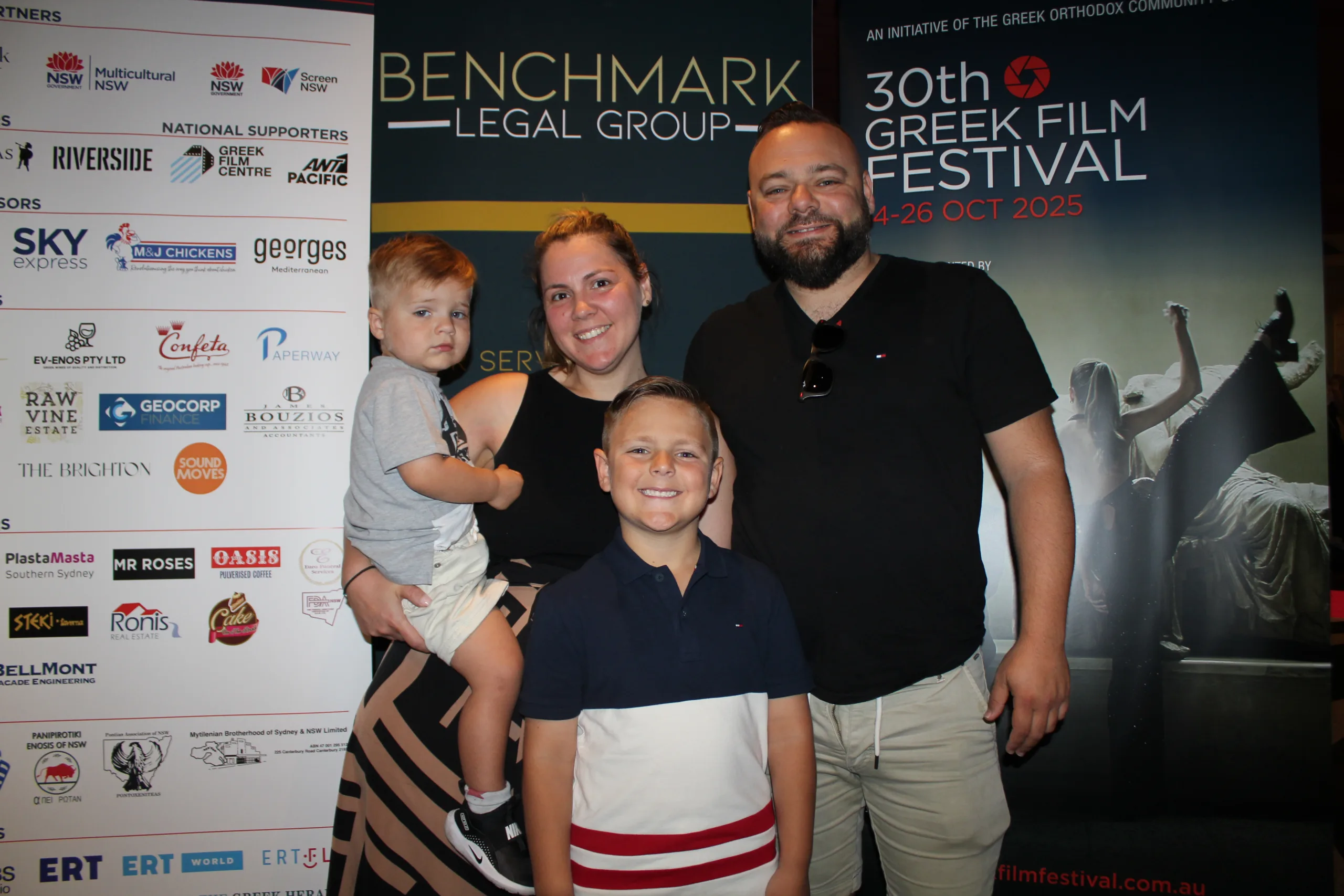
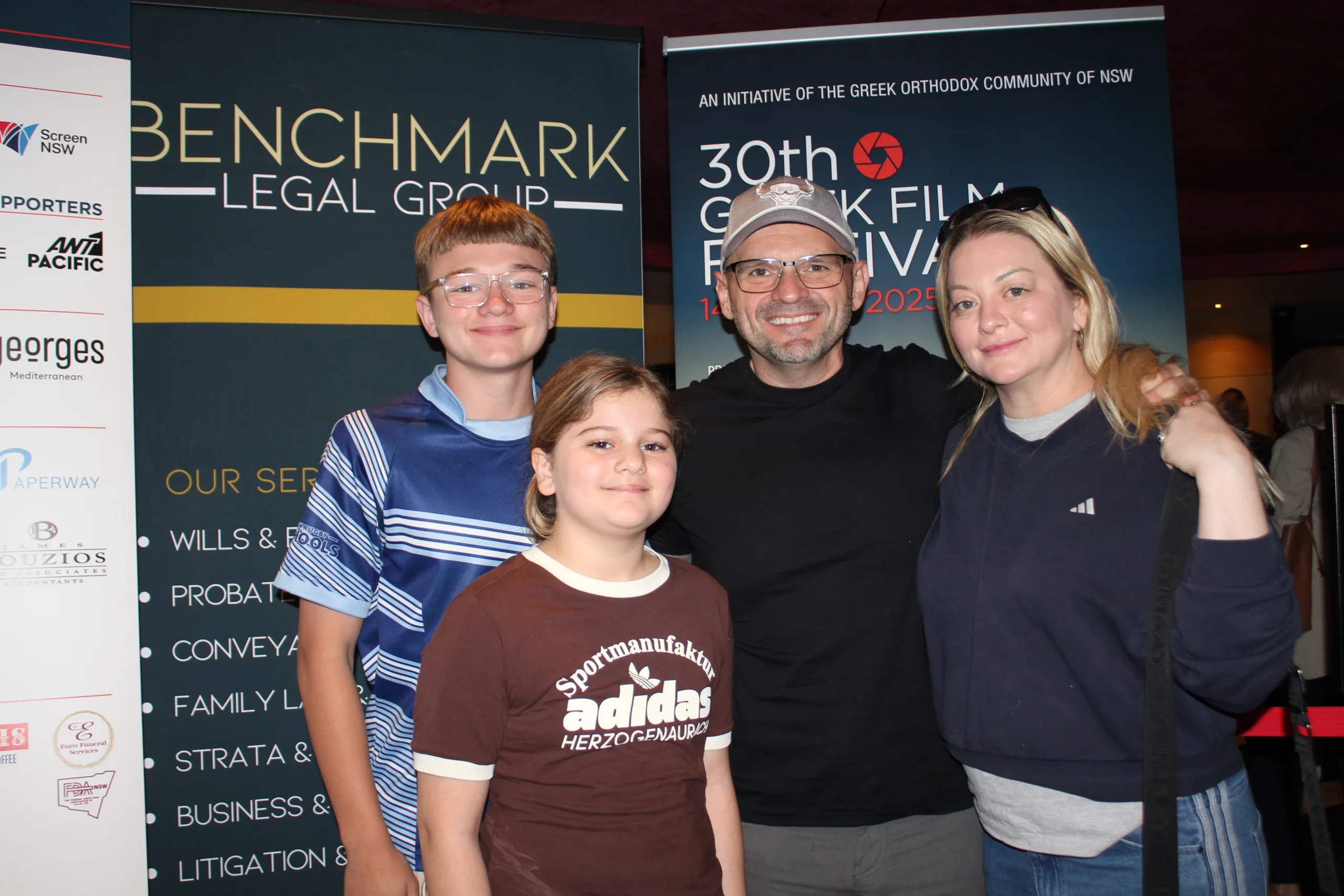
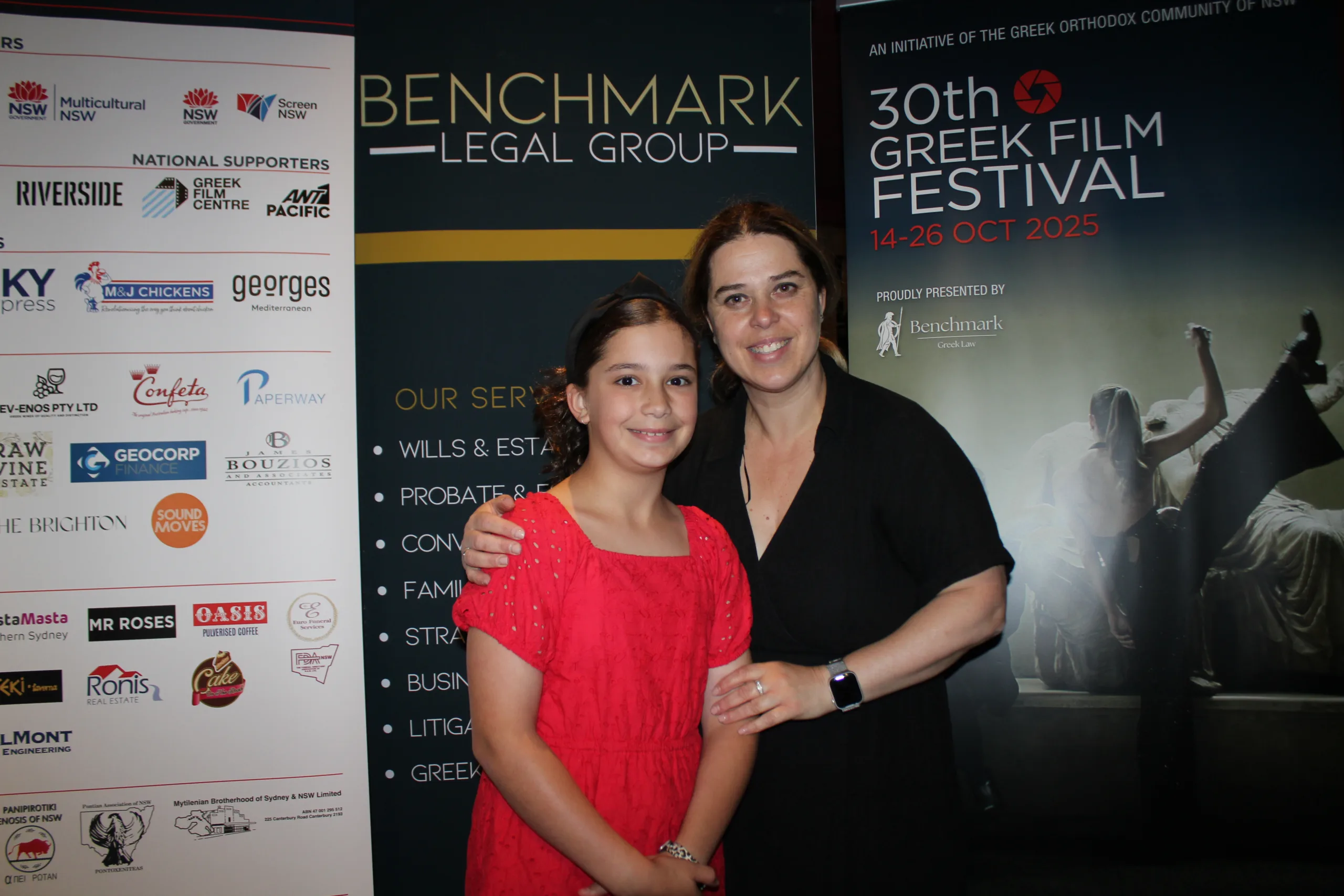
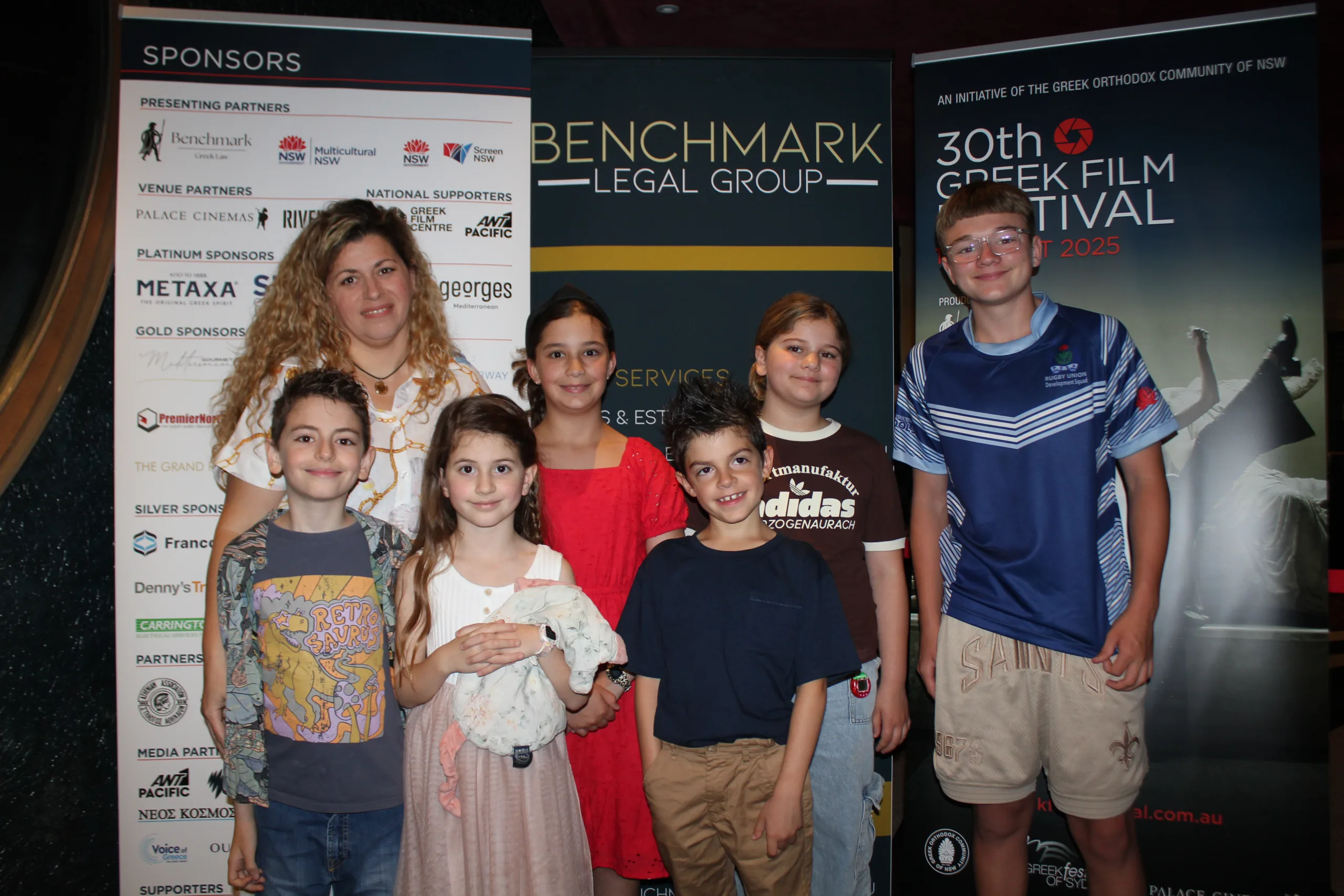
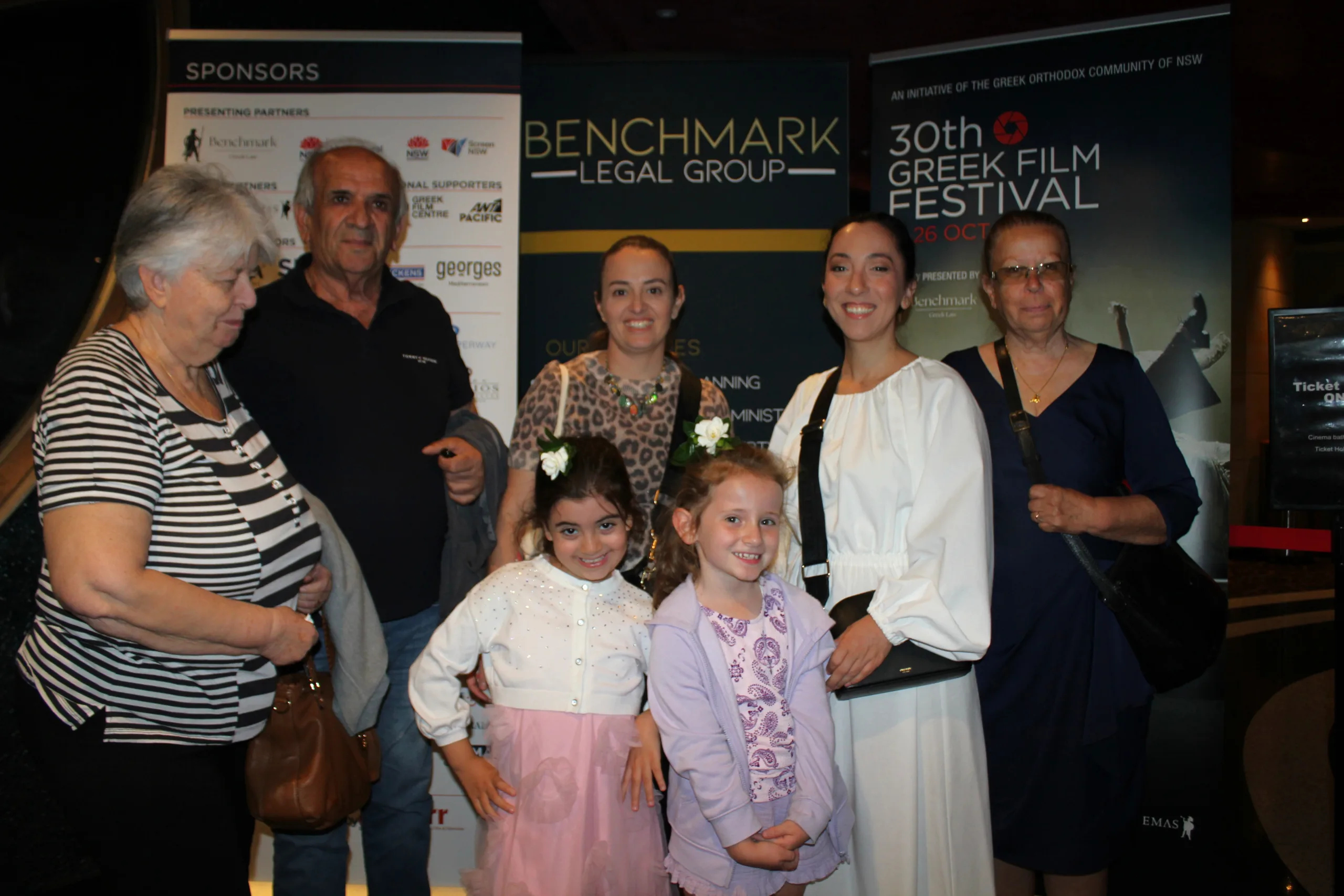
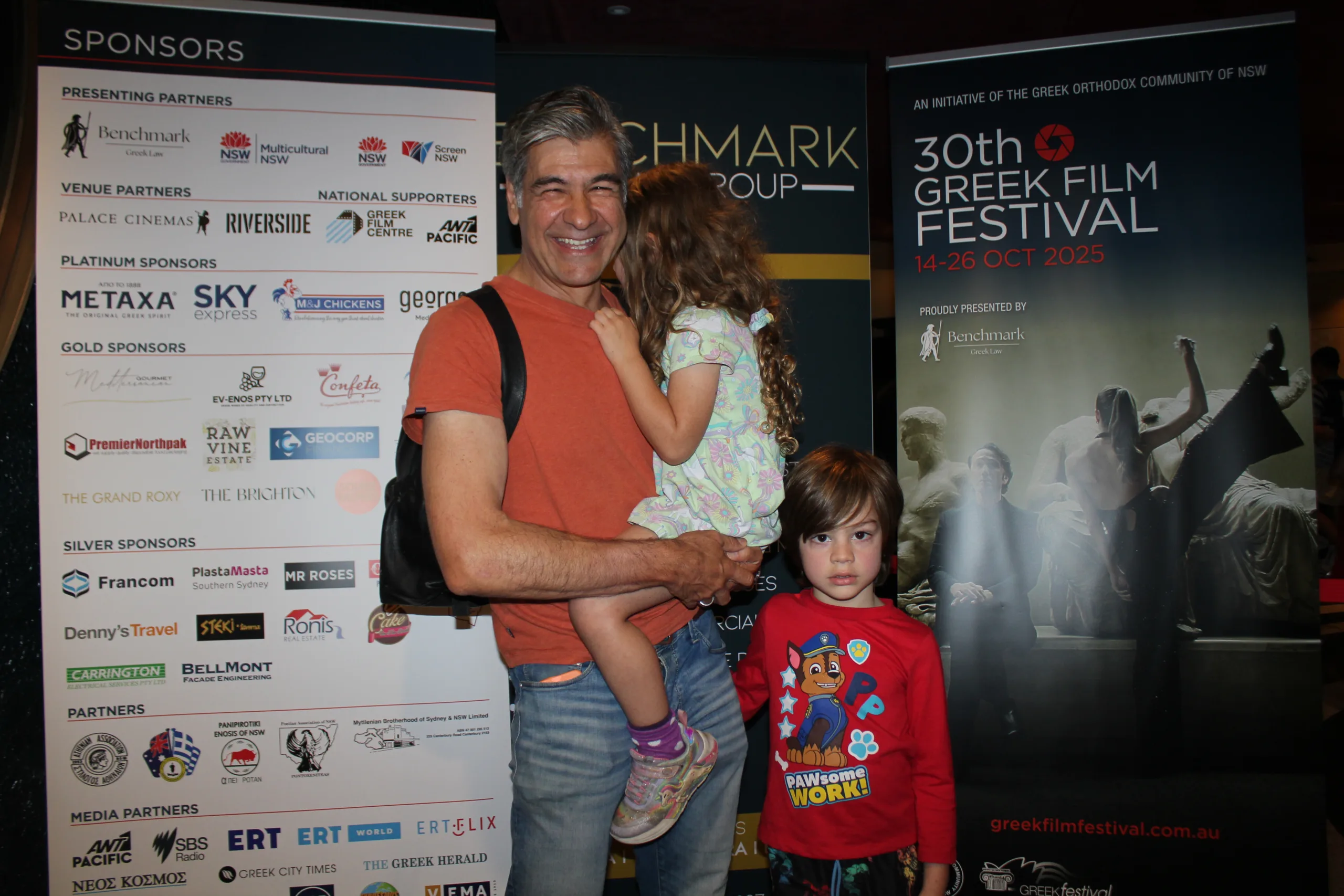
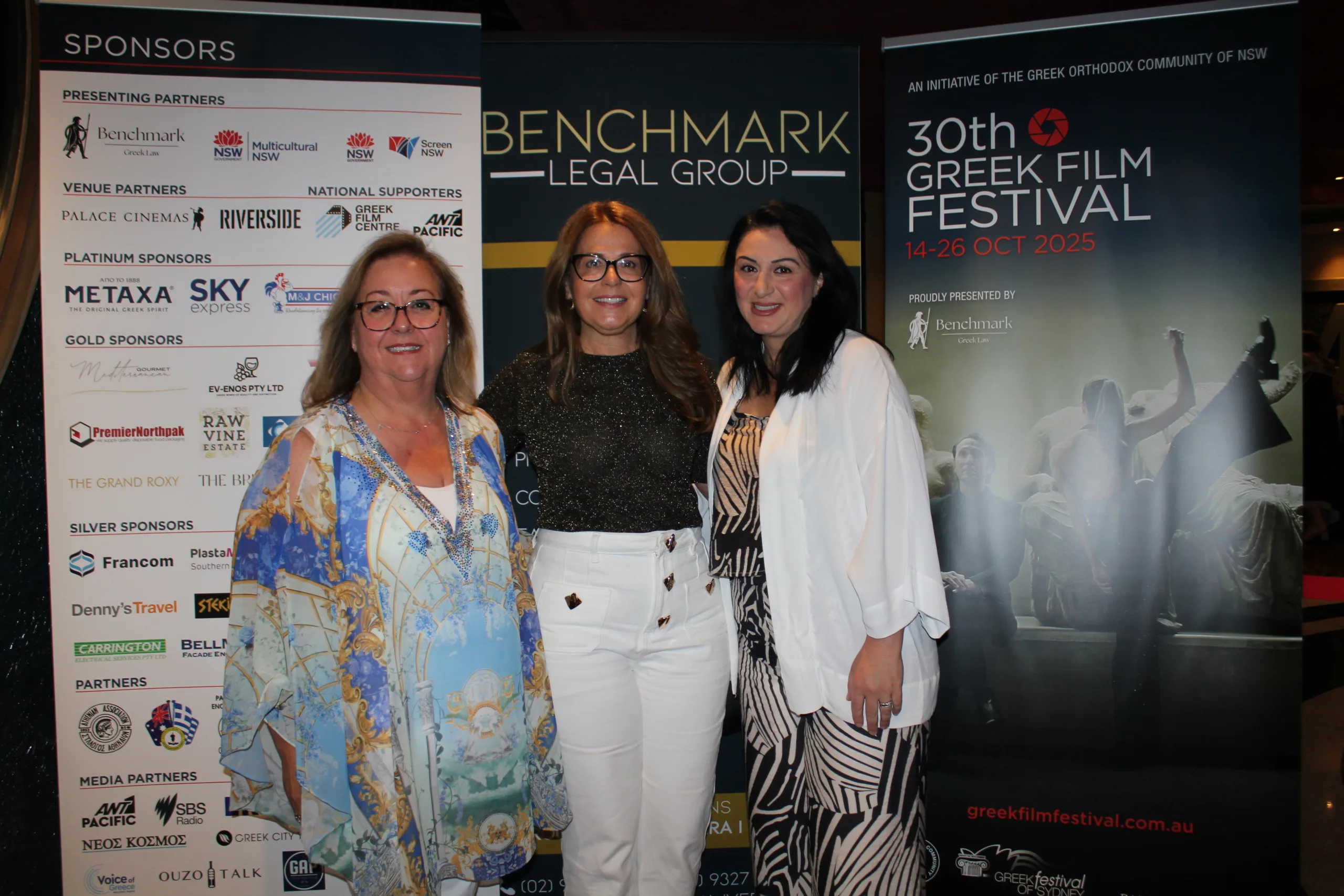
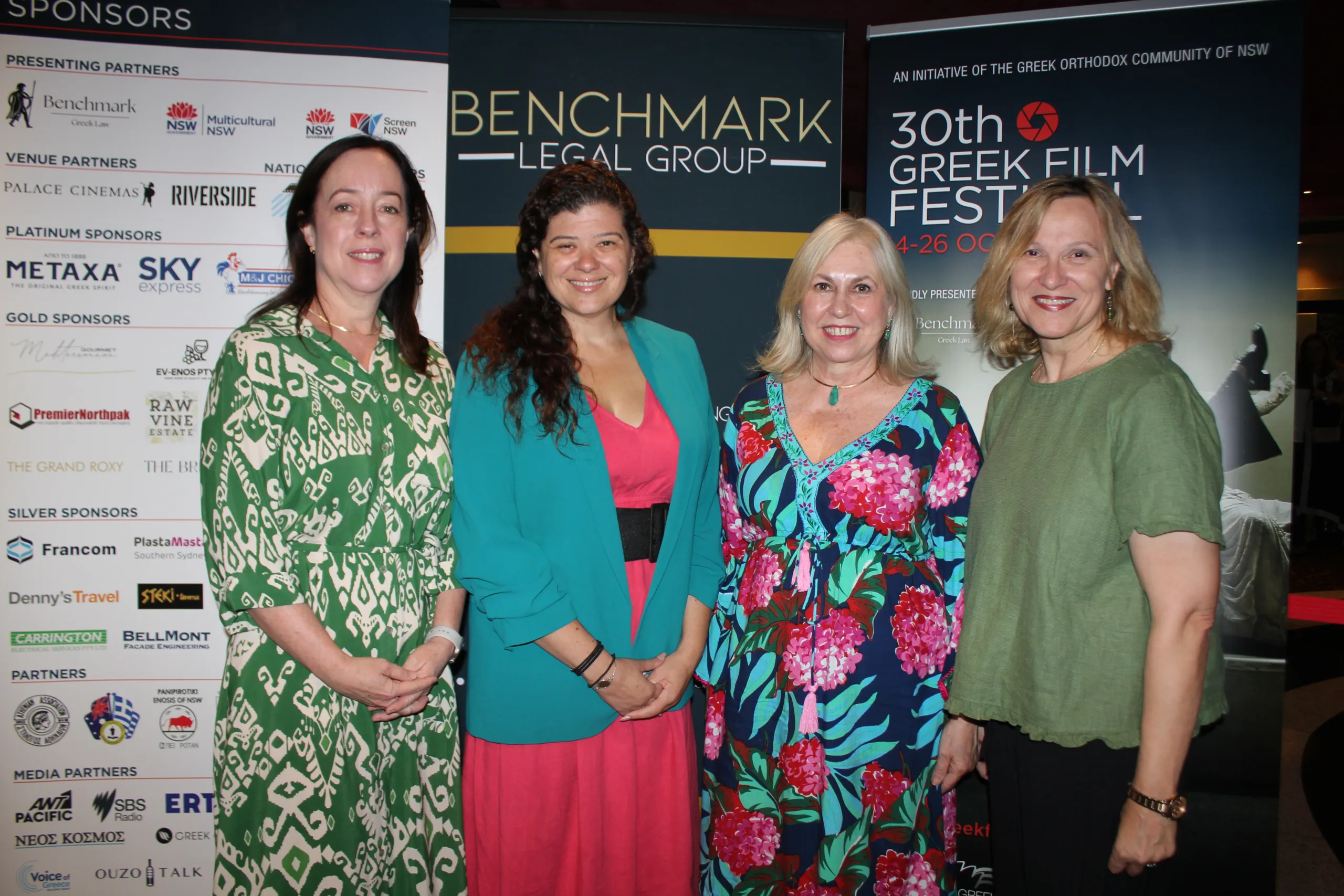
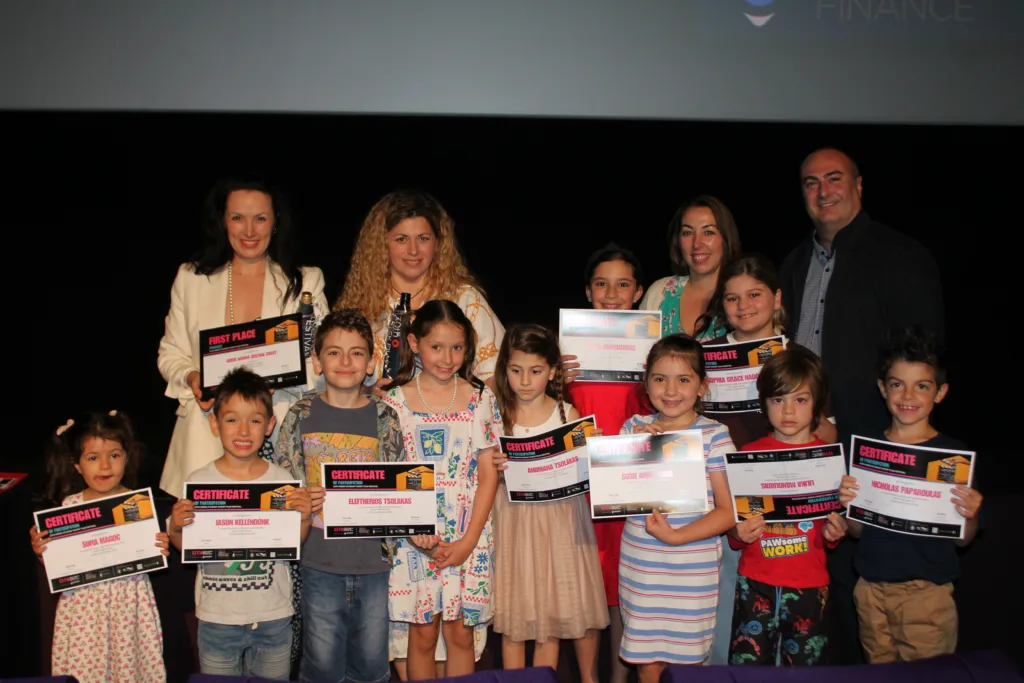
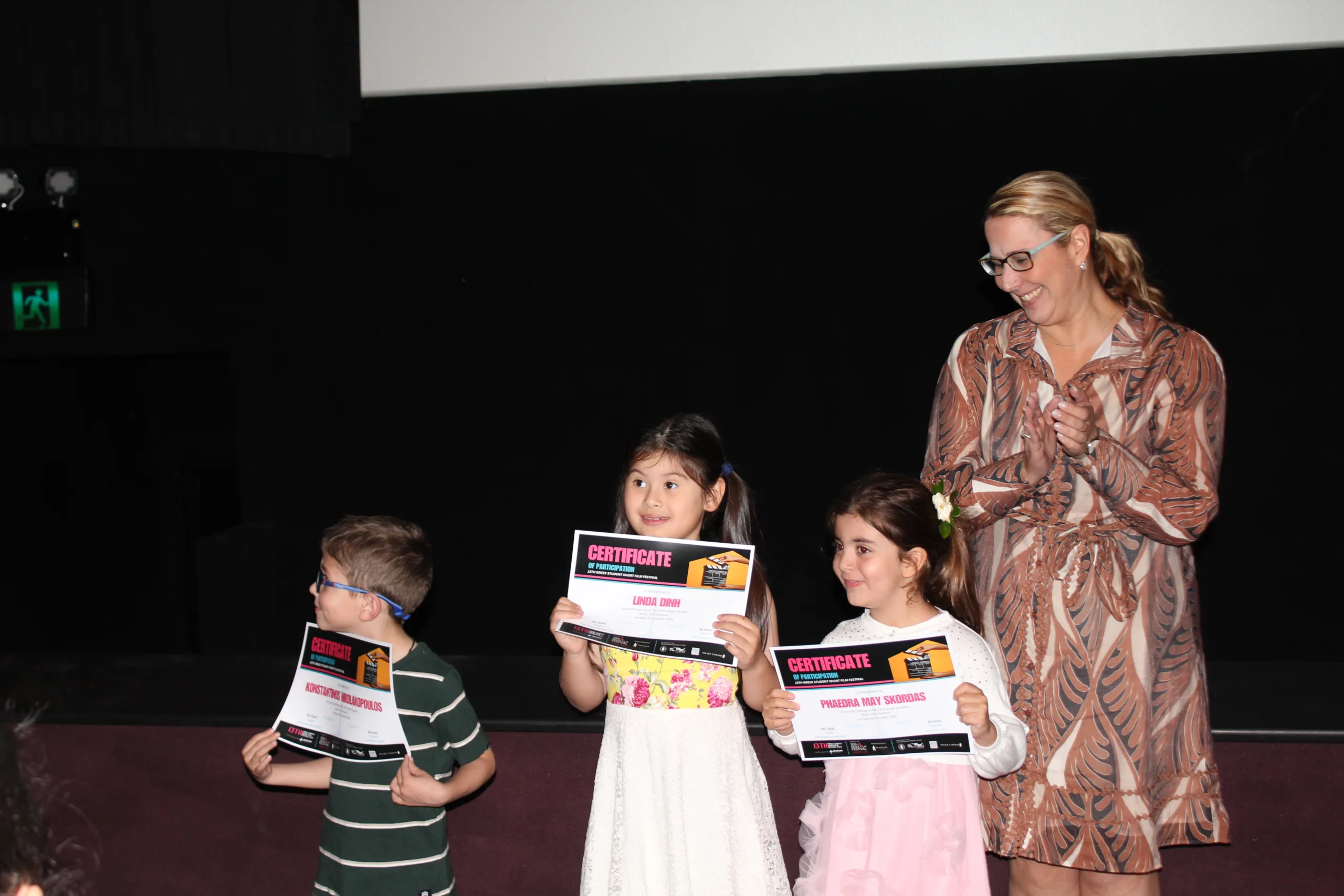
Families attended the Greek Student Film Festival. All photos copyright The Greek Herald / Andriana Simos.
Kallos underscored how the festival gives young people a chance to “be creative, think outside the box and showcase Greek in new and exciting ways,” while keeping language and culture thriving.
The Greek Orthodox Community of NSW (GOCNSW) President Harry Danalis praised the initiative as a practical way of promoting Greek language and culture through student-led storytelling.
Harry Danalis.Dimitri Kallos.
Backed by Geocorp Finance (prize pool: $500 for first, $400 for second, $300 for third in each category) and supported by RAW Vines Estate for participating teachers, the event also highlighted an international learning link: Zoom workshops with Greek children’s educational centre Naniko Plano, founded by filmmaker Dimitris Spyrou (The Flea), whose work featured as part of the festival’s 30-year celebrations.
After the formalities, Kallos invited the audience to grab their popcorn – “Let’s enjoy what these students have made for us” – and the reels began.
2025 festival focus: Democracy
This year’s theme, “Democracy,” invited students to treat democracy not just as a political system but as a value, a right, and a shared responsibility – explored through fiction, documentary, or animation.
Prompts ranged from decision-making at school or home, to youth voice, rights and equality, history or imagined worlds without democracy, and what happens when people can’t make their own choices.
All films screened on the festival’s closing day at Palace Cinema Moore Park on Sunday, 26 October 2025, showcasing how Greek language learning can thrive through creativity and collaboration.
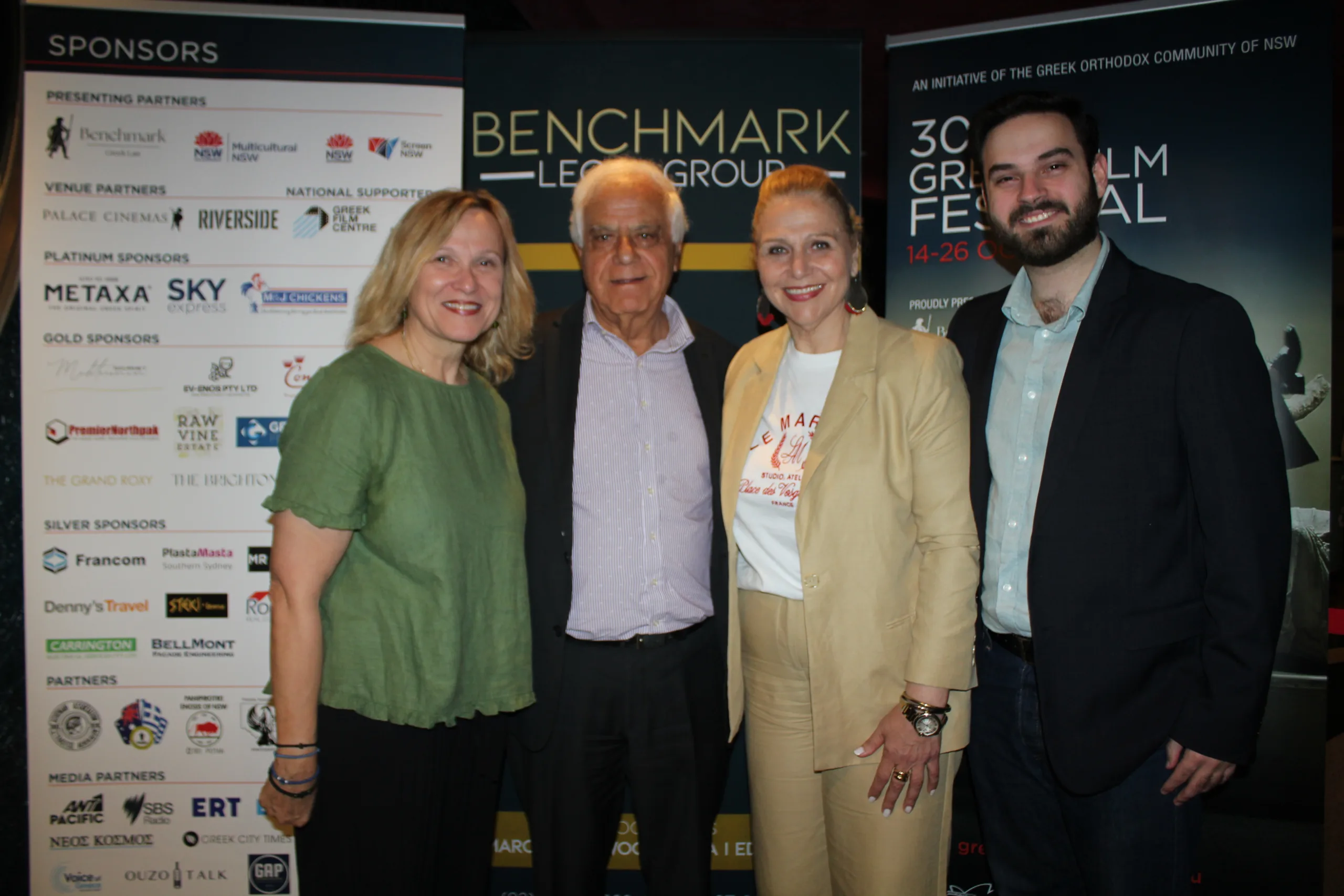
The screenings were held on Sunday, October 26. Pictured here is Harry Danalis and Nia Karteris.
A newcomer triumphs: Greek SchoolCentral Coast
A standout success story came from the Greek School Central Coast, which won First Prize in the Primary School Category for its short film Η Δικτατορία του Αρακά (The Dictatorship of the Pea).
The film used humour to explore the year’s theme, imagining a school where one pupil declares that everyone must eat peas – a light-hearted way to spark discussion about freedom, fairness and choice.
School Principal Constantina Kottaridis, who helped establish the school just a year ago, said the win was both emotional and affirming.
“We tied it into the vocabulary they already knew. Most of the children in our school are learning Greek as a second language,” she told The Greek Herald.
Greek School Central Coast teachers and students.
Kottaridis added that seeing her students perform in Greek was the most rewarding moment of all.
“It’s very exciting and rewarding,” she said.
“To be honest, I feel we had already won in our students’ hearts because when we finished the film and showed it to them, every time their part came up [on the screen] you could see their faces light up because they were so proud of themselves. Keep in mind that just one year ago, all the kids didn’t speak a word of Greek so for them, it was a big achievement.”
Ten-year-old student Terry Tsolakis said the experience made him feel like a star. “I felt proud to see myself on the big screen,” he said. “It felt good to win. I now officially have bragging rights!”
Winners who spoke the language of freedom
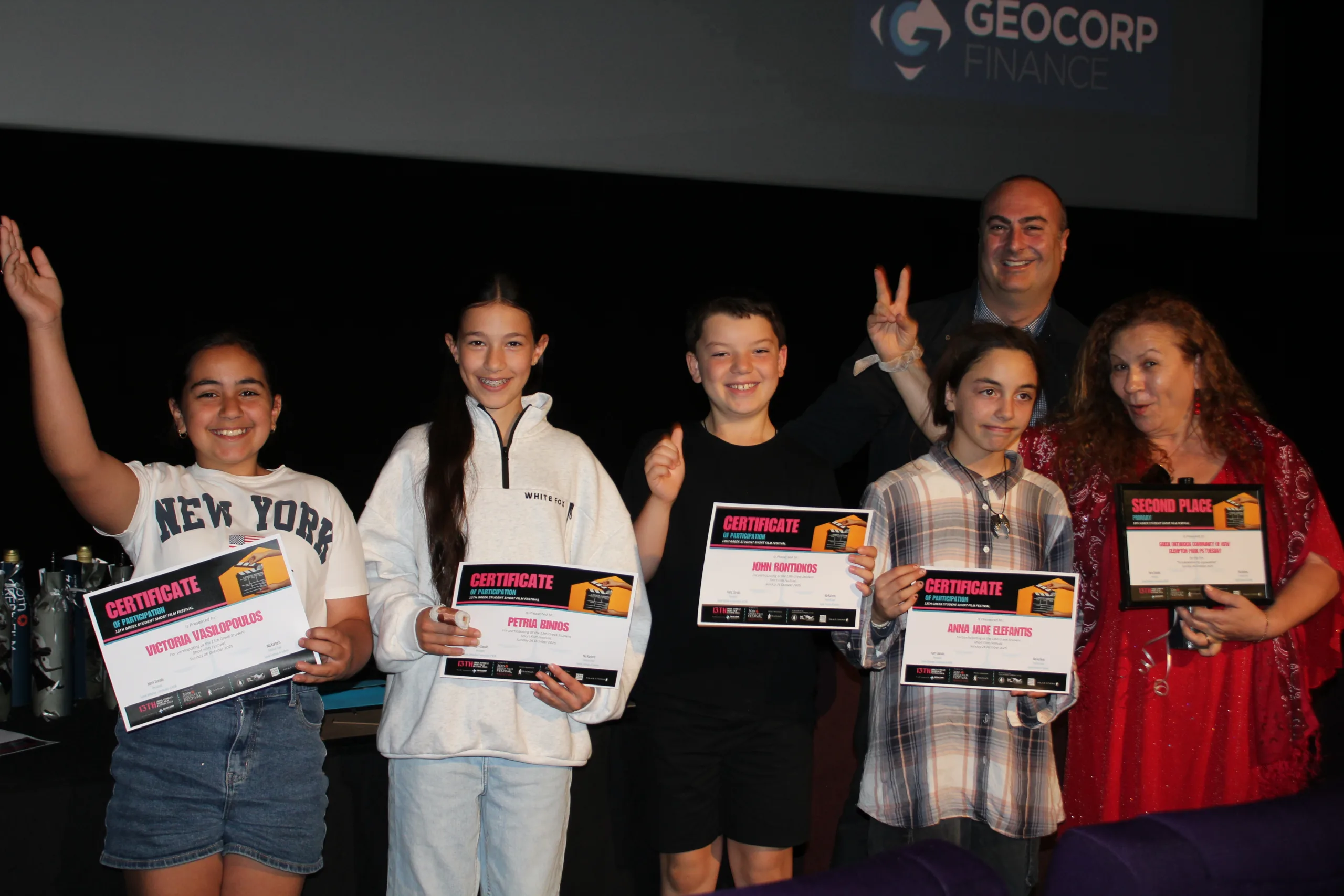
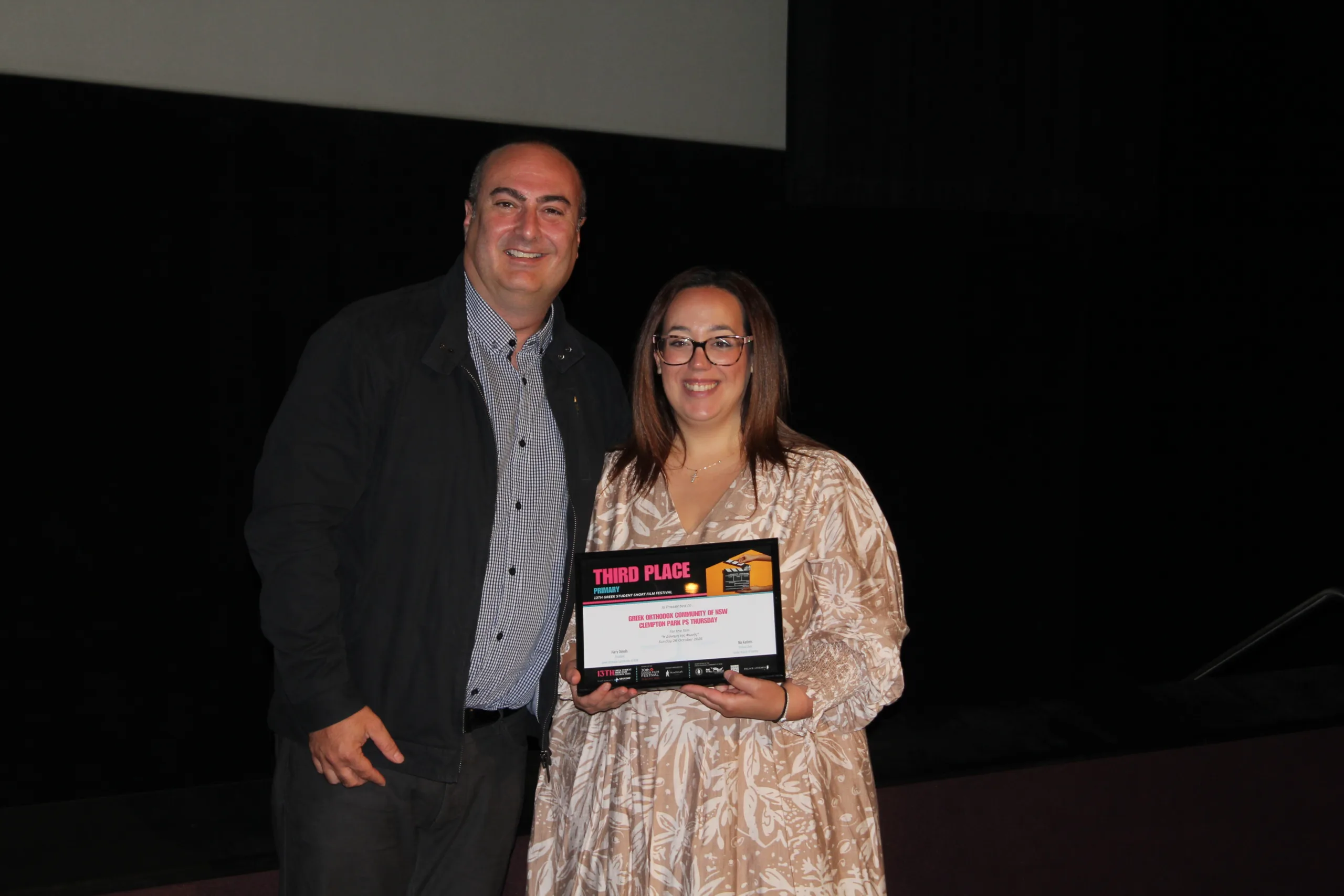
In the Primary School Category, Clemton Park Tuesday Greek Afternoon School (GOCNSW) claimed second place for Το Τηλεσκόπιο της Δημοκρατίας (The Telescope of Democracy) under the direction of Elena Matsouka, while Clemton Park Thursday Greek Afternoon School (GOCNSW) took third for Η Δύναμη της Φωνής (The Power of Voice), led by Konstantina Rizou.
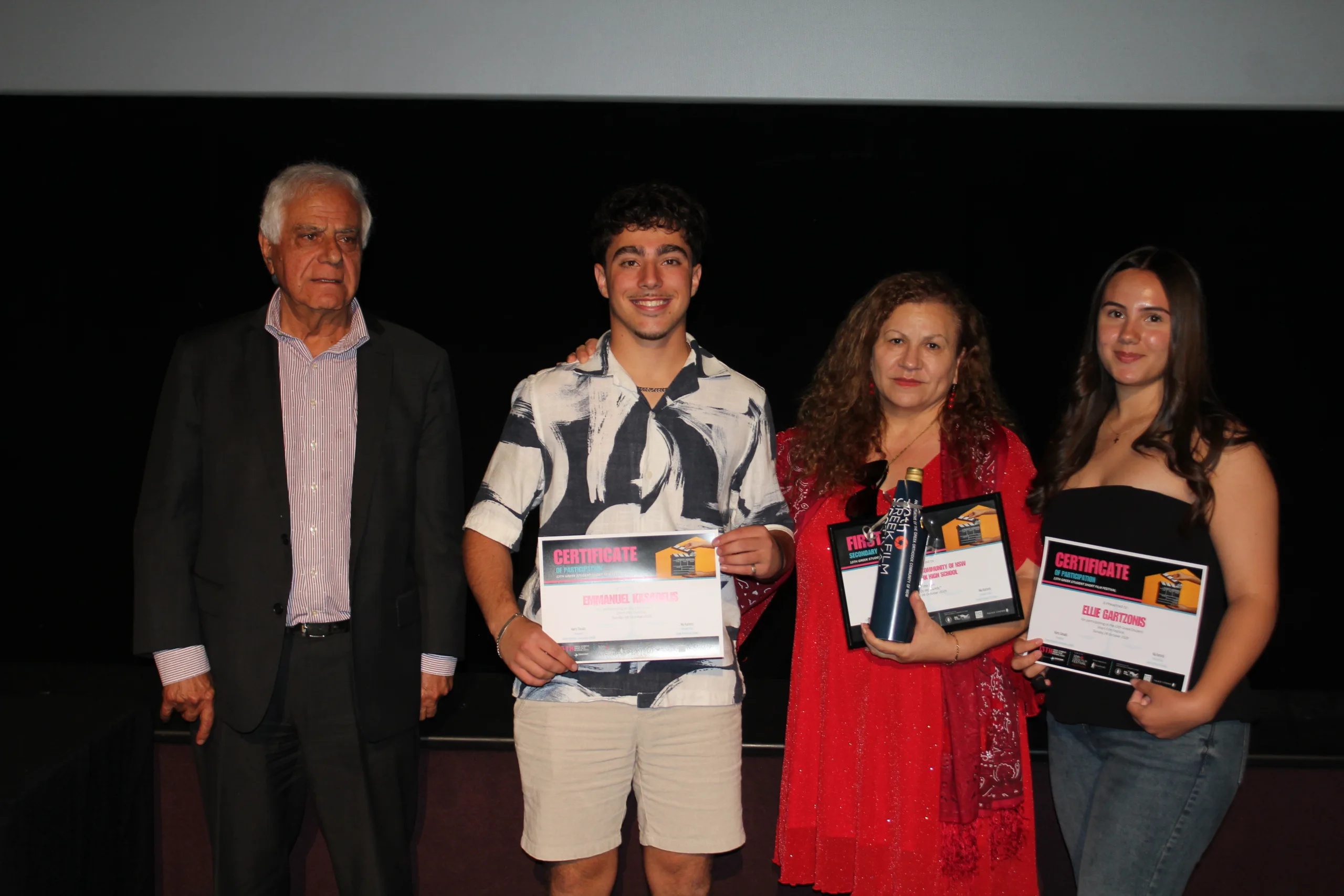
The Secondary School Category top prize went to Clemton Park High School for Η Τάξη της Σιωπής (The Class of Silence) – also guided by Elena Matsouka – praised for its mature handling of the theme and powerful reflection on self-expression and solidarity.
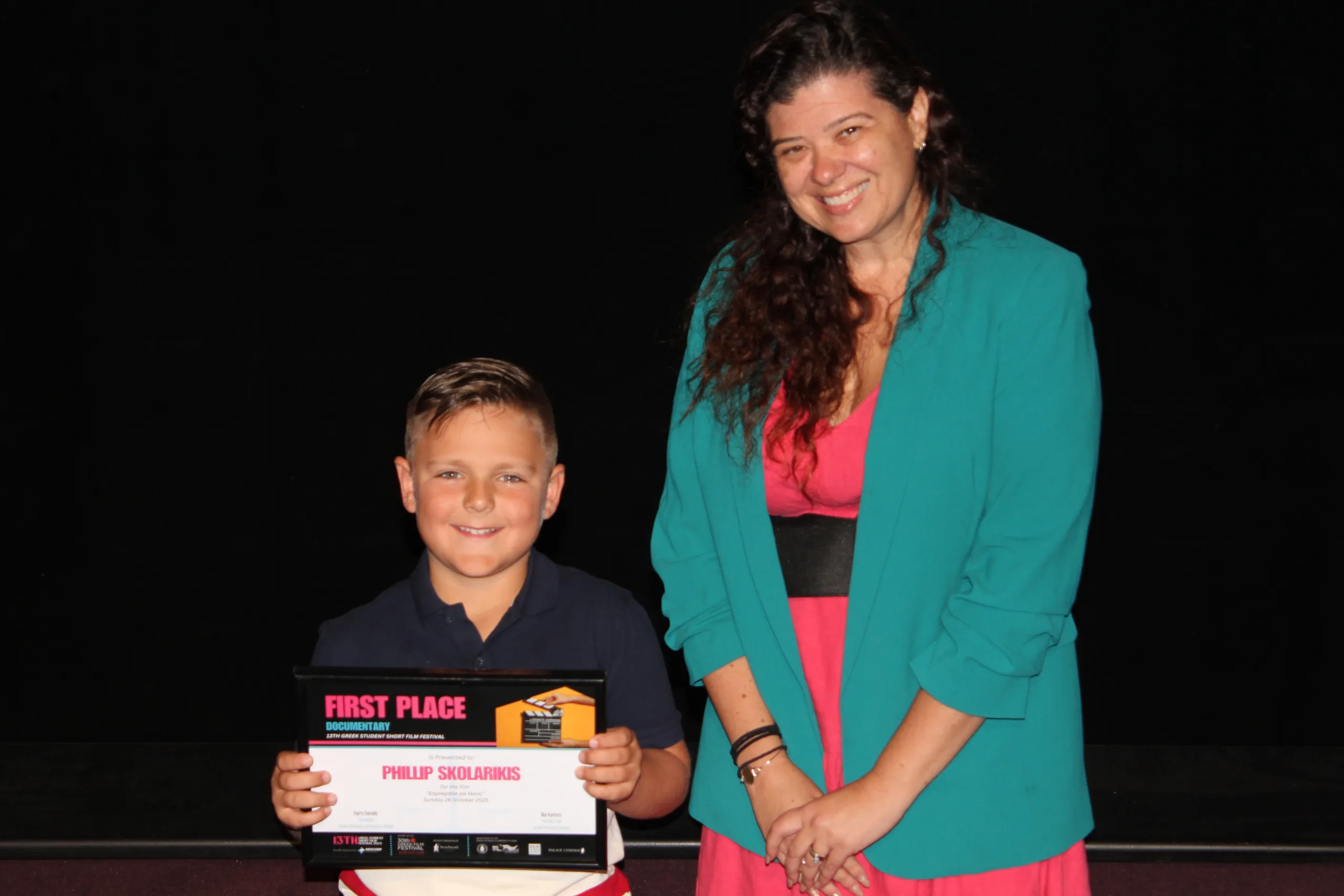
A Special Documentary Award was presented to Phillip Skolarikis from St Spyridon College for Δημοκρατία για Όλους (Democracy for All), a remarkable solo project edited with the help of his parents Tom Skolarikis and Dimitra Chalikia, recognised for its creativity and technical skill.
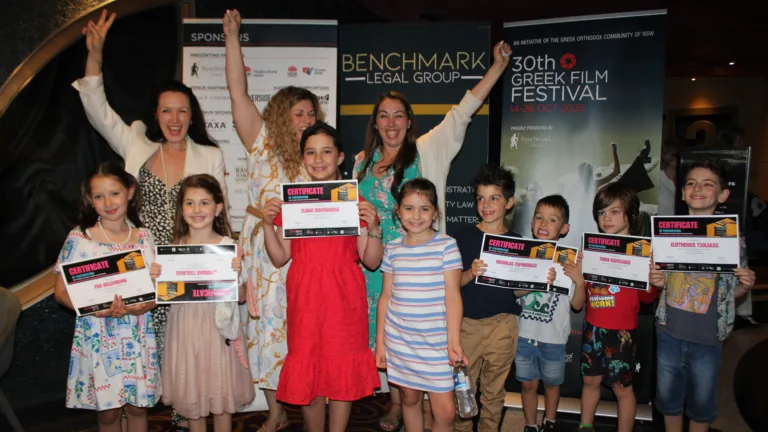
The award winners.
Community, craft and confidence
From meticulous thank-yous to judges and teachers, to the emphasis on family support and classroom collaboration, the festival’s message was consistent: film is a powerful vehicle for language, identity and belonging.
As Kallos noted, these student shorts keep Greek “alive and thriving” by letting young creators experiment, perform and present in Greek – with professional standards and cinematic flair.
*All photos copyright The Greek Herald / Andriana Simos
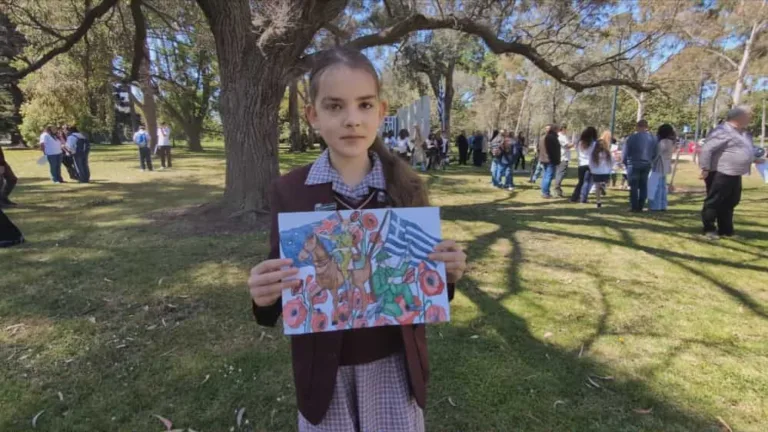
Twelve-year-old Panayiota Dimopoulos from Oakleigh Grammar in Victoria has captured the spirit of courage and friendship through her winning artwork for the Australian Hellenic War Memorial Foundation’s annual Student Competition. Her striking piece was chosen by The Greek Herald as the cover of its special OXI Day print edition as it beautifully bridges Greece and Australia’s shared history.
“I wanted to present the friendship between Greece and Australia — that’s why I included the poppy, which symbolises Australia, and the Greek soldier,” Panayiota explains.
Her thoughtful design reflects both remembrance and unity, blending national symbols in a way that honours those who fought for freedom.
Front cover of The Greek Herald’s OXI Day print edition designed by Panayiota Dimopoulos.
For Panayiota, OXI Day is more than just a date in history — it’s a reminder of courage and sacrifice. “Because we have to remember the people who fought for our freedom,” she says.
Beyond her award-winning artwork, Panayiota is eager to keep exploring her Greek roots. “I plan to continue exploring my Greek heritage not only through art but also by trying to learn about Greece and visiting as often as I can,” she shares.
With dreams of becoming a designer one day, Panayiota’s creativity and pride in her heritage shine brightly — a fitting reflection of the enduring spirit celebrated each OXI Day.
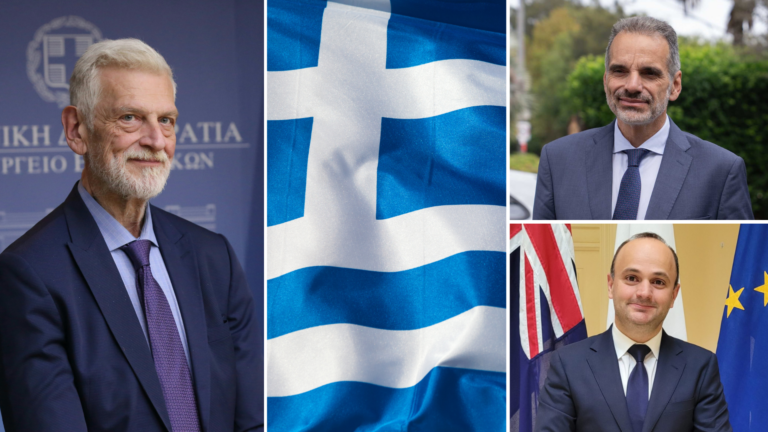
Greek and Cypriot politicians and diplomats have issued messages to Australia’s Greek diaspora ahead of the OXI Day celebrations on 28 October, honouring Greece’s defiant “No” to fascism in 1940 and the enduring legacy of courage and freedom it represents.
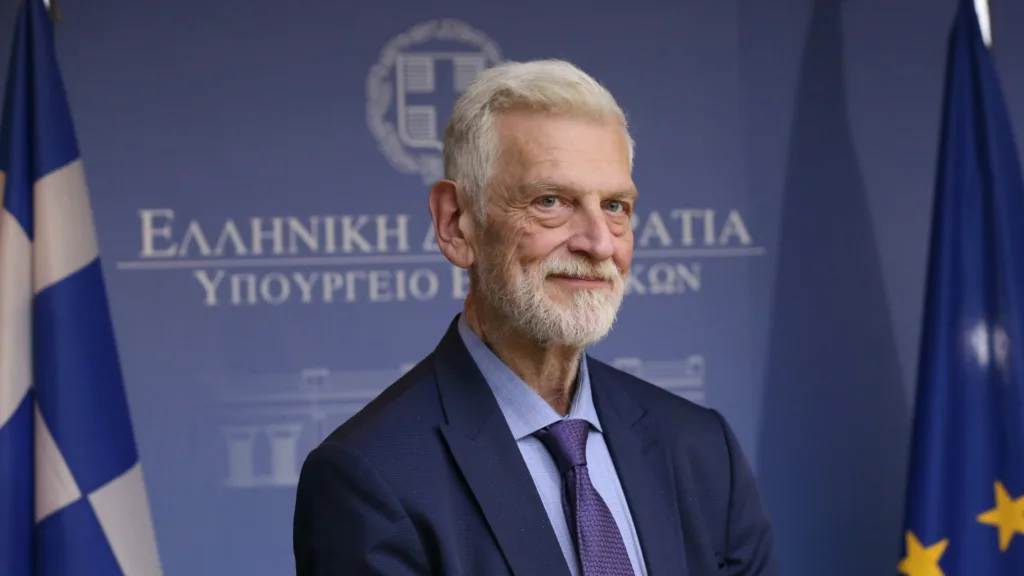
Message by Greece’s Deputy Foreign Affairs Minister for Greeks Abroad, Ioannis Michail Loverdos
Greece’s Deputy Foreign Affairs Minister for Greeks Abroad, Ioannis Michail Loverdos. Photo: AMNA.gr / Orestis Panagiotou.
Dear compatriots,
The 28th of October constitutes a defining moment in the history of our nation; on that day, the Greek people, united, responded to the ultimatum of the would-be invader with the emblematic “OXI” (“NO”), rejecting every form of submission and choosing to stand by the side of the free peoples of the world.
The “OXI”, a symbol of courage and freedom, inspired our soldiers who fought with self-sacrifice in the mountains of Pindus, writing glorious pages of bravery and devotion in the epic of 1940. We must not forget that Greece’s victory over the forces of fascism was the first Allied victory against the Axis in the Second World War, boosting the morale of the free nations and contributing decisively to the reversal of the balance of power in Europe.
The resistance of the Greek people continued, with the same determination, during the German occupation, when, despite the sacrifices, hunger and persecution, the Greeks kept the flame of hope for freedom alive.
The epic of 1940, however, was not written only in the mountains of Pindus; it was also written in the souls of Greeks everywhere. The Greeks abroad contributed decisively to the national struggle, offering financial support, volunteers and valuable assistance to those fighting for the homeland. The diaspora once again stood by Greece selflessly, proving that Hellenism knows no geographical boundaries.
Today, as we honour the 28th of October, we must remember that national anniversaries are days of reflection and inspiration, calling upon us to consider our own stance towards the values our ancestors defended: freedom, democracy, and justice.
It is particularly important that our youth understand the meaning of the 28th of October, not as a distant date, but as a living message of courage, national self-awareness and responsibility towards the future.
The historic “OXI” must not be recorded merely as a heroic moment of national resistance, but also as a clear stance in favour of freedom, dignity and international legality. In an international environment marked by intense geopolitical turbulence and shifting balances, the anniversary of the 28th of October remains relevant, reminding us that nations which remain steadfast to their values constitute pillars of stability and bearers of hope, even amidst widespread uncertainty.
The Greece of the 21st century—dynamic, confident, and present in all international fora—continues to work constructively for the establishment of conditions of stability and cooperation at regional and international levels, with the absolute priority of safeguarding national interests and strengthening ties with Hellenism across the world.
Greek women and men,
On this day of celebration and national uplift, let us honour, with unity and pride, the ideals and sacrifices of our forebears, keeping alive the flame of Hellenism wherever its heart beats.
Long live the 28th of October! Long live our Greece!
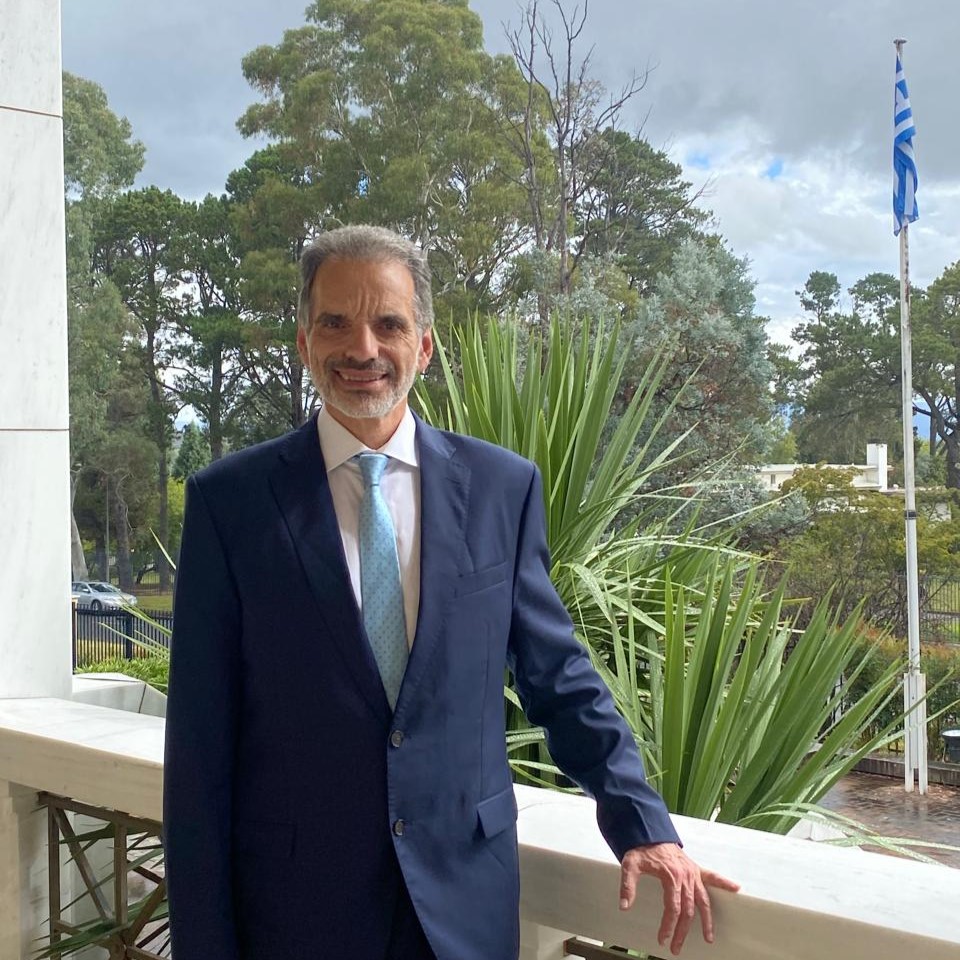
Message by the Ambassador of Greece in Australia, Stavros Venizelos:
Ambassador of Greece in Australia, Stavros Venizelos. Photo: Supplied.
Dear friends, Greek women and men of Australia,
The 28th of October 1940 constitutes one of the most brilliant pages in modern Greek history and a timeless example of national unity, courage, and love for freedom. At a difficult moment for Europe, the Greeks stood tall, defending liberty and the homeland, even when faced with superior forces. The heroic “OXI” of 1940 was not merely a word – it was an act of collective dignity and devotion to the nation.
The resistance against the forces of the Axis, the epic battles in the mountains of Pindus, the sacrifices during the Occupation, the national resistance, and the courageous participation of Greeks in war fronts beyond our borders are events that continue to inspire and unite us.
For you, the Greeks of the Diaspora, these memories hold special meaning. In our hearts still live the personal stories of parents and grandparents who experienced the events of the war and the Occupation – stories passed down from generation to generation, keeping alive the flame of national identity, even so far from Greece.
After the end of the war, many Greeks who had lived through that difficult era sought a better tomorrow in Australia. Their new homeland welcomed them and offered them the foundations to create a thriving Greek community that honours its roots, preserving the language, traditions, and historical memory.
The participation of Australian soldiers (ANZACs) in many heroic battles on Greek soil, and later in the great Battle of Crete, linked the destinies of our two peoples. The common struggle laid the foundations for a long-standing friendship that continues to this day with mutual respect and appreciation.
The sacrifice of Greeks and Australians alike contributed to shaping a more peaceful and just world. Upon the ideals for which they fought, the post-war international order was built, with institutions such as the United Nations promoting peace, cooperation, and respect for international law.
Today, in a world facing new challenges, the historical memory of the 28th of October reminds us how vital it is to preserve unity, freedom, and peace.
Let us therefore honour this day with pride and gratitude. Let us keep our national memory alive and pass on to future generations the enduring value of “OXI”.
Many happy returns to all!
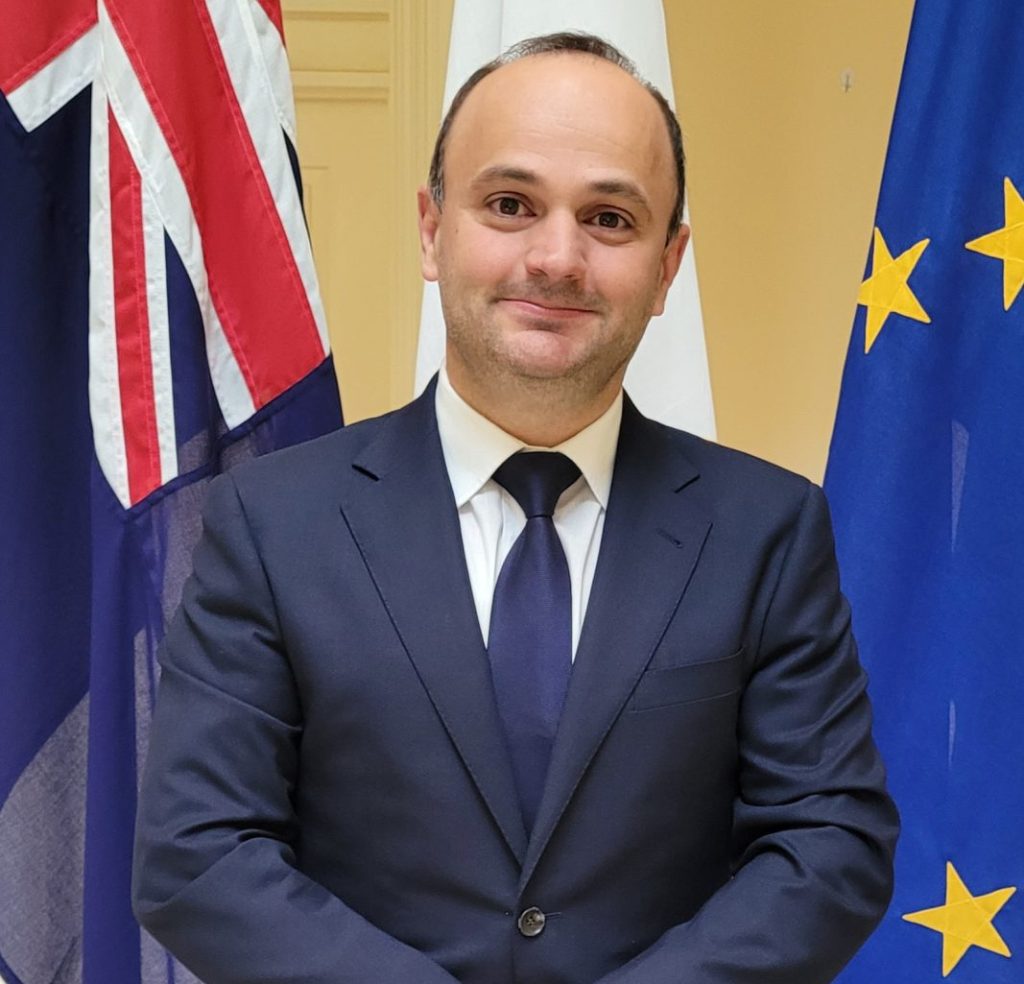
Message by the High Commissioner of Cyprus in Australia, Antonis Sammoutis:
High Commissioner of Cyprus in Australia, Antonis Sammoutis.
Dear compatriots,
The 28th of October 1940 is a day written in golden letters in the history of Hellenism. This is because, despite the difficulties Greece faced after the Asia Minor Catastrophe — poverty and political instability, which eventually brought about the dictatorship of Metaxas — despite the first great clouds of the century’s second division beginning to gather, at that critical moment of the Italian invasion, almost as one, the Greek people thundered forth that magnificent “OXI”!
The “NO” that came from the depths of the centuries, from our sacred bond as human beings, as Greeks, as Christians, with freedom — as the purpose of our lives and as the quintessence of human existence.
The monumental effort of the Greek army, against a fully armed enemy and in harsh terrain under freezing conditions, led to the great victories that make up the epic of 1940 — an epic written in blood on the mountains of Northern Epirus and Albania. These unparalleled victories gave courage to all the other enslaved peoples and to the entire free world of the time.
Unfortunately, these victories were followed by the German invasion, the occupation and the civil war, which in essence began during the years of the national resistance. A civil war and a division whose consequences are still visible today in the polarisation that often characterises our political life — a civil conflict that, like a nightmare, awakens bitter memories no matter how many years pass.
The anniversary of OXI Day and of 1940, together with the anniversary of the Battle of Crete the following year, are the foremost national celebrations that unite us with our Allies and with Australia. Everyone knows of the fierce battles fought by the Australians and New Zealanders at our side when the Germans invaded the great island of Crete in May 1941.
Fewer, however, know that some months earlier, our Australian allies had already been positioned defensively in the mountains of Macedonia. Many even believe that if the defensive line at Vermio, Olympus and further south had been better organised, Greeks, Britons and Australians would have formed new Thermopylae, and the Germans would not have advanced so easily.
A lesser-known page of our history records that Cyprus, then under British administration, welcomed our Australian and New Zealand allies and friends in May 1941. They had arrived there, fully equipped from Egypt, to prepare the island against a possible German attack — for the Germans had already advanced into North Africa. The welcome that Cypriots gave the Australians along the road from Famagusta to Nicosia, in towns and villages alike, was triumphant, even though no battle had yet been fought. The next great battle did not, in the end, take place in Cyprus but in Egypt, at El Alamein, the following year, after our Australian friends had returned there. Many Cypriots also took part in that battle. For the first time, Cypriots from Egypt, Cyprus, Britain and Australia found themselves fighting side by side.
Cyprus was fortunate not to experience war directly and not to fall under German occupation. Nevertheless, 35,000 Cypriots — both Greek Cypriots and Turkish Cypriots — donned the British uniform and fought bravely alongside the Allies in Greece and Crete, in North Africa, France, Italy and Central Europe. Many never returned, and they lie buried in those places, in military cemeteries beside their fellow soldiers.
Dear friends,
We live in particularly turbulent times, in which the challenge to international law and the resurgence of totalitarianism once again threaten our freedom and prosperity. In such times, we must know clearly, as our Australian friends did when they came to fight and sacrifice in our homeland, where we belong — definitively and unwaveringly. And the answer to that question arises naturally from Greek history, not only modern but also ancient.
Heirs to a name of great weight — a name synonymous with democracy, freedom and humanism — we cannot but prove ourselves worthy of it, if and when we are called upon to do so again.
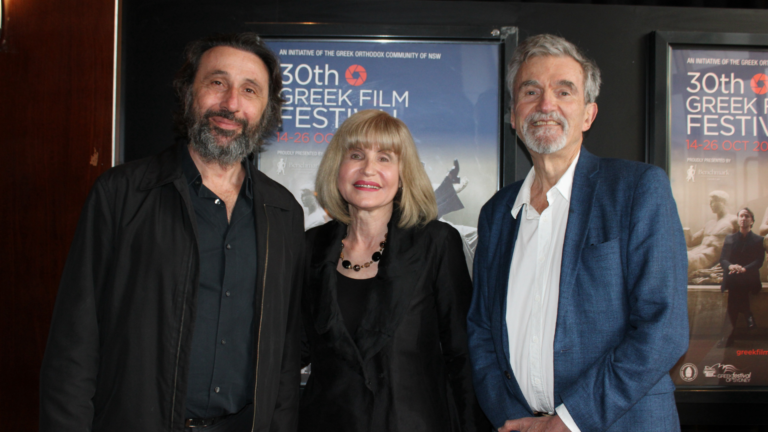
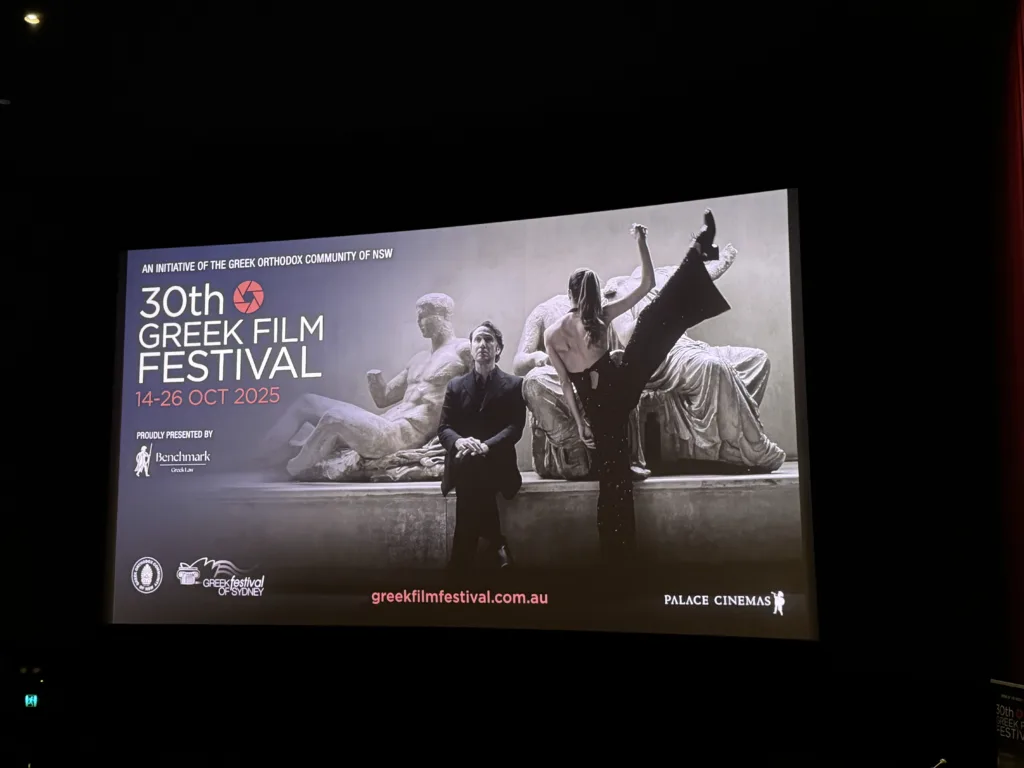
The curtain fell on the 30th Greek Film Festival in Sydney on Sunday night with a sold-out screening of Athens Midnight Radio, the poetic new film by acclaimed Greek director Renos Haralambidis, who attended as Guest of Honour.
The Palace Cinema Moore Park was abuzz with excitement as audiences, filmmakers, and community leaders gathered to celebrate not only the closing of this year’s festival, but also three decades of bringing Hellenic cinema to Australian screens.
A milestone year for Greek cinema in Australia
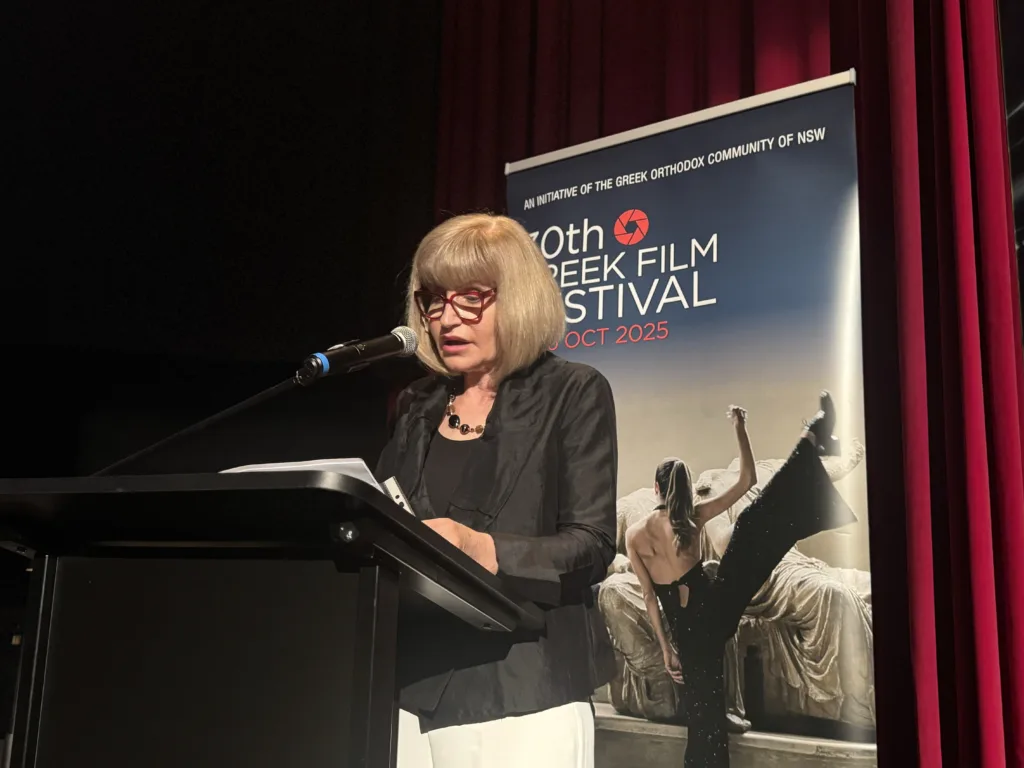
Festival Chair Nia Karteris opened the evening with heartfelt thanks to the audience and sponsors who helped make the 30th edition “a huge, huge success.”
“This year we’ve had record ticket sales – even higher than last year – and that’s a credit to our incredible sponsors, media and supporters,” she said to loud applause.
Karteris reflected on the festival’s continued expansion, noting new venues and communities reached this year.
“We’ve expanded to more cinemas here at Moore Park and, for the first time, took the festival to Sydney’s west – Parramatta, Blacktown, and Merrylands. It was one of the most emotional experiences to see those audiences connect with Greek cinema close to home,” she said.
She also celebrated the 13th Student Film Festival and the launch of a new Youth Filmmakers section, calling them “the next generation of storytellers who will keep Greek creativity alive on the big screen.”
Unity through art and the spirit of Athens
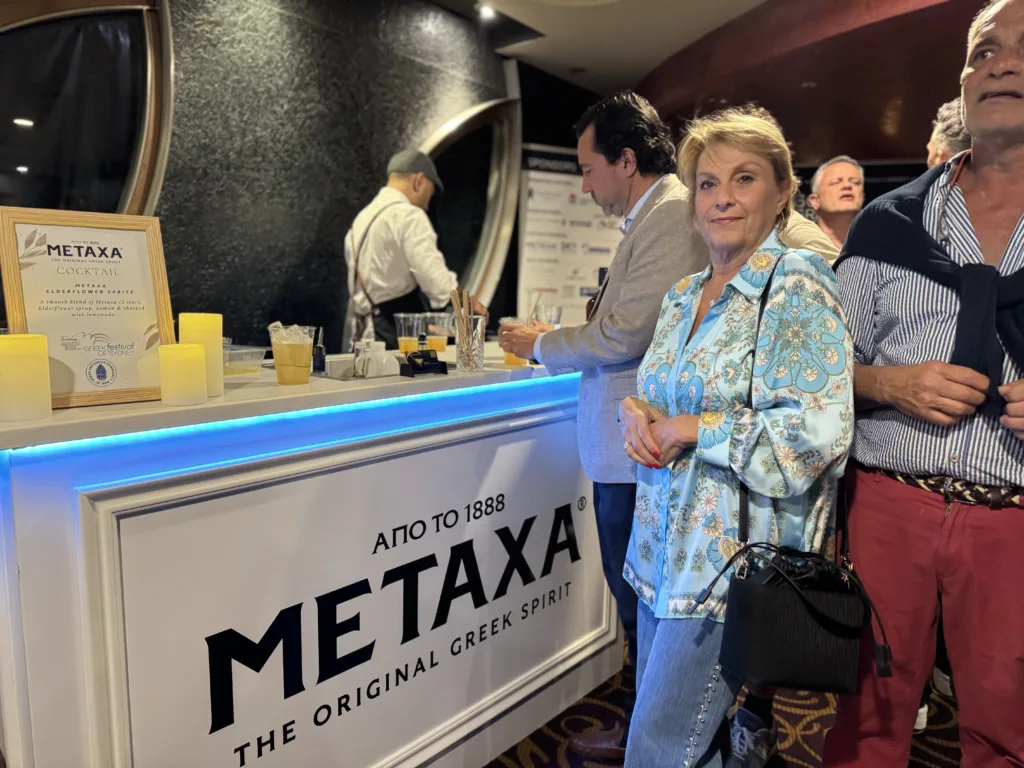
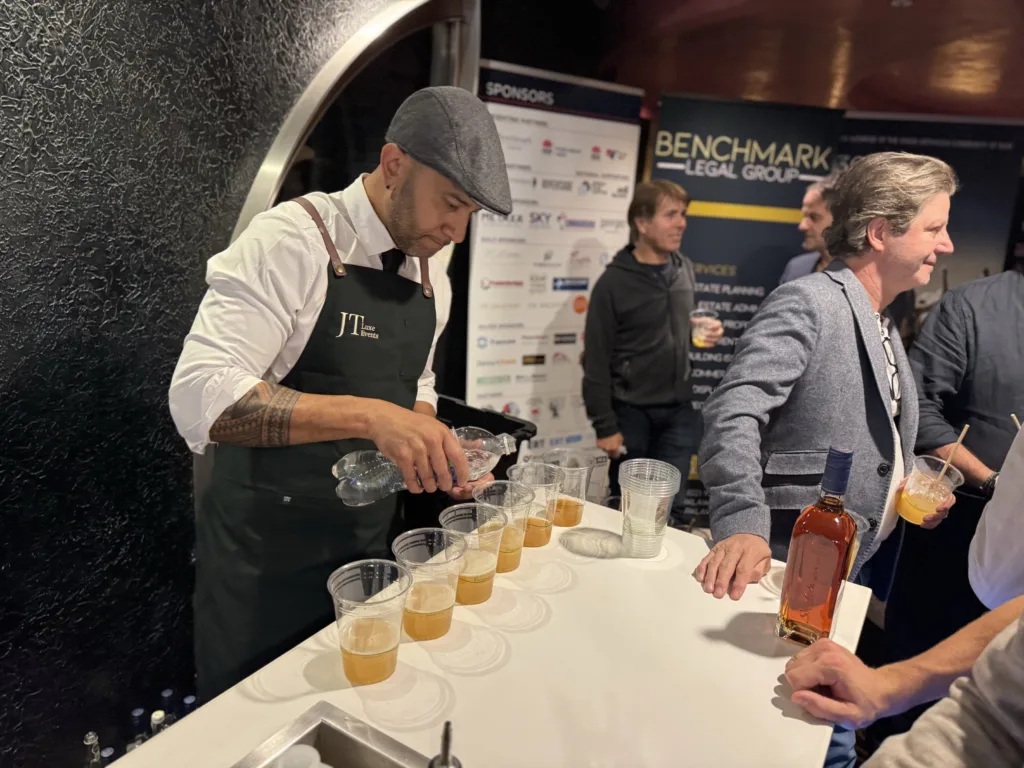
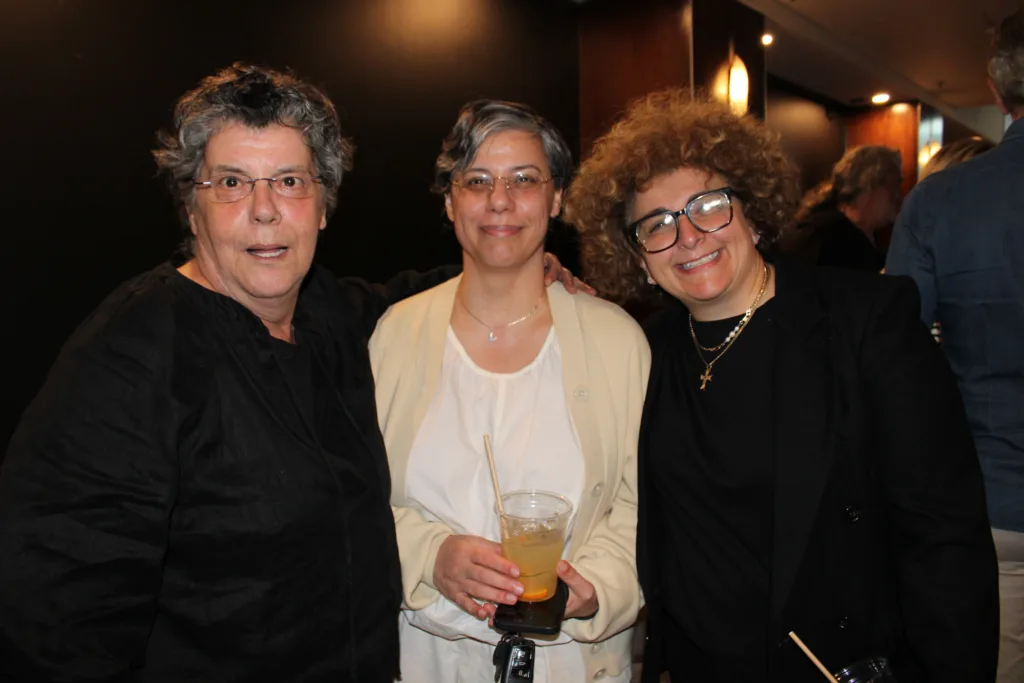
The Athenian Association of NSW played a special role in this year’s finale, partnering with the Greek Festival of Sydney to bring Haralambidis to Australia for his first visit. Their support also extended to the evening’s Metaxa Cocktail Party, which welcomed guests before the screening in true Athenian style.
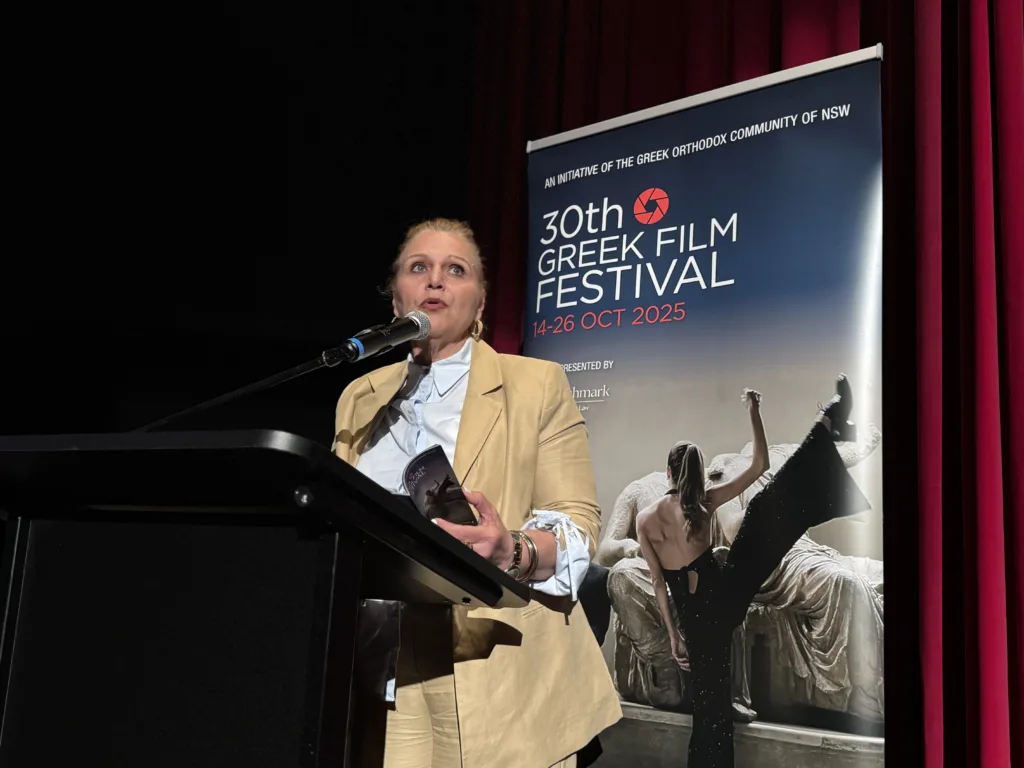
Association President Kathy Valis delivered an eloquent address celebrating the collaboration.
“Tonight, we celebrate not only art, but also collaboration, unity and our shared love for Greek culture,” she said. “Through the work of Renos Haralambidis, Athens comes to life – its stories, its memories, its emotions – connecting our homeland with the diaspora.”
Valis warmly welcomed Haralambidis to Sydney, calling him “a true storyteller who speaks from the soul about our city, Athens.”
A poetic filmmaker finds ‘the beginning of the world’ in Sydney
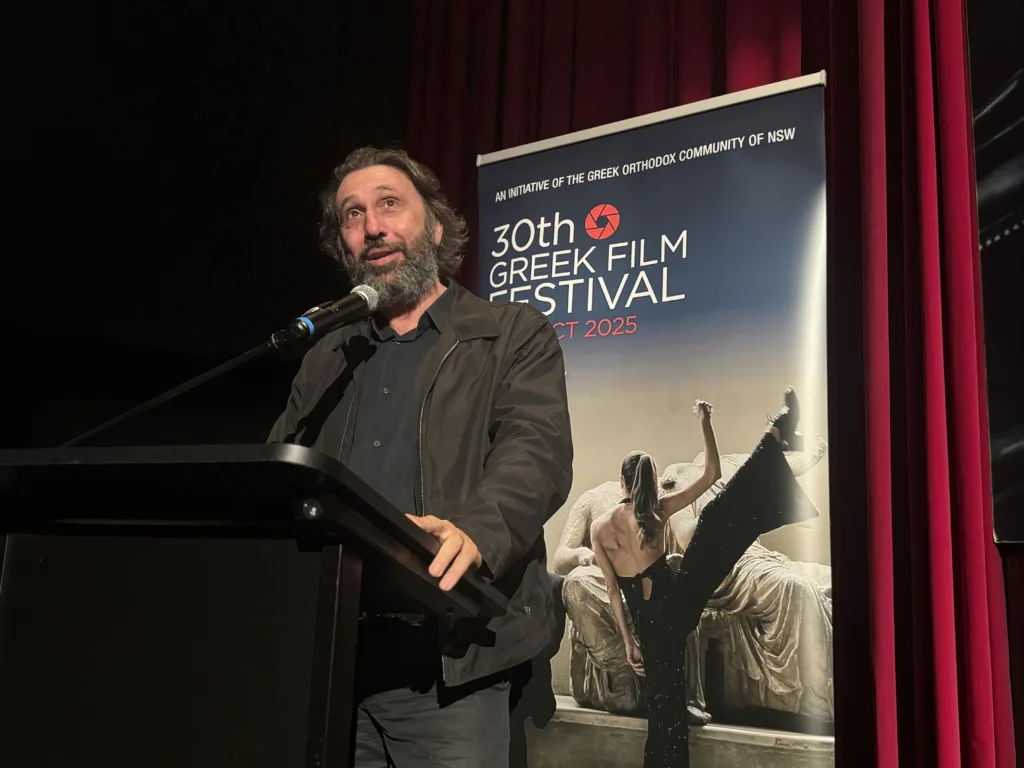
Taking the stage to a standing ovation, Haralambidis shared his delight at visiting Australia for the first time.
“In a very strange way, I feel that I belong here,” he said. “When I saw the ocean for the first time, I thought – this is the beginning of the world, the place where the sun rises first every day. It’s not far from Greece. It’s like coming home.”
Describing Athens Midnight Radio as “a romantic film about maturity,” he reflected on the themes of time and self-understanding that run through the story.
“Maturity is the big gift of life – time doesn’t defeat us; it reveals who we are,” he told the crowd.
A memorable finale
Following the speeches, the audience settled in for the highly anticipated screening of Athens Midnight Radio, which drew laughter, reflection and heartfelt applause.
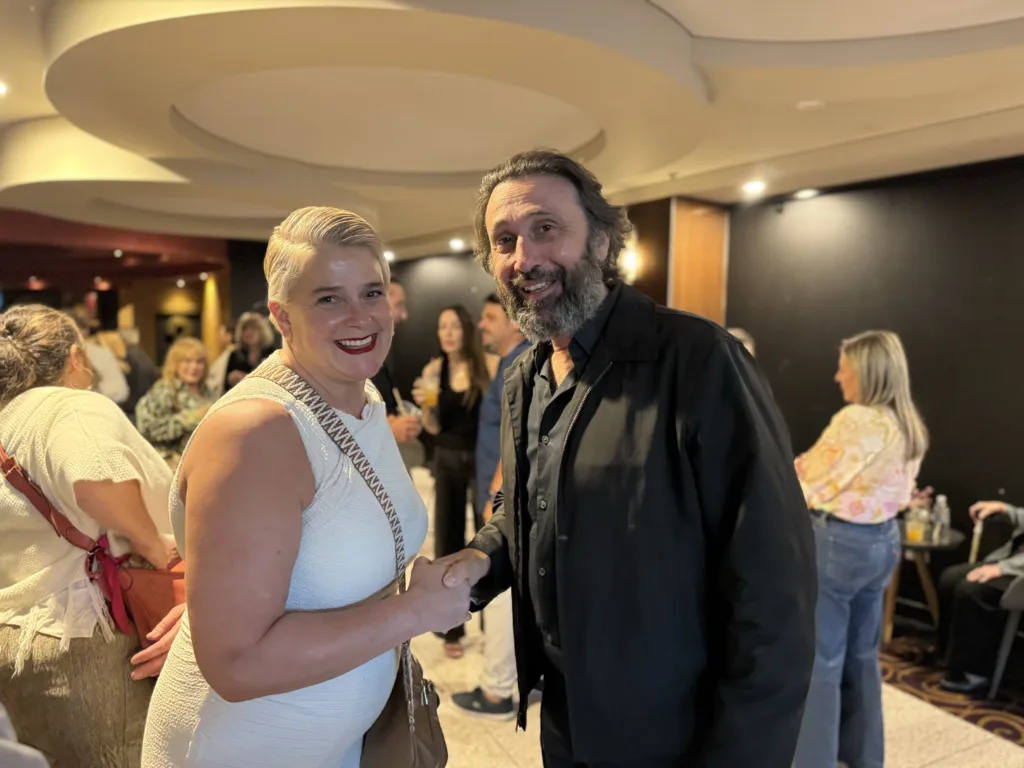
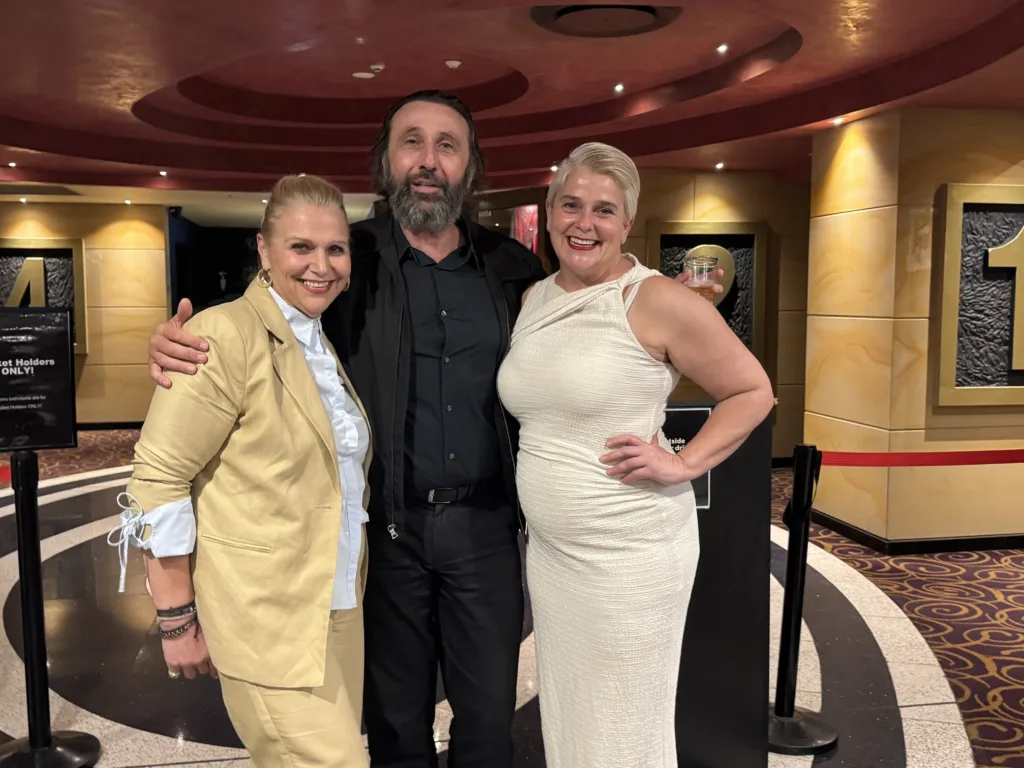
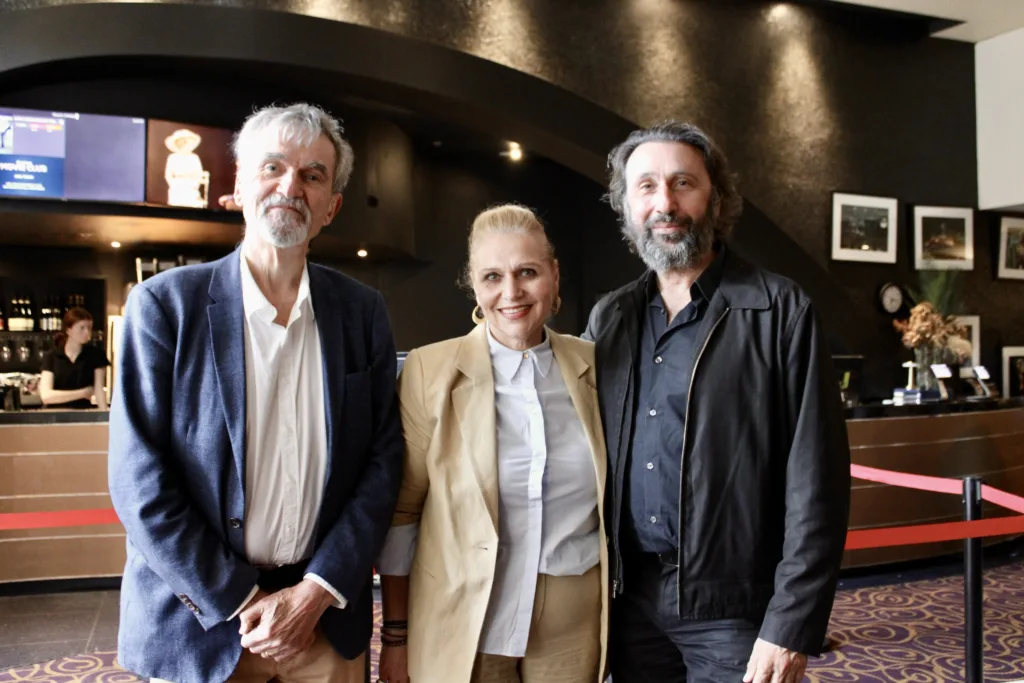
After the film, guests had the opportunity to meet Haralambidis in person, sharing reflections and photos with the renowned filmmaker in an atmosphere charged with excitement and pride.
As Karteris hinted before the lights dimmed, “By popular demand, we’ll be announcing encore… because the love for Greek cinema is stronger than ever.”
It was a fitting conclusion to a record-breaking 30th Greek Film Festival, celebrating three decades of Greek storytelling and the enduring bond between Australia’s audiences and the culture of Athens itself.