Home Blog Page 156

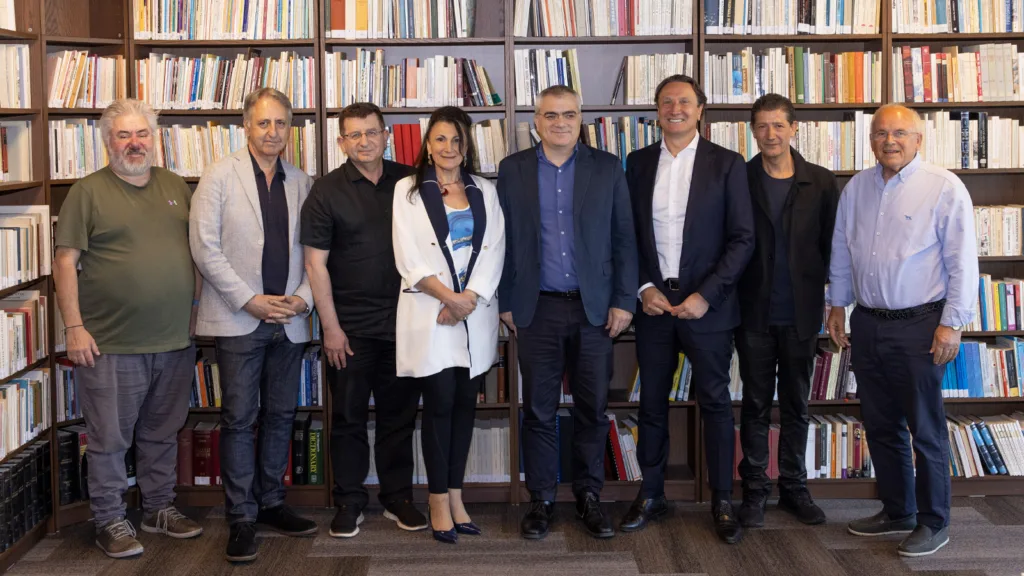
FECCA’s Peter Doukas condemns anti-Semitic violence at Bondi Beach

The Federation of Ethnic Communities’ Councils of Australia (FECCA) unequivocally condemns the anti-Semitic violence at Bondi Beach and extends its deepest condolences to the families and loved ones of those who have lost their lives.

FECCA stands in solidarity with Jewish communities and all those affected by this hateful act.

“This was an appalling act of anti-Semitic violence,” FECCA said in a statement. “Hatred and violence directed at any community have no place in Australia and must be confronted collectively and without hesitation.”

FECCA Chair Peter Doukas said an attack on one community strikes at the heart of Australia’s multicultural fabric.

“An attack on one community is an attack on our collective spirit as a multicultural nation. When any group is targeted by hate, it undermines the values of respect, inclusion and unity that bind our society together,” Mr Doukas said.

The attack has caused deep pain and fear, particularly within Jewish communities, and has reverberated across Australia’s broader multicultural society.

FECCA calls for unity, compassion and responsible public discourse in the wake of this tragedy, and reaffirms its unwavering commitment to opposing anti-Semitism, racism and all forms of hate.

KKE European MP Kostas Papadakis concludes Melbourne and Sydney visit

Kostas Papadakis, Member of the European Parliament and member of the Central Committee of the Communist Party of Greece (KKE), completed a multi-day tour of Melbourne and Sydney last week, holding events under the theme “Against anti-popular politics and war preparations.”

Speaking at gatherings in both cities, Papadakis warned of growing global capitalist tensions, imperialist wars, and social inequalities.

“We are aware that we need to be prepared, ready to respond to great moments of class struggle… Stormy days of great upheavals are coming to the capitalist system,” he said.

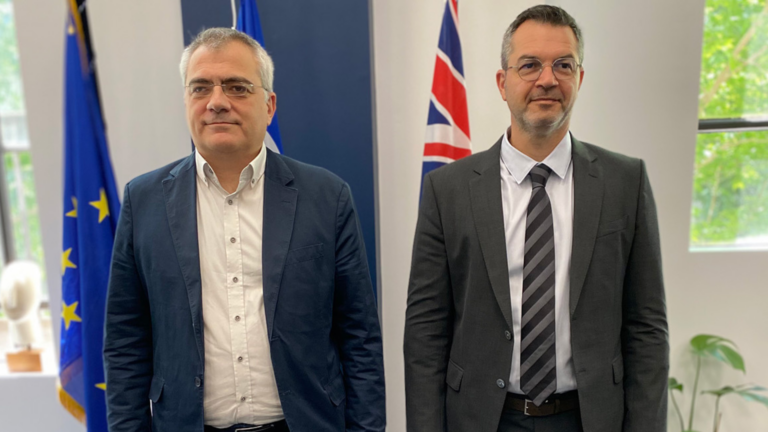
In Melbourne, Papadakis met with the Greek Community of Melbourne (GCM) Board and Consul General of Greece in Melbourne Dimitra Georgantzoglou, raising issues faced by Greek immigrants, including double taxation, understaffed Greek schools, and consular inefficiencies. He also attended the Christmas Graduation Party of Greek afternoon schools.

In Sydney, he highlighted the impact of anti-worker measures, high rents, evictions, and austerity on both immigrants and Australian workers, urging intensified struggle and organisation. He also met with the Consul General of Greece in Sydney, George Skemperis.

Papadakis noted, “It is imperative today, through the action of the members and friends of the KKE here in Australia, to intensify efforts to prepare the working class… to lay solid foundations in every country and here in Australia.”

Hells Angels member Cooper Gavellas charged in NSW Police crackdown

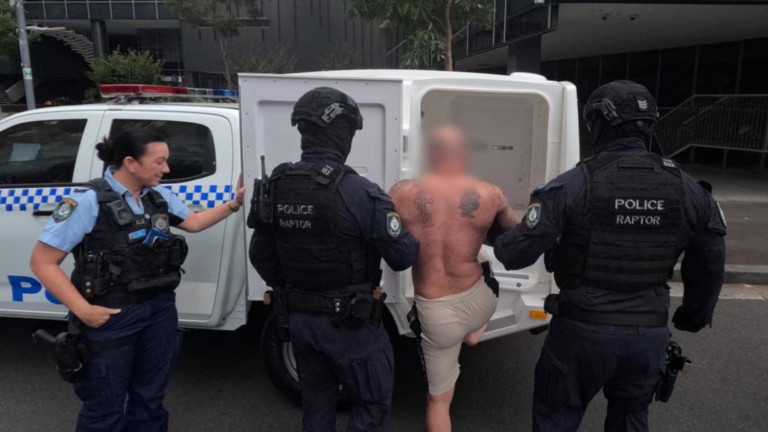
Hells Angels member Cooper Gavellas is among a dozen men charged following a sweeping NSW Police crackdown targeting the outlaw motorcycle gang.

Raptor Squad officers arrested the 28-year-old at Burwood Police Station as part of Strike Force Benson, which focused on alleged breaches of consorting warnings issued to Hells Angels members and associates.

Police allege the men continued to associate with convicted offenders despite formal warnings, including during national runs and the gang’s 50th anniversary celebrations.

The warnings were issued after the Hells Angels allegedly seized control of the Gladiator clubhouse in the Hunter during a violent “hostile takeover”.

Gavellas was charged with habitually consorting with convicted offenders after warning. He was granted conditional bail and is due to appear at Burwood Local Court on January 22, 2026.

In total, 12 Hells Angels OMCG members and associates were arrested during raids on homes and luxury apartments across NSW, with all facing court on various dates in early 2026.

Source: Daily Telegraph.

Kamper and NSW faith leaders condemn Bondi terror attack, call for unity and solidarity

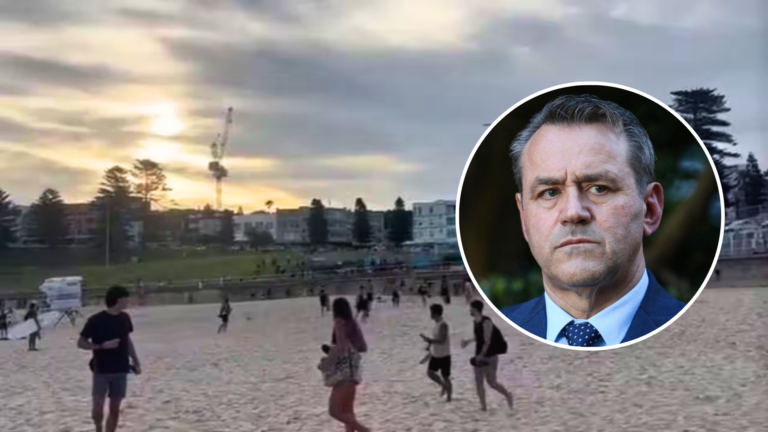
NSW Minister for Multiculturalism Steve Kamper and the NSW Faith Affairs Council have strongly condemned the terrorist attack at Bondi Beach, describing it as a targeted act of antisemitic violence and an assault on the fabric of Australian society.

In a statement issued on Sunday night, Kamper said the scenes at Bondi were “truly horrific,” confirming that the Chanukah by the Sea event and the Jewish community had been deliberately targeted.

“This is a despicable and cowardly act that has no place in our country,” Kamper said. “It is an attack on the very fabric of our nation.”

Expressing condolences to those affected, the Minister said his heart went out to the victims and their families, and he thanked first responders and members of the public who assisted the injured in the aftermath of the attack.

“They showed the very best of our nation,” he said, adding that police had commenced their investigation and that the attack would be met with a “widespread law enforcement response.”

Mr Kamper stressed that hatred, violence and antisemitism have no place in Australia.

A joint statement was also released by the NSW Faith Affairs Council and the Multicultural NSW Advisory Board, extending their “deepest sympathies” to the victims.

“Our prayers and thoughts are with the victims, their families and everyone impacted by this unspeakable act of violence,” the statement said, noting the profound impact on the Jewish community at a time when families should have been coming together to mark the start of Hanukkah.

Faith and multicultural leaders urged the people of New South Wales to remain united in the face of tragedy.

“In the face of this tragedy, we call on the people of New South Wales to remain steadfast in our commitment to peace, humanity and to each other as Australians,” the statement said.

“We will not let hatred and violence divide us. Across all our cultures and faiths, we will stand united in sympathy, compassion and solidarity.”

The joint message was issued by the Right Reverend Dr Michael Stead, Chair of the NSW Faith Affairs Council; Simon Chan AM, Chair of the Multicultural NSW Advisory Board; and Joseph La Posta, CEO of Multicultural NSW.

Investigations into the Bondi Beach terror attack remain ongoing.

Livanios announces plan to extend postal voting for Greeks abroad to national polls

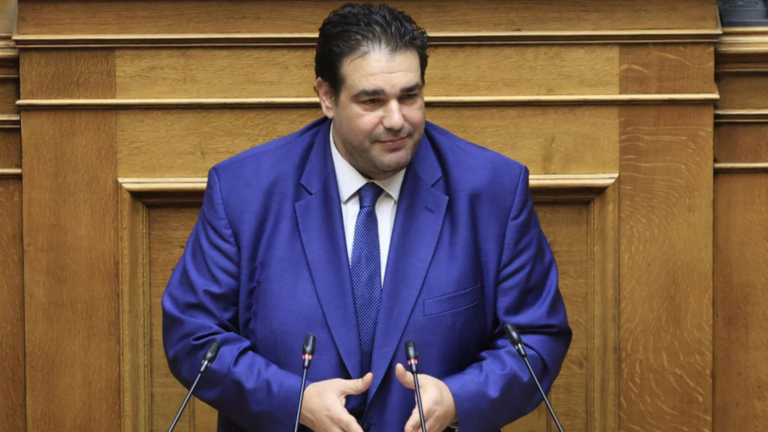
Greek Interior Minister Theodoros Livanios has announced plans to introduce postal voting for Greeks living abroad in national elections, with a regulation to be submitted to parliament immediately.

Speaking during the parliamentary debate on the state budget, Livanios said the measure would expand the framework used in the most recent European elections to also apply to national contests.

He described the move as a “self-evident institutional reform,” noting that the success of postal voting in the European elections proved it could be implemented with “absolute security and transparency.”

“Now is the time for full equality. Now is the time for all political forces to join their voices with the Greek voters living abroad and for us to all support this great breakthrough together,” he said, indicating the provision would be brought before parliament in the first half of 2026.

Livanios also outlined plans for a new Local Government Code, saying that by the first quarter of 2026 local government would operate under a single, modern framework covering governance and electoral issues, participatory democracy, financial management and institutional oversight.

“With its completion, over 1,000 fragmentary provisions concerning self-government are abolished,” he said, adding that the goal of the new code was “efficiency – transparency – active participation of citizens.”

Bondi Beach shooting leaves multiple dead, major police operation underway

At least three people have been killed after a shooting at Bondi Beach in Sydney’s eastern suburbs on Sunday evening, with two suspects arrested as NSW Police continue their investigation.

The incident unfolded at around 6.40pm near Campbell Parade, close to the heart of the popular tourist precinct. Witnesses reported hearing loud bangs before crowds fled the area in panic.

Police described the situation as a “developing incident” and urged members of the public to avoid the area and take shelter.

Emergency services mounted a major response, deploying more than 25 resources including ambulances, medical teams, helicopters and specialist police units.

NSW Ambulance confirmed multiple patients were treated at the scene, with six people transported to hospital — four to St Vincent’s Hospital, one to Royal Prince Alfred Hospital and one to St George Hospital.

Authorities have now confirmed at least three fatalities. Further details about the victims and the circumstances of their deaths have not yet been released.

Eyewitnesses described chaotic and distressing scenes, with injured people lying on the grass as paramedics worked to provide urgent care. Former journalist and Randwick resident Elizabeth Mealey said she was dining at the Icebergs restaurant when what she initially thought were fireworks rang out.

“People started running right up the beach. It was panic, and the panic spread to Icebergs,” she told the ABC, describing the situation as “terrifying”.

NSW Opposition Leader and Vaucluse MP Kellie Sloane said the incident was “deeply shocking”, noting it occurred on the first night of Hanukkah. She told Sky News that she went to the scene to assist before emergency services arrived, helping to apply bandages and stem bleeding. Claims that a group celebrating the Jewish holiday may have been targeted have not been confirmed by police.

NSW Premier Chris Minns said the reports and images emerging from Bondi were “deeply distressing” and urged the public to follow police advice as the situation continues to unfold.

Police have indicated further updates will be provided as more information becomes available.

Source: Nine News

Greek Australian developers cement their influence in Adelaide’s property boom

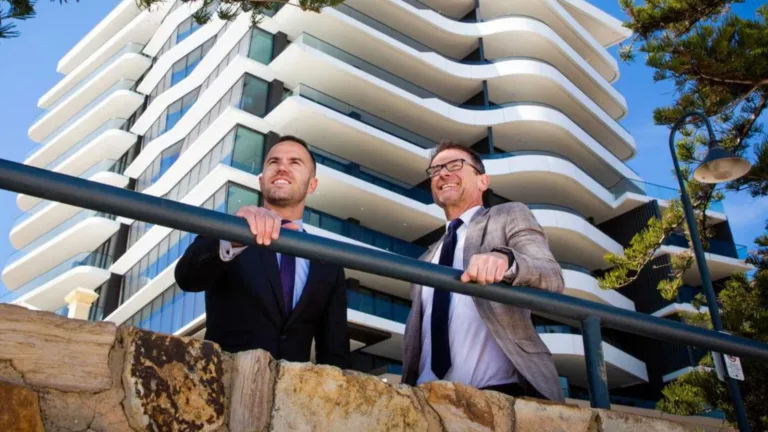
Adelaide is in the midst of an unprecedented development surge, fuelled by billions of dollars in public and private investment, according to The Advertiser. Major construction projects-from hospitals and hotels to apartment towers and commercial precincts-are reshaping the city’s skyline and surrounding suburbs. Among the most active contributors to this transformation are several Greek Australian developers whose projects continue to leave a lasting mark on South Australia’s capital.

Theo Samaras – Kyren Group

Kyren Group, headed by prominent Adelaide developer Theo Samaras, has played a defining role in modernising the city’s commercial landscape. The company is responsible for multiple landmark office buildings, including Adelaide’s tallest tower-the Crowne Plaza hotel and Adelaidean apartments on Frome Street.

Samaras is currently finalising a new $100 million office building on Franklin Street, the latest in a series of bold speculative developments. His portfolio includes major sites such as 108 Wakefield Street, 400 King William Street and 70 Franklin Street, reinforcing Kyren Group’s status as one of the city’s most influential property players.

George Kambitsis – Kambitsis Group

Developer George Kambitsis has long been involved in shaping Adelaide’s office market, previously collaborating with Simon Chappel on significant projects, including the Flinders Street towers now occupied by Santos and Beach Energy.

He is nearing completion of a major overhaul of the former Internode building on Grenfell Street, with the RAA as the anchor tenant. At the same time, Kambitsis is expanding further into residential development, with a 120-lot subdivision at O’Sullivan Beach and a $35 million luxury apartment project in North Adelaide, signalling a broadened strategic focus.

Louis Kanellos – Chasecrown

Chasecrown, led by director Louis Kanellos, is advancing several high-end residential projects across Adelaide’s premium suburbs. The company is close to completing a 12-storey luxury tower on Dequetteville Terrace, adding 61 high-spec apartments along with office spaces and resident amenities.

Backed by Medallion Homes, Chasecrown has also gained significant recognition for the EI8HT apartments on Glenelg’s South Esplanade-an award-winning development celebrated for its striking design and architectural excellence.

Source: The Adveriser

Mediterranean diet conference considers future of humanity

0

By Lisa Radinovsky from Greek Liquid Gold.

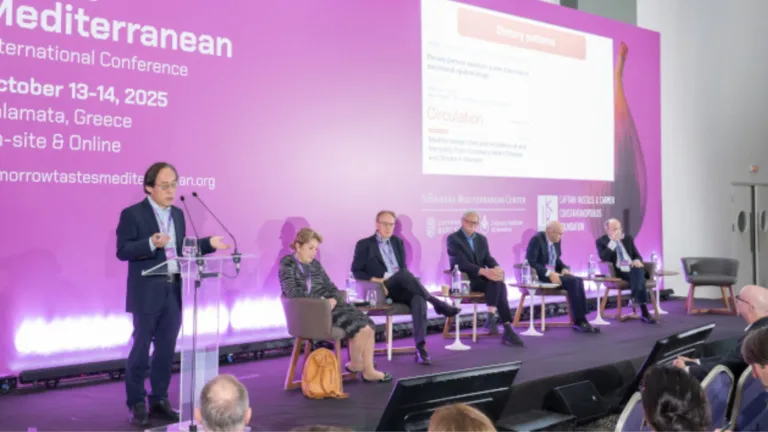
A Mediterranean diet conference drew globally acclaimed researchers to Kalamata, Greece October 13-14. They joined a multi-disciplinary group of professionals to discuss that traditional diet’s potential benefits for human and planetary health. Speakers called for the widespread adoption of plant-rich diets like the Mediterranean or Planetary Health Diet.

Looking back to the past and the origin and treatment of the traditional Mediterranean diet, presenters at the 6th International “Tomorrow Tastes Mediterranean” conference emphasized the importance of dietary decisions for the future of the planet and its inhabitants. Considering modern studies and technology in such fields as genomics and metabolomics, scientists provided extensive evidence for health and sustainability benefits rooted in past practices and traditional Mediterranean dietary patterns. Valuing lessons and customs from previous generations, chefs and communicators also celebrated contemporary variations of Mediterranean dishes likely to appeal to consumers today and tomorrow.

Tradition and Innovation, Connection and Diversity at the Mediterranean Diet Conference

Chef, author, and TV host Diane Kochilas talked about “balancing tradition and innovation” in “a story of continuity and creativity, of roots and renewal” based on Mediterranean cuisine and lifestyle. Greek Wine Federation president Stelios Boutaris advised, “take the heritage, and bring it to the next level.” Gastronomic director María José San Roman proposed that chefs can be educators who act as both “ambassadors of change” and “custodians of cultural heritage,” engaging in “innovation with roots.” Greek chef Manolis Papoutsakis encouraged listeners to “understand tradition so deeply that you can reinterpret it.”

In a session on the Mediterranean Diet in the World, one of San Roman’s slides highlighted “The Great Convergence” of foods from Latin America, Asia, and Africa in the Mediterranean region. “This ‘nuclear fusion’ ignited the Mediterranean spirit—a cuisine born from connection and diversity.” We might add that the people of the olive growing areas around the Mediterranean Sea combined tomatoes and potatoes originating in Latin America, rice and citrus from Asia, and pulses and slow cooking methods from Africa in a set of cuisines bound together by olive oil.

The EAT-Lancet 2.0 Commission Report at the Mediterranean Diet Conference

The focus of discussions at the conference ranged from healthy microscopic bioactive compounds found in foods such as greens, herbs, mastic, olive oil, and tomatoes, to a consideration of the huge impact global food systems have on the planet, its climate, and its people. One of many newsworthy sessions was dedicated to the just-published 2025 update of a 2019 report by the EAT-Lancet 2.0 Commission on Healthy Diets from Sustainable Food Systems.

As Ellen Cecilie Wright, Senior Science Officer at the international non-profit organization EAT, explained, the Commission’s goal is to overcome a variety of challenges to make “healthy food accessible to all—produced, processed, distributed, and consumed fairly within planetary boundaries”—that is, within the limits of what the earth can handle without worsening the negative effects of climate change. (The full EAT-Lancet report is available here, while a brief summary appears here.)

The Mediterranean Diet and the Planetary Health Diet

The Planetary Health Diet (PHD) is the Commission’s proposed model for a healthy, sustainable, just diet. Walter Willett, Professor of Epidemiology and Nutrition at Harvard T.H. Chan School of Public Health and Co-Chair of the EAT-Lancet Commission, reported that there has been growing scientific evidence for the health benefits of the PHD since it was first presented in 2019. According to Willett, the Planetary Health Diet includes

• plenty of fruit and vegetables, whole grains, healthy fats, nuts, and legumes
• (optional) modest quantities of meat, poultry, dairy, and eggs
• little or no red meat or added sugar

“That’s really a description of the traditional Mediterranean diet that’s mostly plant forward,” Willett observed. It enables “lots of flexibility,” since it is important “to provide as many paths to a healthy, sustainable diet as possible.” Traditional diets in many other parts of the world also resemble the PHD.

In addition to benefitting human health, the Planetary Health Diet can lead to substantial decreases in

• fertilizer and irrigation water use
• greenhouse gas emissions
• cropland use

Willett believes “we are on a path leading to ecological disasters and a sick and unstable global population.” On the other hand, if the PHD is widely adopted, it will be possible to feed “10 billion people a healthy and sustainable diet,” while leaving “our children a viable planet.”

The Mediterranean / Planetary Diet, To Save Humanity from a Broken Food System

Dimitris Karavellas, CEO of WWF Greece, agrees that “the global food system we have today is broken; it’s entirely unsustainable. It’s responsible for about a third of our global greenhouse gas emissions. It’s the main driver of biodiversity loss and tropical deforestation. And on top of that, … our dietary choices are also damaging our health” due to “either excess or insufficiency.”

Karavellas goes so far as to suggest that “today unhealthy diets pose a greater risk of disease and mortality than – many would say – unsafe sex, alcohol, drugs, and tobacco use combined.” However, Karavellas is encouraged by the EAT-Lancet report’s claim that “sustainable diets could actually save up to 15 million lives every year, and cut food related emissions.” He calls for the widespread adoption of plant-based diets in order to both feed the world and restore nature, so humans can continue to live on earth.

Natassa Kannavou, Co-Founder of the Digital Democracy Foundation, believes many people find environmentalist arguments unconvincing. So she encourages communicators to advocate actions that can help us save ourselves and our health—which actually involves saving the planet as well.

In another session, EAT’s Ellen Cecilie Wright asserted that two-way communication is crucial. Everyone needs to understand the scientific evidence for a healthy, plant-forward diet, and also provide “feedback on what they need” to “translate this into action.” For example, she expects farmers to need practical and financial support if they are asked to switch from livestock to crops. If farmers are shown how recommendations will benefit them, Vasilios Gkisakis, a researcher at the Greek National Agricultural Research Foundation, believes they will act, perhaps by planting cover crops or using compost.

Olive Oil’s Importance for People and the Planet

International Olive Council Executive Director Jaime Lillo pointed out that the olive oil that is central to the traditional Mediterranean diet is an important part of the recipe for both human and planetary health. As Lillo reported, olive groves can

• support biodiversity and soil conservation
• act as a barrier to desertification
• help combat climate change

“Olive trees act as carbon sinks. They store CO2 in their woody structures and the soil in a permanent and stable manner. Olive groves capture 4.58 tonnes of CO2 per hectare annually. Producing 1 liter of olive oil removes 10.65 kg of CO2 from the atmosphere.” Fortunately, olive oil production has doubled worldwide since the early 1990s. Consumption has also grown. From “the center of the Mediterranean diet,” olive oil use has been “expanding in the planetary diet,” helping people eat more vegetables in a plant-forward diet.

As Extra Virgin Alliance Director Alexandra Kicenik Devarenne pointed out, olive oil is “healthy for the person, it’s healthy for the planet, and it makes cooking easier. Olive oil makes healthy food delicious.” How can people easily make this delicious food at home? Chef Manolis Papoutsakis advises using plenty of olive oil and focusing on seasonality, locality, sustainability, and simplicity—all features of a traditional Mediterranean or Planetary Health Diet.

*Originally published on Greek Liquid Gold: Authentic Extra Virgin Olive Oil (greekliquidgold.com). See that site for recipes with olive oil, photos from Greece, agrotourism and food tourism suggestions, and olive oil news and information.
Chanel Contos calls for opt-in algorithms to protect young people online

0

As Australia’s new under-16 social media ban begins this week, activist Chanel Contos is urging the federal government to take the next major step in safeguarding children by requiring tech companies to adopt an opt-in system for algorithmic content, according to The Advertiser.

The Teach Us Consent chief executive says this shift would “keep the momentum going” following the world-first policy that comes into force on December 10. Ms Contos is leading the Fix Our Feeds campaign, which pushes for platforms to disable default algorithmic recommendations and allow users to activate them only if they choose. While the European Union permits users to opt out, no country currently mandates a full opt-in model.

“The idea of Fix Our Feeds is to bring informed and affirmative consent to our screens,” said Ms Contos, whose advocacy led to mandatory consent education being introduced nationwide in 2023.

She argues that having the choice to “turn our algorithms on and off whenever we want” would support young people transitioning onto social media after turning 16, allowing their early online experiences to centre on connecting with friends rather than being pushed algorithmic content. “It would mean that the first thing they do on social media is go and find their friends … and that’s what was most fun about social media.”

The campaign is also responding to the sharp rise in misogynistic and violent material being served to boys and young men. “As quickly as under 23 minutes of sign up, they’ll be sent to this sort of content,” Ms Contos said. She notes this trend correlates with increasing rates of sexual violence among teenage boys.

Algorithms can also steer young women into harmful body-image content. “All you need to do is watch one video of ‘this is what I ate in a day’ and that … can take you down a really bad pipeline,” she said.

An open letter supporting Fix Our Feeds has gathered 5000 signatures, including prominent public figures and safety advocates.

Source: The Advertiser

Greece identifies its first wolf-dog hybrid

0

Greece has confirmed its first-ever wolf–dog hybrid, marking a surprising development as wolves continue to expand across Europe, according to tovima.com. The finding came from Callisto, a wildlife conservation organisation, which analysed 50 genetic samples from wolves on the mainland. One sample proved unusual: it carried a mix of 45% wolf DNA and 55% domestic dog DNA.

Ancient Connections, Modern Crossings

Though a Chihuahua and a wolf look worlds apart, the genetic gap between dogs (Canis familiaris) and wolves (Canis lupus) is remarkably small—about 0.04%. Their evolutionary split occurred somewhere between 14,000 and 40,000 years ago, yet their ability to interbreed remains.

Most wolf-like species-including dingoes, coyotes, jackals, dogs, and wolves—can produce fertile hybrids, complicating strict definitions of “species.” The assumption that crossbreeds are sterile doesn’t apply here, as all these canids share the same number of chromosomes, making interbreeding relatively easy.

A Long-Standing Global Pattern

Hybridisation between dogs and wolves is not new. Research published in 2018 found domestic dog DNA in 62% of wolves across Eurasia, suggesting interbreeding has persisted for thousands of years. In the U.S., wolf–dog hybrids number roughly 300,000. Encounters typically occur when a female dog in heat wanders into wolf territory.

A Growing Wolf Presence in Greece

The discovery also highlights the resurgence of wolves in Greece. Callisto estimates the national population at around 2,075 and rising after years of decline. While hybrids remain uncommon, their appearance reflects the increasingly complex interactions between wildlife, domestic animals, and human environments.

The newly identified hybrid is more than a scientific footnote-it underscores how closely intertwined the natural and human-shaped worlds truly are.

Source: tovima.com