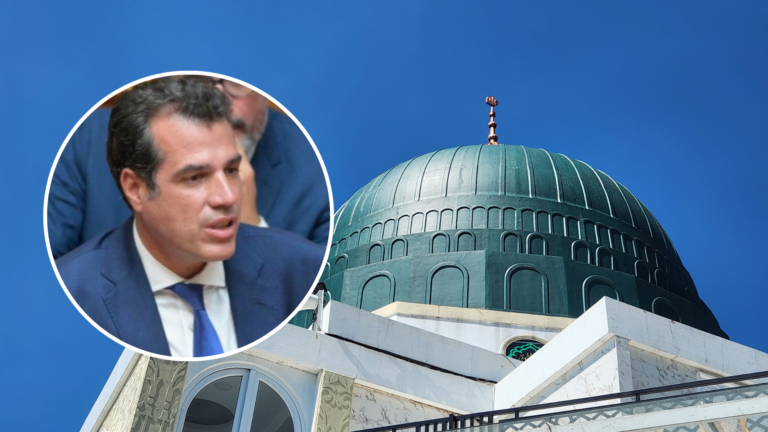
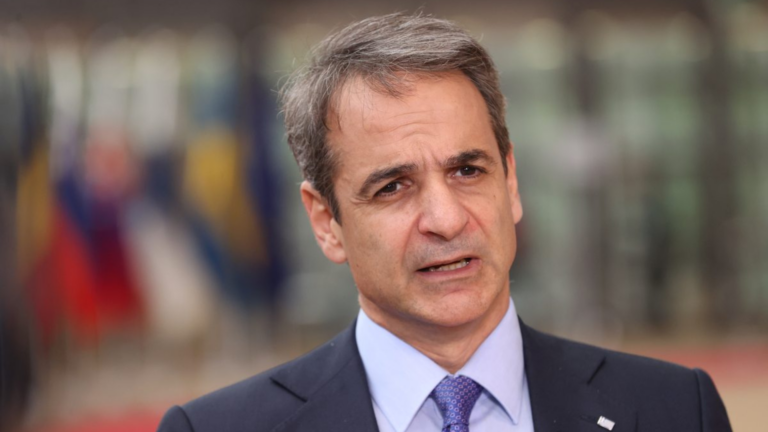
Greece’s Minister of Immigration and Asylum, Thanos Plevris, has announced a nationwide “sweep” to identify and shut down all illegal mosques in the Municipality of Athens, alongside the deportation of foreign nationals operating them.
Speaking to a parliamentary committee on Public Administration during discussions on a legal immigration bill, Plevris said the measures would follow a recent case in Agios Nikolaos, where the residence permit of a Bangladeshi national was revoked for illegally running a place of worship.
“What happened in Agios Nikolaos will happen everywhere,” Plevris said.
“All illegal places of worship will be shut down, with the parallel revocation of the legal documents of those who operate them. In cooperation with the relevant ministries, illegal mosques will be sealed and those involved will be deported.”
He stressed that “those who do not comply with Greek law will be automatically deported.”
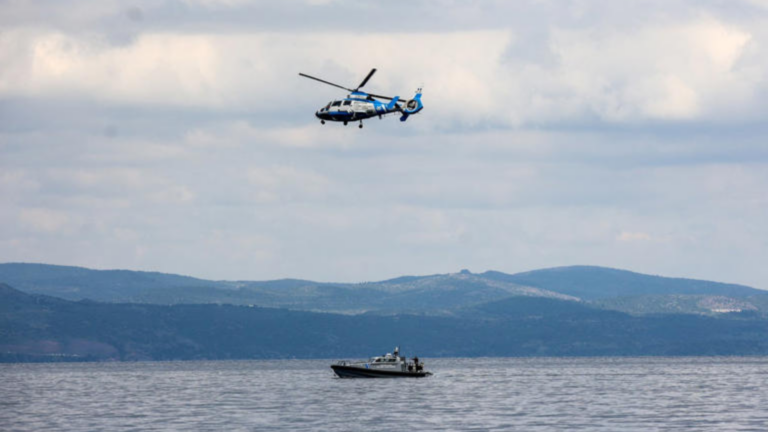
At least 14 people have died after a speedboat carrying migrants collided with a Greek Coast Guard patrol vessel off the eastern Aegean island of Chios late on Tuesday, February 3.
A large-scale search and rescue operation is continuing in the area, involving Coast Guard patrol boats, a helicopter and divers, as authorities search for possible missing passengers.
Twenty-four migrants were pulled from the sea and taken to hospital on Chios, while two Coast Guard officers were also injured and received medical treatment. The total number of injured migrants has not yet been confirmed.
Authorities said it remains unclear how many people were aboard the speedboat at the time of the collision.
Footage published by a local news outlet showed the aftermath of the incident, including one person being carried ashore in a blanket from a Coast Guard vessel, while two children were escorted toward a Coast Guard vehicle with flashing blue lights.
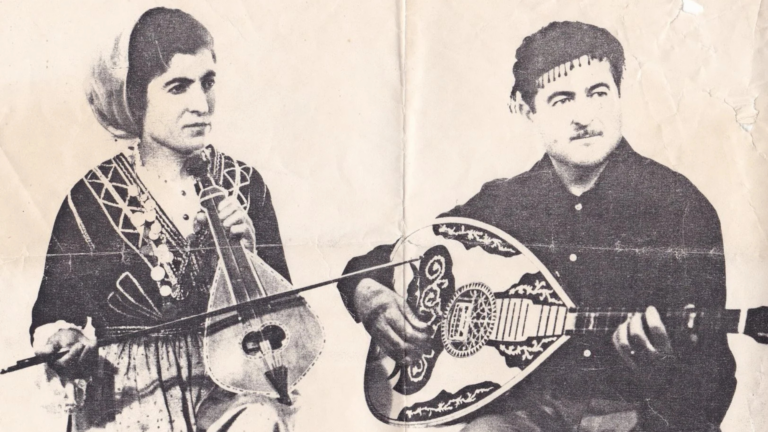
Aspasia Papadaki, regarded as the first female lyra player of Crete, has died aged 94.
Born in 1932 into a family with a strong musical tradition, Papadaki built her first lyra at the age of 14 and began performing at a time when widespread prejudice held that the instrument was only for men.
She made her first recording in 1962 with the song Paraxeno Pouli and went on to perform widely in Greece and overseas alongside her brother Pavlos, who accompanied her on the lute, appearing at weddings, festivals and cultural events.
Papadaki also collaborated on most of the recordings of composer Vangelis Zambetoulakis, leaving a lasting mark on Cretan music.
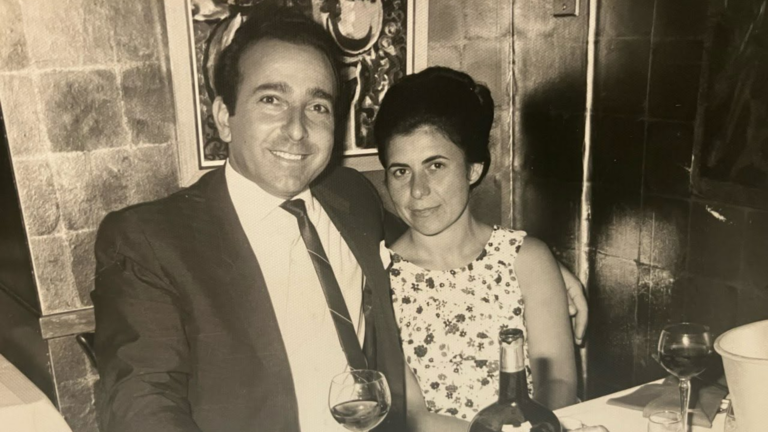
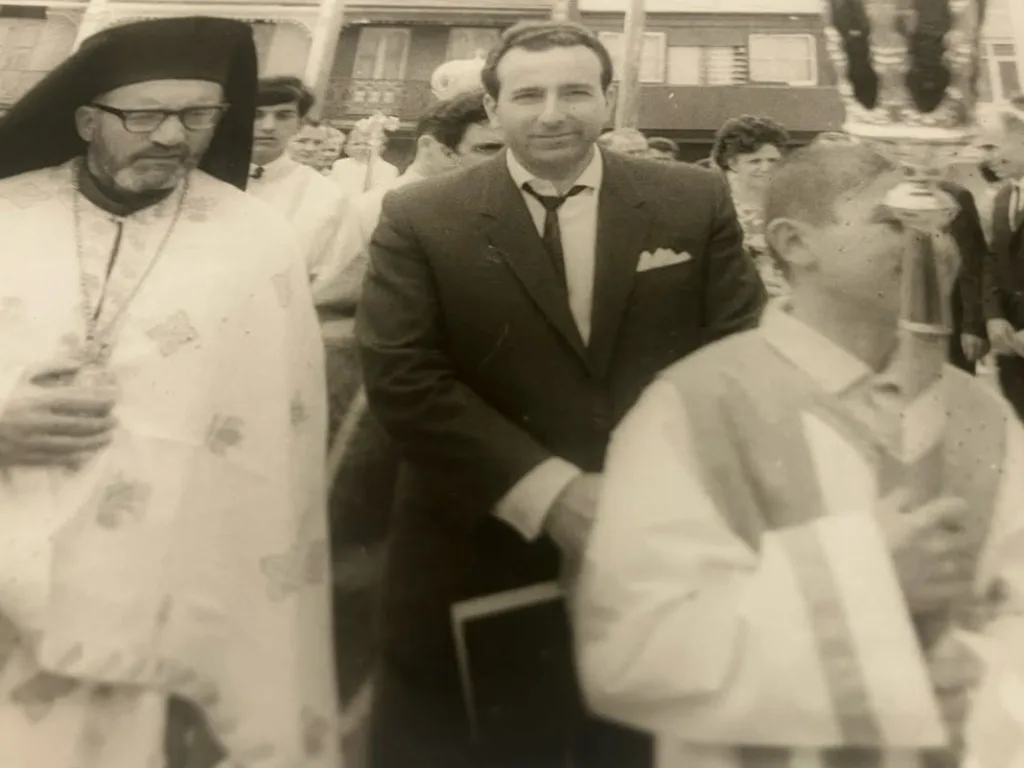
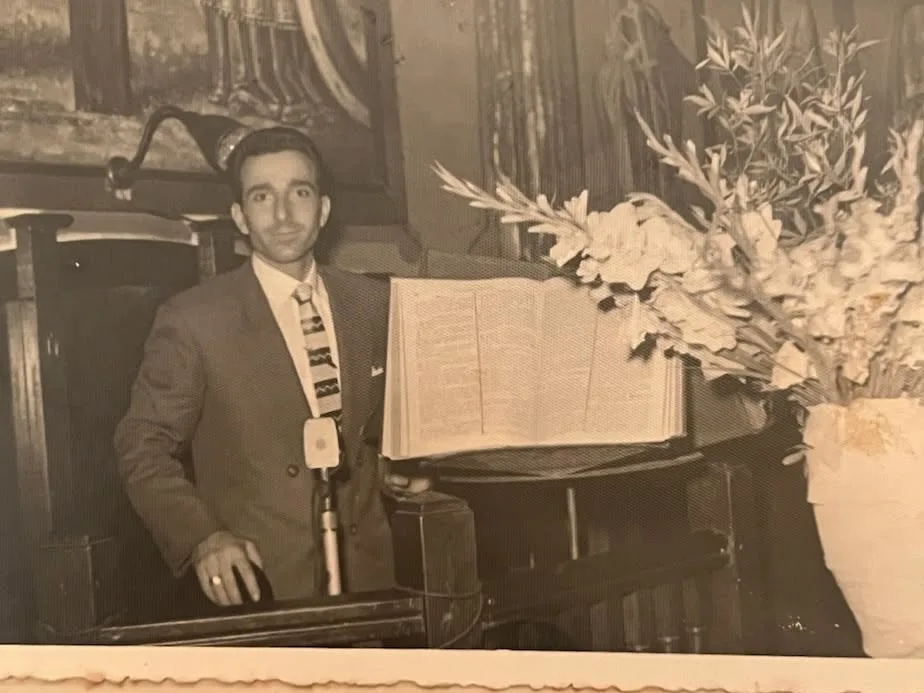
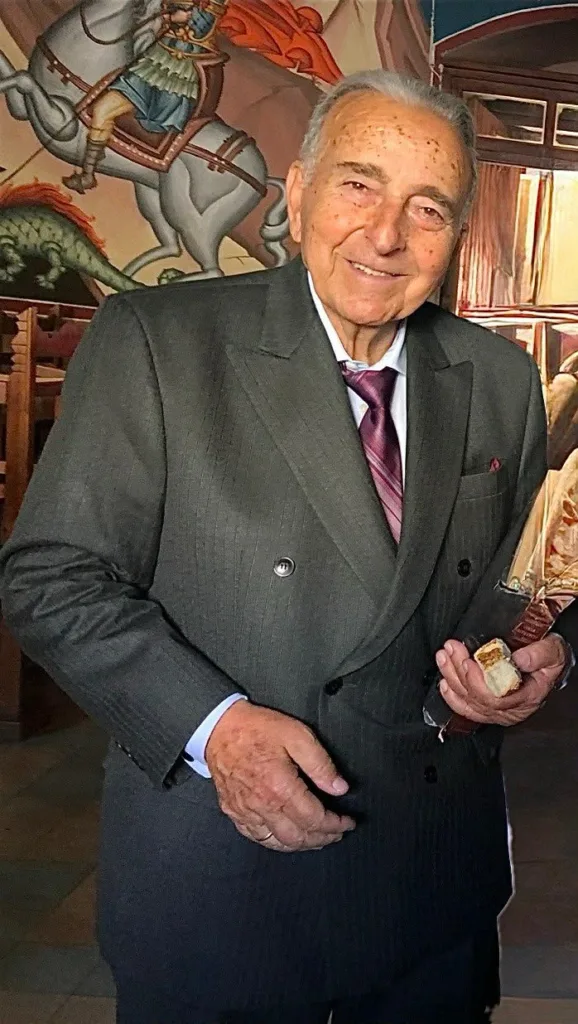
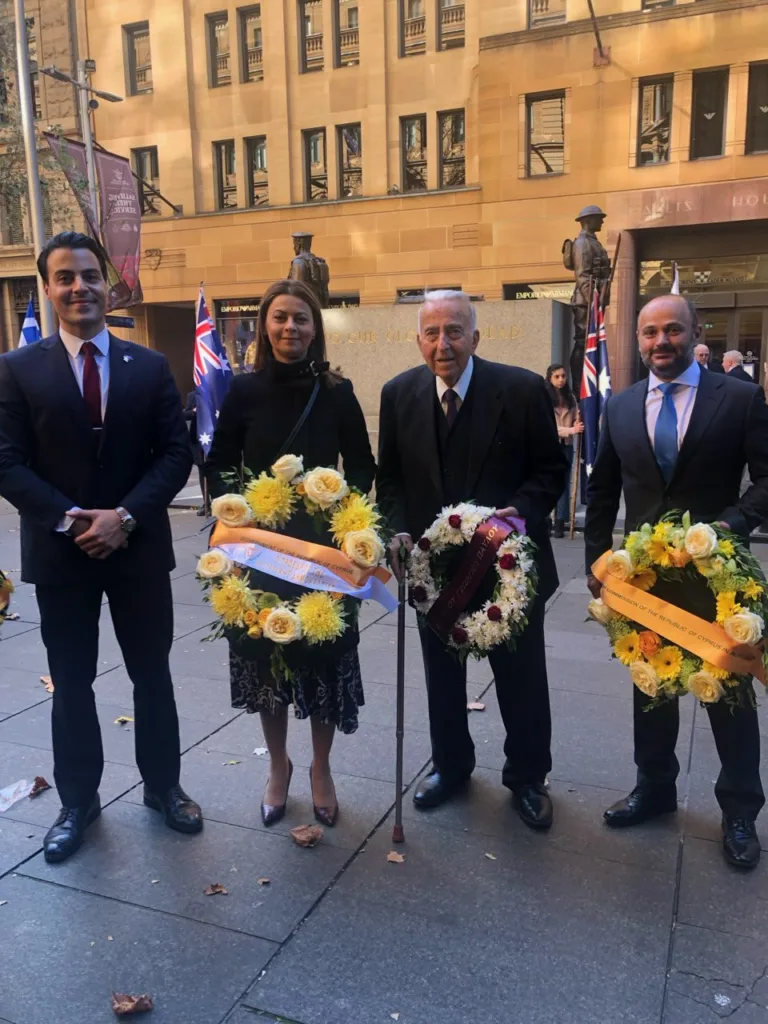
As a finalist in the inaugural Australia Cyprus Achievement Awards, Neophytos Stavrou represents a generation whose contributions were built quietly – through faith, perseverance and service rather than public recognition.
Now in his nineties, the Cyprus-born Sydney businessman, philanthropist and senior cantor reflected on his life in a recent interview with The Greek Herald, tracing a journey shaped by hardship, migration and an enduring commitment to community.
“Our history has shaped us,” he says. “Our failures are our stepping stones to success.”
From Xylotymbou to the Church
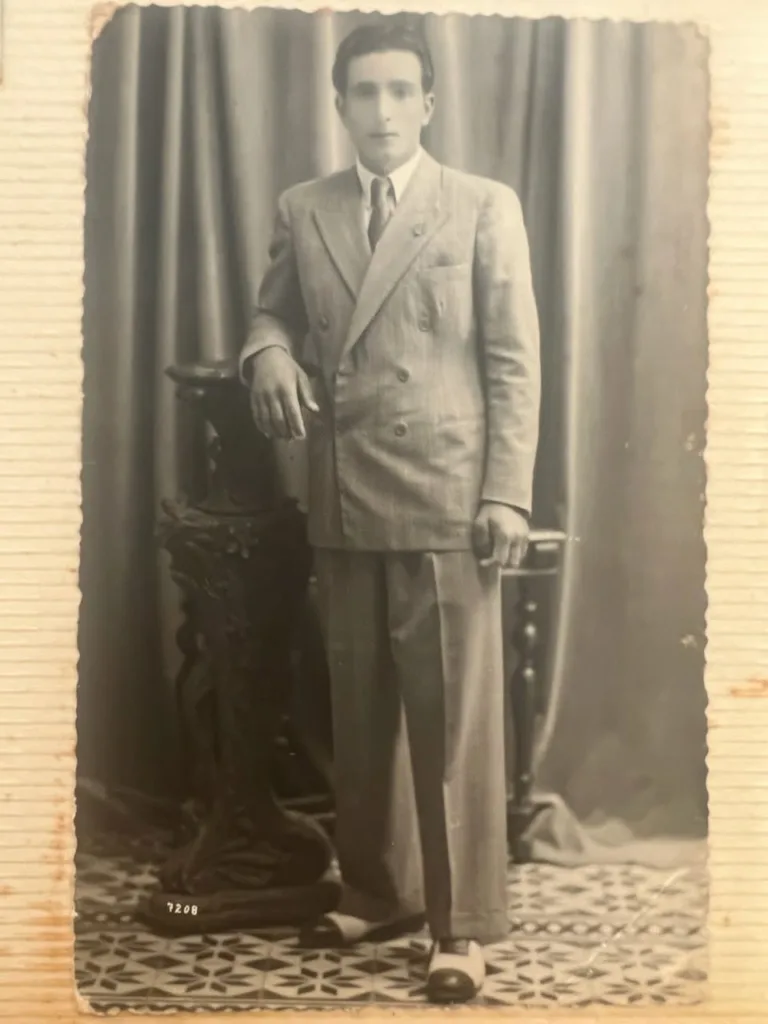
Stavrou was born in Xylotymbou, near Larnaca, into a large Cypriot family. The third of five children, his parents were Stavros and Ekaterina, with elder brother Andreas and sister Kyriakou, followed by Anastasia and Antonis. He was named Neophytos after being born on St Neophytos’ feast day, January 21.
“At the age of seven, I was given to my mother’s sister Hagi Erini and her brother Anthimos in Oroklini,” he recalls. “Hagi Erini never married and uncle Anthimos became a monk in his later years. The church became my life.”
His uncle Anthimos proved a formative influence.
“He taught me discipline, how to raise crops, how to think about work, how to endure,” Stavrou says. “Everything I learnt started there.”
Removed from formal schooling, he worked the fields by day and immersed himself in hymn books at night. Daily visits to the village church of Profitis Ilias shaped his spiritual grounding.
Sacred music became his anchor. Sent to Larnaca as a young boy to study Byzantine chant under Kouchapas, the lead cantor of Agios Lazaros – the ninth-century church dedicated to Saint Lazarus – his faith deepened.
“I was entrusted with divine books and I studied all the time,” he says. “The church and the fields; that was my world.”
Australia, 1951: Poverty and possibility
Stavrou arrived in Australia in 1951 as part of the early wave of Cypriot migration.
“I came with nothing,” he says simply.
Cousins who had arrived earlier helped him find work and shelter. He worked in a milk bar in Rose Bay, then as a kitchen hand, before securing employment at the IXL factory. Like many migrants of the era, he lived in overcrowded accommodation in Woolloomooloo, sharing space with other young men trying to find their footing.
“We couldn’t speak good English, so we helped each other,” he says. “At night, we would talk about our experiences – positive or negative – and learn from each other.”
The Cypriot community proved crucial. Arestidis, a leading community figure at the time, helped newcomers find accommodation through the kafenion until they could establish themselves.
The Panayis Vasili family in Redfern took him in when he was just 19.
“They treated me like their own,” he says. “I never forgot that, and I always held the utmost respect for Panayi and his wife Zinou.”
During this period, he began chanting at Agia Sofia in Darlinghurst with his cousin George Lazaris, their voices echoing through the surrounding streets. Through chanting at weddings and church services, he met the love of his life, Yiannoula.
Marriage and partnership
In 1955, Stavrou married Yiannoula Iraklithiou, originally from Omodos, Cyprus, with family roots in Iraklion, Crete.
Yiannoula had studied business and bookkeeping, skills that proved invaluable to the couple’s future ventures. Their first business was a café at Taylor Square, Darlinghurst – then the heart of a thriving Greek and Cypriot precinct.
“It was all there,” Stavrou recalls. “Kapsalis, Serafim, Koumis, Lazaris, Baveras, Spanos – everyone knew everyone.”
When transport routes changed and trams stopped running, the business became unsustainable. Once again, adaptation was necessary.
Building a business
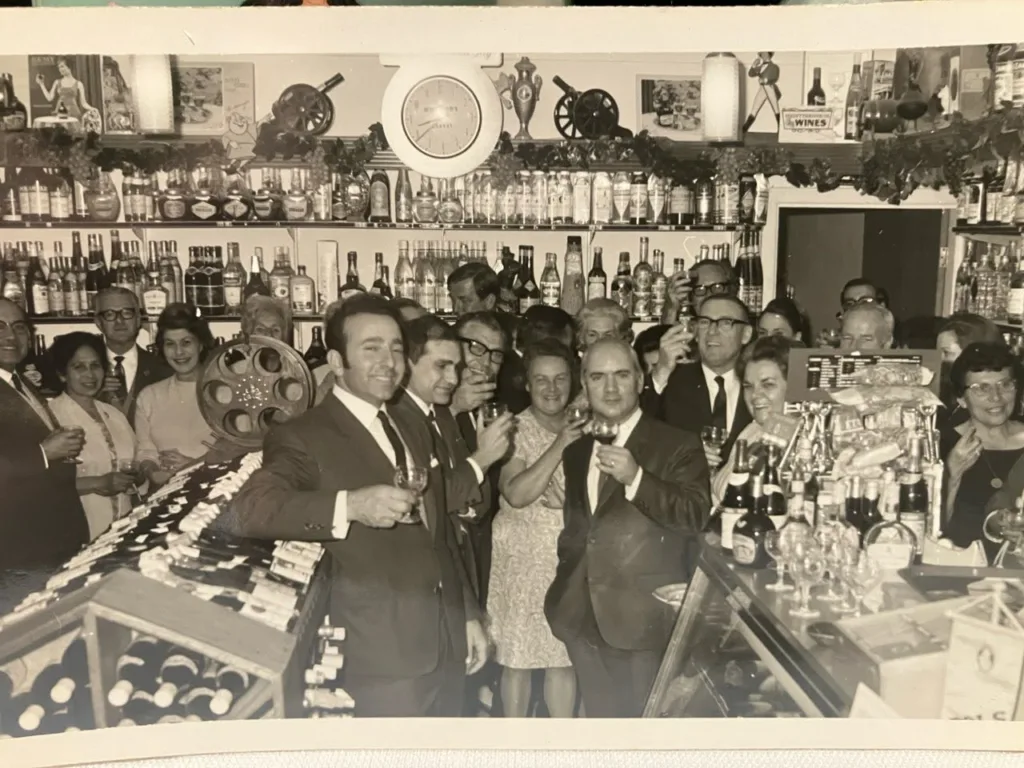
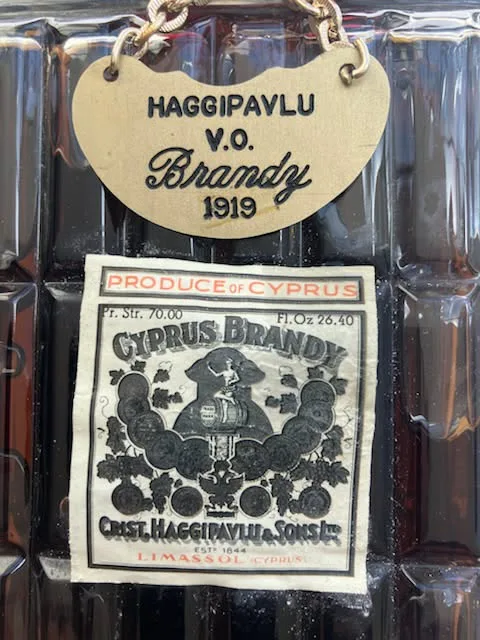
Determined to support Cyprus economically, Stavrou began importing Cypriot and Greek wines, initially through Hatzipavlou. In 1961, he secured a liquor licence.
“It was very hard,” he says. “Australians didn’t know these wines and spirits.”
Undeterred, he travelled extensively across Australia — including Darwin, Adelaide, Melbourne, Canberra, Brisbane and Rockhampton – building wholesale networks from scratch. He later secured Achaia Clauss wines from Patras and expanded into exclusive French wine houses, introducing cognac and rosé from Portugal to the Australian market.
Agencies were secured through handwritten letters sent to Europe, requesting representation rights for wines, spirits and cognacs.
A turning point came with the introduction of Wine of the Crusaders: Cyprus Commandaria to Australia.
“That was a turning point,” he says. “Australians loved Commandaria.”
Believing deeply in the product, the family made a significant sacrifice.
“We sold our home in Kingsford to fund the business,” he says. “You can’t build something without sacrifice.”
Faith, loss and giving back
Despite commercial success, Stavrou has consistently avoided public recognition. His philanthropy to churches, charities, schools and individuals has been carried out quietly and without fanfare.
“I don’t need medals,” he says. “Those who deserve medals are our heroes who lost their lives for us.”
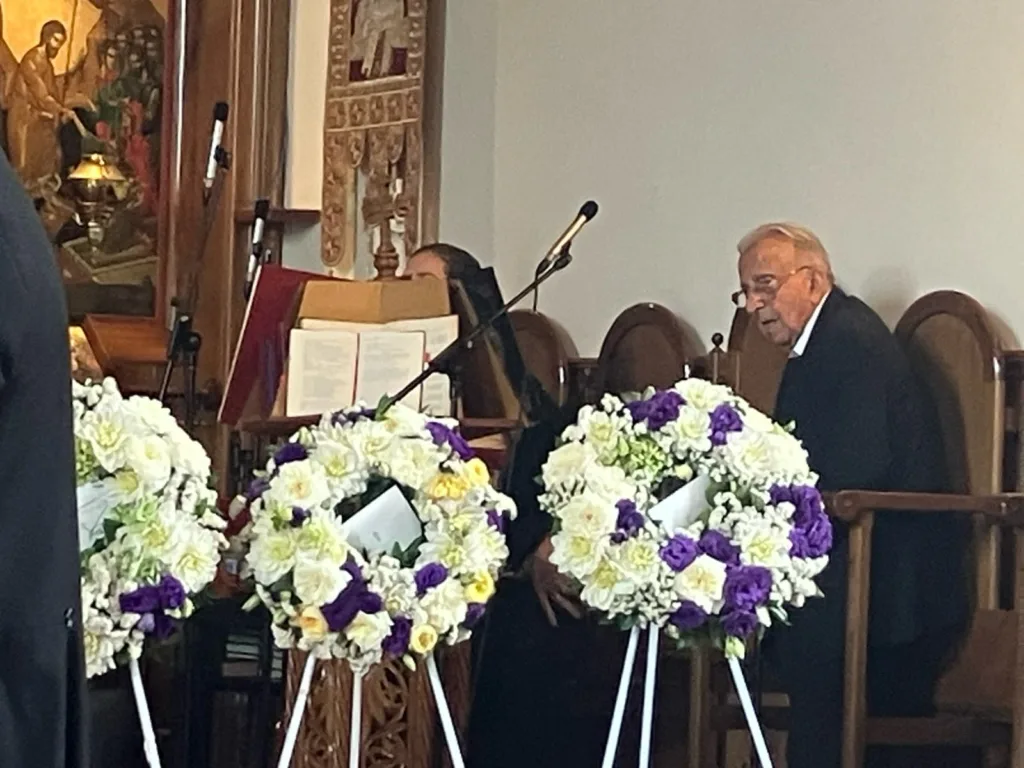
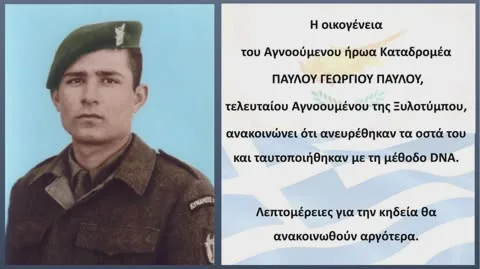
In 1974, during the Turkish invasion of Cyprus, his family suffered a devastating loss. His nephew Pavlos Georgiou Pavlou – the 19-year-old son of his sister Anastasia — was killed at Bellapais. His remains were identified in 2023 and honoured with a full military ceremony.
“Our levendes made the ultimate sacrifice to defend the innocent,” Stavrou says. “That pain never leaves you.”
A quiet achiever
Throughout his life, Stavrou has served on the Greek Chamber of Commerce and walked alongside prime ministers, consuls and dignitaries, always promoting his heritage with humility.
“You cannot buy respect; it needs to be earned,” he says. “Treat people with respect.”
From Agia Sofia, he continued chanting at the Archdiocese Cathedral of the Annunciation of Our Lady and across Sydney – including Kogarah, the Resurrection of Christ, Our Lady of the Myrtles and St Elesa – marking more than 70 years of chanting in Australia.
Still, he remains reserved about attention.
“What matters is the work,” he says.
Stavrou is among the finalists to be recognised at the inaugural Australia Cyprus Achievement Awards, an initiative honouring individuals whose lives reflect service, contribution and enduring connection to Cyprus and its diaspora.
True to form, he remains reluctant to focus on accolades. For him, recognition is secondary to faith, effort and responsibility – values he continues to live by, guided by the words he was raised with: “If it is God’s will. Αν είναι το θέλημα Θεού.”
Words he dedicates to his late wife, Yiannoula.
The winner of the Australia Cyprus Achievement Award will be announced at a formal presentation ceremony in February 2026, recognising individuals whose work has strengthened cultural, intellectual and community ties between Australia and Cyprus.
Event details
Venue: The Chau Chak Wing Museum, The University of Sydney
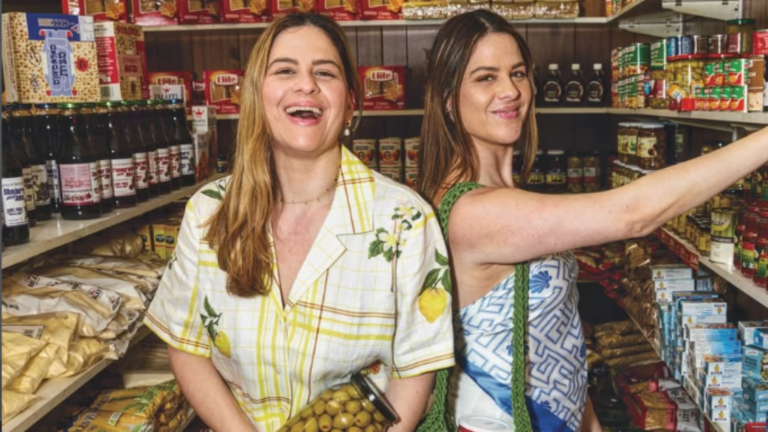
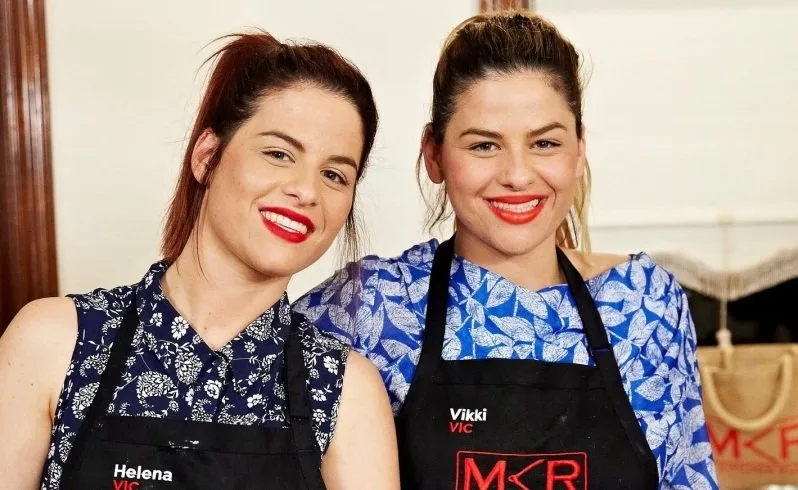
Identical twins Vikki and Helena Moursellas, 37, who became household names as finalists on My Kitchen Rules in 2014, say their intense bond has underpinned both their success and personal challenges.
The Greek Australian sisters, famous for their clementine and clove semolina cake, have since written three cookbooks, including Opa! Recipes Inspired by Greek Tavernas.
Vikki said Helena was seen as “the precious one” after being born with Wolff-Parkinson-White syndrome, while she was considered “the strong one.”
After their father died when they were 12, Helena said she stepped into a protective role.
They said fame brought opportunities but also a difficult comedown. Helena pursued cheffing and food styling, while Vikki worked in food media.
Helena described kitchen culture at the time as verbally abusive but said the structure helped her thrive.
Their relationship has shifted as Vikki became a mother after IVF and Helena moved to London for work, but the twins remain closely connected, speaking daily.
“If you’re not a twin, it’s hard to explain the connection we have,” Helena said.
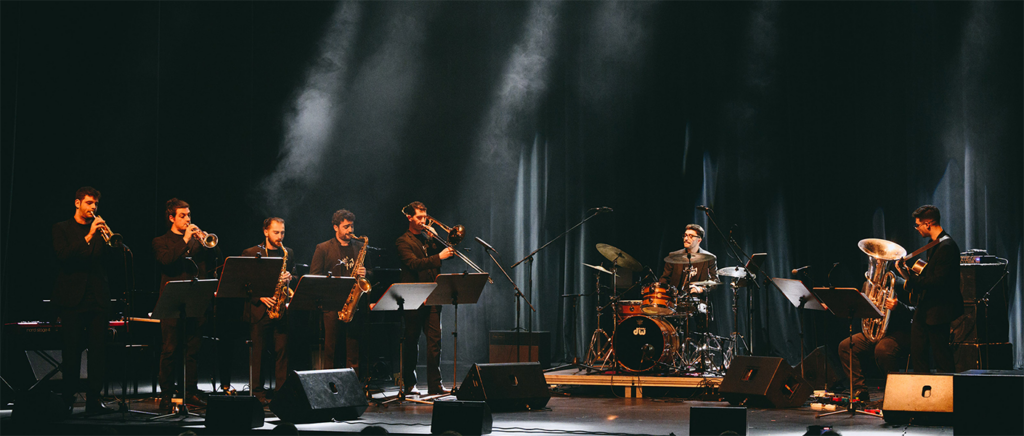
The acclaimed Krama Brass Band from Cyprus will tour Australia in early February, with performances confirmed in Canberra and Sydney as part of the official Cultural Programme of the Cyprus Presidency of the Council of the European Union 2026.
The visit forms part of Cyprus’ international cultural outreach during its six-month Presidency of the EU, which commenced on 1 January 2026, with culture positioned as a key pillar of diplomatic engagement beyond Europe.
Contemporary Cypriot sound on an international stage
Krama Brass Band is a contemporary ensemble from Cyprus known for blending traditional Cypriot and Mediterranean musical elements with jazz and modern European influences. The group was selected through a competitive process supported by Cyprus’ Deputy Ministry of Culture, receiving funding to perform internationally as part of the Presidency’s cultural program.
In addition to their Sydney and Canberra appearances, the band will also perform at the National Multicultural Festival Canberra 2026, delivering a 30-minute set on Sunday, February 8.
The Australian performances reflect the broader aim of the Cyprus EU Presidency’s cultural program to promote dialogue, artistic exchange and cultural connection with international audiences, while strengthening ties with the Cypriot, Greek and broader European communities in Australia.
Sydney performance presented by the Cyprus Community of NSW
In Sydney, Krama Brass Band will perform on Friday, 7 February 2026, in an event presented by the Cyprus Community of NSW.
The performance will take place at The Lakemba Club, commencing at 7.00pm, offering Sydney audiences the opportunity to experience the ensemble’s contemporary re-imagining of traditional Mediterranean and Cypriot music.
The band’s formal Canberra performance will take place on Tuesday, 10 February 2026, at the Hellenic Club of Canberra, as part of a dedicated Presidency event.
The evening will feature a keynote address by the Ambassador of the European Union Delegation to Australia, underscoring the diplomatic and cultural significance of the occasion.
Canberra event details
When: Tuesday, 10 February 2026
Time: 5.30pm
Where: Hellenic Club of Canberra
Occasion: Cyprus Presidency of the Council of the European Union – Cultural Programme 2026
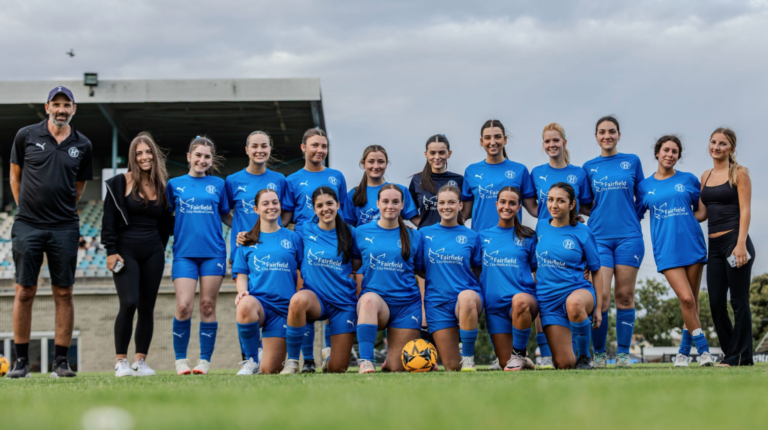
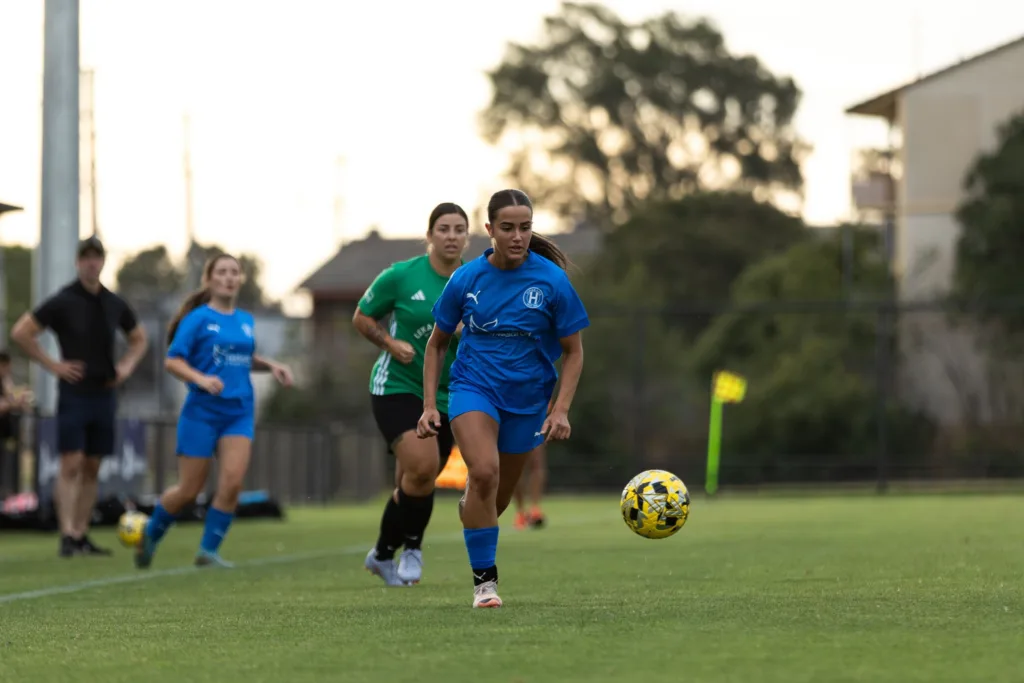
The 2026 Women’s Greek Community Cup is underway following a successful opening weekend at John Cain Memorial Park, with two matches showcasing the strength and depth of women’s football across Victoria.
The tournament opened on Friday, January 30, with Keon Park SC defeating Northcote City FC 2–0 in an entertaining first match of the competition. Action continued on Saturday, January 31, with Brunswick City SC recording a decisive 12–0 victory over Oakleigh Cannons FC in the second fixture of the opening round.
Photo: Osman Sports Photography.
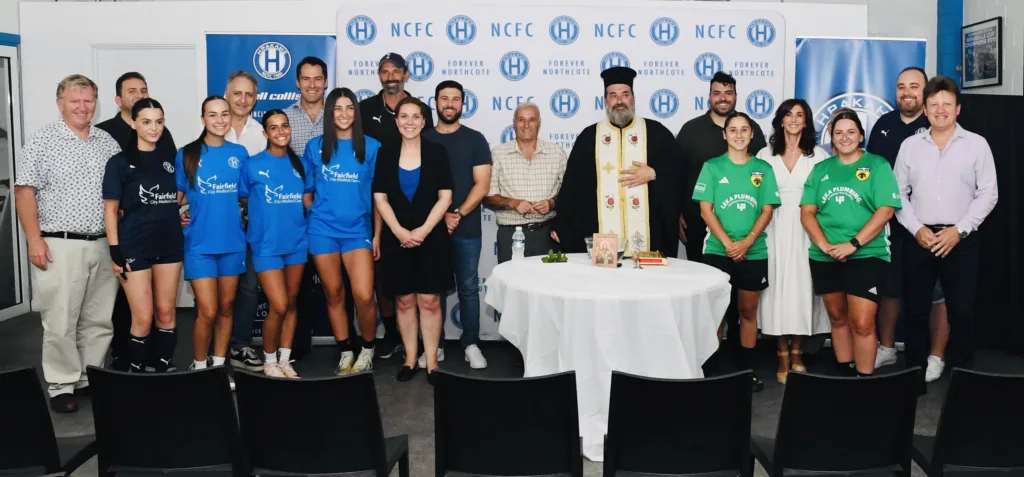
Hosted by Northcote City FC for the second consecutive year, the Women’s Greek Community Cup is an initiative of the Greek Community of Melbourne (GCM) and will continue through to the Grand Final on Sunday, February 15, with all matches played at John Cain Memorial Park.
GCM Board Member and Tournament Organiser Michael Karamitos said the opening weekend reflected the continued growth of the competition.
Photo: Kostas Deves.
“The Greek Community is proud to once again deliver the Women’s Community Cup and to actively support the development of women’s football,” Mr Karamitos said.
“Initiatives like this allow us to engage with young people and clubs across our community, while strengthening the future of the game. We encourage everyone to come down and support the teams throughout the tournament.”
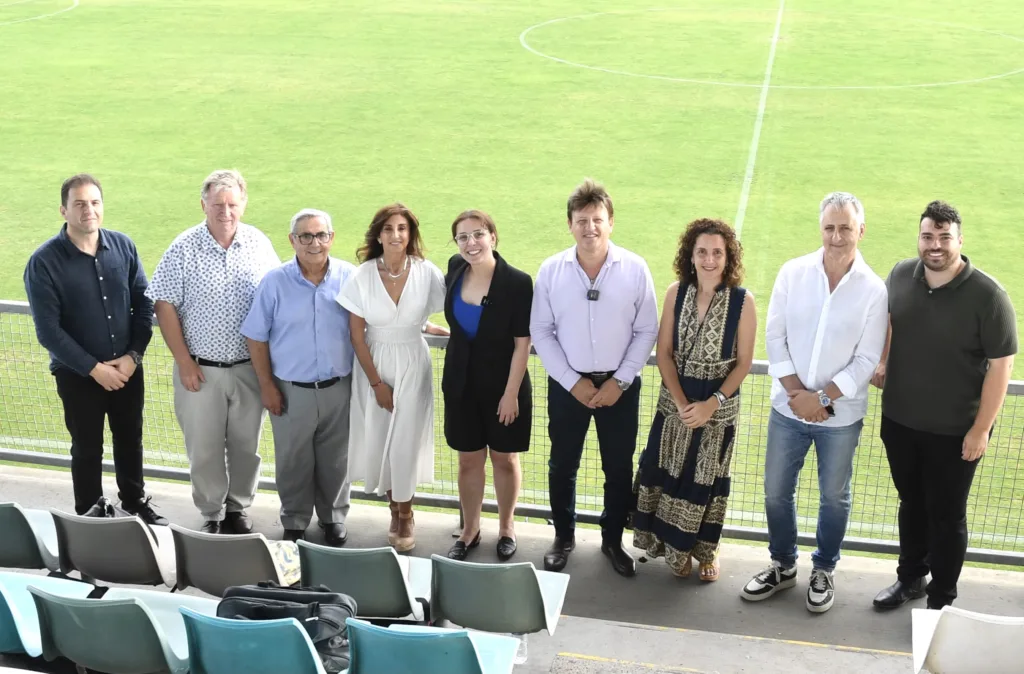
Mayor of Darebin, Emily Dimitriadis, who attended the opening match on Friday night, welcomed the tournament and its significance for the region.
Photo: Kostas Deves.
“We are so excited about this tournament here today, we’ve got the women’s teams playing from across Victoria. That’s such an achievement that we’re going to hopefully build over the next few years, particularly with the development of this whole stadium at John Cain Memorial Park,” Ms Dimitriadis said.
The tournament continues on Wednesday, February 4, with Brunswick City FC taking on Keon Park SC at 8.00pm, followed by Northcote City FC facing South Melbourne FC at 8.30pm. All matches will be played at John Cain Memorial Park, with the Women’s Greek Community Cup running through to Sunday, February 15.
For all fixtures and tournament information, please visit greekcup.com.au
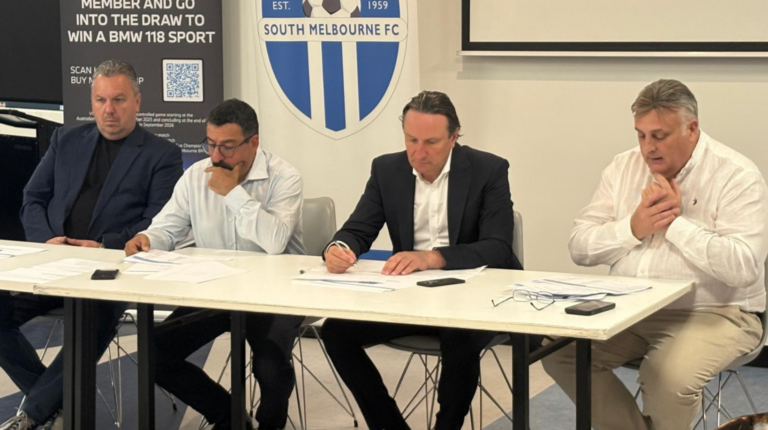
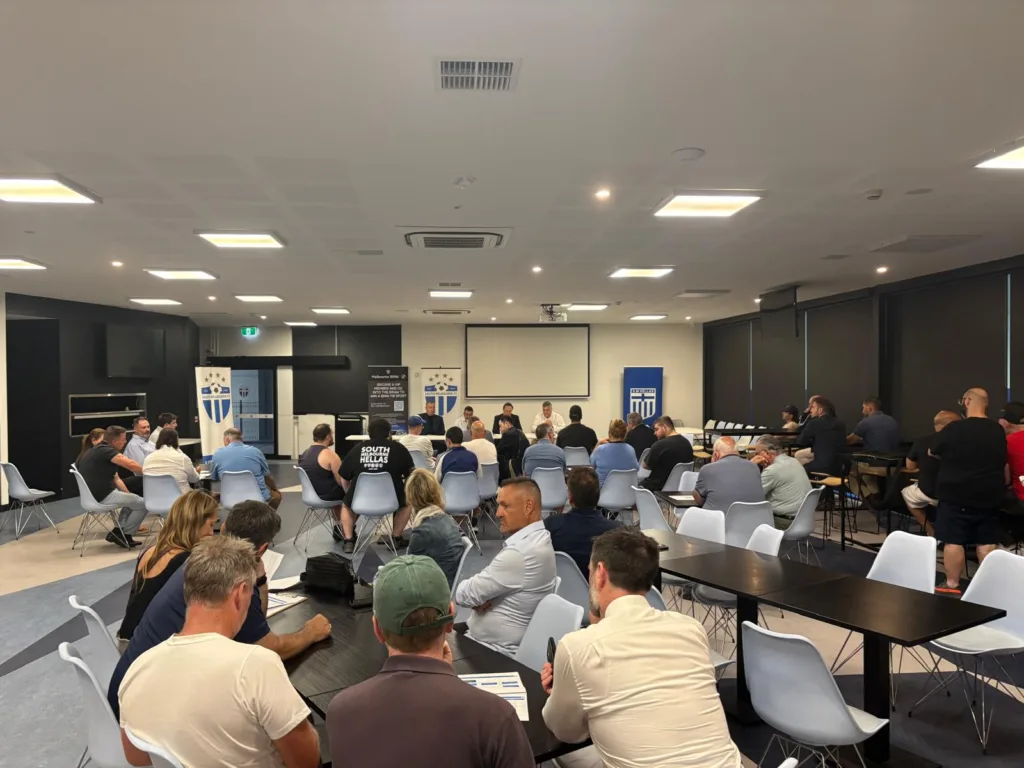
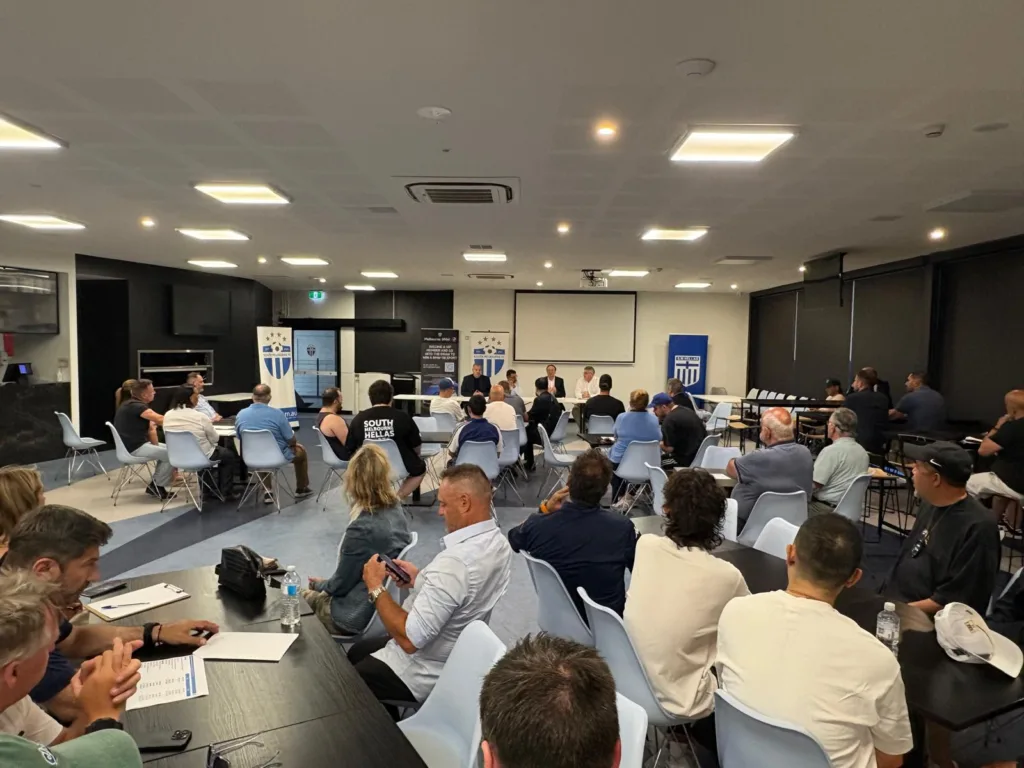
The Annual General Meeting (AGM) of South Melbourne FC was conducted in a calm and collegiate environment, reflecting the unity and shared commitment across the club.
Proceedings commenced with a minute’s silence in memory of respected South Melbourne identities who recently passed away, Filio Valkanis, Kris Kalafatidis and Marko Fode. This was followed by the presentation of the club’s financials, along with the Presidents’ Report and Football Director’s Report.
It was noted that a range of financial measures have been implemented to support the expanded senior men’s football program, which now operates across almost 12 months of the year. Internally, a new agreement is set to be executed for the catering and café operations to better protect the club financially. Reference was also made to the recent write-offs of debts owed to Mario Vinaccia, as well as direct financial contributions made by the Presidents. The meeting also acknowledged the significant service of former President Nicholas Maikousis.
An update on recent club activities highlighted the parliamentary reception held for the Australian Championship team, with key sponsors acknowledged including Directed (Steve Siolis), 1300 Plasta, Moray & Agnew Lawyers and Sherridon Homes.
The recent visit of Ange Postecoglou to the club was referenced, along with attendances by the Deputy Prime Minister, Sports Minister, Football Australia Chair and CEO, and the Lord Mayor. It was also noted that match day attendances, particularly during the Australian Championship, brought back memories of the strong support seen during the NSL era.
The continued success of the women’s program was proudly highlighted by Female Football Director Theo Chronis, who announced that 25 per cent of the club’s junior girls had been invited to represent Victoria at National Championships. The All-Abilities program led by Nathan McLean was also acknowledged, while Tass Roufos shared the positive news that all junior boys’ NPL age groups will now compete in Division 1.
The meeting also heard a heartfelt reflection from a South Melbourne supporter who attended the recent OFC Pro League matches in Auckland with his 14-year-old son, Oscar. The family spoke of the incredible connection shown by the playing group, who took time after matches to engage with young supporters, including acknowledging and signing a poster Oscar had proudly designed and brought to the game. The gesture left a lasting impression and was praised as a perfect example of the club’s culture, values and the strong bond being built between the team and its supporters.
Long-time member Kim Ferizis received a strong round of applause when addressing the meeting, thanking the Board for their dedication and leadership in driving on-field success.
Kim noted: “It is heartening to see that the hard work of the Board is replicated by success on the field. I am confident that we are on the right track and everyone feels a sense of optimism.”
The meeting concluded with recognition of the continued efforts and commitment of Board members including Steve Kyriazis, Bill Panayiotou, Peter Kokotis, Tony Margaritis, Nathan McLean, Theo Chronis, Tass Roufos, Nicole Jacobs and Mario Vinaccia.
Structure update
South Melbourne FC has also confirmed an updated internal structure as part of its ongoing commitment to clear governance, strong communication and professional standards across the club.
Strati Xynas continues in his role as General Manager, working closely with the Board of Directors on strategic planning, key club initiatives and long-term growth.
George Kouroumalis has been appointed Head of Operations and will continue in his Media Manager role, overseeing the club’s day-to-day operations while leading media execution and cross-department coordination.
James Webb has been appointed as our Head of Marketing, bringing extensive experience in social media and brand development. James will work closely with George on day-to-day strategy and content delivery.
Steve Issa leads the club’s commercial activities as Head of Partnerships, overseeing sponsorship and partnership engagement.
Guilherme “Gui” Funchal has been appointed Administrator, supporting daily communications, administration and compliance across the club.
President Bill Papastergiadis OAM said the updated structure reflects the club’s focus on clarity and accountability as South continues to operate across multiple competitions.
“As South Melbourne continues to grow both on and off the field, it is important that our structure supports clear roles, strong communication and effective decision-making. These changes ensure the club is well positioned to meet the demands of the seasons ahead,” he said.
Co-President Andrew Mesourouni said the alignment across departments was an important step for the club’s future.
“This structure allows our people to focus on what they do best while working closely together. It strengthens how we operate day to day and supports the long-term direction of South Melbourne Football Club,” he said.
These changes reinforce South Melbourne FC’s commitment to operating in a professional and organised manner while continuing to serve its members, partners and broader community.
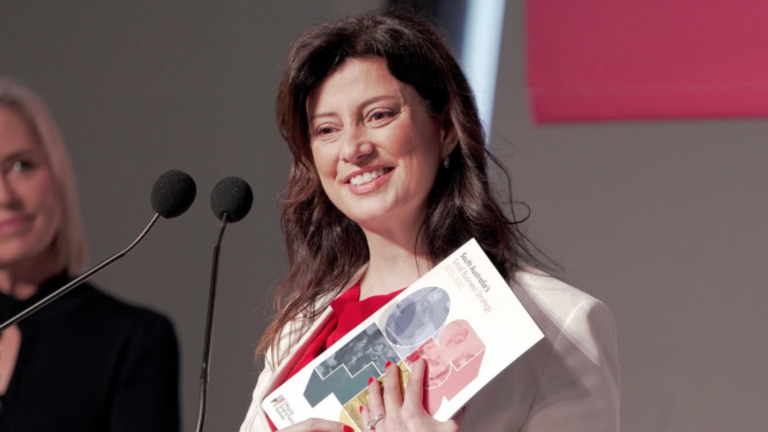
Andrea Michaels MP has announced she is stepping away from politics to return to the legal profession, ending her time as the Member for Enfield and a South Australian government minister.
In a post shared publicly, Ms Michaels said the decision was difficult but marked a return to “normal” life, including spending more time with her family.
She said she was grateful for her opportunities in politics, noting her roles across “three amazing portfolios” and reflecting that a conversation with SA Premier Peter Malinauskas more than seven years ago led to her political career.
Ms Michaels highlighted reform work as the most meaningful part of her time in office, citing changes to residential tenancy laws, the state’s first 10-year arts policy, and the creation of the small and family business portfolio.
She said the government’s small business strategy supported nearly 17,000 South Australian businesses, adding that “that’s when real world experience makes a difference in government.”
Thanking supporters, constituents and those who engaged with her through meetings and discussions, Ms Michaels said the “privilege of this job is listening and doing,” adding that while more work remains, “lots has been done.”
She concluded by saying it was time to return to family life, joking that she was looking forward to having dinner with her family more than once or twice a week.
Greek Prime Minister Kyriakos Mitsotakis has proposed reviewing ministers’ legal immunity and the guaranteed lifetime employment of state-sector workers, citing the need to restore public trust following a corruption scandal and ahead of the 2027 national election.
Mitsotakis’ centre-right government, while still leading opinion polls, has been shaken by a case uncovered by EU prosecutors in 2025, in which some farmers, aided by state employees, allegedly faked land ownership to claim subsidies. Parliament is examining the affair.
Public anger has also lingered over the government’s handling of a 2023 train crash that killed 57 people, Greece’s deadliest on record, which sparked mass protests and led to a trial opening next month.
Under Greece’s constitution, only parliament can investigate ministers or lift lawmakers’ immunity. “The world of 2026 is different and poses new challenges,” Mitsotakis said in a letter to ruling party MPs and in a televised address.
“The time is ripe for a brave constitutional revision towards a functional democracy.”
He also suggested reviewing lifetime job security for public sector workers, arguing it would improve efficiency, and said the constitution should address modern issues including artificial intelligence, housing, climate change, fiscal stability and judicial delays.
Any constitutional changes would require approval by two successive parliaments, with an enhanced majority of 180 deputies in at least one vote.