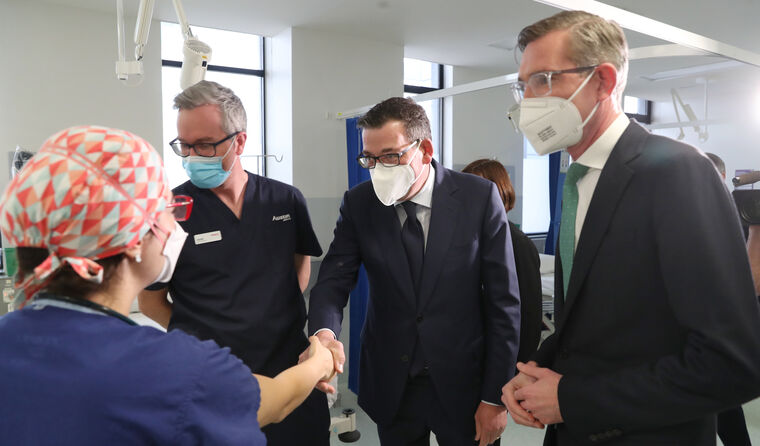
The Victorian and New South Wales Governments announced on Tuesday, August 30 a major partnership to expand urgent care services across both states, in a move to further try and ease record demand on busy emergency departments following COVID-19.
Victoria and NSW will each establish 25 urgent care services each, in partnership with General Practitioners (GPs), bringing the total number of services across both states to 50.
The services will help ease pressure on emergency departments, give people faster care for urgent but non-critical conditions and free up critical resources for patients with more serious needs.
The GP-partnered services will be well equipped to handle conditions such as mild infections, fractures and burns.

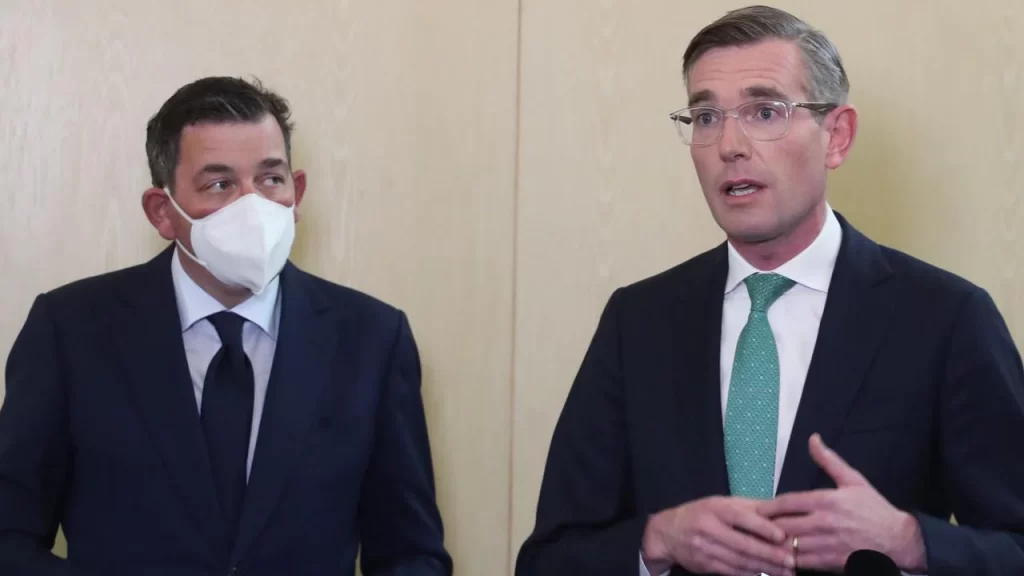
“Around the country, the pandemic has put enormous pressure on healthcare systems, and part of that is because – through no fault of their own – people have delayed going to their GP and accessing primary care,” Premier of Victoria, Daniel Andrews said.
“We know and appreciate that the Commonwealth are investigating longer-term support for primary care, but we also know we need to act now to support healthcare systems across Australia’s two biggest states.”
Services will operate for extended hours and patients will not be charged for services provided by GPs. Patients without a Medicare card will also be able to access services, free of charge.
“We are leading the way to adopt a new model of care by investing in our communities to ensure people can access free health care,” Premier of NSW, Dominic Perrottet said.
These new services will be commissioned in partnership with Primary Health Networks, with locations determined following consideration of population, community needs and emergency department demand.
As part of the package in Victoria, 10 centres will be established to partner with Frankston Hospital, Bendigo Hospital, Casey Hospital, Albury Wodonga Health, Austin Hospital, Alfred Hospital, Dandenong Hospital, Latrobe Regional Hospital, Werribee Mercy Hospital and Box Hill Hospital.
Another 10 Victorian locations will be announced soon.
This builds on the Victorian Government’s recent $14.3 million investment to establish and run five new Priority Primary Care Centres (PPCCs) with the Royal Melbourne Hospital, Northern Hospital Epping, Sunshine Hospital, Monash Medical Centre Clayton and Grampians Health Ballarat.
Victorian emergency departments are the busiest they have ever been, with presentations hitting a record 486,701 in the most recent quarter – an increase of 5.1 per cent from the previous quarter.
The Victorian Government is delivering a range of initiatives to establish more care outside the hospital system, including the expansion of the Virtual ED and Better at Home programs, as well as 30 state-funded GP respiratory clinics.
NSW has recently established partnerships with GPs and Primary Health Networks in Western Sydney, the Murrumbidgee, Northern Sydney and Western NSW which aim to reduce the number of people presenting to emergency departments by providing community-based, patient-centred, urgent care.

The locations of future urgent care services in NSW will be delivered where there is the greatest need, based on the demands experienced by hospital emergency departments, including where services can be scaled up quickly.
NSW emergency departments see more than 3 million patient presentations each year.
During the first quarter of 2022, there were 734,704 attendances at emergency departments, with hospitals throughout the state continuing to experience sustained, high demand for emergency care.
NSW has implemented a range of initiatives to ensure people can access the right care at the right time to improve their health outcomes, as well as free up our emergency departments for patients who require critical care.
These include a secondary triage program in partnership with residential aged care facilities and NSW Ambulance, expansion of virtual care and the statewide Planned Care for Better Health program, which aims to reduce hospital admission for patients with complex medical issues.

