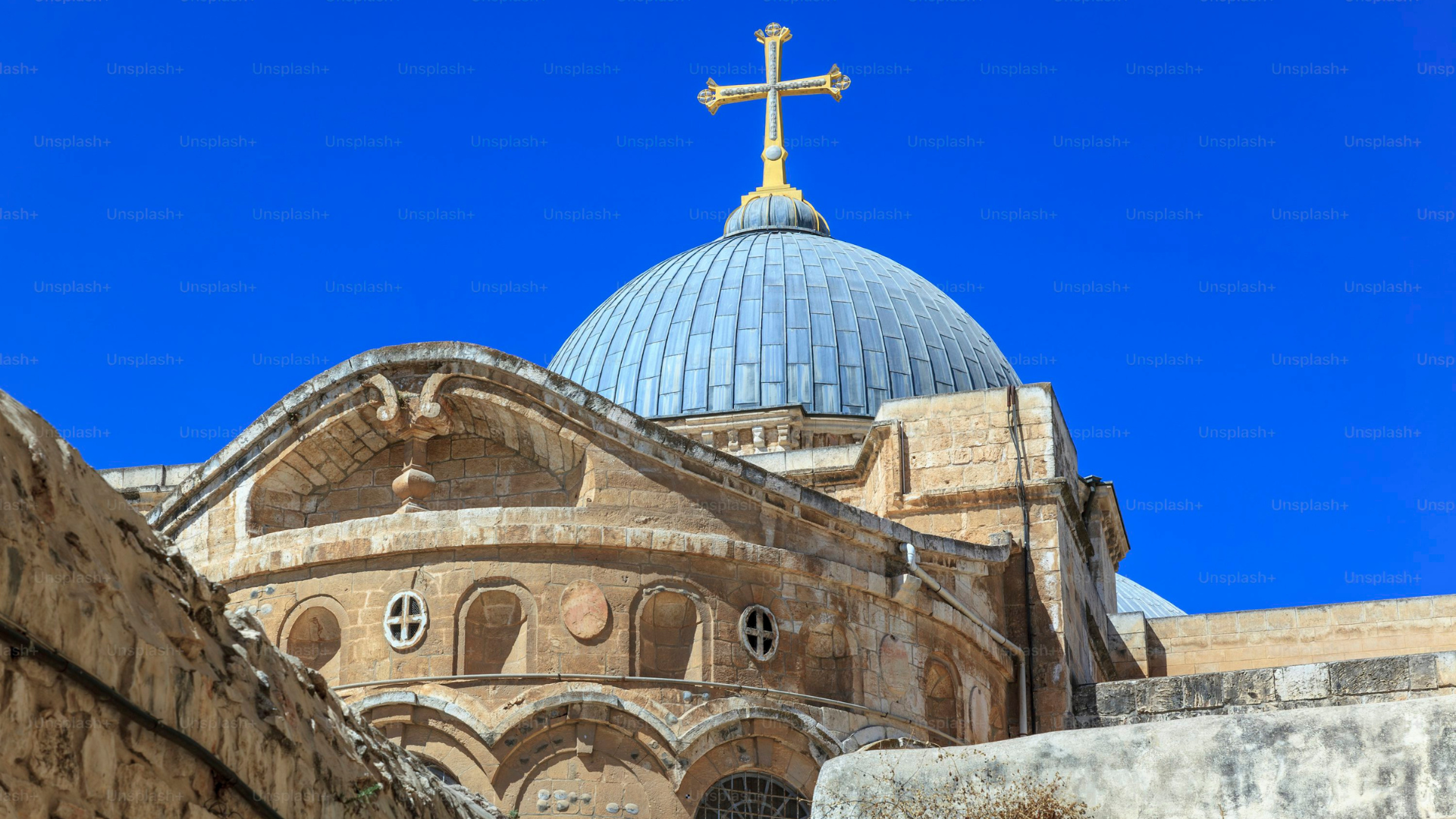
The Church of the Holy Sepulchre in Jerusalem has been closed for weeks amid escalating conflict in the Middle East, halting liturgies during Lent and raising global concern among Christians.
Authorities shut the church on February 28 due to security concerns, with access to the Old City’s major holy sites heavily restricted.
For the first time in living memory, worship inside the basilica has stopped for weeks, disrupting the near-continuous cycle of prayer traditionally led by the Greek Orthodox, Armenian Apostolic and Roman Catholic Churches.
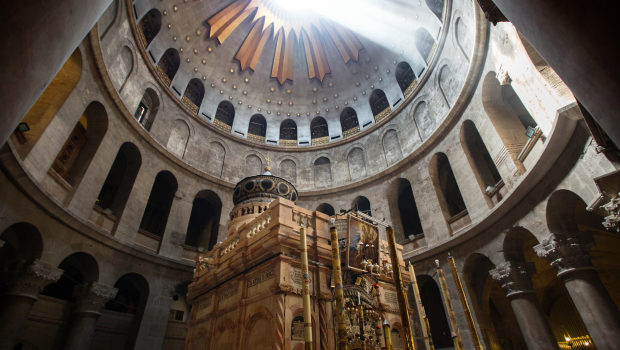
The church, believed to house both Golgotha, where Christians say Jesus Christ was crucified, and his tomb, is considered central to the faith, making its prolonged closure particularly significant during Lent, the lead-up to Easter.
Pilgrimages and traditions such as walking the Via Dolorosa have been abruptly interrupted.
Debris from intercepted Iranian missiles has also reportedly fallen in parts of Jerusalem, including near the church, with at least one person injured.
Church leaders say the duration of the closure is unprecedented, noting that even during past wars and the COVID-19 pandemic, liturgies continued in some form.
Discussions are ongoing with Israeli authorities to allow limited celebrations for Holy Week and Easter.
The closure has also raised concerns in Greece over the transport of the Holy Fire, a key Easter tradition.
Officials say “the Holy Fire will come to the country in any way,” despite ongoing curfews, gathering limits, and periodic airspace closures.
The situation has also renewed calls from the Vatican for a special internationally guaranteed status for Jerusalem to protect access to holy sites and preserve the city’s religious character.
