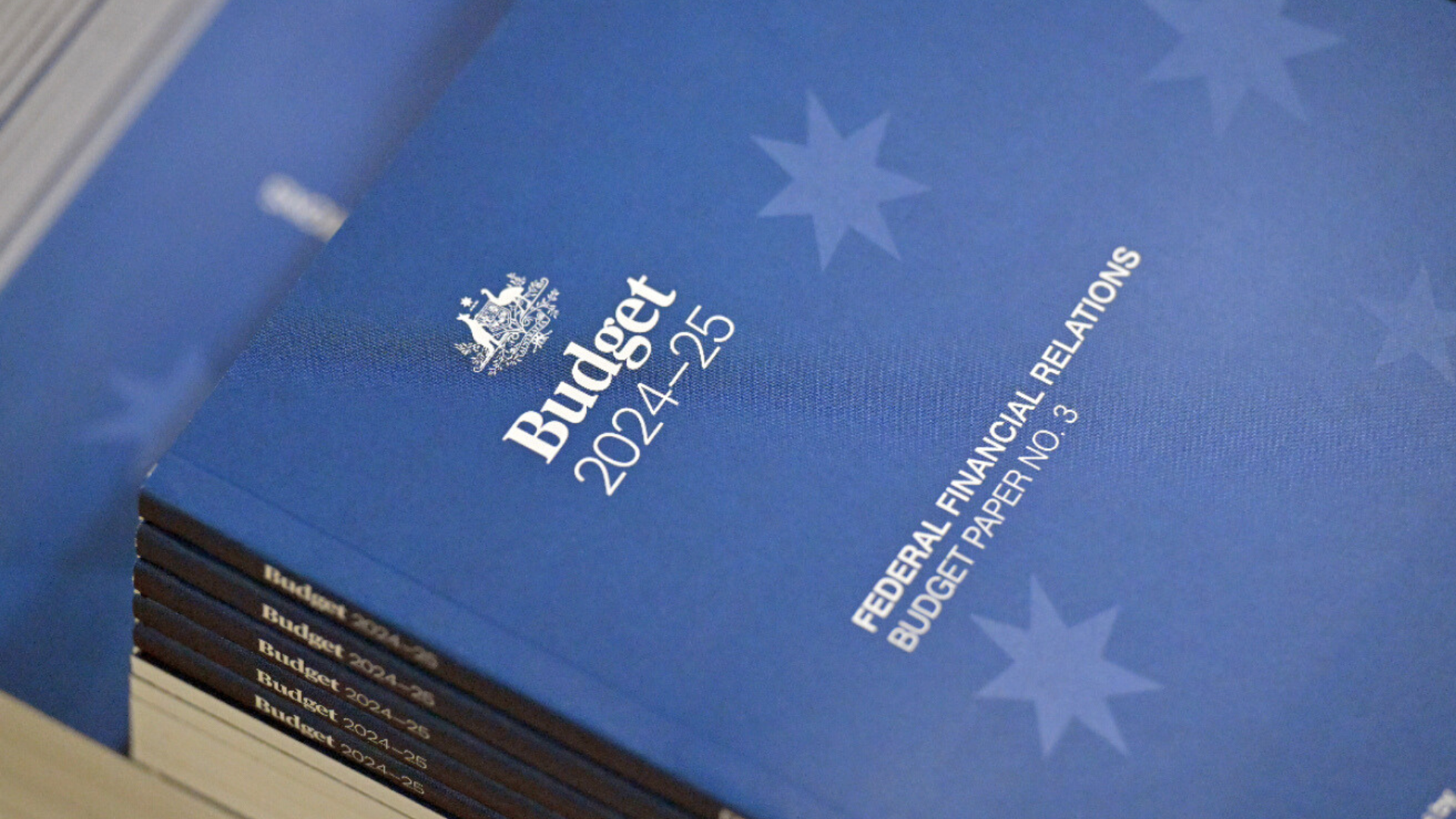
Federal Treasurer Jim Chalmers has unveiled his fourth federal budget, setting the groundwork for a possible election announcement in the days ahead.
After a period of uncertainty, the budget outlines key measures designed to fulfil Labor’s election commitments, including a surprise income tax cut for all taxpayers.
Different organisations within the community have responded to the key wins and losses of the new budget.

Federation of Ethnic Communities’ Councils of Australia (FECCA)
The Federation of Ethnic Communities’ Councils of Australia (FECCA) has expressed support for the Australian Government’s 2025–26 Federal Budget, highlighting investments aimed at improving social cohesion, women’s safety, healthcare, and cost-of-living relief.
FECCA praised the $178.4 million investment in social cohesion and community support, including funding for multicultural media and grants for community projects, particularly those aiding African Australians and refugees.
FECCA emphasised the importance of continuing bipartisan support for diversity and inclusion, particularly through initiatives such as an anti-racism framework and a human rights act.
While acknowledging the Budget’s positive steps, FECCA Chair Peter Doukas stressed the need for stronger leadership on humanitarian issues, particularly in relation to Australia’s refugee intake.
“When people and communities feel connected and recognised as valuable members of our society, social cohesion is strengthened,” Mr Doukas said.
The budget also includes significant investments in health, including an $8.5 billion boost to Medicare, which aims to enhance bulk billing and diagnostic services.
FECCA welcomed the pay rise for aged care workers and further support for women’s health, with a focus on improving access to services for culturally diverse communities.
Addressing the cost-of-living pressures faced by multicultural households, FECCA welcomed measures like increased rent assistance, subsidised childcare, and energy bill relief.
These initiatives, alongside tax cuts and housing support, are expected to benefit multicultural families, many of whom face financial hardship.
Asylum Seeker Resource Centre (ASRC)
The Albanese Government’s final budget before the federal election has been criticised for failing to deliver fairness, compassion, or lasting solutions for refugees and asylum seekers, according to the Asylum Seeker Resource Centre (ASRC).
The budget, which was presented in Canberra, does not address the increasing demand for emergency food, housing, and medical care that charities like the ASRC are struggling to meet.
Kon Karapanagiotidis, ASRC CEO and Founder, stated, “This was the Labor Government’s last chance to show real leadership – and instead they’ve chosen politics over principles.”
He criticised the lack of funding for vital programs, including no new money for the Status Resolution Support Service (SRSS), which equates to just 70 cents a day for each asylum seeker.
The budget also fails to allocate funds for evacuating refugees from Nauru and PNG or for policy reforms to address the Fast Track legacy caseload.
Other significant omissions include no increase in the humanitarian intake, no funding to reduce visa backlogs or expedite family reunifications, and no expansion of work and study rights for refugees.
While there are some positive measures, such as funding for refugee employment programs and the Community Refugee Integration and Settlement program, these initiatives are seen as insufficient and do not address the broader systemic issues.
Karapanagiotidis added, “This budget isn’t just numbers on a page—it reflects the choices and priorities of a government.”
He also condemned the government’s continued funding for offshore detention, calling it a secretive and cruel policy.
The ASRC has vowed to continue advocating for refugees and holding the government accountable for its commitments to fairness and compassion.
Ageing Australia
Ageing Australia has welcomed the Government’s commitment to invest $2.6 billion for future pay rises for registered and enrolled aged care nurses, as outlined in the federal budget.
However, the organisation emphasises the need for more work to be done in preparing for sweeping reforms in the sector.
The funding follows a 15% wage increase for aged care nurses in 2023 and another expected increase in March 2025.
Ageing Australia CEO, Tom Symondson, expressed support for the government’s acknowledgment that the sector needs matching funding to afford these wage hikes, noting, “We’re hearing reports from across the sector that it’s becoming easier to attract and keep aged care workers, so this is another important step in that journey.”
Symondson also reiterated the sector’s ongoing need for further support, particularly as aged care providers were left out of previous government investments to transition to the new Aged Care Act.
He called for $600 million in the budget for capital and operational expenses to upgrade ICT systems, along with $188 million to assist the sector in the transition, which affects around 450,000 aged care workers.
With the 1 July deadline fast approaching for the new Aged Care Act, providers are also seeking more time to implement the reforms.
“Without more time to implement such sweeping reforms, we run the very real risk that we’re going to get to 1 July without everything in place,” Symondson warned, adding that a staged approach to implementation is necessary to avoid disruptions and ensure clarity for older Australians and providers.
While Ageing Australia supports the reform’s overarching goals, Symondson emphasised that the technical and administrative challenges of implementing the changes cannot be underestimated.
