
Patricia Karvelas is making a return to her former role as the host of Afternoon Briefing on ABC, bidding farewell to radio.
On October 8, Karvelas announced that she would step down from hosting RN Breakfast, a position she took over from long-serving presenter Fran Kelly in early 2022. Instead, she will focus on a new cross-platform role that includes hosting Afternoon Briefing every weekday and presenting Q+A in 2025.
The experienced ABC political journalist will also continue her weekly political roundup, The Party Room, which she co-hosts with Kelly, along with providing online analysis.
Having launched Afternoon Briefing in 2018, Karvelas expressed her enthusiasm for returning to the show next year.
“I’m so excited to be anchoring a daily national affairs and politics programme, especially at a time when Australians are seeking not just accountability but explanations of really complex issues,” she said.
“Afternoon Briefing has become appointment viewing and is a key part of the news agenda daily. Being able to launch a podcast that is fast, responsive, and engaging on evolving political stories has been my dream. It’s how I consume content, and I know there’s a strong desire from our audience for non-appointment content that meets people in their headphones when it suits them.”
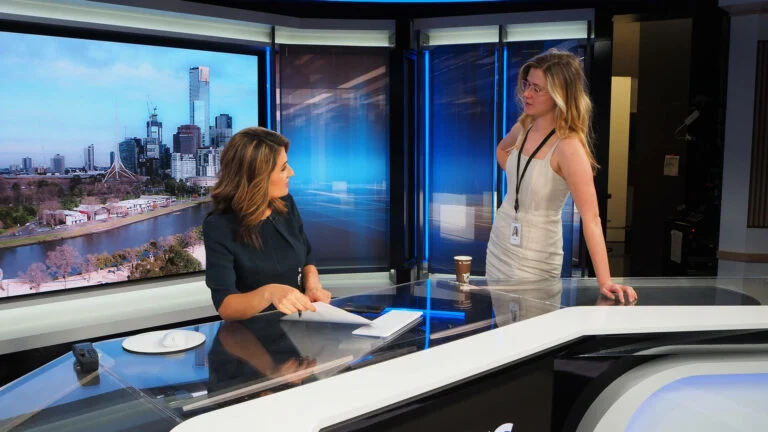
As she returns to Afternoon Briefing, Karvelas will succeed Greg Jennett, who will move on to present the ACT 7pm News from Sunday to Thursday and conduct Stateline interviews in 2025.
ABC News director Justin Stevens commended both journalists, stating that Karvelas and Jennett would provide valuable insights into Australian and international politics in their new positions.
“Patricia Karvelas and Greg Jennett are among the best political journalists in the country and will ensure audiences receive the most up-to-date insights and analysis, bringing their extensive experience to the most significant stories, both here and overseas,” Mr Stevens remarked. “They will be integral members of our coverage as we prepare for the next federal election.”
This transition follows a decline in listenership for RN Breakfast in four of the five major capital cities during October.
Source: news.com.au.
