By Eleni Elefterias
What do you think is the problem with Greek language learning in Australia and do you have a solution?
Recently, I asked this question to a University colleague from the Engineering and Biomolecular Faculty of Sydney University.
“The teaching of the language needs more structure and to be geared for our Australian born children,” says Alex Missiris.
Alex successfully taught her daughter, Christina, Greek and highly recommends a private tutor.
“As an Australian-born Greek, I was not impressed with my own language learning as a child at Greek afternoon school, when I was slapped across the face and fell to the floor because I couldn’t answer a question in Greek. This happened in the 70’s and it stopped me from learning better Greek.
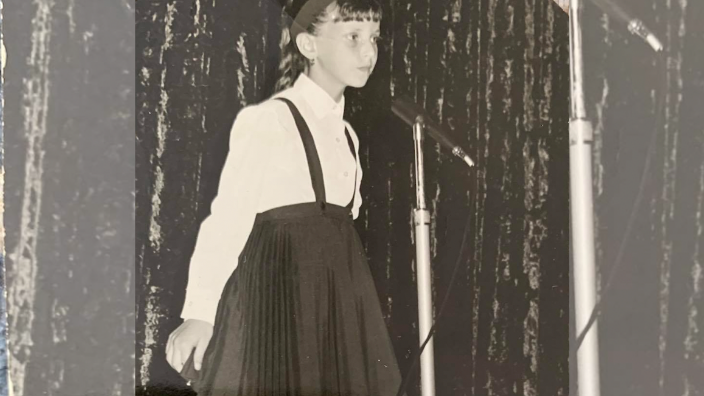
“I went through eight different tutors until I found the right one for my daughter in Michelle Pikoulas If it were not for Michelle, my daughter who is half Italian, would not have acquired the fluent language skills in Greek she has today,” says Alex.
Alex gave up Greek school after her bad experience, which is a pity, because for those of us who persevered, in the 60’s and 70’s, we learnt a lot.
Of course, there will always be good and bad teaching. Today we are lucky that we have a new influx of Greek teachers from Greece migrate to live or work Australia.
Unfortunately, their teaching methods are geared to children in Greece who have already had much incidental learning before starting school.
Luckily, we have a new program offered by the Sydney Institute for Community Languages directed by Professor Ken Cruickshank, which is open to all teachers of Community languages, whether they have completed University previously or not.
The course provides is a valuable resource for teachers as not only does it teach teaching methodology but it also teaches the difference between indigenous language learners, in their own country and children born to migrants in Australia.
READ MORE: How can associations help the continuation of the Greek language?
*Eleni Elefterias-Kostakidis is a teacher of Modern Greek and University lecturer. Read her column ‘Insight or Perspective’ in Greek, every Saturday in The Greek Herald’s print edition or get your subscription here.