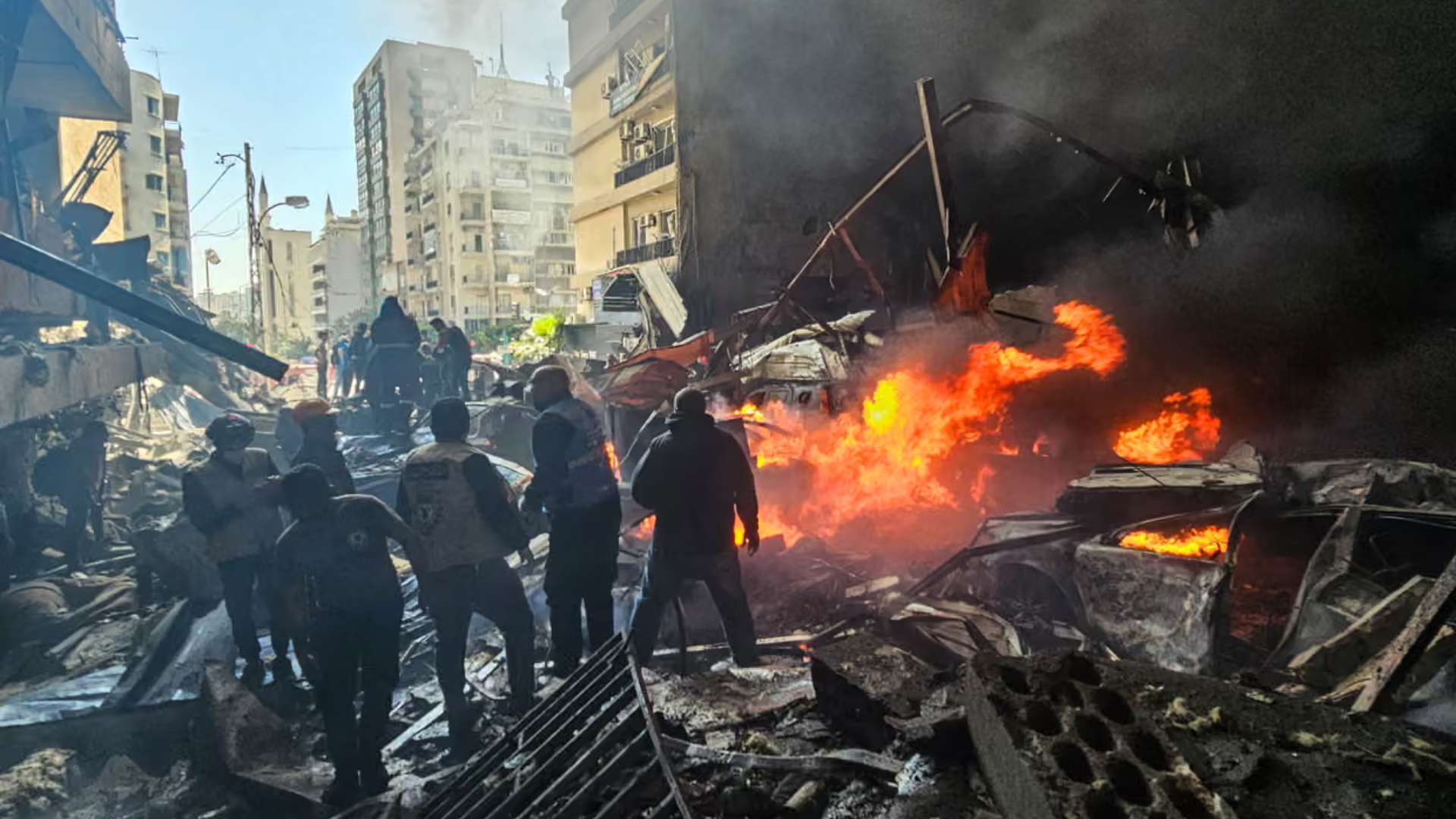
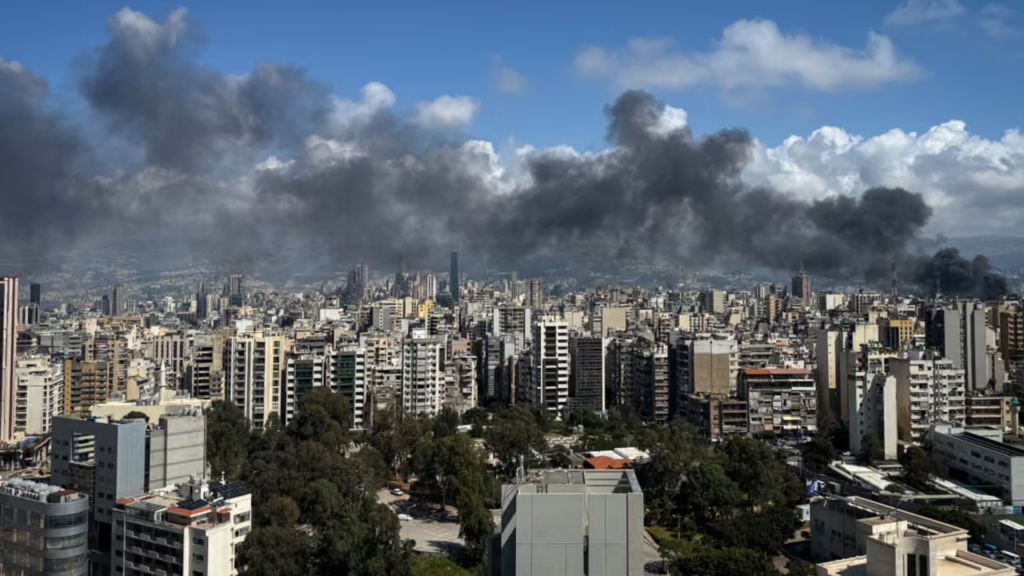
Overnight, hundreds of people have been killed and wounded after Israel carried out its largest attack on Lebanon since 2024 against claimed Hezbollah targets. Massive explosions were reported across the country.
The Israel Defense Forces (IDF) launched 100 different attacks on the Iranian-backed militant group in a 10 minute window on Wednesday. Lebanon’s defence ministry have announced the attack has left at least 254 people dead and over 800 injured.
While the IDF had issued some warnings which urged Lebanon residents to evacuate, not all areas were notified. IDF’s international spokesperson Lieutenant Colonel Nadav Shoshani said “There are certain elements and incidents where the element of surprise is necessary and is used.”
A statement released from the office of the Lebanese President, Joseph Aoun, said the “massacre” Israel had committed was “barbaric.”
“This dangerous escalation places full responsibility on the Israeli entity for its repercussions, and we affirm that the continuation of these aggressive policies will only lead to further tension and a complete lack of stability, at a time when all are most in need of de-escalation and respect for commitments,” the presidency said.
While Israel insists Hezbollah is its target when striking, the rising death toll of civilians forms a different narrative. Before Wednesday’s mass attack, Lebanon’s death toll was more than 1,500 people with near 5,000 people injured. More than 1 million people have been displaced.
Australia responds to Lebanon attack
Australia has released a statement about the attacks alongside Brazil, Colombia, Indonesia, Jordan, Sierra Leone and the UK, urging that Lebanon be included in the Middle East ceasefire. They expressed their concern about “the worsening humanitarian situation and displacement crisis in Lebanon.”
“Attacks that threaten the safety and security of humanitarian personnel must stop. International humanitarian law must be upheld by all parties to the conflict in all circumstances,” the statement read.
“We condemn in the strongest terms actions that have killed UN peacekeepers and significantly increased the risks faced by humanitarian personnel in southern Lebanon.”
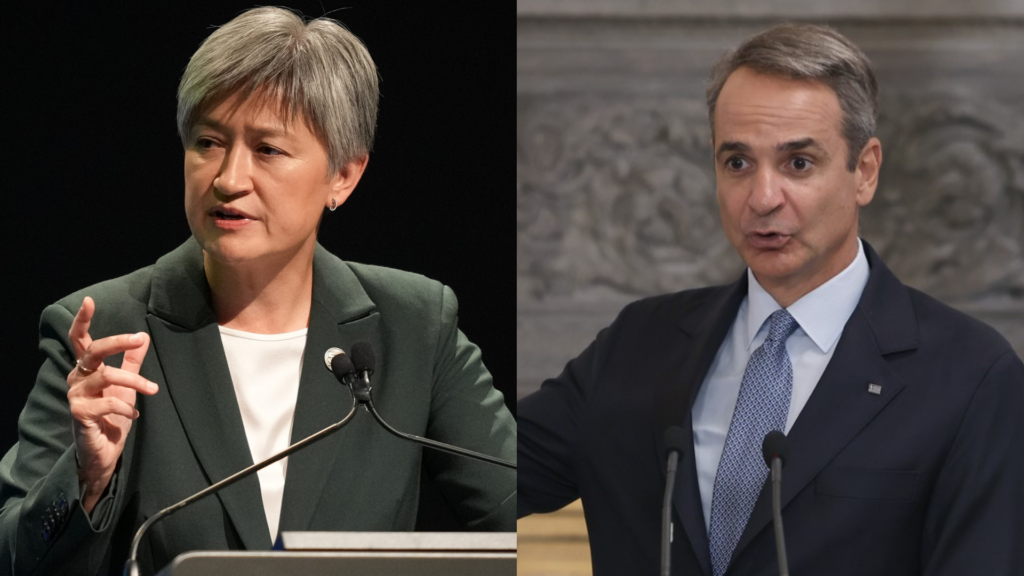
Foreign Affairs Minister Penny Wong said in an interview that if fighting were to continue in Lebanon “it risks the whole ceasefire across the region.”
“So we called for that last night,” she said. “We’ve been joined overnight by the G7 and other countries saying the same thing, and we continue to assert that.”
Greece’s Prime Minister expresses concern over attacks
Greek Prime Minister Kyriakos Mitsotakis called Israeli operations in Lebanon “counterproductive” and warned that an increase in attacks could trigger a humanitarian crisis.
In a CNN interview, Mitsotakis emphasised that all attacks must stop to reach a continued ceasefire.
He stressed Greece’s support for maritime security and the reopening of the Strait of Hormuz, saying Greece is “the world’s leading maritime power, and I have always supported unrestricted passage,” and insisted “the Strait of Hormuz has always been open to free navigation, and I believe it must remain so in the future.” He also opposed any future shipping fees.
He reaffirmed confidence in NATO, calling for a stronger European defence role, higher defence spending, and greater strategic autonomy, noting it would complement—not undermine—the alliance.
Source: ABC News, The Guardian, Kathimerini
