European court rules against Greece in landmark immigration case

·

The European Court of Human Rights has found Greece guilty of systematically conducting illegal pushbacks of asylum seekers, ordering the country to pay €20,000 in damages to a woman forcibly expelled to Turkey in 2019.

The Strasbourg-based tribunal ruled that Greece violated the European Convention on Human Rights by forcibly deporting the woman, identified as ARE, despite her attempts to seek protection.

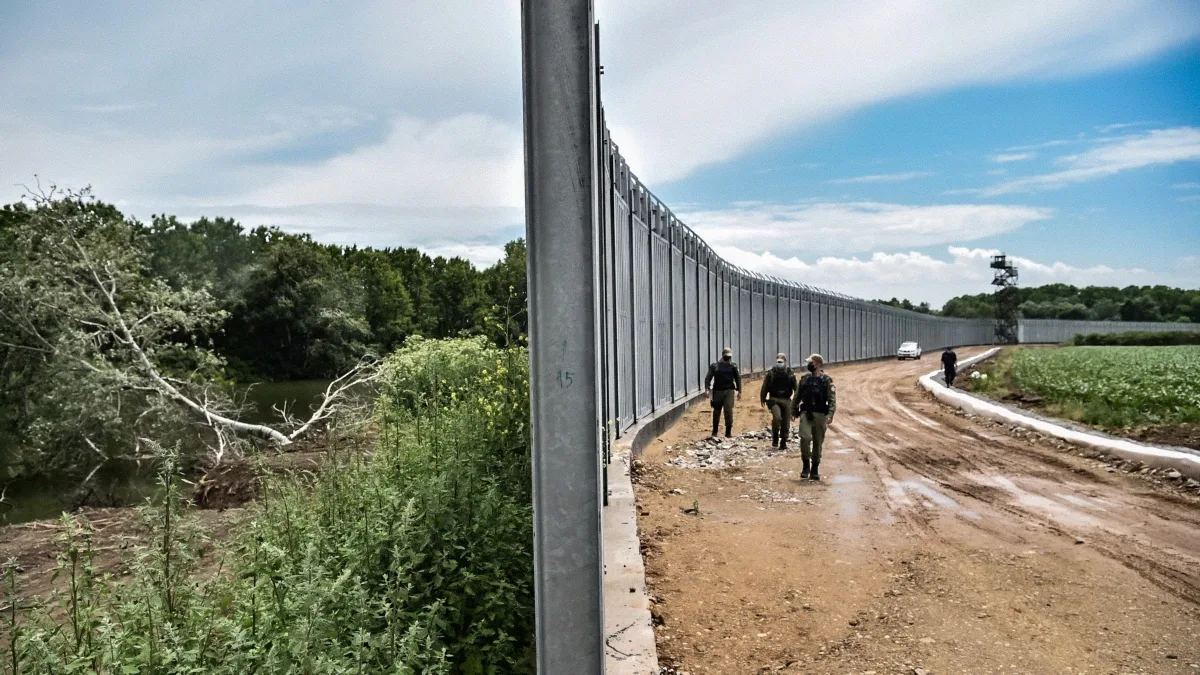
The court cited “strong indications” of a “systematic practice of pushbacks” by Greek authorities, particularly in the Evros region, marking the first time Greece has been publicly condemned for such actions. This ruling also represents the first time the court has examined a pushback complaint involving Greek authorities.
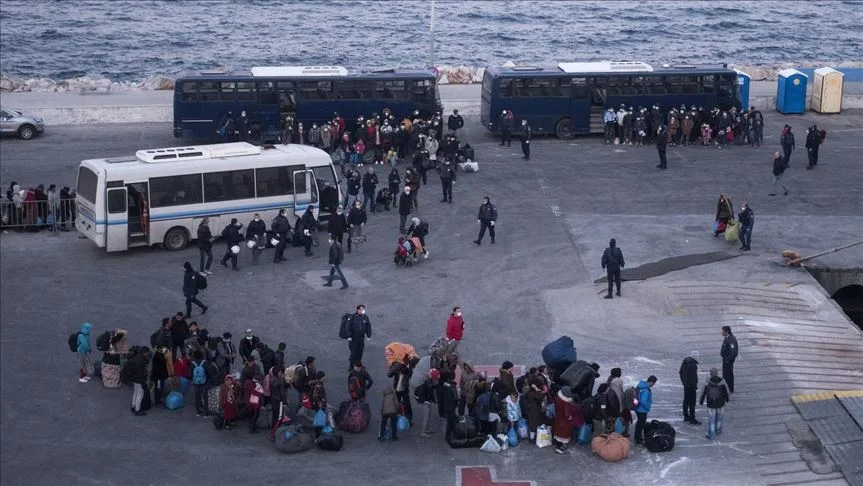
The Greek Council for Refugees (GCR), which represented the complainant, called the judgment a “landmark” decision. ARE, who fled political persecution in Turkey, had been detained and expelled under cover of darkness by commandos in balaclavas, before being sent back to Turkey. She was later arrested and imprisoned by Turkish authorities on charges related to the Gulen movement.

Marina Papamina, GCR’s legal coordinator, described the ruling as a “vindication” for the many others subjected to pushbacks, urging Greek authorities to end the illegal practice. Greece’s government, led by Prime Minister Kyriakos Mitsotakis, has consistently denied such allegations, maintaining that its migration policies are legal and fair.

The ruling is seen as a major step in exposing widespread pushbacks, with human rights groups calling it a significant victory. Lefteris Papagiannakis, director of the Greek Refugee Council, said the decision would serve as a precedent for similar pending cases before the court.

Source: The Guardian.

Share:

KEEP UP TO DATE WITH TGH

By subscribing you accept our Terms of Service and Privacy Policy.

Latest News

Greece records longest working week in the EU, Eurostat data shows

Workers in Greece recorded the longest average working week in the European Union in 2025, according to new Eurostat figures.

Cannabis use among Greek teens reaches 25-year high

Cannabis use among teenagers in Greece has climbed to its highest level in 25 years, according to new findings released.

Metallica fans shook Athens harder than Iron Maiden, seismologists find

Fans of Metallica generated stronger seismic activity than supporters of Iron Maiden during recent Athens concerts, according to a study.

Investigation underway after historic bell disappears from Pylos fortress

Authorities in southwestern Greece are investigating the disappearance of a commemorative bell from a chapel inside the historic Niokastro fortress in Pylos.

Standoff grows over reopening of Kalavryta’s historic rack railway

A disagreement has emerged between the Greek government and local authorities in Kalavryta over the reopening of the famous Diakofto–Kalavryta rack railway.

You May Also Like

Greek villagers enlisted to catch migrants at Turkey border

Greek villagers are helping to locate migrants who manage to slip across the Turkish border despite the expanded police force guarding the divide.

AUKUS: France slams Australia over move to ditch $90b submarine deal

French foreign minister Jean-Yves Le Drian has responded furiously to the cancellation of what was Australia's largest ever defence contract.

2035: The end of the Greek community of Australia as we know it (Part Four)

In my previous three articles, I argued that 2035 will mark the biggest and most radical transformation that Australian Hellenism has experienced.