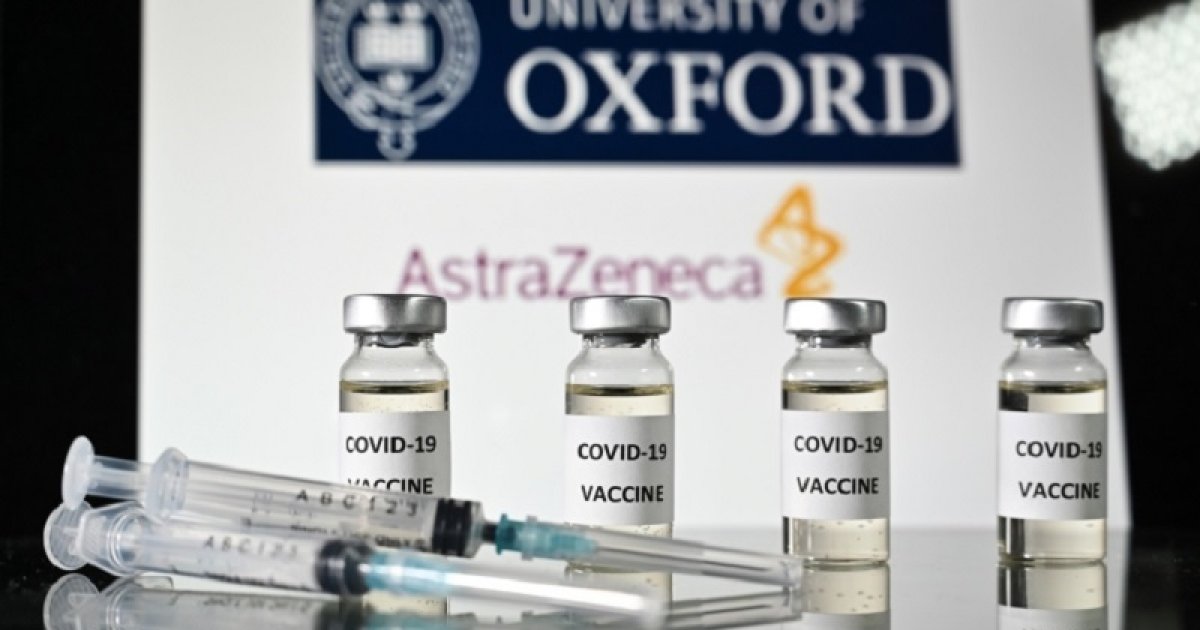
Australia to receive first batch of AstraZeneca’s vaccine for COVID-19 by New Year’s Day

·

Australia’s first doses of the COVID-19 vaccine are on track to be ready by New Year’s Day.

Vaccine manufacturer CSL, which began producing AstraZeneca’s jab formula on November 9, expects the initial batch to be finished on December 28.

It takes approximately 50 days to make each batch of the vaccine, the company has told News Corp.

Before the jab can be administered clinical trials will have to prove it works and the TGA will have to assess its safety and efficacy. This is unlikely to happen before late January.

Health Minister Greg Hunt has forecast the first doses of any successful COVID-19 vaccine would be rolled out from March next year.
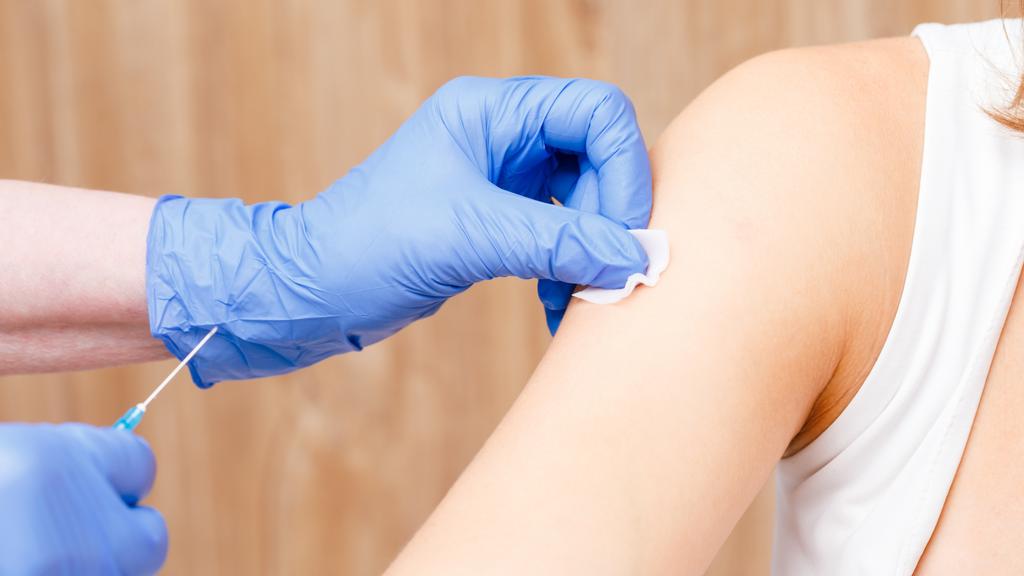
Health Minister Greg Hunt has forecast the first doses of any successful COVID-19 vaccine would be rolled out from March next year. Picture: Getty Images

“The overall program is tracking well and first doses are still planned for release in the first half of 2021, pending the outcome of clinical trials and regulatory approval,” a CSL spokesperson said.

“There’s still a way to go and our first priority remains the safety and efficacy of the vaccines produced. We are undertaking these manufacturing activities in parallel with the clinical trials and regulatory approvals processes in recognition of the significant urgency of the COVID-19 pandemic.”

The AstraZeneca jab, formulated in conjunction with Oxford University, is one of four coronavirus vaccines purchased by the federal government.

Purchasing agreements have also been struck with Pfizer/BioNtech, Novavax and the University of Queensland.
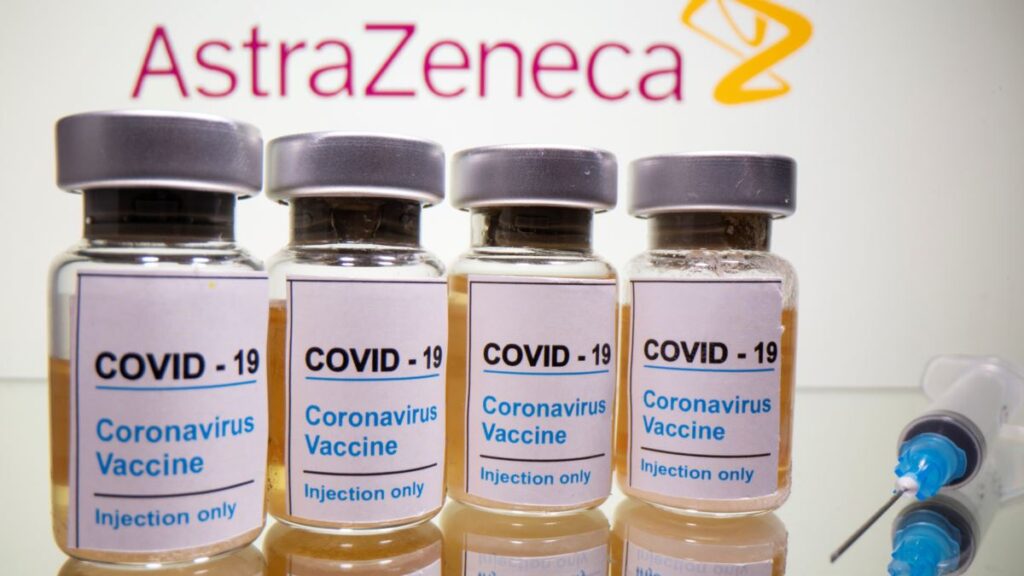
Vials with a sticker reading, “COVID-19” are seen in front of a displayed AstraZeneca logo in this illustration taken October 31, 2020. (REUTERS/Dado Ruvic/Illustration/File Photo)

Two vaccines made by Pfizer/BioNtech and Moderna have already reported on clinical trials showing their shots were are 95 per cent and 94.5 per cent effective at preventing COVID-19.

Australia’s vaccine agreements include the purchase of 10 million units of the Pfizer vaccine, 33 million units of the University of Oxford/AstraZeneca vaccine, 40 million units of the Novavax vaccine and 51 million doses of the University of Queensland vaccine.

The vaccines — all which are due to be available in 2021 — require two doses to be administered several weeks apart.

Sourced By: Daily Telegraph

Share:

KEEP UP TO DATE WITH TGH

By subscribing you accept our Terms of Service and Privacy Policy.

Latest News

Contiki lures young Australians to Europe by covering passport costs for 2026

Europe is set to benefit from a surge in Australian youth travel as Contiki launches a promotion reimbursing the full AUD 412 cost of an Australian passport.

SoulChef Sundays: Festive cake trio

SoulChef Georgia brings three Christmas cakes that blend Greek soul, festive warmth, and her signature global flair.

Athens international airport reaches net zero 25 years ahead of aviation goals

AIA has completed its Route 2025 initiative, achieving Net Zero emissions in 2025-25 years earlier than the global aviation sector’s target.

Rare Roman-style ‘Good Shepherd’ fresco discovered near Nicaea

Turkish archaeologists have uncovered an exceptionally well-preserved fresco depicting Jesus as the “Good Shepherd".

Greek Panayiri featured in Geelong’s ‘Windows of the World’ Christmas showcase

Geelong’s entre has been transformed into a celebration of global culture this festive season, with a distinctly Greek presence shining.

You May Also Like

Rachel Evagelou sends message to younger women after ‘shock’ breast cancer diagnosis

Rachel Evagelou's aggressive, stage-three breast cancer diagnosis came as a "huge shock" because the 48-year-old believed she was still a couple of years shy of having to get a mammogram.

Mitsotakis and Erdogan agree to improve ties during meeting in Istanbul

The leaders of Greece and Turkey held talks over lunch in Istanbul on Sunday in a rare meeting between the neighbouring countries.

The story behind Greek Australian soldier reading The Greek Herald during WWII

This is the story of Xenophon Castrisos - the Greek Australian soldier captured reading The Greek Herald during WWII.