Two of Melbourne’s south-eastern suburbs set to become city’s new CBD

·

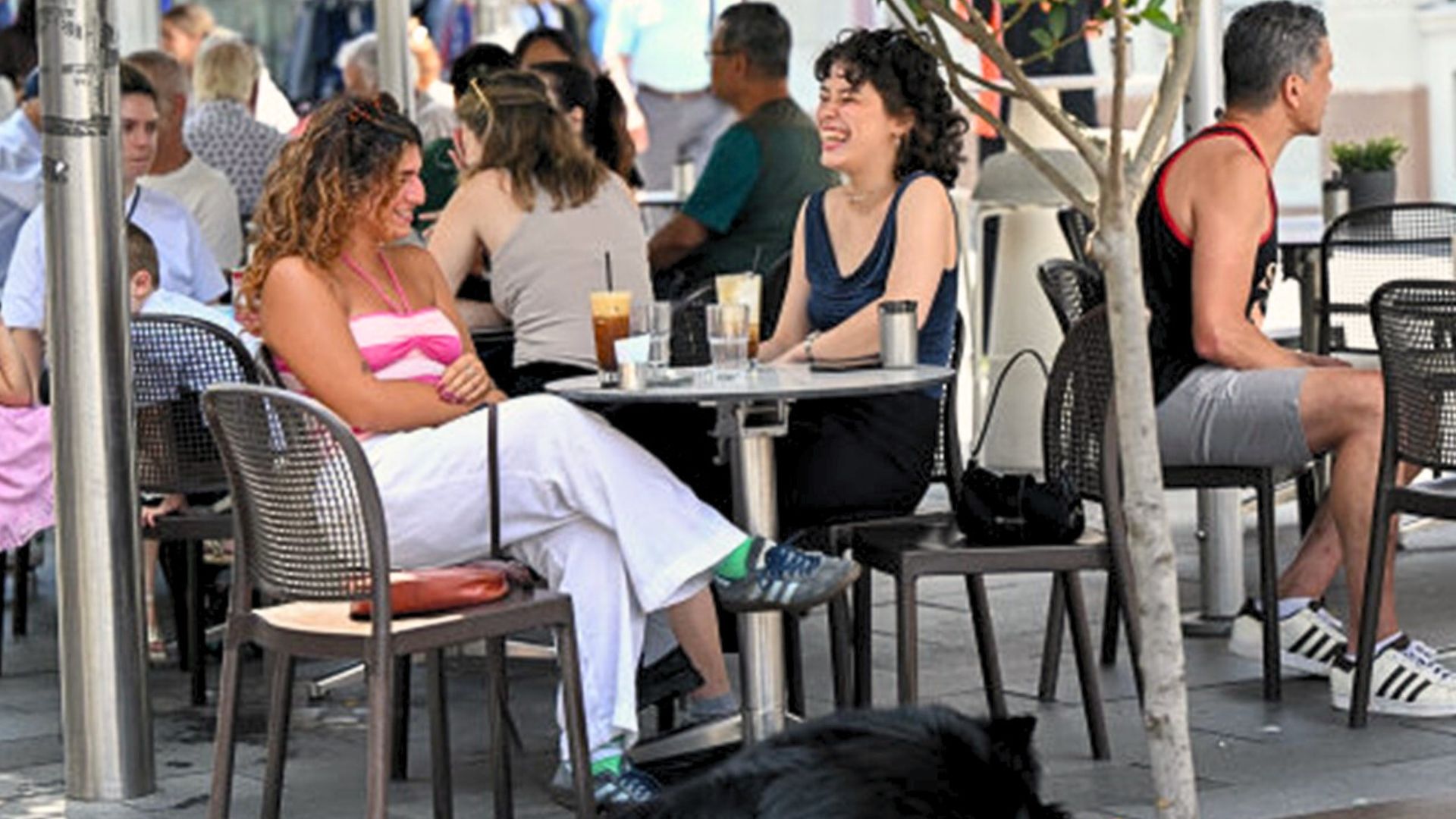
The wider City of Monash region in Melbourne, housing suburbs Oakleigh and Clayton, is set to transform into an employment and population hub that, if eventuated, will match Melbourne’s Central Business District (CBD) today.

According to The Age, the Monash University precinct and surrounds is already the busiest employment cluster outside of Melbourne’s CBD.

The area, which includes the Monash Medical Centre, Children’s Hospital, Victorian Heart Hospital, the CSIRO, the Australian Synchrotron, and an increasing number of biotechnology companies and start-ups, is attracting highly trained professionals, including many migrants.

Mount Waverley resident, Gregory Liakatos who drives to Oakleigh’s Eaton Mall often for Greek coffee, welcomes the changes to come despite what he has grown accustomed to all these years.
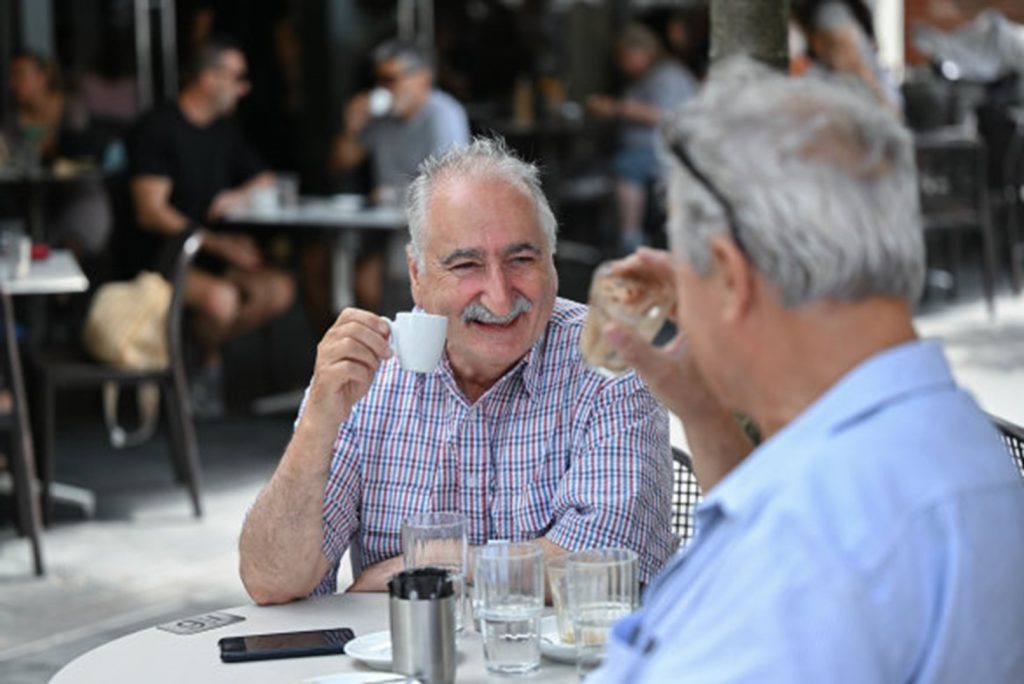
Gregory Liakatos with lifelong friend James Kaloumeris enjoying Greek coffee in Oakleigh. Photo The Age.
Gregory Liakatos with lifelong friend, James Kaloumeris enjoying Greek coffee in Oakleigh. Photo: Joe Armao.
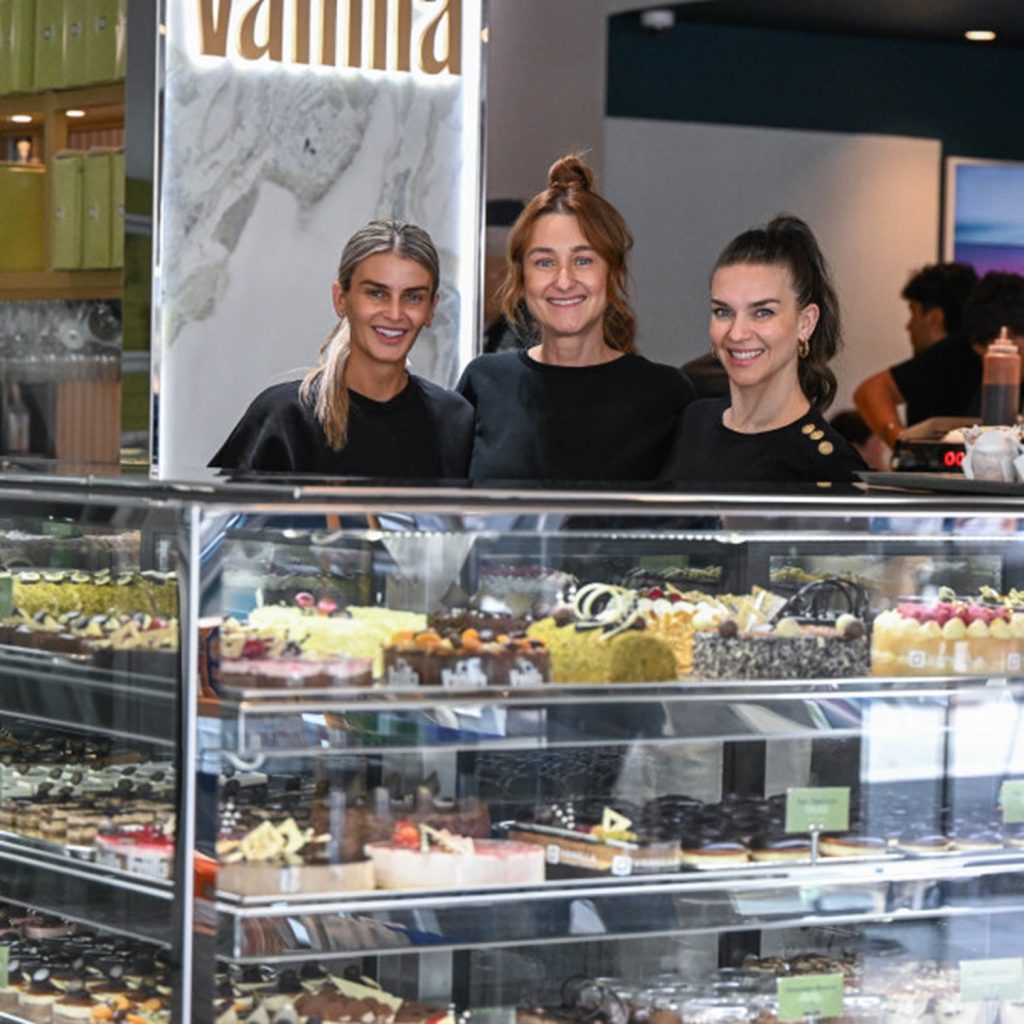
Vanilla Lounge owners Tia Spanos Tsonis (far right) with her two sisters.CREDIT JOE ARMAO.
Vanilla Lounge owners, Tia Spanos Tsonis (far right) with her two sisters. Photo: Joe Armao.

“We’ve got lots of other nationalities coming in adding to the beauty of the place,” he says. “Things can’t stay the same forever. This is life. Melbourne has to grow,” Liakatos said.

Tia Spanos Tsonis, one of the owners of Oakleigh’s famous Vanilla Lounge, a family-owned Greek patisserie and Mediterranean restaurant, stated that Eaton Mall has evolved over the previous 15 years from a largely Greek client base to a mix of cultures and international tourists.

“It’s become a destination,” says Tsonis, the daughter of Greek migrants, whose family have been in hospitality for 50 years.

Clayton’s Grain Emporium owner, Nick Mademlis who opened his bakery 27 years ago, shared similar sentiments for his suburb and says the transformation of Clayton has helped it to thrive.

“Back in the day, Clayton was European city,” he says. “Now it is a younger demographic. It’s dynamic and it is vibrant…” Mademlis said.

The population in the vicinity of the new Monash station will increase from around 14,000 to 30,500 by the middle of the century, while the number of employment will increase from 36,500 to 162,000.

If those forecasts are true, the combined Clayton and Monash University district will have the same number of employment (219,500) as Melbourne’s CBD today.

Source: The Age

Share:

KEEP UP TO DATE WITH TGH

By subscribing you accept our Terms of Service and Privacy Policy.

Latest News

Echoes from the past: Owl skyphos from Athens

The owl is one of the most famous symbols of ancient Greece. Particularly associated with the goddess Athena.

Love, language and belonging: A Valentine’s Day story about choosing to be Greek

I must have been five, maybe six, watching my neighbour flip lamb on the barbecue while Greek music drifted from inside.

More than roses: How Greek Australian couples celebrate Valentine’s Day their way

The Greek Herald spoke with Greek Australian couples to hear their love stories and learn how their bonds have strengthened over time.

Bank of Sydney shares banking tips to help households and businesses in 2026

The latest inflation data confirms that price pressures are proving more stubborn than policymakers had anticipated.

Discover Athens food culture in a new cookbook‑memoir‑guide

This book is a collection of 150 recipes, but it is also much more than that. Kochilas calls it “part memoir, part reporting, and part guide” (9).

You May Also Like

Niki Louca shares her recipe for potato frittata

Niki Louca from My Greek Kitchen shares her favourite recipe for potato frittata with The Greek Herald. 

Are apps like Duolingo enough to learn Greek, or do we need a tutor?

For many people who want to learn conversational Greek, an app, can be a very useful addition to your program.

A return to the village: Are Greek Australians drawn to a slower life?

Many young Greek Australians now count the days between their holidays to Greece, desperate to return to the place their ancestors left.