Loukoumades: Take a bite into history behind the golden Greek donuts

·

Have you ever wondered how loukoumades came about and when they originated?

While being in the United States, I came across a special day celebrated here, National Donut Day, and I thought, what better way to celebrate than to enjoy some homemade Greek donuts – loukoumades.

While looking up recipes, I came across their history.
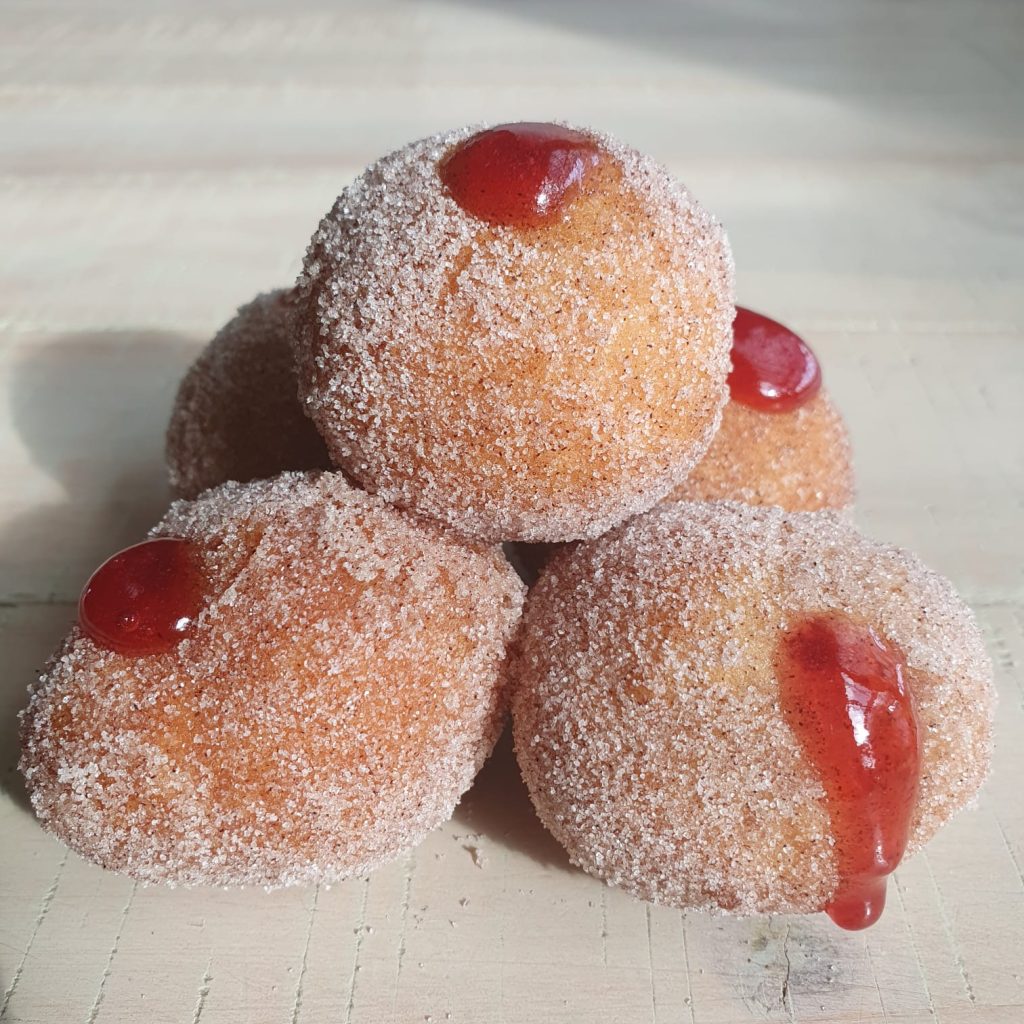
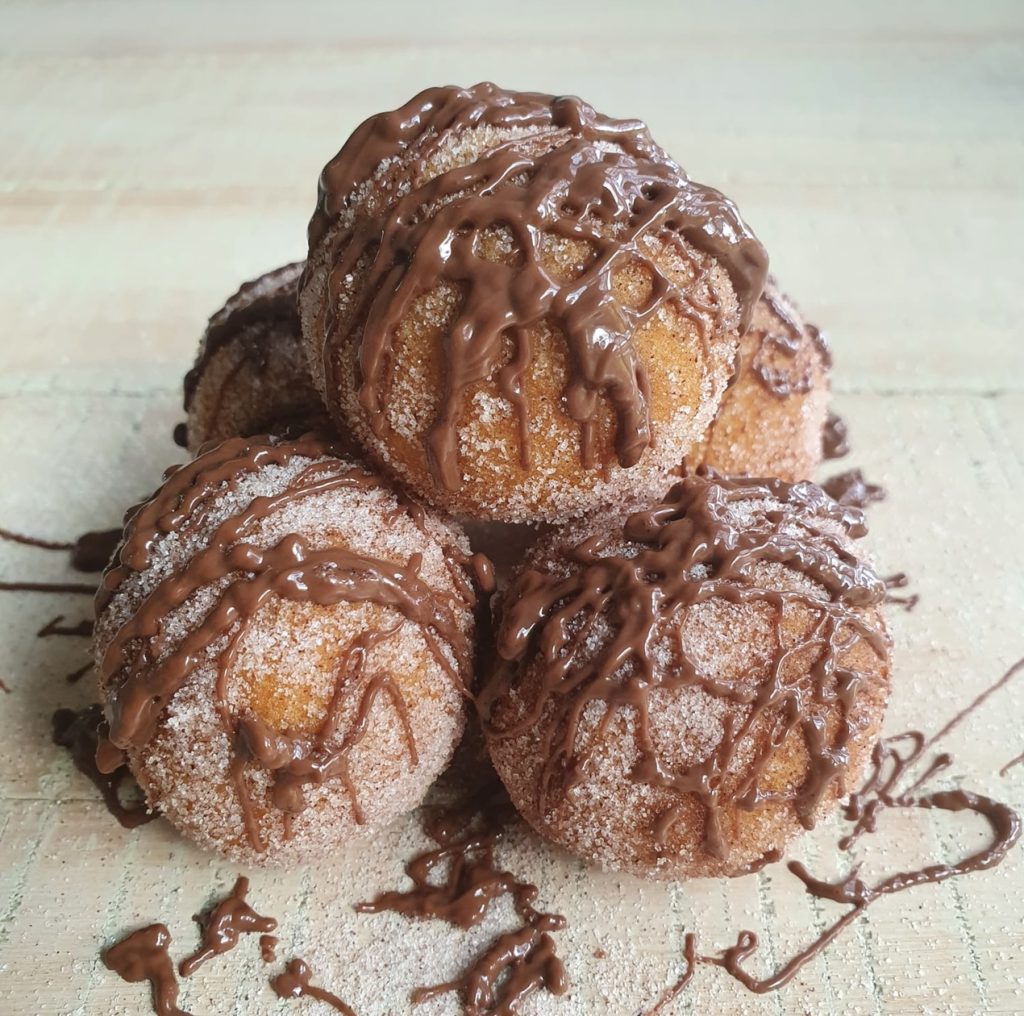
Loukoumades 1
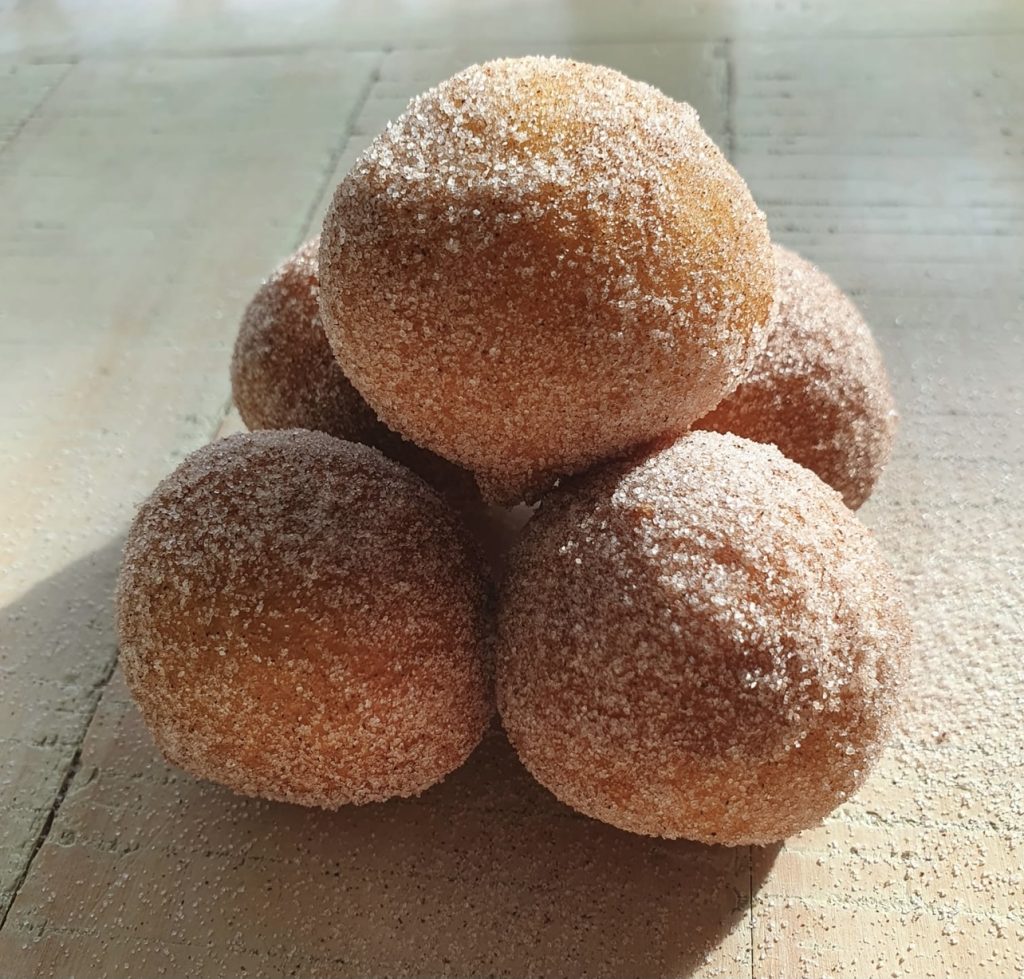
Loukoumades.
Loukoumades .
Loukoumades .
Loukoumades .
Loukoumades .
Loukoumades .
Loukoumades .
Loukoumades .
Loukoumades .
Loukoumades .
Loukoumades .
Loukoumades .
Loukoumades .
Loukoumades .
Loukoumades .


Did you know they date all the way back to the first Olympic Games?

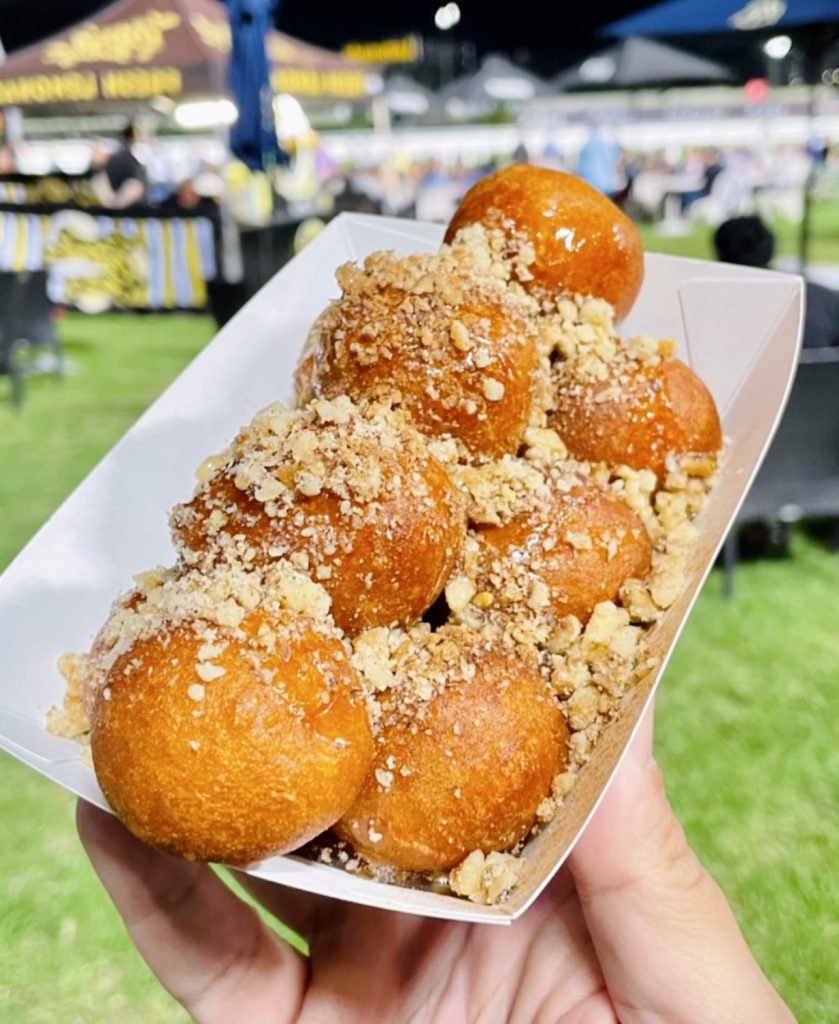
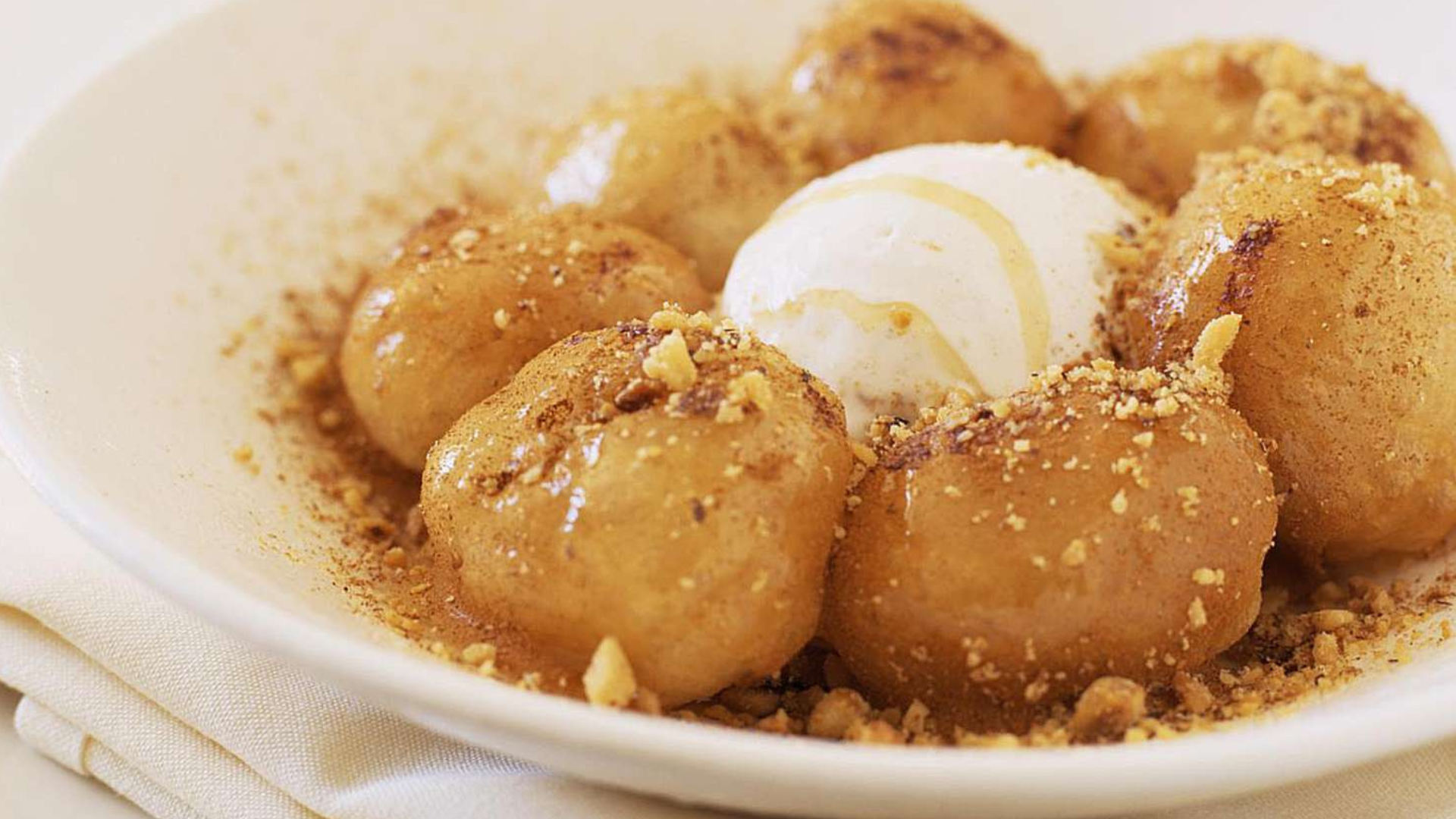
It is believed that when the Olympians were victorious, they would be rewarded in the form of “honey tokens,” which were fried dough balls topped off with honey – also known as loukoumades.

Although the sweet has Greek origins, recipes have been passed down and adapted throughout Turkey, Egypt, Persia and Italy.

‘They ticked all our boxes’:

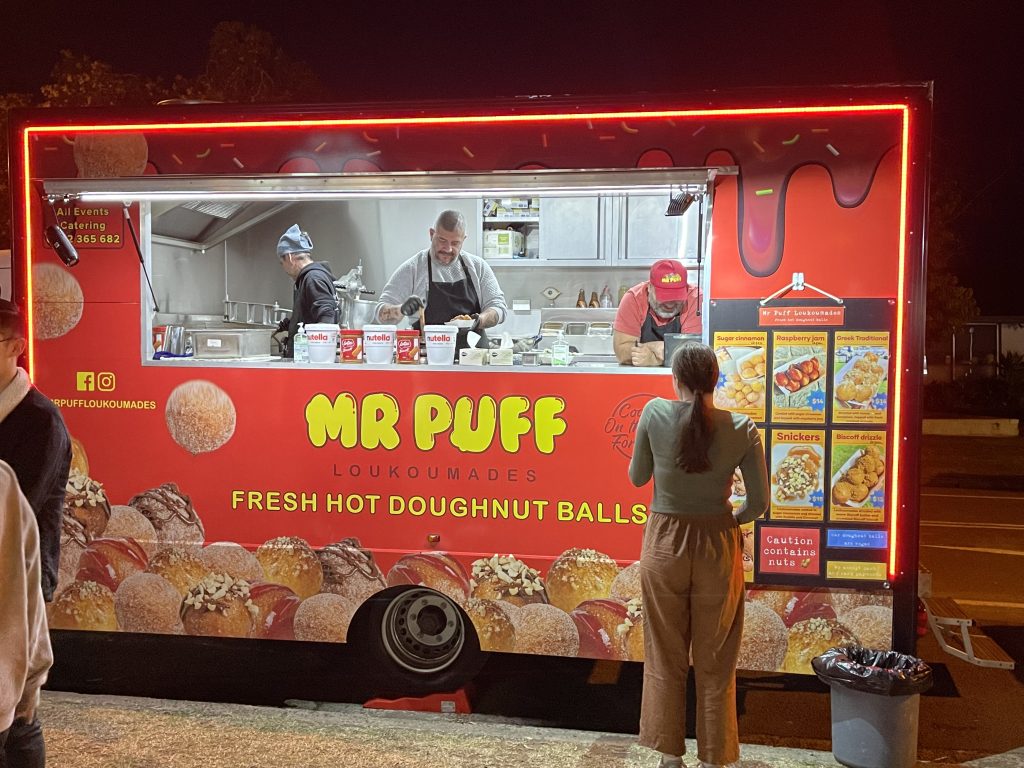
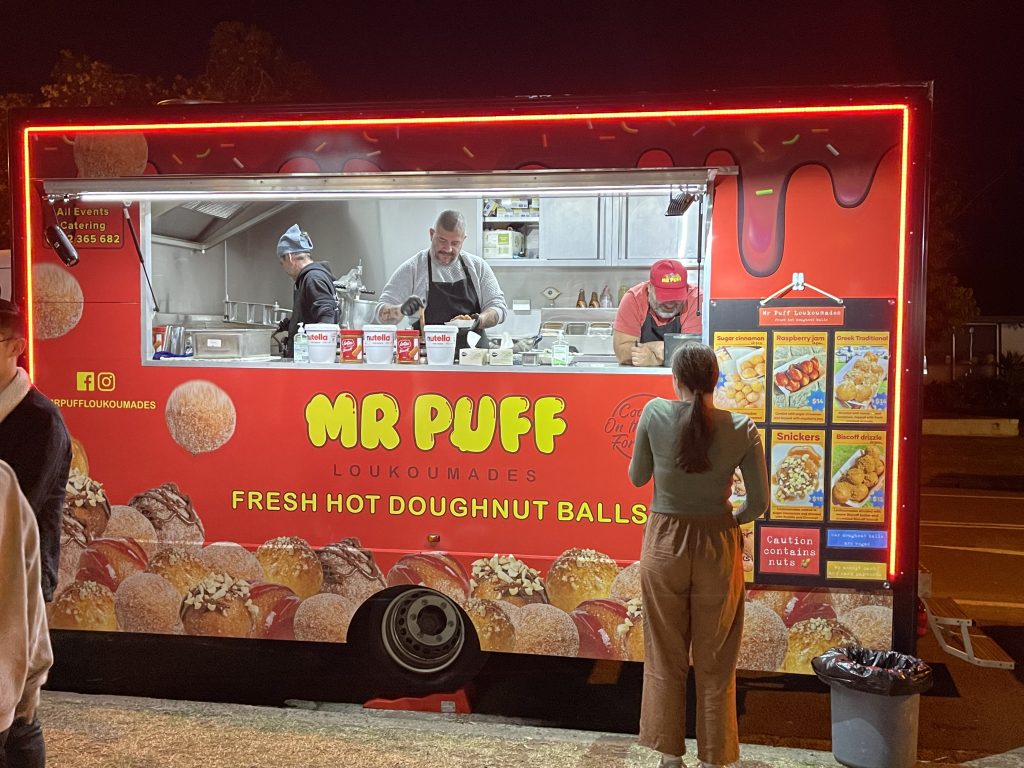
Michael and Eugenia Protopsaltis, a husband-and-wife duo, said their love for loukoumades led to them starting their own business in Sydney – Mr Puff.

They started it six years ago, when they were sick of their 9-5 jobs and wanted to have more flexibility for family time with their sons.

“The idea came from attending our local market; we said to ourselves what a wonderful environment to work with the stallholders,” Michael said.

“Loukoumades just ticked all our boxes. We wanted to sell a product that was Greek and something that was something not many other stallholders were selling.”

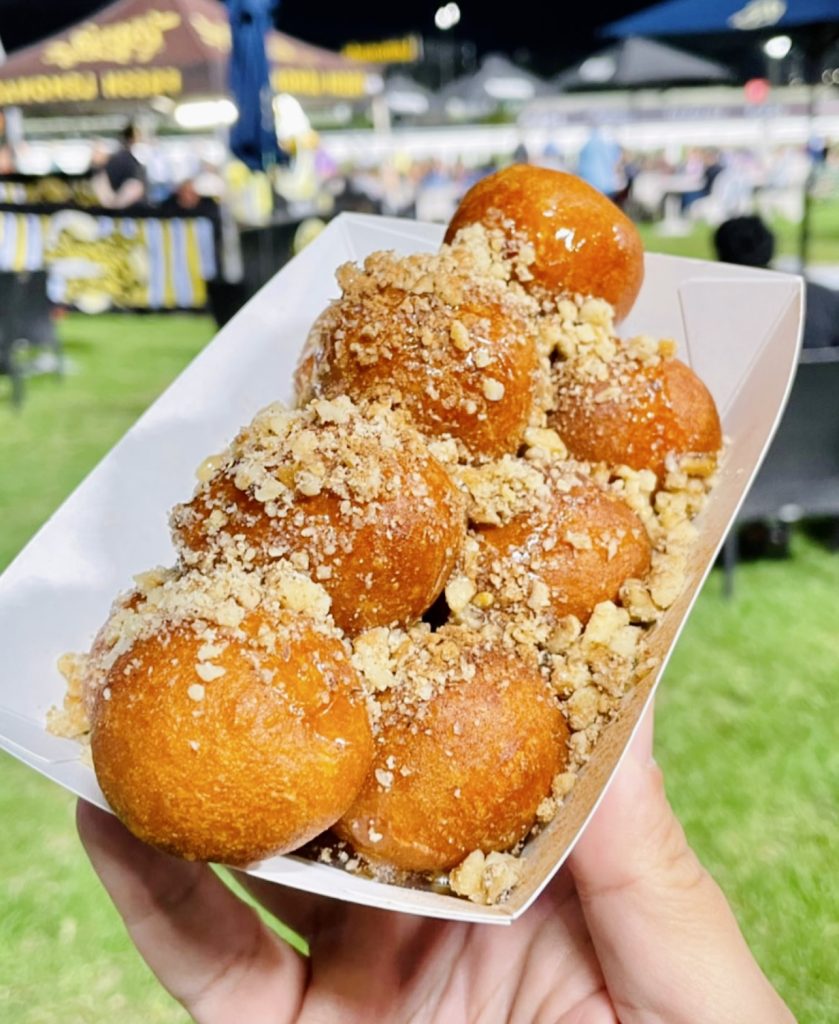
Michael described loukoumades as a traditional Greek donut that’s “golden brown, crunchy on the outside and soft on the inside.”
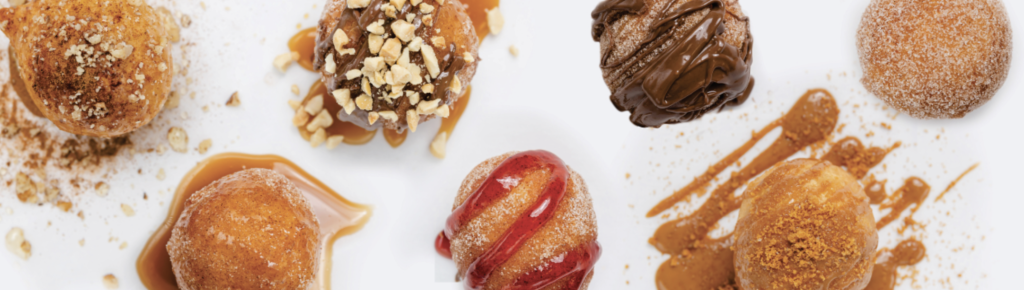
Serving window of food truck.

“We make seven different flavours of loukoumades,” he said. “The traditional ones are still my favourite with honey.”

Mr Puff sells loukoumades with toppings like Nutella, sugar, cinnamon, caramel, honey, walnut, ice cream and more.

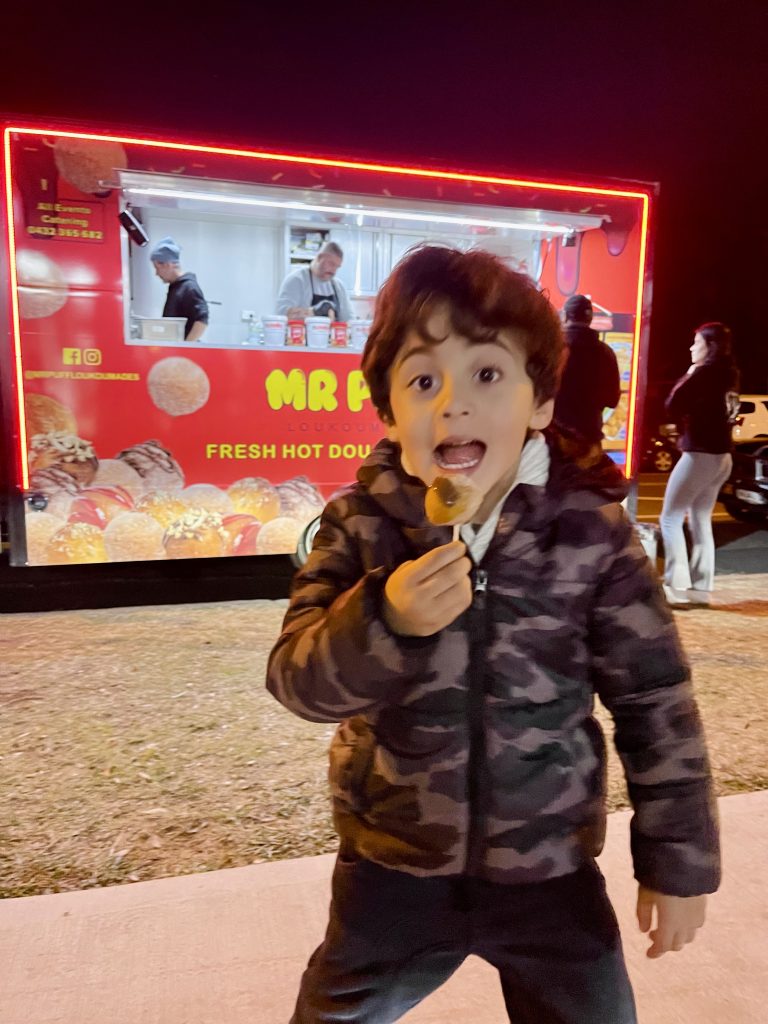
You can find Mr Puff’s loukoumades all over NSW and Australia at markets, food festivals and events.

“We take great pride in selling loukoumades to our customers,” Michael said.

“They always come back saying how yummy they are and how our loukoumades bring back memories of when their mums or aunties would make them fresh batches at home for the family to share.”

Share:

KEEP UP TO DATE WITH TGH

By subscribing you accept our Terms of Service and Privacy Policy.

Latest News

Delacroix masterpiece to visit Greece for historic anniversary

Eugène Delacroix’s celebrated 1826 oil painting “Greece on the Ruins of Missolonghi” will travel to Greece this April.

Femicide in Greece: Statistics, stories and the struggle for change

This crime, enacted more often by a partner, ex-partner, or family member, is usually preceded by domestic violence.

Sifnos named top 2026 Greek island escape for Australian travelers

Sifnos, a tranquil jewel of the Cyclades, has been crowned the leading 2026 destination for Australian travelers.

Australia–Cyprus Achievement Awards honour service, scholarship and the next generation

The Australia–Cyprus Achievement Awards were held at the Chau Chak Wing Museum at the University of Sydney on Thursday, February 26.

Odeon of Herodes Atticus to close for three years for major upgrade

The Herodion will shut its doors at the end of July for a three-year restoration program aimed at preserving and modernizing the historic monument,...

You May Also Like

Extra guards to be placed at Greece-Turkey border

Greece will expand the number of border guards on its northern border with Turkey due to an increase in unauthorised migrants.

‘Taught me how to express affection’: The power of a Greek auntie

Resilience is the main word that comes to mind when I think of my 'special' Aunts. Special, because they were inspirational.

Christos Tsoraklidis: The Greek priest who swaps clericals for camo to honour Anzac Day

On Anzac Day, priest Christos Tsoraklidis swaps his clerical for camouflage to honour those who served the country in the Great War.