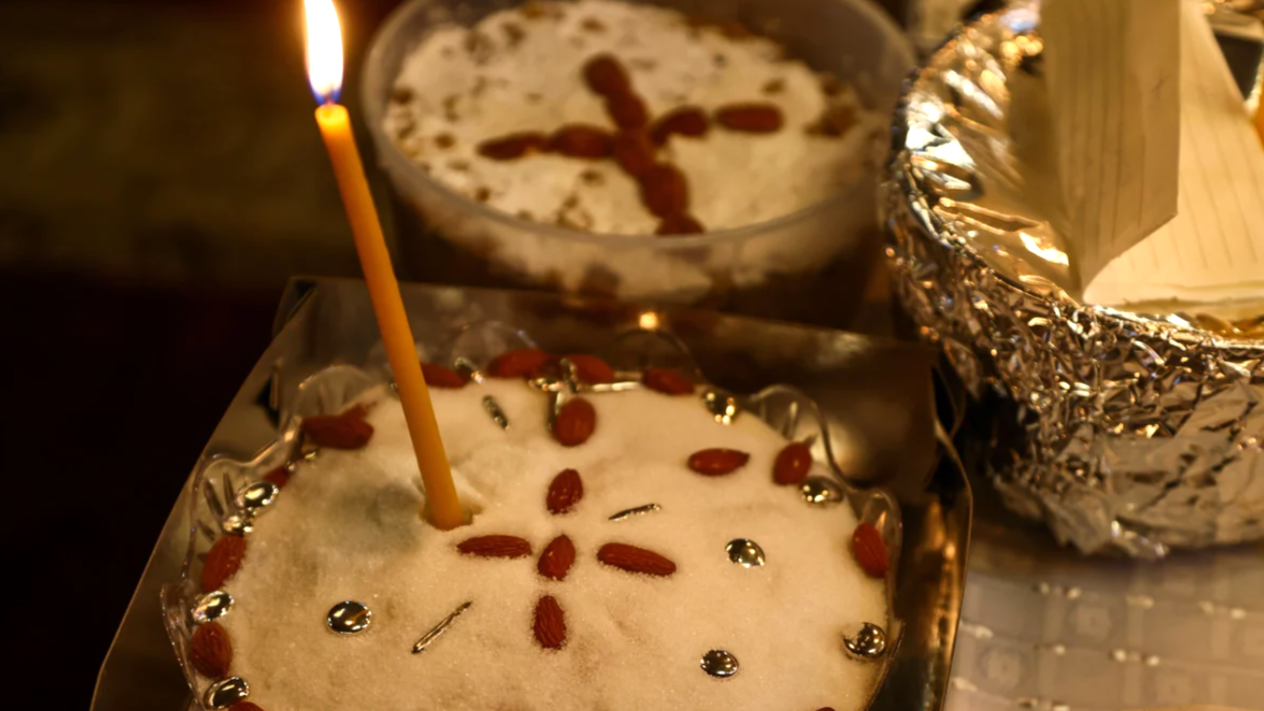
Psihosavato, also known as the Saturday of Souls, is a day that members of the Greek Orthodox community gather to pray for the dead, remembering that it was on the Great and Holy Saturday when Christ lay dead in his Tomb.
As Greeks come together and pray, they also celebrate the day with traditions that have been passed down through centuries.
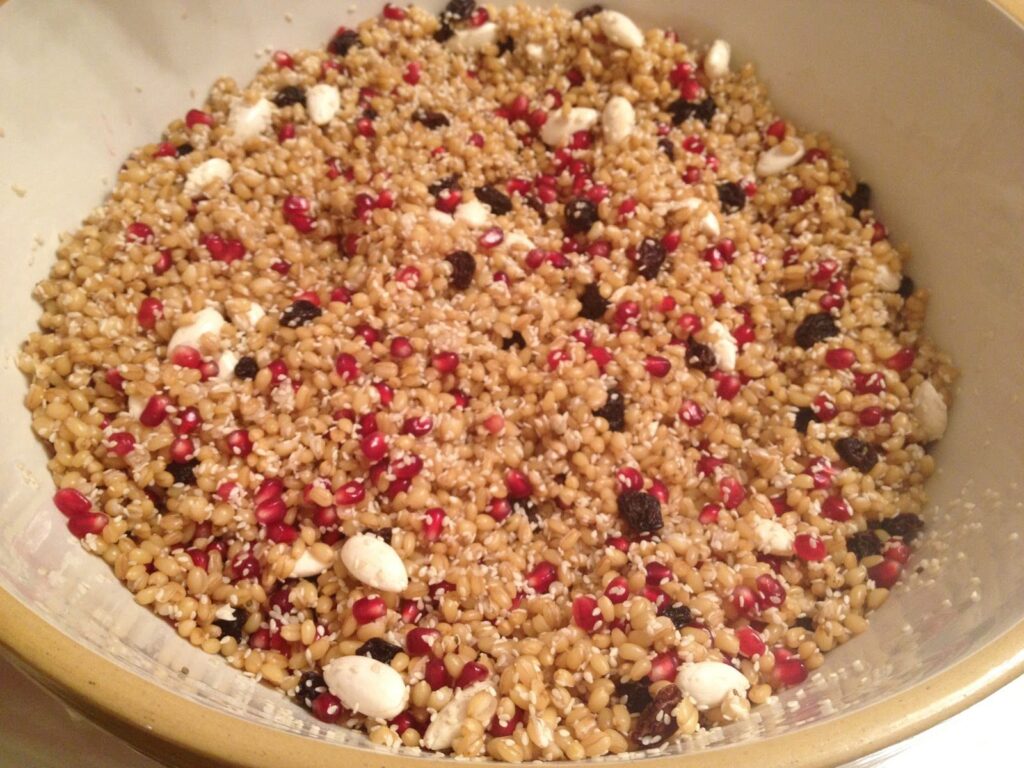
One of the most popular traditions is that of eating koliva. This is a delicious dessert that consists of wheat, raisins, cinnamon, nuts, pomegranate, and powdered sugar. This dish is handed out after a memorial service, and if there are any leftovers, they’re given to friends and family. This custom is thought to have originated in Ancient Greece, because the Ancient Greeks used to offer the dead a similar dish of wheat and nuts.
Another popular element of Psihosavato is the memorial service, in which a special memorial prayer is made to pray for the deceased’s forgiveness. This is also a time where many family members attend the tomb or burial site of a loved one, commemorating their death.
Psihosavato traditions can sometimes differ between different regions of Greece. In Crete, Soul Saturday is a day when people don’t cut down trees. This is because they believe there are souls sitting on the branches, and cutting the trees down would disturb them.
To help celebrate Psihosavato, here is a koliva recipe you can make at home!
Ingredients
- 500 g Olympian Hard Wheat
- 200 g Walnuts
- 200 g Grated Walnuts
- 200 g Almonds, blanched
- 1 Pomegranate (optional)
- 250 g Sultanas
- 2 tbsp Ground Cinnamon
Instructions
- In a bowl, add the hard wheat, cover with cold water and soak overnight.
- The following day, drain, transfer to a pot and cover with cold water.
- Boil over medium heat for about 60 minutes, until the wheat softens.
- When ready, drain.
- Spread a large, clean towel on a working surface and spread the wheat over it. Cover with another towel and let it dry overnight. It should have no moisture at all.
- Coarsely chop the walnuts.
- Coarsely chop the almonds.
- Finely grind the other walnuts in a blender.
- If you’re using pomegranate, cut in half, remove the white membrane and remove the seeds.
- In a large bowl, add all of the toasted ingredients, the pomegranate seeds and the remaining ingredients.
- Mix well with a wooden spoon and serve.
Recipe by: Olympian Foods

