Two initiatives were kickstarted in 2017.
Italian Greeks first proposed the creation of International Greek Language Day on February 9to celebrate the rich history of the Greek language. That same year in Australia, the Modern Greek Teachers Association of Victoria (MGTAV) commissioned the highly esteemed Italian Australian Language and Literacy Professor Joseph Lo Bianco to research the teaching of Modern Greek in Victoria as the first step towards saving it.
Professor Lo Bianco and the MGTAV say the decline of heritage languages, such as Greek, can be reversed despite the diaspora’s integration into mainstream society. A plan is already in motion.
Immersion is key
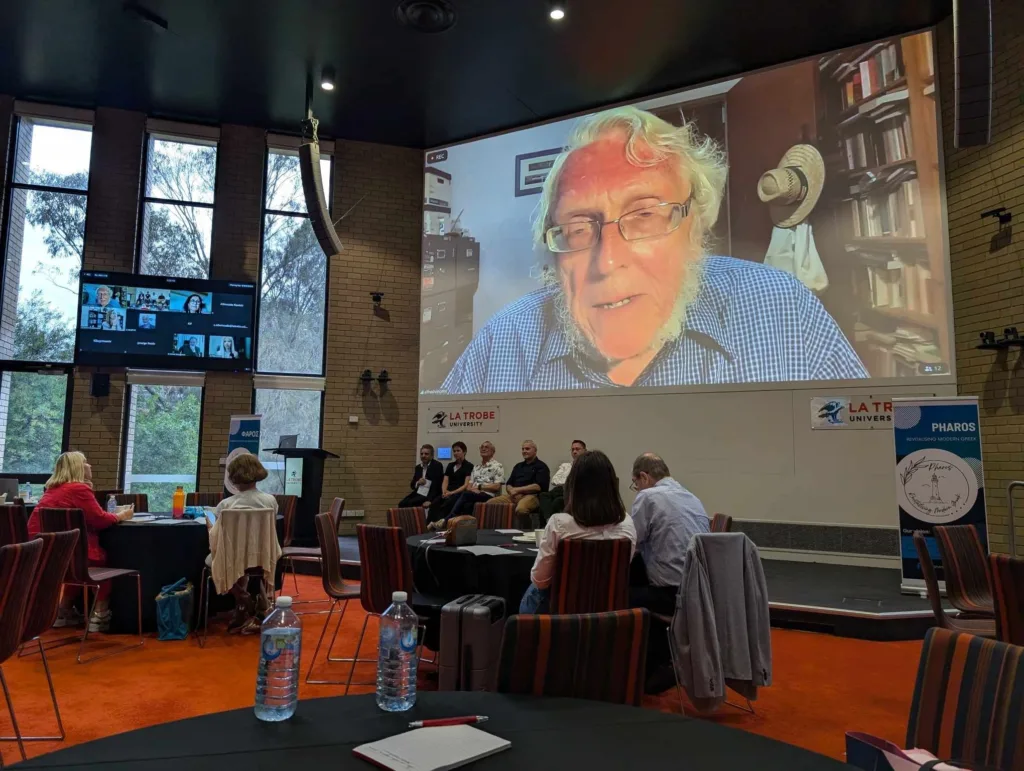
“Use it or you’ll lose it,” Dr Alfred Vincent, who taught Modern Greek for 25 years at the University of Sydney, warned at the inaugural Pharos symposium in December 2024.
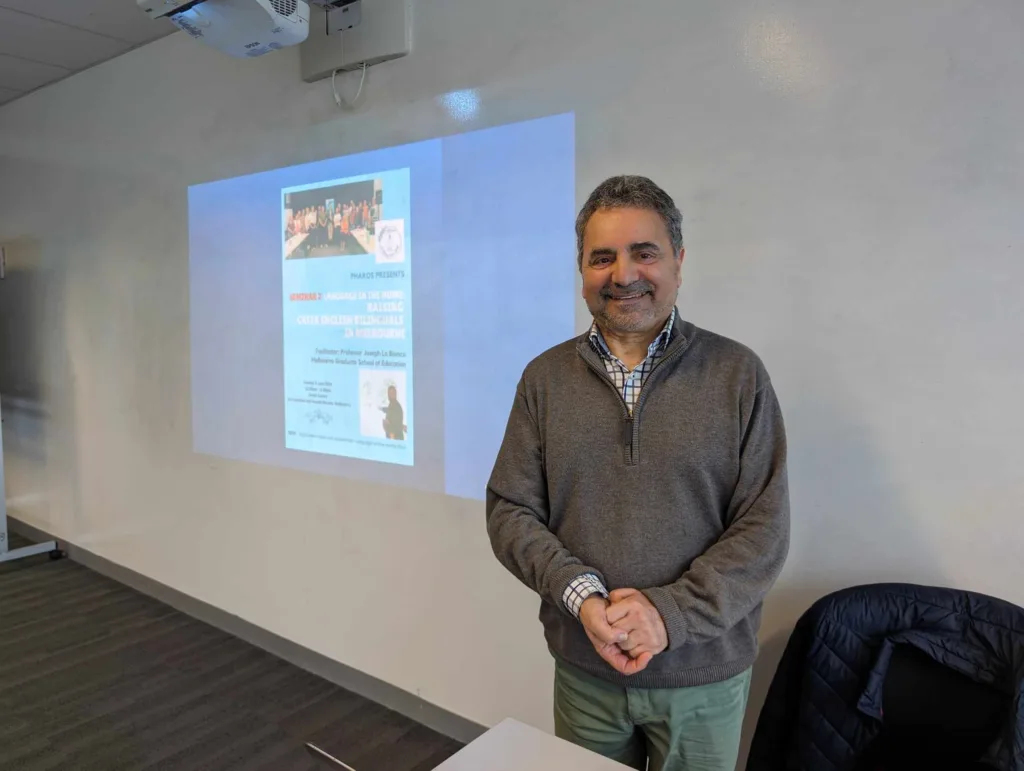
Professor Lo Bianco stressed the importance of creating “immersion opportunities in Melbourne on a regular basis,” including language programs, cultural events, and partnerships with businesses and media.
“We need well-planned immersion programs with proper follow-up to ensure lasting impact,” he told The Greek Herald, pointing to overseas scholarships as well as offerings closer to home. Some of them as simple as setting up no-English zones in family homes.
Former Greek Consul General to Melbourne Emmanuel Kakavelakis lamented that “Melbourne has thousands of Greek restaurants, but not one has a menu written in Greek.”
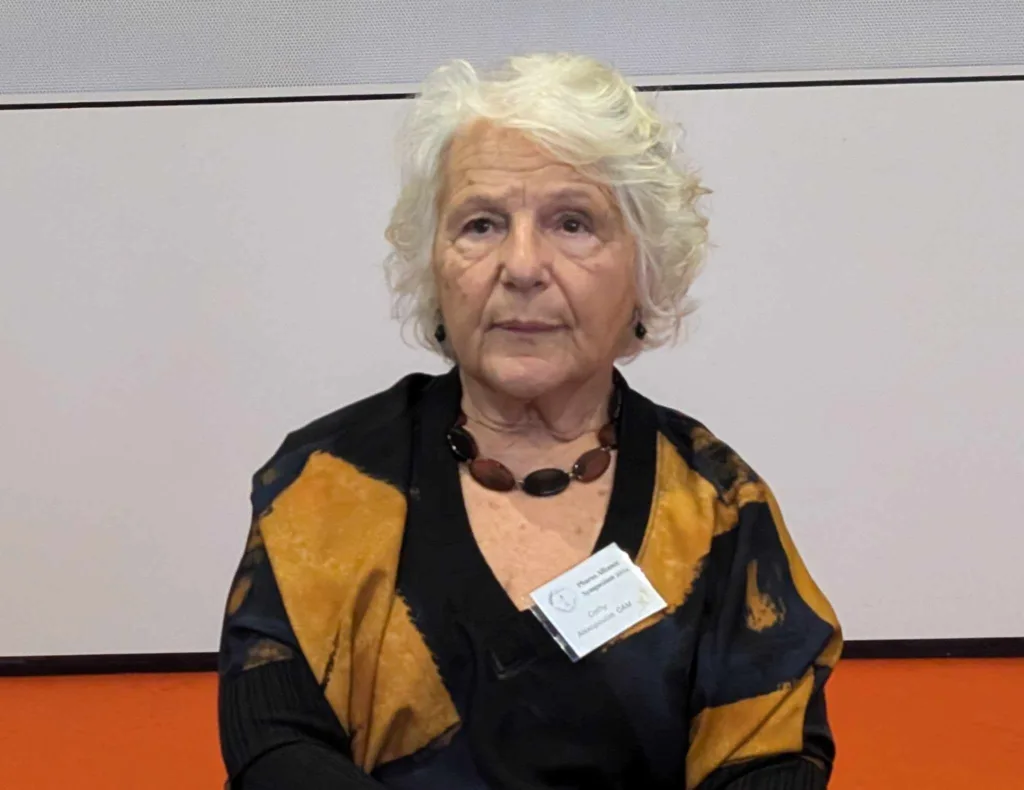
Cathy Alexopoulos of the Greek Australian Cultural League (GACL) noted a decline in the quality and quantity of Greek language submissions to the periodical of the GACL.
“We should create more games to be played in Greek, more informal get-togethers with basic words, read to children in Greek, create book clubs with simple Greek books, more songs to be learned in Greek, etc,” she told The Greek Herald.
“But the most important aspect is that we should not be afraid to speak the language publicly.”
Funding is essential
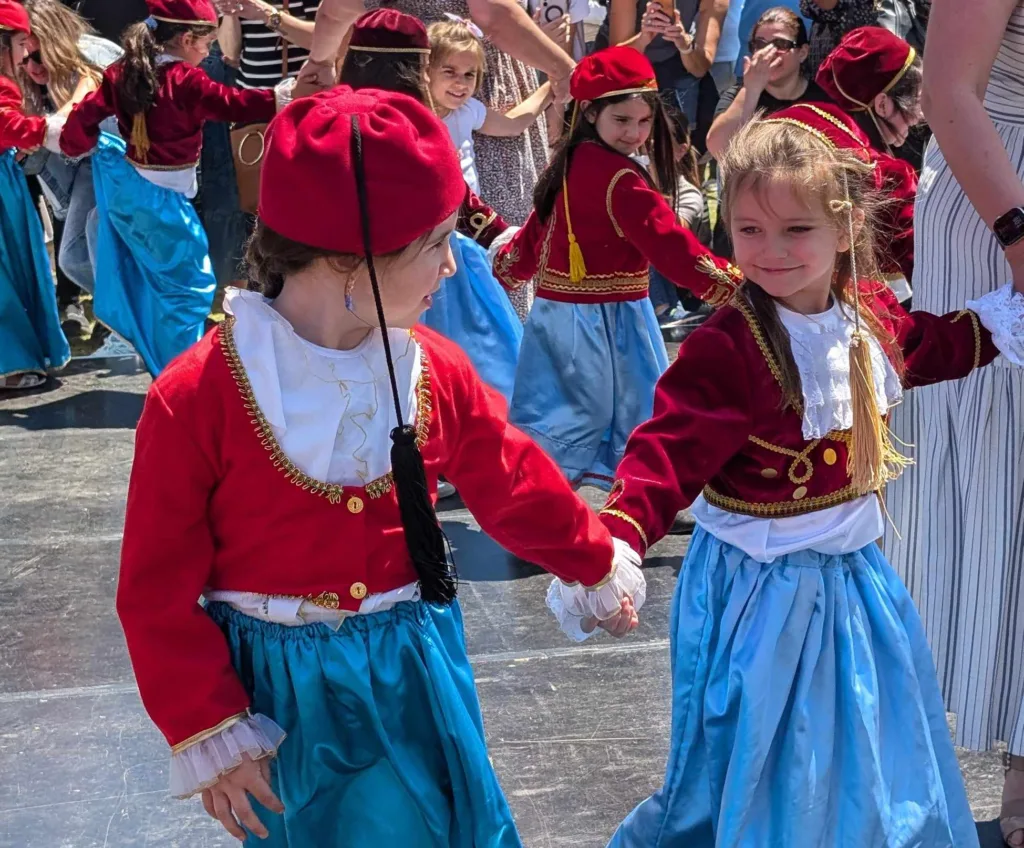
As a Speak Greek in March campaign organiser, Ms Alexopoulos along with Mike Zafiropoulos AM and Christina Despoteris OAM have entrusted Pharos to manage the campaign.
The handing over of the Speak Greek in March campaign came with a donation for the implementation of activities.
Sustainable funding is crucial. Professor Lo Bianco suggested a need for “a quarter of a million dollars to do strategic activities,” including lobbying government and supporting community-led efforts. For starters, a paid position to coordinate the activities of Pharos, run by volunteers, is on the wish-list.
Greek university programs around Australia were kickstarted by passionate communities in the heyday of Greek language learning in the 70s and 80s. Funding for strategic planning and resource allocation to ensure long-term success is as necessary as ever.
Language providers should also look into funding and grants already available. The Victorian Government has invested $53.8 million to help preschool children learn in a language other than English for kindergartens until 2027.
Community groups are also invited to chip in. Panarcadian Association of Melbourne Vice President Betty Dimitropoulos highlighted the importance of fundraising and community support for language.
“We held a Mother’s Day event, and I suggested that money raised be given to La Trobe’s Greek studies program,” she said. “Language is a key factor in maintaining our identity. As a community we should do whatever we can to try and preserve this.”
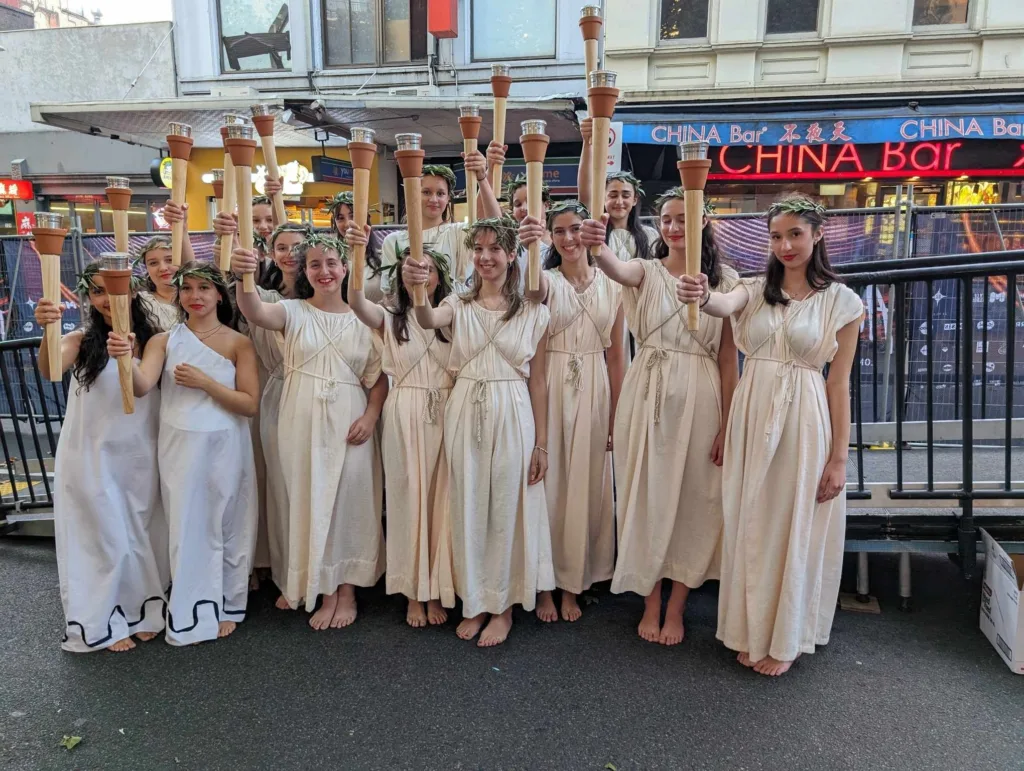
Ms Alexopoulos added, “We should create a fundraising committee and hold regular functions, sponsorship drives, ‘door knocking’ to organisations that have funds sitting in the banks.” She said the younger generation should be encouraged to join.
Government policy matters
While community efforts are crucial, supportive government policies are essential for long-term language preservation.
Professor Lo Bianco lamented Australia’s “monolingual English dominant future,” citing the closure of university language programs as a worrying trend. He stressed the need for stronger government support and advocacy for multilingualism.
Greek professor Bessie Dendrinos studies multicultural policy in Greece. She highlights the influence of decolonisation and multiculturalism movements in Australia. She emphasised the importance of a supportive environment for language teaching and learning, ultimately placing the responsibility on communities to advocate for their own language needs.
Addressing exam challenges
The difficulty of VCE Greek exams has been a recurring concern, potentially discouraging students from pursuing Greek language studies.
Denise Diakodimitriou, Secretary of the Pharos Alliance, highlighted the importance of addressing these concerns and working with the Victorian Curriculum and Assessment Authority (VCAA) to ensure fair and appropriate assessments.
“This year’s exam (2024) was in the ballpark of what they were expecting and that’s a good thing because from time to time, that hasn’t been the case,” Ms Diakodimitriou said, pointing to some exams as “difficult, unrealistic, unattainable, even traumatic, and that was just the teachers in 2022.”
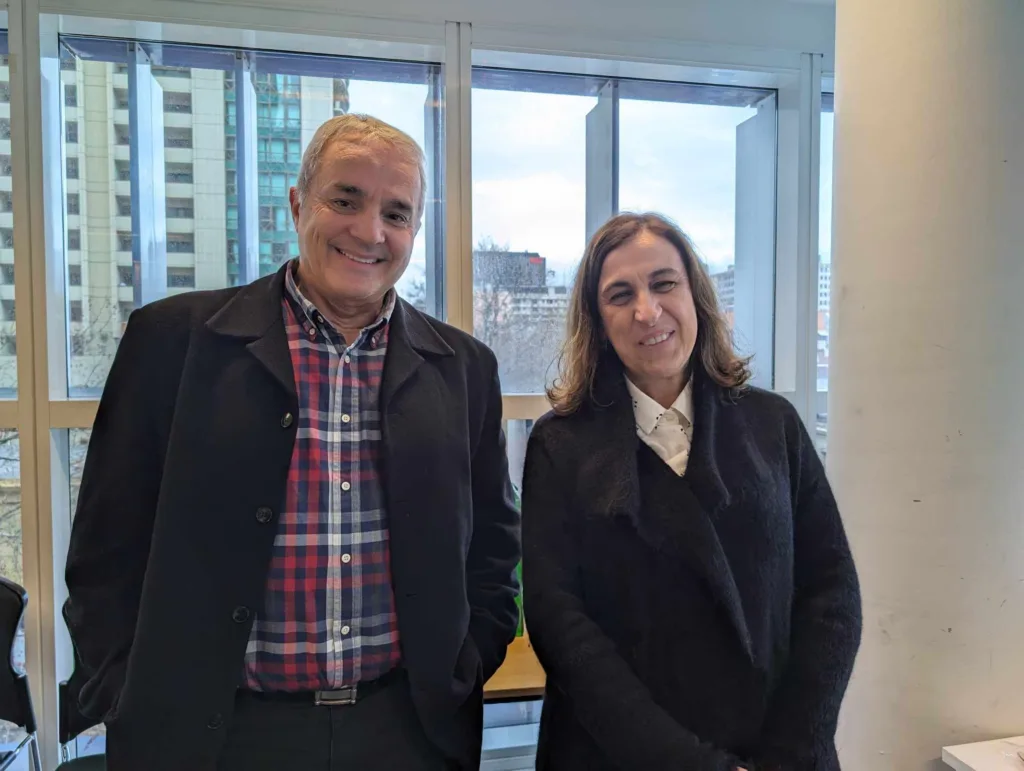
Eva O’Hehir, a veteran educator at Northcote High, shared her experience advocating for Greek language education in government schools. She emphasised the need for a formal pathway for Greek at the VCE level and highlighted the challenges posed by declining student numbers and the competitive ATAR system.
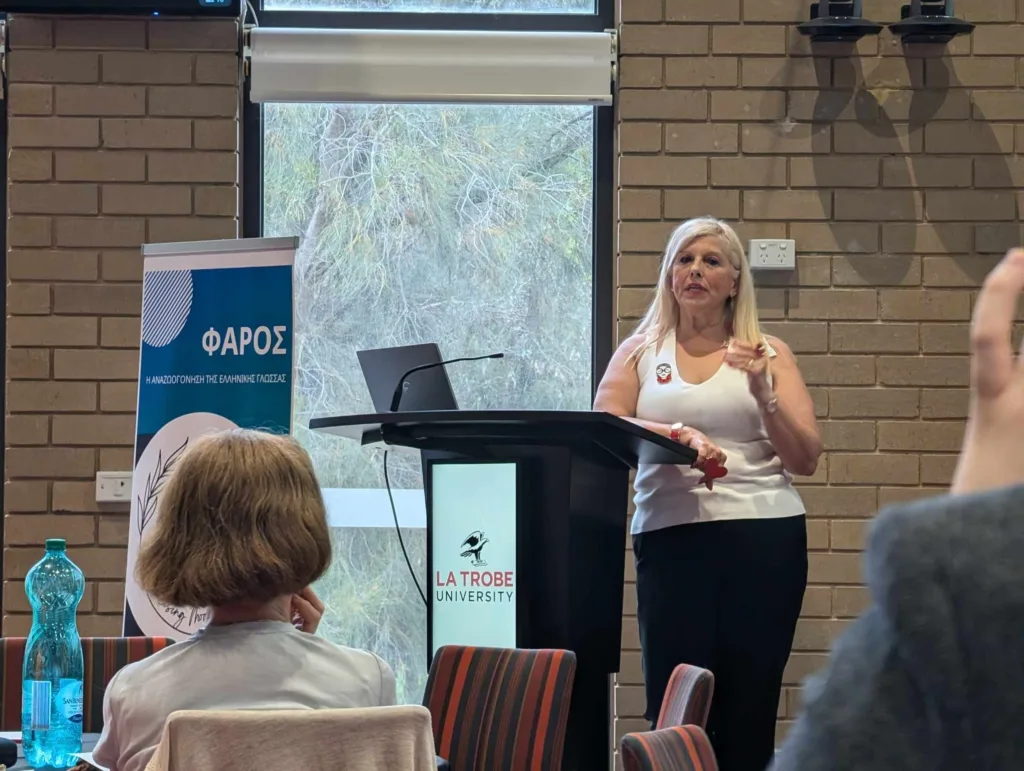
“What has killed the study of Greek is the lack of a formal pathway for Greek at a VCE level. Most of our students in Year 7 are total beginners and can’t progress because the final exam is extremely challenging for these kids,” Ms O’Hehir said.
Unity is strength
Professor Lo Bianco emphasised the need for shared vision and purpose.
“We need to be united, an alliance of different interest groups,” he stated, highlighting the importance of collaboration between institutions, educators, and the community.
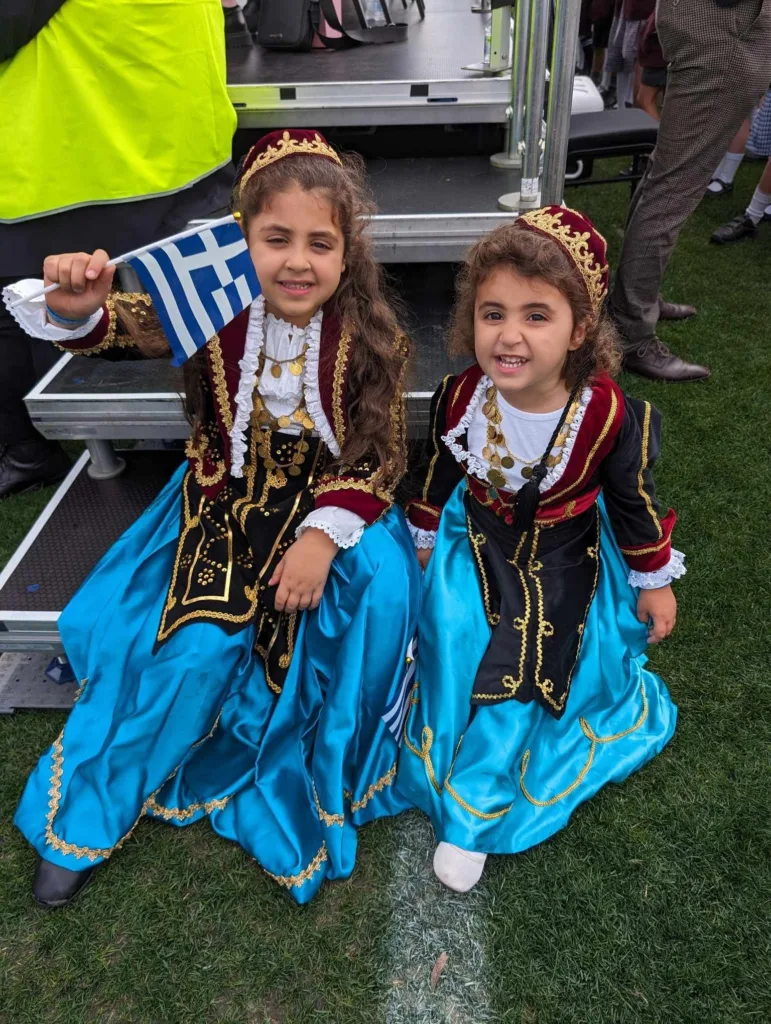
This sentiment was echoed by Kristian Raspas, leading teacher at St John’s College, who stressed the need for unity and collaboration to “save and preserve our language and culture for the good of the community.”
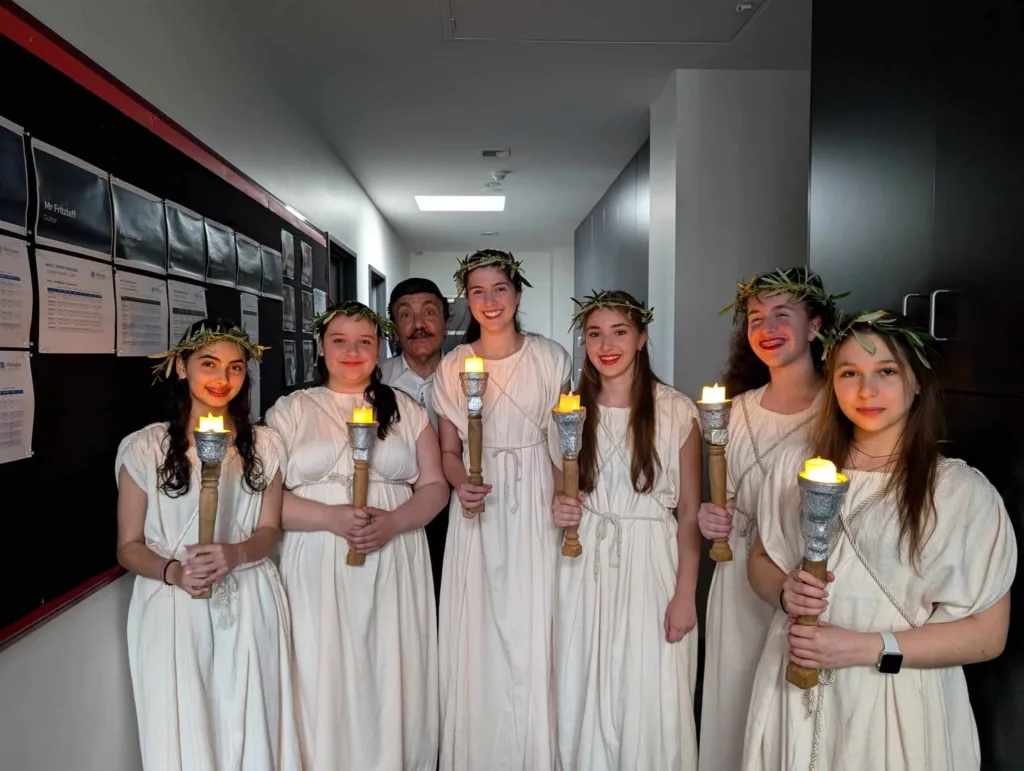
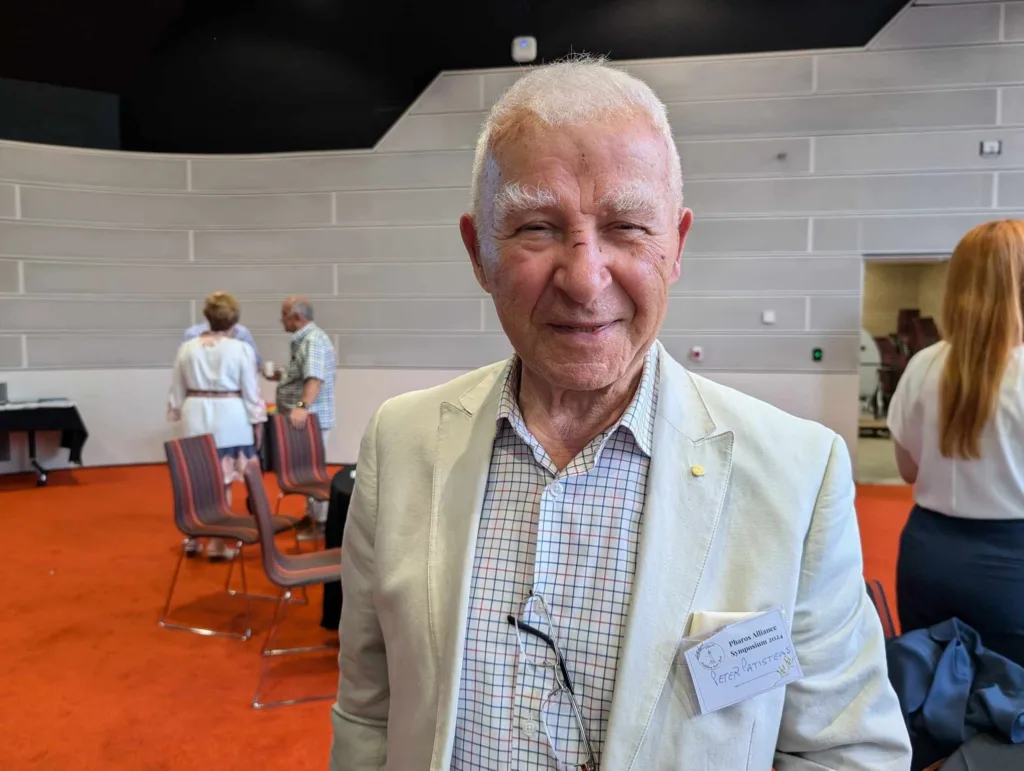
Peter Patisteas told The Greek Herald that Victoria’s Australian Hellenic Educational Progressive Association is the only chapter in Australia with a school, operating at Ivanhoe Girls Grammar. Enthused by Pharos’ initiatives, he said, the school began 16 years ago.
“As schools we need to collaborate with each other and this is a great initiative by Pharos to bring us together,” he said.
The role of families
Families play a vital role in language transmission and preservation.
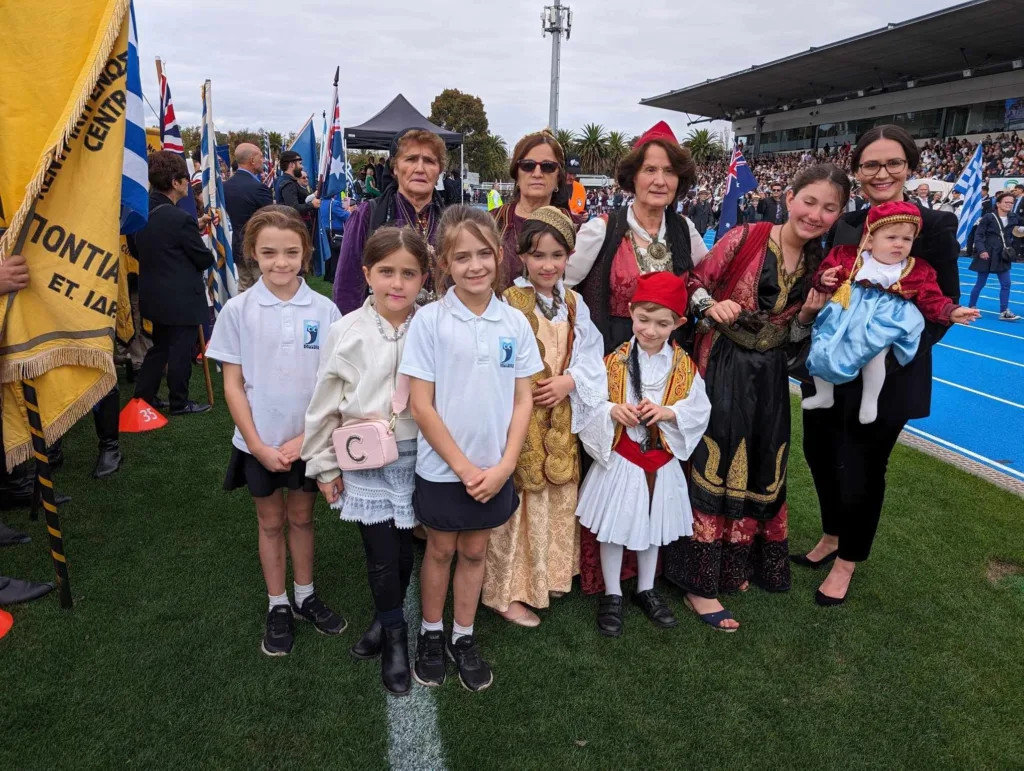
Professor Lo Bianco stressed the importance of encouraging Greek language use within families, particularly in mixed families, even when parents don’t feel confident. He highlighted the powerful connection between language and intimacy, emphasising the role of parents and grandparents in fostering a love for the Greek language.
Varvara Ioannou, President of the women’s Food for Thought Network, emphasised the influence of mothers and grandmothers in maintaining language and culture. She encouraged young parents to view bilingualism as an asset and prioritise language learning for their children.
