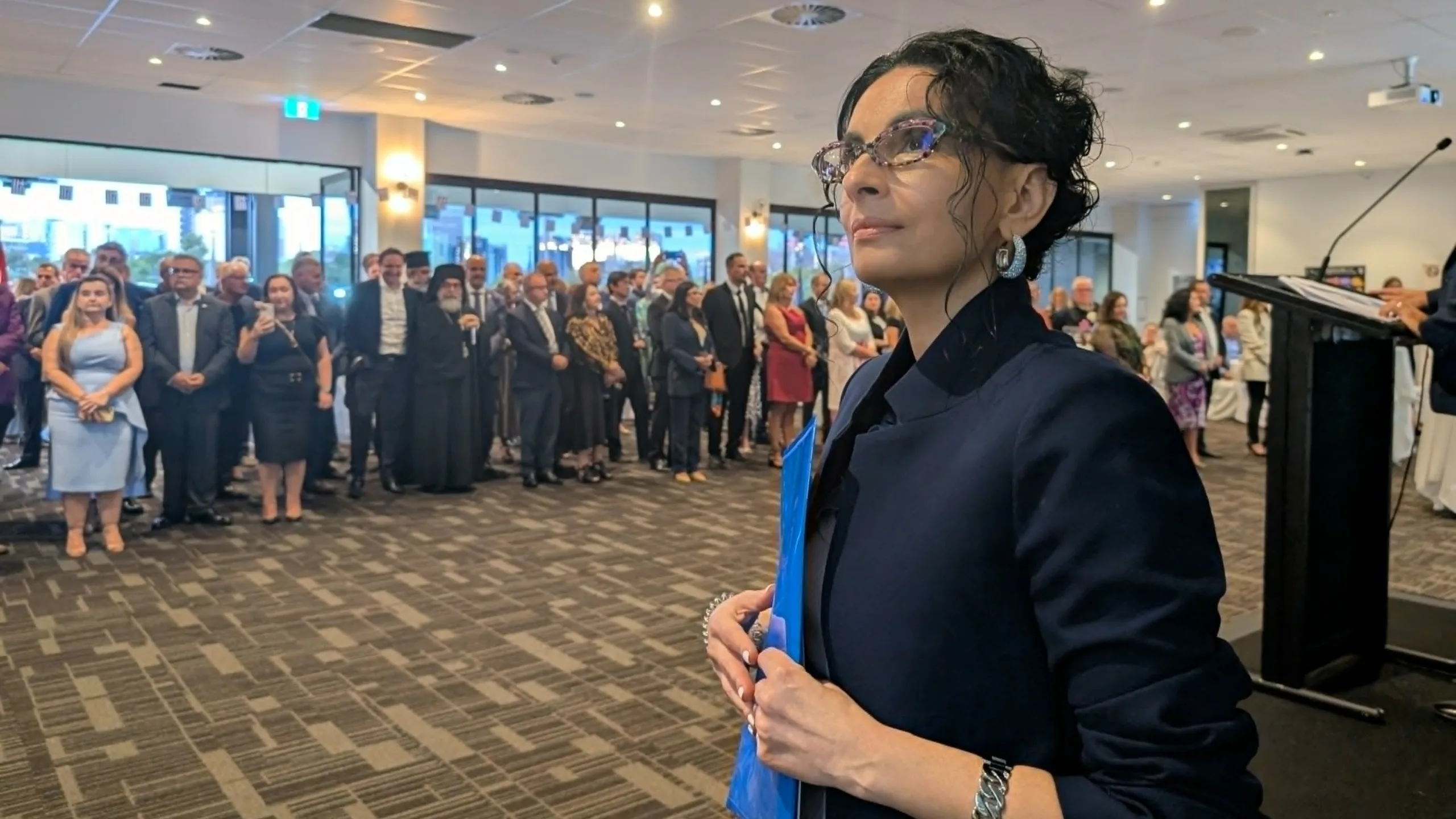
On the first evening of April at Lakeside Stadium, the blue and white of the Greek flag told its story before a single word was spoken. Banners lined the room, while screens flickered with the faces of revolutionaries.
What was remarkable was not just the spectacle, but the logistical feat. This full-scale celebration of Greek Independence Day had been assembled in just one week, following the postponement of the anticipated visit by Greek Prime Minister Kyriakos Mitsotakis. Despite the sudden shift from the originally planned event at Victoria’s Parliament, nothing about the evening felt improvised.
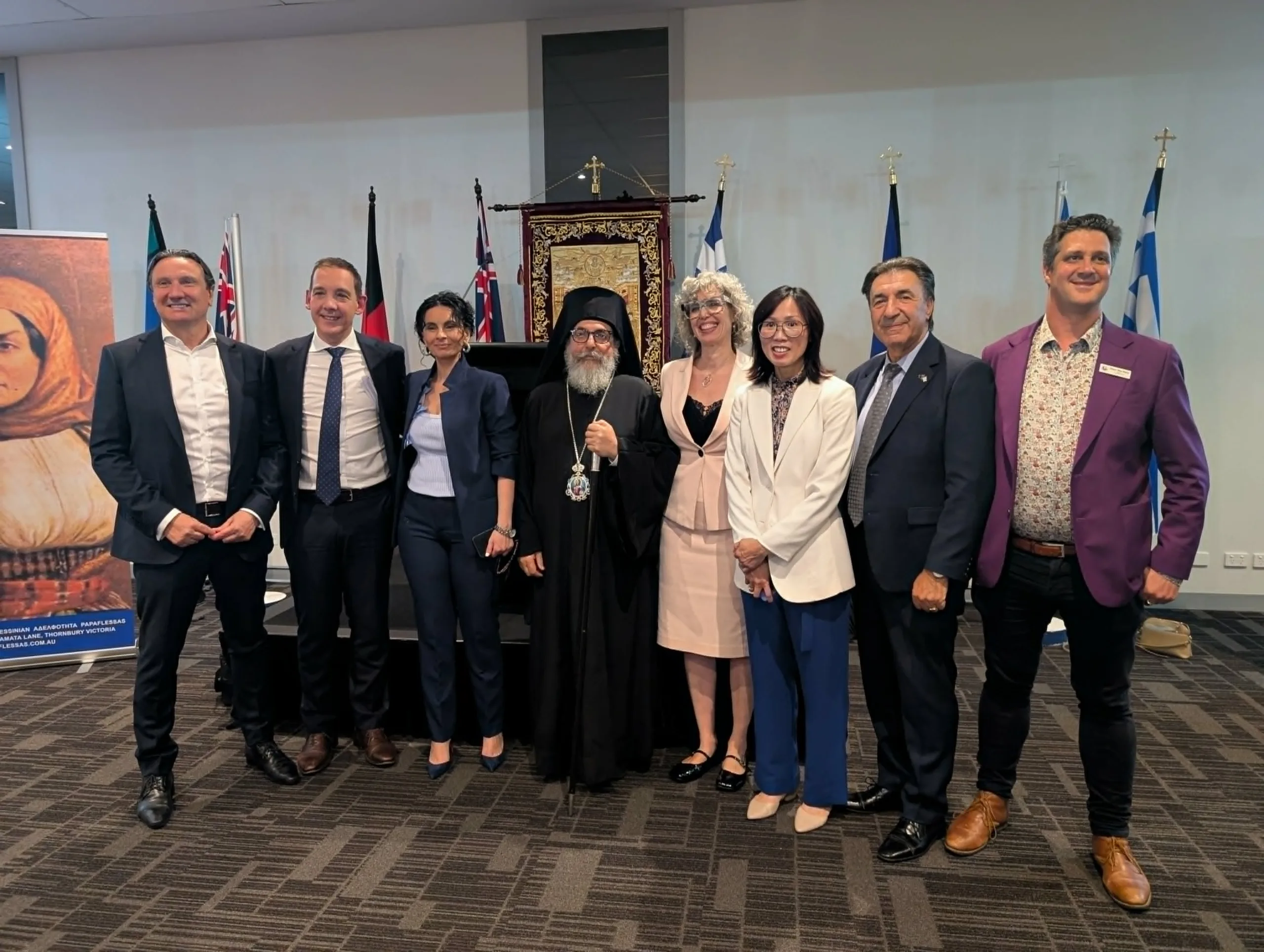
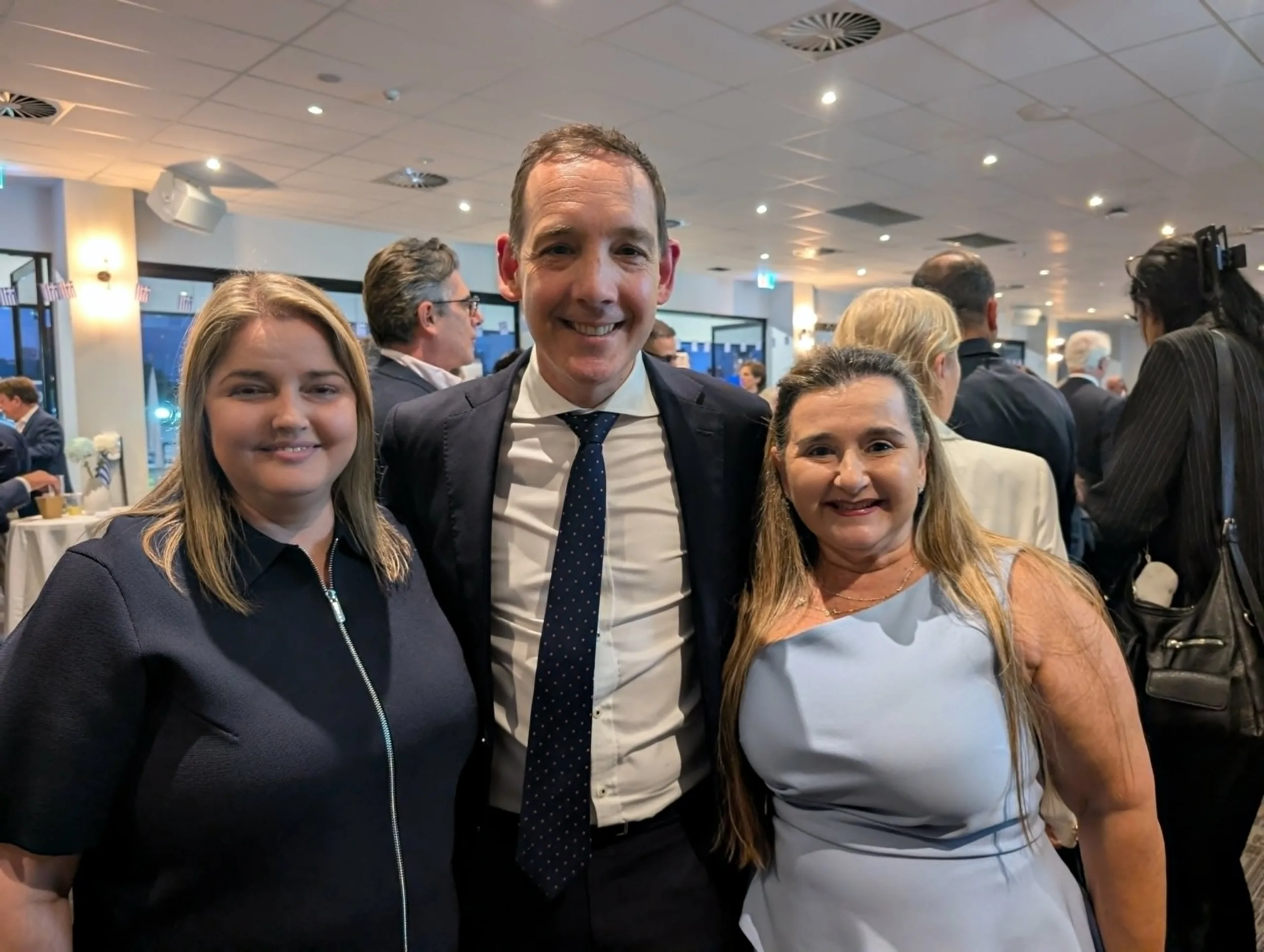
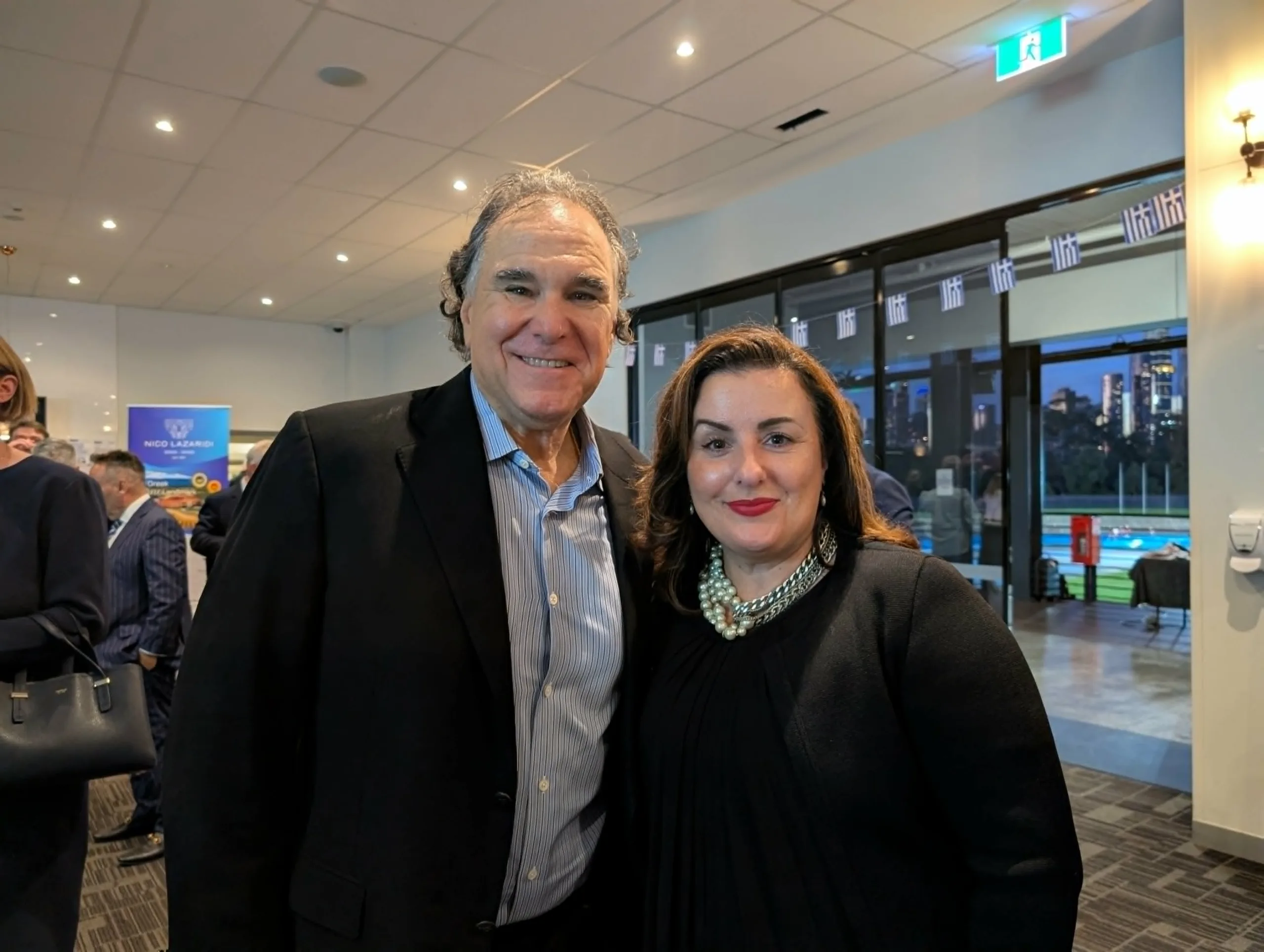
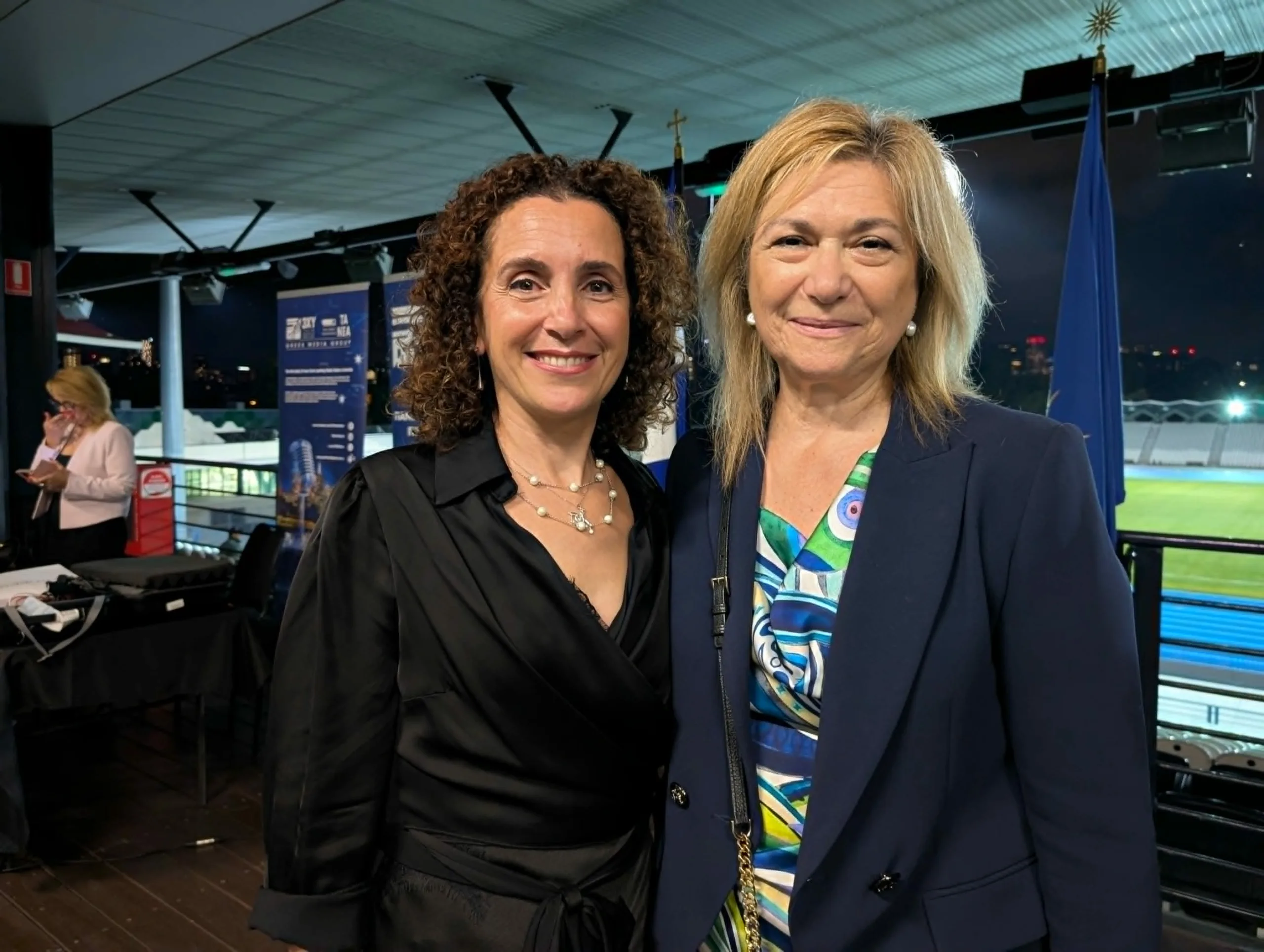
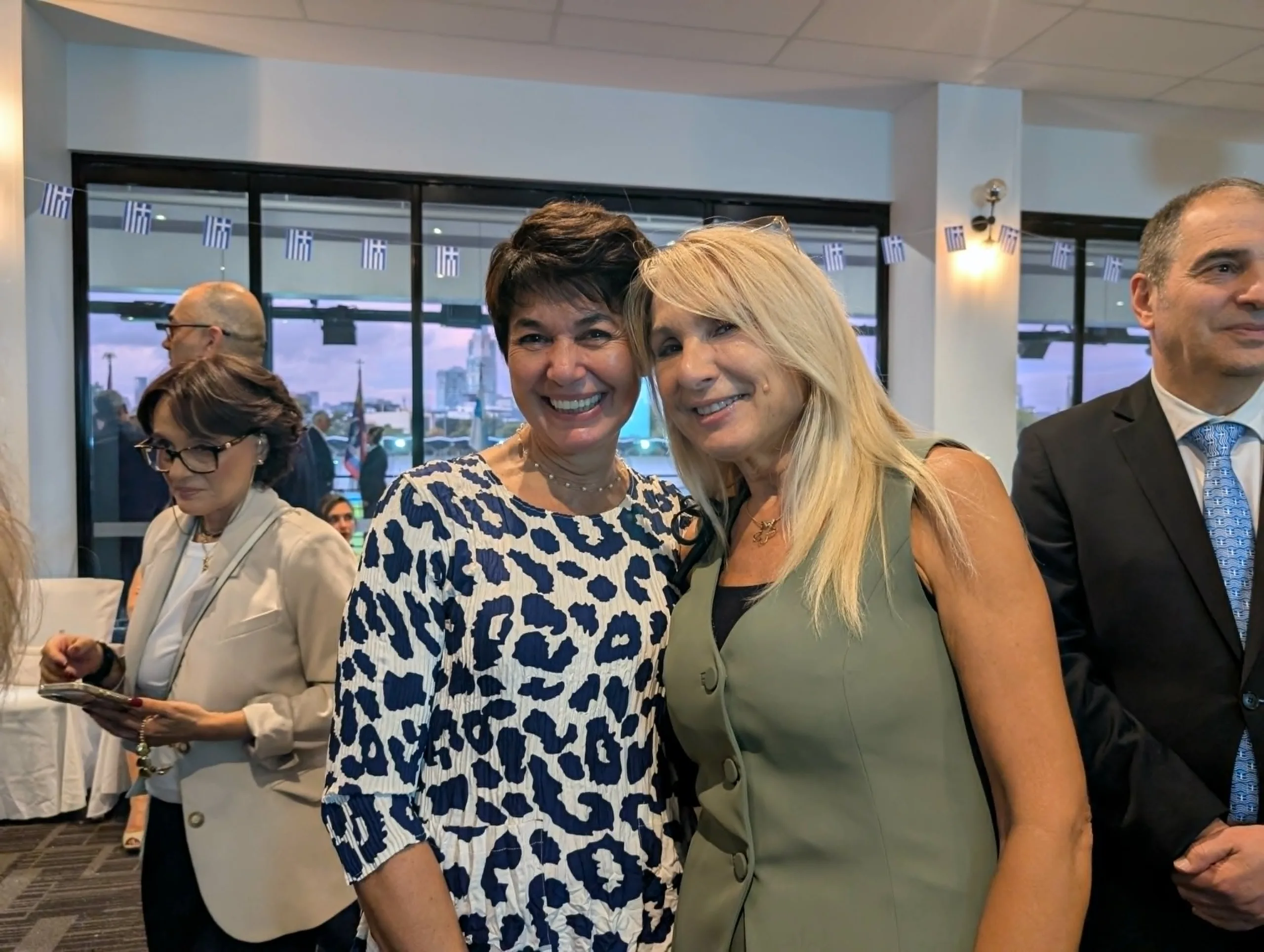
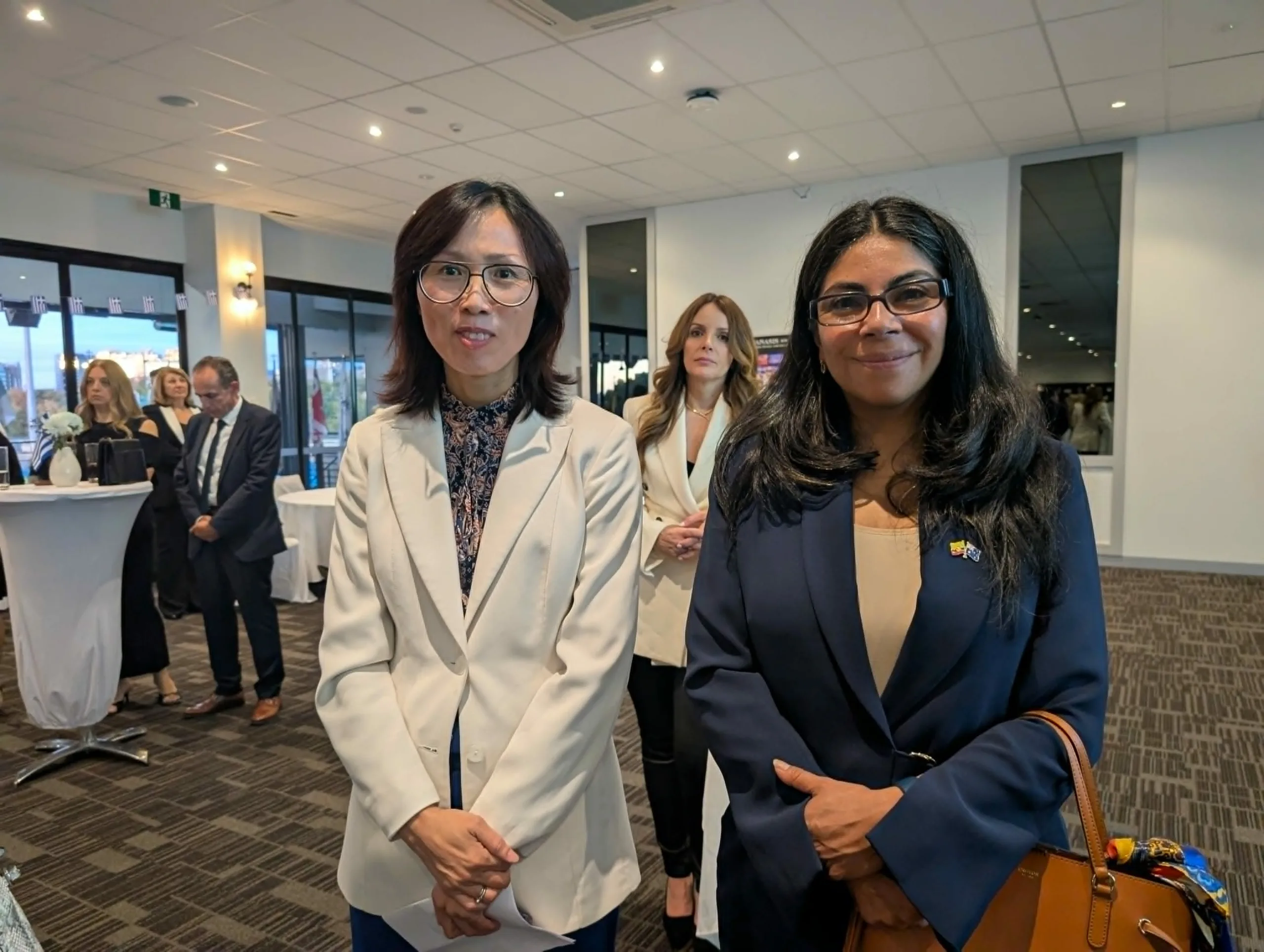
Late into the evening, as the formalities eased, Greece’s Consul General in Melbourne, Dimitra Georgantzoglou, finally sat down at a corner table, tasting her first keftedaki of the night.
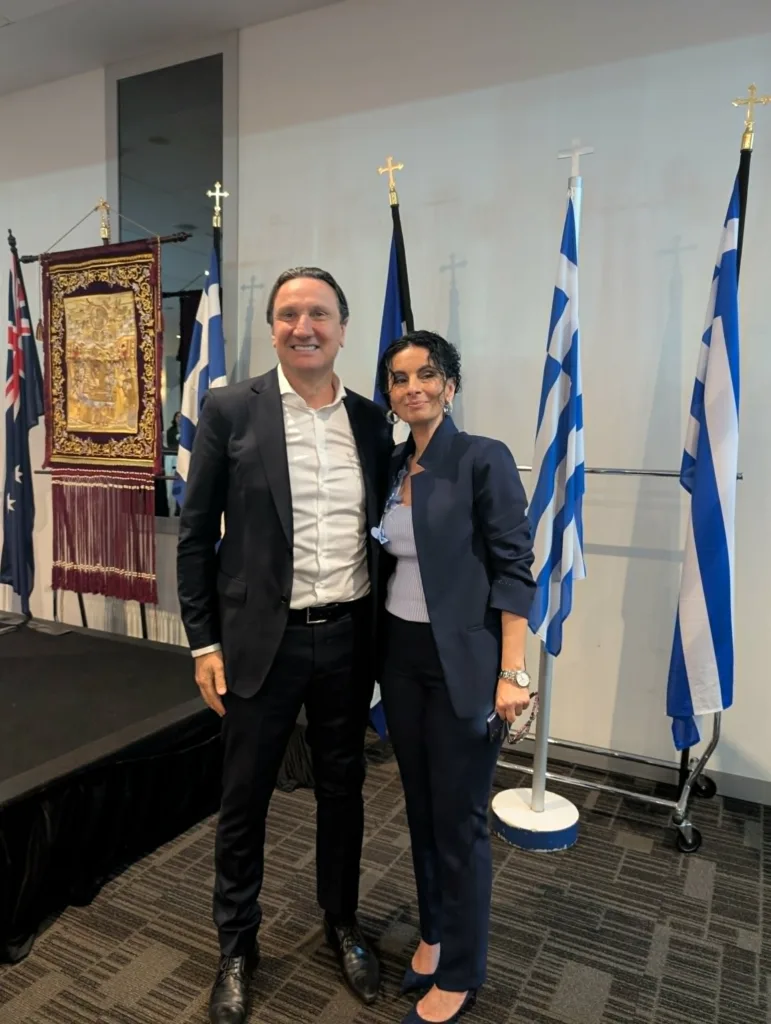
“I couldn’t have done it without my team’s support,” she told The Greek Herald. Beside her, community leader Greg Stamboulidis offered a brief endorsement: “It’s the leader that brings people together.”
A warm welcome
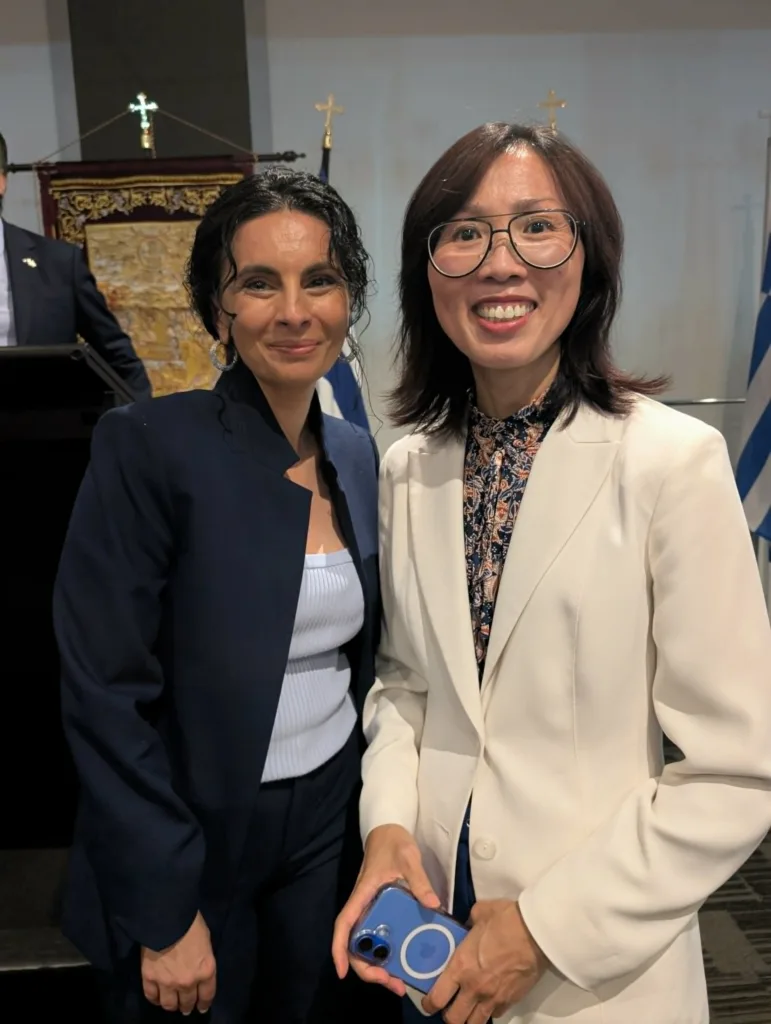
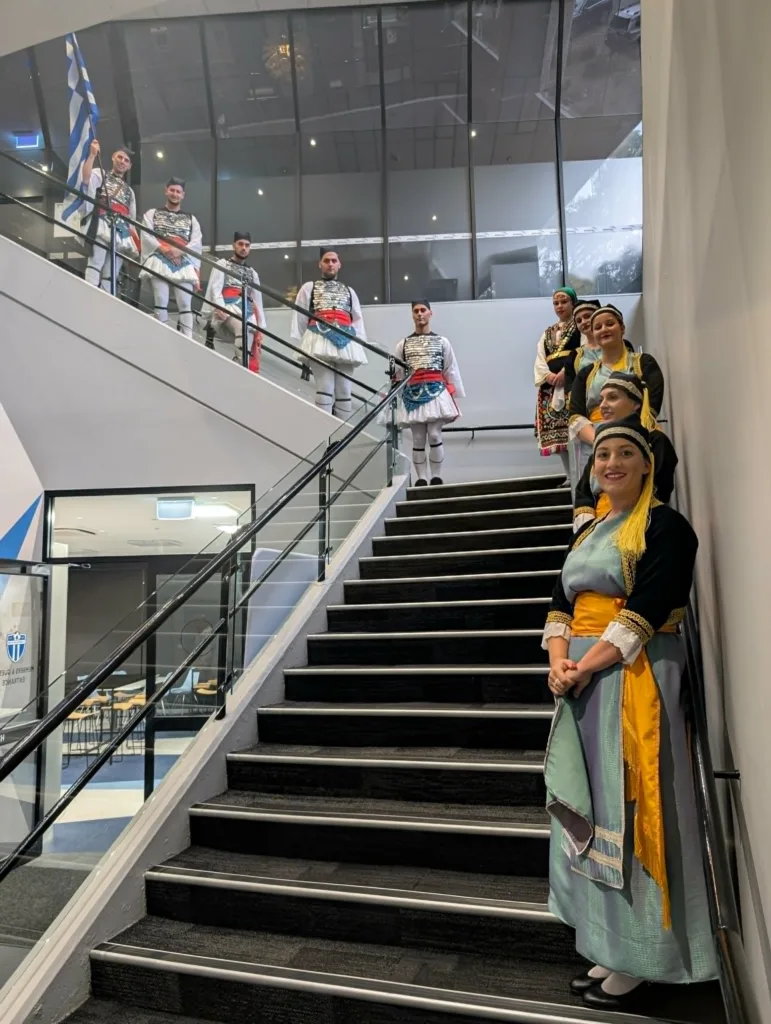
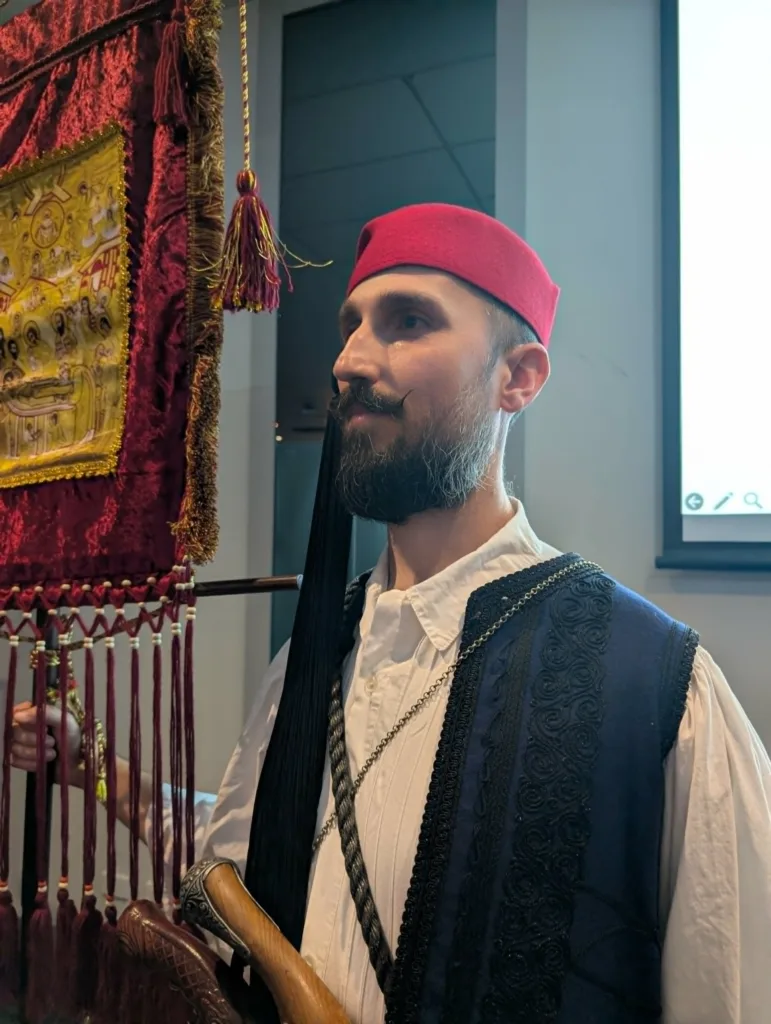
The tone was set at the door. Guests were greeted personally by Georgantzoglou, flanked by the vibrant Manasis Dance Troupe. Traditional dress, warm smiles, and a sense of theatre turned the entrance into a vivid tableau of Greek heritage.
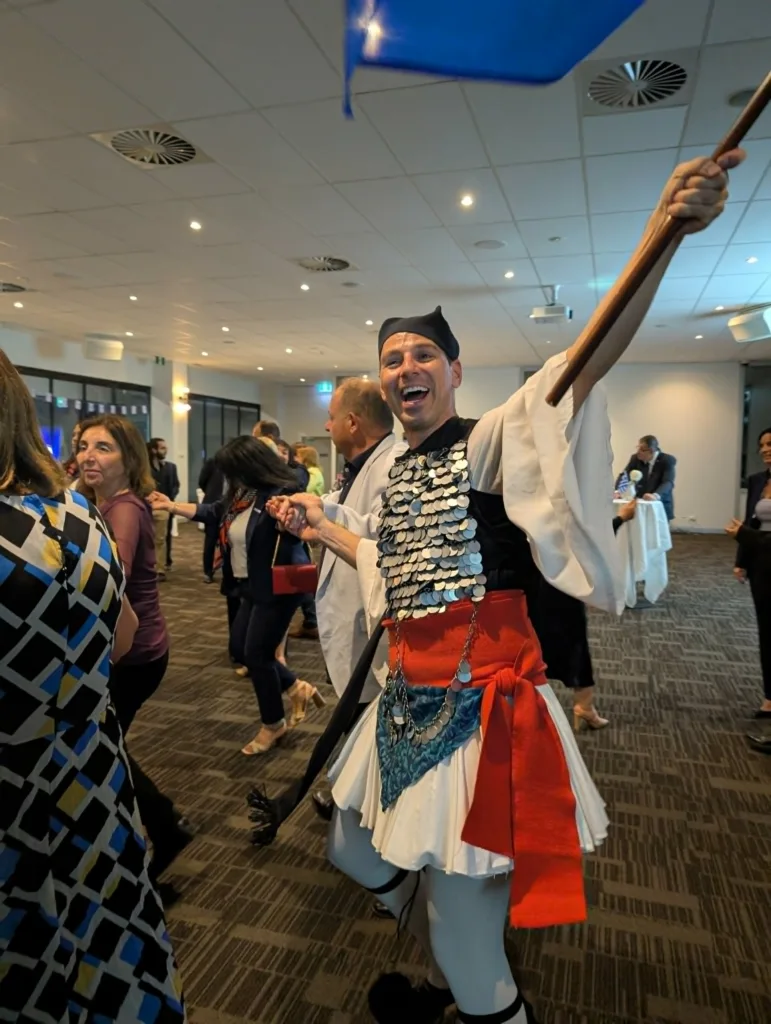
Inside, MC Ross Alatsas steered the evening with ease, bridging the formal and the communal. The event extended well beyond the room, broadcast live across Melbourne and to audiences abroad.
Then came a moment of stillness as singer Hope Zorbas, who had already captivated crowds at the March 25 parade days earlier, delivered the national anthem. Her voice, clear and unadorned, filled the room as guests joined the chorus.
Diasporic cross-section
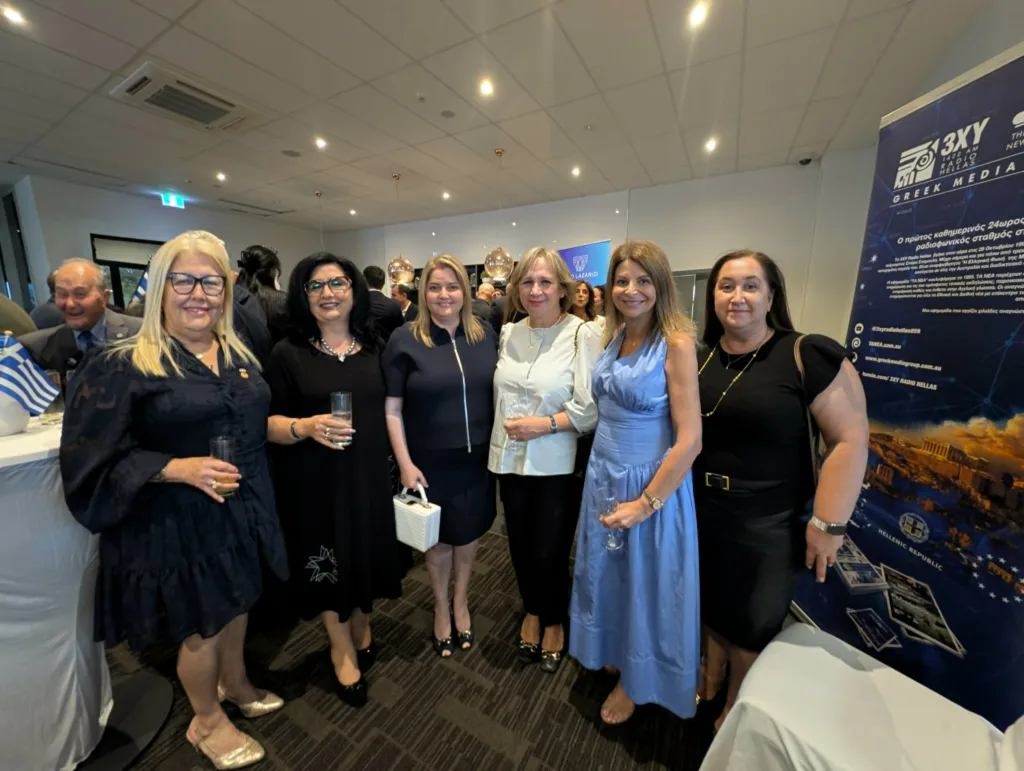
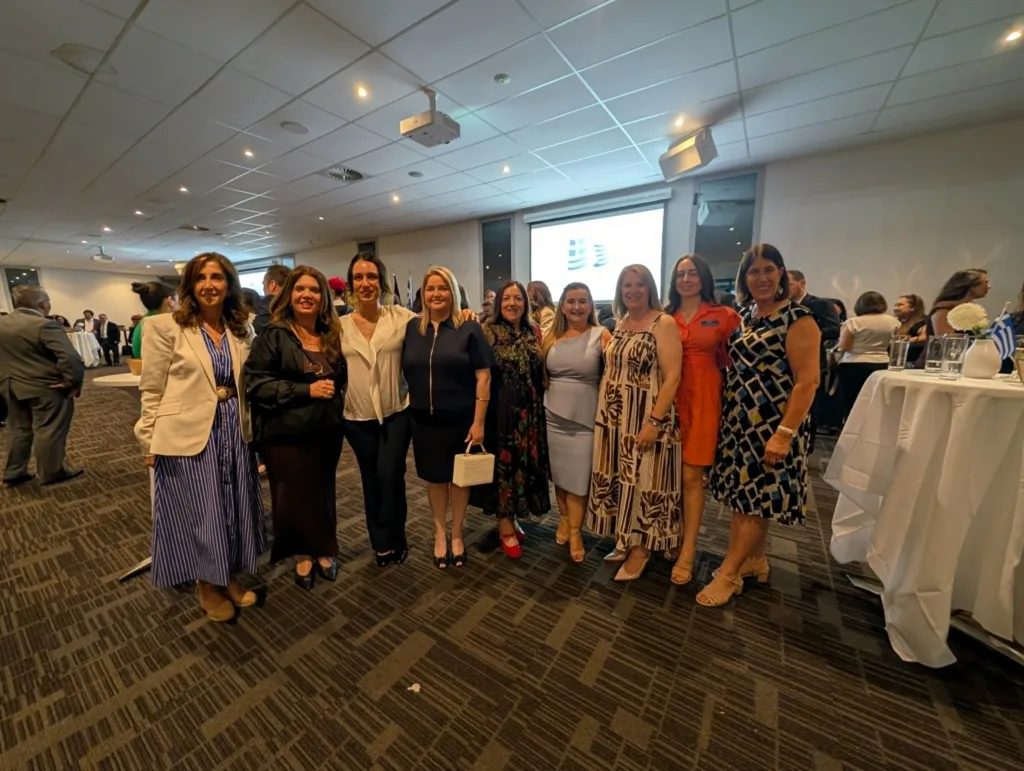
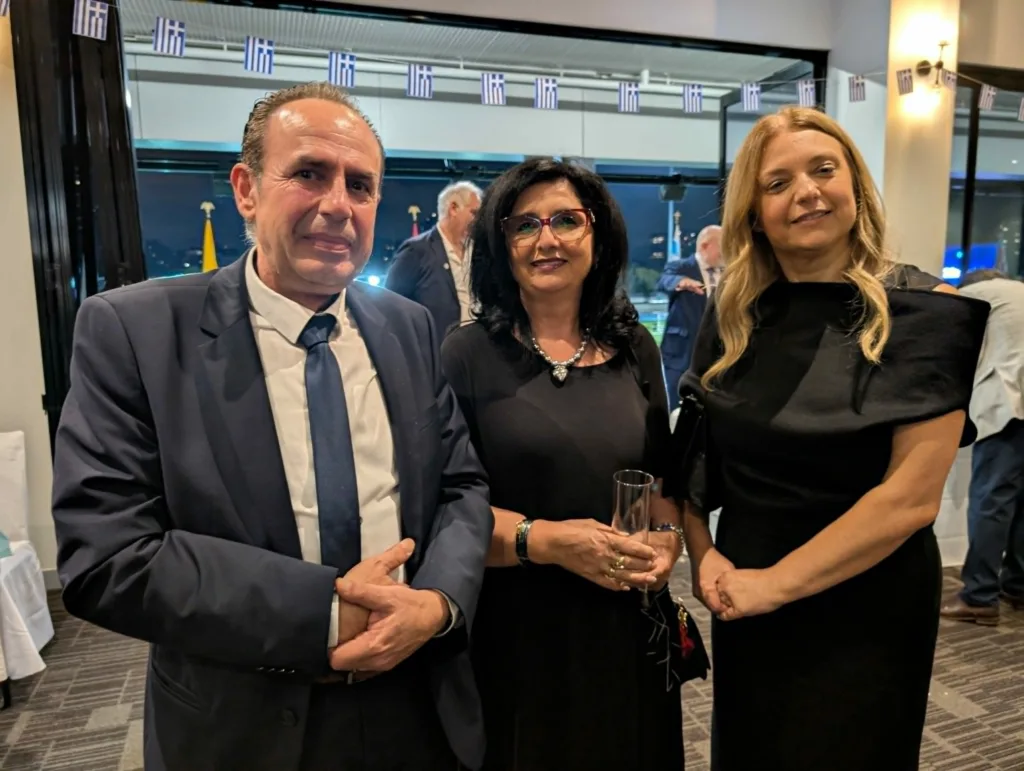
The guest list served as a directory of the Greek Australian story. Representatives from associations spanning Macedonia, Rhodes, Krithia, Arcadia, Pontos, and Samos sat alongside women’s organisations such as Anemones and Heliades, and education groups like the Pharos Alliance.
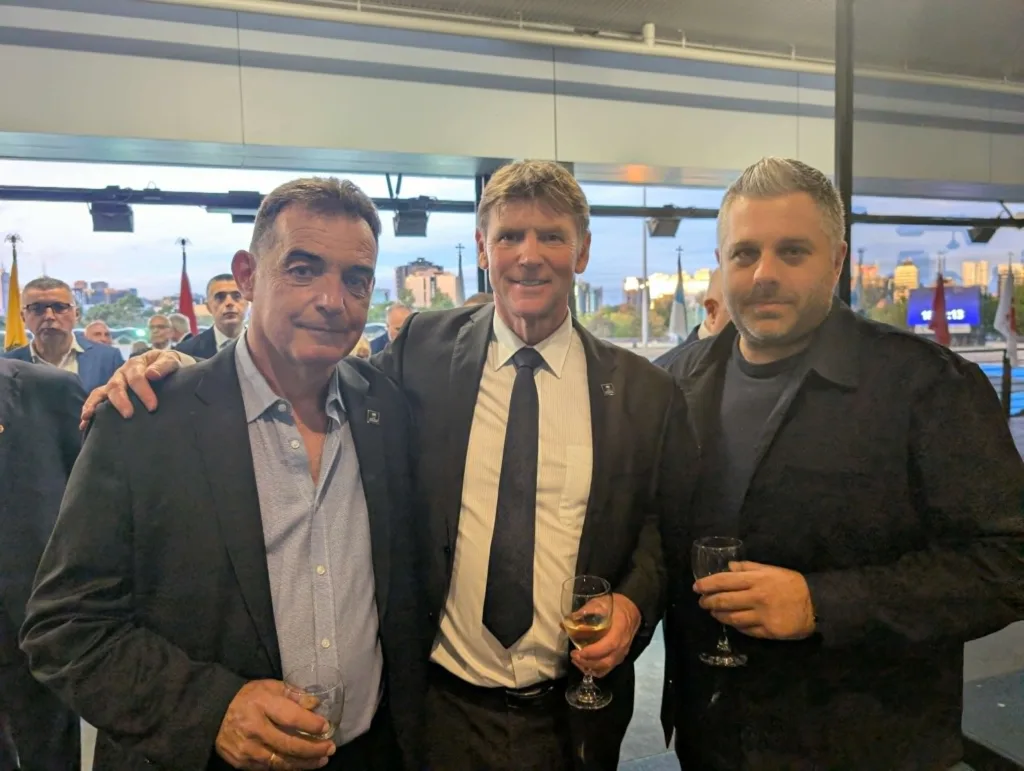
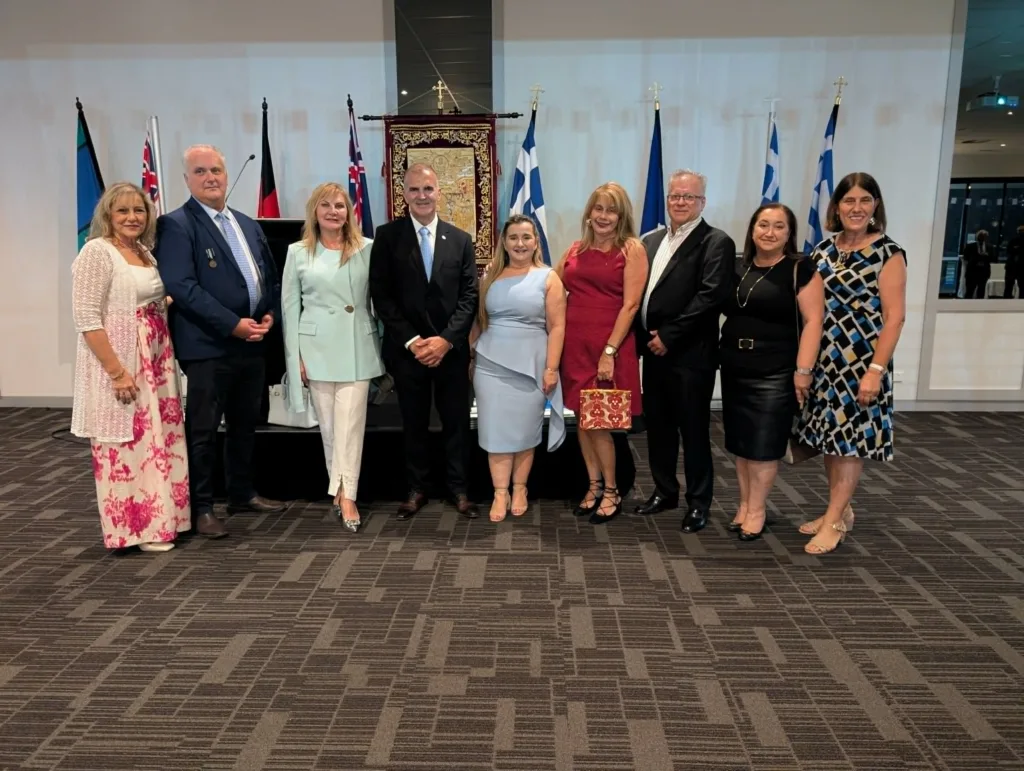
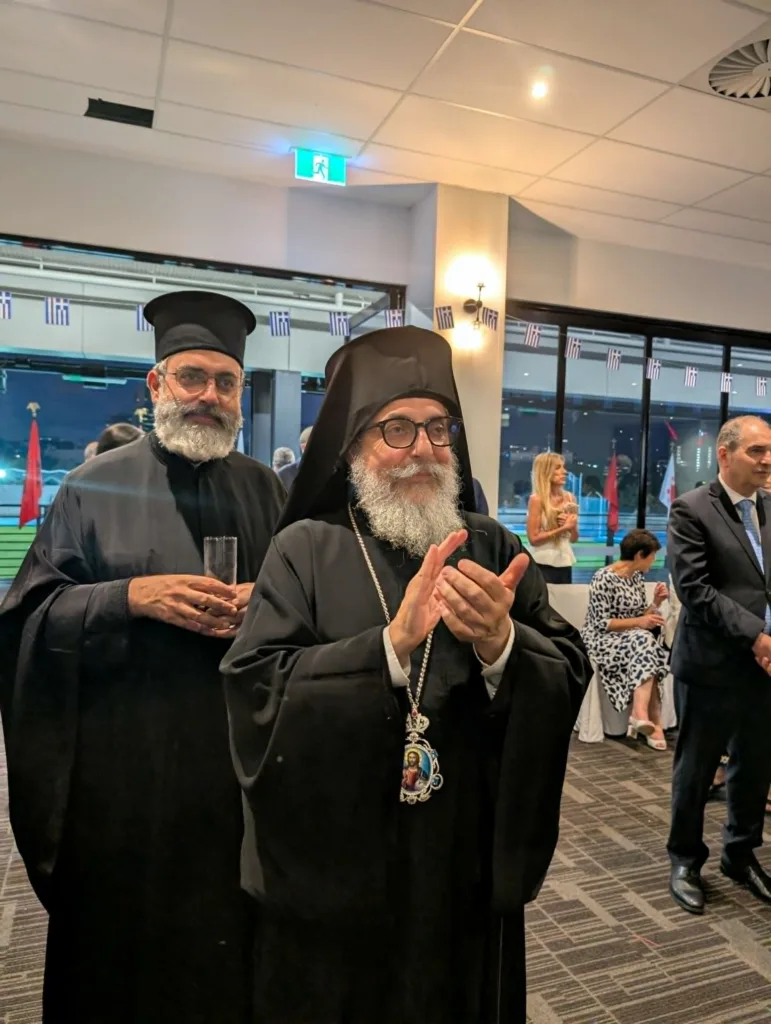
The room was a gathering of sectoral pillars, from business and welfare leaders at HACCI and the Hellenic RSL to Agapi and Fronditha. Among those present were His Grace Bishop Kyriakos of Melbourne, former ministers Jenny Mikakos, John Pandazopoulos, and Theo Theophanous. Victorian Minister Steve Dimopoulos arrived late, straight from Parliament, alongside Member for Albert Park Nina Taylor.
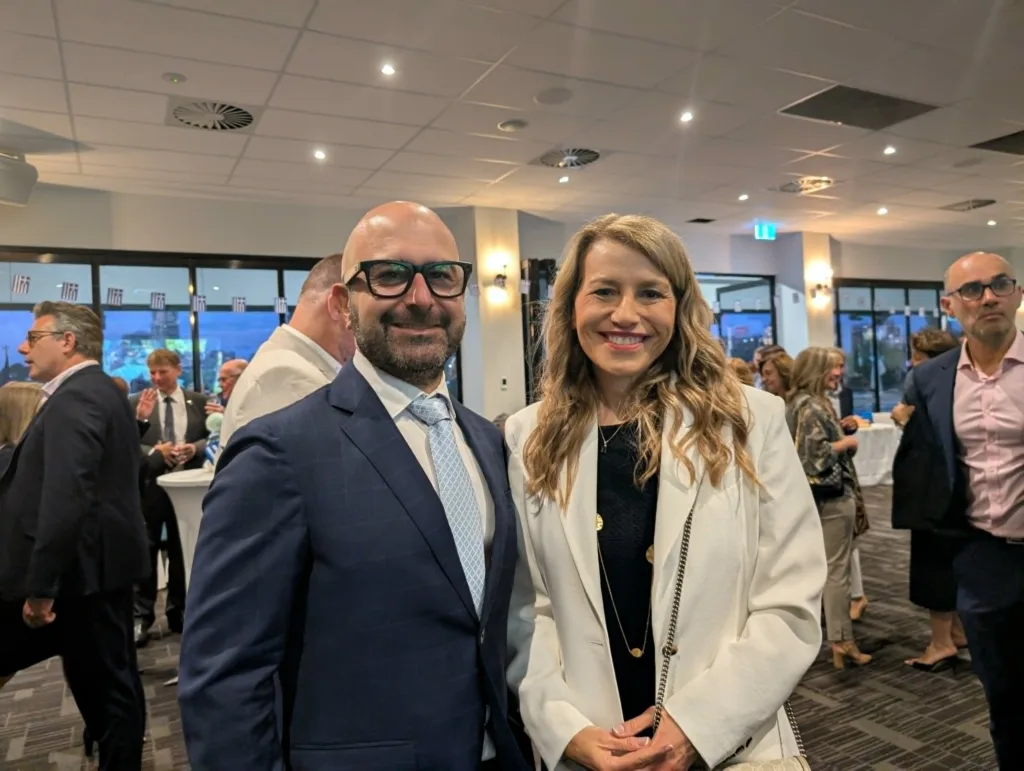
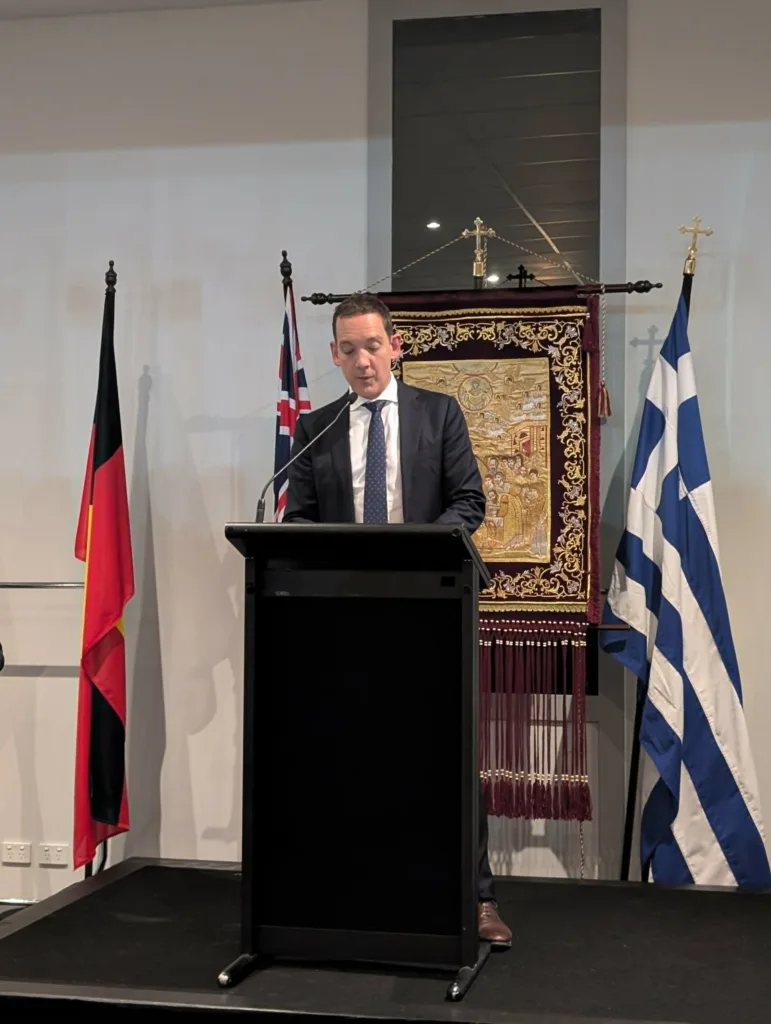
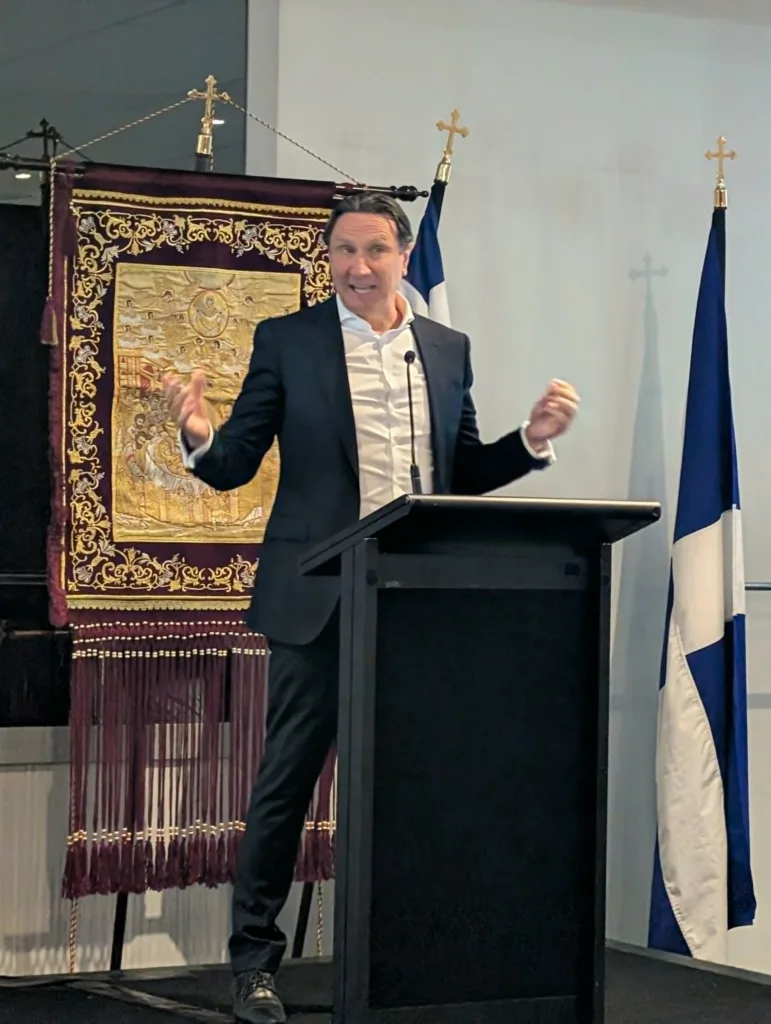
When Dimopoulos took the lectern, he spoke not only as a minister, but as the son of migrants. “Hellenism is an unbroken chain that goes back thousands of years,” he said. “Imagine if that chain had been broken… it would be a different history for the Melbourne Greek community.”
Dimopoulos grounded the historical gravity of the evening in the intimacy of personal memory. “My mum was a factory worker packing shampoo bottles for around 35 years… My dad was a painter. I’d come home and they wouldn’t even be there yet. But I stand here before you as a Minister because of them.”
It was a familiar story, but one that still carried weight – a reminder that the legacy of 1821 lives not just in history books, but in the Australian migrant experience.
Voices from Greece and Australia
The evening maintained a connection across continents. A video message from Greek PM Mitsotakis and a letter from Australia’s Prime Minister Anthony Albanese underscored the significance of the day.
President of the Greek Community of Melbourne, Bill Papastergiadis, described the Consul General as a “breath of fresh air,” noting her role in galvanising the community. He drew a line from the Filiki Eteria, the secret society that helped spark the 1821 revolution, to the modern diaspora. Maintaining language, faith, and identity in Australia was, he suggested, its own act of cultural resistance.
‘A bridge across time’
In her address, Consul General Ms Georgantzoglou placed the evening within a broader historical arc. “Tonight, we gather to pay tribute to those who fought in the name of freedom, courage and justice,” she said.
She described the diaspora as a continuing force in that legacy, calling it “the strongest bridge between Greece and Australia.”
While Ms Georgantzoglou is often noted for a more understated approach to her role, her focus on reforming the Consulate was evident in the evening’s precision. Staff tell The Greek Herald she is methodical, intent on making systems “work like clockwork.”
“See those athletes on the football pitch? That’s what she’s like. Disciplined,” one staff member remarked.
Through the windows, South Melbourne Hellas FC athletes trained below. Upstairs, plates filled quickly and old friendships picked up where they had left off. In the end, what could have been a logistical scramble became a cohesive celebration. It was a reminder that Hellenism in Melbourne is not abstract, but lived: thriving in the voices that sing, the dances that welcome, and the persistence of a community that builds something meaningful even when plans fall through.
*All photos copyright The Greek Herald / Mary Sinanidis.
