As analogue media quietly deteriorates in archives, storage rooms and institutions across Australia, a growing challenge is emerging – one with significant cultural, historical and commercial implications.
From government departments and universities to major corporations and community organisations, vast volumes of irreplaceable material remain trapped in outdated formats. Without timely intervention, much of it risks being lost permanently.
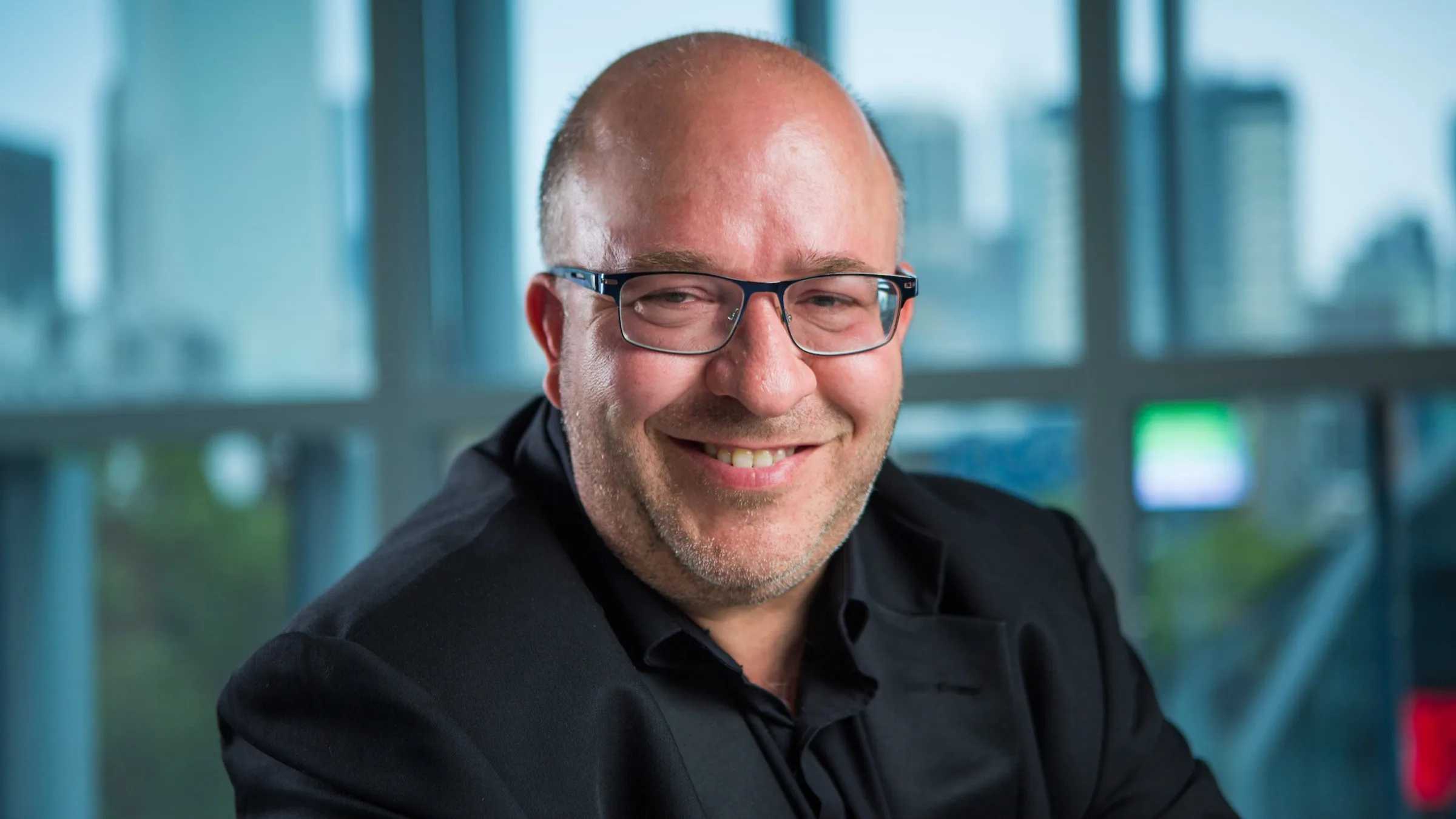
For Bill Zographos, founder of Archives Australia Group, this is not a future concern – it is already happening.
With more than four decades of experience across broadcast production, media and archival preservation, Zographos has built a specialist operation focused on safeguarding legacy content at scale.
From broadcast to preservation
His career began in television and international news, working across Australian networks including Channel 9 and Channel 7, as well as broadcasters in Greece and Cyprus. That early exposure to production and media technology evolved into a long-term focus on preservation – ensuring ageing material can be accessed, used and protected into the future.
“From a young age, I was drawn to cameras, audio and production equipment. What started as curiosity quickly became a profession,” he says.
Today, his work spans a wide range of sectors, including government, defence, universities, cultural institutions and major corporate organisations. Projects often involve complex archival collections, strict technical specifications and, in some cases, culturally sensitive material such as Indigenous community recordings and historical archives.
He has worked with clients including government departments, major ASX-listed companies, financial institutions and universities such as Monash and La Trobe, where archival material often carries both historical and operational value.
“In many cases, the material we are handling cannot be replaced,” he says. “There is a responsibility to get it right.”
A race against time
The urgency of this work is increasing.
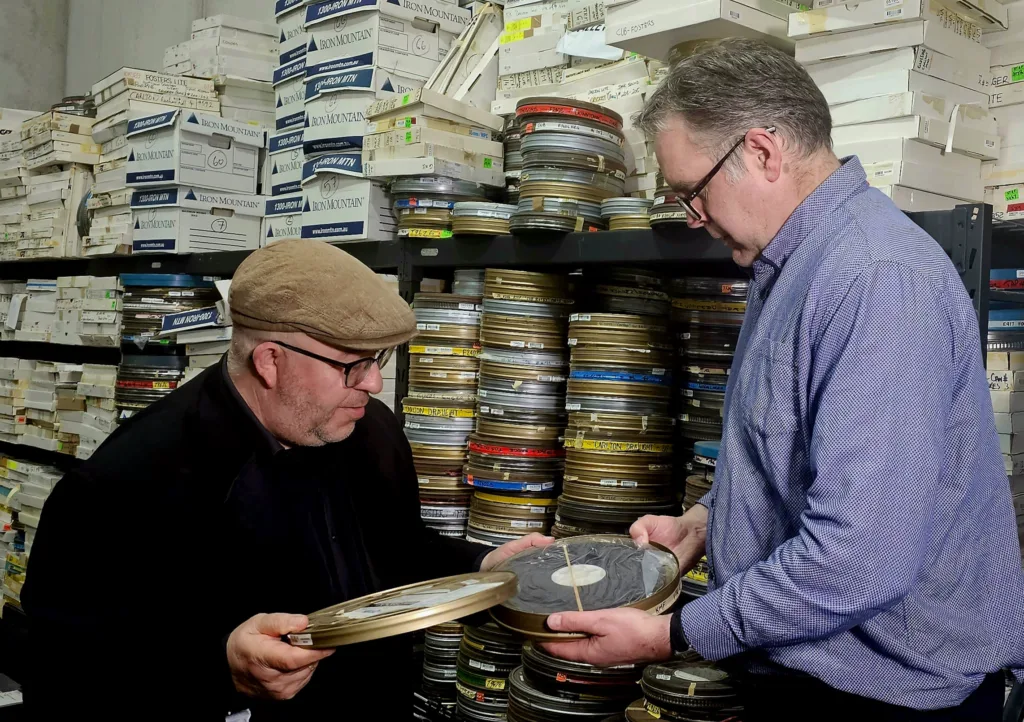
Magnetic tapes, film reels and early video formats were never designed to last indefinitely. As they degrade, playback becomes unreliable – and eventually impossible.
Industry bodies have warned that large volumes of analogue material are approaching the end of their usable life, particularly as the equipment required to play these formats becomes increasingly scarce.
“Once these materials deteriorate beyond recovery, they are gone forever,” Zographos says.
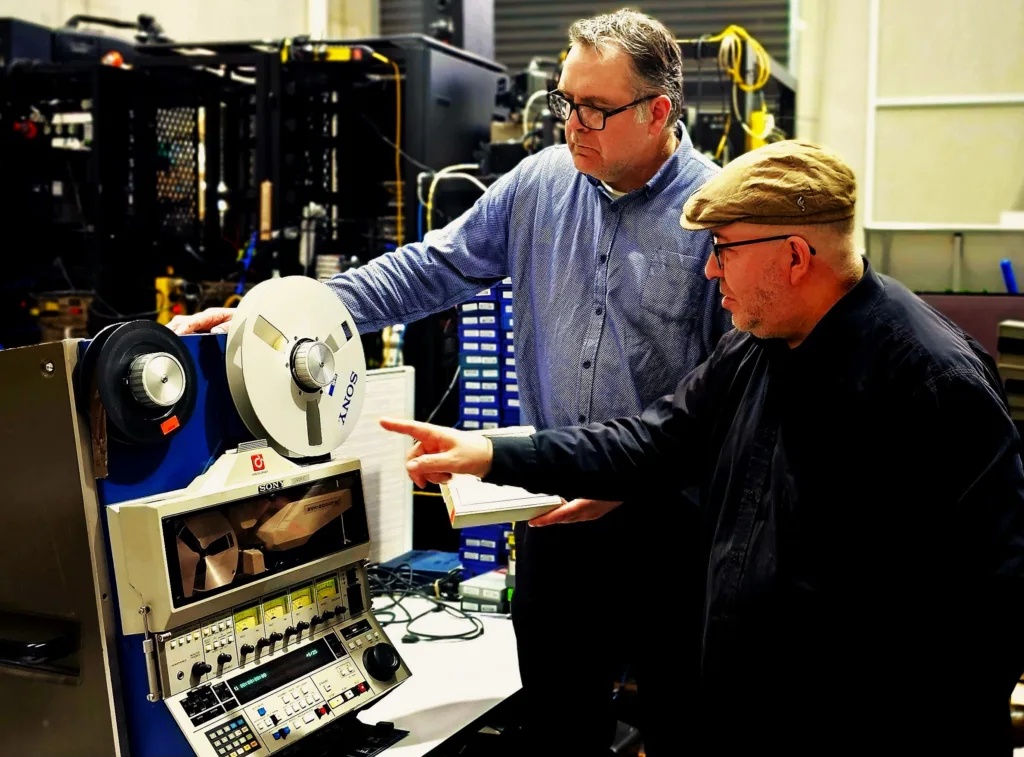
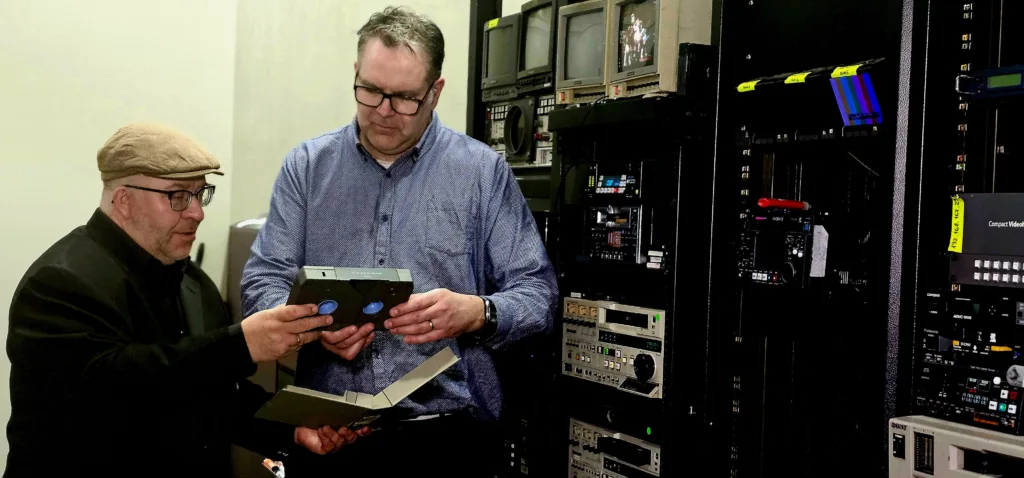
A key point of difference lies in the infrastructure behind the business. Over decades, Zographos has assembled a collection of broadcast-grade legacy equipment, much of it no longer manufactured or available.
“We operate with equipment used in major television networks through the 70s, 80s and 90s,” he explains.
“In many cases, we maintain multiple machines for each format. That level of capability is essential when dealing with complex or large-scale archival projects.”
This allows his team to manage a wide range of obsolete and professional formats, including broadcast tapes, film reels, audio archives and photographic material, delivering preservation-grade digital outputs tailored to each client’s requirements.
Unlocking value beyond preservation
While the primary focus is safeguarding content, the process often reveals unexpected value.
Organisations frequently rediscover archival material that can be repurposed for research, brand heritage, compliance or public engagement. Historical footage, internal records and early campaign materials can take on new relevance decades after they were first created.
“We see material that hasn’t been viewed for decades suddenly become relevant again,” Zographos says.
Recent projects have included work with universities, councils and cultural organisations, as well as culturally significant collections such as Indigenous community archives and historical photographic materials dating back more than a century.
In some cases, previously unseen footage has been restored and brought back into circulation, creating a renewed connection between past and present.
As technology continues to evolve, the principle remains the same.
“The most important thing is to digitise material at the highest possible quality today. If you get that right, it can be preserved and adapted well into the future,” he says.
In an increasingly digital world, the work itself may go largely unseen – but its impact is lasting.
For organisations holding decades of history, the opportunity to preserve it remains time-sensitive.
For Zographos, the mission remains simple.
“If it’s not preserved now, there’s a real risk it will be lost,” he concludes.
For more information
- Archives Australia Group
www.archivesaustralia.com.auwww.sydneyvideoconversions.com.auwww.melbournevideoconversions.com.au
Contact:
- Email: info@archivesaustralia.com.au
- Landline: 03 8738 0876
- Mobile: 0418 553 704
