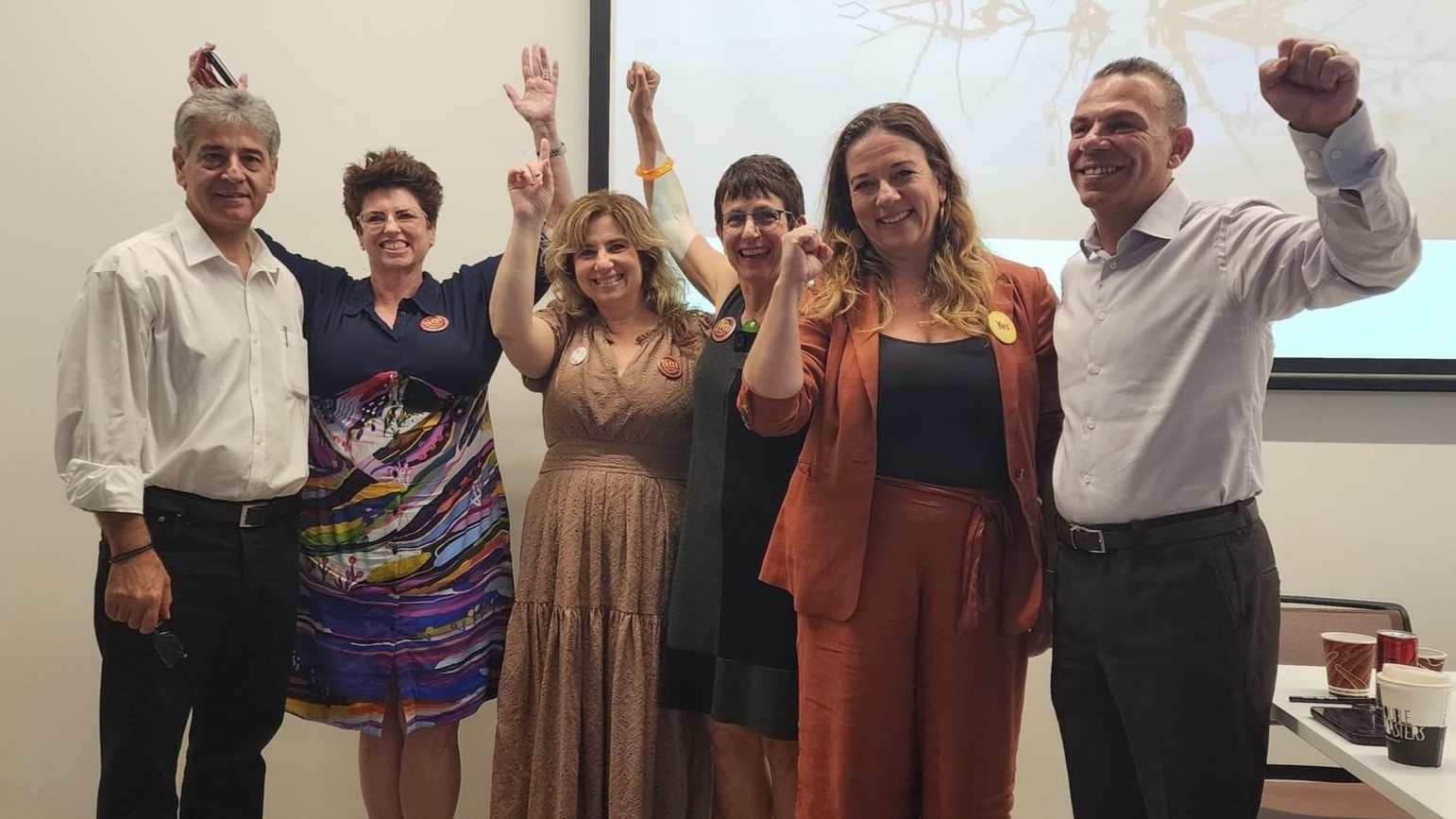
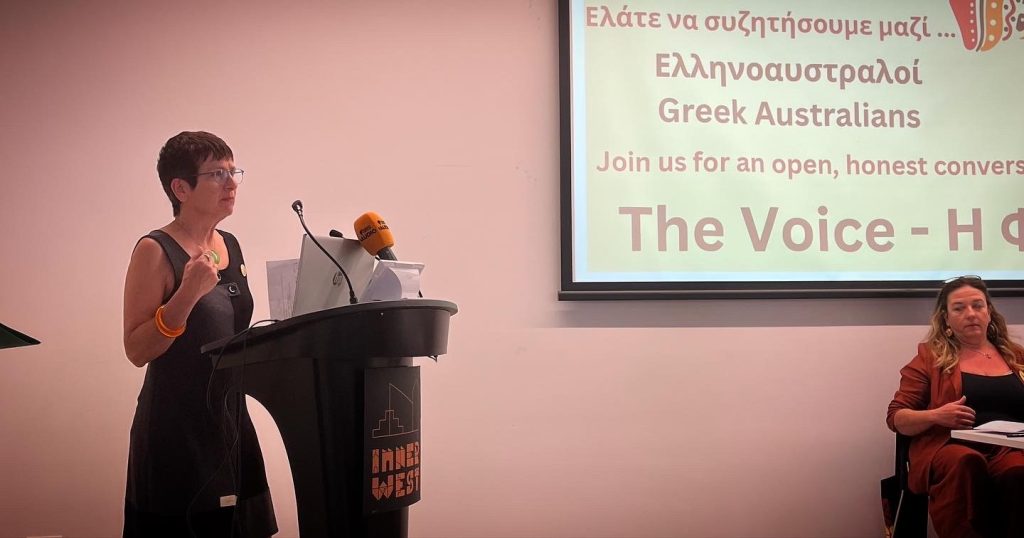
Greek Australians teamed up in Sydney on Saturday, September 30 at Marrickville Pavilion to give a talk on why an Indigenous Voice to Federal Parliament is important for Aboriginal and Torres Strait Islander people in Australia.
On the day, the Indigenous Voice was talked about in detail by four speakers. They were: Mark Buttigieg MLC, Member of the NSW Legislative Council; Theodora Gianniotis Minas, a Marrickville solicitor; Esta Paschalidis-Chilas, CEO of Canterbury Community Centre; Kay Pavlou, Greek Cypriot Australian filmmaker; and Nareen Young, Associate Dean for Indigenous Policy at the UTS Jumbunna Institute for Indigenous Education and Research. The discussion was facilitated by Themis Kallos.
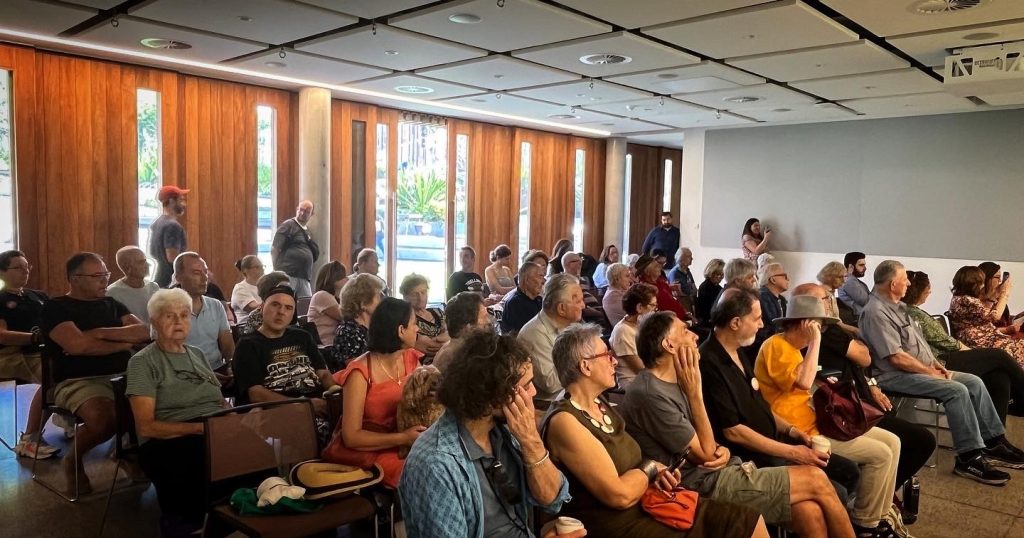
During the conversation, Mr Buttigieg said it would be “a great shame not to recognise the first people of this country” because Australia is a “very successful multicultural society.”
Ms Young spoke about her Indigenous heritage and personal experience, explaining how her family was forced from their home, leading to three generations “without connection to their culture and language.” She said she looks forward to working with the Greek community to change this and fight for constitutional recognition of Indigenous people.
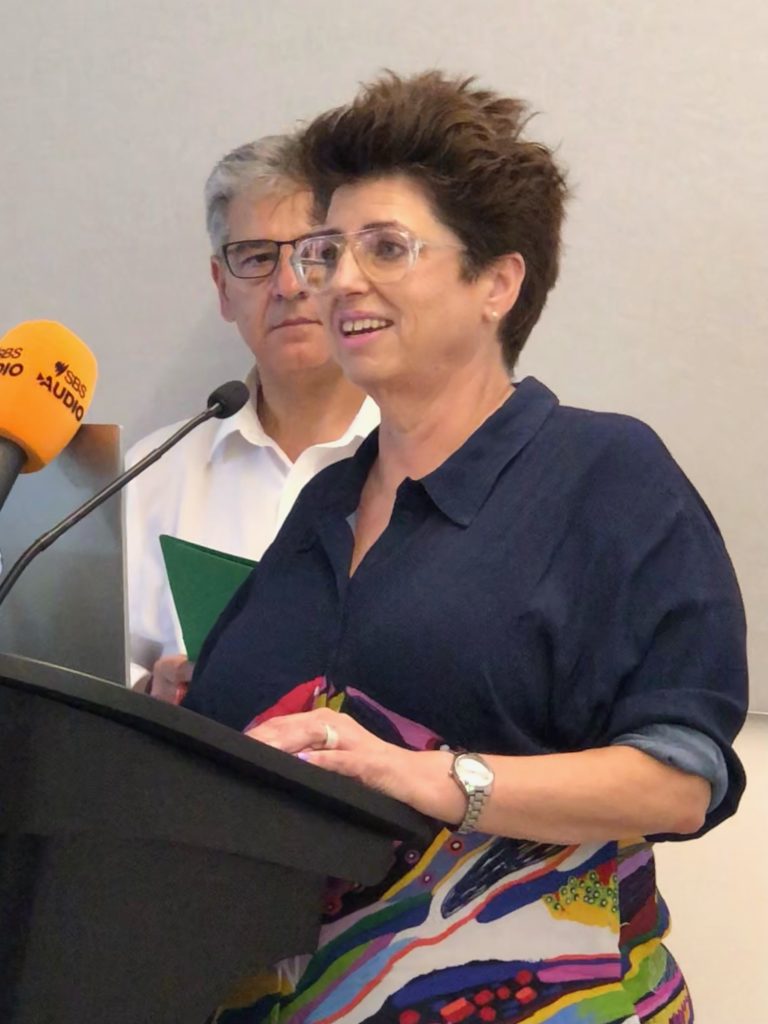
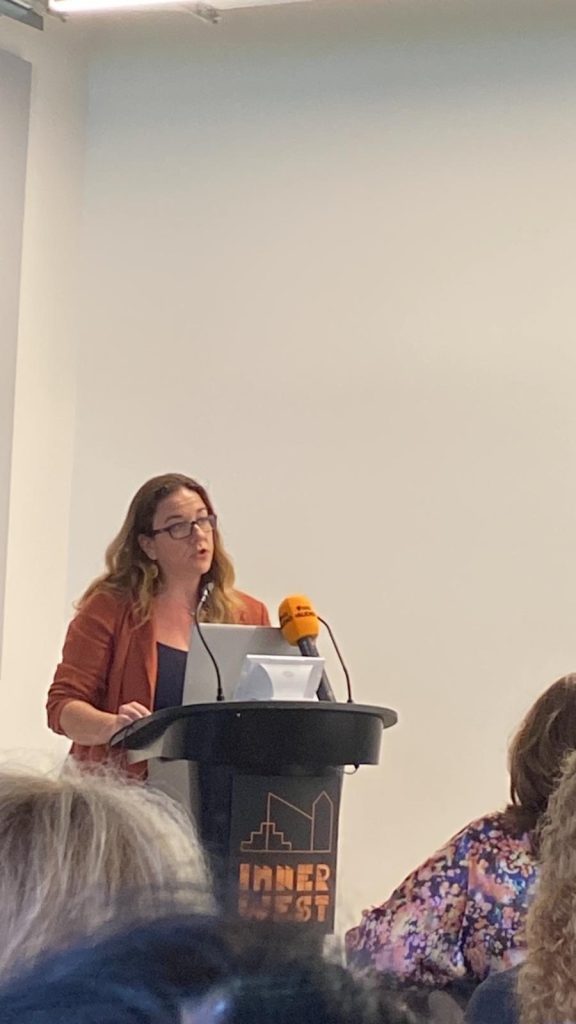
Mrs Paschalidis-Chilas also spoke from her experience as a child of Pontian refugees. She stressed that the upcoming referendum “is above politics” and said “the most democratic way is to say yes.”
For her part, Greek Cypriot Australian Ms Pavlou explained how she can sympathise with Indigenous Australians as her own parent’s village in Cyprus remains occupied by the Turks and they too have lost land and their culture.
Ms Pavlou then made reference to Greece’s national day on October 28, where the Greek Prime Minister Ioannis Metaxas said ‘NO’ to the ultimatum made by Italian dictator Benito Mussolini in 1940. She encouraged people to instead vote ‘YES’ on October 14 this year.
For her part, Ms Gianniotis Minas contrasted the Greek migration experience to the life of Indigenous people in Australia and said Greek migrants “had the right to work, vote and take the children to school but Indigenous people did not.”
She ended her discussion with a final message: “we need to listen to Indigenous people.”
