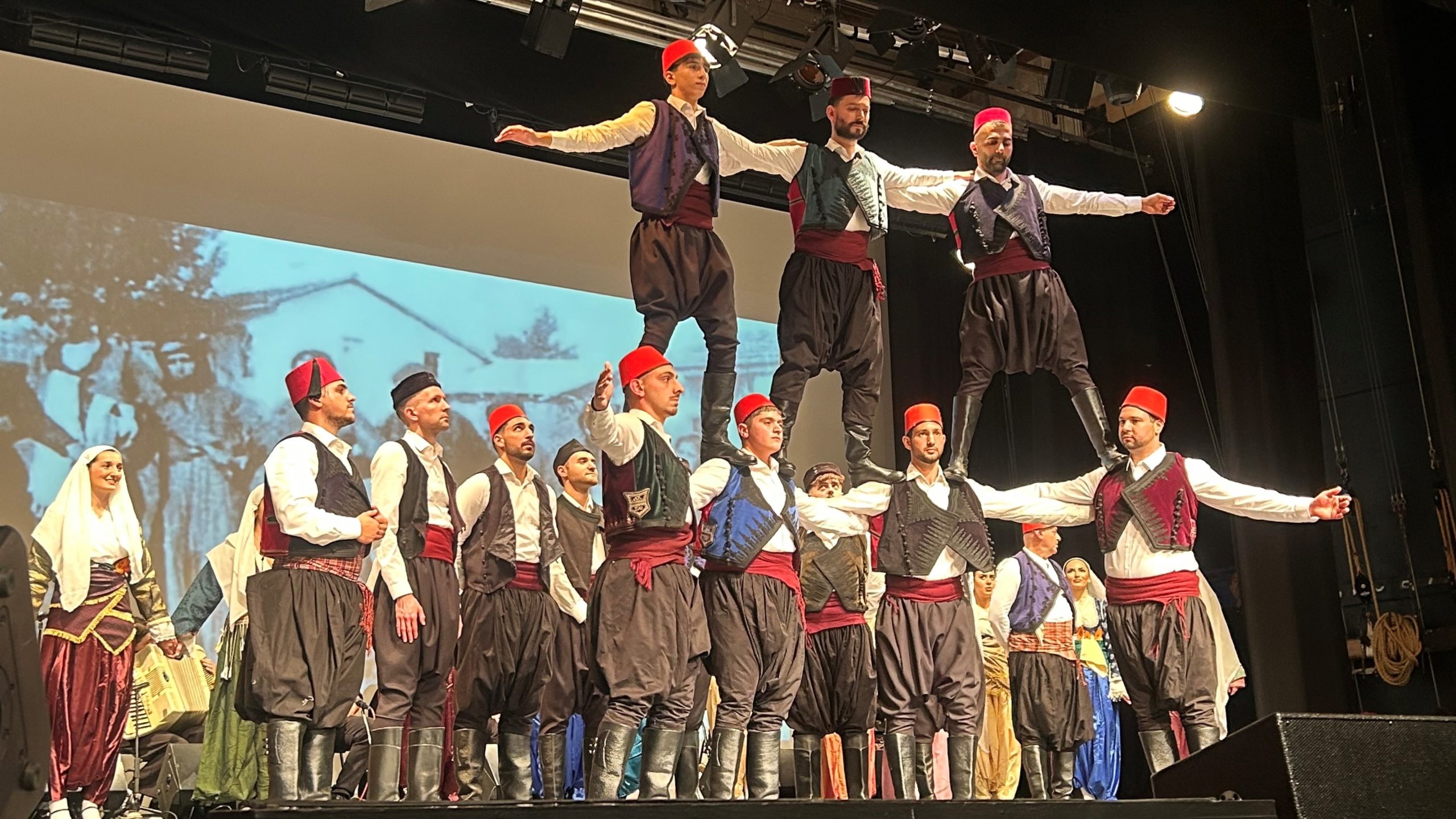
It was the ultimate tribute to the places once populated by Hellenes, where the rich and vibrant Hellenic culture once reigned.
The Greek Orthodox Community of South Australia’s (GOCSA) Dance Academy delivered an unforgettable performance Ellinon Homata in front of over 400 people in the CBD’s Royalty Theatre on Saturday night. Tales from Greece’s lost territories were brought to the stage with a fusion of music, song, dance and storytelling.
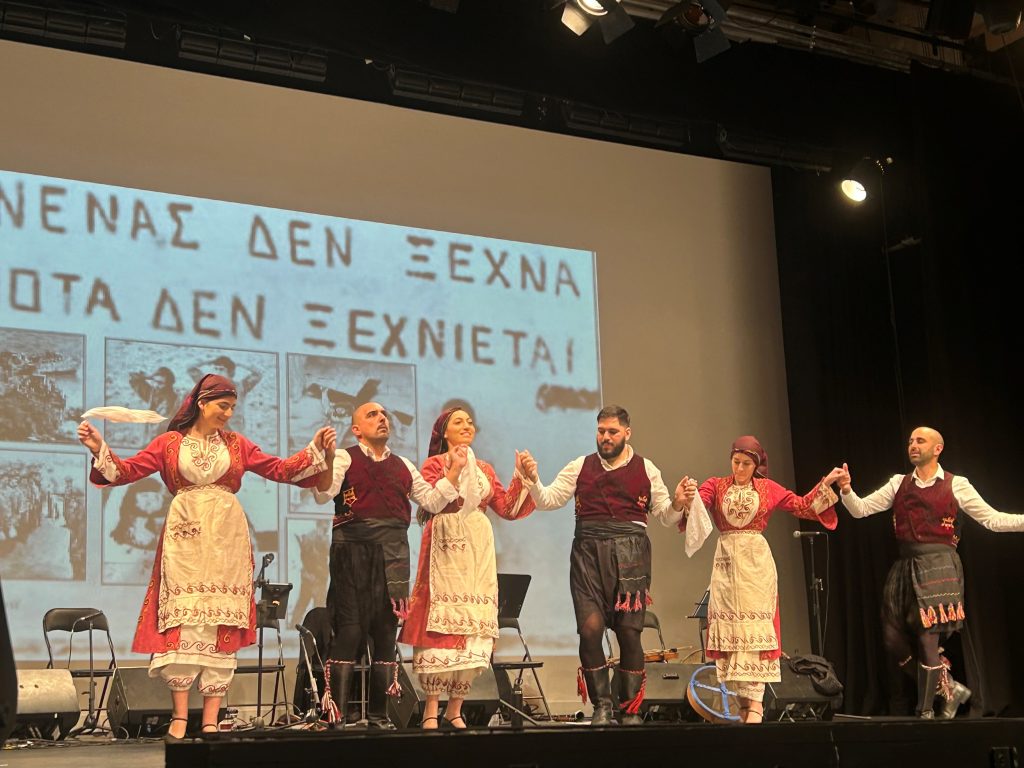
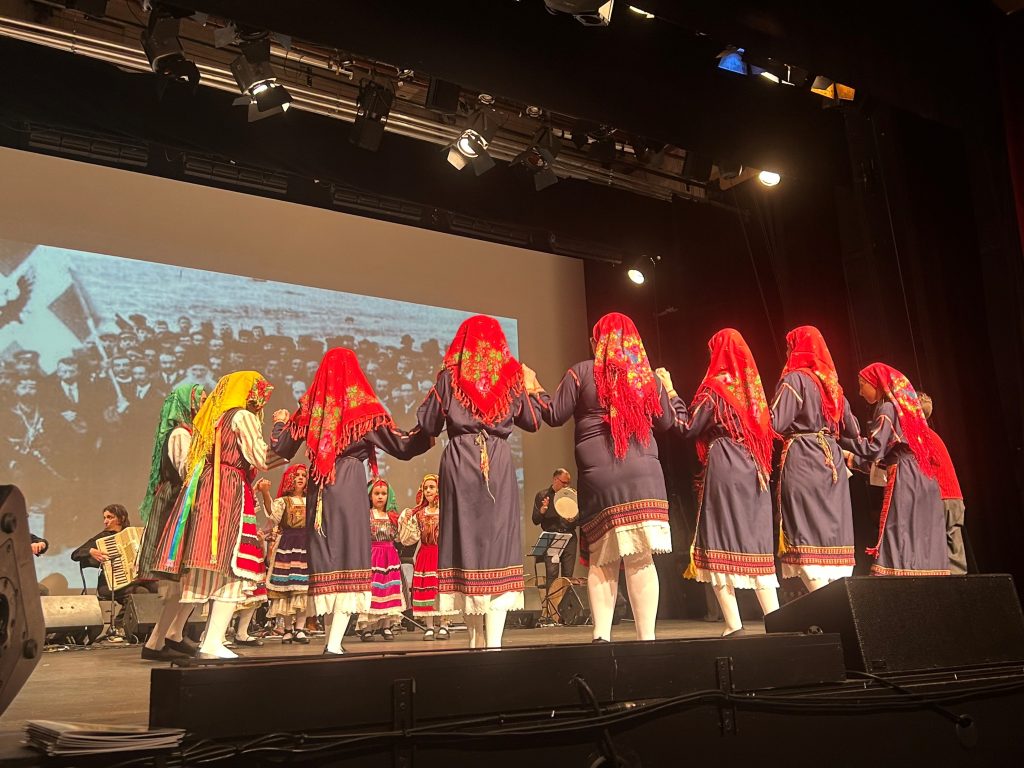
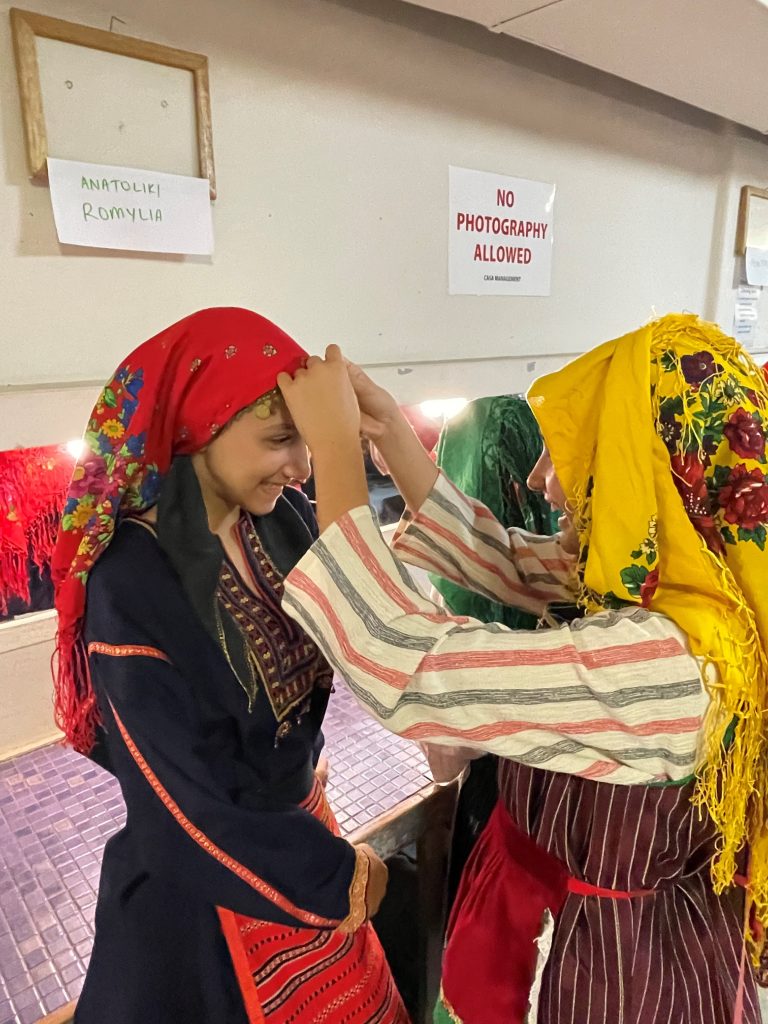
Over 70 dancers in beautiful, traditional costumes, supported by 15 local and interstate musicians, took the audience on an incredible and emotionally charged journey of the past, honouring and remembering places such as Pontus, Asia Minor, Cyprus, Cappadocia, Eastern Rumelia, Constantinople and Epirus.
The Dance Academy also featured theatrical and musical performances from the Cyprus Community of South Australia, as well as the Pontian Brotherhood of South Australia.
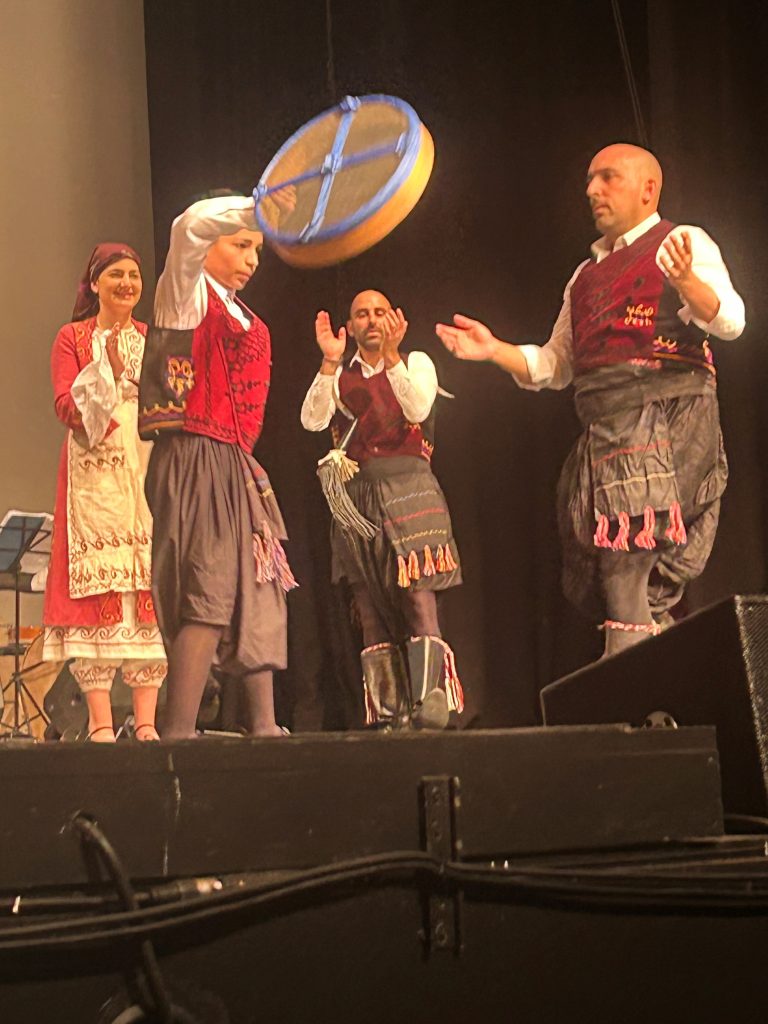
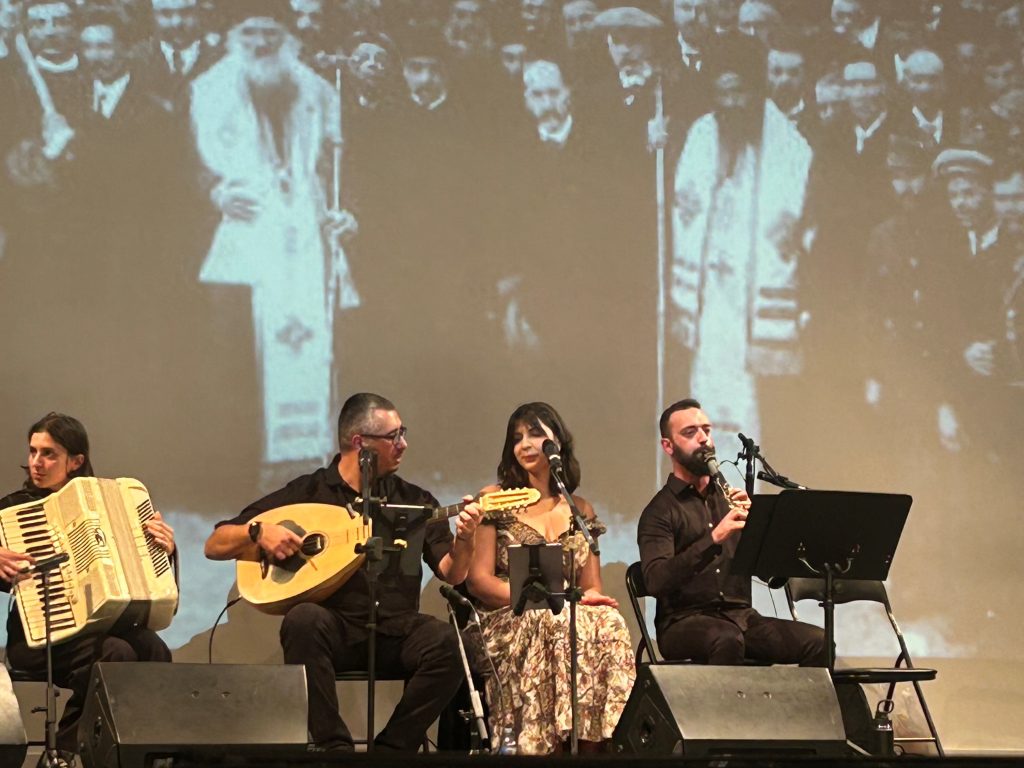
Emotional videos and historical photos depicting the pain of war and uprooting experienced by thousands of Hellenes during that era were featured during the show, with some guests being unable to hold back tears as the stories had a direct connection with their past as refugees.
“All of a sudden I went back into my 20s again by watching and living this performance,” one patron said. “There were a lot of teary eyes around where I was sitting.”
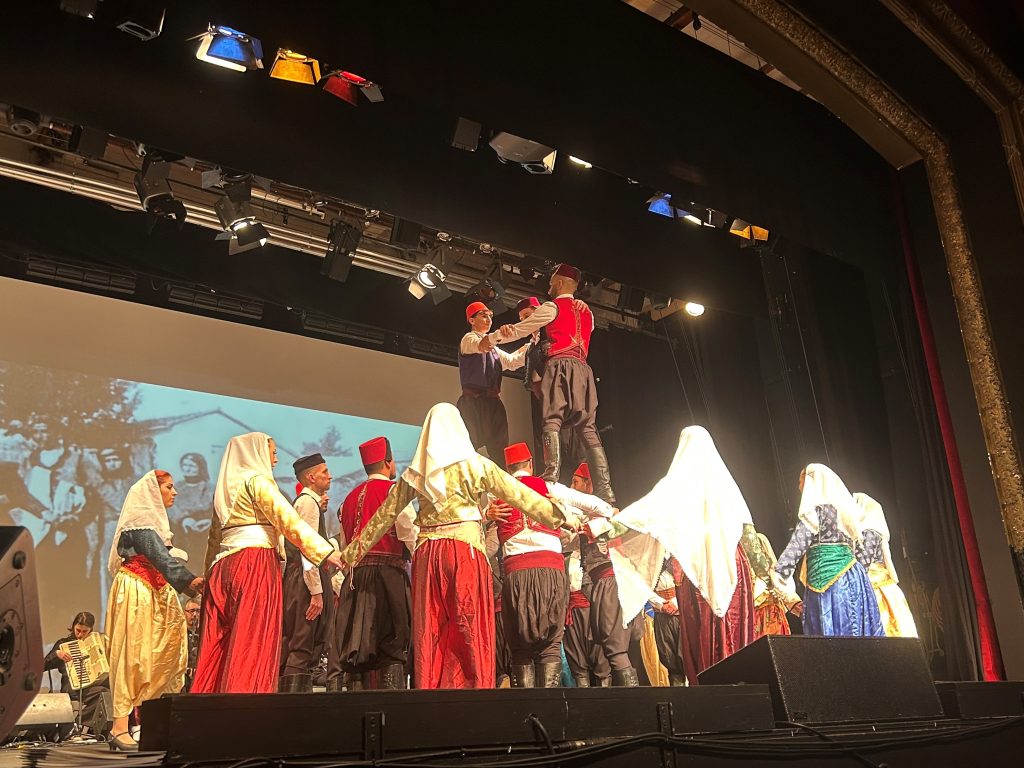
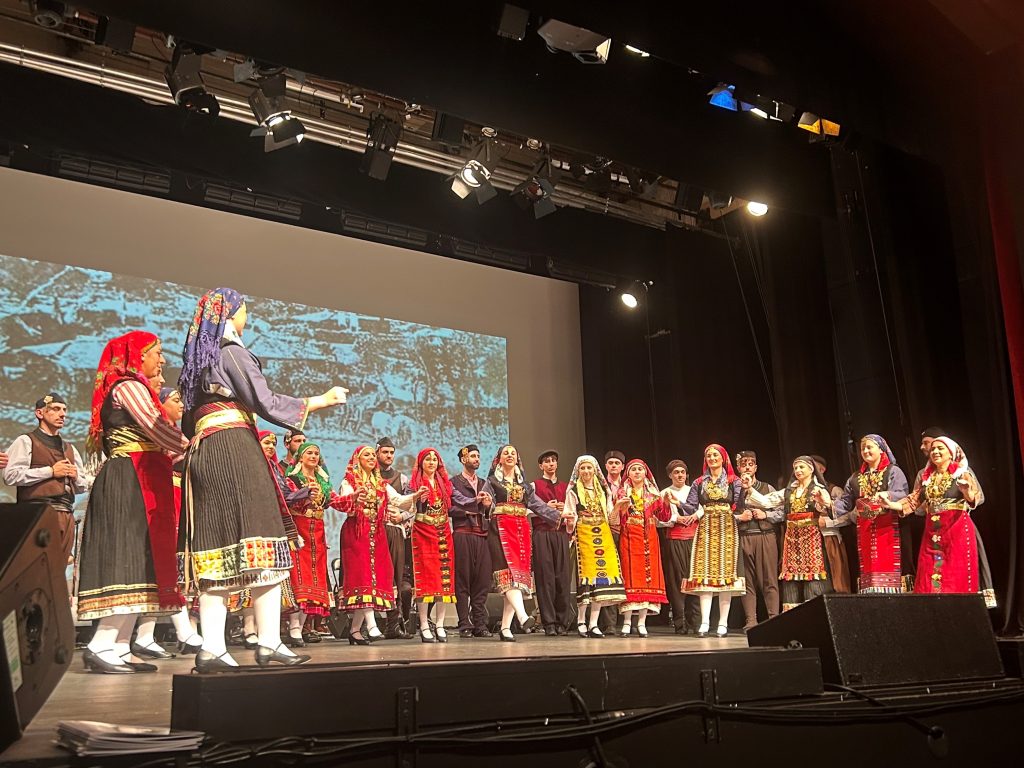
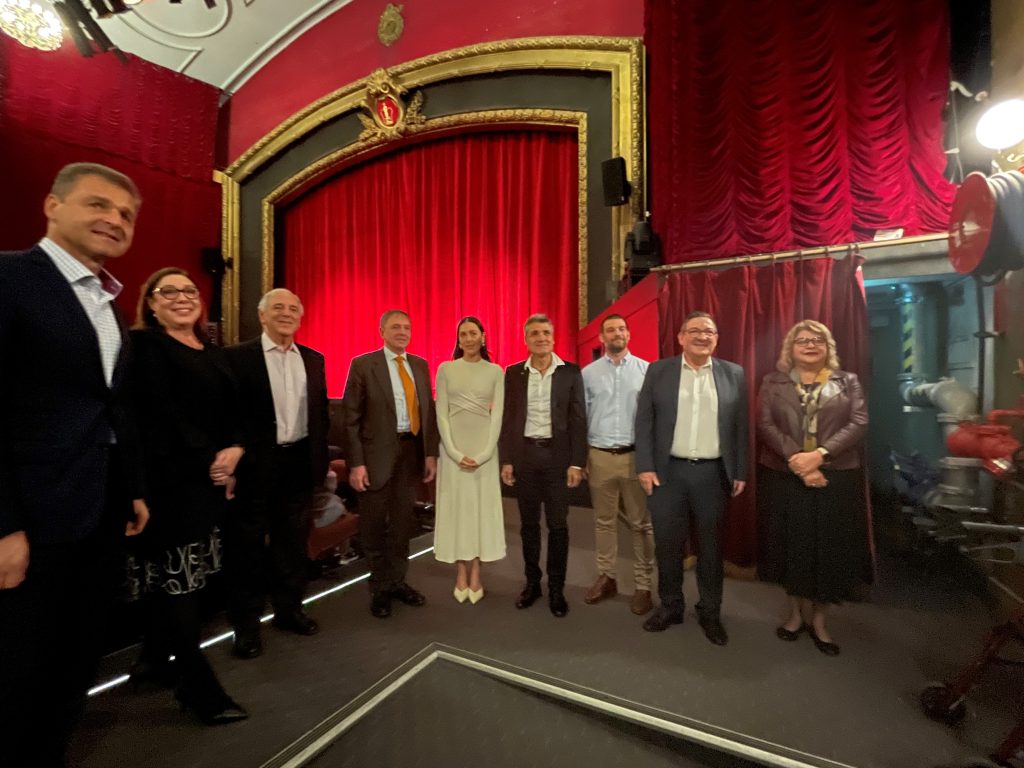
Ellinon Homata was attended by the Consul General of Greece in South Australia, George Psiachas; Justice Stephen Pallaras KC; the Hon Irene Pnevmatikos MLC; Steve Georganas MP, Federal Member for Adelaide; Professor Andreas Evdokiou, President of the Cyprus Community of South Australia; Nazareth Chisholm, President of the Pontian Brotherhood of South Australia; and members of GOCSA’s Administrative Council.
Formed in 1980, the GOCSA Dance Academy prides its reputation on being one of the longest running and successful dance schools in South Australia. Students learn traditional dances from all regions of Greece and have the opportunity to showcase each dance in authentic, traditional costumes imported directly from Greece. The group regularly perform at festivals and other functions across the country.

