About 400 people filled the Marana Hall in Hurstville on Wednesday night to commemorate Greek Pontian Genocide Remembrance Day.
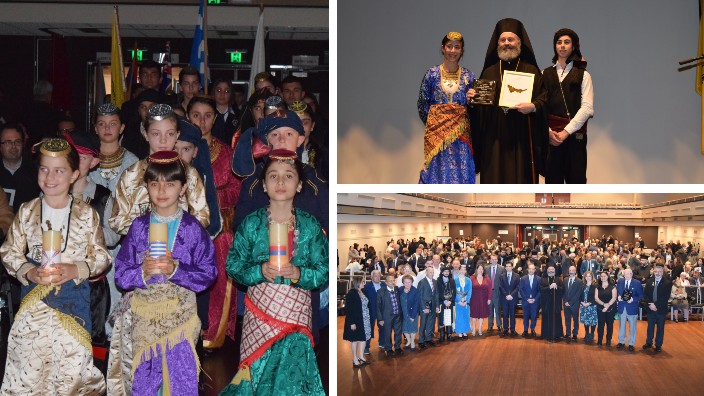
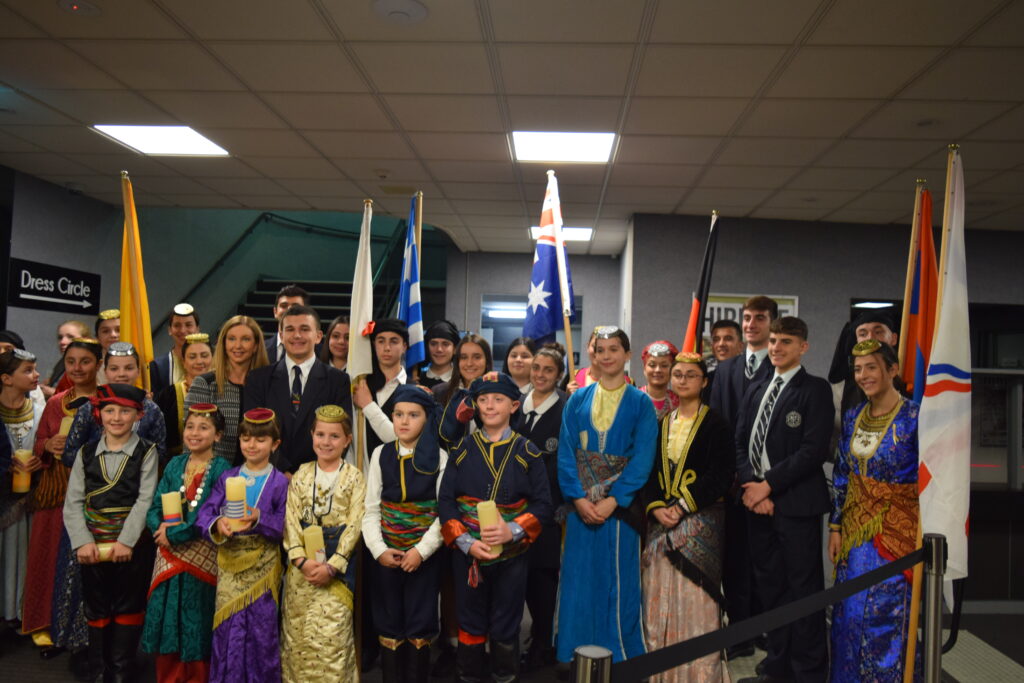
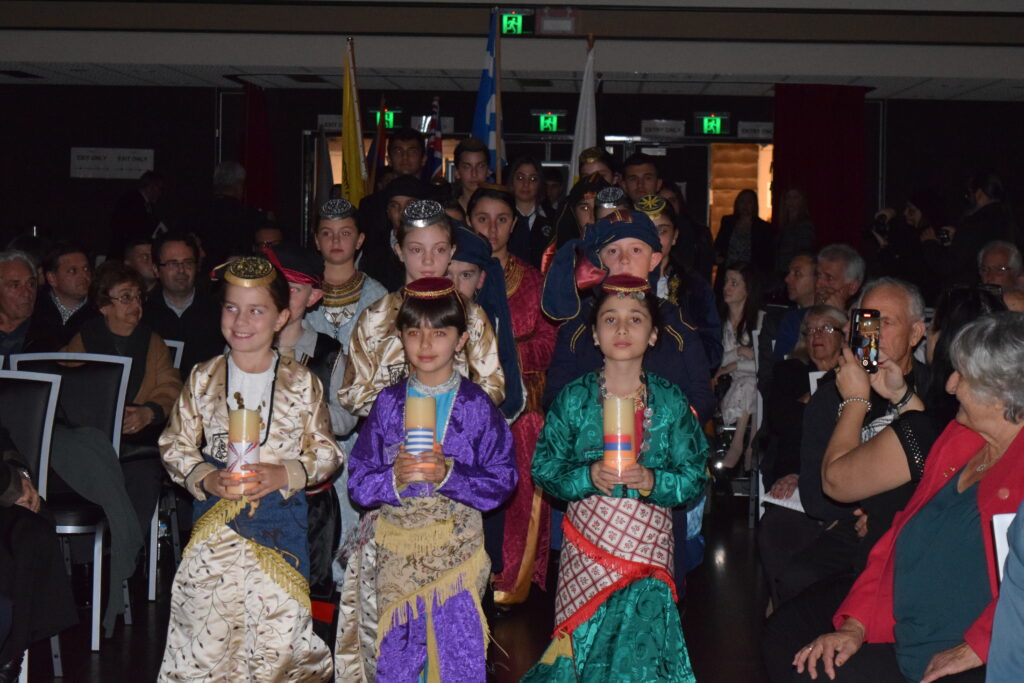
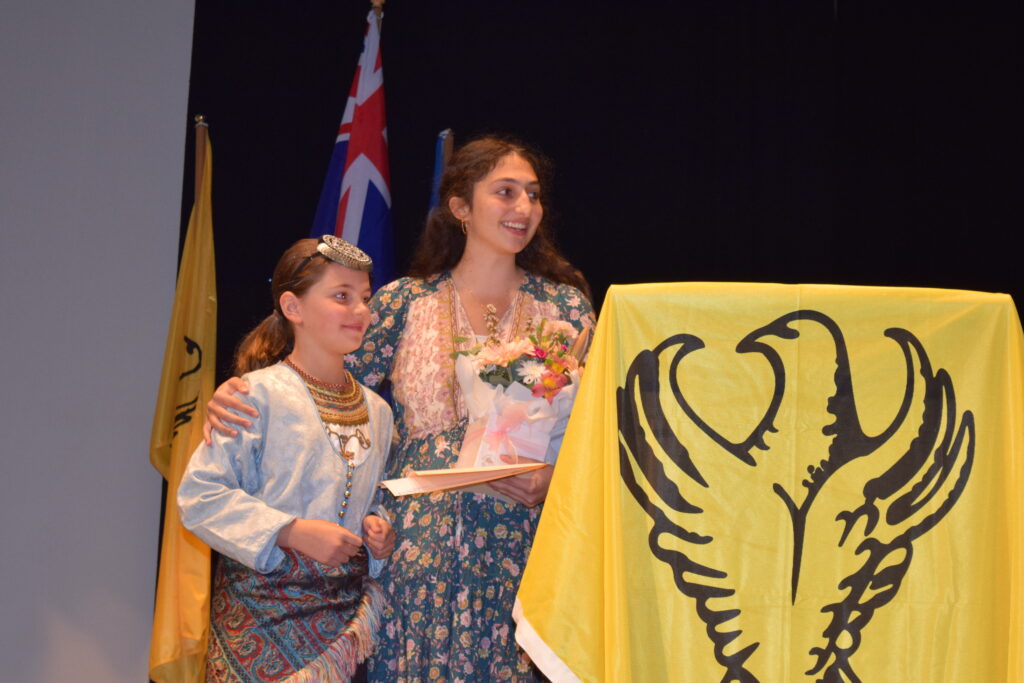
The event, which was organised by Pontoxeniteas NSW, Panagia Soumela Sydney and Diogenes Wollongong, began with a heartwarming entry by Pontian youth dressed in traditional Greek costumes and carrying candles in remembrance of the 353,000 Pontian Greeks who lost their lives during the Greek Genocide committed by the Ottoman Turks.
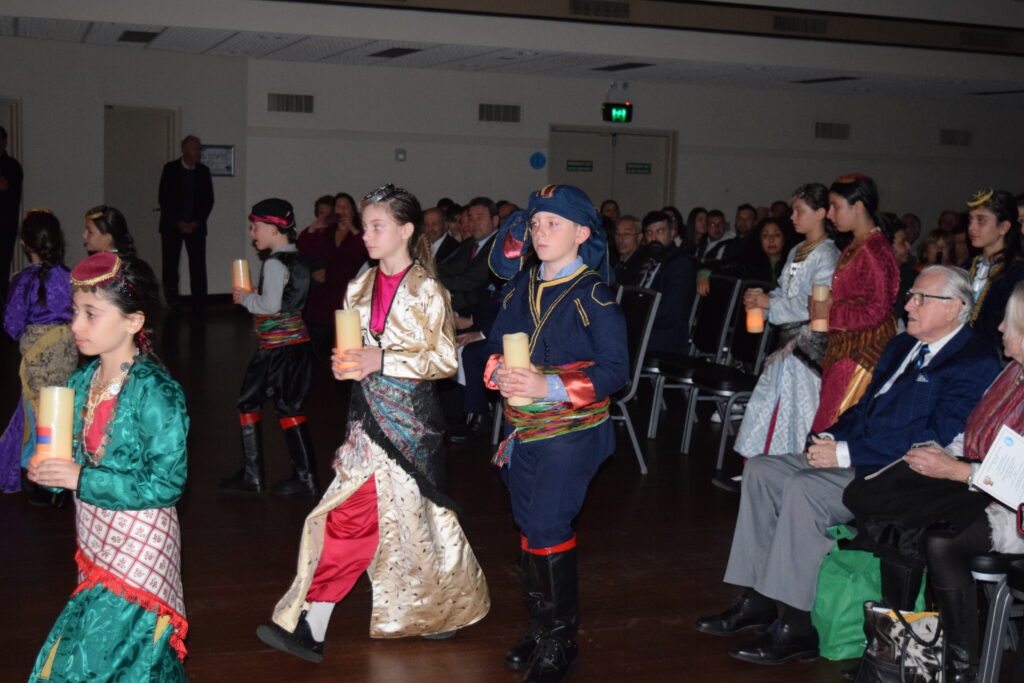
Following closely behind the youth was His Eminence Archbishop Makarios of Australia, who was the keynote speaker on the night, as well as other clergy from across Sydney.
In attendance was also a number of politicians and prominent members of the Greek community including, but not limited to, Christos Karras, the Consul General of Greece in Sydney, Peter Poulos MLC, representing the NSW Premier Gladys Berejiklian, Member for Rockdale, Steve Kamper MP, Frederick Nile MLC from the Christian Democratic Party, Vic Alhadeff, representing the NSW Jewish Board of Deputies, the President of Pontoxeniteas NSW, Maria Anthony, the President of Panagia Soumela Sydney, Peter Papoulidis, and representatives from the Pontian Federation of Australia.
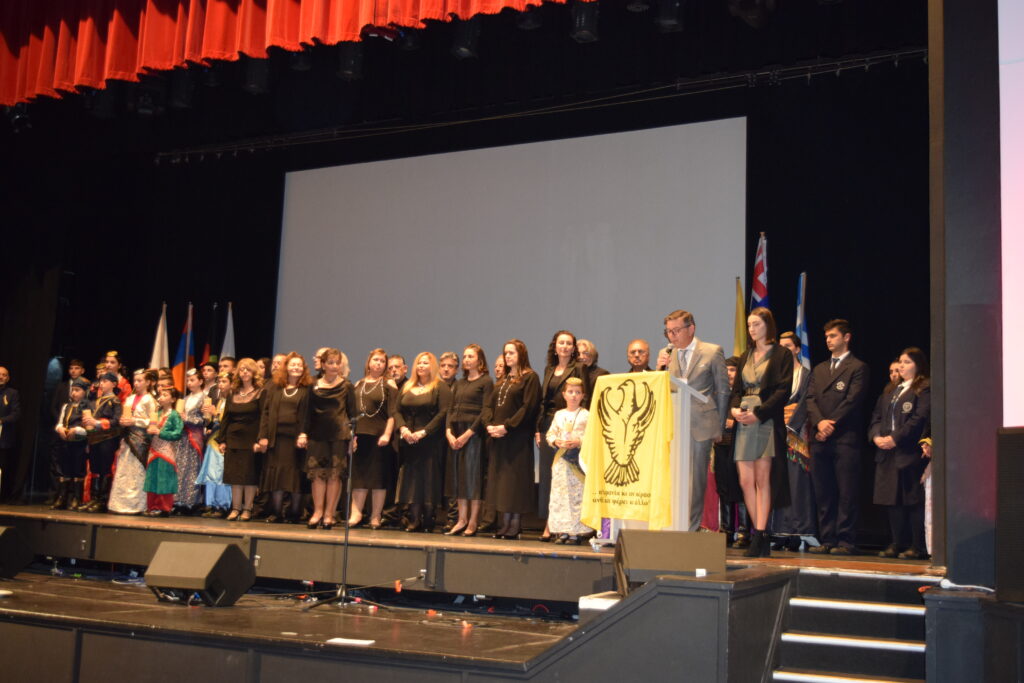
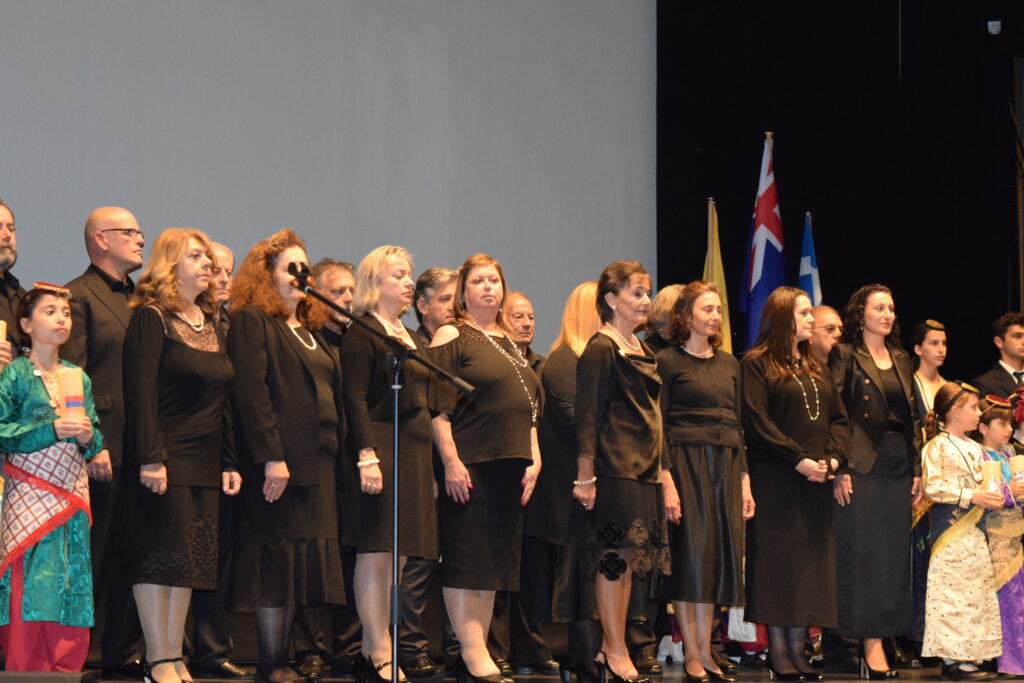
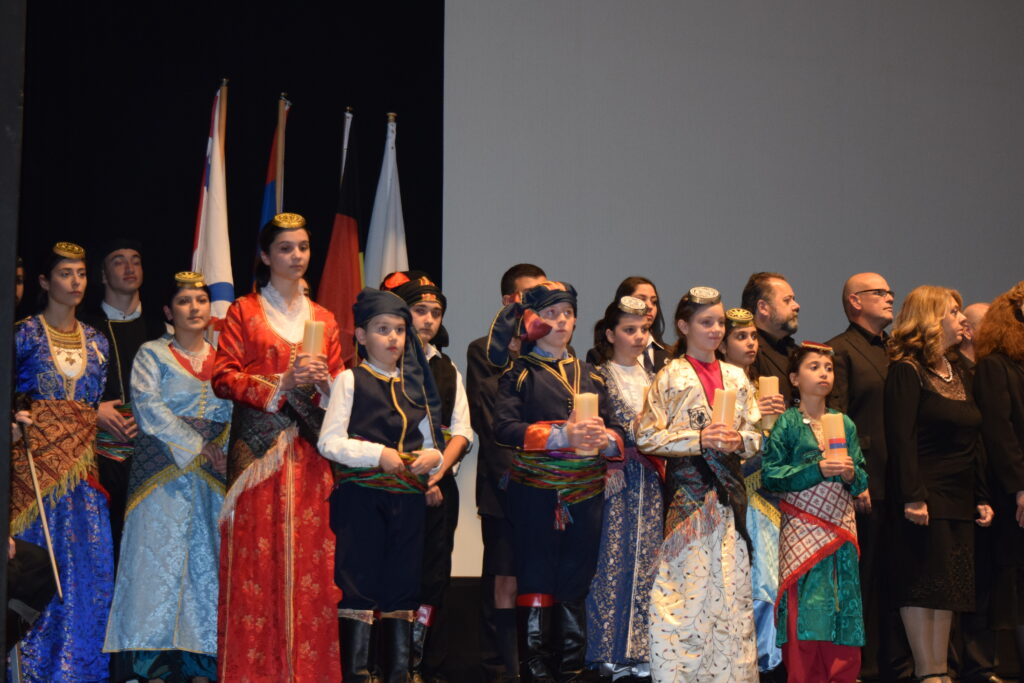
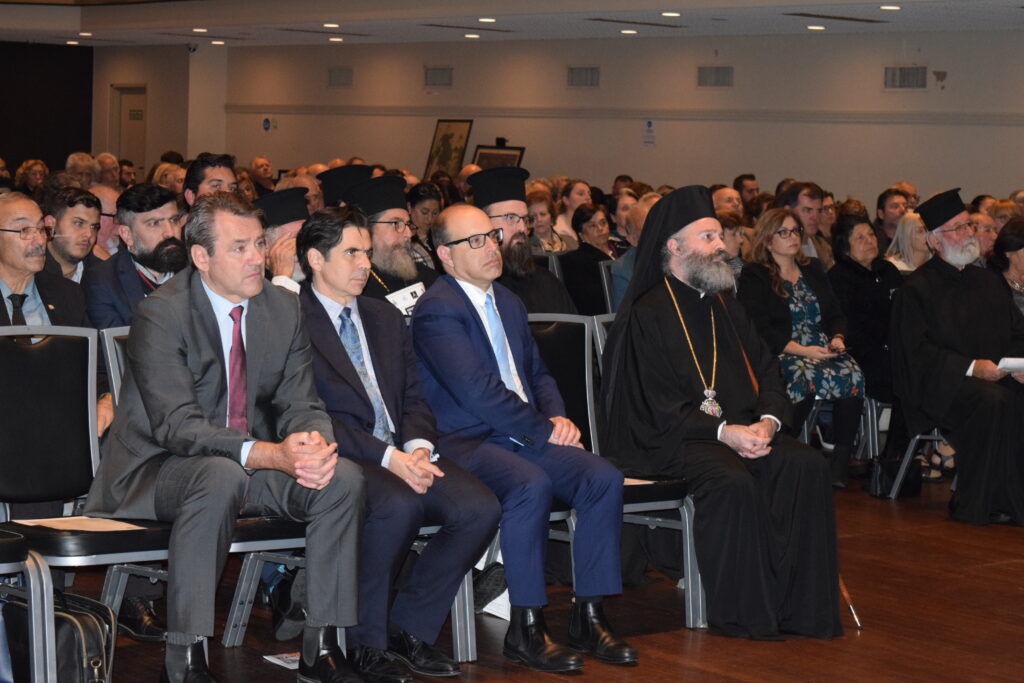
Official proceedings kicked off with the National Anthems of Australia and Greece, sung by the Australian Hellenic Choir, followed by a minute silence and a short prayer by Archbishop Makarios.
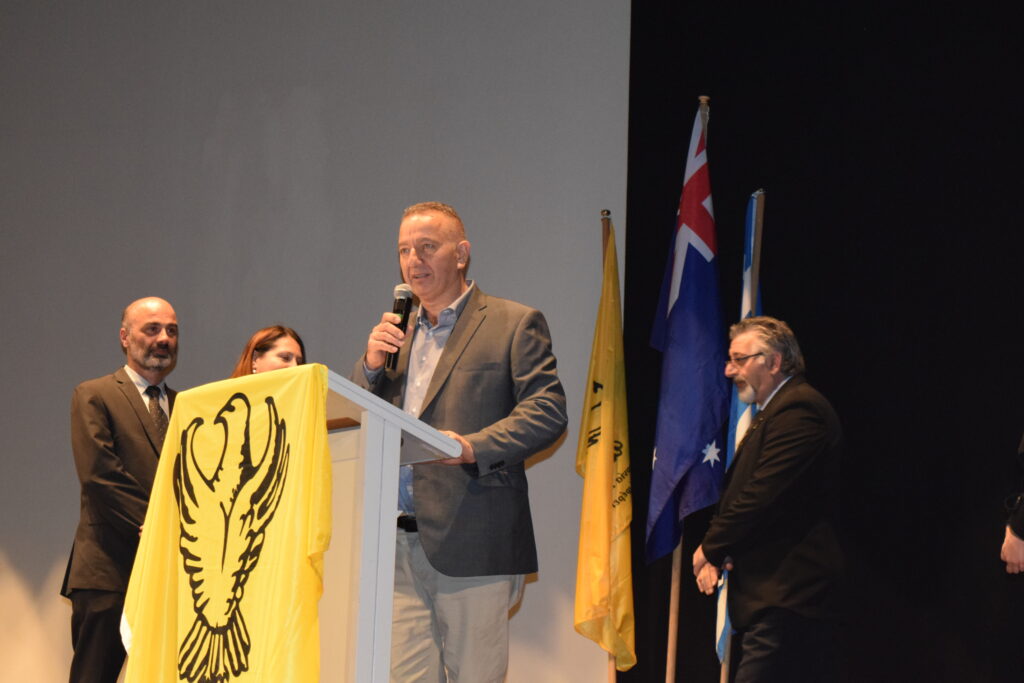
The Consul General then stood up and gave an address, stressing that the “struggle for recognition of the genocide continues.”
“It is our duty to know and honour our history. Not in order to attach blame, but to ensure that such heinous crimes are never repeated,” Mr Karras said.
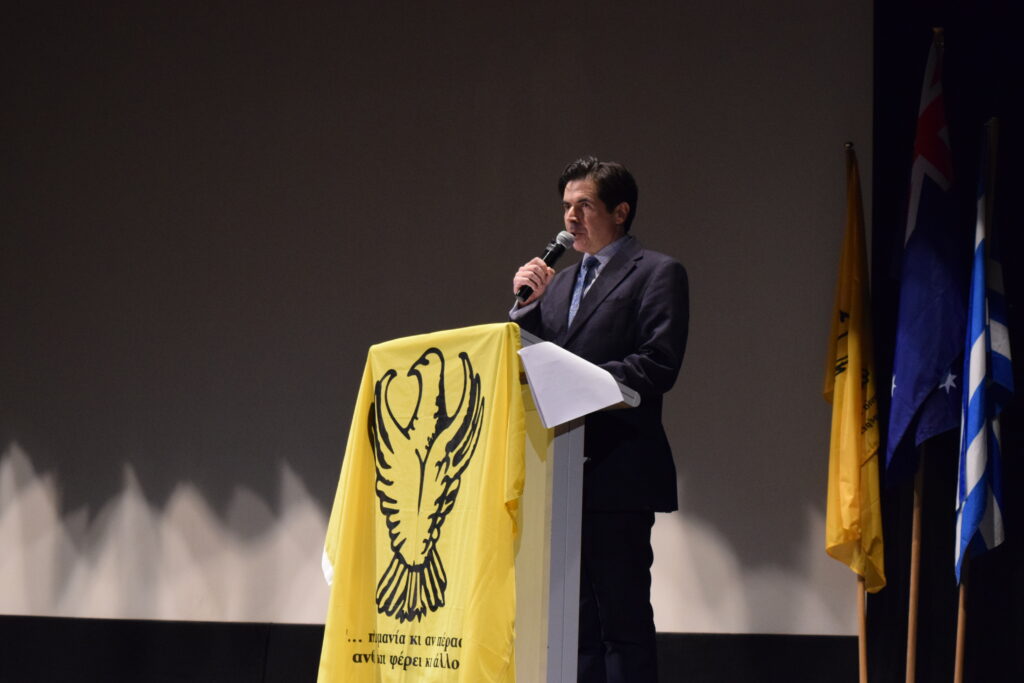
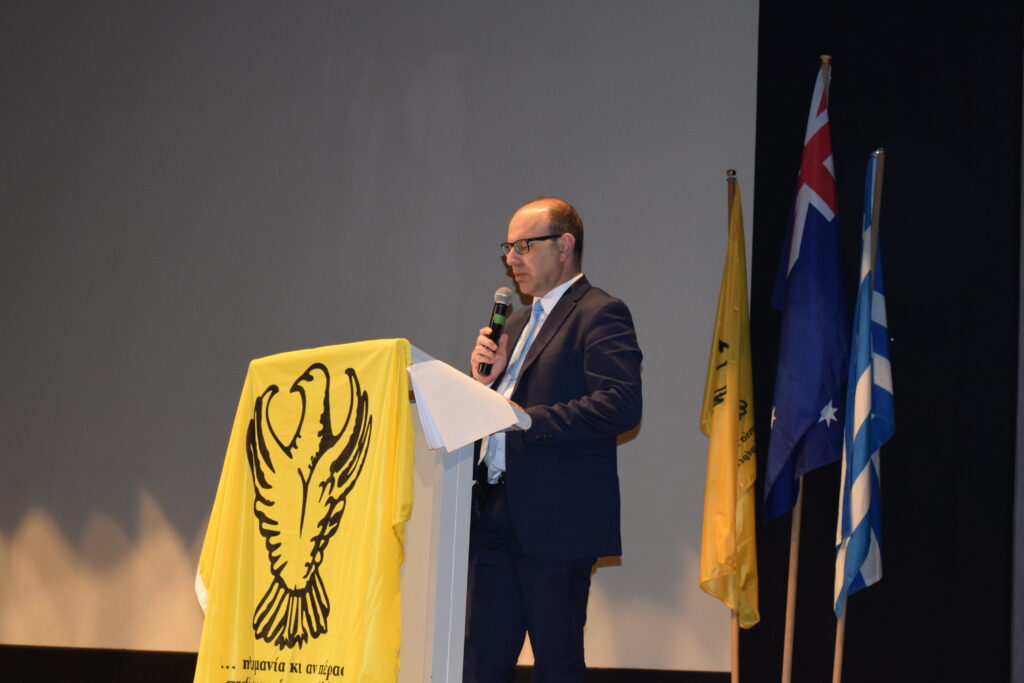
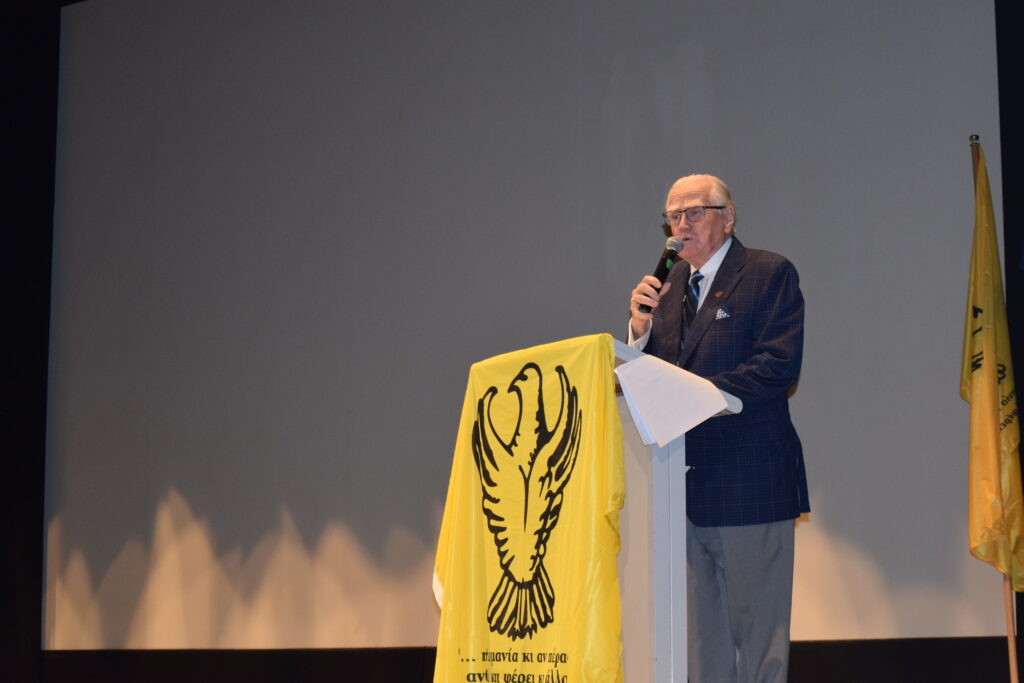
This was followed by powerful speeches from Mr Poulos and Mr Nile. In his address, Mr Poulos read out a special message from the NSW Premier to mark and honour the day of remembrance of the Greek Pontian Genocide.
“I extend my support to members of the Greek community in New South Wales, commemorating the Pontian Genocide in which hundreds of thousands of men, women and children were killed and a civilisation devastated,” Mr Poulos read from Berejiklian’s message.
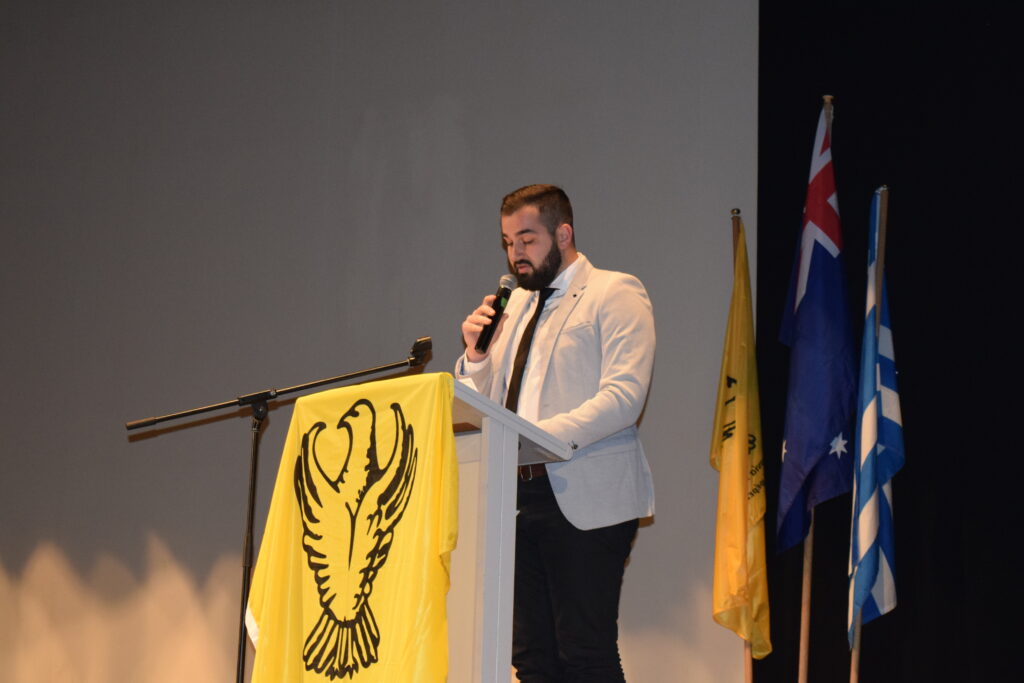
Throughout the rest of the night, there was also a number of talks on the importance of ‘Education and Truth’ and ‘Reflection’ when it comes to speaking and thinking about the genocide. These were given by descendants of survivors of the Pontian genocide such as Chrysanthi Diasinos and Kyle Klazidis.
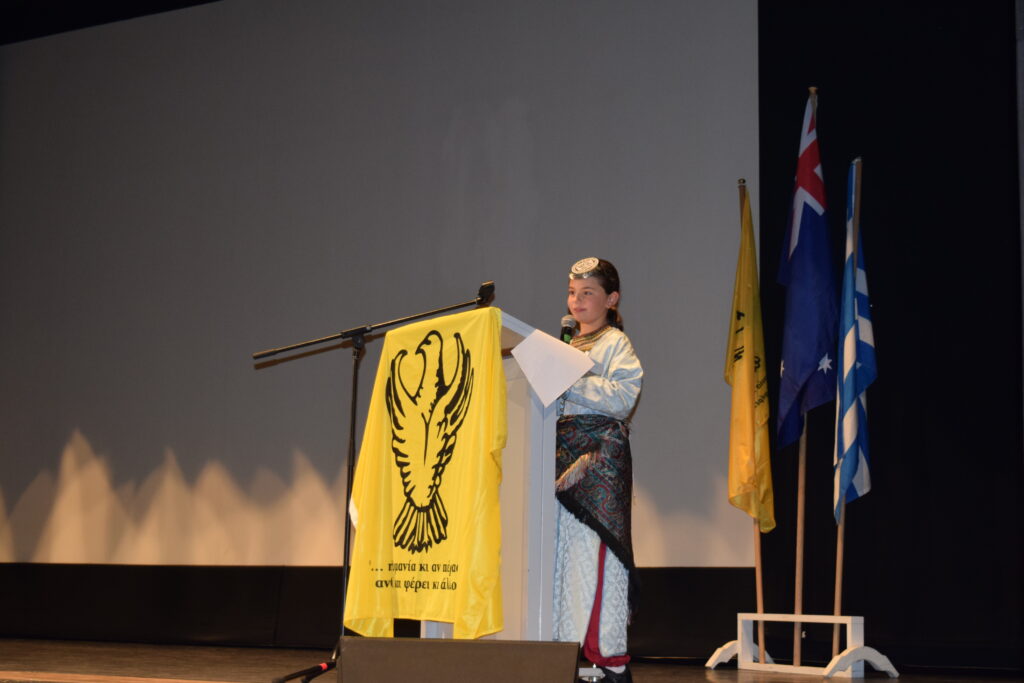
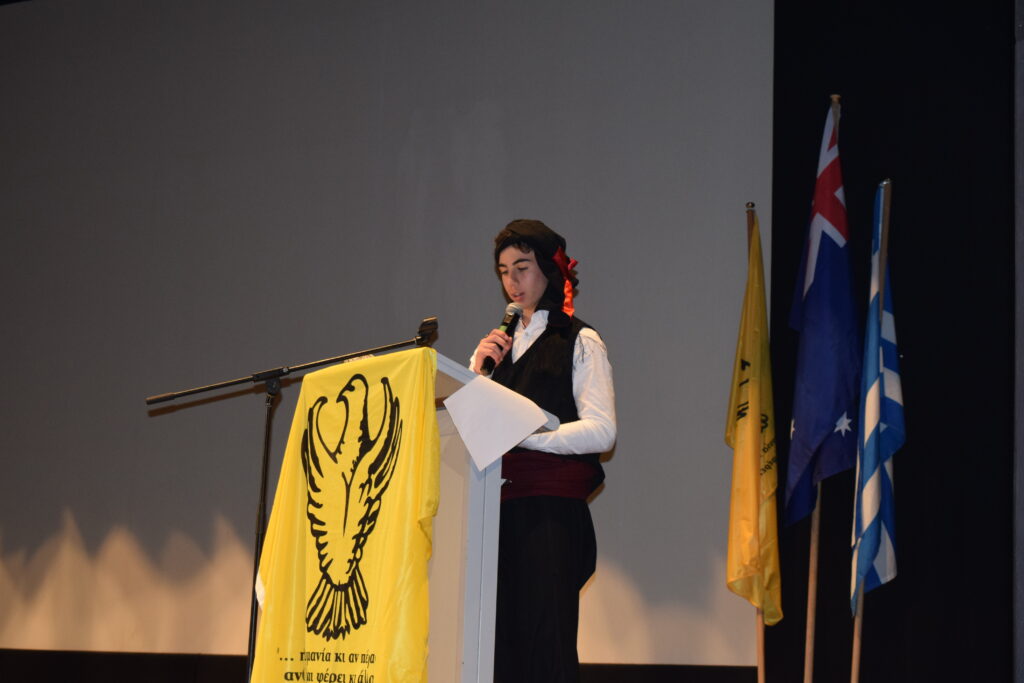
Marios Anthony, Eleni Lambousis and Anastasia Papastefanou, who were all Pontian youths dressed in traditional costumes, then gave an insight into what recognition of the Greek Pontian genocide means for future generations.
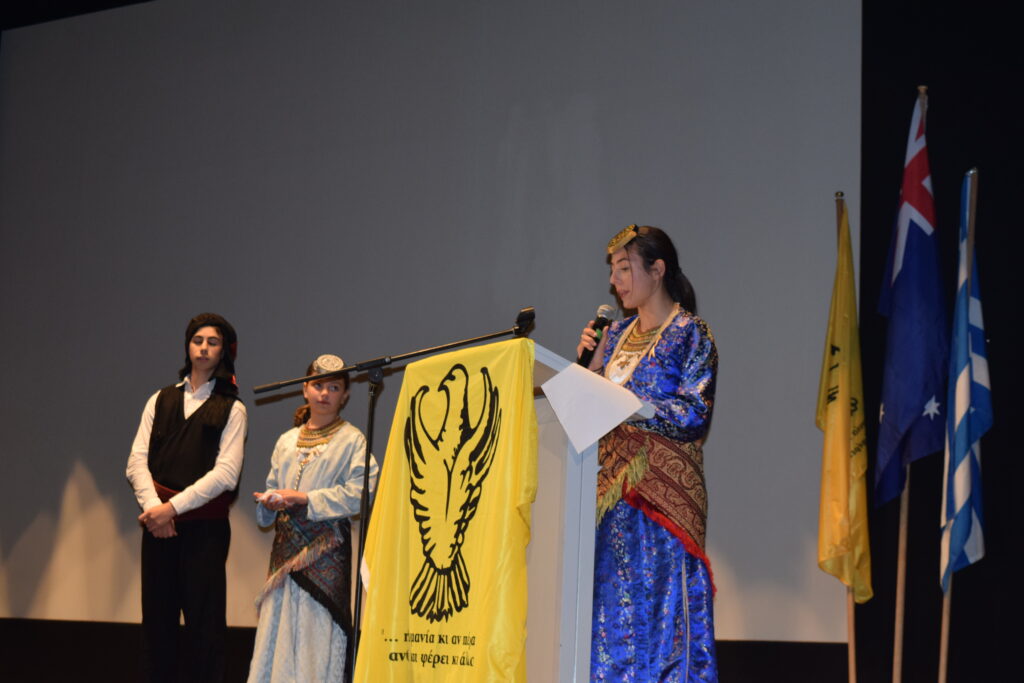
This was followed by a short panel featuring representatives from the Joint Justice Initiative, including members of the Greek, Armenian and Assyrian communities.
But of course, the highlight of the night was the keynote speech by Archbishop Makarios, which focused on the Pontian culture, its destruction at the time of the genocide, as well as how the church is a “keeper of the faith” and a “provider of education.”
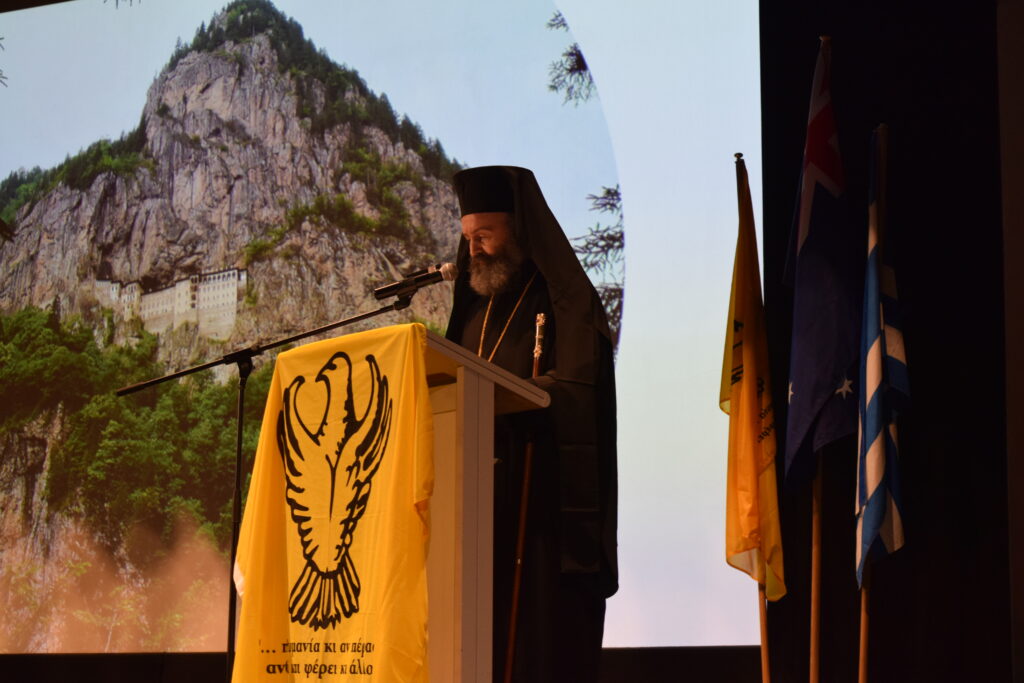
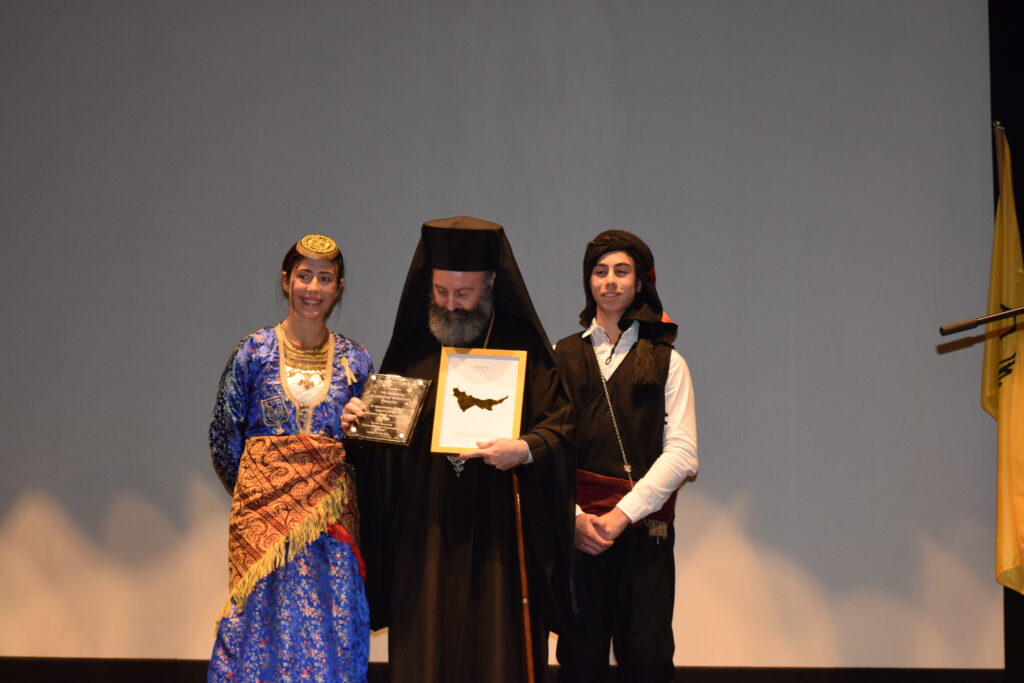
“Everyone who is responsible should be ashamed. The younger generations need to bring out the truth because one of the phases of genocide is to forget our history. We will not forget our history. We will not forget who we are. We will not forget where we come from. We are not afraid to say that we are Pontians,” Archbishop Makarios said passionately, drawing loud applause and cheers from the crowd.
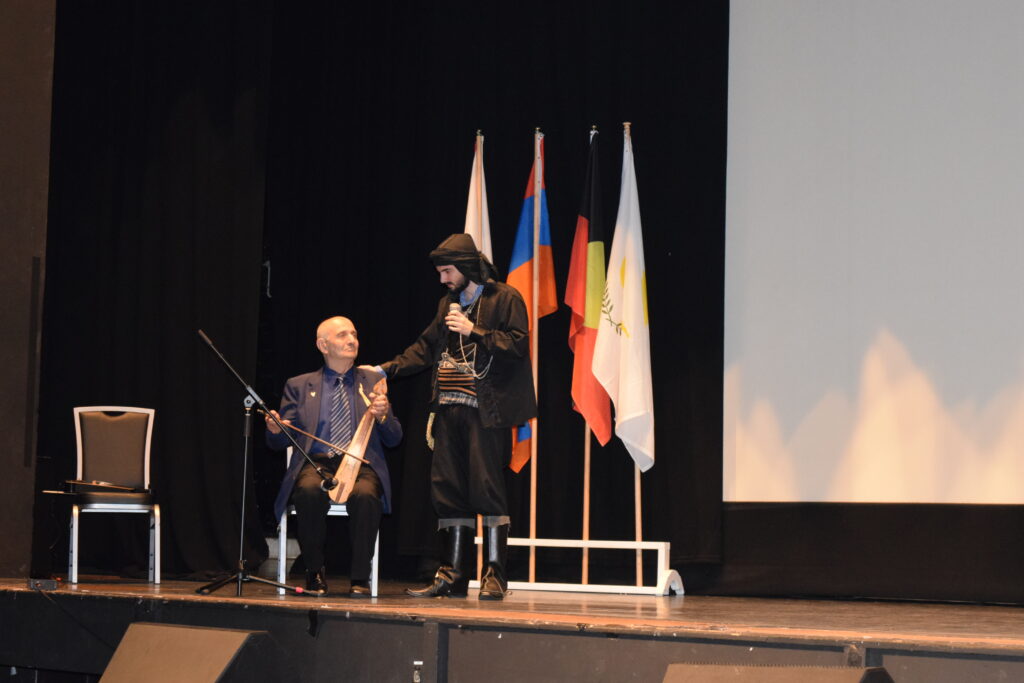
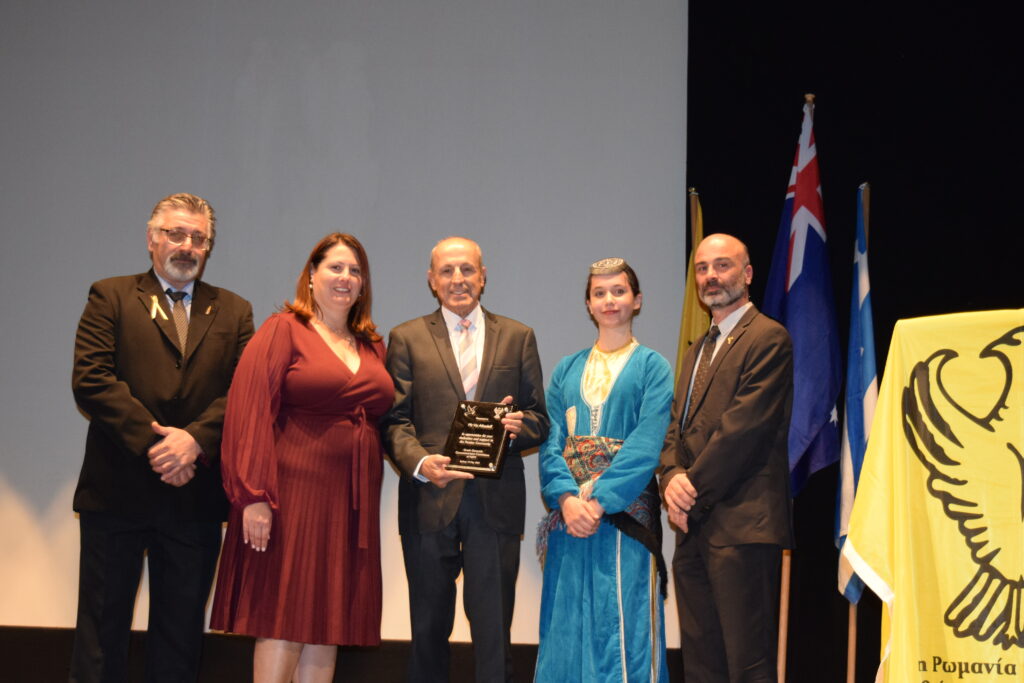
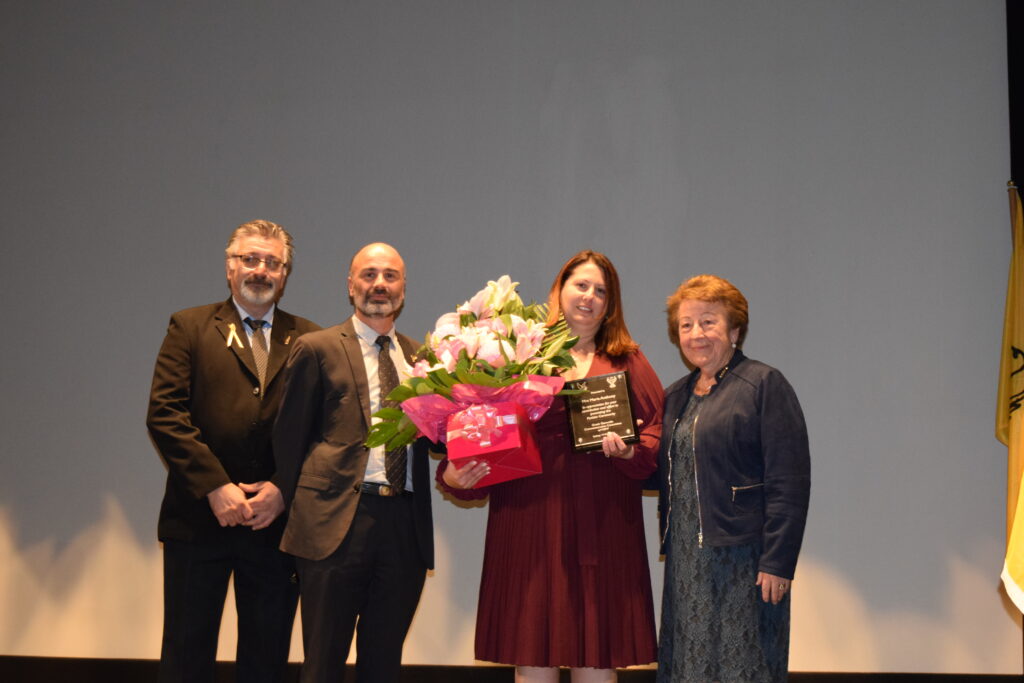
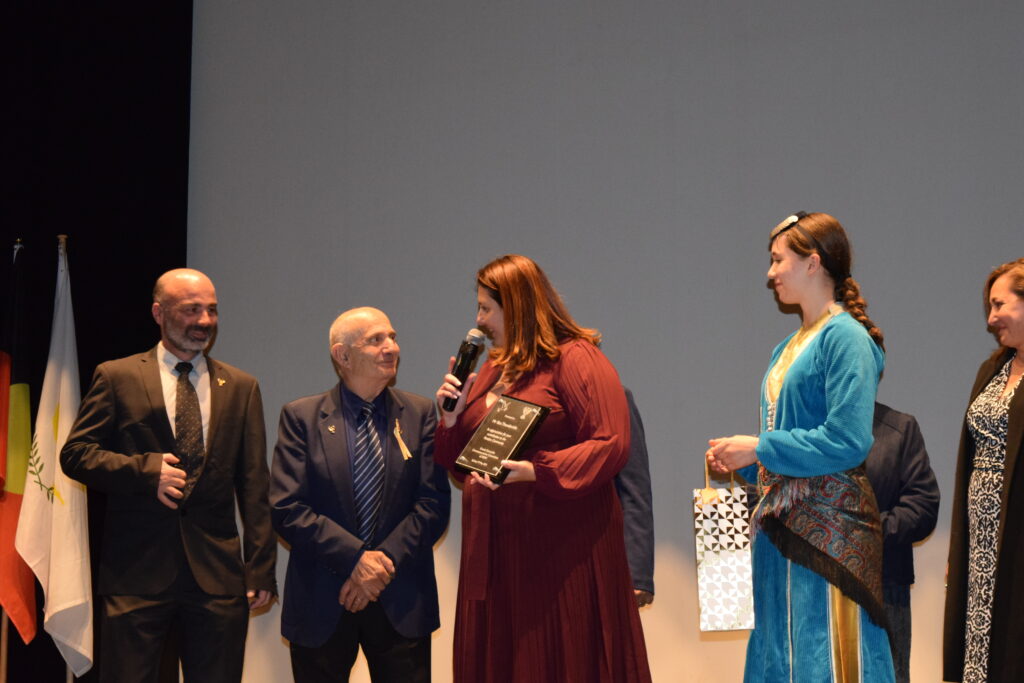
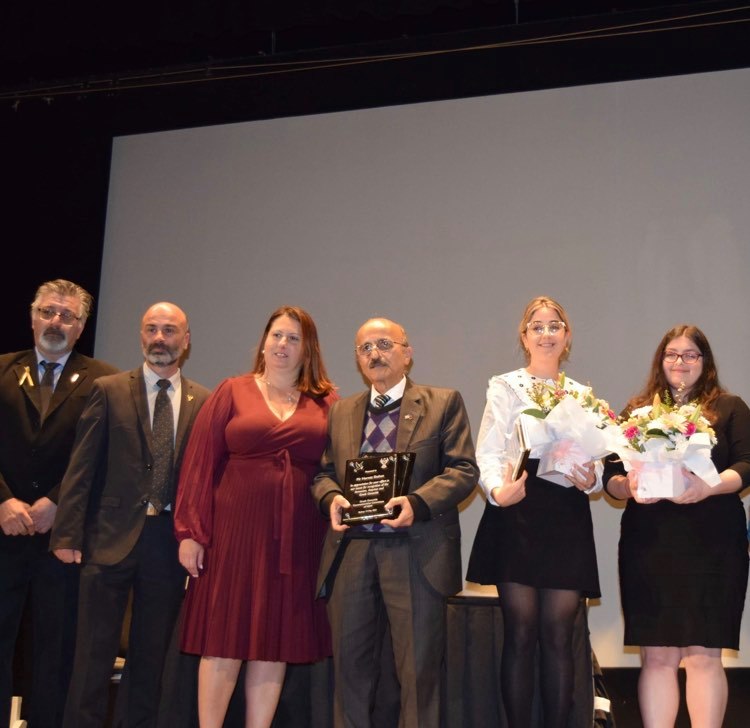
The night concluded with a musical piece, Anastero ta Palia, performed by Ilia Theodoridis and Kosta Papoulidis, before everyone gathered for the traditional group photo, with many holding plaques given to them by the three Pontian Associations of NSW on the night.
A powerful event which was incredibly insightful for all who attended.