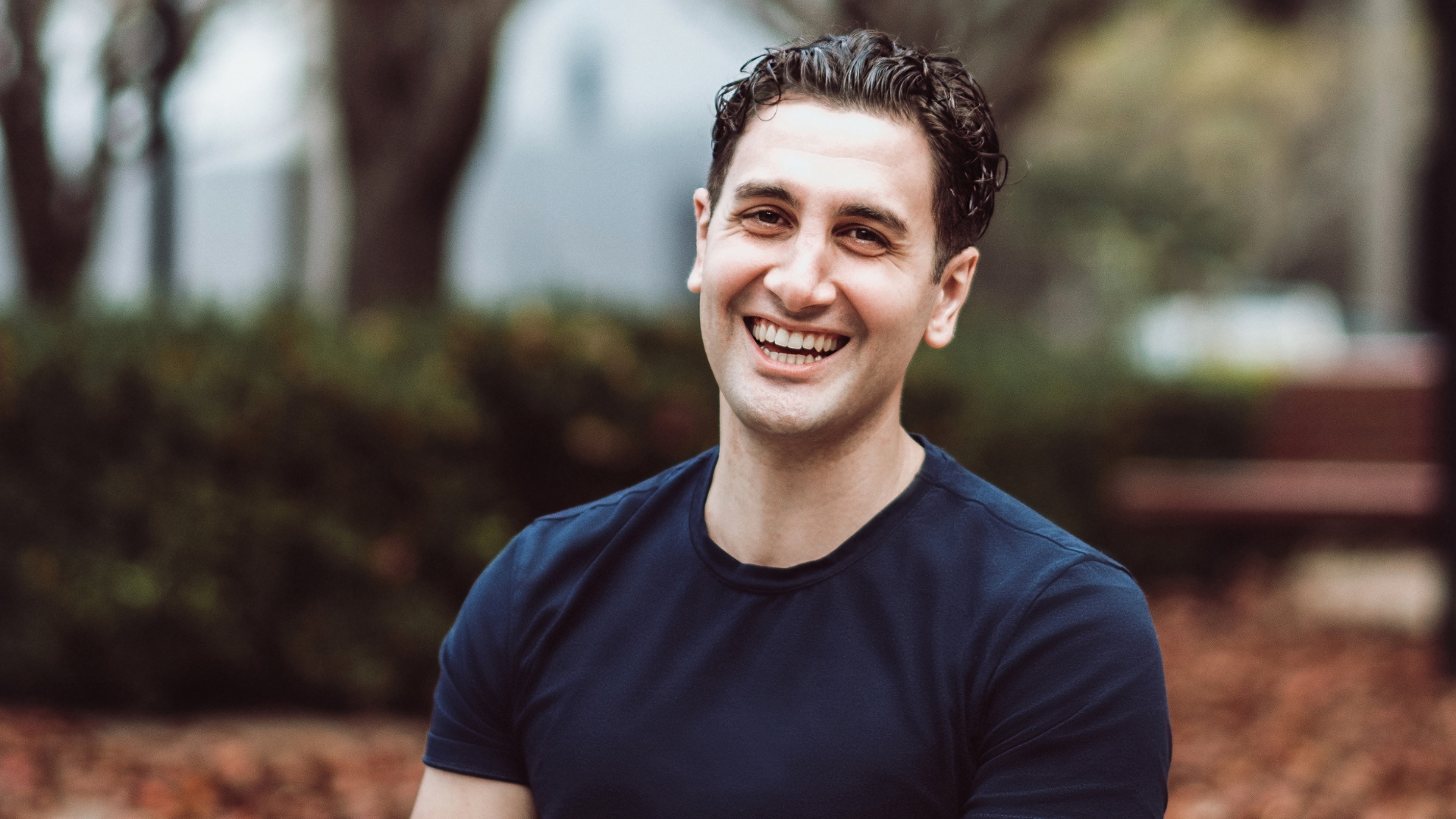
Will Kostakis’ new novel We could be something is perhaps something you wouldn’t expect when browsing the Australian novel section in a bookstore or library.
It’s not set in the dry bush or in Australian suburbia. Instead, it’s in the heart of Sydney city and the main characters have a Greek family.
“Why can’t the next great Australian novel be about a Vietnamese or Greek Australian family?”, Will Kostakis tells me in a questioning tone.
“We’re still starved of the Greek Australian story.”
And I wondered about it. We are a uniquely multicultural nation, and multiple cultures merging into one represents what it means to be ‘Australian.’ This should be celebrated and recognised in Australian literature, not just multicultural literature.
Will says We could be something possesses a profoundly Australian aura accompanied with a Greek taste that all Aussies, whether you have Anglo or Greek heritage, can enjoy.
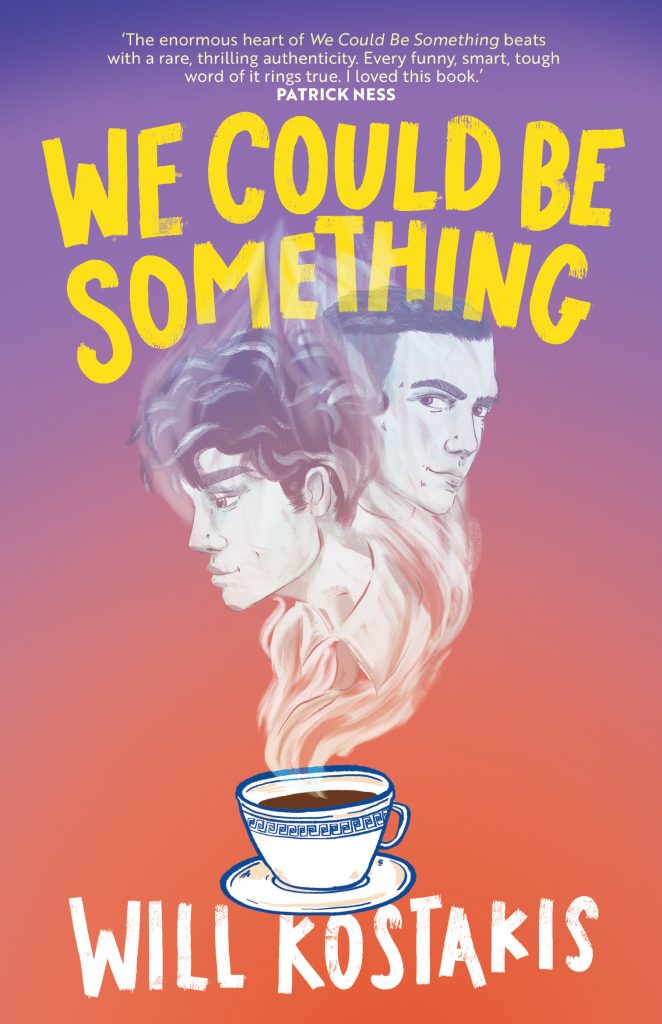
Kostakis’ novel is significantly inspired by his life growing up in a small Greek family and his mother running a café in Darlinghurst, Sydney.
He says the novel features “two very different sort of Australian boys who are reckoning with what it means to be a Greek Australian.” There is Sotiri who is very tune with his Greek heritage, while Harvey is less so.
In his novel, Kostakis also delves into the changing landscape of a ‘Greek yiayia’ by contrasting a post-war stereotypical yiayia and an emerging modern yiayia who speaks English.
He interweaves a ‘queer thread’ in the story as well, changing the usual trauma aspect experienced when ‘coming out’ (particularly in an ethnic family) with acceptance.
And amongst all these interesting themes is a story about a boy falling in love and learning about himself.
The teenage experience of being Greek:
Having not written a book highlighting the Greek Australian experience in ten years, Kostakis realised the teenage experience of being a Greek Australian has changed.
“That Greek family stuff is still there but it is expressed in a different way now,” he says.
Kostakis said publishing in Australia is “frozen” on the idea of what a Greek grandmother is from 20 years ago. In his book, he wanted to depict those Greek grandmothers who were born in Australia and their relationship with their grandchildren.
This idea was followed by the reality of post war migrants slowly dying or, as Kostakis says, Greek grandmothers “in the sunset” of their lives.
“The book is very, very nostalgic where the characters are obsessed with what they’re losing in real time and looking to the past,” he says.
“I really wanted to make sure that the book ultimately was a heartful reflection of the sacrifices they [Greek migrants] made for us. But I also wanted to be hopeful.”
Like many Greek Australians, Kostakis pays tribute to the Greek migrant generation and their struggle, saying “even though we’re in this period where we’re losing so much, we’ve got a part of them in us, and we keep walking when they stop.”
Queerness and the Greek Australian identity:
After Kostakis explains his personal story about his yiayia learning about his queerness, he reflected how her traditional mindset has shifted.
He says We could be something includesqueerness without the trauma attached to coming out because that wasn’t his experience. Instead, his yiayia showed empathy and understanding.
Kostakis says he wanted to show everyone their perceptions about ethnic reactions to queerness is capable of change.
“I didn’t want to write that it was really, really tough to ‘come out.’ Because that is not always true. I thought this was the chance to write the future I want to see,” he says.
“We expect the absolute worst from that generation. But they have come around to just being like, no like stuff it: familial love overpowers all…”
Kostakis concludes by saying the book is more than just about the Greek Australian identity. It is a story about wrestling with yourself, your identity, your family, and your dreams.
“I wanted to write a story about why we do what we do as humans,” Kostakis says.
We could be something will be released on May 2. Pre-order on Booktopia at https://bit.ly/3oP8saA

