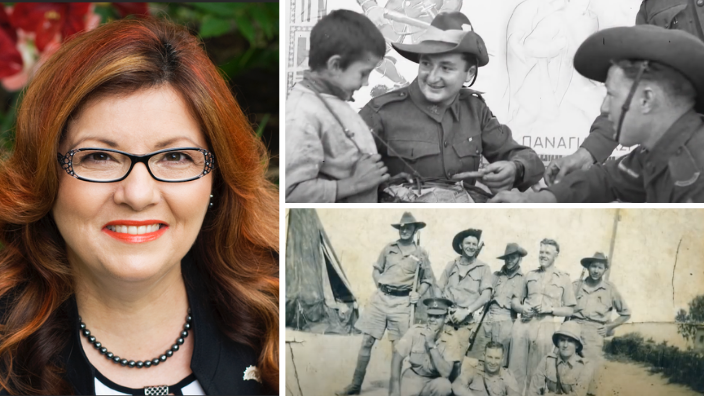
A military historian and an expert on the Greece and Crete campaigns, Dr Maria Hill has long been fascinated by the doomed operations fought by Australian soldiers in Greece and Crete in WW2.
As a Greek Australian herself, Dr Hill wanted to find out the true story of the campaigns – and why the veterans are honoured and remembered in Greece but not nearly so much in Australia.
What is the special connection between the Australian troops and the Greek people and why they formed friendships that endure to this day?
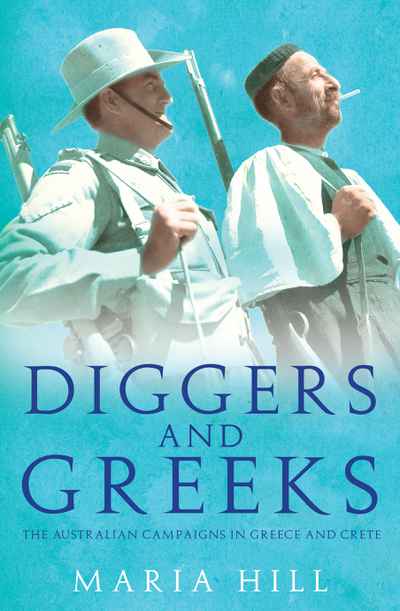
The Greek Herald caught up with Dr Hill to discuss ‘coalition relations’ and her book entitled “Diggers and Greeks”.
TGH: Dr Hill, you are the first Australian historian of Greek descent to write about the Greek and Crete campaigns. What fascinates you about these two campaigns?
What sparked my interest in the Greek and Crete campaigns was the discovery that so little was taught about them in schools, with the syllabus and most history textbooks, focussing on ‘Rats of Tobruk’ and Kokoda.
I assumed that that Australia’s involvement in the Greek and Crete campaigns must have been inconsequential and was shocked to discover that the ANZACS constituted the majority of the fighting forces sent to Greece in 1941 and later in Crete.
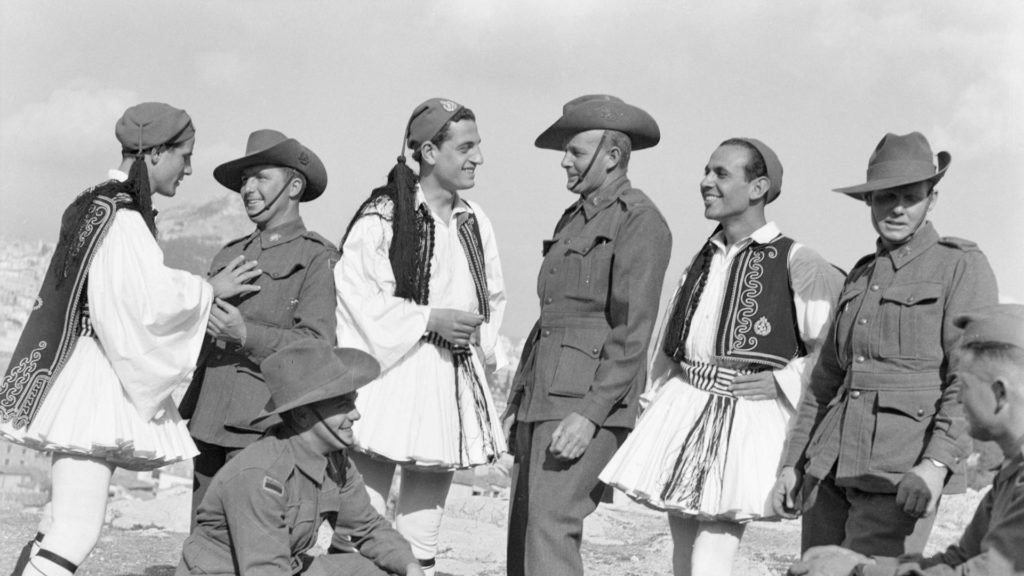
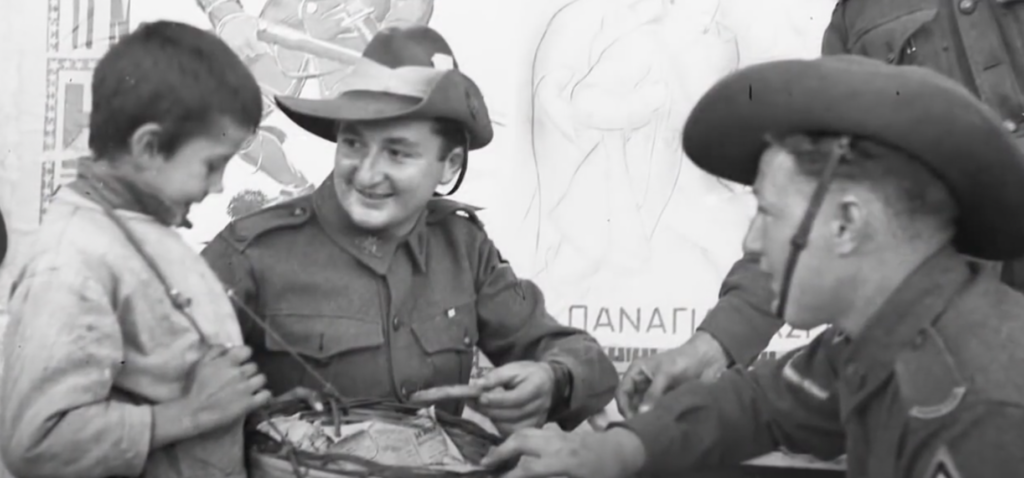
As I delved deeper into these campaigns, I was fascinated by the strong bond of friendship forged between Australians and Greeks, whose culture and language were so different.
TGH: Why in your opinion the veterans are honoured and remembered in Greece but not enough in Australia?
What really highlights the difference in attitude between the Greek and Australian government towards the Australian soldiers who fought in Greece and Crete is the fact that the Greek government has honoured them with a medal whereas the Australian government has not done so.
The veterans I interviewed, were upset with this decision and wrote to successive Australian governments seeking to have the decision reviewed. As far as the veterans were concerned, if there was an ‘Italian Star’, ‘Pacific Star’ and so on, why not a ‘Greek and Crete Star’ or at least a clasp attached to an existing medal to recognise the traumatic campaigns?
For a while I ran an online petition to address this issue and wrote in 2011 to then Veteran Affairs Minister, Warren Snowden MP, for a response. I was told the decision rested with the British government who were in charge of honours and awards and decided not to issue a separate medal for the Greece and Crete campaign, as these campaigns did not qualify for a separate medal as they lasted less than six months and as such were not regarded as ‘major’ campaigns.
According to Warren Snowden, these campaigns were seen to be adequately covered by ‘1939 -1945 Star’. Some have argued that it was a political decision based on the fact these campaigns were not victories and an embarrassment to the British and Australian governments of the time, as both Prime Minister Churchill and then Menzies were criticised for supporting the Greek campaign – a second ‘Gallipoli’.
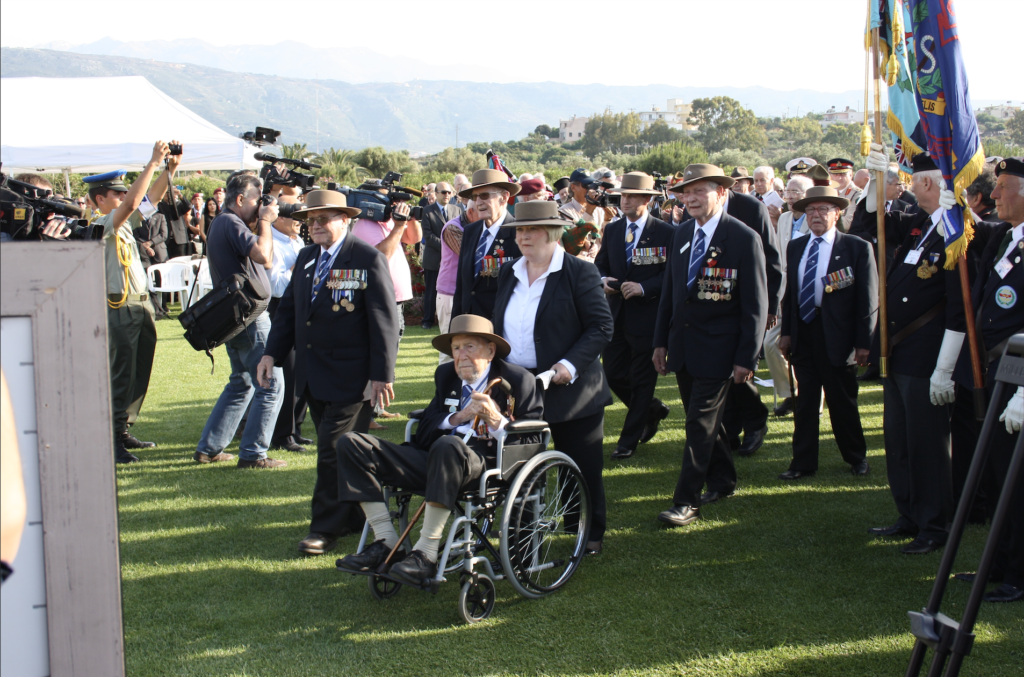
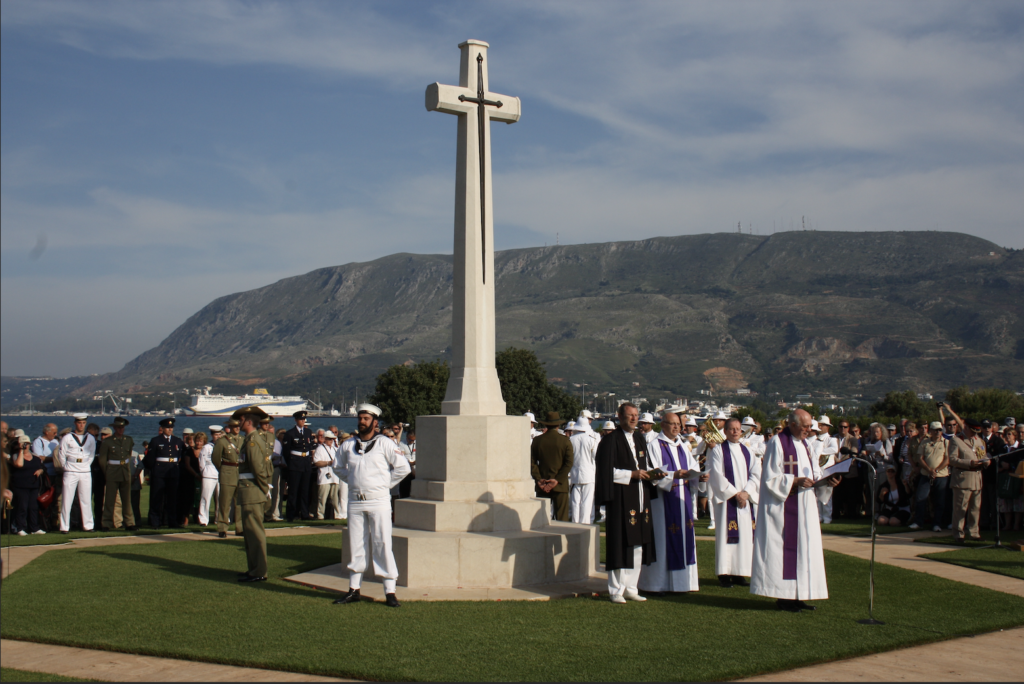
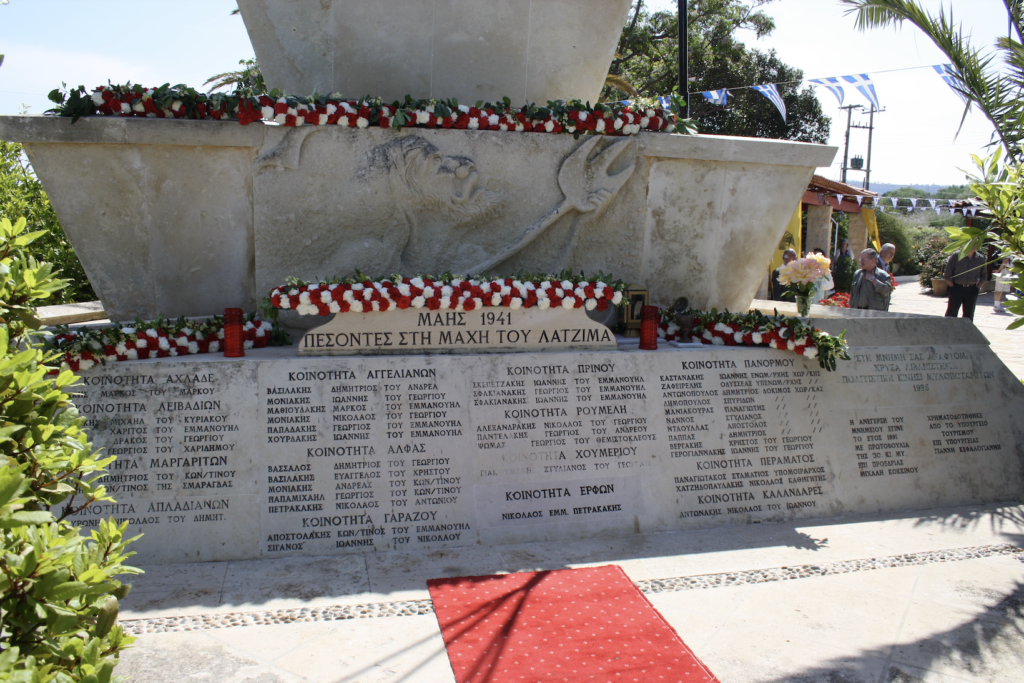
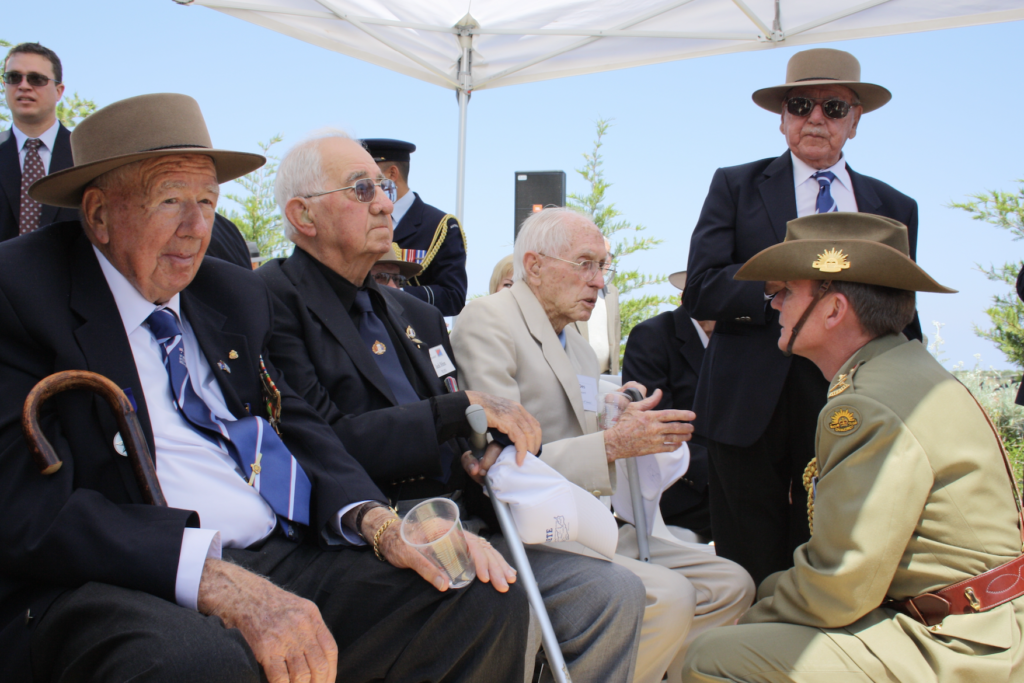
TGH: Your book “Diggers and Greeks” reveals the personal relations that developed between Australian soldiers and Greek civilians and soldiers; what can we learn from these friendships today?
The close relationships forged between Australians and Greeks during the war aided the survival of Australian troops in Greece and Crete. These friendships have lasted the test of time, as returned veterans shared their experiences with their family and friends and sort to repay the kindness and compassion shown towards them by the Greek people.
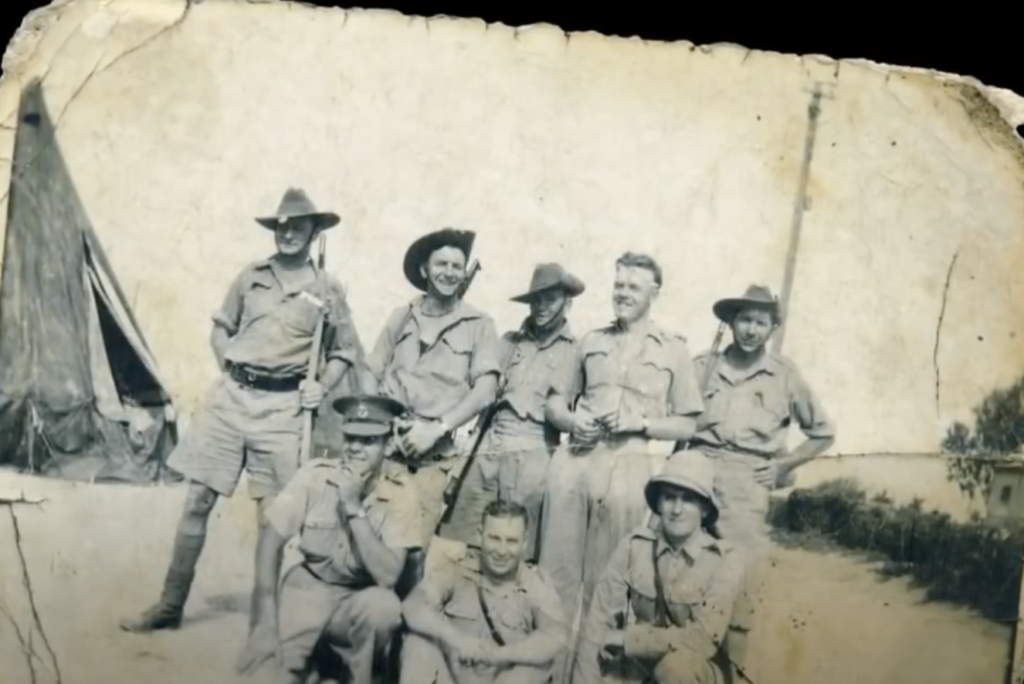
Many returned soldiers sponsored Greek immigrants, involved themselves in their lives and facilitated their inclusion in Australian society. Their children have returned to Greece to visit the country and people who helped their parents in an effort to better understand their war experience.
While many books written on the Greek and Crete campaigns have concentrated on strategy, tactics -the lasting legacy of these campaigns rest in the friendships that developed between Diggers and Greeks that have continued to this very day through the involvement now of their children and grandchildren in the commemorations, highlighting the importance of such connections to all concerned.
*To learn more about the Greek and Crete campaigns or to purchase a rare first edition hard copy of the book “Diggers and Greeks” with a personalised message (upon request), visit Dr Hill’s website at: diggersandgreeks.com.au

