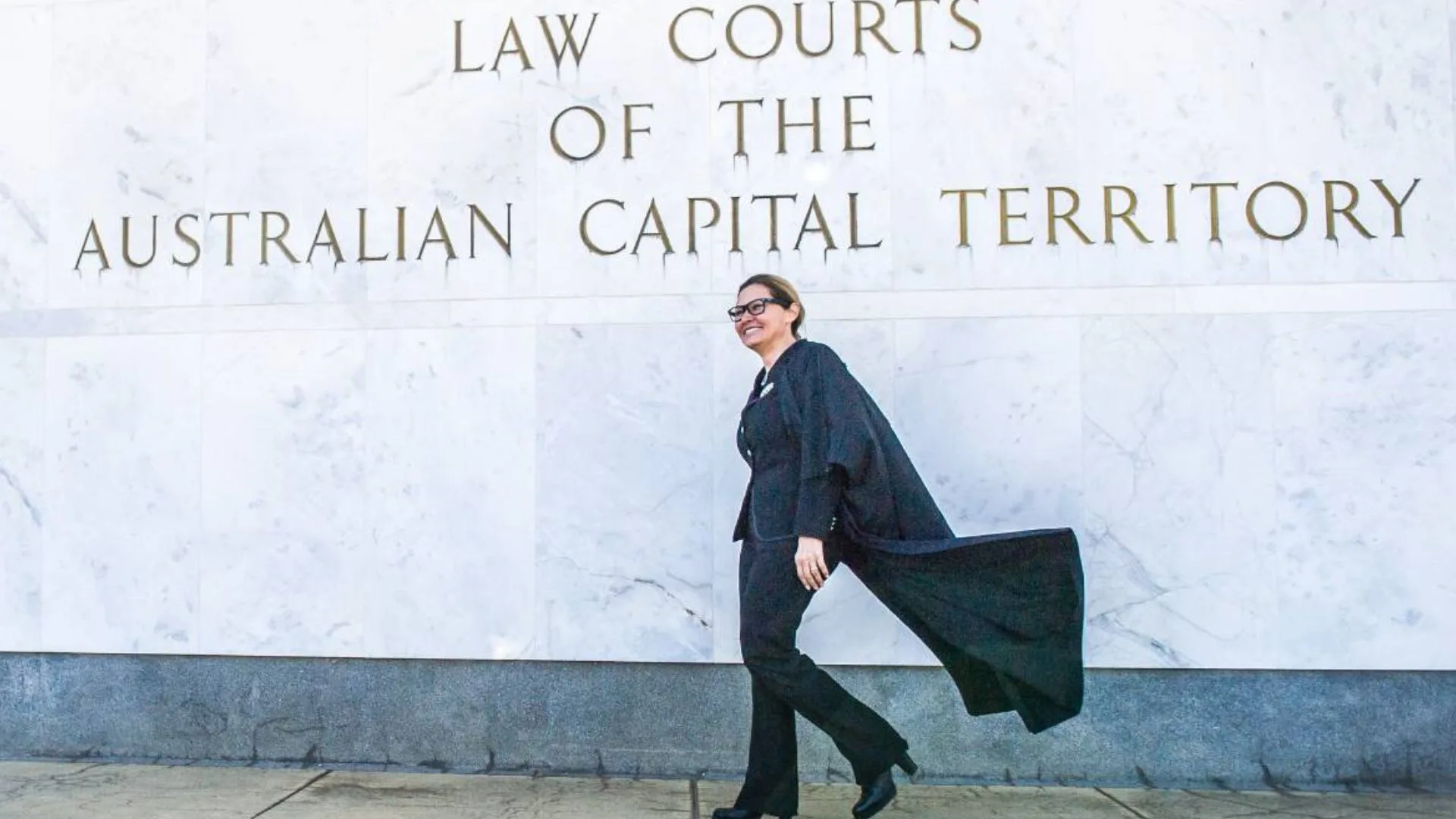
Justice is often spoken about in abstract terms – principles written into law, arguments tested in courtrooms, judgments handed down from the bench.
For The Honourable Justice Chrissa Loukas-Karlsson, however, the foundations of justice were shaped much earlier: in the lived experience of growing up as the daughter of Greek migrants in Australia.

Raised between Queensland and Sydney, she learned from a young age what it meant to stand slightly outside the mainstream, observing closely the dynamics of fairness, opportunity and belonging. That perspective would go on to define a remarkable legal career.
Called to the NSW Bar in 1989, she rose through the ranks to serve as Public Defender, Acting Crown Prosecutor and counsel before the International Criminal Tribunal for the former Yugoslavia, before being appointed Senior Counsel in 2012. In 2018, she was sworn in as a Resident Justice of the Supreme Court of the Australian Capital Territory, a role she held until her retirement in late 2025.
Now, as she reflects on a lifetime dedicated to the law, Justice Loukas-Karlsson will also share her insights with the community as a panellist at the Greek Festival of Sydney’s International Women’s Day ‘Balance the Scales’ event, supported by The Greek Herald.
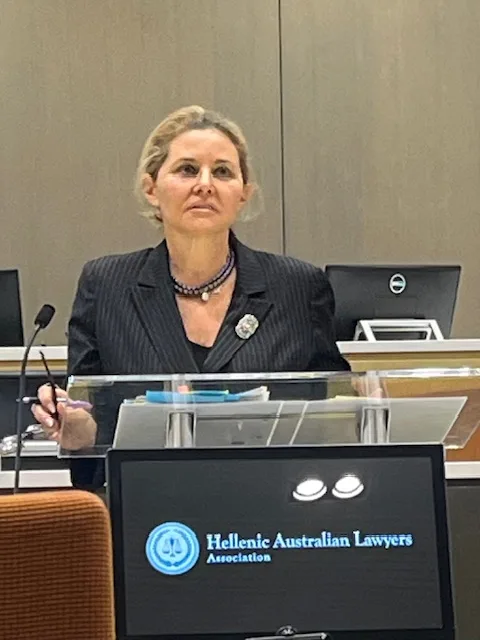
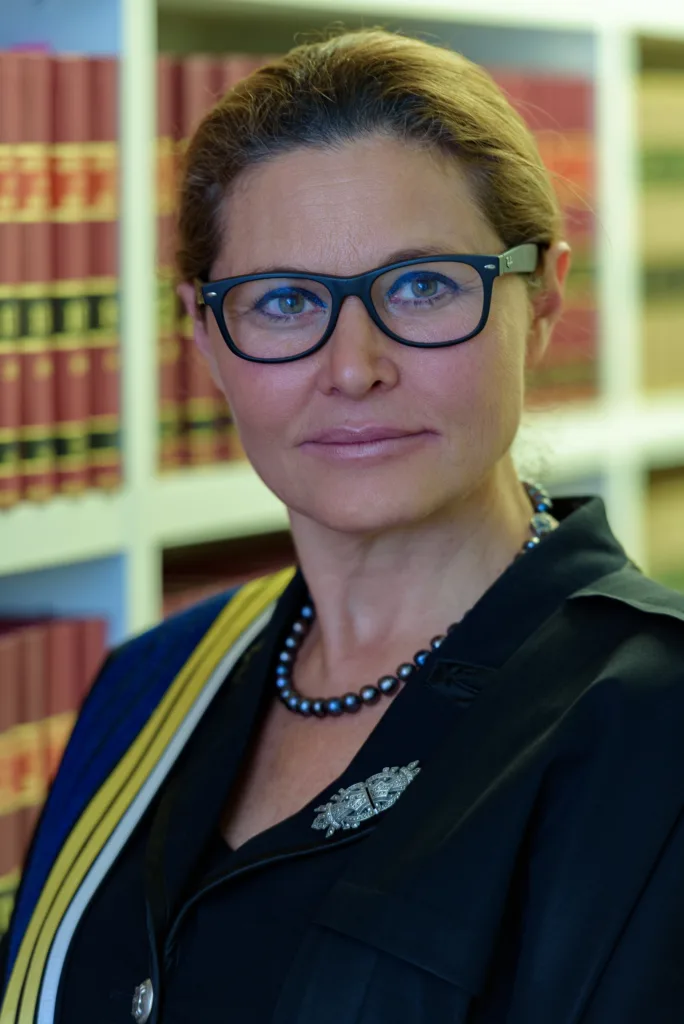
Looking back on her upbringing, Justice Loukas-Karlsson says her identity as the daughter of migrants shaped how she came to understand justice itself.
“I have always believed in turning presumed disadvantage into an advantage. My childhood perspective as an outsider allowed me to have a deeper understanding of injustice. That deep understanding of injustice is, in my view, an advantage as a judge,” she says.
When she entered the legal profession in the late 1980s, it was still overwhelmingly male and dominated by Anglo-Saxon backgrounds. Yet she says the imbalance never discouraged her.
“Yes, the legal profession was overwhelmingly male at that time and overwhelmingly Anglo-Saxon. Nevertheless, it never worried me. Instinctively, I knew that to be considered half as good, I would have to be twice as good,” she explains.
Her career has spanned some of the most demanding roles in the justice system, from Public Defender and Crown Prosecutor to appearing before an international tribunal. Each experience, she says, shaped the way she approached the law.
“All of my roles in the law. Every part of my career informed my ever-evolving and deepening approach to justice,” she says.
Her appointment to the ACT Supreme Court in 2018 marked the culmination of decades of legal practice. Yet she emphasises that the responsibility of judicial office transcends identity or background.
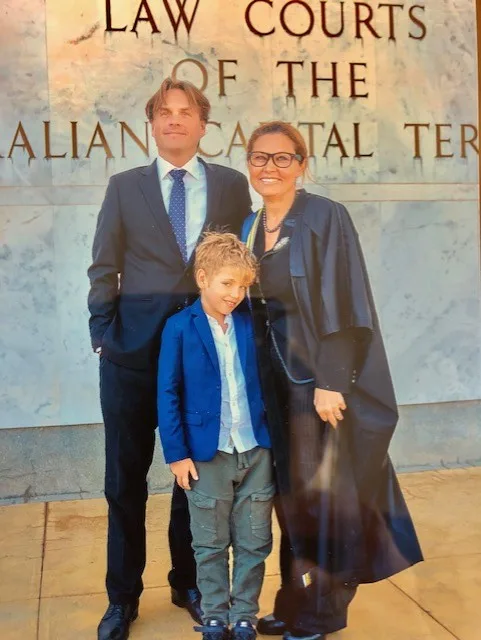
“My judicial responsibility was and is, as it must be for all judges. It is the oath all judges swear to uphold: ‘to administer justice without fear or favour, affection or ill will.’ It is a commitment to integrity and independence; independence from the executive and from the legislature. The commitment is to be a good judge regardless of race or sex or background,” she explains.
After retiring from the bench in late 2025, Justice Loukas-Karlsson reflects on her career with characteristic humility.
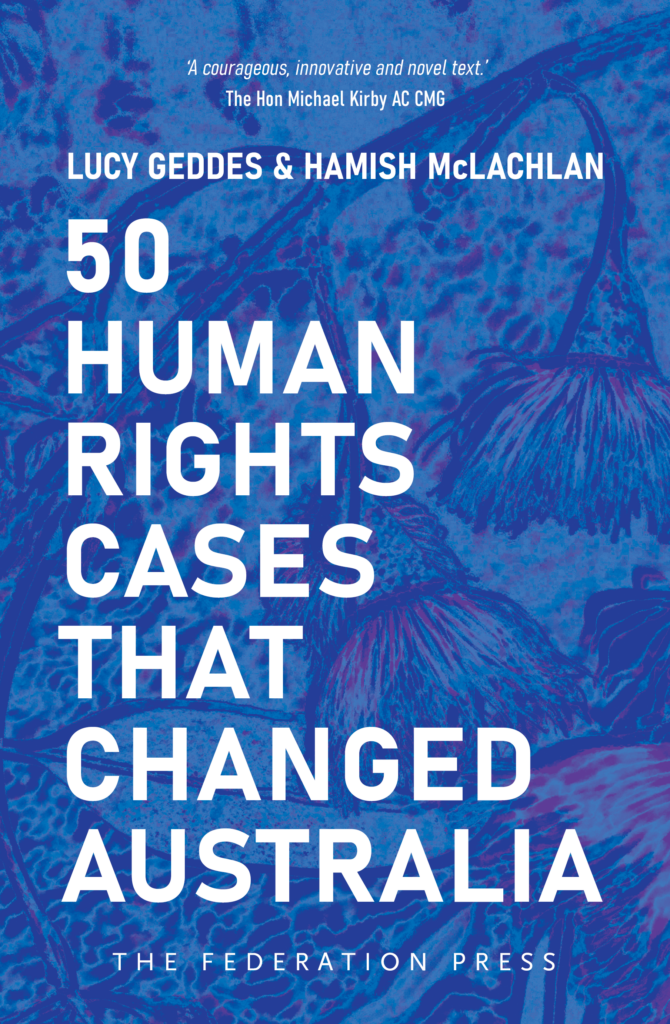
“That is for others to judge. Nevertheless, I can state that I was pleased that one of my judgments made it into ‘50 Human Rights Cases that changed Australia’ (Edited by Lucy Geddes & Hamish McLachlan),” she says.
For young Hellenic women considering careers in law, public service or leadership, her advice is strikingly simple: “Back yourself!”
And for anyone who has ever been underestimated, she offers a final reflection that captures the resilience that has defined her life and career.
“For anyone that has ever felt the sting of being underestimated just think to yourself ‘underestimate me; that will be fun, for me!’” she concludes.
