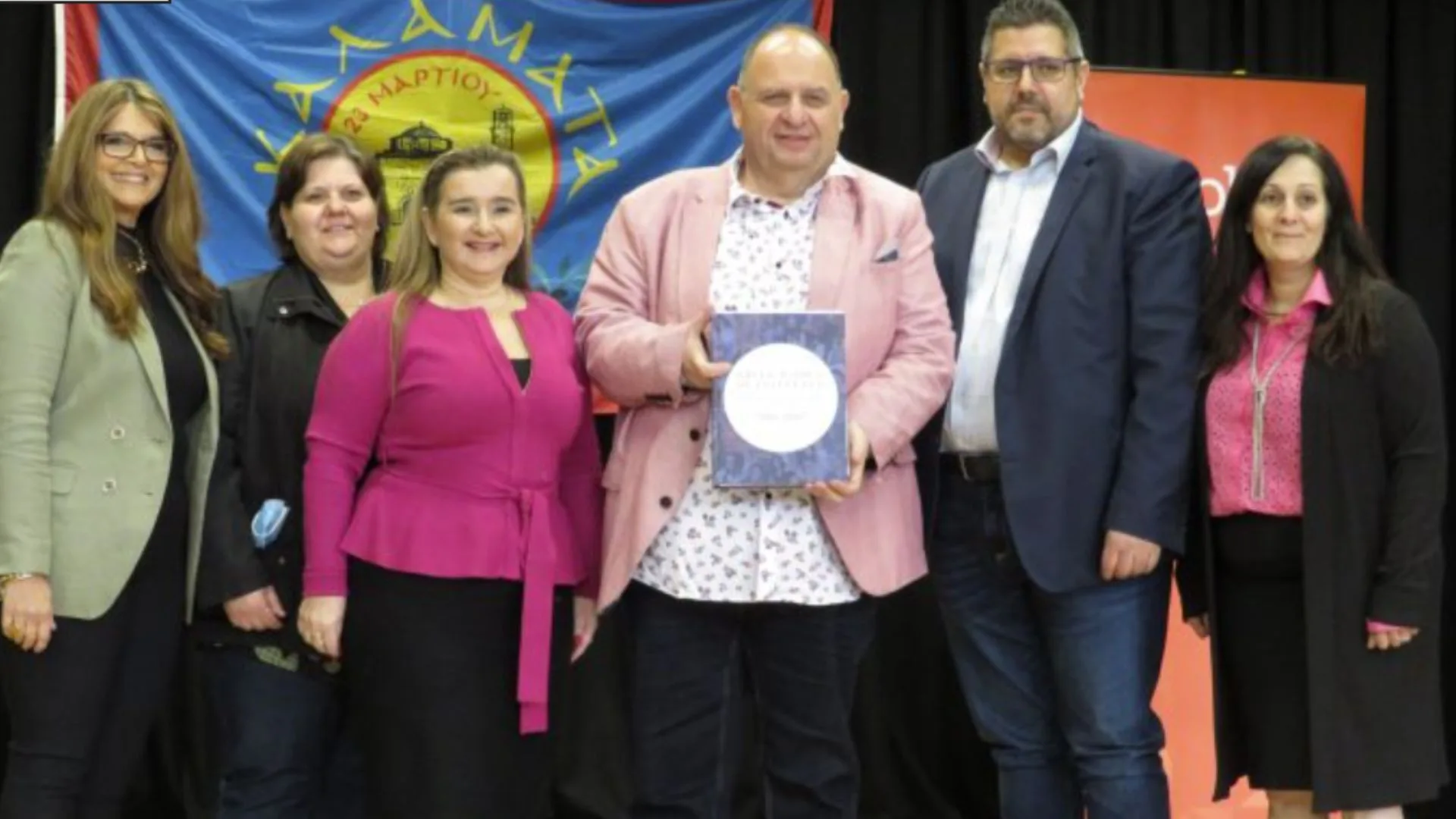
There is an uncomfortable reality many women in the Greek Australian community still recognise. Too often, their voices are questioned, their ideas overlooked, or their achievements quietly scrutinised in ways their male counterparts rarely experience. A woman may raise an idea that goes unheard, only to see it applauded when repeated moments later by a man. Others still face assumptions about how they advanced professionally, or are labelled “hysterical” for calling out behaviour that feels dismissive or exclusionary.

At the same time, many women ask why participation in community organisations remains difficult, why leadership spaces can still feel unwelcoming, and why representation sometimes stops at symbolic gestures – visible, but not truly heard.
Encouragingly, there is also a growing group of men within the community who are choosing a different path. They are not simply paying lip service to equality, but using their influence in boardrooms, charities, churches, law firms and sporting clubs to help shift attitudes and open doors.
Gender equity is a men’s issue
Kon Karapanagiotidis, founder of the Asylum Seeker Resource Centre and brother to Nola Karapanagiotidis, the first female Greek Australian County Court judge in Victoria, does not mince words.
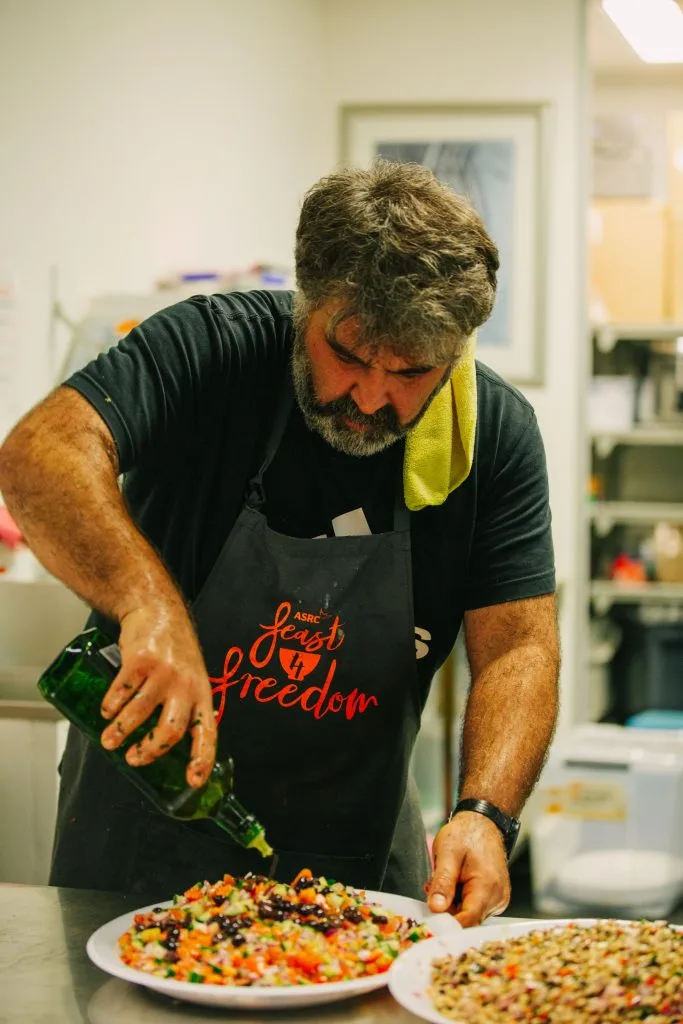
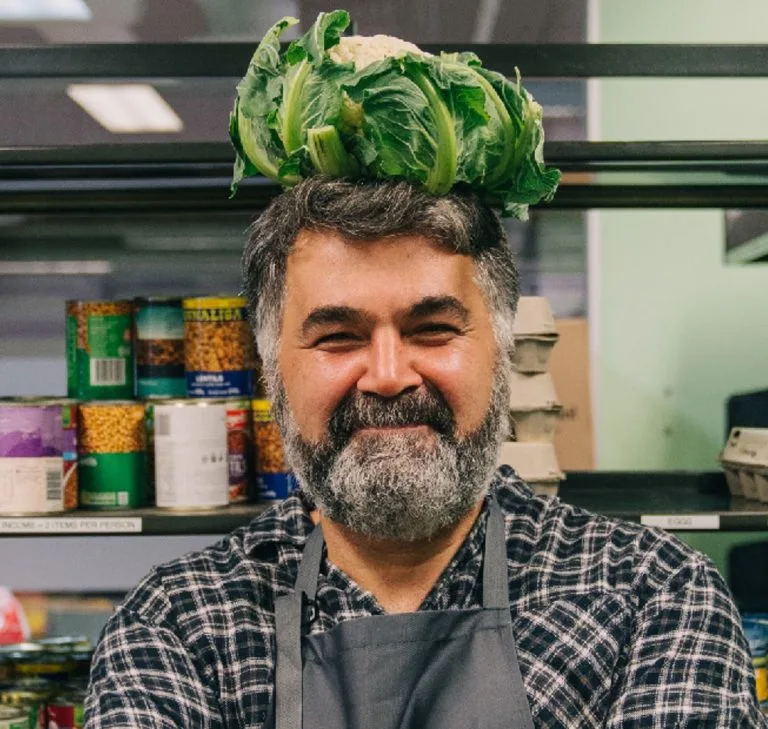
“I am so outspoken about gender equity because I believe it is a men’s issue,” he says. “Male violence against women is a national epidemic and prevents gender equity in our community. As men we need to show up for women and be true allies.”
He is blunt about our cultural reality. “Greek women are the backbone of our communities but get nowhere near the respect, opportunity and appreciation they deserve… I am tired of being surrounded by way too many Greek men who hold onto outdated gender norms and are sexist and misogynistic.”
He also names the paradox. “As a man I am saying only things women have been saying for decades and yet because it is coming from me it is often taken more seriously… which is the very definition of sexism.”
So why keep speaking?
“Men crave and seek the approval of other men far more than they do that of women. When men fear rejection from their male peer groups they will finally act when other men hold them accountable.”
At the Asylum Seeker Resource Centre, women make up at least 50 per cent of leaders. He refuses to sit on panels that are not at least half women. He mentors women and pushes for workplace conditions so women don’t have to choose between career and family.
“Men never do, so why should women?”
The buck stops with the CFO
At Good Shepherd Australia New Zealand, a 163-year-old organisation working across prevention, crisis response, recovery and financial inclusion, Chief Finance Officer (CFO) Michael Malakonas sees the human cost of inequality every day, particularly the link between gender violence and financial coercion.
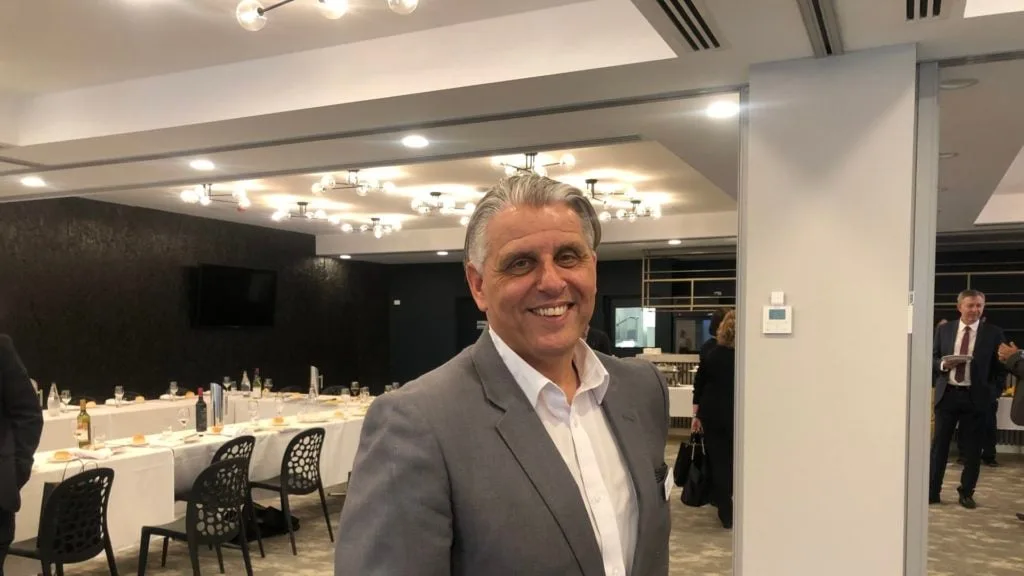
Women fleeing violence often leave with debt in their name, little access to money and enormous barriers to safety. It can cost at least $10,000 to relocate and start again. Economic abuse is not peripheral; it is central.
For Malakonas, there is no room for neutrality, and he talks with passion about pay parity and succession planning. “Women should be equitably paid,” he says before turning to sexism in sport and boardrooms.
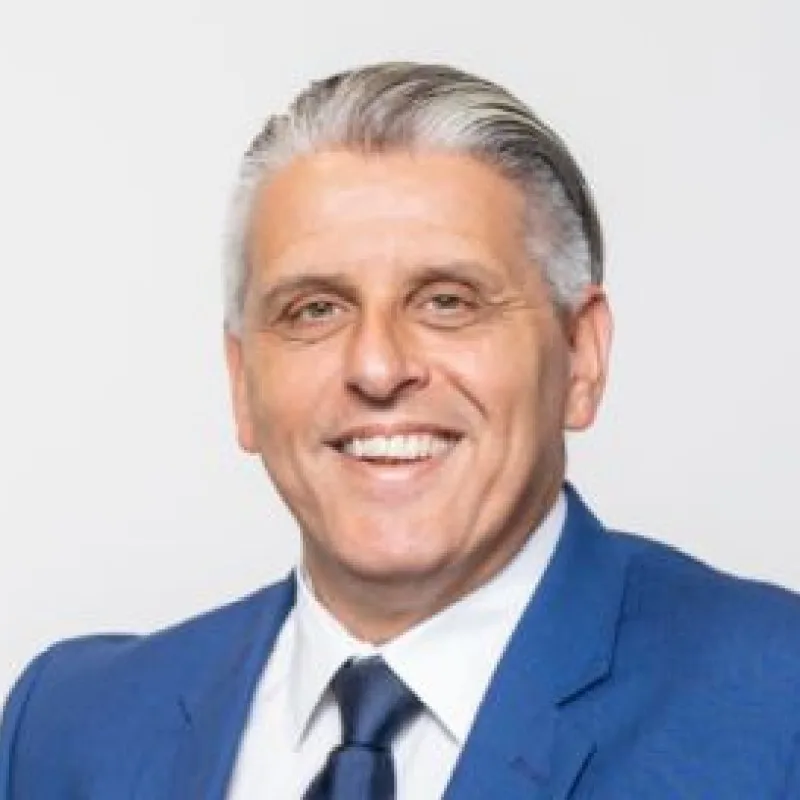
“There are a lot of us that genuinely try to be good people first and foremost… and when do I stand up and call sexism and racism and ageism? I’ve had to do that with close friends,” he says, mentioning friends he has stopped mid-sentence when they demean “the young lady”.
“The buck stops with us males. Do we want to make a difference?”
For him, it starts at home.
“How would you like your daughters to be treated, your wife, your partner? Do you want them to have an equitable and fair society compared to men? How much agency and financial literacy do you want them to have? The more education and financial stability young women and girls have, the more choices they have, and we as males can give them pathways and opportunities.”
Beyond the corporate sphere, he has championed women and girls at Clifton Hill Football Club, helping create pathways so daughters can play alongside sons instead of watching from the sidelines. In male-dominated spaces, allyship means challenging stereotypes even when it costs social comfort.
Justice must function within culture
When Toorak Law sponsored Greek Women Speak, it was not a performative gesture. Lawyer Konstantinos Kalymnios said poet Koraly Dimitriadis’ set conference creating space for women to articulate difficult truths. He says it was one way of challenging the status quo.
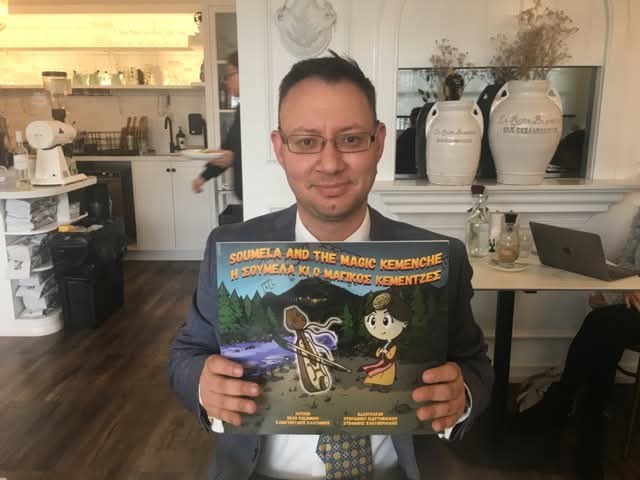
“Supporting spaces such as Greek Women Speak is for us not just a symbolic alignment with a trend. It is a recognition that communal conditions shape whether justice can function. Men active in public life influence those conditions, so their visible support communicates that reputational anxiety will not override truth, and that authority will not be mobilised to contain testimony for the sake of cohesion,” he says.
“Power and responsibility are correlated. Legal remedies for violence and discrimination exist, but those remedies remain inert where disclosure is culturally inhibited.”
He notes that the united front that once helped resist marginalisation has also narrowed what is considered speakable.
“Diasporic communities often operate within a representational economy in which success, respectability and unity are foregrounded. That narrative has served important purposes in resisting marginalisation. It has also narrowed the range of experiences considered speakable.
“When men endorse spaces that widen that range, they recalibrate the terms of legitimacy within communal discourse, signalling that integrity is measured by accountability rather than by presentation.”
Grounding his stance in faith, he points to the Gospel of John, where Christ first reveals his identity to a Samaritan woman, unsettling gender and cultural hierarchies and positioning a woman as bearer of witness.
His dedication to social justice comes at a cost in a community where “debate and the free exchange of ideas are publicly prized” but “criticism often circulates obliquely rather than directly” and commentary “tends to travel quietly”.
Totally worth it for Kalymnios who hopes for a better world for his daughters. “A community that claims seriousness about its future must reckon with the conditions it creates for the next generation,” he says. “My stance follows from that reckoning.”
Spotlighting women is not anti-men
When Peter Andrinopoulos wrote Greek Women of Influence, it had been decades in the making.
As a teenager, he noticed the double standard: Fred Astaire was revered as a genius, while Ginger Rogers, who did everything he did “backwards and in high heels”, was rarely afforded the same reverence.
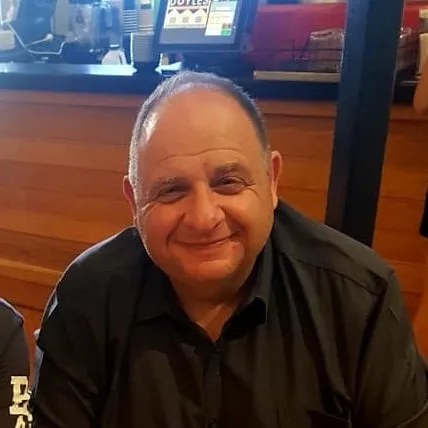
When some men asked, “When will you write a book about men’s accomplishments?” he recognised the reflex, the assumption that highlighting women must somehow diminish men.
“It became clear that the book was doing exactly what it was meant to do,” he says. “Not just celebrating women but deliberately amplifying their achievements.”
“I believe men must acknowledge the injustice of women being sidelined and actively consider how women can be supported and promoted equitably… Equity is not achieved through words alone, but through conscious action… These actions demonstrate that progress does not require grand gestures, only awareness, fairness, and a willingness to act.”
“Fear not,” he says, paraphrasing Papaflessas. “We are winning.”
Enough with the lip service
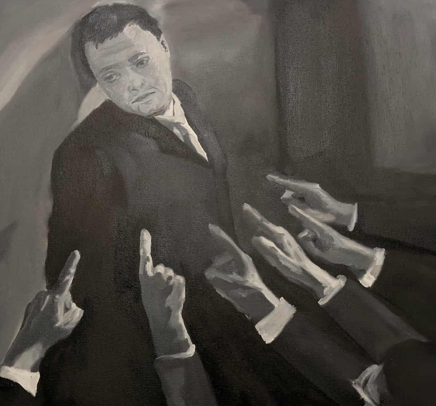
It’s easy to post about feminism on March 8 and describe yourself as a supporter of gender equality. What matters more, however, is the work that happens beyond the day itself.
Real change requires something deeper: sharing power, opening doors within organisations, creating opportunities for women’s leadership, mentoring emerging voices, and being willing to challenge the attitudes that quietly reinforce old hierarchies.
And while it can be frustrating that men’s voices sometimes carry more weight than women’s lived experiences, the reality is that cultural change often requires allies. If men are listening to other men, then let them hear from those who are willing to use their influence to support a more inclusive and respectful community.
