
Henry Gissing – well-known as Harry – kept regular diaries throughout his four and a half years of service as an ANZAC in World War I and wrote extensively about the years he served on the Greek island of Lemnos from 1914 – 1919.
In 1920, Harry’s diary entries were passed onto the Mitchell Library at the State Library of New South Wales and they have since been digitised and transcribed into ten volumes.
After being made aware of these diaries, The Greek Herald decided to reach out to Harry’s grandson, Peter Gissing, to hear all about this courageous ANZAC.
Life on Lemnos island:
On December 14, 1914, Harry enlisted in the Australian Army Medical Corps at the age of 26. He served with the 1st Field Ambulance from January 1915 until March 1916 and was then transferred to the 14th Field Ambulance. He was promoted to Corporal on May 31, 1916 and Sergeant on June 18, 1916.
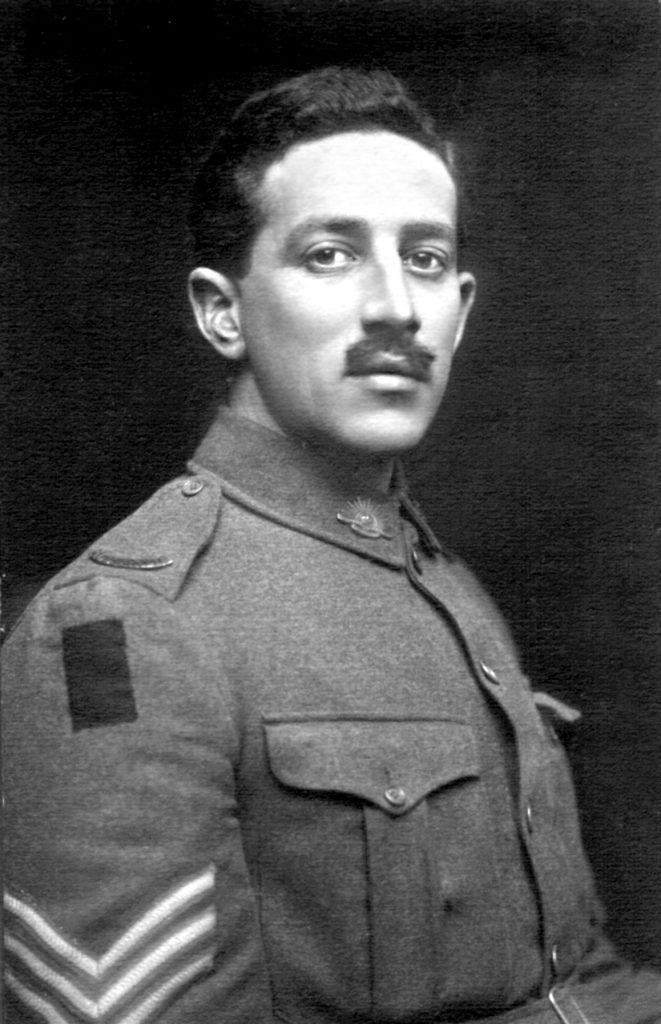

In his diaries, Harry contrasts the horrors of war to his daily observations of cultures, people, and religions as an Australian in foreign countries.
He also writes vividly about what he saw as the ANZAC troops approached Lemnos in the afternoon of April 7, 1915.
“A torpedo destroyer was lying about a mile from the entrance and as we steamed slowly into the harbour, a large battleship steamed slowly and stately out,” Harry wrote.
“She showed signs of being in action, half of the rear mast was carried away and by splashes of white on different parts of her hull showed where she had been hit.”
Harry would remain on Lemnos until January 1916, documenting daily events.
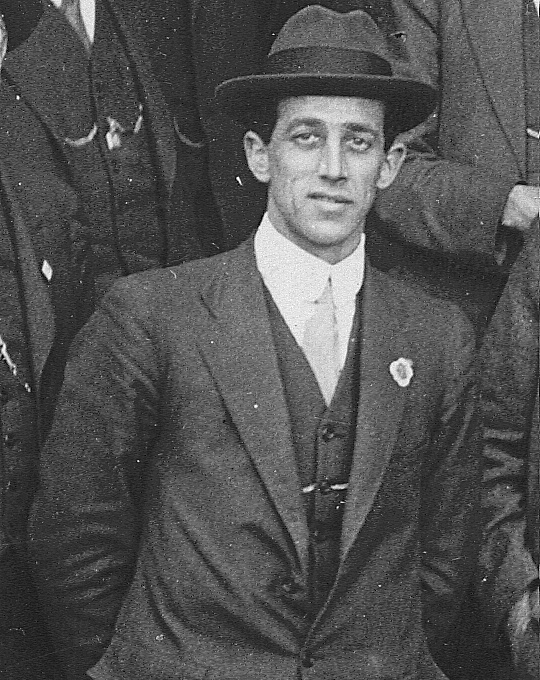
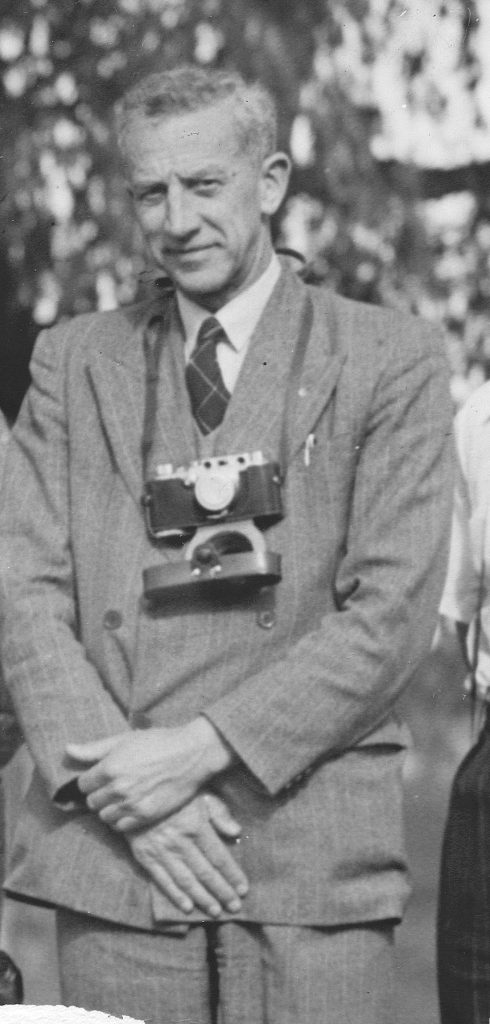
On one occasion, a few days after arriving on Lemnos on Tuesday, April 11, 1915, Harry notes how he saw Greek dancing on the island: “We wandered round the village and witnessed some Greeks doing their national dance, nothing much to witness, merely a succession of hops etc. backwards and forwards.”
On April 17, 1915, Harry turned 27 years old on the island of Lemnos.
“Time is passing quickly, and I seem to be getting very old,” he wrote.
Witnessing the Gallipoli landing:
Harry would also write about how the ANZACs landed on Gallipoli on April 25, 1915. Although Harry wasn’t among those who landed at Gallipoli, he was on a medical ship stationed offshore attending to the wounded and his account is gripping.
During our interview, Peter looks for an excerpt his grandfather wrote about the Gallipoli landing and reads it aloud.
“I will never forget Sunday, 25th April. I really believe it will mark an era in Australian history. On this day, Australians proved themselves. They landed under heavy fire – a thing rarely attempted, and never flinched once, and the result was victory. Our men were deliberately picked for the honour, and proved that the trust shown in them was not misplaced,” Harry wrote in his diary.
Peter tells The Greek Herald there are over 900 war diaries submitted to the Mitchell Library. He says his grandfather’s diary is a very comprehensive re-collection of war.
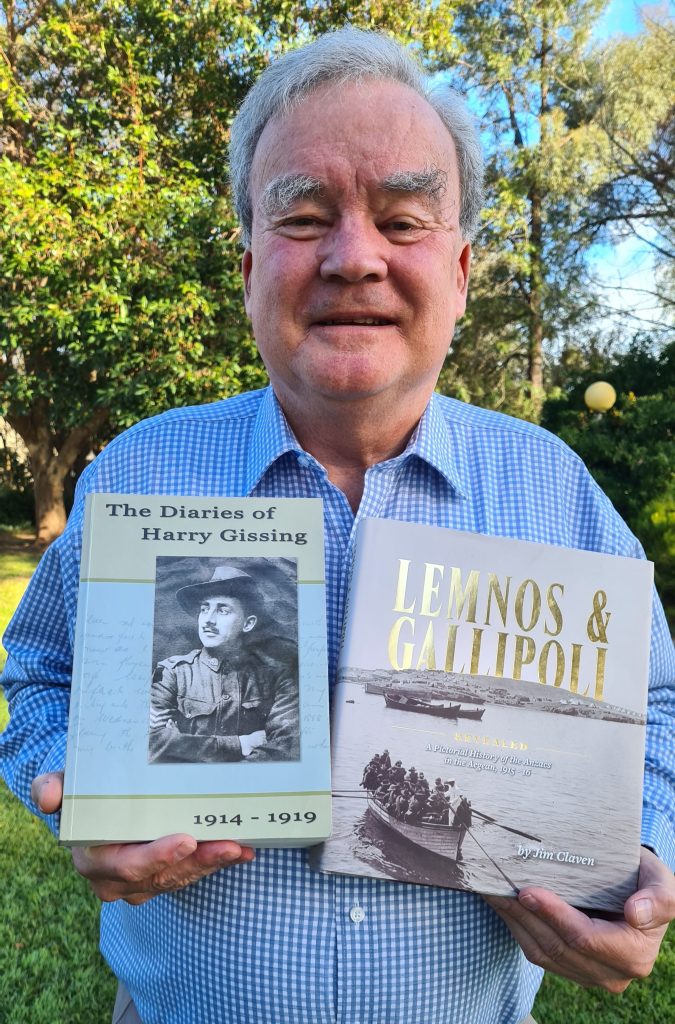
“There are entries almost every day through the scope of the war and he [Harry] reports things in a matter-of-a-fact fashion, but he also makes some observations along the way,” Peter says.
“The Mitchell Library have said it’s one of the highlights of their collection.”
War veterans and families who provided diaries of war to the Mitchell Library in 1919 were given tight transcripts of them. Although Peter was only a few years old when Harry passed away, he was aware of the contents of the diaries before visiting the library to read the handwritten entries himself.
In 2003, Peter’s father and one of his uncles took on the task of publishing the book, The Diaries of Harry Gissing 1914-1919.
Peter says he’s honoured to see his grandfather’s writings available to the public as Harry wrote about the war emotionally but also objectively. Peter adds that Harry’s success beyond the war also gives his grandfather’s writings a lot of credibility.
Harry came away from the horrors of war and lived a successful post-war life within the rural NSW community at Wagga Wagga.
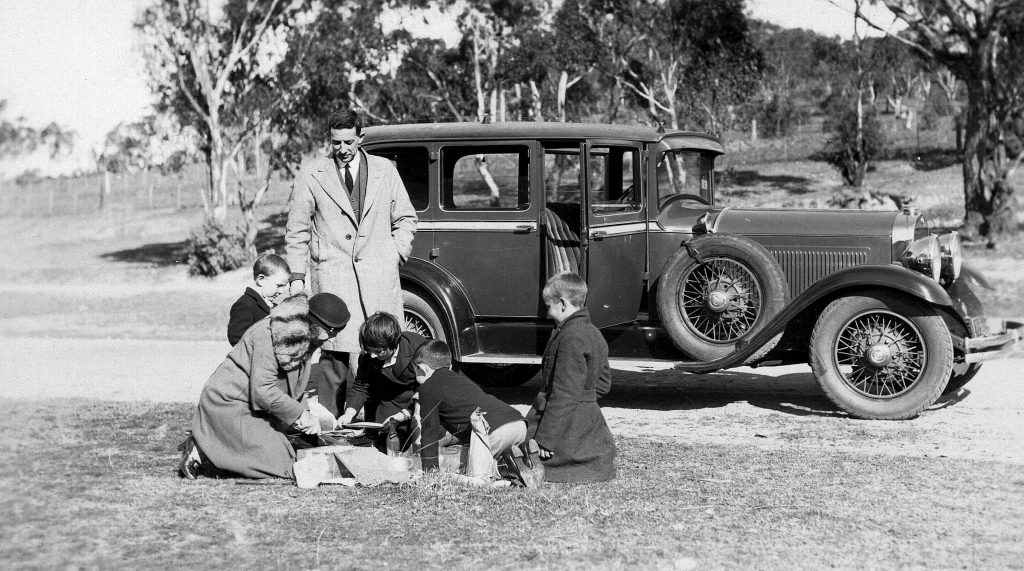
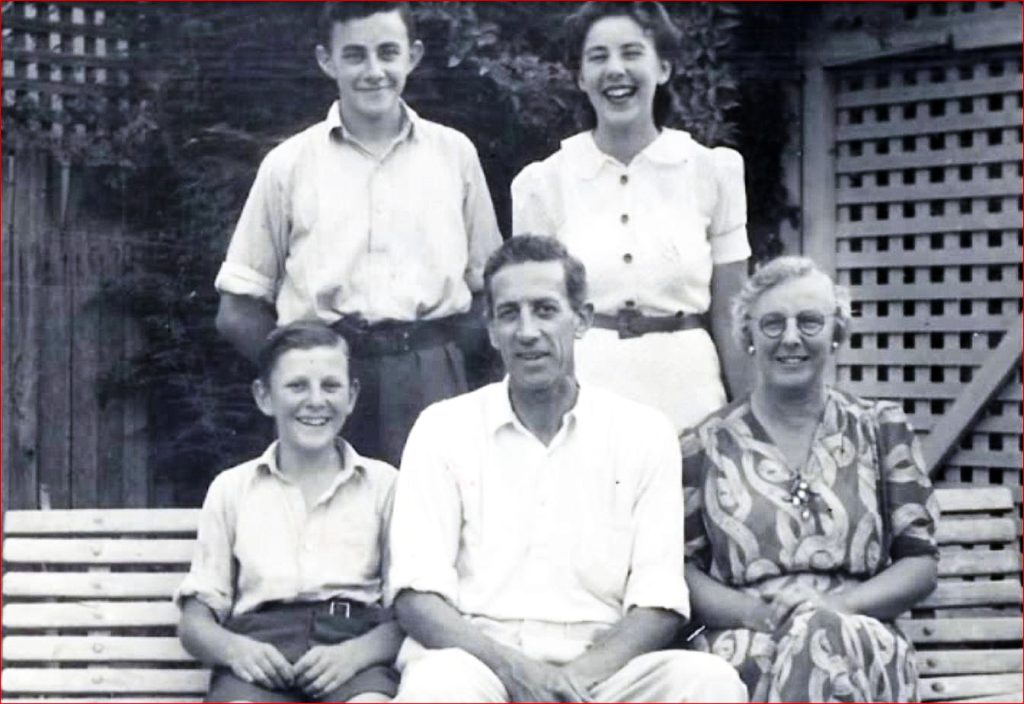
Harry returned to Australia on May 9, 1919, where he would move to Wagga Wagga to work as a local pharmacist. He married Ethel Booty in 1920 and they had three sons, Morris, George and Henry, and one daughter, Judith. Among a long list of successful accolades, Harry also became the Mayor of Wagga from 1937 to 1944 and from 1949 to 1951. Harry died on February 23, 1953 at the age of 65.
