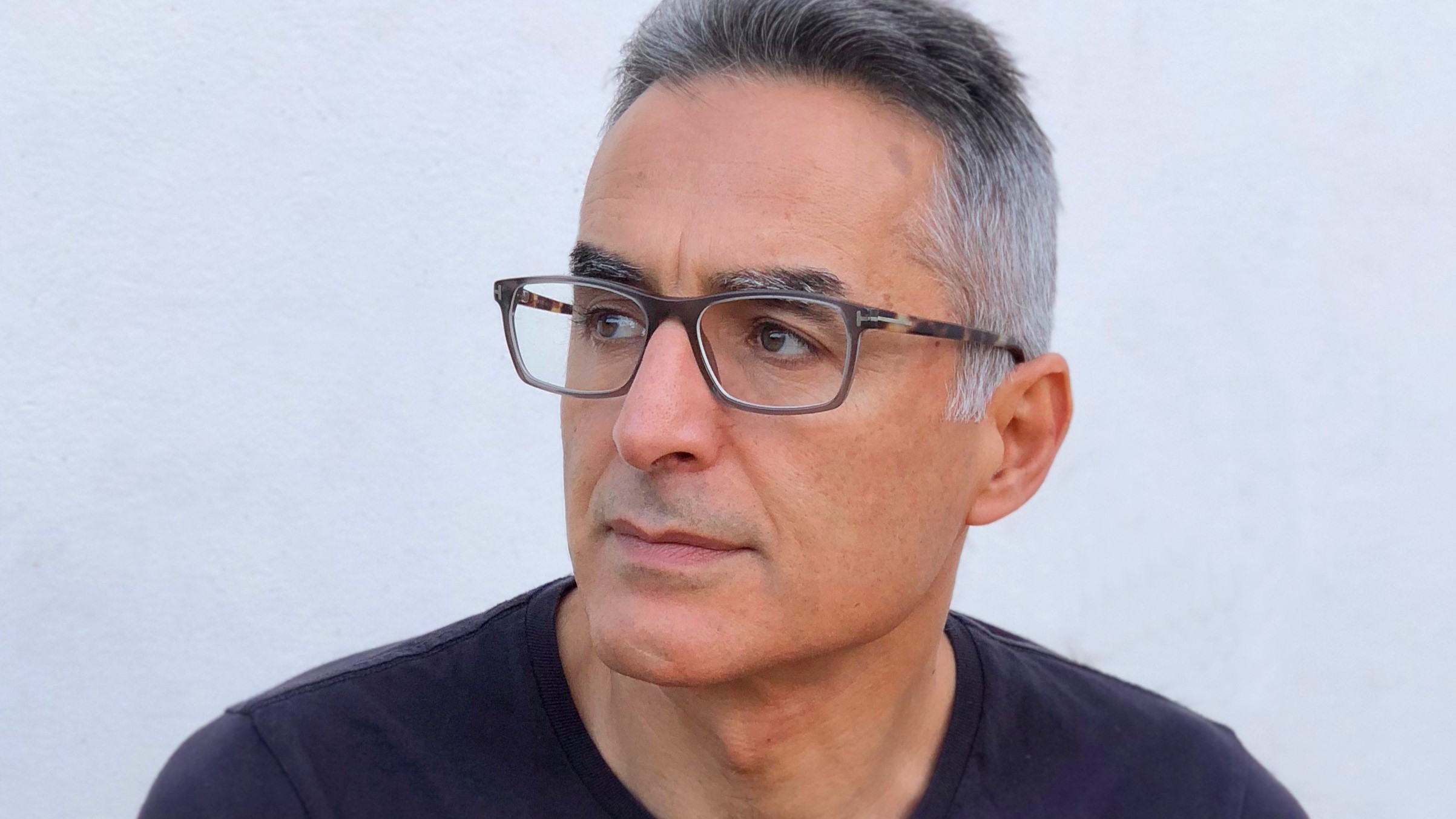
Professor George Kouvaros from the University of New South Wales will present a lecture entitled Diasporic Visibility in Sydney’s Post-War Greek Neighbourhoods at the Greek Centre on Thursday, March 23 at 7pm.
The seminar will be conducted in English and is part of the Greek History and Culture Seminars offered by the Greek Community of Melbourne (GCM).
This seminar will consider how the generation of Greek migrants that settled in Sydney during the post-war period approached the task of making themselves visible — to themselves and others. In particular, it will focus on the role played by vernacular photography (snapshots and family portraits, wedding and christening photographs) in this process.
The assumption underpinning this study is that a neighbourhood is not only a geographic entity, but also a place of recognition. This seminar will reflect on the role played by photography in establishing the terms of this recognition. It will draw out what the photographs produced by this generation of Greek migrants reveal (about their material circumstances and habits), as well as the type of work they performed.
What do these enactments tell us about the unspoken tensions and ambivalences that underpinned diasporic home-making in the post-war period?
George Kouvaros is a Professor of Film Studies in the School of the Arts and Media, University of New South Wales. His most recent book is The Old Greeks: Photography, Cinema, Migration (University of Western Australia Press, 2018). In 2020, he was awarded an Australian Research Council Linkage Grant for the project ‘Remembering Sydney’s Post-war Greek Neighbourhoods, 1949-1972.’ In partnership with the State Library of NSW, UNSW and the Greek Orthodox Community of NSW, this grant is being used to fund the creation of the Greek Australian Archive.
This seminar offers a rare opportunity to learn from one of Australia’s foremost cultural theorists and film scholars and to gain insights into the rich history and culture of the Greek Australian community.
Event Details:
- When: Thursday, March 23, 2023, at 7pm
- Where: The Greek Centre, Mezzanine Level, 168 Lonsdale Street, Melbourne
- Language: English
- Admission: Free

