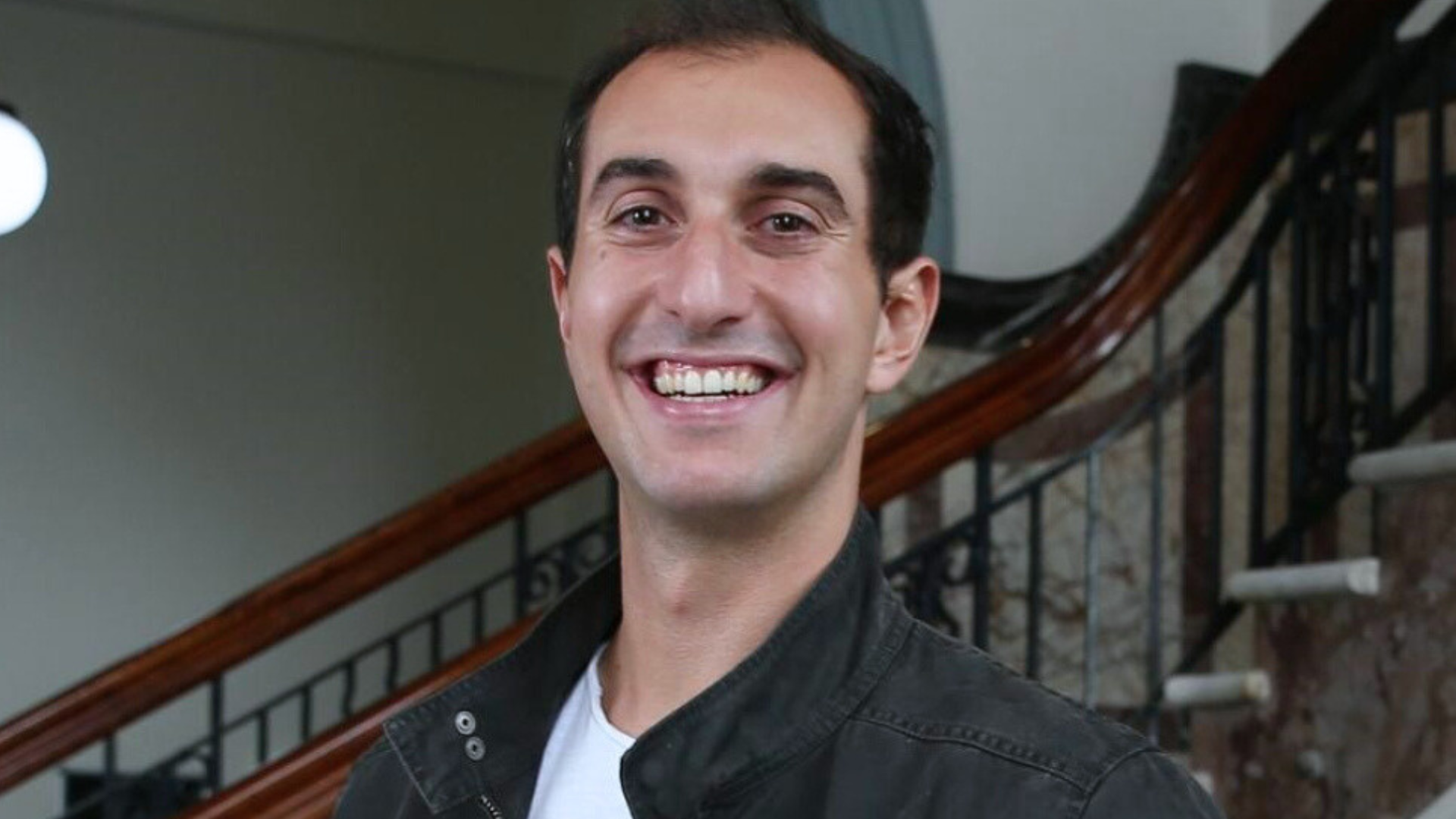
CEO of Proto Axiom, Anthony Liveris says the global biotech sector is entering a more disciplined phase – and for Australian investors, the challenge is no longer spotting excitement, but identifying what can genuinely scale.
Writing after the annual J.P. Morgan Healthcare Conference in the United States, Liveris says the signal cutting through the noise in 2026 is clear: execution now matters more than storytelling.
“The market has moved on from hype,” Liveris writes. “This cycle will reward operators, not narrators.”
As CEO of Proto Axiom, which funds early-stage scientific breakthroughs, Liveris argues that biotech is recovering globally – but capital is returning selectively, favouring quality assets, credible data and experienced teams.
Quality over excitement
Liveris says US public markets are reopening to biotech, but only for companies with late-stage assets, clean clinical data and clear paths to commercialisation.
For Australian investors, he warns against being swayed by overseas announcements without substance.
“Liquidity is now earned, not assumed,” he says, adding that great science alone is no longer enough without execution credibility.
Big pharma is buying – but only the best
With major pharmaceutical companies facing looming patent expiries, Liveris says global drugmakers are actively seeking acquisitions and partnerships. However, this does not mean weak projects will be rescued.
“Competition for high-quality assets is increasing,” he notes. “Premiums go to teams that can show clinical progress and manufacturing readiness – not just compelling biology.”
Obesity is bigger than weight loss
One of the clearest long-term trends, according to Liveris, is obesity and cardiometabolic disease – but not in the simplified way often portrayed.
“This is not just about weight loss drugs,” he says. “It’s about cardiovascular outcomes, long-term safety, muscle preservation and how therapies fit into lifelong care.”
He adds that reimbursement – how treatments are paid for – is becoming as important as the science itself, particularly in countries like Australia.
Oncology becomes engineering
Liveris says cancer treatment is shifting from finding single targets to building complex therapeutic systems, such as antibody-drug conjugates and radiopharmaceuticals.
Australia, he notes, is well positioned scientifically in this area, but must improve its ability to translate research into scalable therapies.
“If manufacturing is an afterthought, the risk is already too high,” he warns.
AI grows up
Artificial intelligence in biotech is moving out of the hype phase and into regulation and compliance, Liveris says – a shift he views positively.
“The most credible AI applications are those that save time in specific steps,” he writes, such as trial design or patient selection, rather than grand promises of drug discovery.
Global competition is intensifying
Liveris also points to China’s growing role as a source of licensable biotech innovation, particularly in oncology and neurology.
“This raises the bar globally,” he says. “Australian companies must move faster and sharper to compete.”
What this means for Australia
Liveris argues Australia does not lack scientific talent, but struggles to consistently convert research into global therapies while retaining value locally.
He identifies three priorities: faster clinical trial start-ups, clearer regulatory pathways, and better alignment between long-term capital and biotech development.
“Investors don’t fear high standards,” he says. “They fear unclear ones.”
For Australian investors and founders alike, Liveris’ message is blunt but optimistic: the opportunity is real – but only for those prepared to build real businesses, not just tell good stories.
Source: Forbes Australia.
