The Joint Justice Initiative (JJI) has welcomed the final History Syllabus for Years 7 to 10 released by the NSW Education Standards Authority (NESA), which includes the mandatory study of ‘Australia’s civic action and humanitarian response during World War I’.
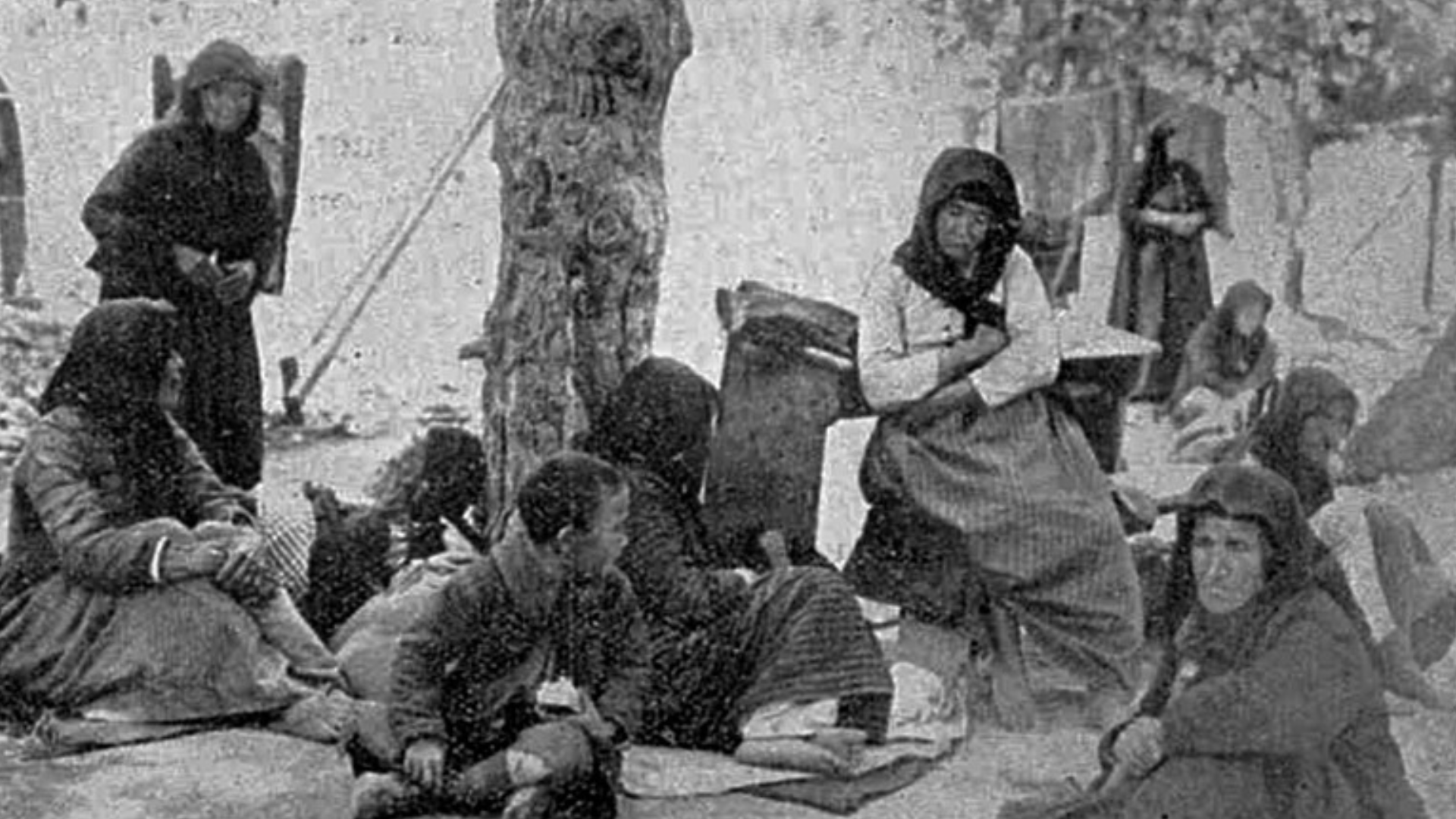
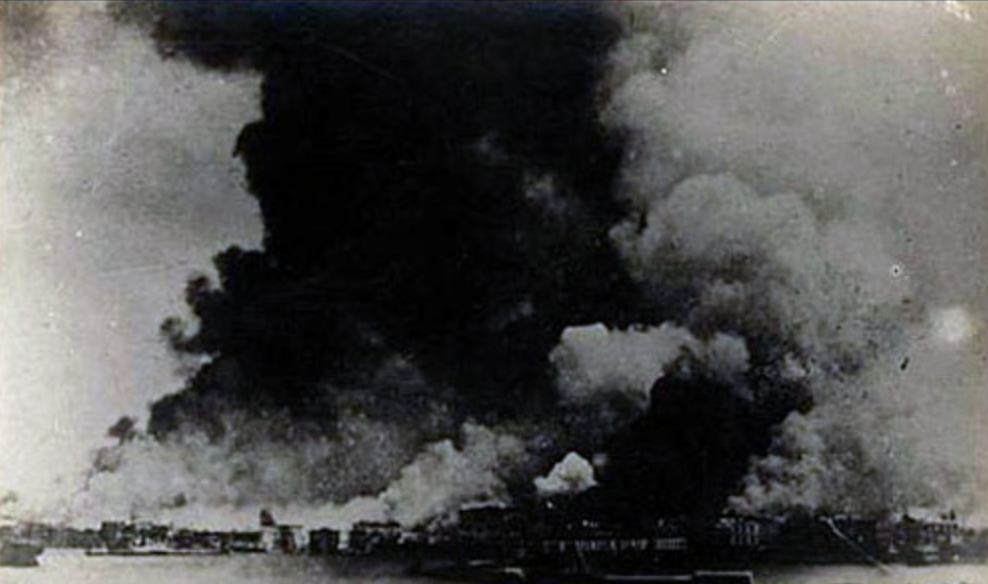
The historic achievement will be implemented in 2027, ensuring all NSW students will learn about the actions of everyday Australians and New Zealanders who participated in humanitarian efforts during WW1, including initiatives that saved survivors of the Ottoman Empire’s Genocide of the Armenians, Assyrians and Hellenes.
In accordance with the Syllabus released by NESA, within the Depth study (core) – Australia: making a nation – from Federation to WWI (1889 – c. 1919), teachers must guide their students through ‘Significant groups, individuals, ideas, beliefs, practices and events in Australia: making a nation – from Federation to WWI’. This includes ‘Australia’s civic action and humanitarian response during WWI’.
The Armenian National Committee of Australia was informed of this historic inclusion in a formal letter sent from the Minister for Education, the Hon. Prue Car MP, a week prior to the official release of the History Curriculum.
The inclusion comes following a motion unanimously adopted in the NSW Legislative Council calling for mandated Armenian, Assyrian and Greek Genocide education and the establishment of a museum, as well as a letter co-signed by over 25 academics calling for the inclusion in the Curriculum.
Since 2020, the JJI made up of the peak public affairs bodies of the Armenian, Assyrian and Greek communities in Australia has been at the forefront of efforts to achieve federal recognition of the Genocides of the Indigenous Armenians, Assyrians and Hellenes of Anatolia and Mesopotamia.
Armenian National Committee of Australia Executive Director Michael Kolokossian said, “This is the beginning of a new era in the pursuit for genocide recognition, where awareness and education will play a pivotal role. By ensuring that future generations learn about humanitarianism during the 1915 Genocides, we are also equipping students with the knowledge to stand against future atrocities.”
Scholarship on the Genocides, especially the Anzac and broader Australian connection to efforts to rescue survivors around the eastern Mediterranean by members of the Australian Institute for Holocaust and Genocide Studies (AIHGS), including Professor Peter Stanley and Mr Vicken Babkenian, who co-authored ‘Australia-Armenia & the Great War’, has been a cornerstone of recognition efforts.
The JJI and the AIHGS are committed to developing resources ready for Australian classrooms over the next two years, with the new Syllabus to be implemented from the 2027 school year.
