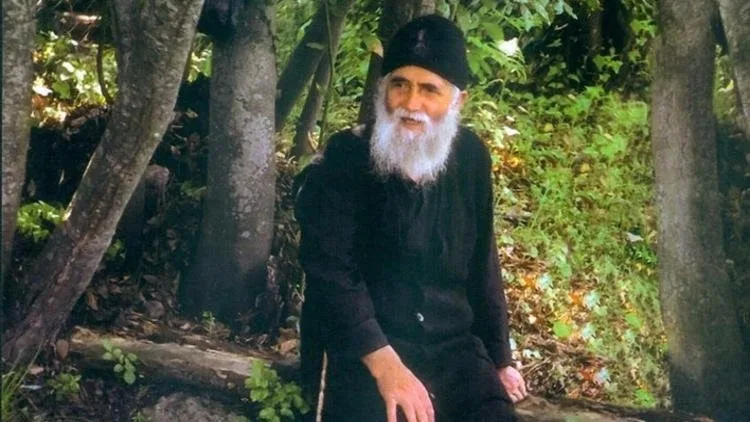
Saint Paisios the Athonite was credited for many miracles and prophecies, being proclaimed a Saint of the Orthodox Church in 2015.
Arsenios Eznepidis, as his secular name was, was born in Farasa, Cappadocia, on July 25, 1924.
On August 7, 1924, a week before the Christian Farasiotes left for Greece due to the exchange of populations between Greece and Turkey, he was baptised by Saint Arsenios of Cappadocia, the priest of Farasas, whom the Orthodox Church recognised as a saint in 1988.
In 1945, Saint Paisios enlisted in the army and served as a radio operator during the Civil War. He was discharged from the army in 1949 and the following year entered Mount Athos to be a monk. There he met Father Cyril of the Koutloumousiou Monastery and followed him faithfully.
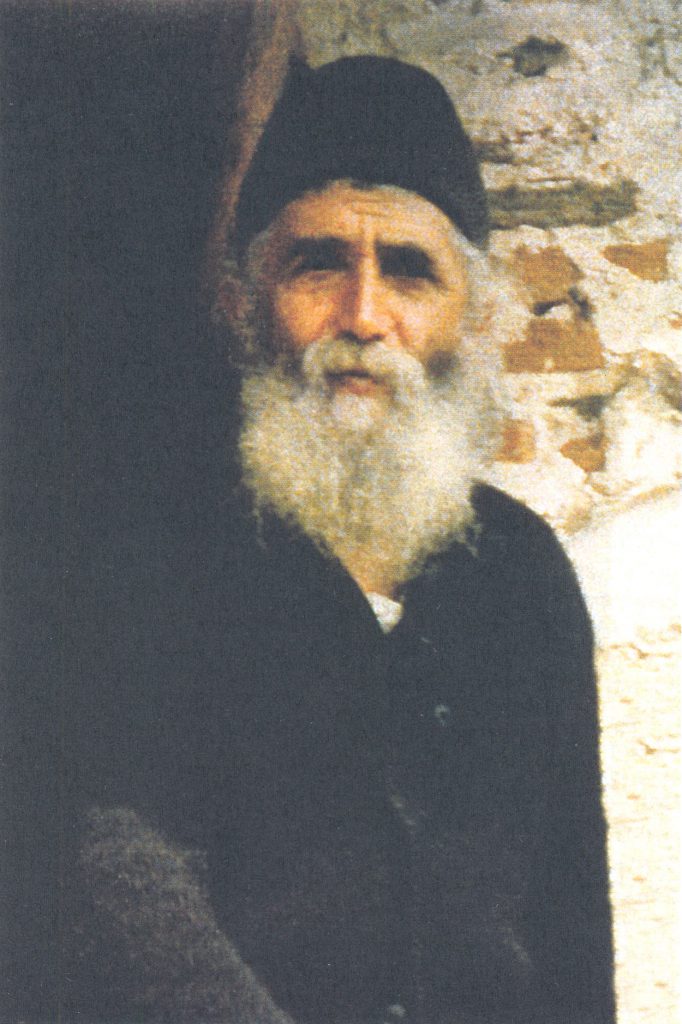
Saint Paisios left the Koutloumousiou Monastery and travelled across Mount Athos, later joining the Monastery of Esfigmenos, the Monastery of Filotheos, and the Holy Monastery of the Nativity of the Virgin.
In 1962, Saint Paisios went to Mount Sinai and in 1964 he returned to Mount Athos, from where he never left again expect for a few trips to the outside world.
In 1977, Saint Paisios visited Australia with Father Vasileios of the Monastery of Iviron. Saint Paisios performed a miracle and treated a cancer patient while he was in Australia.
In 1979, he joined the fraternity of the Koutloumousiou Monastery and settled in the hermitage of Panagouda. From then on, he became known to the faithful who visited him and was asked advice on people’s personal matters. Despite his busy schedule, he continued his intense ascetic life.
In 1993, his health deteriorated and doctors diagnosed him with colon cancer. In the last days of his life, he decided not to take drugs or painkillers, despite the horrible pain he felt. Finally, he slept on July 12, 1994 and was buried in the Holy Hermitage of Agios Ioannis the Theologian in Souroti, Thessaloniki.
On January 13, 2015, the Holy Synod of the Ecumenical Patriarchate of Constantinople decided to classify the monk Paisios of Mount Athos in the Hagiology of the Orthodox Church.
On September 25, 2023, Archbishop Makarios of Australia declared Saint Paisios the Guardian and Protector of Australia and the Greek Orthodox Archdiocese of Australia.
Sourced By: San Simera
