Home Blog Page 76

Balance the Scales: What it will actually take to end gendered violence

0

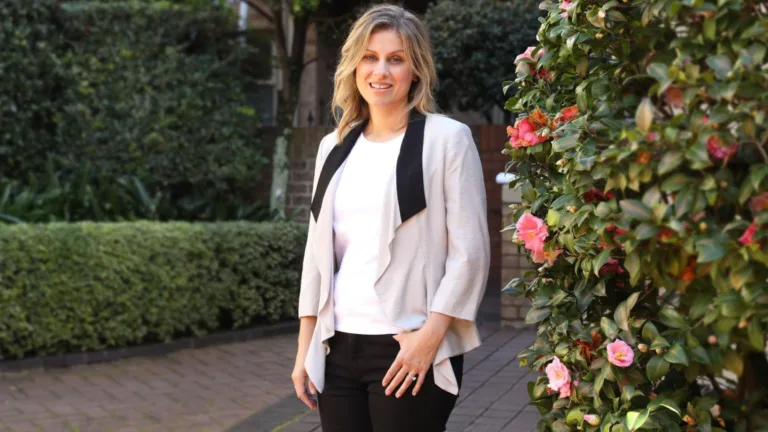
By Cassandra Kalpaxis

Each year, International Women’s Day gives us a theme. This year, the United Nations has called on us to “Balance the Scales.” It is a powerful phrase, particularly for those of us who work within the legal system.

As a family lawyer and domestic violence educator, justice and equality are not abstract concepts to me. They shape my work, my advocacy and my thinking every single day.

I have witnessed the devastation of gendered violence up close. I have sat across from women whose lives have been eroded by years of coercive control. I have seen the financial ruin, the psychological harm and the long shadow it casts over children. I have worked with teenagers through the Not One More Girl initiative, educating young people about respect, power and early warning signs. I have spent years helping women understand patterns of coercive control when they walk into my office confused, doubting themselves and unsure whether what they are experiencing “counts” as abuse.

And I have relentlessly advocated for broader societal change.

But individual education and frontline advocacy, while essential, are not enough. We cannot expect lawyers, teachers and community leaders to carry the burden alone. Real and lasting reform must come from systemic change at the top — from governments prepared to legislate boldly, fund properly and prioritise prevention as seriously as response.

Balancing the scales means resourcing education in schools to end the cycle of violence; training judicial officers in trauma-informed practice, and ensuring that breaches of protection orders carry real consequences. It means recognising patterns of behaviour, not just isolated incidents. The law must be accessible, swift and survivor-centred.

Economic inequality is a driver of violence

One of the most misunderstood aspects of gendered violence is its link to financial dependence.

I regularly see women who have spent years out of the paid workforce raising children, only to discover during separation that they have no savings, no independent income and limited access to financial records. Some do not even know the extent of their partner’s assets.

If we want to balance the scales, we must address the gender wealth gap at its root. That means normalising financial transparency in relationships. It means ensuring that stay-at-home parents have access to funds in their own name. It means superannuation reform, stronger property settlement enforcement and better access to legal funding.

A woman who cannot afford to leave is not free.

Prevention must start long before crisis

Prevention begins with education about respectful relationships, consent and equality from a young age. It requires dismantling the entitlement that still underpins much of the violence we see: the belief that a partner is property, that control is love, that masculinity is dominance.

We must also confront the online ecosystem that amplifies misogyny and normalises hostility toward women. Algorithms that reward outrage and dehumanisation contribute to a culture where violence becomes thinkable.

Balancing the scales means challenging harmful narratives wherever they take root: in schools, workplaces, media and political discourse.
The burden cannot sit with women

Too often, the responsibility for safety is placed on women. Leave earlier. Plan better. Document everything. Keep receipts. Record conversations. Be careful what you post.

This framing subtly shifts responsibility away from perpetrators and systems, and back onto victims.

Ending gendered violence requires sustained focus on accountability. Perpetrator intervention programs must be properly funded and rigorously evaluated. Bail decisions must prioritise risk assessment. Repeat offenders must face meaningful consequences.

We cannot ask women to carry the weight of reform while simultaneously blaming them for not leaving sooner.

Political will matters

Australia has declared gendered violence a national crisis. Yet crisis language must be matched by structural investment.

Funding DV education, shelters and frontline services cannot be a budget afterthought. Family law delays cannot stretch on for years. Data collection must be consistent and transparent so that policy is evidence-based rather than reactive.

If we genuinely intend to end Australia’s femicide epidemic, then bipartisan commitment is essential. This cannot be a partisan issue. It is a national one.

What balancing the scales really looks like

Balancing the scales is not about tipping power in one direction. It is about restoring equilibrium where it has long been absent.

It looks like a society that understands coercive control.
 It looks like women having independent financial security.
 It looks like early education that dismantles entitlement.
 It looks like perpetrators being held accountable.
 It looks like governments funding prevention as seriously as response.

From a lawyer’s perspective, the scales will not balance themselves. Systems reflect the values of the societies that design them. If inequality is built in, inequality will persist.

The question is not whether we know what needs to be done. We do.

The question is whether we are prepared to do the hard, sustained work required to ensure that justice is more than an aspiration.

Balancing the scales is possible. But only if we are willing to recalibrate the system itself.
It’s International Women’s Day, but let’s hear from the men fighting patriarchy

There is an uncomfortable reality many women in the Greek Australian community still recognise. Too often, their voices are questioned, their ideas overlooked, or their achievements quietly scrutinised in ways their male counterparts rarely experience. A woman may raise an idea that goes unheard, only to see it applauded when repeated moments later by a man. Others still face assumptions about how they advanced professionally, or are labelled “hysterical” for calling out behaviour that feels dismissive or exclusionary.

At the same time, many women ask why participation in community organisations remains difficult, why leadership spaces can still feel unwelcoming, and why representation sometimes stops at symbolic gestures – visible, but not truly heard.

Encouragingly, there is also a growing group of men within the community who are choosing a different path. They are not simply paying lip service to equality, but using their influence in boardrooms, charities, churches, law firms and sporting clubs to help shift attitudes and open doors.

Gender equity is a men’s issue

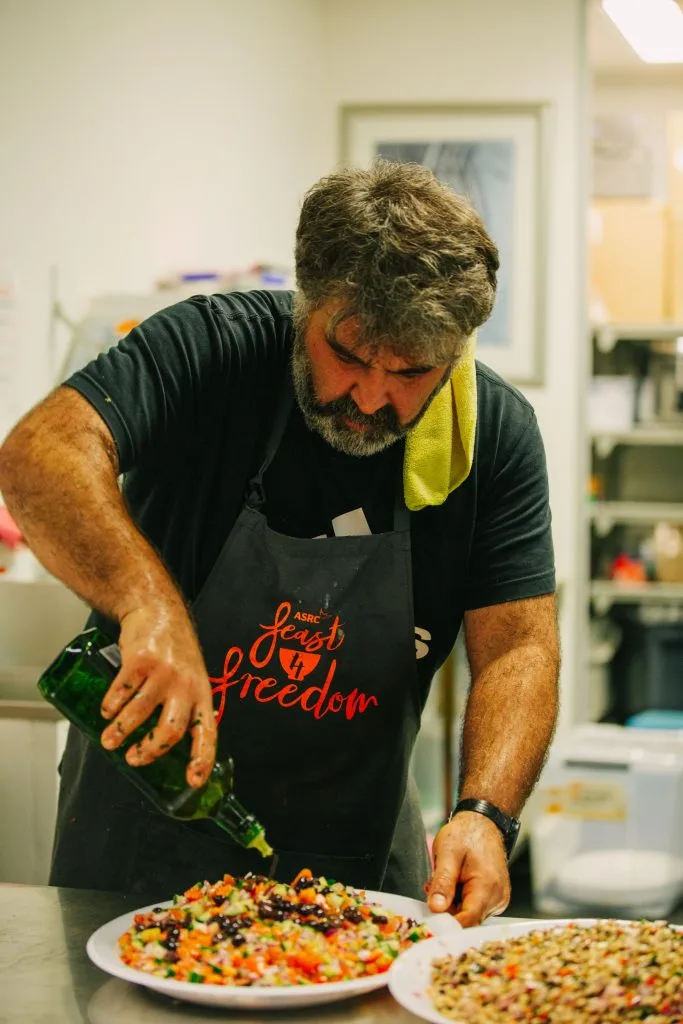
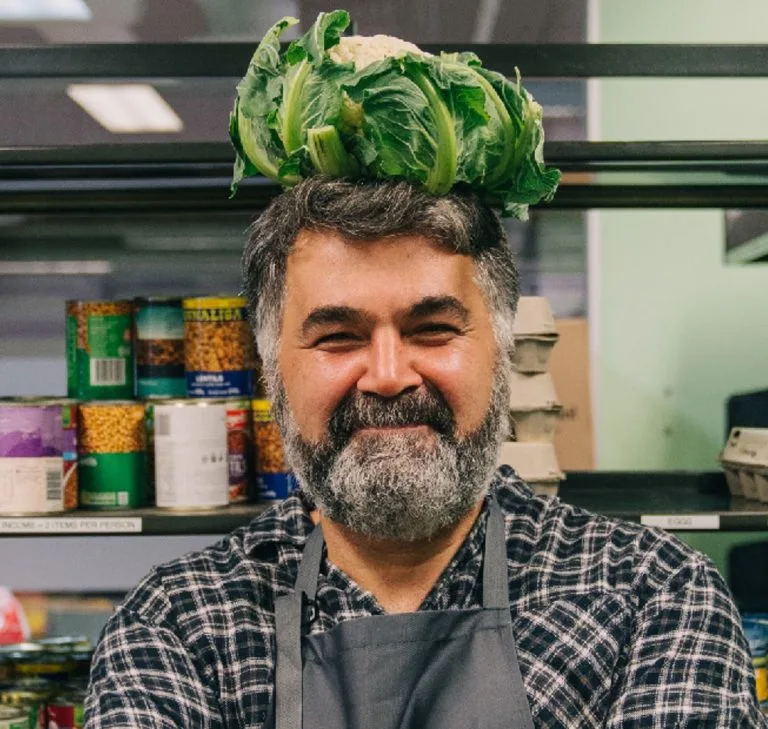
Kon Karapanagiotidis, founder of the Asylum Seeker Resource Centre and brother to Nola Karapanagiotidis, the first female Greek Australian County Court judge in Victoria, does not mince words.

“I am so outspoken about gender equity because I believe it is a men’s issue,” he says. “Male violence against women is a national epidemic and prevents gender equity in our community. As men we need to show up for women and be true allies.”

He is blunt about our cultural reality. “Greek women are the backbone of our communities but get nowhere near the respect, opportunity and appreciation they deserve… I am tired of being surrounded by way too many Greek men who hold onto outdated gender norms and are sexist and misogynistic.”

He also names the paradox. “As a man I am saying only things women have been saying for decades and yet because it is coming from me it is often taken more seriously… which is the very definition of sexism.”

So why keep speaking?

“Men crave and seek the approval of other men far more than they do that of women. When men fear rejection from their male peer groups they will finally act when other men hold them accountable.”

At the Asylum Seeker Resource Centre, women make up at least 50 per cent of leaders. He refuses to sit on panels that are not at least half women. He mentors women and pushes for workplace conditions so women don’t have to choose between career and family.

“Men never do, so why should women?”

The buck stops with the CFO

At Good Shepherd Australia New Zealand, a 163-year-old organisation working across prevention, crisis response, recovery and financial inclusion, Chief Finance Officer (CFO) Michael Malakonas sees the human cost of inequality every day, particularly the link between gender violence and financial coercion.

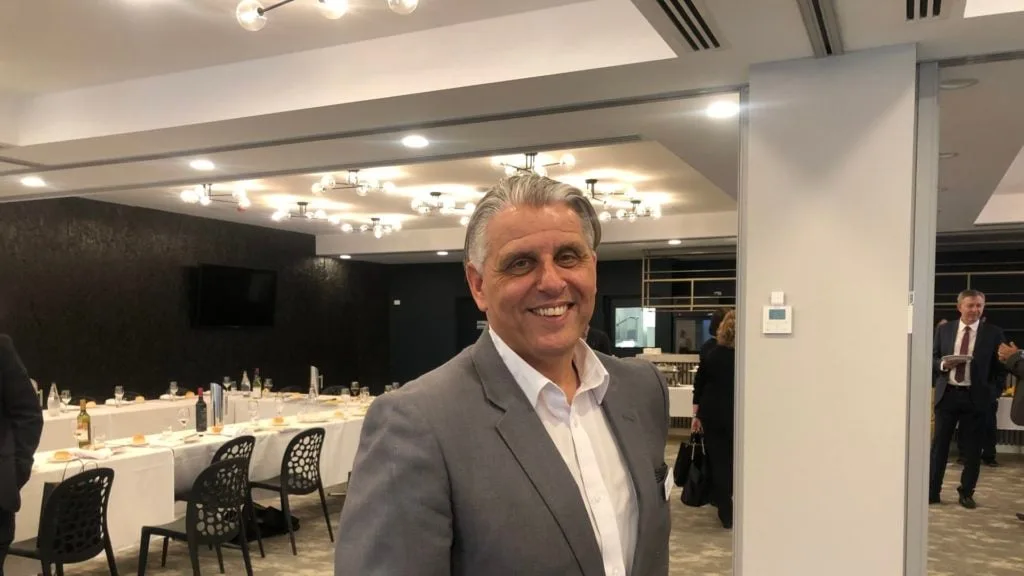
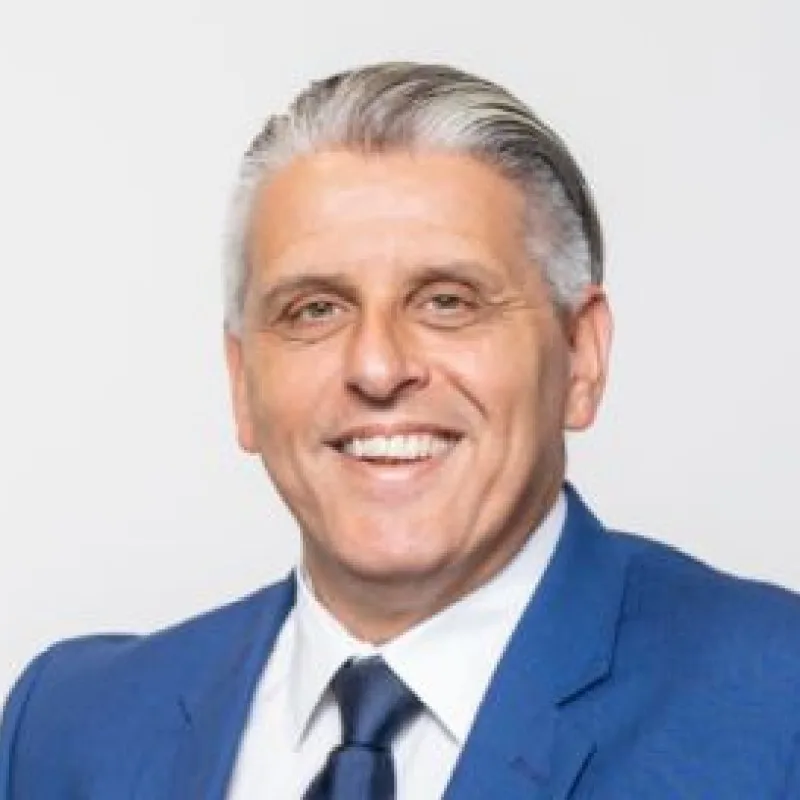
Michael Malakonas

Women fleeing violence often leave with debt in their name, little access to money and enormous barriers to safety. It can cost at least $10,000 to relocate and start again. Economic abuse is not peripheral; it is central.

For Malakonas, there is no room for neutrality, and he talks with passion about pay parity and succession planning. “Women should be equitably paid,” he says before turning to sexism in sport and boardrooms.

“There are a lot of us that genuinely try to be good people first and foremost… and when do I stand up and call sexism and racism and ageism? I’ve had to do that with close friends,” he says, mentioning friends he has stopped mid-sentence when they demean “the young lady”.

“The buck stops with us males. Do we want to make a difference?”

For him, it starts at home.

“How would you like your daughters to be treated, your wife, your partner? Do you want them to have an equitable and fair society compared to men? How much agency and financial literacy do you want them to have? The more education and financial stability young women and girls have, the more choices they have, and we as males can give them pathways and opportunities.”

Beyond the corporate sphere, he has championed women and girls at Clifton Hill Football Club, helping create pathways so daughters can play alongside sons instead of watching from the sidelines. In male-dominated spaces, allyship means challenging stereotypes even when it costs social comfort.

Justice must function within culture

When Toorak Law sponsored Greek Women Speak, it was not a performative gesture. Lawyer Konstantinos Kalymnios said poet Koraly Dimitriadis’ set conference creating space for women to articulate difficult truths. He says it was one way of challenging the status quo.

Konstandinos Kalymnios

“Supporting spaces such as Greek Women Speak is for us not just a symbolic alignment with a trend. It is a recognition that communal conditions shape whether justice can function. Men active in public life influence those conditions, so their visible support communicates that reputational anxiety will not override truth, and that authority will not be mobilised to contain testimony for the sake of cohesion,” he says.

“Power and responsibility are correlated. Legal remedies for violence and discrimination exist, but those remedies remain inert where disclosure is culturally inhibited.”

He notes that the united front that once helped resist marginalisation has also narrowed what is considered speakable.

“Diasporic communities often operate within a representational economy in which success, respectability and unity are foregrounded. That narrative has served important purposes in resisting marginalisation. It has also narrowed the range of experiences considered speakable.

“When men endorse spaces that widen that range, they recalibrate the terms of legitimacy within communal discourse, signalling that integrity is measured by accountability rather than by presentation.”

Grounding his stance in faith, he points to the Gospel of John, where Christ first reveals his identity to a Samaritan woman, unsettling gender and cultural hierarchies and positioning a woman as bearer of witness.

His dedication to social justice comes at a cost in a community where “debate and the free exchange of ideas are publicly prized” but “criticism often circulates obliquely rather than directly” and commentary “tends to travel quietly”.

Totally worth it for Kalymnios who hopes for a better world for his daughters. “A community that claims seriousness about its future must reckon with the conditions it creates for the next generation,” he says. “My stance follows from that reckoning.”

Spotlighting women is not anti-men

When Peter Andrinopoulos wrote Greek Women of Influence, it had been decades in the making.

As a teenager, he noticed the double standard: Fred Astaire was revered as a genius, while Ginger Rogers, who did everything he did “backwards and in high heels”, was rarely afforded the same reverence.

When some men asked, “When will you write a book about men’s accomplishments?” he recognised the reflex, the assumption that highlighting women must somehow diminish men.

“It became clear that the book was doing exactly what it was meant to do,” he says. “Not just celebrating women but deliberately amplifying their achievements.”

“I believe men must acknowledge the injustice of women being sidelined and actively consider how women can be supported and promoted equitably… Equity is not achieved through words alone, but through conscious action… These actions demonstrate that progress does not require grand gestures, only awareness, fairness, and a willingness to act.”

“Fear not,” he says, paraphrasing Papaflessas. “We are winning.”

Artist Iris Pavlidis’ work ‘Accountability’ is about men taking accountability only when shunned by other men

Enough with the lip service

It’s easy to post about feminism on March 8 and describe yourself as a supporter of gender equality. What matters more, however, is the work that happens beyond the day itself.

Real change requires something deeper: sharing power, opening doors within organisations, creating opportunities for women’s leadership, mentoring emerging voices, and being willing to challenge the attitudes that quietly reinforce old hierarchies.

And while it can be frustrating that men’s voices sometimes carry more weight than women’s lived experiences, the reality is that cultural change often requires allies. If men are listening to other men, then let them hear from those who are willing to use their influence to support a more inclusive and respectful community.

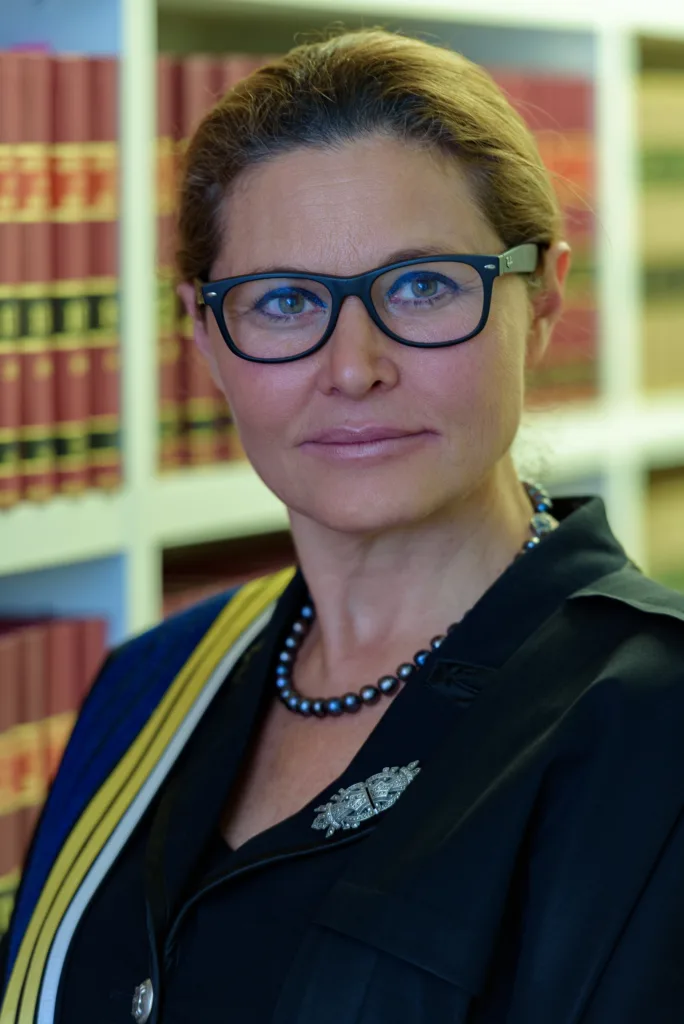
‘Back yourself’: Justice Chrissa Loukas-Karlsson on a life in law and breaking barriers

Justice is often spoken about in abstract terms – principles written into law, arguments tested in courtrooms, judgments handed down from the bench.

For The Honourable Justice Chrissa Loukas-Karlsson, however, the foundations of justice were shaped much earlier: in the lived experience of growing up as the daughter of Greek migrants in Australia.

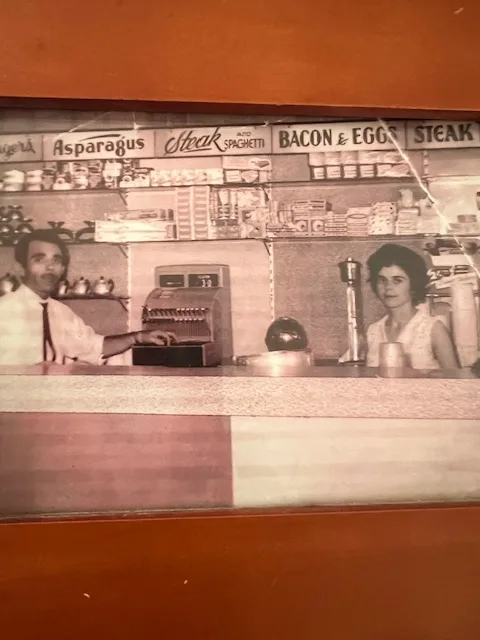
Chrissa’s parents in their cafe in Queensland

Raised between Queensland and Sydney, she learned from a young age what it meant to stand slightly outside the mainstream, observing closely the dynamics of fairness, opportunity and belonging. That perspective would go on to define a remarkable legal career.

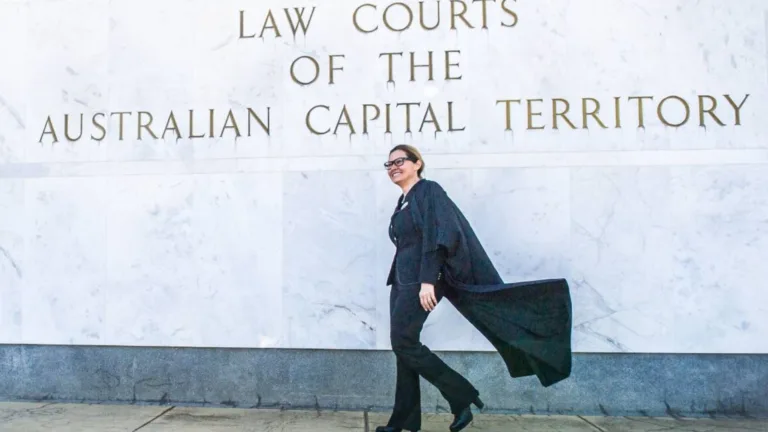
Called to the NSW Bar in 1989, she rose through the ranks to serve as Public Defender, Acting Crown Prosecutor and counsel before the International Criminal Tribunal for the former Yugoslavia, before being appointed Senior Counsel in 2012. In 2018, she was sworn in as a Resident Justice of the Supreme Court of the Australian Capital Territory, a role she held until her retirement in late 2025.

Now, as she reflects on a lifetime dedicated to the law, Justice Loukas-Karlsson will also share her insights with the community as a panellist at the Greek Festival of Sydney’s International Women’s Day ‘Balance the Scales’ event, supported by The Greek Herald.

Looking back on her upbringing, Justice Loukas-Karlsson says her identity as the daughter of migrants shaped how she came to understand justice itself.
“I have always believed in turning presumed disadvantage into an advantage. My childhood perspective as an outsider allowed me to have a deeper understanding of injustice. That deep understanding of injustice is, in my view, an advantage as a judge,” she says.

When she entered the legal profession in the late 1980s, it was still overwhelmingly male and dominated by Anglo-Saxon backgrounds. Yet she says the imbalance never discouraged her.

“Yes, the legal profession was overwhelmingly male at that time and overwhelmingly Anglo-Saxon. Nevertheless, it never worried me. Instinctively, I knew that to be considered half as good, I would have to be twice as good,” she explains.

Her career has spanned some of the most demanding roles in the justice system, from Public Defender and Crown Prosecutor to appearing before an international tribunal. Each experience, she says, shaped the way she approached the law.

“All of my roles in the law. Every part of my career informed my ever-evolving and deepening approach to justice,” she says.

Her appointment to the ACT Supreme Court in 2018 marked the culmination of decades of legal practice. Yet she emphasises that the responsibility of judicial office transcends identity or background.

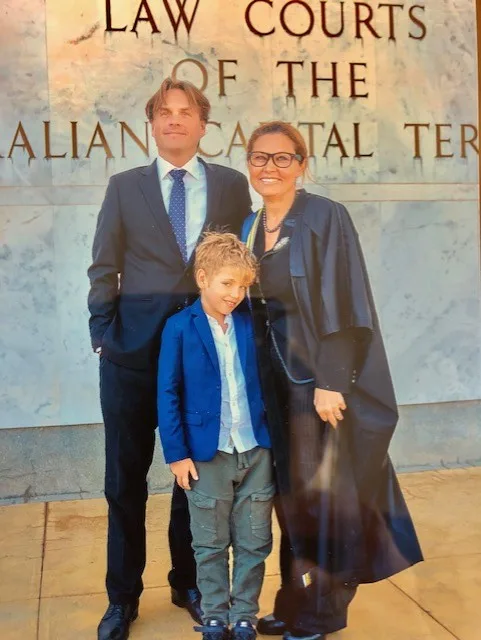
Chrissa’s son and husband with her on the day she was sworn in as a judge in 2018.

“My judicial responsibility was and is, as it must be for all judges. It is the oath all judges swear to uphold: ‘to administer justice without fear or favour, affection or ill will.’ It is a commitment to integrity and independence; independence from the executive and from the legislature. The commitment is to be a good judge regardless of race or sex or background,” she explains.

After retiring from the bench in late 2025, Justice Loukas-Karlsson reflects on her career with characteristic humility.

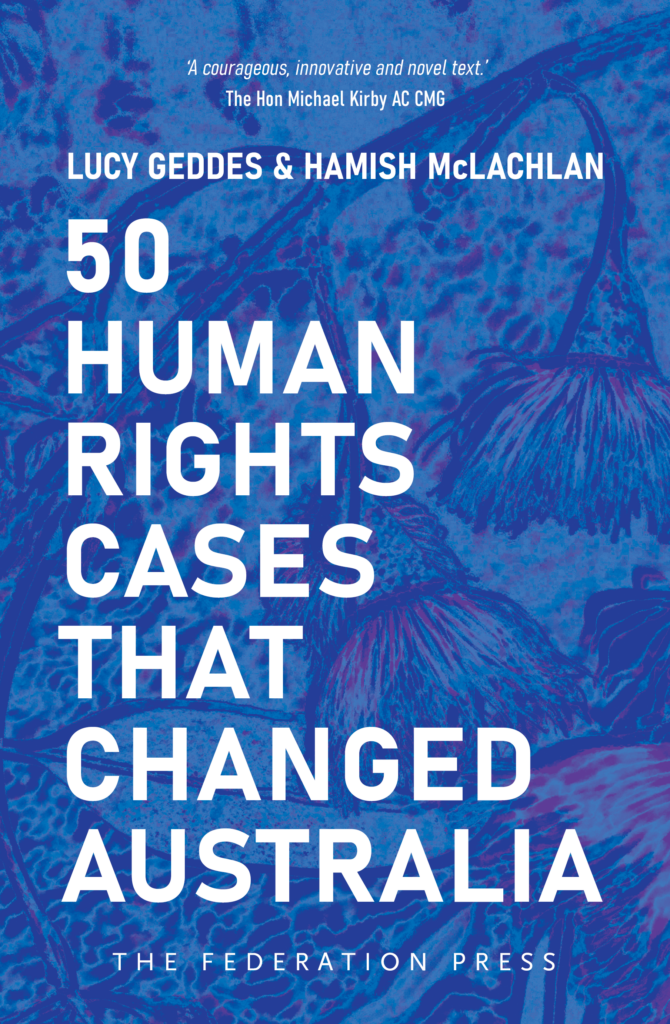
“That is for others to judge. Nevertheless, I can state that I was pleased that one of my judgments made it into ‘50 Human Rights Cases that changed Australia’ (Edited by Lucy Geddes & Hamish McLachlan),” she says.

For young Hellenic women considering careers in law, public service or leadership, her advice is strikingly simple: “Back yourself!”

And for anyone who has ever been underestimated, she offers a final reflection that captures the resilience that has defined her life and career.

“For anyone that has ever felt the sting of being underestimated just think to yourself ‘underestimate me; that will be fun, for me!’” she concludes.

Nisyros enters a new era following UNESCO Geopark recognition

0

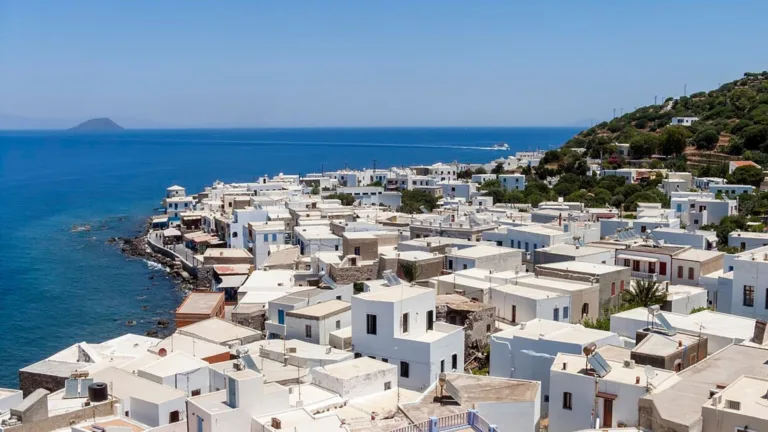
The volcanic island of Nisyros in the southern Aegean is entering a new phase of development after joining the UNESCO Global Geoparks Network in 2025. Known for its striking volcanic landscapes, thermal springs and traditional villages, the island has increasingly attracted visitors seeking nature-based and slower travel experiences, according to ekathimerini.com.

Local authorities are now working to ensure that the UNESCO designation supports sustainable growth while preserving the island’s fragile environment. Earlier this month, the Municipality of Nisyros presented a strategic plan that combines environmental protection, infrastructure improvements and digital tools to strengthen tourism and local development.

“The goals for the new year set out a realistic yet ambitious roadmap for a resilient, sustainable and vibrant Nisyros, to be achieved through close cooperation between the municipality and its citizens,” Mayor Christofis Koronaios said.

Central to the strategy is the further development of the Nisyros Geopark, which highlights the island’s volcanic heritage while linking geology, culture and sustainable economic activity. The framework also addresses environmental challenges such as geothermal management, overgrazing and hunting.

Nisyros now joins several Greek geoparks, including the Lesvos Petrified Forest, Vikos-Aoos, Mount Chelmos-Vouraikos, Psiloritis, Sitia and Kefalonia-Ithaki, showcasing the country’s diverse geological landscapes.

The municipality is also upgrading digital tools and applications to guide visitors along more than 40 marked hiking routes across the island’s craters, hillsides and coastal viewpoints, encouraging longer and more immersive stays.

Additional projects include the planned renovation of the island’s thermal baths at Loutra, expected to restart in 2026, and maintenance work at the heliport to improve accessibility and emergency connectivity. Cultural initiatives, including the Geo Nisyros Summer Festival, aim to extend tourism beyond the peak summer season.

Source: ekathimerini.com

This article first appeared in Greece Is (www.greece-is.com), a Kathimerini publishing initiative.

Giving voice to the unseen: Margaret Skagias and the CaringKids movement

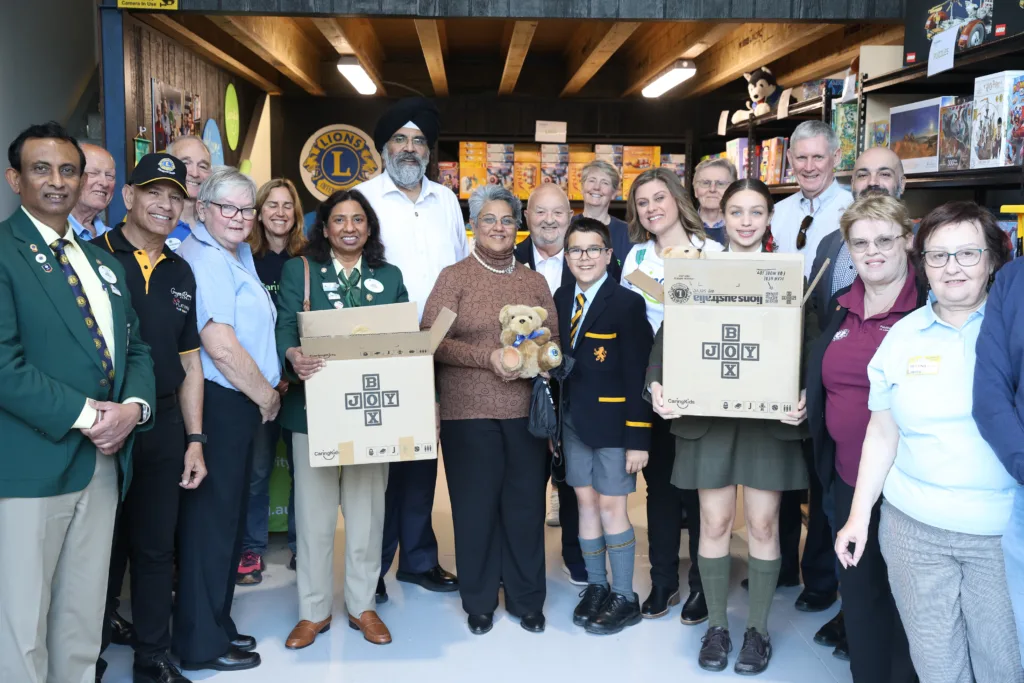
Margaret (Μαργαρίτα) Skagias is the Founder and CEO of CaringKids, a national charity supporting young carers across Australia, and Chairperson of Lions Australia’s CaringKids project.

A first-generation Greek Australian with nearly three decades of experience in social work, public health and community development, her work has been driven by a commitment to fairness, advocacy and supporting vulnerable children and families.

Skagias will share her insights as a panellist at the Greek Festival of Sydney’s International Women’s Day ‘Balance the Scales’ event, supported by The Greek Herald.

Tell us a bit about your Hellenic heritage and upbringing.

My heritage is something I carry with great pride and deep reflection. My grandmother’s generation, early 1900s Greece, lived with cultural norms and expectations that defined boundaries. As a first-generation Greek Australian, I grew up aware of that history, aware of the different opportunities that I was afforded as a woman living in Australia. This shaped a fierce determination for me to continue with tertiary education and to support women of all ages to achieve their personal and professional goals. Knowing where you come from, the women who have walked before you, women that have sacrificed and experienced hardship, the turmoil and tragedy of war and civil war, and diaspora.  It gives your work meaning beyond yourself and makes me more determined to push forward and lead girls and women by example.

You’ve spent nearly three decades working across child protection, health and community development — what personal experiences or values first drew you to this work?

From a very young age I was drawn to fairness, or rather, to the deep discomfort I felt in the face of unfairness, injustice and inequality. Growing up as a first-generation Australian, navigating dual cultures and balancing two identities, I understood what it felt like to exist between worlds and had to learn how to carve out my own identity and determine how I wanted to shape my life.

I grew up aware that girls and women were not offered as seat at every table – and how this impacts their achievements, career progression and opportunities. I took opportunities to educate and better myself, and to open doors that would see me fighting for voices that were not being heard, children, women, young carers. I strongly believe that children and women need to be supported and protected, in the face of abuse, violence and discrimination.

School opened many doors for me. The opportunities and leadership training I received there were formative, and they influenced my choice to pursue Social Work as a career. That path eventually led me to public health and an understanding of the social determinants of health, seeing the structural forces that shape people’s lives and recognising that individual experiences have systemic roots.

This led me to working with women experiencing domestic violence, and later to working as a young carer coordinator, delivering services for children caring for family members living with a disability or illness. I saw firsthand the financial hardship and social isolation so many young carers were experiencing, and how profoundly that impacted their academic achievement and future career prospects. And again, a familiar pattern emerged, women facing a disproportionate caring role as they entered adulthood. These aren’t abstract policy issues, they are real women, real children, real stories and real lives. Once you see that clearly, it’s very hard to look away.

I hold many roles as a woman now, health professional, wife, mother of two children, a daughter and a son. The work I do in the community sector and what I have learnt has shaped my values. My children will forge their own paths like I did, in the knowledge of our, culture, values and traditions that came before them.

Growing CaringKids from a local initiative into a national program required both vision and persistence. What were the biggest challenges along the way, and what kept you going?

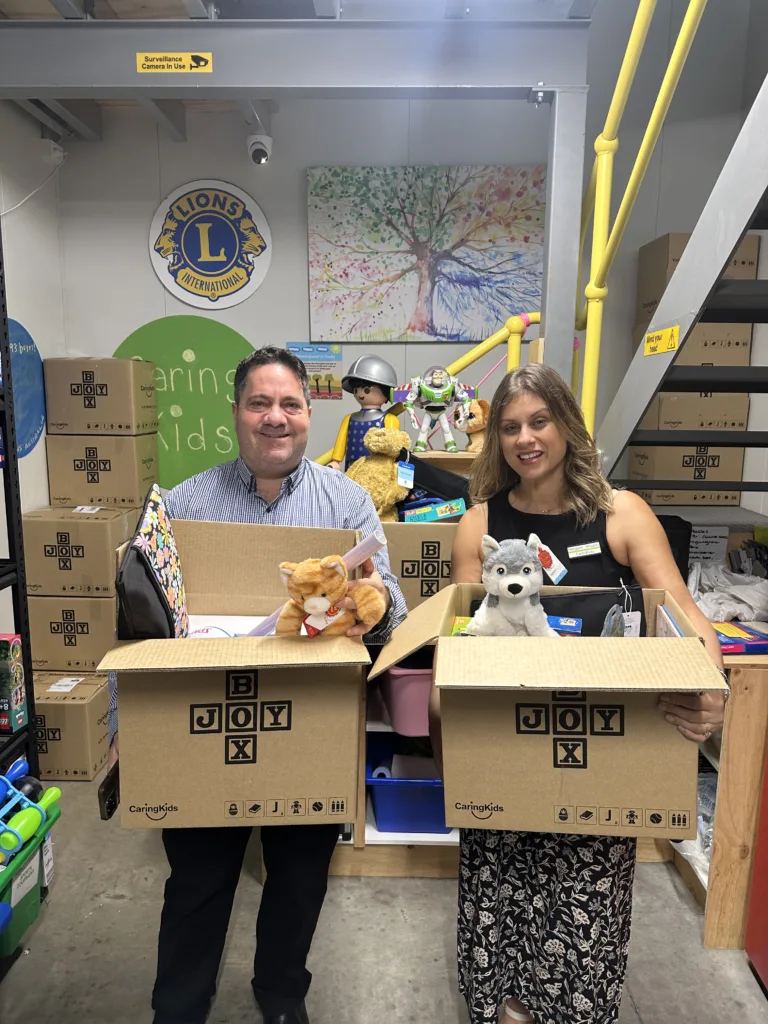
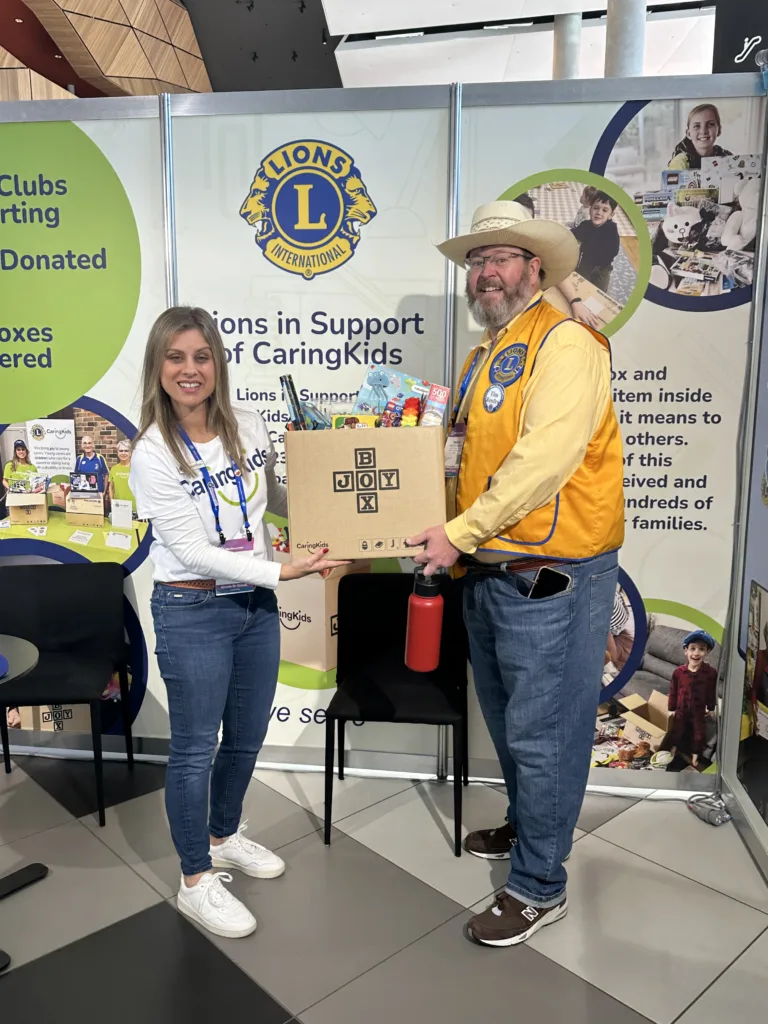
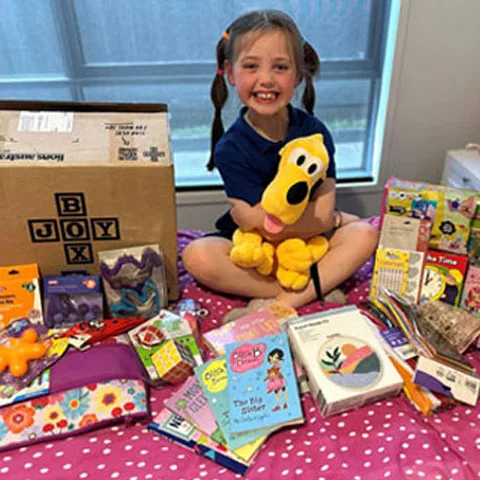
The challenges were real, funding, visibility, and difficulty of convincing others to pay attention to a population that has been invisible for so long. In the crowded not-for-profit space, you often have to fight to be heard.  There are more than 60,000 charities in Australia. What kept me going was simple: the children. Every time I heard a young carer’s story, every time I saw a child’s face light up receiving a Joy Box, the reason for doing this work became undeniable. Partnering with Lions Australia was transformative. Being able to mobilise over 20,000 Lions members nationwide to recognise and support young carers gave the program genuine national reach and heart. That kind of grassroots human energy is irreplaceable.

Your background spans social work, public health and frontline community care. How has that breadth of experience shaped the way you lead CaringKids and advocate for young carers?

I think it means I can hold complexity without being overwhelmed by it. Social work taught me to sit with people in their most vulnerable moments and respond with humanity. Public health taught me to think systemically, to ask why certain populations are consistently left behind and what structural changes are needed. Frontline community work taught me that solutions have to be practical and human, not just theoretically sound. Leading CaringKids, I draw on all three constantly. Advocacy requires understanding lived experience and the ability to put yourself in someone else’s shoes and to fight for other people’s rights.  The goal for me has always been both: change individual lives and change the conversation.

For women working in the community and not-for-profit sector — particularly those whose leadership often happens quietly — what advice would you offer about backing their ideas and stepping into visible leadership?

Trust that the work you’re doing has value, and that the world needs to hear about it. Go out there and make the change you want to see. Document your impact, share your findings, grow your network, and do not ever give up.  It may be cliche to say doors will close, windows will open, but they do, and you will find unexpected outcomes, personal growth, satisfaction and a belief that we do not need to be defined by other people’s expectations or opinions of us. You can have a rich, fulfilling and satisfying future if you find your path and work hard to achieve your vision and goals.

Team Agapes raises $12,000 for women’s services at International Women’s Day event

0

A group of women inspired by the Greek ideal of agape – unconditional love and charity – is continuing to make a meaningful impact through philanthropy and community action.

Founded in 2021, Team Agapes was created as a sisterhood dedicated to supporting women’s welfare, education and health. Since its inception, the group has organised a variety of fundraising initiatives aimed at empowering women and strengthening communities.

The group regularly hosts creative fundraising activities including afternoon teas, bake sales, fun runs and online auctions, particularly around International Women’s Day. These events not only raise funds but also bring attention to issues affecting women both locally and globally.

Funds raised by Team Agapes support programs ranging from services for survivors of domestic violence to women’s health initiatives, helping provide vital support and opportunities where they are most needed.

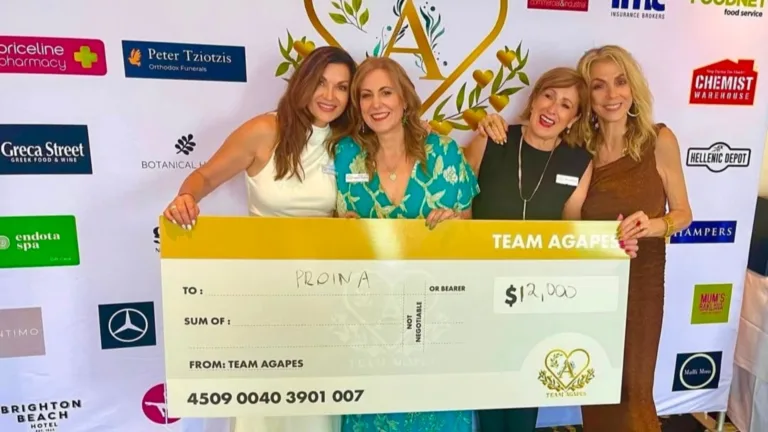
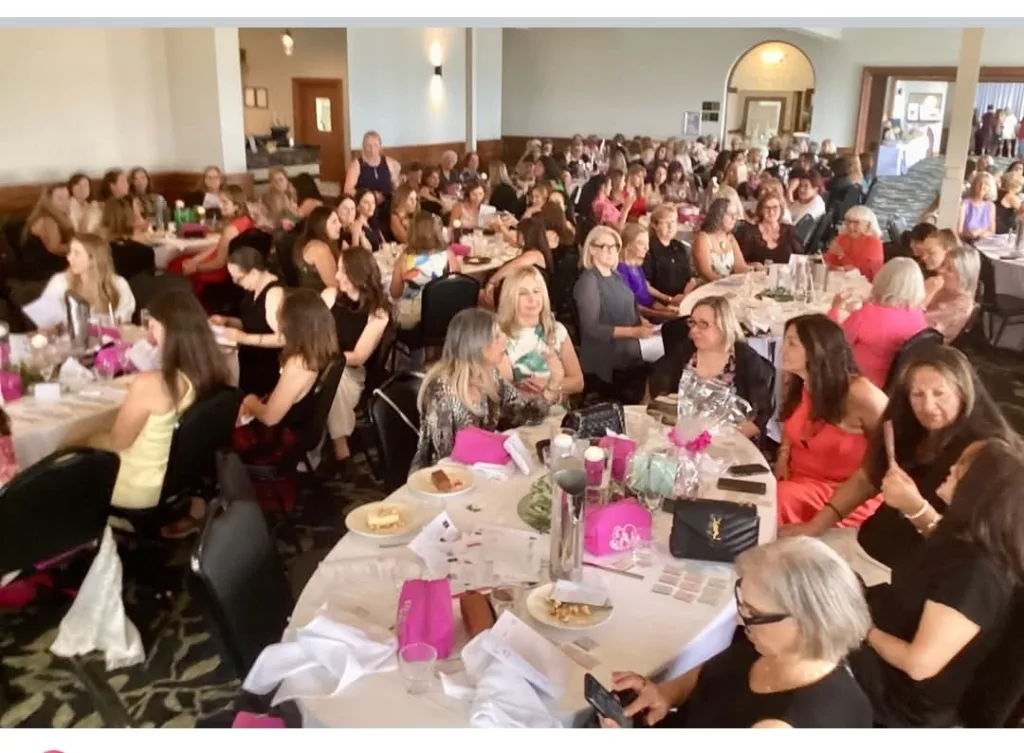
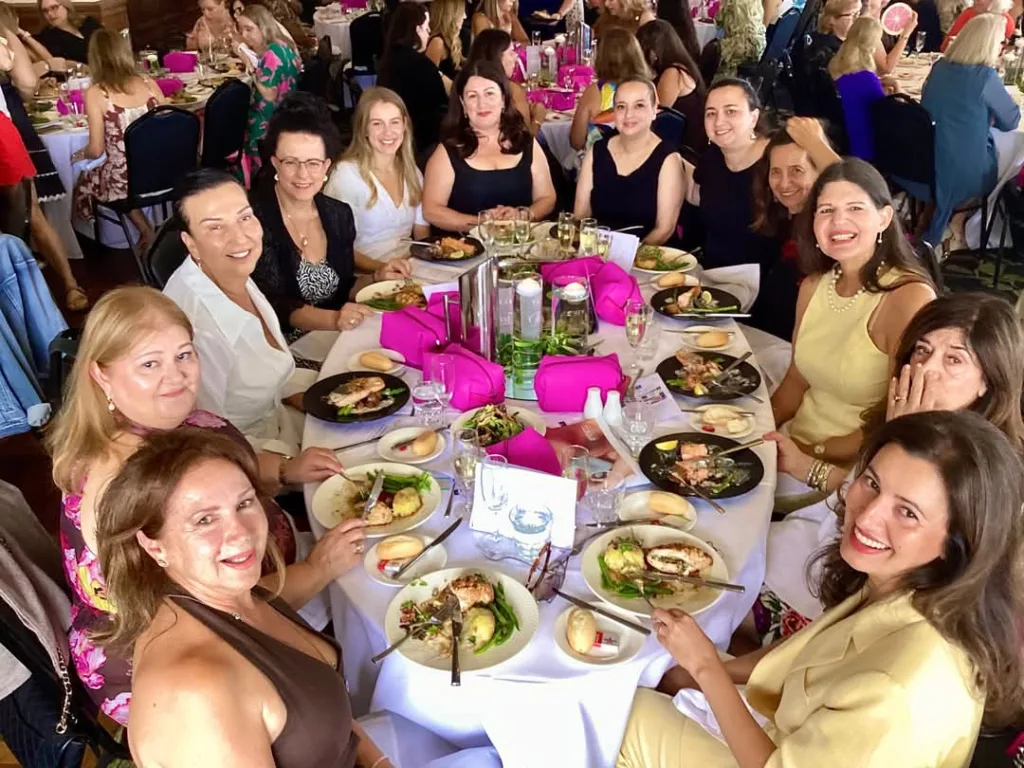
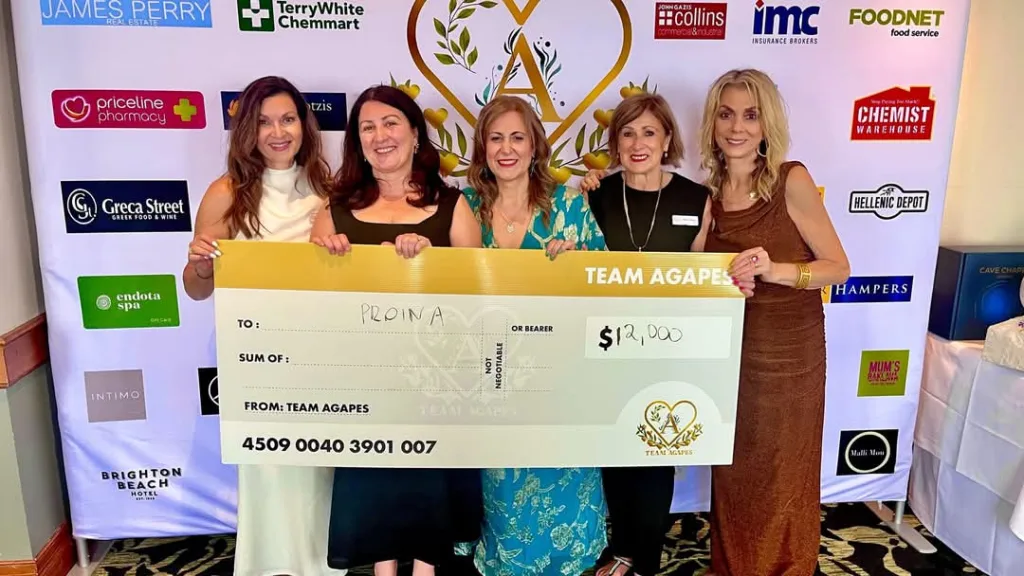
At its most recent International Women’s Day event held on 1 March 2026 at the Brighton Beach Hotel, the group raised $12,000 for PRONIA Women’s Services. The event featured guest speakers and thank-you gift packs for attendees, celebrating the spirit of philanthropy and sisterhood.

Team Agapes’ 2026 theme, “Give to Gain,” encourages people to support gender equality through sharing resources, knowledge and time. The initiative also highlights broader goals such as promoting fair pay, improving safety and accountability systems, and advocating for policy reforms that support women facing disadvantage.

How a Mexican drink sponsored a Greek-Melbourne football club

0

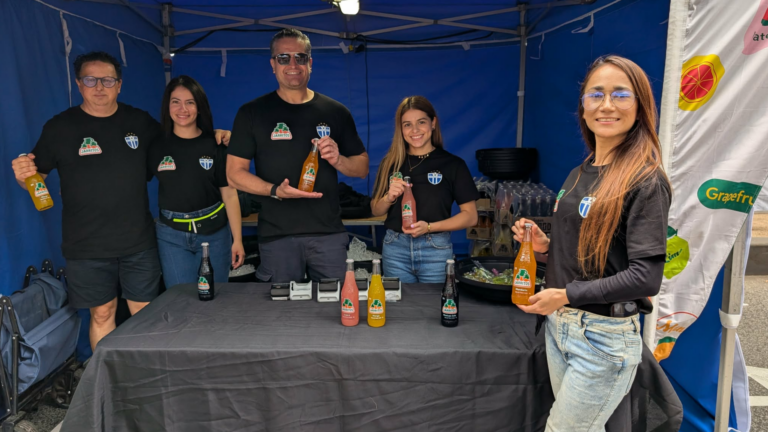
At the 38th Antipodes Festival on Lonsdale Street, one stall turned heads: a well-known Mexican soft drink backing one of Australia’s most illustrious Greek Australian football clubs.

Under the blue-and-white banners of South Melbourne Hellas FC, bottles of Jarritos were being cracked open as festivalgoers soaked up Melbourne’s biggest Greek street party. In a city that thrives on cultural crossovers, the sight felt less surprising and more like a celebration of what Melbourne does best.

South Melbourne Hellas co-president Bill Papastergiadis said the festival continues to showcase the best of the city and its people, and the sponsorship is no exception when it comes to representing “the best of our vibrant multicultural framework”.

That spirit was on full display as Jarritos, the colourful Mexican soda brand founded in Mexico City in 1950, stood proudly alongside the blue-and-white club. Stalls were side-by-side, with Daniel Cervantes, representing the brand, saying the partnership felt natural.

“Well, we’re all about being happy and being outdoors, and I think the Greek community is basically like that, right?” he said. “We really enjoy life. We like being outdoors. We love having fun, and Jarritos is all about that, having fun and having a good time.”

It is not every day that a Mexican brand supports a Greek football club, but Cervantes believes the alignment makes sense, particularly in Australia. While he couldn’t draw direct comparisons between Jarritos and Greece’s iconic soft drinks, he emphasised the brand’s deep roots, “especially in Australia”.

“We belong everywhere, really,” he said.

The sponsorship itself came about organically after Jarritos began working with Souvlaki GR.

“That’s how we started building a strong connection with the Greek community. Then they invited us to be part of South Melbourne Hellas Football Club through other people involved with the restaurant chain. One thing led to another, and here we are.”

It was a reminder that in Melbourne’s multicultural tapestry, partnerships don’t always begin in boardrooms. Sometimes they start over a souvlaki, a shared love of football and a cold drink on a warm festival afternoon..

Greek restaurant Omada Bar and Grill opens in Adelaide

Adelaide Crows veteran Taylor Walker has partnered with a leading figure in the city’s hospitality scene to open one of Adelaide’s newest dining spots, according to The Advertiser.

Walker and his wife Ellie are among the part-owners of Omada Bar and Grill, a Greek-inspired restaurant launched by prominent South Australian restaurateur Simon Kardachi.

Kardachi is known for several well-regarded Adelaide venues, including Osteria Oggi, Shobosho, Fugazzi Bar & Dining Room and Latteria.

According to ASIC documents, the Walkers are among multiple shareholders in the restaurant, which is located on the corner of Leigh and Currie streets in Adelaide’s CBD. Walker, 35, has been promoting the venue on social media since its soft opening in December.

The restaurant, led by chef Andy Ferrara, has already received strong feedback from diners, including praise from Australian comedian Peter Helliar. Helliar visited the restaurant while in Adelaide for the Fringe festival.

The venture is not Walker’s first experience in the hospitality industry. The former Adelaide Crows captain was previously involved as a part-owner of The Alma Tavern in Norwood alongside former teammates Mark Ricciuto, Rory Sloane and Patrick Dangerfield. Both Kardachi and Walker declined to comment when approached.

When the restaurant first opened, Kardachi said the idea came from seeing an opportunity for high-quality Greek cuisine in Adelaide’s CBD. “We’ve seen that amongst the rest of the Australian restaurant industry, Greek restaurants have really flourished,” he said.

“We jumped at the chance to take this flagship site at the head of Leigh Street and believe it will help to further cement the street as the premier restaurant strip in Adelaide.”

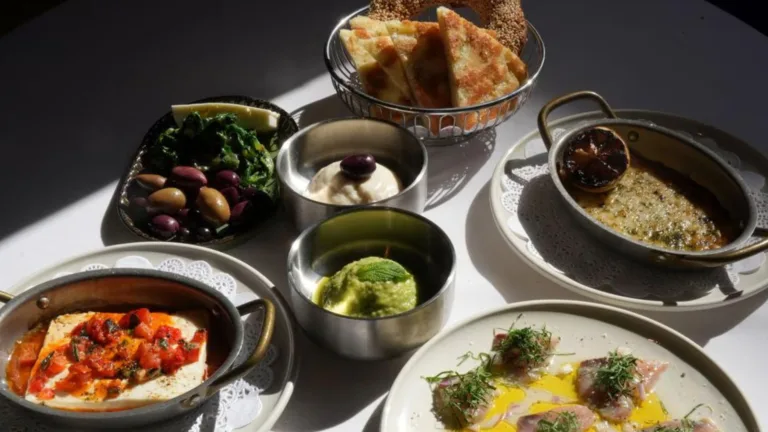
The menu focuses on traditional Greek flavours, offering meze plates such as taramasalata served with house-made pita, sesame, honey and kolouri, as well as salt-cured bonito with olive oil, lemon and onion. Larger dishes include dolmades with hand-cut beef and cabbage, chargrilled octopus with Greek salsa and spit-roast pork gyros.

Source: The Advertiser

Olive oil tourism: Tasting, tours, picking, menus and more

0

By Lisa Radinovsky from Greek Liquid Gold.

Olive oil tourism (oleotourism) attracts increasing numbers of visitors who seek authentic experiences in olive oil producing countries. This type of sustainable alternative tourism focuses on tradition, tasting, discovery, and hands-on experiences in rural areas. The International Olive Council organized an international webinar to explore it with experts.

Olive oil tourism is “a new model of sustainable tourism” that aims to share “the excellence of extra virgin olive oil and other olive products” with travelers, according to International Olive Council Deputy Executive Director Dr. Abderraouf Laajimi. At the intersection of tradition and innovation, he added, oleotourism promotes “olive culture throughout the Mediterranean basin and the world.” Laajimi pointed out oleotourism’s connections to gastronomy, agriculture, landscape, culture, heritage, history, and rural development.

Olive oil tourism can involve a wide variety of activities

  • Olive oil tastings led by experts
  • Tours of traditional and modern mills
  • Olive oil menus and food pairings with chefs
  • Olive picking and observation of oil production
  • Area tours focused on olive oil and local products
  • Olive farm and village stays
  • Cultural events at olive mills
  • Visits to ancient olive trees
  • Farm-to-table experiences
  • Olive oil museum visits
  • Picnics in olive groves
  • Olive oil soap making
  • Cooking lessons

These examples from the island of Crete in Greece were provided by Eleftheria Mamidaki, manager of Anoskeli winery and olive oil mill and chairperson of the Association of Olive Mills of Chania, Crete. At the webinar, Mamidaki explained that Crete offers olive oil tourism experiences at more than 130 agrotourism establishments. She discussed Crete’s oleotourism offerings, potential, and strategy “as the paradigm for unlocking the potential of olive oil tourism across Greece.”

Olive oil tourism embraces history, heritage, gastronomy, and agriculture

Mamidaki linked olive oil tourism in Crete to the island’s history and heritage, going back to Minoan times. For instance, ancient olive trees such as the 3,000 to 5,000 year old sculpturesque olive tree of Ano Vouves are living natural monuments that already attract thousands of tourists each year. Olive Routes are being developed to link monumental olive trees and archaeological sites to visitable mills on the island. Twelve Protected Geographical Indication (PGI) and Protected Designation of Origin (PDO) olive oils in Crete attest to the island’s high-quality extra virgin olive oils.

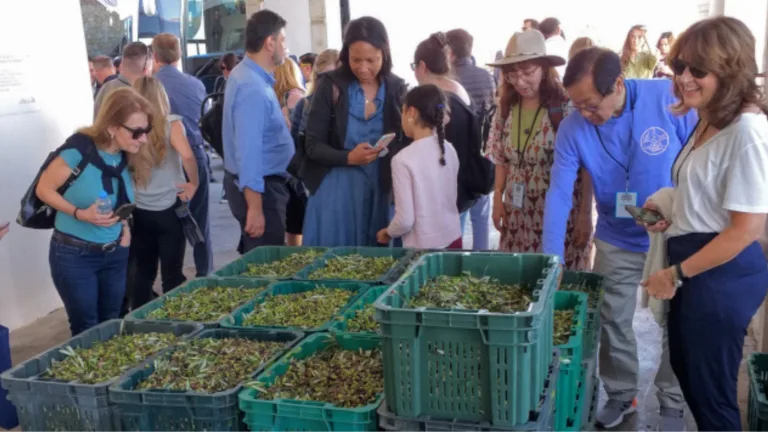
Tourists inside a mill, listening to a producer explain how olive oil is made

The declaration of Crete as a European Region of Gastronomy for 2026 offers an excellent opportunity, Mamidaki suggested, to highlight olive oil tourism there. With the traditional, olive-oil-rich Mediterranean diet declared an intangible cultural heritage by UNESCO, its Cretan version has repeatedly been recognized as one of the world’s healthiest eating patterns. As Mamidaki pointed out, this enables Cretans to link “our cultural past to the modern health and food tourism markets.” The olive oil sector is the largest contributor to Crete’s agricultural economy, and Crete itself is a world-famous tourist destination. So the island’s olive oil tourism is anchored in thriving industries.

Benefits of oleotourism for visitors, producers, and communities

  1. “Economically supports rural and local producers, through new income streams and complementary activities, reducing seasonal fluctuations by encouraging year-round tourism.”
  2. “Provides cultural and environmental protection by promoting a deeper understanding of sustainable olive oil culture, traditional production methods, and environmental care.”
  3. Fosters “sustainable tourism focused on authentic, hands-on experiences based on high-quality products.”
  4. Strengthens “the connection between consumers and producers while enhancing appreciation for high-quality olive oils and their role in gastronomy and diets.”

Webinar speakers agreed that olive oil tourism can offer numerous advantages, with the International Olive Council’s Laajimi emphasizing the four main benefits above.

Keynote speaker Sandra Carvao, Director of Market Intelligence, Policies and Competitiveness at UN Tourism, emphasized the importance of the rural development that olive oil tourism can help stimulate. She reported that more than 80% of impoverished people worldwide live in rural areas, which also host 80% of the world’s biodiversity. With some help, Carvao said, “farmers can be guardians of land preservation to fight climate change,” as rural communities are reinvigorated.

Interest, challenges, solutions: collaboration and planning for oleotourism

Travelers to Europe have recently shown noteworthy interest in trips focused on food and wine, farm stays, food sustainability, longevity, authenticity, heritage, and natural landscapes, according to Professor Roberta Garibaldi—all potential aspects of olive oil tourism. However, the webinar speakers noted that there is room for improvement, for example in infrastructure such as roads and signs in some areas. Like other speakers, Laajimi acknowledged that oleotourism’s potential difficulties involve investment costs, seasonality, and pressure on the environment and communities.

Several speakers emphasized that planning, coordination, training, and collaboration are essential to make oleotourism work well, with manageable numbers of visitors. Collaboration among government officials, restaurant and hotel owners, tour operators, olive oil companies, and other members of the community can help improve the olive oil tourism experience for both visitors and locals. Of course, promotion is also important, especially on social media and websites. Compelling narratives can engage travelers, and positive reviews of olive oil tourism activities can encourage more visitors.

Olive oil tourism success stories worldwide

Olive oil professionals from Brazil, Argentina, Portugal, and Spain described a number of successful oleotourism examples. Miguel Zuccardi revealed that his team lets visitors to their groves in Argentina pick olives, take them to a special milling machine, and bottle their own olive oil to take home. Bob Costa said visitors to his facilities in Brazil “can take a sensorial dive into a new universe.” Discovering “what truly fresh oil is,” he added, can stimulate “enchantment.” Their new understanding “gets people to look for quality products,” according to Costa, which “has a direct impact on demand” for high-quality olive oil.

Filipa Velez said her team often teaches children about olive oil in Portugal. She believes children turn out to be “the best educators of all,” because they share what they learn with their families. Ana Carrilho pointed out that well-trained olive oil tourism guides should teach visitors about biodiversity, olive oil production, storage, freshness, flavors, food pairing, and more, so newly educated consumers can “become ambassadors” for high-quality olive oil worldwide.

*Originally published on Greek Liquid Gold: Authentic Extra Virgin Olive Oil (greekliquidgold.com). See that site for recipes with olive oil, photos from Greece, agrotourism and food tourism suggestions, and olive oil news and information.

Poland returns 91 Nazi-looted Greek Jewish artefacts to Greece

0

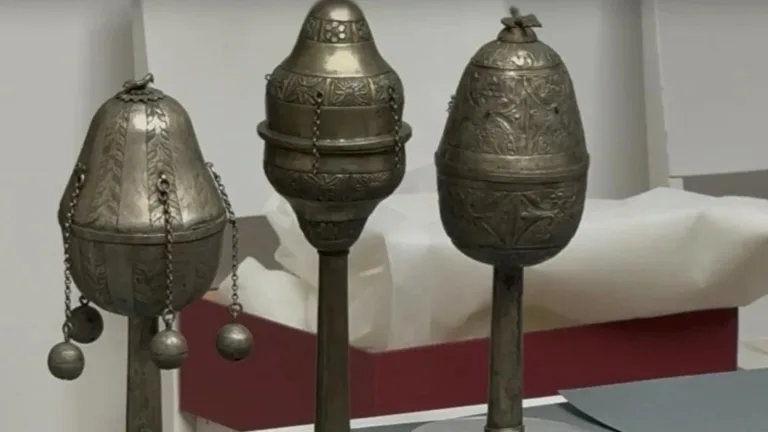
Poland has agreed to return more than 90 Greek Jewish religious artefacts that were stolen during the Nazi occupation of Greece, according to the Greek Culture Ministry.

The collection includes 91 objects that were taken from synagogues and Jewish households in Greece by the Nazi-era Rosenberg Taskforce, an organisation responsible for confiscating cultural property across occupied Europe during World War II.

According to ekathimerini.com, among the items are 46 liturgical textiles, 17 pairs of Torah scrolls, nine individual Torah scrolls or fragments, and a pair of decorative hanging ornaments used in religious settings.

Culture Minister Lina Mendoni travelled to Warsaw on Wednesday to formally receive the artefacts. She described their return as an important step in restoring historical justice and noted that it marks the first time Poland has repatriated cultural property to its country of origin.

“These relics … are part of the living memory of my country and of Jewish Greeks,” Mendoni said, highlighting their deep connection to Jewish communities that were destroyed during the Holocaust.

Polish Culture Minister Marta Cienkowska also described the return as “a historic moment,” noting that the process was completed in under two years thanks to cooperation between the cultural authorities of both countries.

The artefacts were located after World War II in castles in the Lower Silesia region, where the Nazis had stored looted property. In 1951 they were transferred to the Emanuel Ringelblum Jewish Historical Institute in Warsaw. Greece first formally requested their return in 2001.

Source: ekathimerini.com