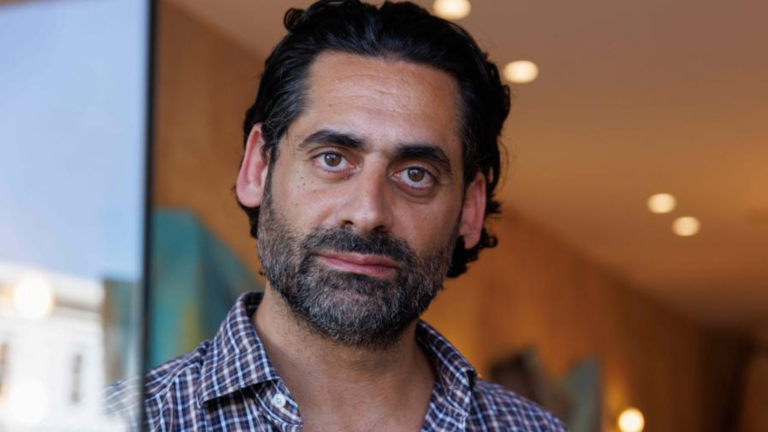
Former tennis star Mark Philippoussis has disputed MP Mark Latham’s claim that he provided him free tickets to Wimbledon, as noted in Latham’s official gift declarations.
According to records, Latham declared receiving tickets from “M. Philippoussis” on July 7 and July 12 last year.
However, Philippoussis’ spokesperson toldThe Daily Telegraph that “Mark doesn’t recall supplying Mark Latham with any tickets as he doesn’t know him on a personal level. He doesn’t have a relationship with Mr Latham at all.”
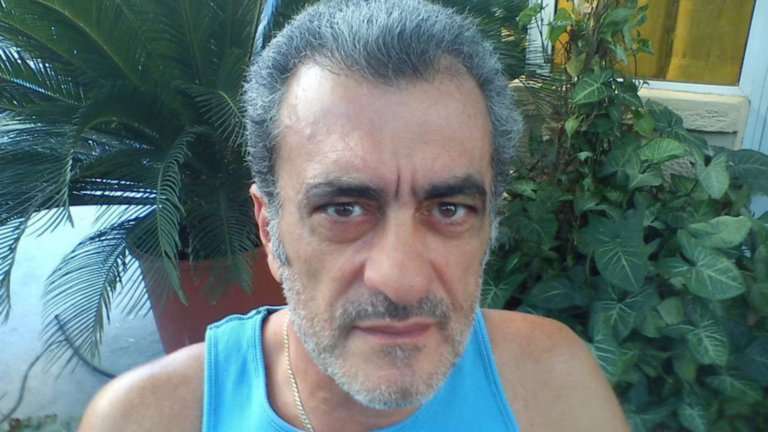
Mark Philippoussis is a well-known tennis player. Photo: Joe Armao.
Latham’s declaration of Wimbledon access is just one in a series of free tickets he has reportedly enjoyed since entering NSW Parliament in 2019.
The outspoken politician, known for his criticism of corporate hospitality, has allegedly accepted more than 90 complimentary tickets to sporting events.
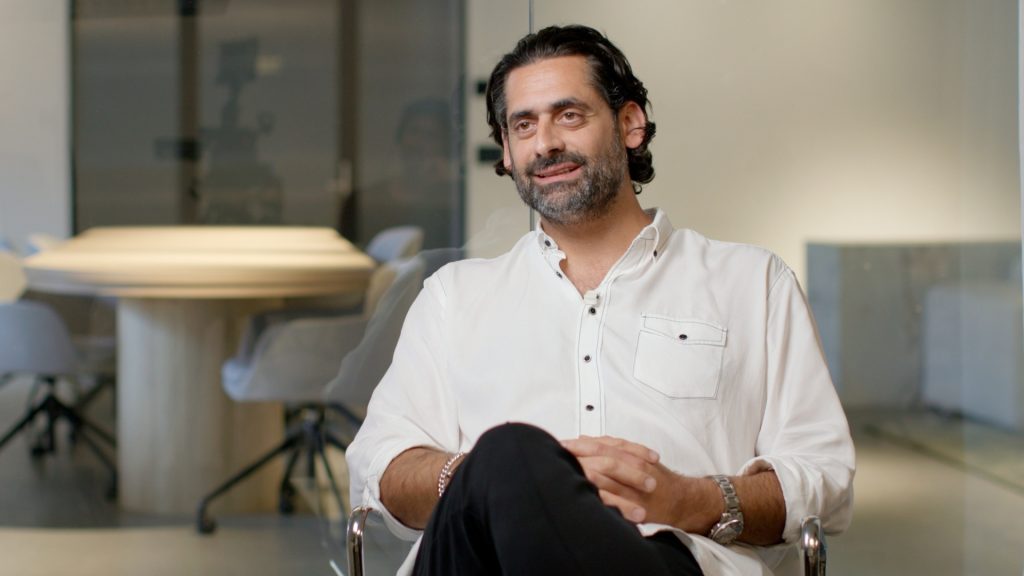
Sydney pub baron Jon Adgemis is under mounting financial pressure as Angas Securities seeks to recover millions over a failed Bondi property venture.
Angas filed claims in the NSW Supreme Court to enforce Adgemis’ personal guarantee on a $25 million beachfront apartment building, initially planned as a luxury addition to his Noah’s Backpackers redevelopment.
Adgemis purchased Noah’s Backpackers in a $68 million deal in 2022. However, the Bondi building fell into dispute, leading Angas to seize the property in April after a debt rescue deal collapsed. Deutsche Bank had proposed refinancing the Bondi property as part of a larger $400 million debt package across Adgemis’ pub assets, but Angas rejected the offer, which would have required a reduction in its claim.
Industry sources revealed that while Adgemis initially paid down a loan exceeding $13.5 million on the building, he subsequently missed payments. The property also has a $3 million second mortgage, with mounting land taxes and council rates adding to the debt burden.
Jon Adgemis owns Public Hospitality Group. Photo: Development Ready.
Despite extensive marketing, including a campaign by Forbes agent Ken Jacobs, the six-apartment building with retail outlets has failed to sell. Angas has moved to enforce Adgemis’ personal guarantee, filing the court claim in July and pursuing a potential summary judgment in the absence of a defense from Adgemis.
This legal battle adds to Adgemis’ mounting lender disputes. In September, New York financier Muzinich seized five assets over a $100 million debt dispute, with an administrator’s report claiming insolvent trading—a claim Adgemis denies. Amidst the ongoing fallout, another of his properties, a boarding house in Sydney’s Annandale, was sold at a small loss.
Adgemis’ once-expansive pub empire, which encompassed 22 venues across Sydney, Melbourne, and regional NSW, has fractured under mounting debts and conflicts with business partners and creditors.
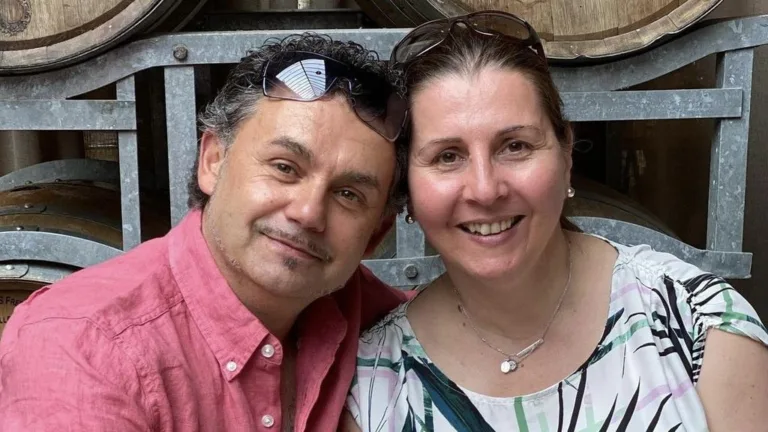
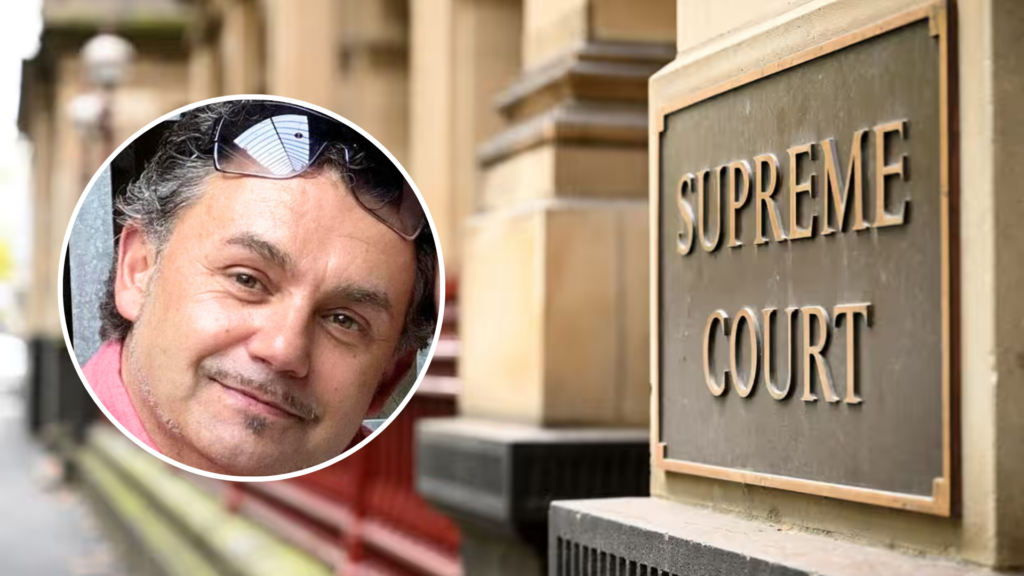
Melbourne man Joe Lo Bianco, who ambushed his wife Kaliopi Roumeliotis in their garage, attacking her with a metal car ramp, has been sentenced to 24 years in prison.
Lo Bianco received the sentence in Victoria’s Supreme Court on Thursday, November 7, with a non-parole period of 18 years and six months.
On November 30, 2022, Lo Bianco waited for his wife to step out of her car at their Melbourne home before striking her repeatedly in the head and neck with a metal ramp. He left her body on the garage floor, positioning the ramp under her head in an attempt to stage the scene as an accident, and then disposed of his blood-stained clothing.
Lo Bianco then went to his in-laws’ house for about an hour until his daughter returned from a birthday party. When the girl, referred to in court as Sally, asked about her mother’s whereabouts, Lo Bianco told her to check the garage. Sally entered the garage to find her mother’s lifeless body, with blood covering the floor, walls, and car.
Joe Lo Bianco has been sentenced to jail.
She ran next door for help, and her uncle and aunt attempted CPR while Lo Bianco called emergency services. Paramedics confirmed Roumeliotis was already deceased upon their arrival.
Justice Amanda Fox said leading his daughter to her mother’s body was a “deeply aggravating aspect to (his) offending,” and emphasised that Roumeliotis was “dearly missed by everyone who loved her.”
Justice Fox also highlighted that Lo Bianco’s refusal to get a COVID-19 vaccination had caused ongoing financial tension between him and Roumeliotis. Days before her murder, Roumeliotis had confided to a friend that she was “frustrated” and “had reached saturation point.”
Initially, Lo Bianco claimed he had no role in his wife’s death, telling police she must have fallen while he was outside cleaning a rabbit enclosure. He later admitted responsibility and pleaded guilty to murder in September.
Australian homicide squad detectives are on standby to travel to Rome, as a comprehensive brief of evidence on the 1977 Easey Street murders has been sent to Italian authorities.
According to the Herald Sun, a decision on whether suspect Perry Kouroumblis will be extradited for the murders of Suzanne Armstrong, 27, and Susan Bartlett, 28, may be reached as early as next week.
The detailed brief, prepared by homicide detectives, was first sent to federal Attorney-General Mark Dreyfus before being relayed to Rome, ahead of the 45-day deadline that began with Mr Kouroumblis’ arrest at the airport two months ago.
The file was submitted despite Mr Kouroumblis indicating he would not contest extradition. There was initial speculation that he might be back in Melbourne by late October.
The investigation had progressed significantly before his arrest in Rome on September 19, after he arrived from Greece, where he had lived since 2017. Extradition would have been more challenging had he stayed in Greece, as he holds dual Greek-Australian citizenship.
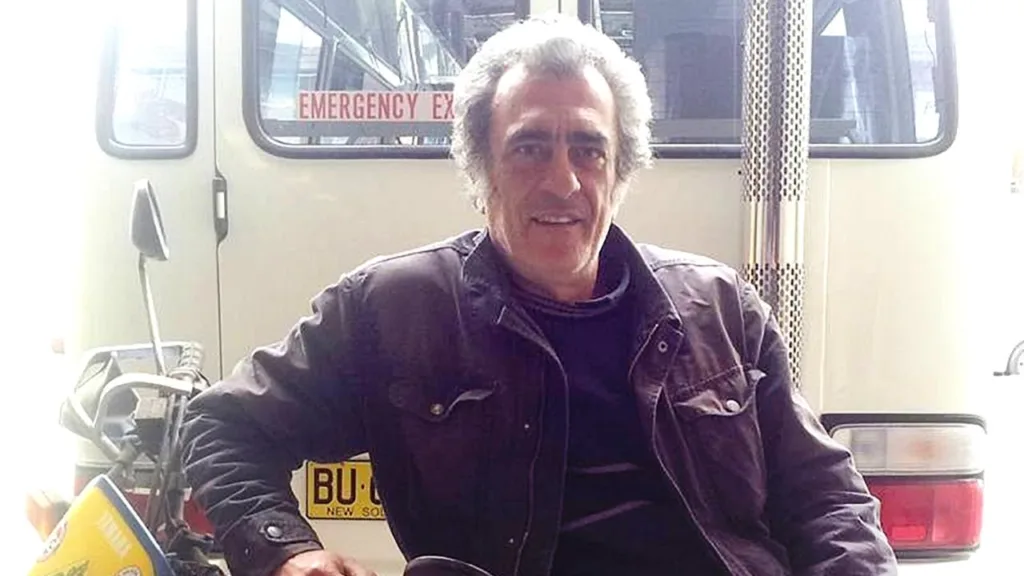
Perry Kouroumblis.
Homicide squad investigators are prepared to fly to Rome on short notice, and Mr Kouroumblis’ willingness to return may expedite the process.
A previous brief on the murders at the Collingwood home of Ms Armstrong and Ms Bartlett was compiled for an inquest held months after the crime. This updated version includes DNA evidence and other information unavailable to the original investigators.
At the time of the murders, Mr Kouroumblis, then 17, was found with a knife in his car, which he claimed to have found on railway tracks near the crime scene.
In 2017, Mr Kouroumblis left Australia after being asked for a DNA sample by cold case investigators. He was arrested in Rome two months ago, where he remains in Regina Coeli prison, known as one of the city’s toughest.
Mr Kouroumblis’ family denies he left Australia to evade the investigation, and he has consistently maintained his innocence.
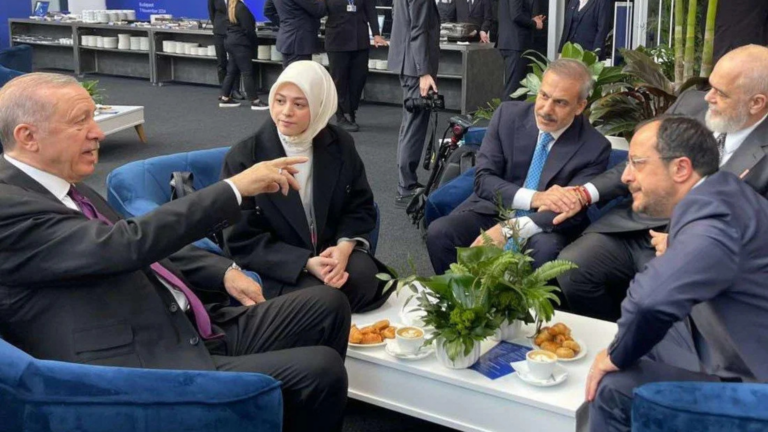
Turkey’s President Recep Tayyip Erdogan and Greek Cypriot leader Nikos Christodoulides had an unexpected meeting over coffee during an EU summit in Hungary on Thursday, Greek Cypriot officials reported.
Turkey’s Foreign Minister Hakan Fidan joined them, followed later by Greek Prime Minister Kyriakos Mitsotakis and Albanian Prime Minister Edi Rama, according to a post on X by Greek Cypriot Deputy Government Spokesperson Yiannis Antoniou.
Speaking to the media afterwards, Christodoulides described their informal discussion, during which he repeatedly emphasised to Erdogan that any resumption of Cyprus talks must be grounded in relevant UN resolutions.
“Anything outside that framework cannot even be discussed,” Christodoulides said he conveyed to Erdogan.
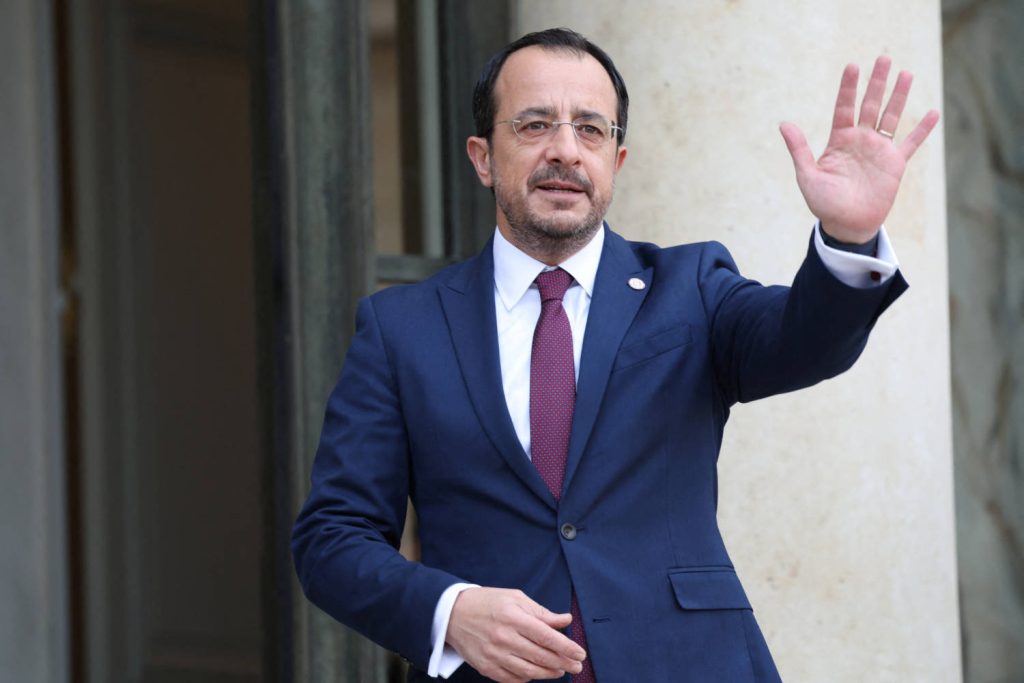
Cyrpus President Nikos Christodoulides. Photo: philenews.
He added that Cyprus is willing to contribute constructively to EU-Turkey relations, but stressed that Turkey’s path to EU membership requires “substantive developments” on the Cyprus issue.
The meeting was not prearranged, and interactions between Turkey and Greek Cypriot leaders are rare, often occurring only by chance. The two nations lack diplomatic relations due to longstanding conflicts and the island’s division between Greek and Turkish Cypriots.
Photos from the encounter showed Erdogan and Christodoulides, along with other officials, seated around a low coffee table in a conference hall.
In Athens, officials reported that the discussion touched on the US presidential election and global issues.
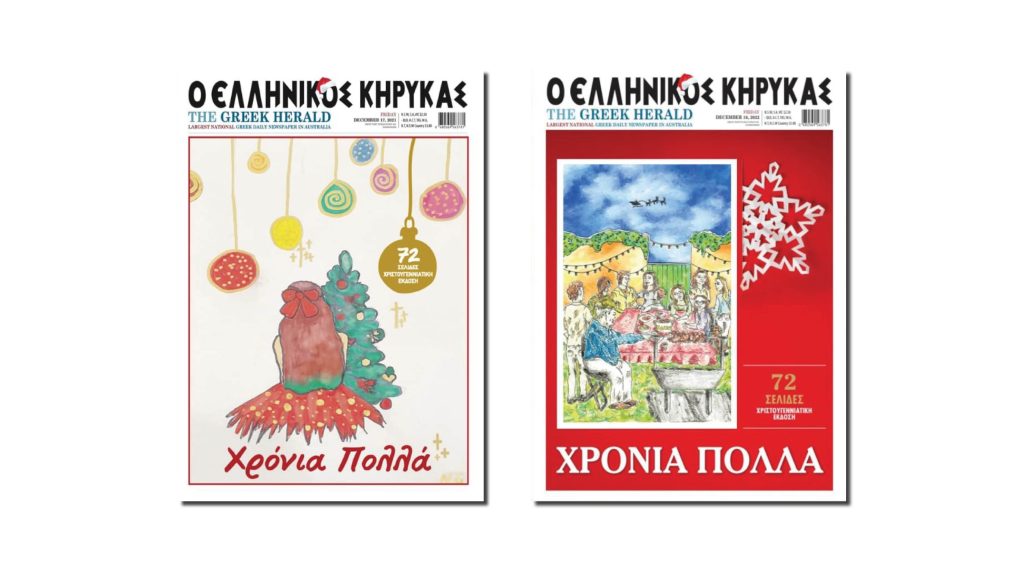
As the festive season approaches, The Greek Herald newspaper wants YOU to participate in its annual Christmas competition.
The competition aims to encourage youth participation from schools around Australia to showcase their artistic skills and creativity, as well as provide them with a platform to express their festive spirit through drawings.
The artwork chosen as the top prize winner will be published as the cover image of The Greek Herald’s special Christmas print edition. The top prize winner will also receive a $100 Westfield voucher.
The finalists will be featured in a dedicated section of The Greek Herald‘s annual Christmas print edition.
The Greek Herald’s Christmas covers from past years.
Competition details:
Theme: Christmas in Greece OR a Greek Christmas.
Submission requirements: Children are required to create an original drawing depicting the nominated themes. The artwork should reflect the unique cultural elements and traditions associated with Greek Christmas festivities.
Specifications: Artwork must be provided in portrait A4 or A3 (Landscape images will not be accepted).
To participate, interested children or schools must submit their drawings via email to info@foreignlanguage.com.au by Thursday, December 5 at 5pm with the subject line: Christmas Cover Competition. Please ensure that each submission includes the child’s name, age, school and year grade.
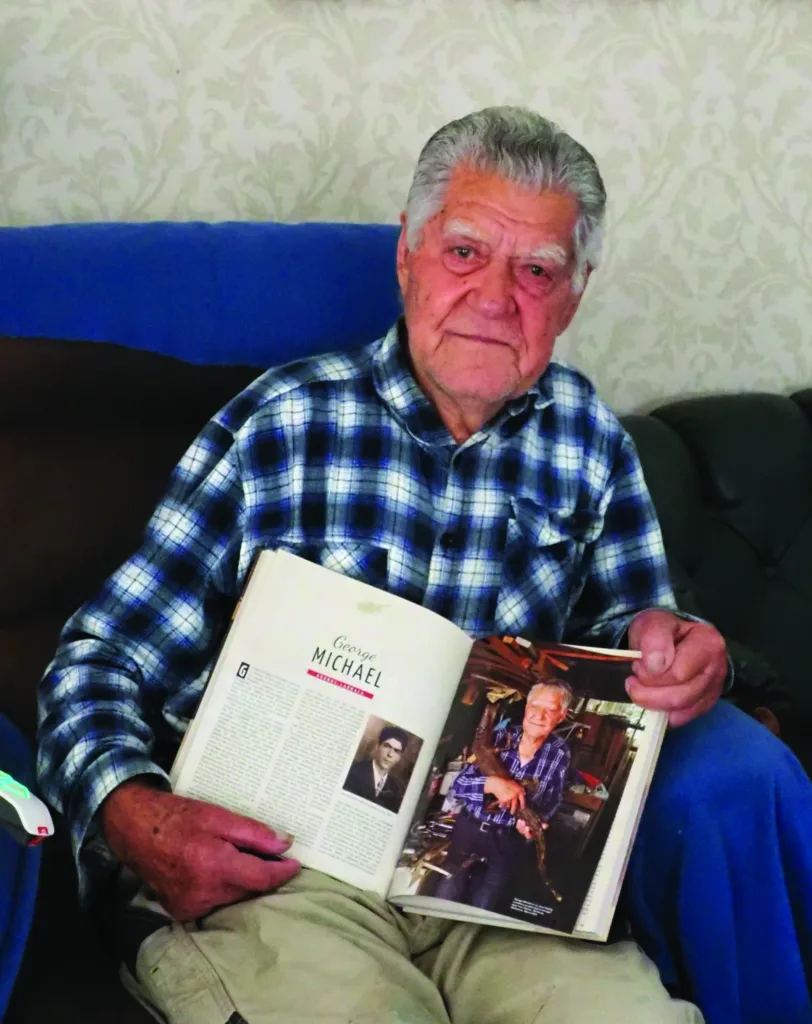
At the age of 100, George Michael’s memory is fading but when he held Tales of Cyprus – A tribute to a bygone era (V2), he began to slowly remember being interviewed for the book.
“His memory isn’t great anymore and it took him a while to remember who I was and to remember he was in this book,” Melbourne-based author Constantinos Emmanuelle told The Greek Herald.
“When I told him to open the page and he saw himself, it was like a light bulb went off and he said, ‘you wrote my story.’ His eyes lit up and you could see a spark of recognition in his eyes.
“He reacted with facial expressions more than tears and sounds. The expression on his face changed because it dawned on him that it was his story.”
The story of George’s life and those of other Cypriots living in Australia features in the latest book by Mr Emmanuelle.
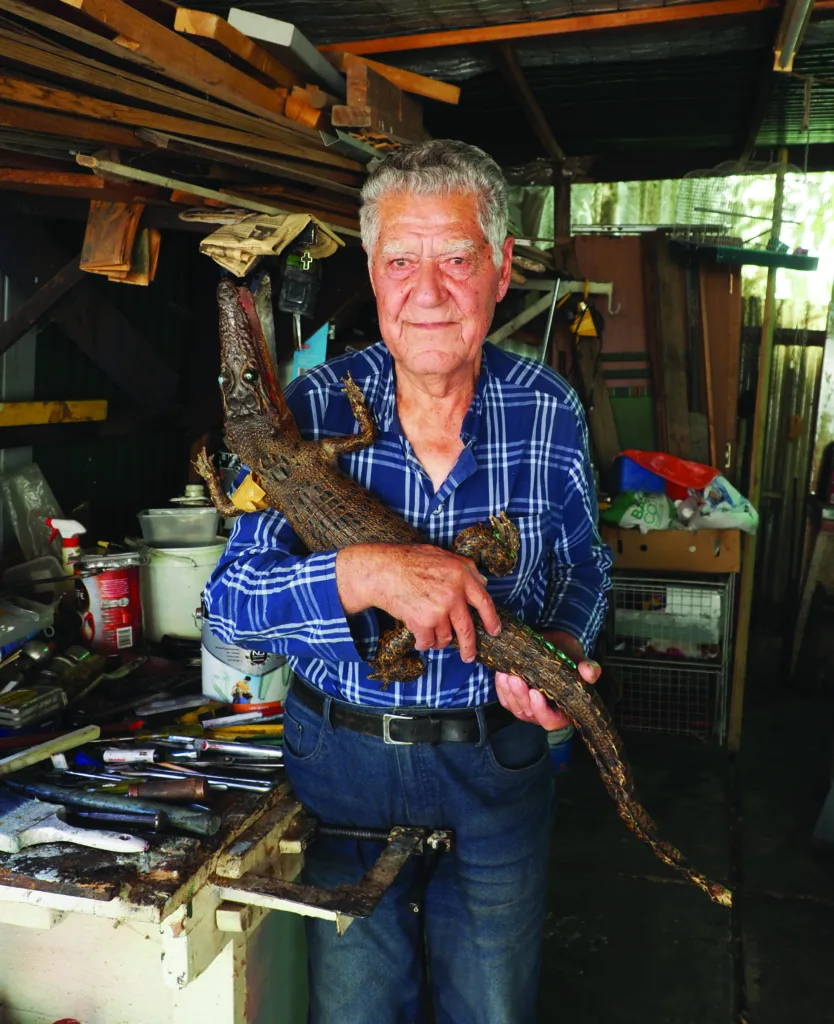
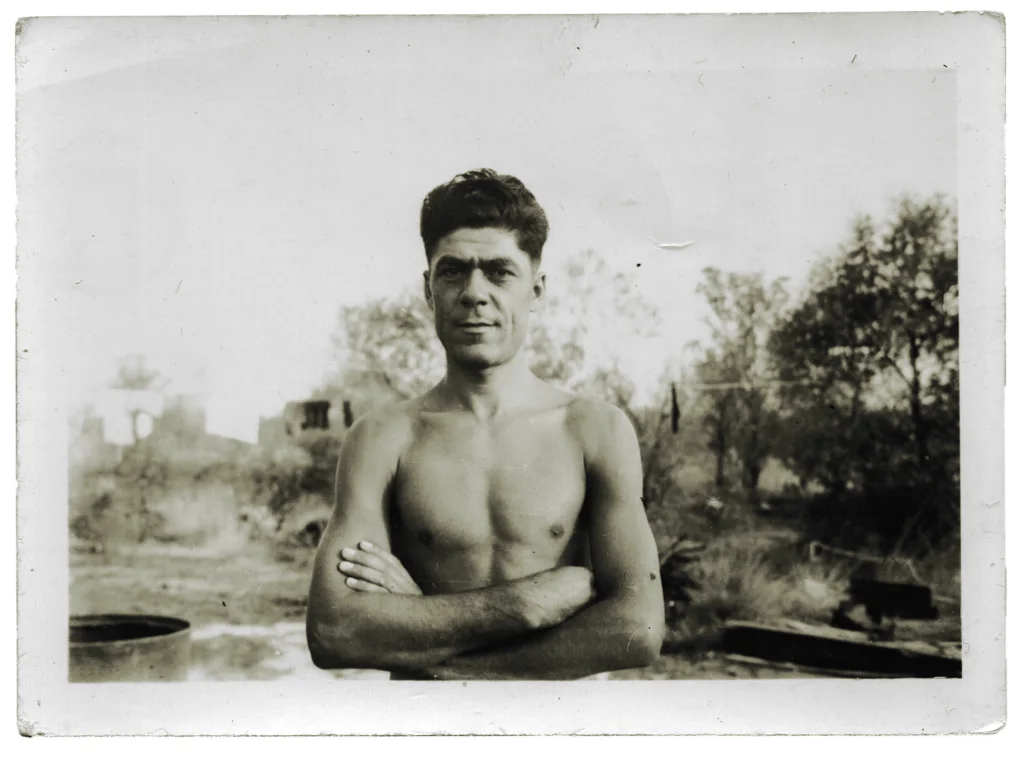
George, who was born on July 24, 1924, in Kornos, Cyprus, is the oldest person interviewed for the author’s latest book, which is part of a series. His story speaks of poverty, hardship, resilience, perseverance and a will to better his fortunes in life.
Like many other Cypriot children in those hard times, George did not complete primary school. A chance at a better life began when he started as an unpaid carpentry apprenticeship with free lodging and food in another town.
By 1942, he had learned to make furniture and returned to his village where his mother sold her pig for twenty pounds so that he could purchase wood and tools to continue his trade.
George had to learn the hard way that not everyone was honest, especially in times of poverty. He told Mr Emmanuelle the story of one of his first customers who ordered furniture for his daughter who was getting married, but didn’t pay the agreed price.
“When I had completed the job, he said to me, ‘take the furniture to my house and I will meet you there to pay you what I owe’,” George recalled.
“However, when I delivered the furniture to his house, he was nowhere to be found. From there on, he kept tricking me and he never ended up paying me.”
Life was very hard after WWII and so George made the decision to migrate to Australia, in part because he was struggling to make a living, he saw how his parents were suffering from poverty, and the dishonesty of some of his customers.
George’s story is in book three of Tales of Cyprus and is part of a series that has been well received from people all around the world.
“I have been very lucky that my first two books all sold out and have become a collector’s item,’’ Mr Emmanuelle said.
“Anyone who misses on buying a hard cover original cloth-bound book will have to settle for a softcover version which they can order online.”
Book 1 (Volume 1) was titled A tribute to a bygone Era and features 40 life stories told to the author by Cypriots from his parent’s generation – Cypriots who were born in the 1920s and 1930s.
Book 2 was titled The Corsica and features eye-witness accounts by Cypriots who travelled to Australia in December 1951 on board the dilapidated migrant ship called the Corsica.
Book 3 is the second volume of A tribute to a bygone Era featuring more life stories of Cypriots.
“Most of the readers were excited and thrilled when they saw the first book,” Mr Emmanuelle said.
“People from around the world rushed to buy a copy and then sent me beautiful and very complimentary messages.”
It has been a labour of love for Mr Emmanuelle who juggles researching, interviewing, designing and editing in between being employed as a TAFE teacher for the visual arts at Melbourne Polytechnic.
The father-of-four has a Cypriot background and a career in graphic design, illustration and photography – skills that have helped achieve his goal of recording people’s life stories.
He said compiling the book takes “a lot of preparation,” that begins with the task of scanning all original photos and documents provided by the families.
“Once the photos are scanned, I use my Adobe Photoshop skills to prepare each photo for print production and book design,’’ he said.
“This is where I am very fortunate to have the skills and training to be able to design the books myself – from cover to cover. My career has prepared me beautifully for this role.
“If I had to source out or pay someone to design my books, I would need to pay them at least $25,000.
“If that was the case – I would not be able to afford to publish any books.”
Tales of Cyprus – A tribute to a bygone era (V2) is being launched Sunday, November 10 at St John’s College, Preston, Victoria. Find out more: www.talesofcyprus.com
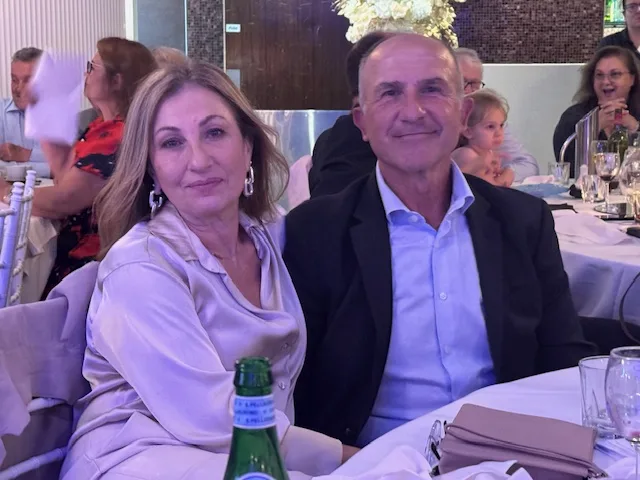
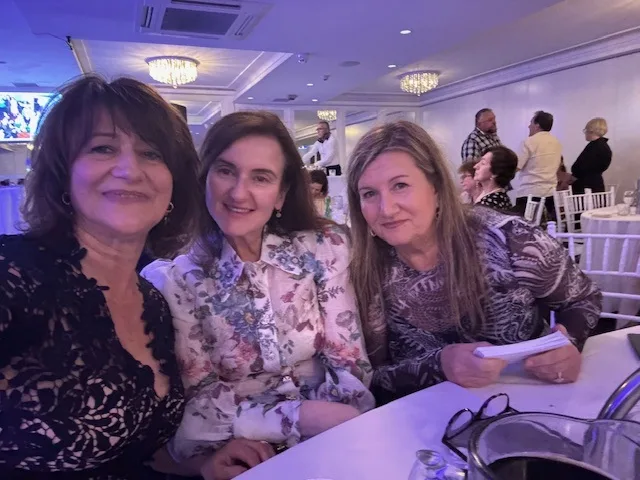
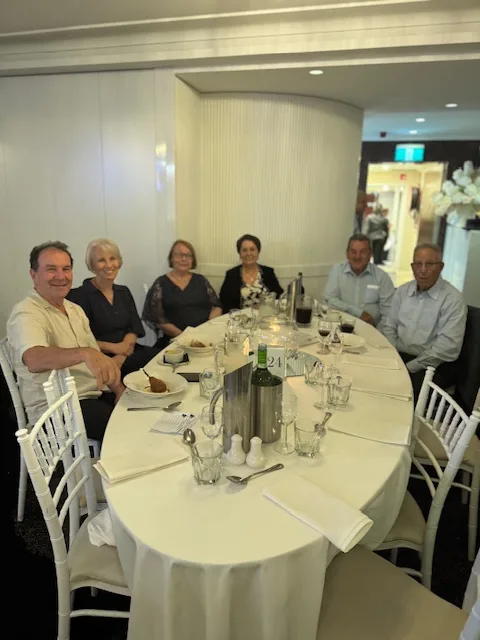
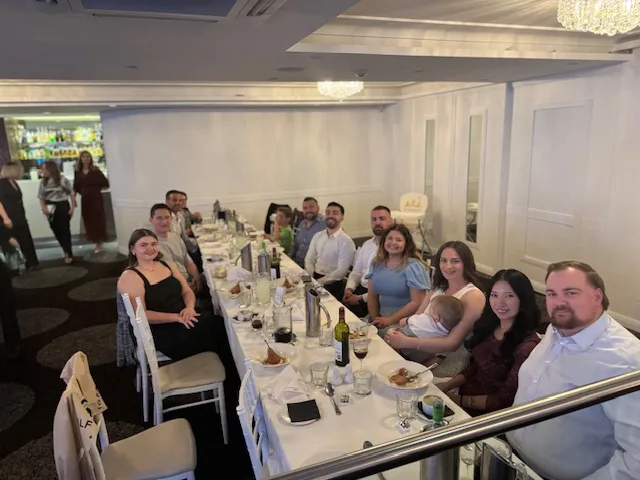
More than $6,000 was raised on the night for the Sydney Children’s Hospital Foundation (SCHF).
The event, which brought together members, friends, sponsors, and leaders from various community associations, was a resounding success and a heartwarming display of generosity and solidarity for a cause that touches the lives of many.
The evening kicked off with a warm welcome from the President of the association, Mary Skalkos, who expressed her gratitude to the attendees for their support. She also emphasised the importance of the cause they were supporting, highlighting the vital work of the SCHF.
“Tonight, we come together for more than just good company and dancing. We gather to support the SCHF, a cause deeply close to my heart. This incredible foundation raises funds to ensure that every child has access to the very best healthcare when they need it most – the latest equipment, cutting-edge research, and the finest medical teams,” she explained.
“It’s not just about treatment; it’s about love, comfort, and giving hope to children and families during their toughest times.”
More than 159,000 children receive treatment or care by the Sydney Children’s Hospitals Network each year.
“The foundation’s work goes beyond medical care – they’re also there for parents, providing the support needed to navigate the most difficult moments. Nothing is harder than seeing a child suffer, and knowing that the SCHF cares for the whole family is a true comfort,” Ms Skalkos added.
Ms Skalkos also extended a special thanks to the evening’s host, Bill Mougios, her committee, and DJ George who provided music to keep everyone dancing and in high spirits.
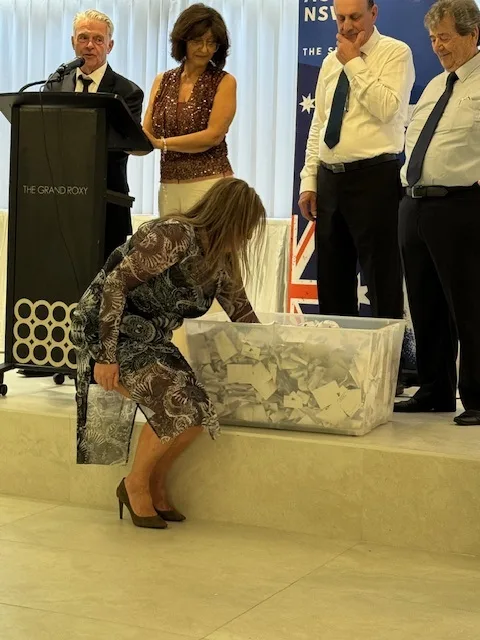
The fundraising dinner was a lively and enjoyable occasion, featuring a raffle and silent auction with generous prizes donated by supporters.
The highlight of the night was the collective effort to raise funds for the hospital foundation, with guests contributing to ensure that children in need of medical care receive the support they deserve.
“Thank you all from the bottom of my heart for your support and kindness,” Ms Skalkos concluded.
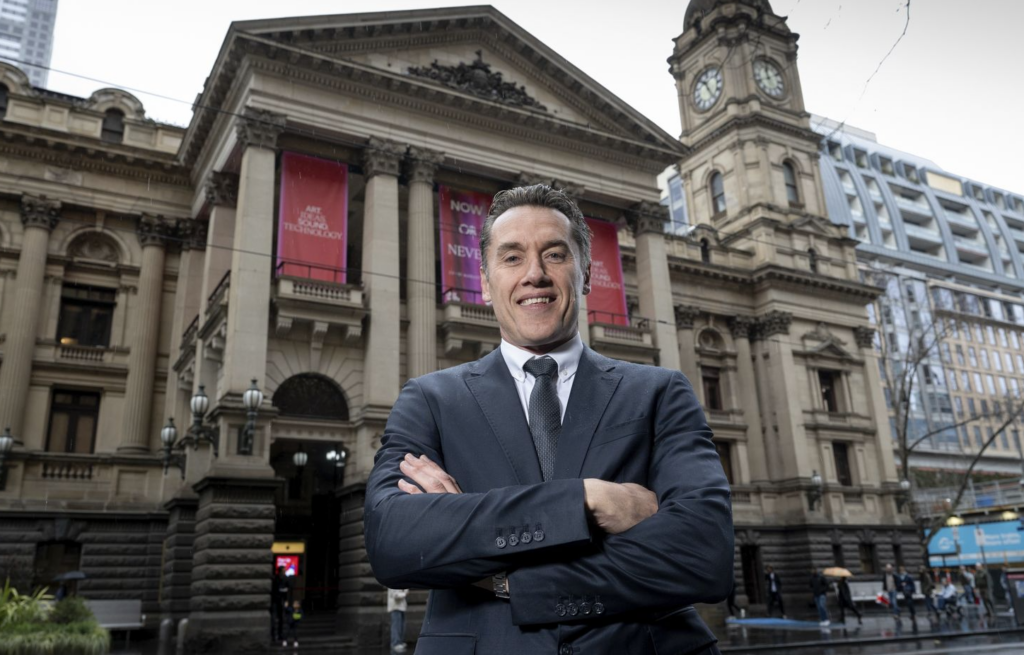
Nick Reece has been elected as the City of Melbourne’s new Lord Mayor, having run alongside incumbent councillor Roshena Campbell on a shared ticket.
The final results of the election, including the outcome for nine additional councillor positions, were officially confirmed on Thursday, November 7, following the completion of the computerised vote count by the Victorian Electoral Commission at Drill Hall, located near the Queen Victoria Market.
Photo: Penny Stephens.
The counting process followed the closure of postal votes on October 25, nearly two weeks ago. It was during this period that former Carlton footballer Anthony Koutoufides initially appeared to be in contention, but ultimately, Reece managed to secure a lead as the preferences were counted.
The final stage of the preference flow saw Reece face off against Roxane Ingleton in a head-to-head battle for the position. Liberal candidate Mariam Riza placed third, while Koutoufides, despite his strong campaign, finished in fourth.
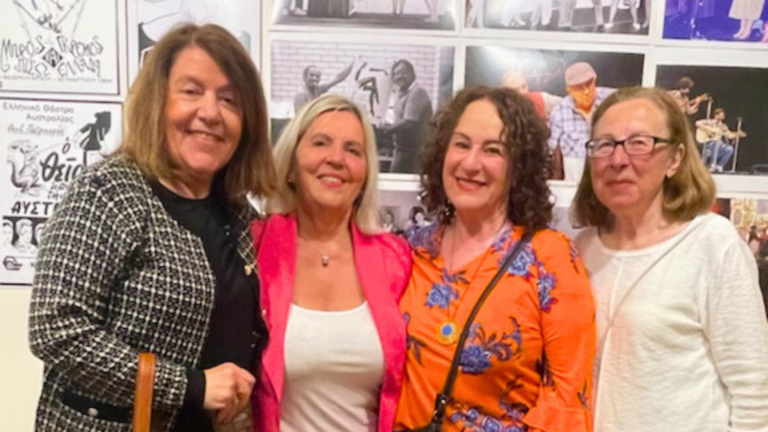
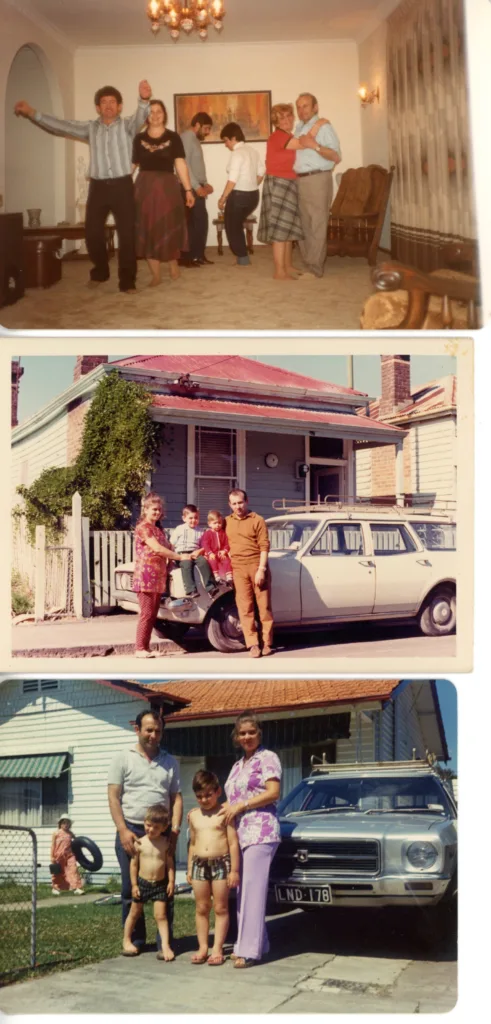
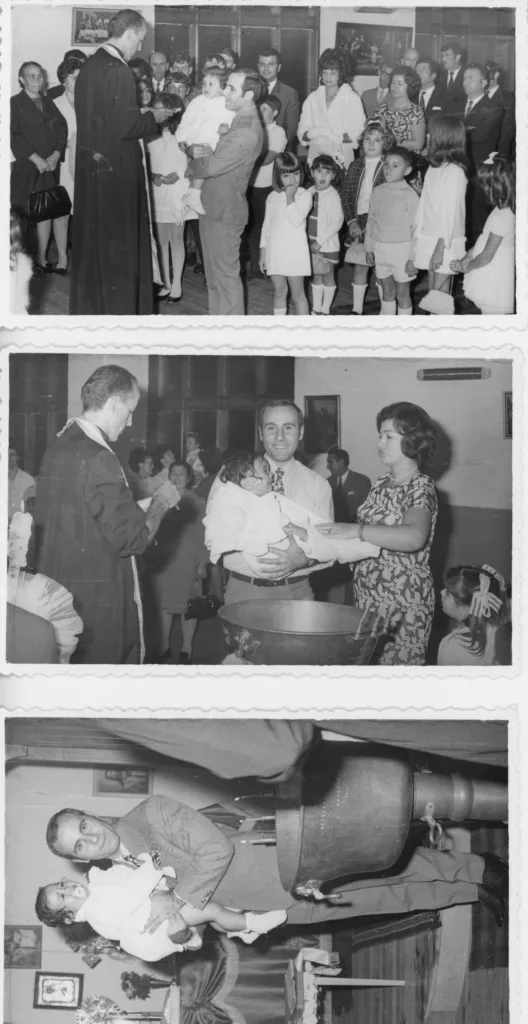
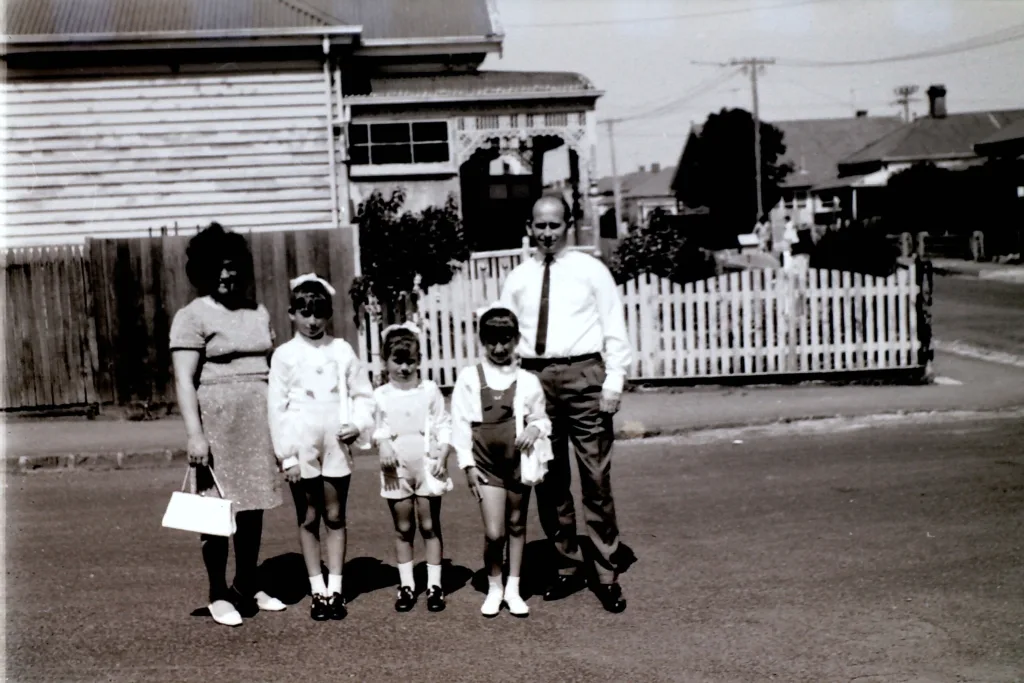
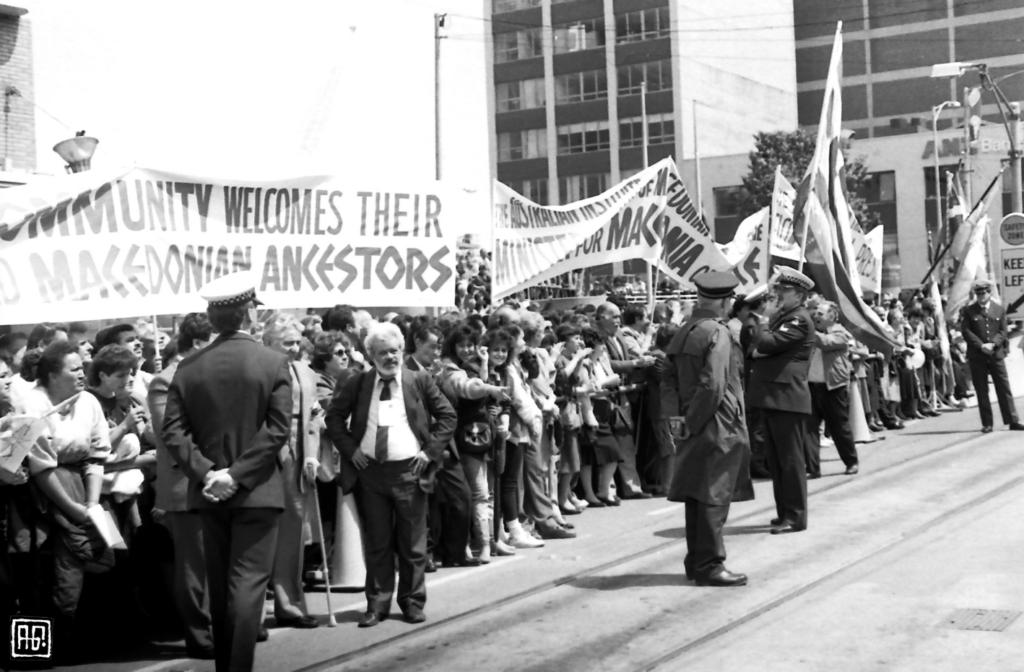
The fourth annual Equinox Art Exhibition, titled A Visual Journey of Greek Australian Life, was held by the Greek Democritus Workers League, showcasing a powerful collection of black-and-white and colour photographs that document the Greek community’s presence and contributions to Australian society, with a particular focus on Melbourne.
The exhibition, which runs until 10 November 2024 at Steps Gallery in Carlton, aimed to capture the lives of Greek immigrants – from their everyday experiences to their celebrations and moments of sorrow. Through the lens of the camera, the exhibition offered an intimate portrayal of their stories, shedding light on the migrant experience in Australia.
While not claiming to be a comprehensive portrayal of all Greek Australians, the exhibition served as a significant step forward in preserving and sharing their stories. It provided a valuable visual record of the strength, resilience, and perseverance of Greek immigrants, honouring their contributions to Australia’s cultural and economic landscape.
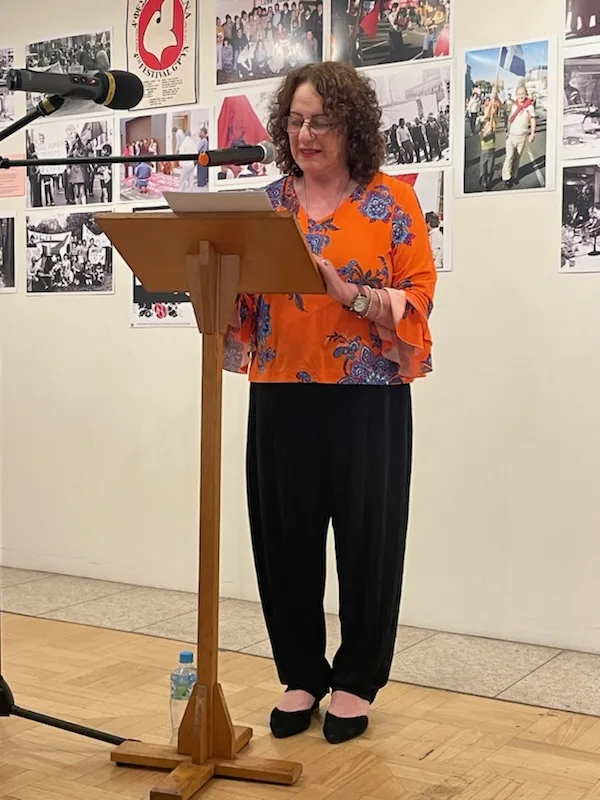
The exhibition was officially launched on Saturday, 2 November, by Dr Konstandina Dounis, who spoke passionately about the importance of documenting and celebrating the Greek migrant experience.
“These photographs radiate a sense of pride. The photo on the factory floor where some inspection is taking place reminds us in no uncertain terms as to where our post-war immigrant ancestors worked and that our past sits firmly in a working class reality,” Dr Dounis remarked during the opening.
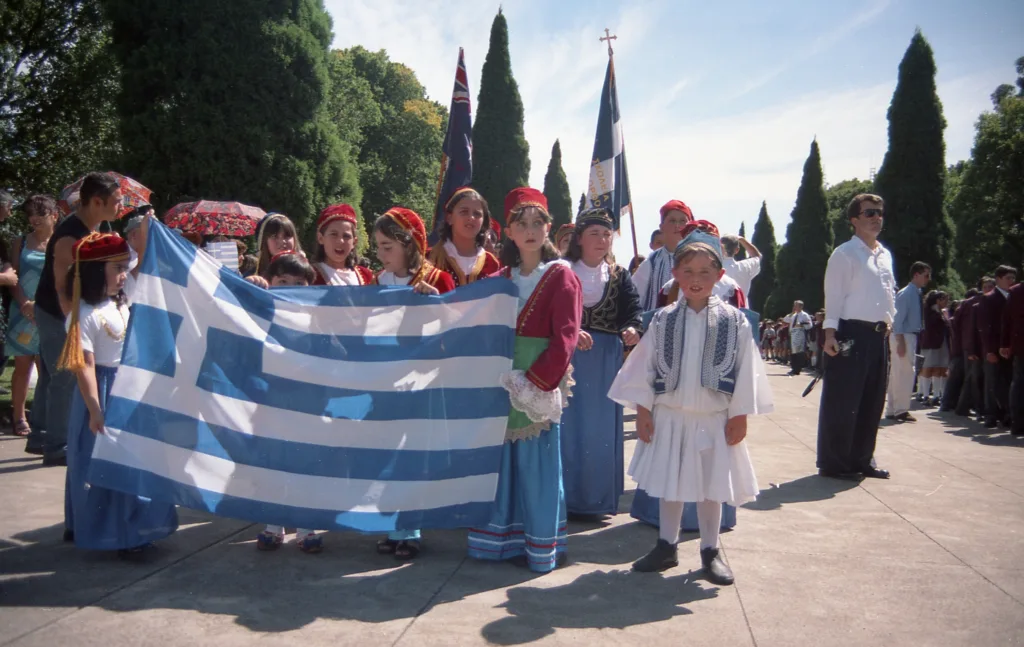
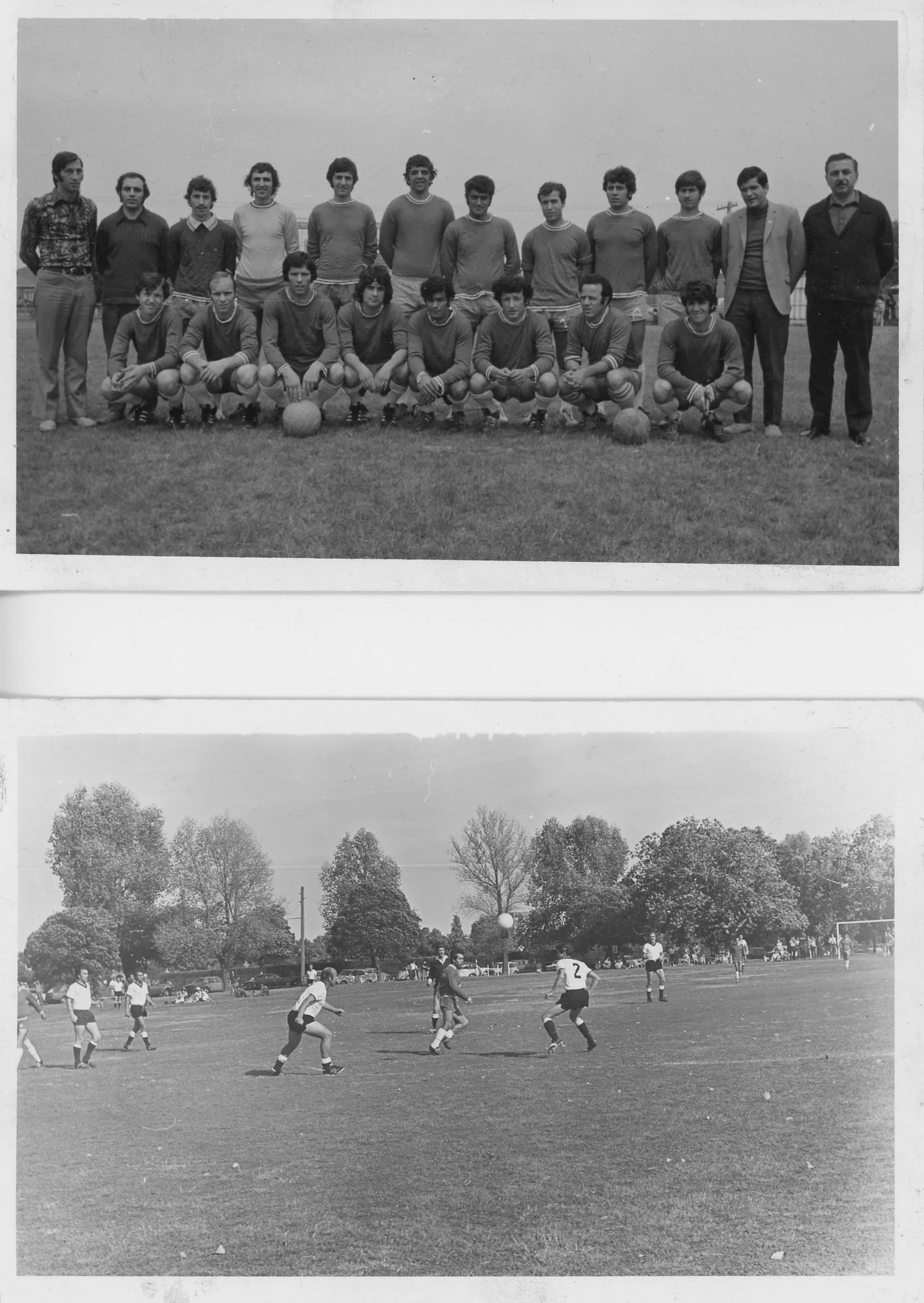
“We have a beautiful photo of school children, in national costume, as part of the parade to the Shrine, a snapshot of what is now also a moment in time. There are photos of soccer teams and playing fields and yes, we have soccer teams today, but supporting South Melbourne Hellas in the 1960s and 70s generated an atmosphere that was absolutely electric.”
Highlighting the way in which the photographs not only capture the essence of the lives of migrants but also ensure their legacy is remembered for future generations, Dr Dounis acknowledged, “We are reminded of the ritual of inviting extended family, friends and χωριανοί (people from the same area in Greece as you) to your Name Day party at your home. The ritual of Greek dancing and that joyous sensation of body and music fusing into a glorious whole.
“And the rituals with which so many of us are, sadly, becoming all too familiar – those rituals that accompany our funerals and memorial services, that go some way to alleviating the gut-wrenching sorrow of losing our precious parents and grandparents.”
The collection of photographs served as a testament to the hardworking men and women who shaped and continue to shape Melbourne’s Greek community, standing as a tribute to their enduring impact on the fabric of Australian life.
The exhibition is open to the public with free admission, warmly welcoming visitors to explore the rich history and contributions of Greek Australians through this visual journey.