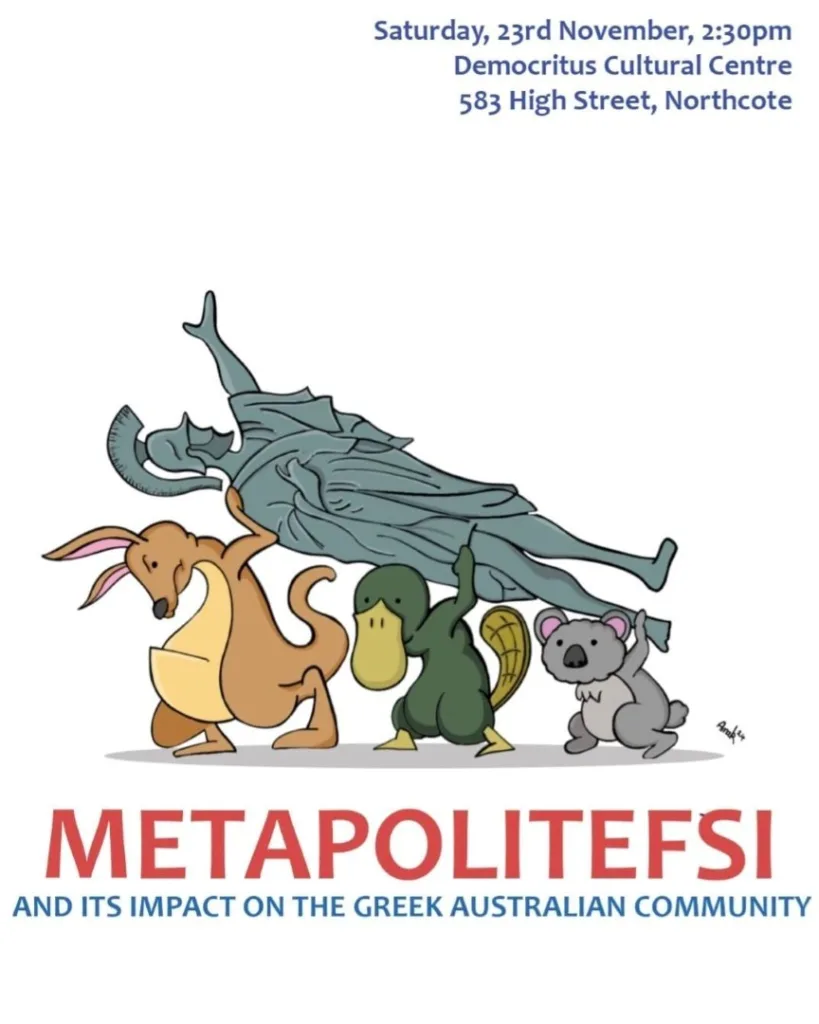
Greeks, Australians and those anywhere in-between are invited to explore the definition, the limits, the impact and the influence of Metapolitefsi on Greek Australian community relations over the past five decades.
This inaugural forum, to be held at the Democritus Cultural Centre in Northcote this Saturday, November 23, marks the beginning of a regular series of public discussions examining issues vital to Australians of Greek and migrant heritage.
Guest speakers include journalist Kostas Karamarkos, theatre director Thanasis Makrigiorgos, Cypriot affairs analyst Dr Michális S. Michael, and academic Dr George Vassilacopoulos.
The panel will provide their perspective on the historical significance of Metapolitefsi, its ongoing relevance to contemporary Greece, and its role in shaping the Greek Australian community since 1974.
But this is just to get the ball rolling. The aim is to create a forum for public discussion, with specific themes, primarily addressing issues of importance to Australians of Greek and migrant heritage.
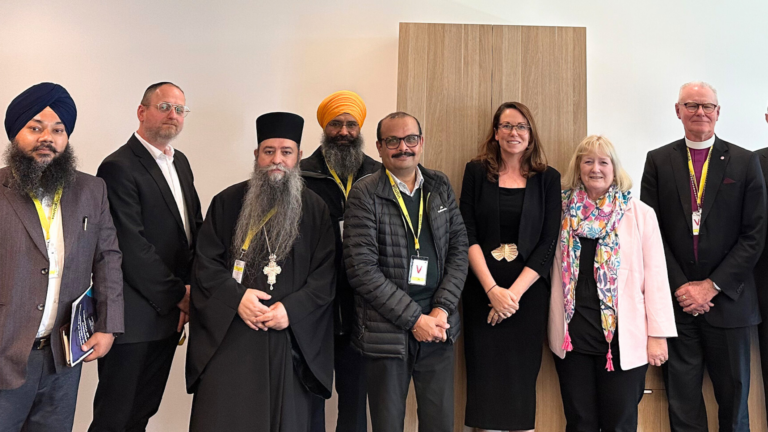
Victoria’s Attorney General Jaclyn Symes met with faith leaders to discuss proposed enhancements to anti-vilification laws on Tuesday, November 19. The changes aim to broaden protections against hate speech and conduct, creating a more inclusive society.
The proposed legislation seeks to lower the legal threshold for hate speech, focusing on the likelihood of inciting hatred rather than proof of actual incitement. It also adds new attributes, including disability, gender identity, sexual orientation, and sex characteristics.
Representing His Eminence Archbishop Makarios of Australia at the meeting, Father Eusebios, Archimandrite of the Ecumenical Throne and Abbot of Pantanassa Monastery, commended the government’s efforts to create a safe society for all.
“Dignity is a divine gift, not something earned or based on social status. This dignity calls for the recognition and respect of each person’s rights and freedoms,” he said.
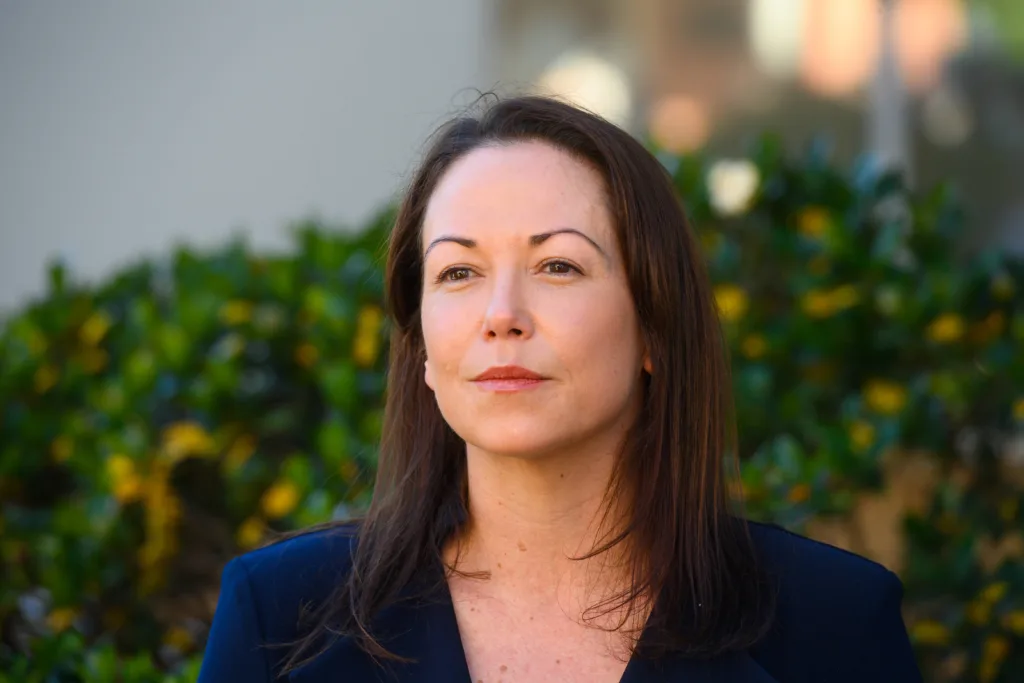
Jaclyn Symes.
While faith leaders expressed concern over the potential impact on religious expression, Attorney General Symes reassured them, stating, “This isn’t about curtailing people’s ability to practice the religion that they hold. This is squarely about protecting vulnerable people from hate speech.”
Father Eusebios emphasised the importance of balancing freedoms, saying, “Protecting competing rights should contribute to creating a culture of mutual respect instead of mutual distancing.”
The Greek Orthodox Archdiocese of Australia supports protecting human dignity while maintaining religious freedom, and welcomed the government’s commitment to collaboration on the legislation.
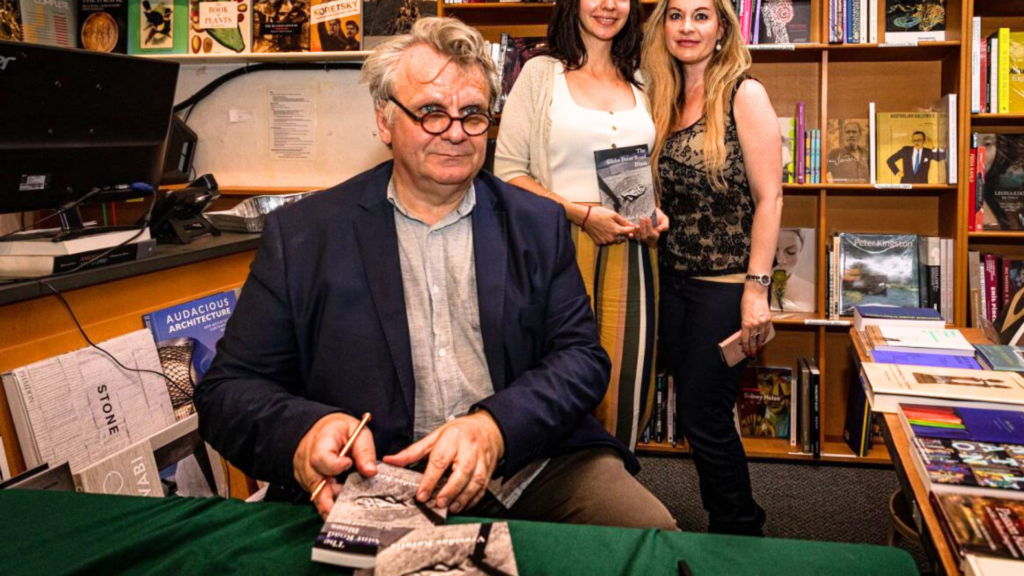
Freedom rider activist Gary Williams, distinguished Greek cinema scholar Professor Vrasidas Karalis, Roman historian Professor Tim Parkin, an expert in decision-making Professor Katie Steele and an award-winning poet Professor Sarah Holland-Batt are among 41 distinguished humanities scholars and practitioners elected to Fellowship of the Australian Academy of the Humanities.
Professor Vrasidas Karalis of University of Sydney is the leading international scholar of Greek cinema. Original and comprehensive work of data collection, analysis and interpretation represents a ground-breaking justification of the importance of the Greek cinema to the history of European cinema.
The Academy’s new Fellows represent those who have left an indelible mark on their field, and a groundbreaking contribution to our understanding of societies and cultures. Election to the Academy is the highest honour within the humanities in Australia.
President of the Academy, Professor Stephen Garton AM FAHA FRAHS FASSA FRSN said, “Each of our Fellows are working at the forefront of issues of national and international importance and exemplify why ethical, historical, creative and cultural knowledge and expertise is critical to better decision making for a resilient society.”
Photo: Yannis Dramitinos.
“Australia is facing a multitude of complex and vexed issues. Hard issues do not have black and white answers, and the humanities are critical for understanding how individuals shape and are shaped by broader social, cultural and scientific contexts. Solutions to contemporary problems require a deep understanding of these perspectives and knowledges,” Professor Garton added.
“Fellows elected today are exemplary leaders working in critical spaces where Australia needs to be — building our understanding of Asia and the Pacific, truth-telling and shedding light on a shared history and shaping our national artistic and cultural identity.”
Five researchers were elected as Corresponding Fellows with expertise in digital humanities, Islamic Studies, Asian Studies, and linguistics, who will link the Academy to new opportunities for collaboration across the United States, Germany, the United Kingdom, Taiwan and China.
Seven Honorary Fellows were also elected, and include visual artists, award-winning poets, art leaders and human rights activists.
The Australian Academy of the Humanities is one of Australia’s five Learned Academies — independent organisations established to encourage excellence in their respective fields and to provide expertise and advice at public, institutional and government levels.
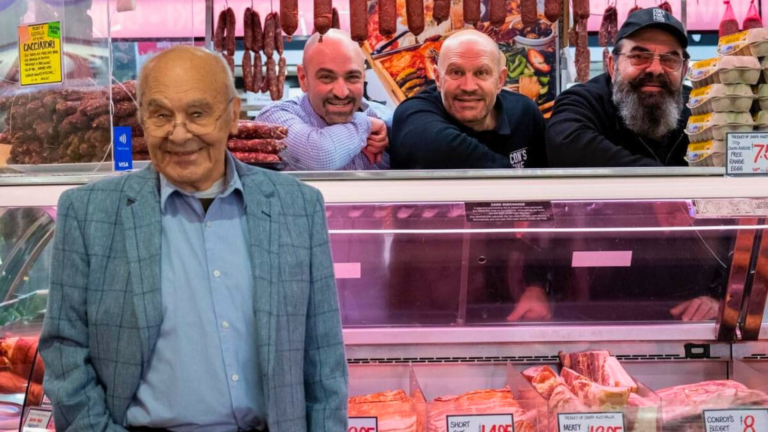
Con Savvas, a celebrated figure at Adelaide Central Market and founder of Con’s Fine Food in South Australia, passed away at the age of 90.
A pillar of the market for over six decades, Savvas first opened his renowned stall in 1959 with his brothers Sam, Petro and Peter.
Known for his generosity, passion, and warm personality, Con left an indelible mark on the market community and beyond. His family continues his legacy, with sons Ross, Anthony, and Alex, as well as his daughter-in-law and granddaughter, remaining deeply involved in the business.
Reflecting on his father’s life, youngest son Alex Savvas shared: “Dad was an icon of the Central Market, but of course he was more than that too.”
“He was heavily involved in the Greek Orthodox Community of South Australia (GOCSA) for many, many years. And we forget this because the focus is always on the business, but he was a dad, he was a father, a grandfather, a husband… he was a lot more than just Con’s Fine Food,” Alex added.
Tributes have poured in from the community, celebrating Con’s kindness and impact.
One person recalled working with him, saying, “He was so very lovely. He’d blush a little when I’d call him King of the Market.”
Another wrote, “RIP, dear Con. You will be missed by so many people that had the honour to have met you.”
A public funeral will take place on Monday, November 25, at the Cathedral of Archangels Michael and Gabriel on Franklin Street, where the community will gather to honour the life of a man who touched so many lives.
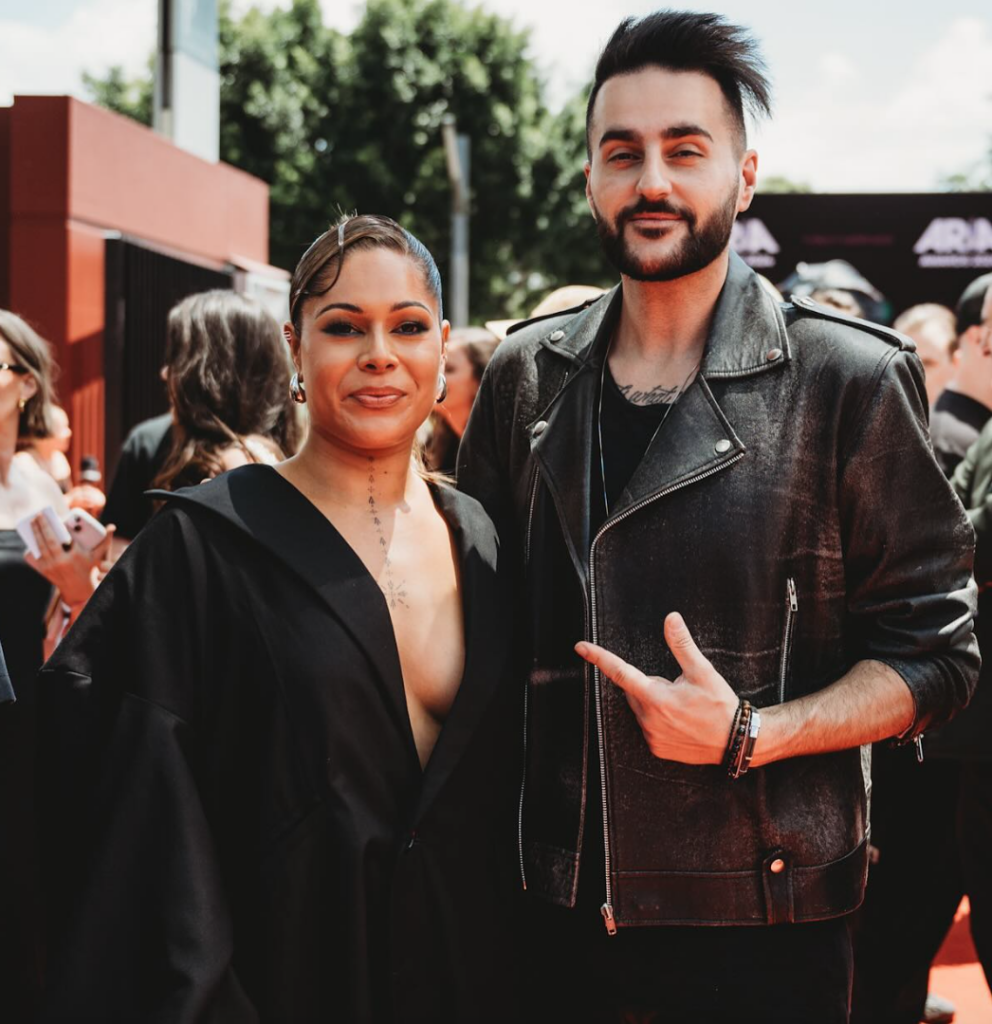
Australian music video director Nick Kozakis took centre stage at the ARIA Awards on Wednesday night, accepting the award for Best Video alongside co-director Sela Vai on behalf of Tones and I. The accolade was for the artist’s latest single, Dance With Me.
Tones and I, known for her global hit Dance Monkey, was unable to attend the ceremony but shared her gratitude via a heartfelt video.
“I can’t believe we did it. I just want to give a huge shout-out to [my team]. Congratulations to everyone involved,” she said.
Kozakis, visibly moved as he accepted the award, expressed his admiration for the singer.
“Unbelievable to be among such amazing talent,” he said. “Tones, you’re the best person in the world. You have such a big heart. You’ve looked after us from day one.”
Vai echoed the sentiment, calling Tones and I “a fearless and generous soul.”
Photo: @aria_official / Instagram.
The Best Video category was highly competitive, with nominees including SPEED (REAL LIFE LOVE), Lime Cordiale (Cold Treatment), and Peach PRC (Time Of My Life).
Kozakis, who has been a long-time collaborator with Tones and I, continues to make a significant impact in the music industry through his creative vision. His work on Dance With Me cements his reputation as one of Australia’s leading music video directors.
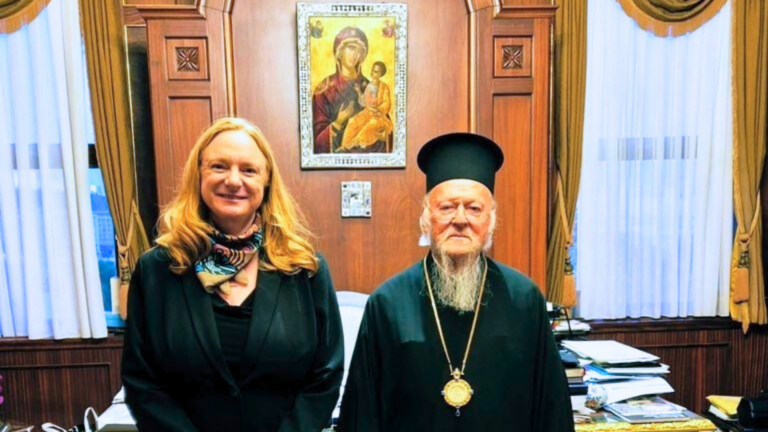
Australia’s Ambassador to Greece, Alison Duncan recently met with His All Holiness Ecumenical Patriarch Bartholomew in Istanbul, Turkey.
The meeting followed the Ecumenical Patriarch’s successful visit to Australia to commemorate the centenary of the Greek Orthodox Archdiocese of Australia.
During their discussion, the Ecumenical Patriarch reflected on his visit to Australia, expressing gratitude for the warm reception he received from both the Australian Government and the public.
He also thanked everyone who contributed to the success of his visit, highlighting the value of his engagements with government representatives, community leaders, faith organisations and the Greek Orthodox community.
His All Holiness’ visit marked his fourth journey to Australia and his second as Ecumenical Patriarch, following his previous visit in 1996. The trip underscored the deep ties between the Greek Orthodox Church and the Australian community, as well as the importance of interfaith and cultural connections.
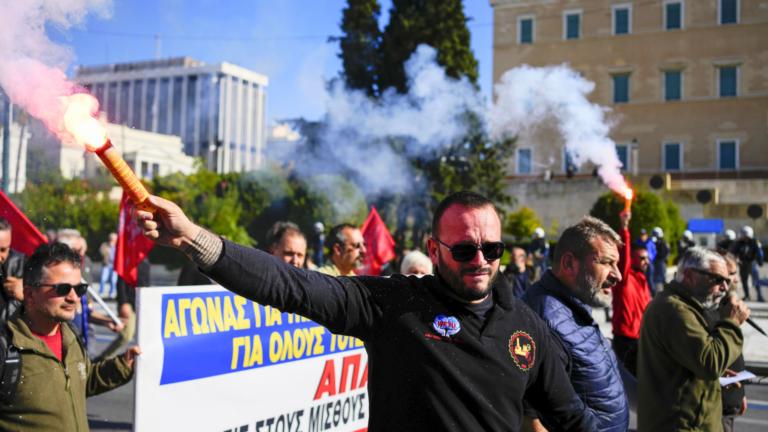
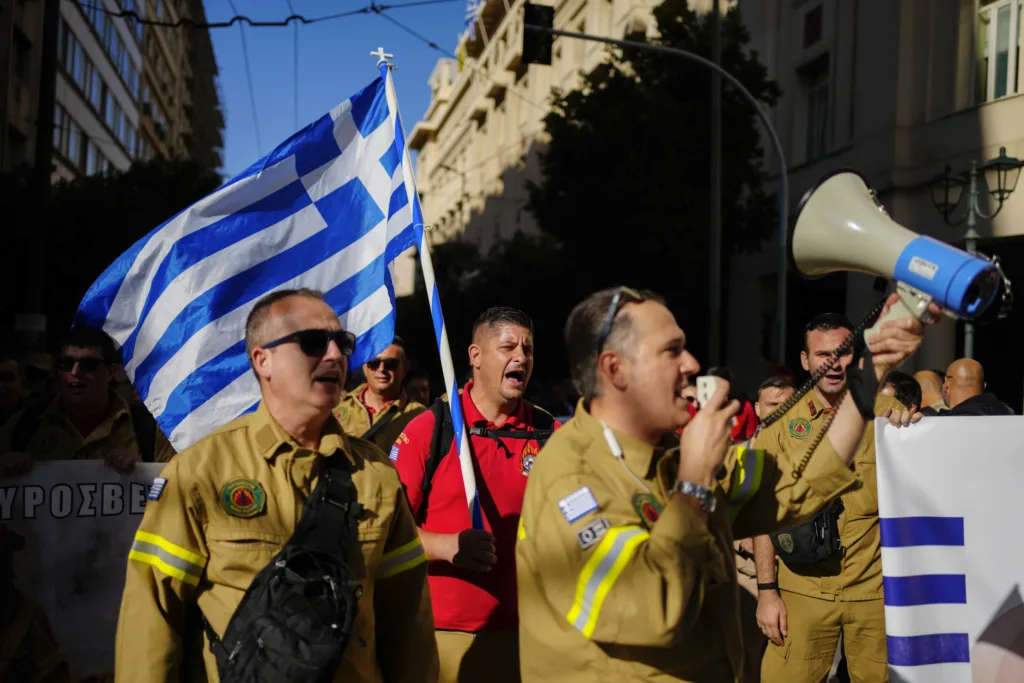
Workers flocked to the streets of Athens, Greece on Wednesday, November 20, to take part in a 24-hour general strike to protest the rising cost of living. Organised by labour unions, the strike coincided with the government submitting its 2025 budget to Parliament.
According to AP, the industrial action disrupted public transport and halted ferry services between the Greek islands and the mainland. Among those striking were medical staff at state-run hospitals and teachers.
Unions demanded increased wages and the restoration of collective wage agreements, which were scaled back during Greece’s financial crisis.
Approximately 12,000 people marched in central Athens, while an additional 5,000 demonstrated in Thessaloniki.
Yannis Panagopoulos, head of the General Confederation of Workers of Greece, stated: “We want to showcase the rage and resentment of salaried employees for what is happening to their income.”
Photo: AP Photo / Thanassis Stavrakis.
Greece’s financial crisis, which began in 2010, led to severe austerity measures, including pension and wage cuts, as part of international bailout agreements. Although the economy has recovered and recently regained investment-grade status, the country still has the highest debt-to-GDP ratio in the European Union.
Esther Lynch, General Secretary of the European Trade Union Confederation, expressed solidarity, stating: “Greece needs a pay rise… to demand the genuinely binding collecting agreement to guarantee a fair day’s pay for a fair day’s work.”
Unions criticised Greek Prime Minister Kyriakos Mitsotakis’ government for not adequately addressing inflation and housing issues, which have worsened workers’ living standards.
In an act of solidarity, journalists held a separate 24-hour strike on Tuesday, November 19, halting all news broadcasts to focus on covering Wednesday’s general strike.
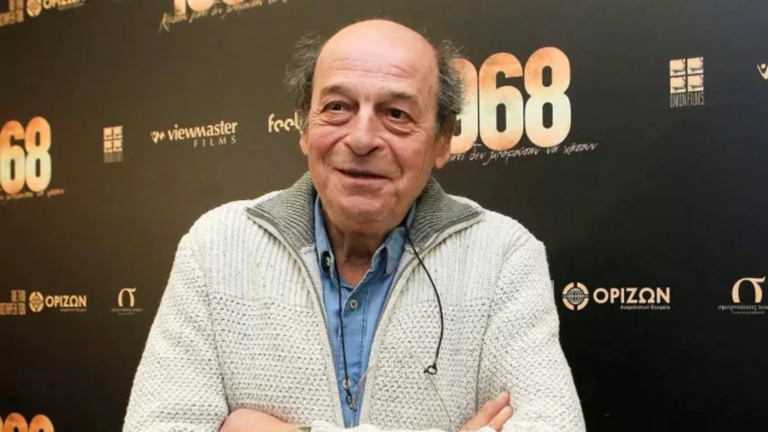
Manousos Manousakis, a well-known director with a long career in Greek television and cinema, has died at the age of 74.
According to Protothema.gr, Manousakis was recently hospitalised in the Intensive Care Unit of Hygeia Hospital in Greece with a respiratory infection.
Manousakis was loved by the Greek public, with work titles that have captivated millions of TV viewers and have become an integral part of pop culture.
Born in 1950 in Athens, Manousakis studied directing at the London Film School in England. When he returned to Greece in the early 1970s, he started working initially in cinema.
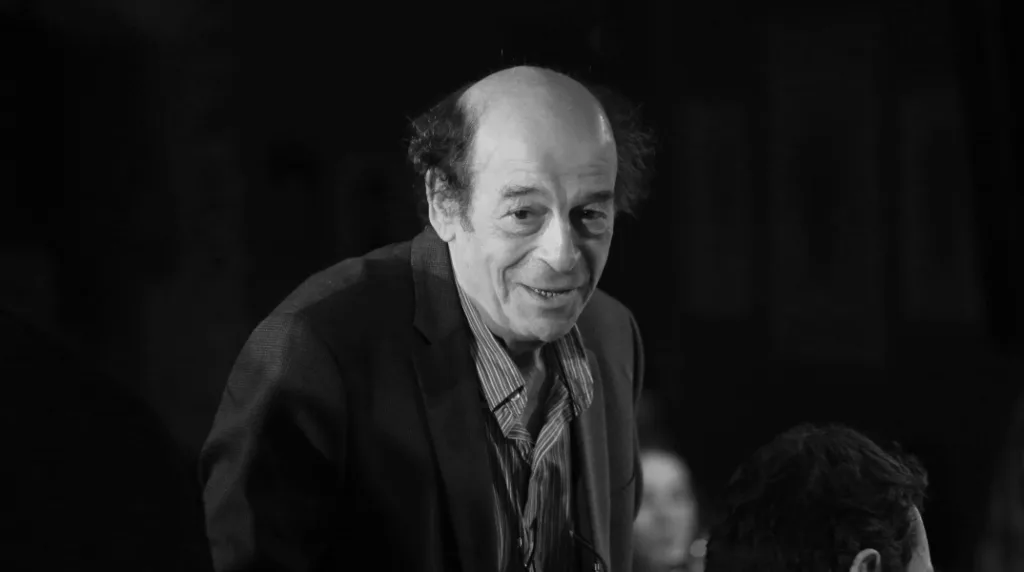
Manousos Manousakis, a well-known director with a long career in Greek television and cinema, has died at the age of 74.
One of his first works was the film Bartholomew in 1973, which he wrote, directed and produced. The film received a special mention at the San Remo Film Festival that same year, but was banned in Greece by the junta.
Other film productions followed, such as Arkhontes in 1978, and The Scarecrow in 1985.
In the mid-1980s, he took his first steps as a director of television series’. He directed the following series’: Goblin Jobs (1985-1986), Micrographies (1986-1987) and The Best Years (1989).
The drama series’ he directed are based on forbidden love stories, while some of them (Heart Whispers, Soul Touch,Don’t say goodbye to me, Love came from afar) are considered to be among the most successful in the history Greek television.
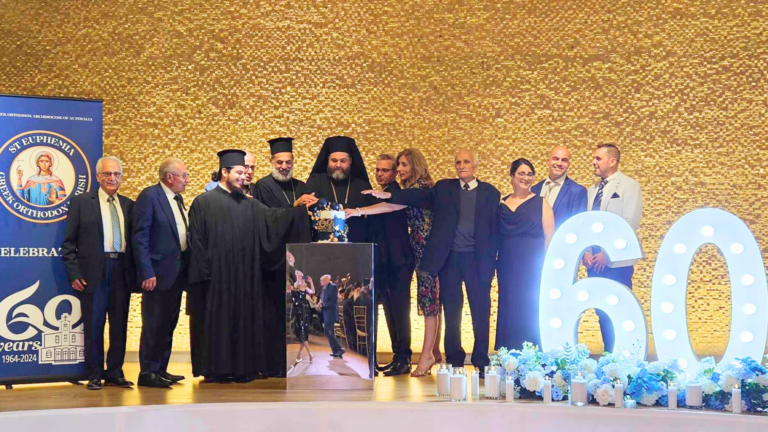
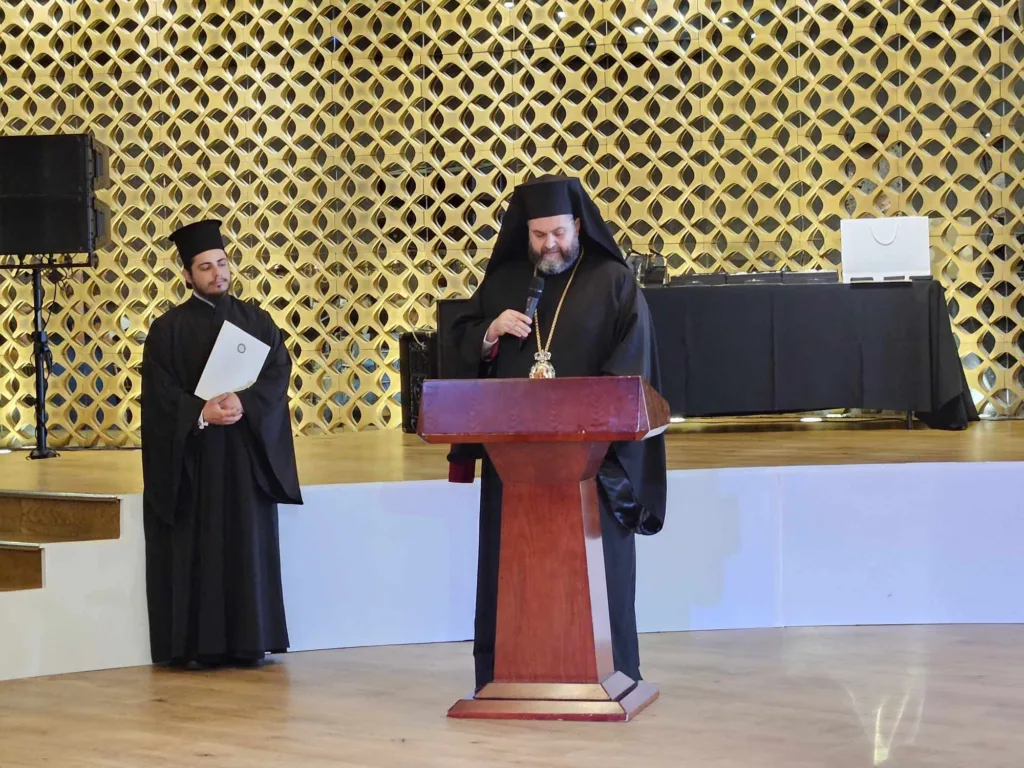
With the blessings of His Eminence Archbishop Makarios of Australia, His Grace Bishop Bartholomew of Brisbane joined the weekend celebrations marking the 60th anniversary of the Parish-Community of Saint Euphemia in Bankstown, Sydney.
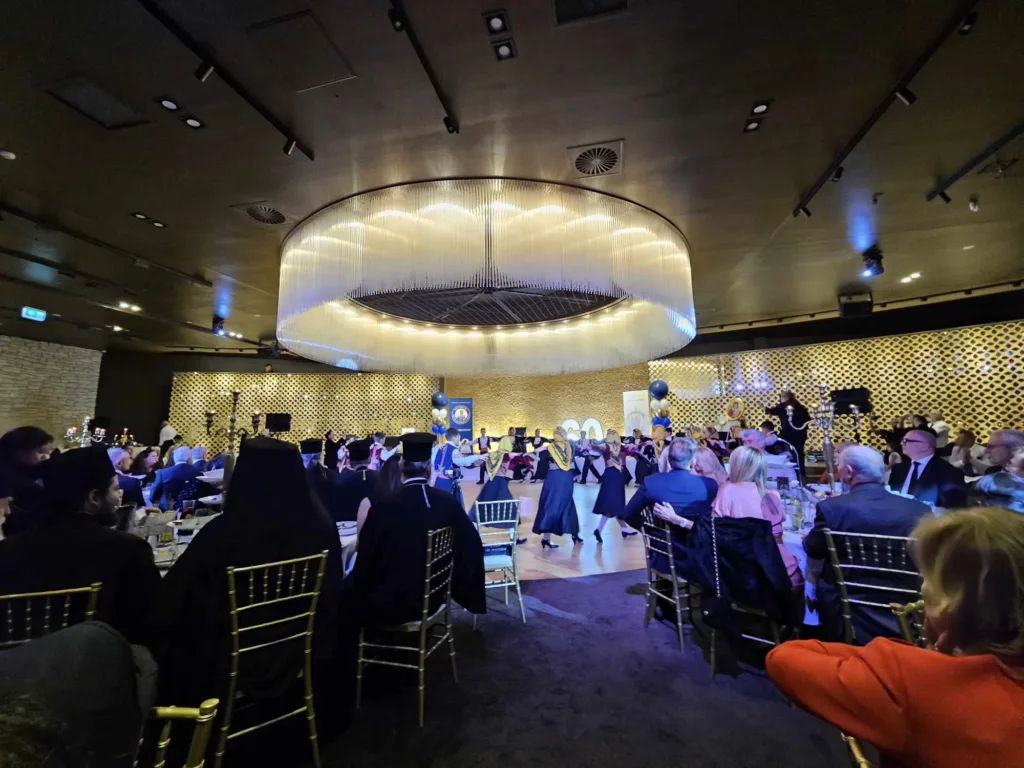
The festivities began with an anniversary dinner on Saturday evening, November 16, where Bishop Bartholomew read an official message from Archbishop Makarios.
The Bishop also reflected on his personal connection to the parish and honoured the legacy of those who served the community over the decades.
He paid special tribute to the late Parish Priest, Father Michael Apostolopoulos, and recognised the late Parish Council President, Panagiotis Theofilou, for their tireless dedication to the parish.
The current Parish Priest, Father Panagiotis Protopsaltis, was praised for his two decades of service, with Bishop Bartholomew acknowledging him as a humble and well-loved priest. He also expressed gratitude to Presvytera Irene Protopsaltis, emphasising her vital role in supporting the parish.
The evening featured traditional Greek dancing performed by the parish’s dance group.
To conclude, awards were presented by Bishop Bartholomew, Father Panagiotis, and Parish Council President Chris Spiropoulos, recognising the contributions of volunteers and honouring the families of those who served the parish and have passed away.
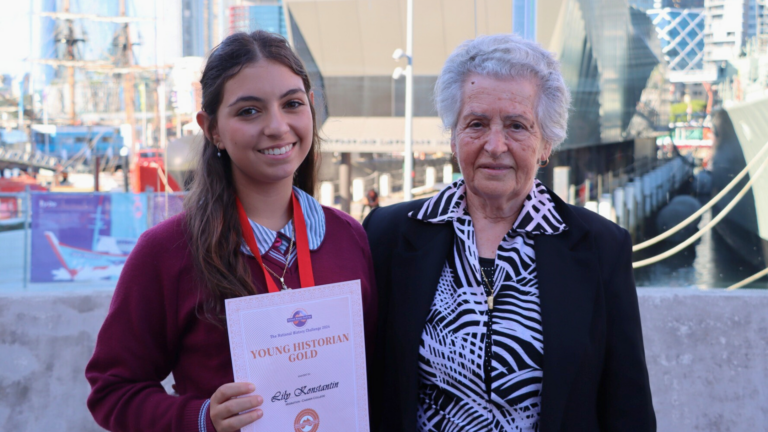
Lily Konstantin from Casimir Catholic College has been named the NSW State Winner in the Migration category of the National History Challenge.
Lily’s moving submission told the story of her grandmother’s inspiring journey from Greece to Australia in the 1950s. Through her work, Lily captured the challenges and determination needed to build a new life in a foreign land.
The awards ceremony celebrated not only the family’s story, but also the power of history to connect generations.
The National History Challenge, a free research-based competition for Australian students, fosters curiosity and engagement with history.