Home Blog Page 618

Bill Papastergiadis OAM joins Victorian Premier to unveil landmark anti-vilification laws

The Allan Labor Government has introduced new anti-vilification and social cohesion laws that are all about keeping Victorians safe and keeping Victoria united.

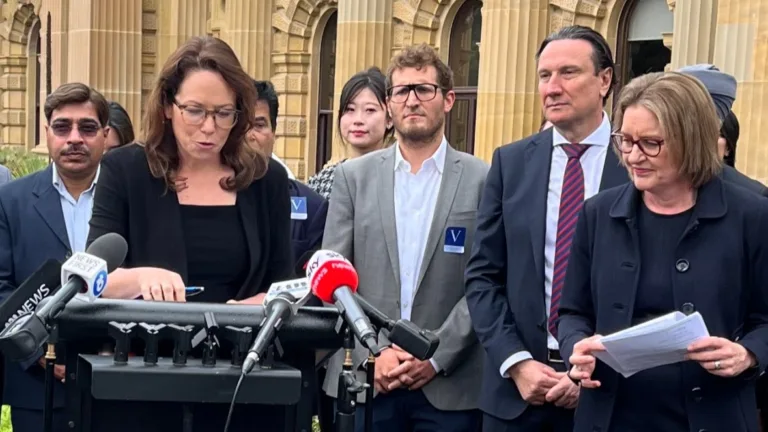
Victorian Premier Jacinta Allan and Attorney-General Jaclyn Symes joined community and multicultural leaders on Tuesday, November 26 to announce the Justice Legislation Amendment (Anti-vilification and Social Cohesion) Bill 2024, which will:

  • Protect more Victorians from vilification – which is the worst kind of hate speech or conduct that profoundly hurts people and undermines social cohesion.
  • Introduce new criminal offences for serious vilification, such as inciting hatred or threatening physical harm against someone because of who they are or what faith they follow.
  • Strengthen existing civil protections against vilification and provide more options for people to seek remedy and resolution if they have been harmed.
  • Protect the right to free speech and religion by creating a new defence for political expression and recognising exceptions for religious and artistic purposes, and more.
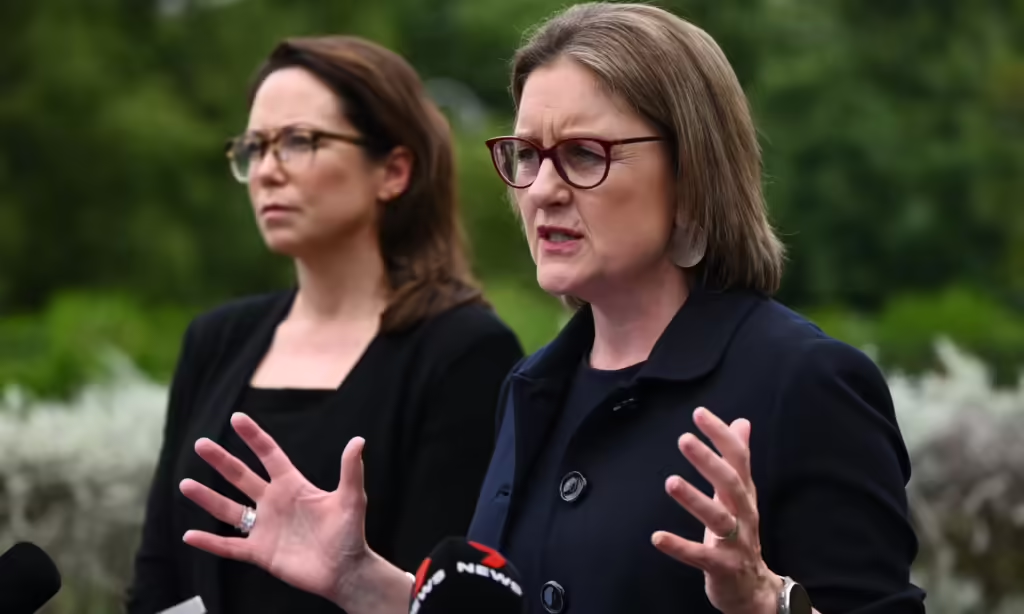
Premier Jacinta Allan, flanked by attorney general Jaclyn Symes, outlines Labor’s plans to overhaul Victoria’s anti-vilification laws
Premier Jacinta Allan, flanked by attorney general Jaclyn Symes, outlines Labor’s plans to overhaul Victoria’s anti-vilification laws. Photo: Joel Carrett/AAP.

Protecting more Victorians from vilification

There are existing legal protections against vilification for race and religion.

Under the Bill, protections will be extended to cover disability, gender identity, sex, sex characteristics, sexual orientation, and personal association with a person who has a protected attribute– for example, being the parent of a disabled child.

That means all Victorians, in some shape or form, will be protected against vilification and hate for who they are, what faith they follow, where they’re from or who they love or care for.

Introducing new criminal offences for serious vilification

The reforms will create two criminal offences to respond to serious vilification:

  • It will be an offence to incite hatred, serious contempt, revulsion or severe ridicule against another person or group based on their protected attribute
  • It will be an offence to threaten physical harm or property damage against a person or a group based on their protected attribute.

These offences will be placed in the Crimes Act, where they belong. They will apply when incitement or threats occur in Victoria in any context – private, public or online.

They will be easier to prove than Victoria’s current serious vilification offences, with stronger penalties of up to five years imprisonment to hold perpetrators to account for their actions.

Strengthening existing civil protections against vilification

The Bill strengthens current laws to help protect people from things that are said or done in public or online that harm them.

This new harm-based protection could capture conduct such as posting photos publicly on social media that severely ridicule a person with disability or expressing hateful comments about a group’s race at a public meeting.

The Bill also modifies existing protections against incitement to now include public conduct that is likely to incite hatred or revulsion, which reflects how the legal test is currently applied by the courts.

People and groups will still be able to make a complaint and seek a remedy through dispute resolution services at the Victorian Equal Opportunity and Human Rights Commission or the Victorian Civil and Administrative Tribunal.

Having this avenue for civil as well as criminal action will provide alternative options to address harm, including through an apology, compensation or removing harmful material.

Protecting and promoting the right to free speech and religion

This is all about protecting people’s right to practice their religion, free from threats, vilification and severe ridicule in public. That is one of the most important religious freedoms of all and is at the heart of social cohesion in Victoria.

The Bill recognises freedoms by retaining the current exceptions in the law that protect activities done for genuine religious, academic, artistic, public interest or scientific reasons.

To be clear, that means the Bill protects genuine and legitimate religious activities, such as worshipping, practising, proselytising and teaching religion.

To further protect free speech, the Bill introduces a new ‘political expression’ defence for the criminal incitement offence, to protect political communication and allow everyone to engage in genuine and robust debate.

‘Social cohesion is fundamental’:
Victorian officials plea for new anti-vilification and social cohesion laws
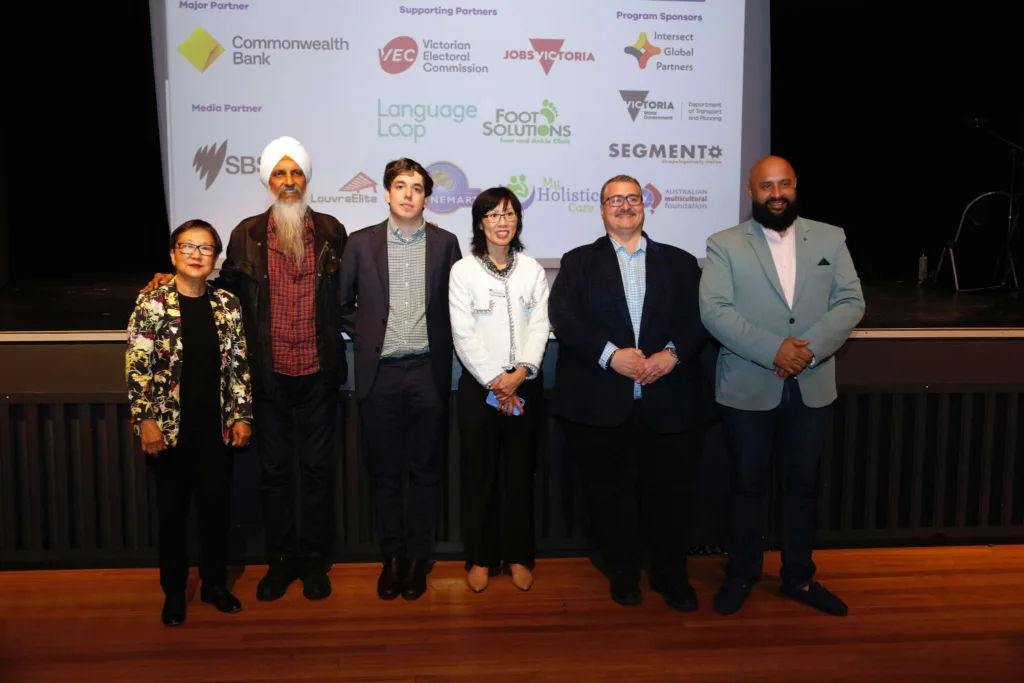
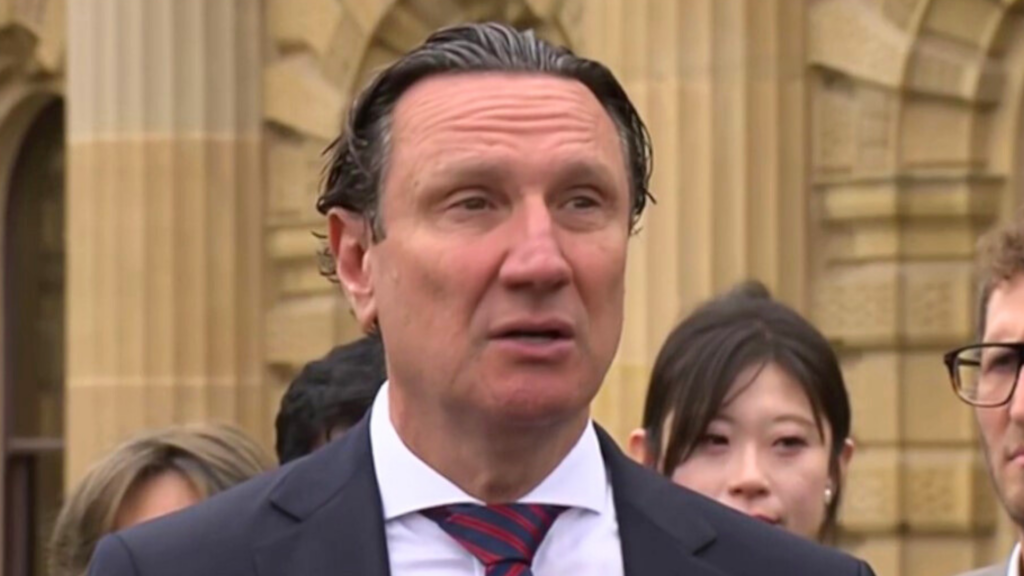
Bill Papastergiadis OAM at the press conference.

During the press conference on Tuesday, Ms Allan praised the new Bill.

“The Victoria I love is a place where we come from hundreds of different backgrounds, but we are one community – Victoria united. Everyone deserves to be safe in our state, free of hate,” she said.

“These strong new laws support social cohesion by making it easier for police to charge anyone found to be inciting violence against specific groups or individuals on the basis of their race, religion and more… It also expands protections for more Victorians, because it should absolutely be against the law to vilify someone for being a woman or for being in a wheelchair. This is simply about fairness for all.”

Attorney-General Jaclyn Symes also addressed the matter: “Right now, we have Victorians and their loved ones who are afraid to be who they are without being the target of shame, ridicule or hatred. We have a responsibility to them and all Victorians to call out hateful behaviour and send a message that when the worst happens, we have their back.”

“Freedom of expression is important — but this must be balanced with the vital right for Victorians to be safe and take part in public life. That’s what our laws will aim to achieve,” Ms Symes added.

President of the Greek Community of Melbourne (GCM) and Commissioner at the Victorian Multicultural Commission, Bill Papastergiadis, was also present at the press conference and declared, “Social cohesion is a fundamental part of our society and we need to work hard to protect it.”

“Underpinning social cohesion are important values such as social justice, acceptance, belonging and participation. A society that achieves social cohesion does not do so by chance. We all must work hard to ensure that social cohesion is not impacted and underpinning all of this is often a legislative framework. Legislation that helps to enshrine social justice is an essential part of any civilised society,” Mr Papastergiadis added.

“We know from the research by the Scanlon Institute that in 2024 there was an increase in negative attitudes towards multiculturalism and immigration. At the same time, there were increased reporting of racism and discrimination.

“The above research and trends point to the importance of all of us being vigilant about treating one another fairly and with respect, and being vigilant about the values that shape our community.”

What’s next

The reforms have been informed by significant consultation, including with those most impacted by hate speech and conduct such as those experiencing anti-Semitism, homophobia and Islamophobia, and aim to carefully balance the right to freedom of expression, equality, religion and belief.

Just as the community has helped to shape this Bill, the Government commits to continuing to work with community groups over the coming months to listen, answer questions and take feedback.

To see more about the Bill visit engage.vic.gov.au/anti-vilification-reforms
Donald Trump endorses Jimmy Patronis for vacant US House of Reps seat

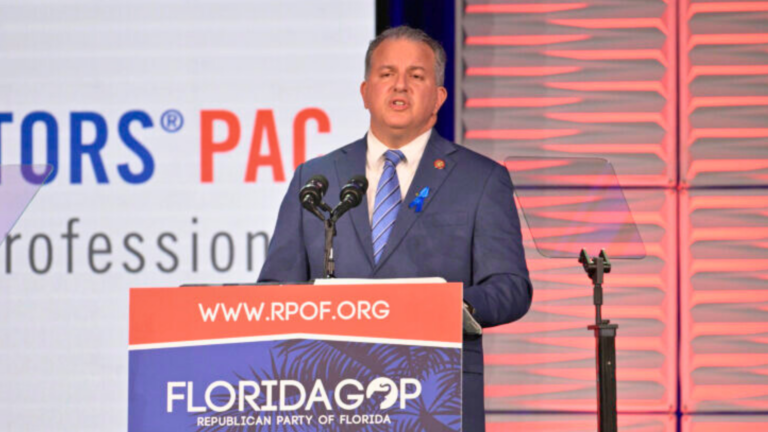
US President-elect Donald Trump has endorsed Florida’s Chief Financial Officer Jimmy Patronis, a Greek American, to replace Matt Gaetz in the US House of Representatives.

Gaetz vacated his seat earlier this month after being nominated by Trump to lead the Department of Justice. However, Gaetz withdrew his bid for attorney general last week following allegations of sexual misconduct.

In his endorsement, Trump praised Patronis as “a wonderful friend” and a “fourth-generation Floridian from the beautiful Panhandle,” highlighting his commitment to key MAGA priorities.

“As your next Congressman, Jimmy would work tirelessly alongside of me to Grow our Economy, Secure our Border, Stop Migrant Crime, Strengthen our Incredible Military/Vets, Restore American Energy DOMINANCE, and Defend our always under siege Second Amendment,” Trump wrote on Truth Social, urging him to run.

Patronis, who would become the seventh Greek American House representative if elected, responded enthusiastically on X: “Put me to work, Mr. President. @realDonaldTrump I am here to serve.”

Trump’s endorsement may increase pressure on Florida Governor Ron DeSantis to align with the president-elect in filling other vacancies.

Source: Ekathimerini.

Further delays in opening Melbourne’s Greek National Tourism office

By Ilias Karagiannis

The long-standing inefficiencies of the Greek state—bureaucracy, procrastination, and lack of strategic planning—are reflected in the case of the reopening of the Greek National Tourism Organisation (GNTO) office at the Greek Centre in Melbourne, Victoria.

A project of strategic importance for promoting Greece in one of the world’s key tourism markets, Australia, and for strengthening ties with the country’s vibrant Greek community, continues to face significant delays nearly 18 months after its official announcement by Greece’s then-Tourism Minister Vassilis Kikilias.

Despite the importance of the initiative and the opportunities it could offer for tourism growth, staffing the office has proven challenging. The initial job posting for the position of Head of the Melbourne office was published on 21 May 2024, only to be withdrawn shortly after due to “urgent operational needs.”

A new posting was issued just last week, on November 20, underscoring the recurring postponements and the state’s inability to make timely decisions on critical matters.

The GNTO office will be housed at the Greek Centre in Melbourne.

According to the latest job announcement, the role of Head of the GNTO office in Melbourne involves responsibility for promoting Greek tourism across Australia, New Zealand, and the island nations of Oceania. Interested candidates were required to submit applications by Monday, November 25.

The evaluation process, set to take place soon, includes interviews before a three-member committee. Only permanent GNTO employees are eligible to apply, with the term of office lasting three years and the possibility of a three-year extension.

The ongoing delays in reopening the office have raised questions about the efficiency of the process, particularly given Melbourne’s strategic significance as home to one of the largest Greek communities worldwide.

The office’s operation is deemed crucial for enhancing Greece’s presence in high-interest markets, implementing targeted tourism campaigns, and fostering collaborations with local organisations.

However, the substantial delays now push the reopening of the GNTO office in Melbourne to 2025.

2027 Strategic Plan for the Greek Diaspora presented to special committee

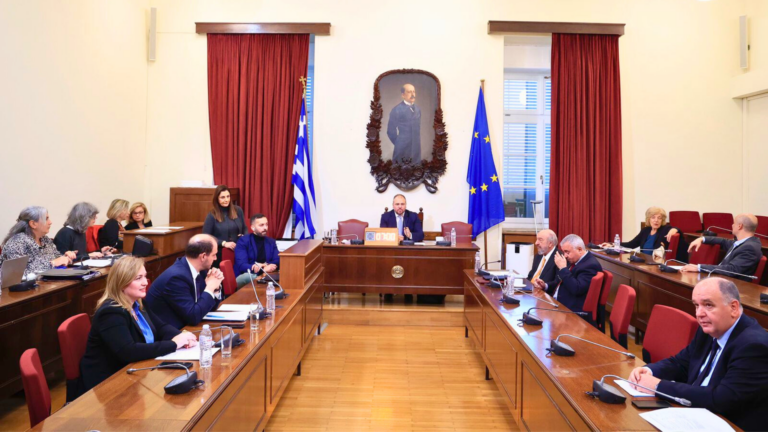
Greece’s Deputy Foreign Minister George Kotsiras presented Greece’s 2024-2027 Strategic Plan for the Greek Diaspora to the Special Permanent Committee on Greeks Abroad on Tuesday, November 26.

Mr Kotsiras described the initiative as “a significant first national step” aimed at deepening connections between Greece and its global expatriate community.

The Deputy Foreign Minister also highlighted that the plan builds on the government’s efforts to engage Greeks abroad, such as enabling absentee voting and removing barriers to voting from overseas.

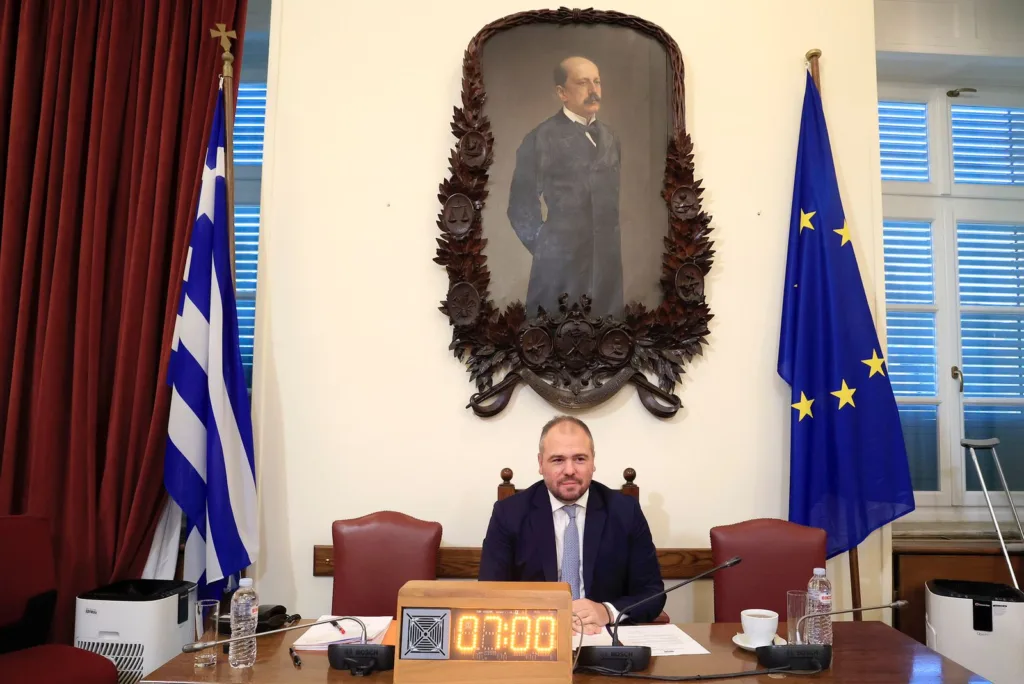
Chairman of the Special Permanent Committee on Greeks Abroad, Filippo Fortomas.

The strategy also includes modernising consular services, expanding online Greek language learning through platforms like StaEllinika, increasing summer hosting programs for expatriates, and fostering collaboration between Greek and international universities. Special focus is placed on attracting members of the scientific diaspora and addressing the “brain drain” generation.

The plan was developed following extensive consultation and was recently unveiled at Greece’s Ministry of Foreign Affairs in the presence of Prime Minister Kyriakos Mitsotakis.

According to Mr Kotsiras, the plan underscores Greece’s “genuine interest” in its diaspora and aims to strengthen ties for the future.

Source: AMNA.gr

Sparta hosts Ecumenical Patriarch Bartholomew on historic visit

In a historic and deeply emotional event, His All-Holiness Ecumenical Patriarch Bartholomew visited Sparta on Monday, November 25, marking the first time in history he has visited the region.

The Patriarch was warmly received at the borders of the Holy Metropolis of Sparta by His Eminence Metropolitan Efstathios, alongside local dignitaries, including Sparta’s Mayor Michael Vakalopoulos, Peloponnese Regional Governor Dimitrios Ptochos, and military and police officials. Accompanying His All-Holiness were senior clergy and representatives of the Ecumenical Patriarchate.

The official reception took place at the Holy Church of Saint Niconos, where a large crowd, including local officials, students, and believers, gathered. A military band and honour guard added to the ceremonial atmosphere. Inside the church, the Doxology for the Patriarch’s visit was performed.

Metropolitan Efstathios welcomed His All-Holiness, praising his leadership and global influence, stating, “In an era of cosmopolitan developments and multifaceted and polynomial confusion and crisis… the Protothrone Church is blessed to have at its head a Patriarch with international prestige and aware of its pivotal mission in modern times.” He also highlighted Sparta’s rich spiritual and historical heritage, presenting the Patriarch with a symbolic silver disc and an icon of Saint Bartholomew.

His All-Holiness expressed gratitude for the warm reception, noting the deep spiritual ties between the Ecumenical Patriarchate and the region. He honoured the legacy of Saint Niconos and the recently canonised National Hieromartyr Ananias Lampardis, emphasising Sparta’s historical and spiritual significance as a homeland of heroes and saints. Reflecting on Metropolitan Efstathios’ leadership, he said, “[He] shines like a lamp in the darkness.”

The Patriarch also presented gifts, including a Holy Gospel for the church and ceremonial items for local clergy. The event continued with the Great Solemn Vespers, presided over by His All-Holiness and attended by senior church officials and local choirs.

The visit drew numerous dignitaries, including members of Parliament, local mayors, and representatives from educational and civic institutions, underscoring the event’s importance to the region and beyond.

Greek PM calls for strengthened EU defence and NATO cooperation

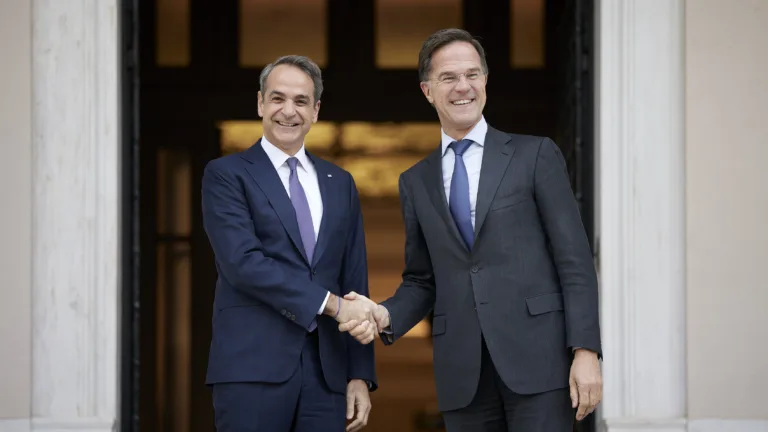
Greek Prime Minister Kyriakos Mitsotakis has emphasised the need for the European Union to enhance its defence role, strengthen its arms industry, and deepen collaboration with NATO. His comments came during talks in Athens on Tuesday, November 26, with NATO Secretary-General Mark Rutte.

In the wake of Russia’s 2022 invasion of Ukraine, the EU has prioritised bolstering its defence capabilities. The European Commission has pledged to advance key initiatives, particularly in air and cyber defence.

Mitsotakis highlighted the shared priorities of NATO allies, stating, “We agreed on one of the fundamental priorities for all the allies, the need to boost our common defence, a target which requires a strong defence industry, significant investments… and a more efficient cooperation between the EU and NATO.”

Greece stands out among EU members as it allocates approximately 3% of its GDP to defence annually. However, across the EU, defence spending remains a challenge. Despite increased investments since the conflict in Ukraine, the EU’s collective defence expenditure for 2024—estimated at €326 billion—accounts for just 1.9% of the bloc’s GDP, according to the European Defence Agency.

Athens has proposed measures to allow member states greater fiscal flexibility for defence investments.

Greece is particularly focused on modernising its military and revitalising its defence industry following a decade-long economic crisis that significantly curtailed its spending. Among its efforts is a €2 billion collaboration with Israel to develop an anti-aircraft and missile defence system.

Mitsotakis reiterated the importance of supporting Ukraine, while Rutte commended Greece for its role in accelerating F-16 fighter jet training for Ukrainian pilots and technicians.

The NATO Secretary-General remarked, “We must also strengthen our deterrence and defence, including by boosting defence investment and production. The good news is that we have in NATO the alliance we need to defend every inch of our territory.”

Ceasefire agreement reached between Israel and Hezbollah

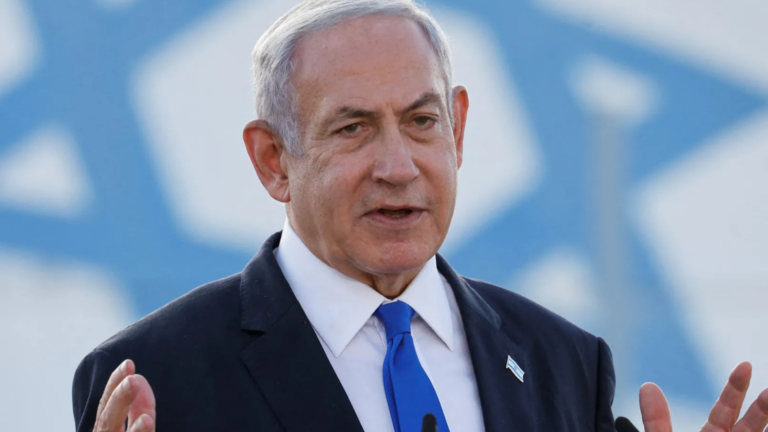
A ceasefire deal has been reached between Israel and the Lebanese militant group Hezbollah, with the United States and France acting as a broker.

The agreement, set to take effect at 4 am local time on Wednesday, November 27 (2 am GMT, midday AEST), seeks to bring an end to the ongoing missile and rocket exchanges along the Israeli-Lebanese border.

Under the terms of the agreement, Israel will withdraw its troops from southern Lebanon over the next 60 days, while the Lebanese army will be deployed in the region to maintain stability. Hezbollah has committed to ending its armed presence south of the Litani River and will not rebuild infrastructure in that area.

The deal also ensures Israel‘s right to self-defence in the event that Hezbollah violates the terms of the ceasefire. According to US officials, this provision underscores the need for vigilance to maintain peace.

The ceasefire is expected to allow tens of thousands of displaced individuals to return to their homes in southern Lebanon and northern Israel, marking a significant step toward restoring stability and normalcy in the region.

Victorian Multicultural Commission marks year-end with celebration of diversity

By Aristidis Tsoulakos and Mary Sinanidis

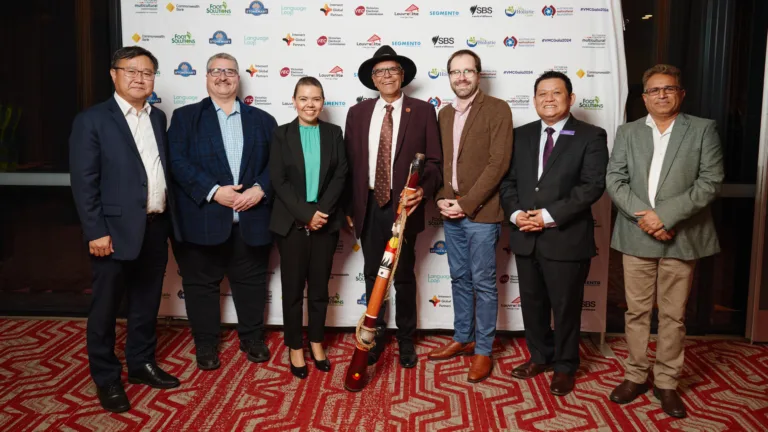
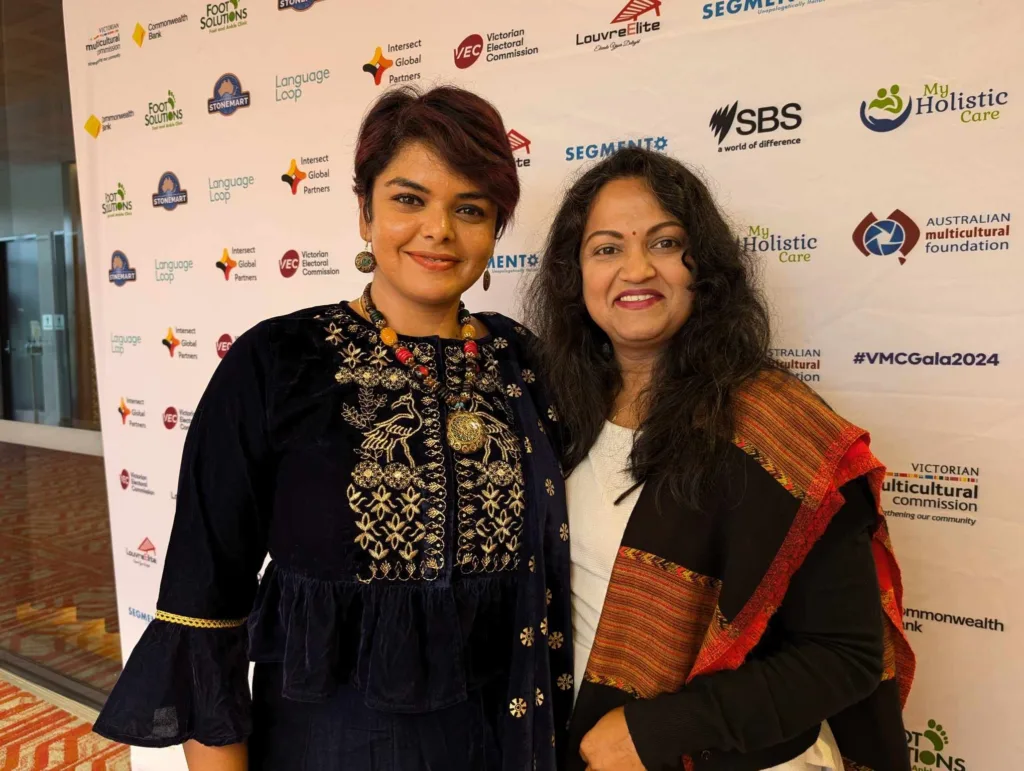
The Victorian Multicultural Commission (VMC) concluded its year with a celebratory event held on Monday, November 25 at Springvale City Hall.

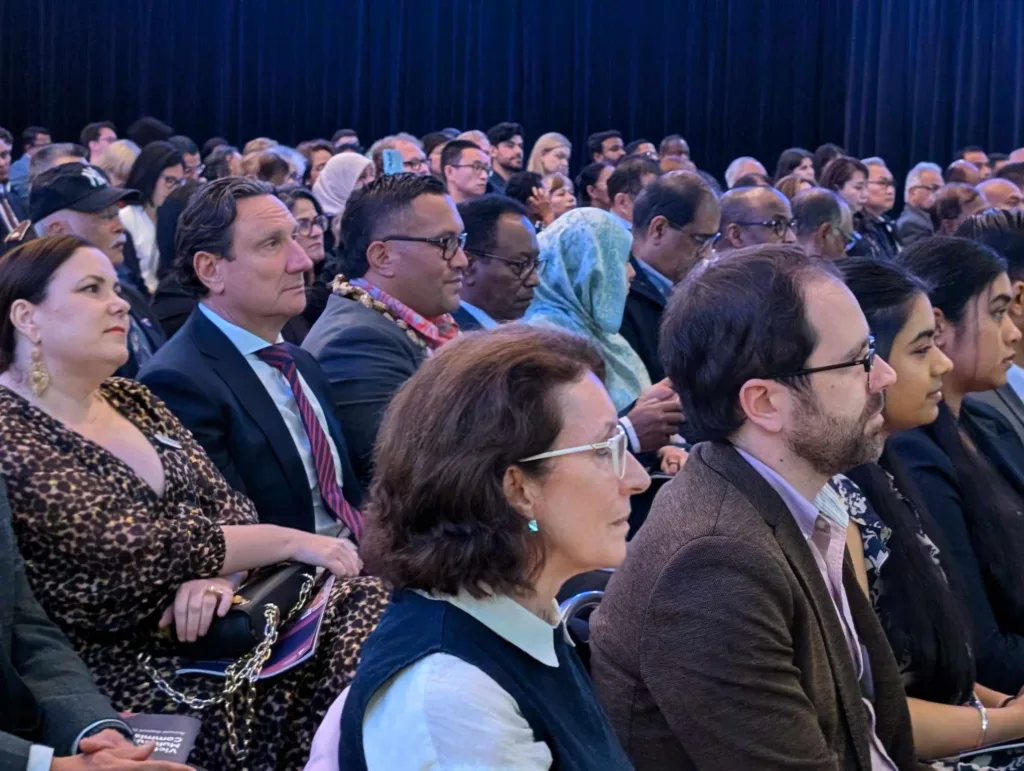
Community leaders, faith groups, and key stakeholders gathered to reflect on the year’s achievements and challenges. Notable Greek Australian attendees included Parliamentary Secretary for Multicultural Affairs, Nick Staikos MP; Lee Tarlamis MP; and VMC Commissioner and President of the Greek Community of Melbourne (GCM), Bill Papastergiadis.

victorian multicultural commission end of year

The evening was a testament to Victoria’s rich cultural diversity and provided a platform to assess ongoing efforts to preserve and promote the state’s multicultural identity.

Representing Victoria’s Minister for Multicultural Affairs Ingrid Stitt, Mr Staikos commended the VMC for its pivotal role in driving key initiatives throughout the year. These initiatives ranged from enhancing access to services for multicultural communities to advising the government on public sentiment. Mr Staikos emphasised the significance of cultural events in fostering unity among Victorians.

“The Multicultural Gala Dinner, the Multicultural Film Festival, and other cultural celebrations bring together Victorians from all walks of life to celebrate the diversity that makes our state unique,” Mr Staikos stated.

He also announced the Victorian Government’s forthcoming release of new anti-racism strategies.

“Our diversity is the envy of the world, but we must protect it. The Victorian Government will continue to take every necessary step to safeguard our inclusive society from prejudice and discrimination,” Mr Staikos affirmed.

victorian multicultural commission end of year
Nick Staikos MP.

VMC Chairperson Vivienne Nguyen expressed gratitude to the individuals and organisations that have contributed to strengthening Victoria’s multicultural landscape.

“I want to recognise all of you – community leaders, faith leaders, members of the Regional Advisory Council, the Multi-Faith Advisory Group, and the Youth Network,” Ms Nguyen said.

She highlighted the VMC’s reliance on strong partnerships to achieve its goals.

“We are the bridge between diverse communities and the Victorian government, and we can only succeed through your continued collaboration and support,” Ms Nguyen added.

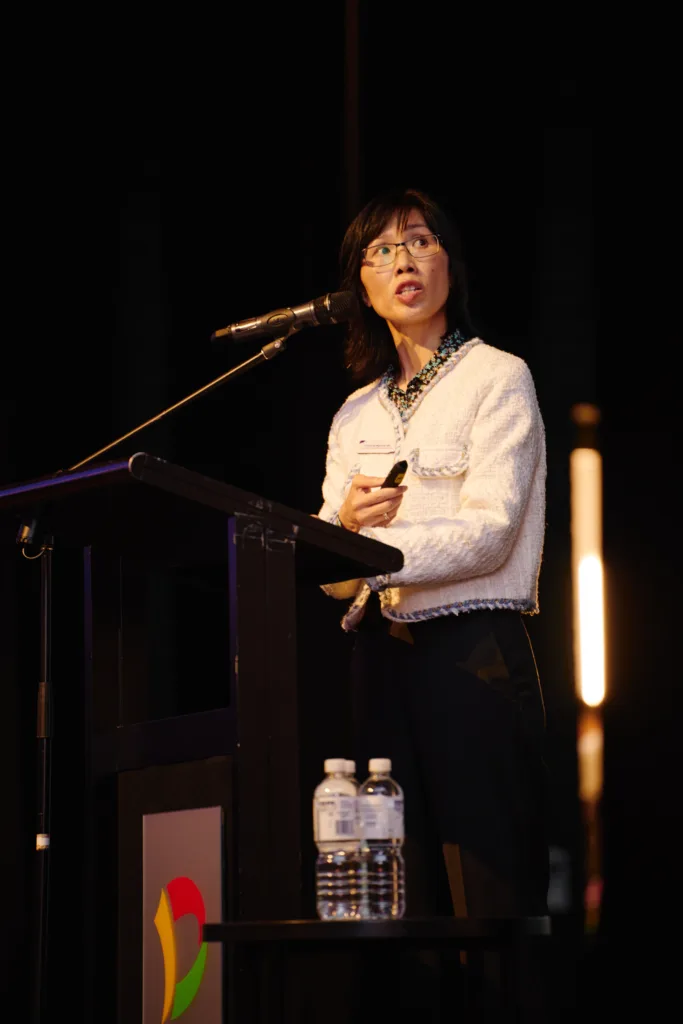
Anthea Hancocks, CEO of the Scanlon Foundation Research Institute, presented an end-of-year reflection on Victoria’s social cohesion. Drawing on the results of the 2024 Mapping Social Cohesion Survey, she delved into areas experiencing distress, addressing issues such as racism and women’s safety. One of the most surprising facets of the research was that despite global “challenges” over the last year, the social cohesion index hasn’t shifted.

“Surprisingly, social cohesion is exactly the same as it was last year,” Hancock said. “It actually hasn’t shifted at all, which is a real testament to our resilience.”

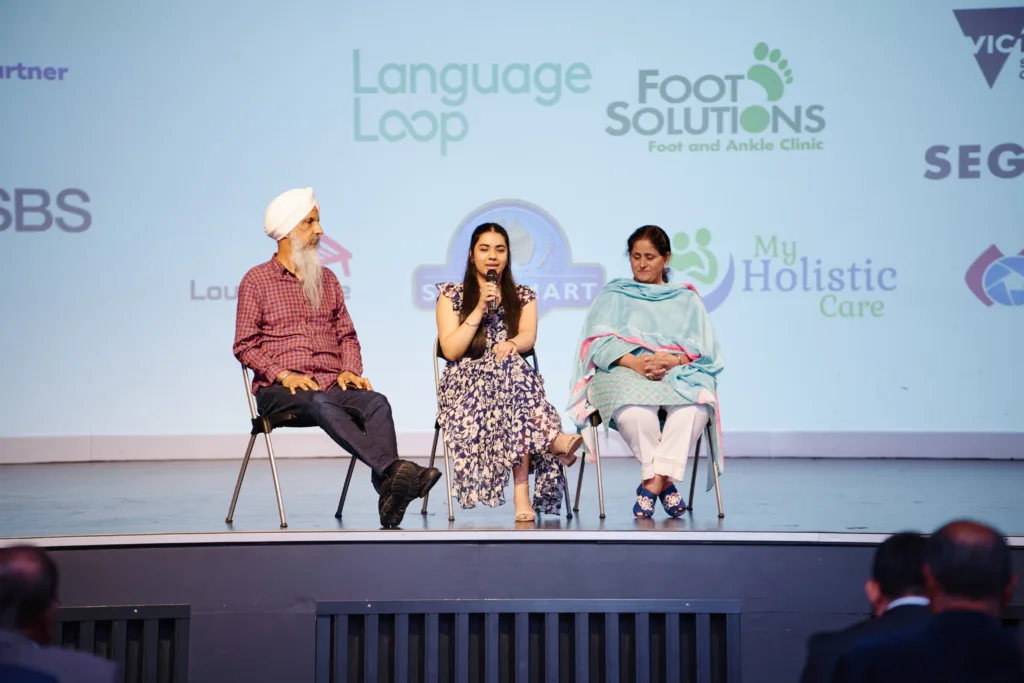
A panel discussion featured Regional Advisory Council member Arfa Sarfaraz Khan, Multicultural Youth Network member Aakriti Malhotra, and Multifaith Advisory Group member Jasbir Singh Suropada. They provided attendees with the opportunity to engage in further dialogue on how to better support multicultural communities and ensure their voices are heard in policy decisions. The conversation centered on VMC programs and initiatives designed to bridge the gap between these communities and government services.

Anthea Hancocks, CEO of the Scanlon Foundation Research Institute

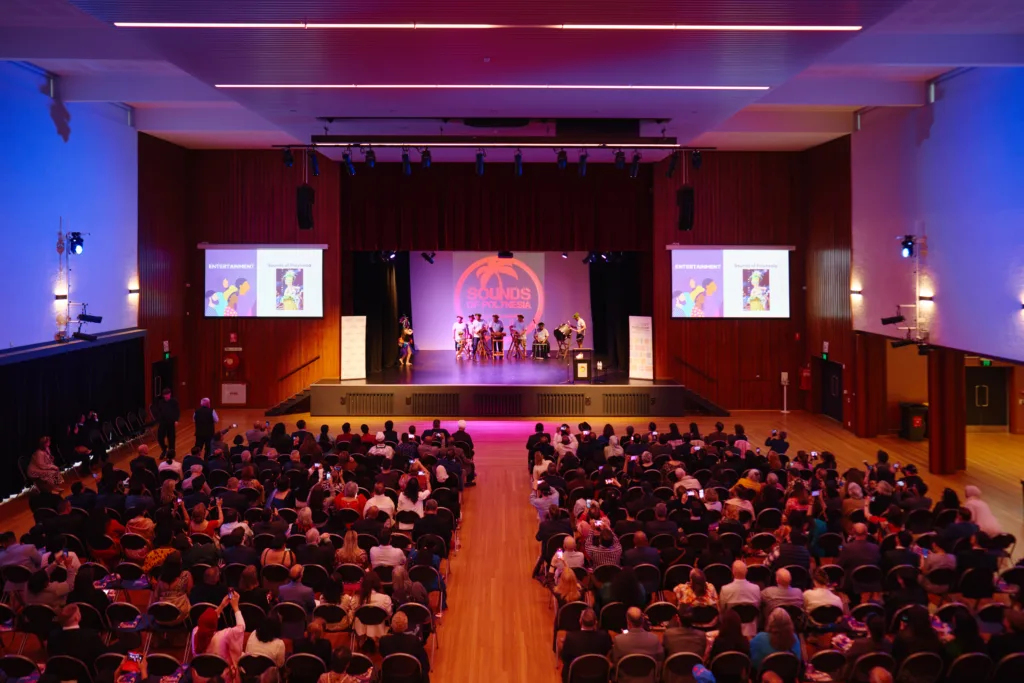
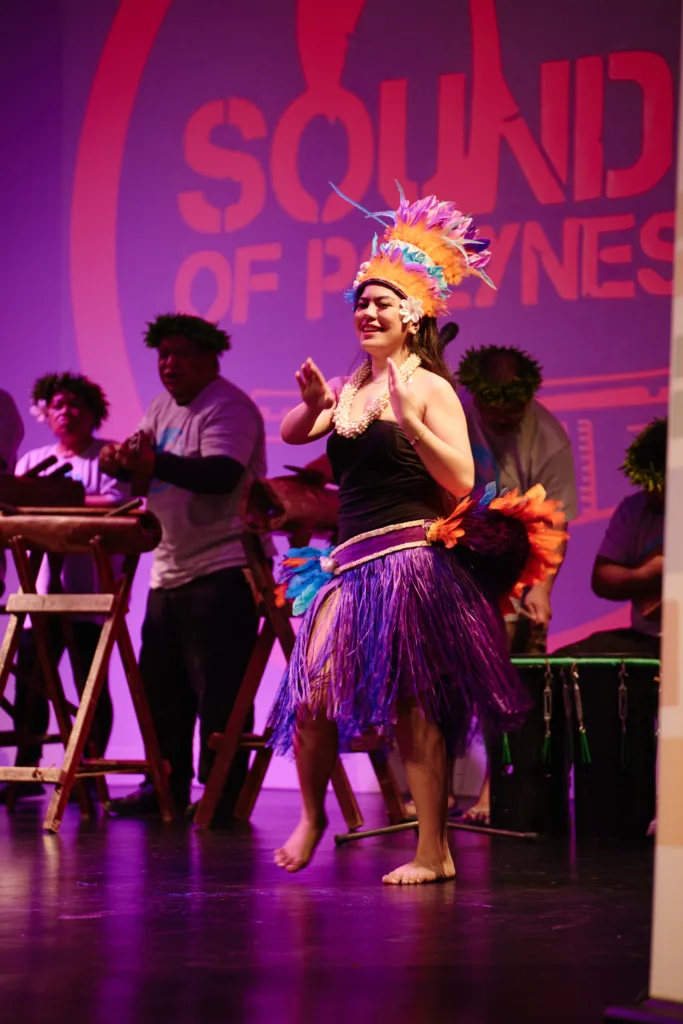
The evening culminated in cultural performances, followed by informal networking where attendees exchanged ideas and discussed strategies to address the challenges highlighted throughout the event.

Anthea Hancocks, CEO of the Scanlon Foundation Research Institute

VMC Commissioners played a pivotal role in the success of the evening. Nyangak (Lizzy) Kuoth served as Master of Ceremonies, and Sylvia Coombe hosted the panel discussion.

Mr Tarlamis shared his sentiments with The Greek Herald, expressing gratitude for Victoria’s thriving and vibrant diversity.

victorian multicultural commission end of year

“The Greek community is an integral part of our state’s multicultural fabric. They play a crucial role in assisting and supporting newly arrived communities, leveraging their knowledge and experience in navigating the challenges of migration and settlement. The Hellenic influence is evident in numerous ways across our wonderful state and country, and as an Australian of Greek heritage, I am immensely proud,” he said.

The celebration served as a powerful reminder of the essential role of collaboration in sustaining the success of multiculturalism in Victoria. While acknowledging the challenges ahead, both community leaders and government representatives reaffirmed their commitment to ensuring that all Victorians, regardless of their background, feel welcomed, safe, and empowered to thrive in the state’s diverse and inclusive society.

As the year draws to a close, the VMC’s efforts continue to set a benchmark for how multiculturalism can be both celebrated and protected for future generations.

George Miller, Veniamin Gialouris recognised at Australian Directors’ Guild Awards

The Australian Directors’ Guild (ADG) Awards has highlighted the extraordinary breadth and depth of talent among Australian screen directors, with this year’s winners comprising screen legends, emerging voices and innovative storytellers.

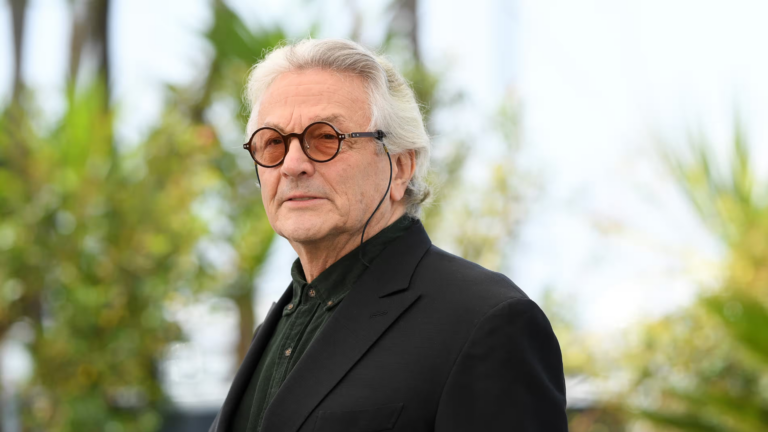
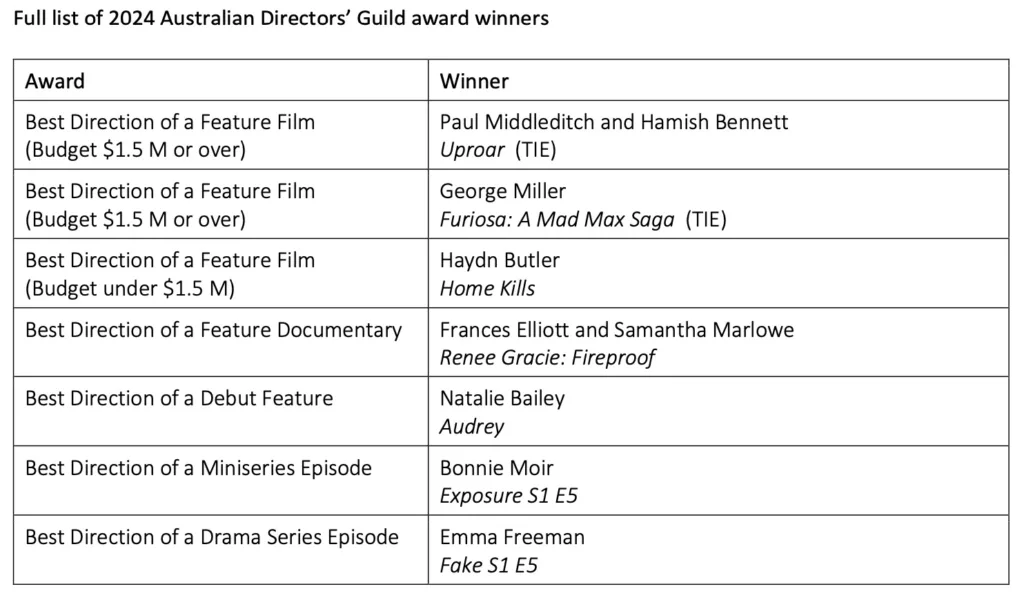
George Miller, one of Australia’s most celebrated filmmakers, added to his legacy with a win for Furiosa: A Mad Max Saga in the Best Direction of a Feature Film (Budget $1.5M or over) category.

Tying for equal first with Miller for the top award were Paul Middleditch and Hamish Bennett for Uproar, a coming-of-age comedy-drama set in New Zealand during the controversial 1981 South African rugby tour that sparked nationwide protests against apartheid and racism.

Director Tim Bullock won Best Direction of a Commercial Advertisement for AAMI ‘Athletes In The Making‘.

Sarah Hickey won the Best Direction of Commercial Content for ‘Monster & Bear: The Perfect Brief‘.

Best Direction of a Feature Film (Budget under $1.5M) went to Haydn Butler for Home Kills, a dark comedy that follows a young butcher’s apprentice who gets entangled in a web of crime when she discovers a body in a meat chiller.

Australian Directors’ Guild Executive Director Sophie Harper said distinct voices and inclusive narratives were a recurring theme among the winners announced tonight at Melbourne’s Astor Theatre, reflecting Australia’s vibrant cultural diversity. In addition to best directing awards across 19 categories, two special ADG awards were presented in recognition of extraordinary contributions to directing.

Best Direction of a Debut Feature was won by Natalie Bailey for Audrey, a heartfelt drama about a young woman struggling to find her place after a personal tragedy disrupts her life. Annelise Hickey’s Hafekasi, which explores mixed-race identity, was recognised for Best Direction of a Short Film, while Best Direction of a Student Film went to Veniamin Gialouris for Gorgo, which follows a Greek bride set to marry a man in Australia she’s never met.

Best Direction in Online Longform went to Jessica Smith for Videoland S1 E1 & E2, about 17-year-old Hayley, a video store clerk exploring her lesbian identity. Best Direction of a Documentary Series Episode or One-Off was awarded to Serge Ou for RUNN, chronicling Nedd Brockmann’s remarkable journey as he runs across Australia to raise funds for homelessness.

Best Direction of a Feature Documentary went to Frances Elliott and Samantha Marlowe for Renee Gracie: Fireproof, which shines a light on former Supercars driver Renee Gracie’s unconventional career pivot, while Best Direction of a Drama Series Episode went to Emma Freeman for Fake S1E5.

The first of the Australian Directors’ Guild special awards, the Cecil Holmes Award, was presented to acclaimed Australian screen director, producer and writer Robert Connolly in recognition of his remarkable career and advocacy for Australian cinema.

“Robert Connolly has shaped the industry through groundbreaking works and relentless support for emerging talent. He has established a reputation as a brilliant producer and mentor to directors with ‘difficult to finance’, diverse Australian feature film projects,” ADG President Rowan Woods said.

“He is an important critical thinker and thought leader who has been able to cut through institutional, financial and creative blockages to the financing, development and production of Australian screen stories. This award is a very loud thank you to Robert for his bravery, generosity and advocacy for Australian screen directors.”

The inaugural Baz Luhrmann Pathfinder Award, celebrating a director who has carved out a unique creative path, was presented to Indigenous director Dylan River – known for his deeply personal and innovative work across scripted and documentary forms.

“From directing Mystery Road: Origin to co-creating Thou Shalt Not Steal, Dylan River’s mastery of cinematography and dedication to truth-telling have earned him widespread acclaim. As the first recipient of this award, Dylan embodies the spirit of finding new and exciting ways to tell screen stories,” Mr Woods said.

Ms Harper added that this year’s ADG Awards, supported by the Australian Screen Directors Authorship Collecting Society (ASDACS), showcased Australian directors’ versatility, whether creating heartfelt humour, gripping drama or innovative online stories that push the boundaries of interactive and immersive content.

“The winners demonstrate the incredible breadth of Australian directing talent, from seasoned icons to bold new voices, and the special awards for Robert Connolly and Dylan River highlight our industry’s dedication to nurturing creativity and recognising excellence at every stage of a director’s career,” Ms Harper said.

australian directors guild

Sydney’s iconic Olympia Milk Bar set for revamp

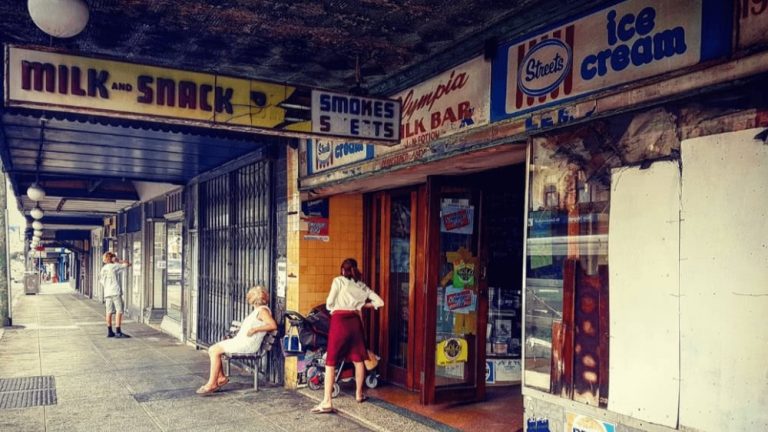
A dilapidated 1950s-era milk bar on Parramatta Road, Stanmore, is poised for a revival under a $953,000 redevelopment proposal by its new owner, Paul Barone.

The Olympia Milk Bar, which closed in 2017 after more than 50 years of operation by its late owner Nick Fotiou, is set to undergo a restoration.

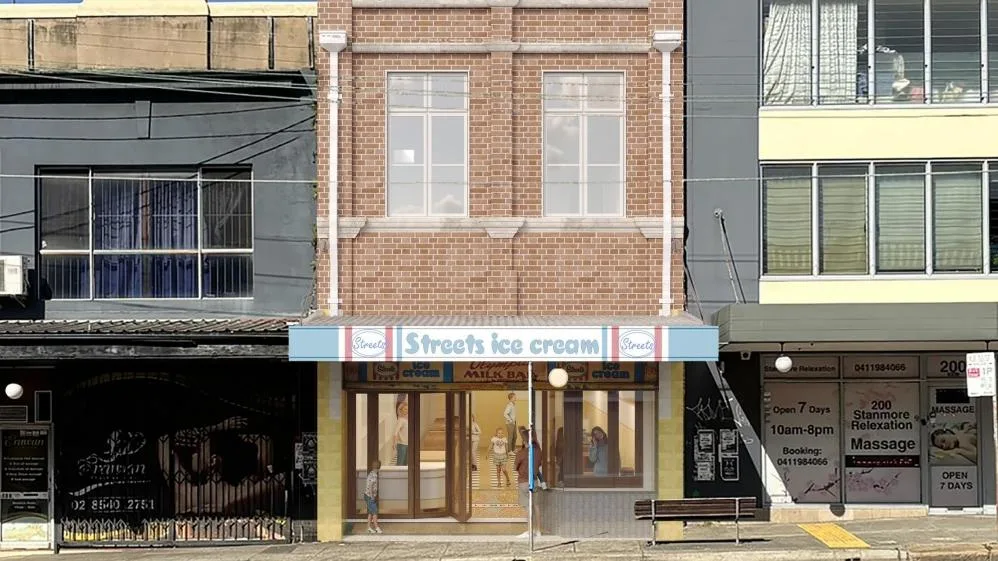
Plans include reopening the ground-level milk bar as a food and drink venue, while converting the two upper levels into a family apartment with bedrooms, living spaces, and a rooftop terrace.

Despite its rundown condition, the milk bar has garnered a cult following, inspiring novels, songs, artworks, and even a radio documentary. The site, known for its “rare surviving suburban art deco” architecture, has been granted local heritage protection by the Inner West Council.

olympia milk bar
A concept image of the redevelopment.

Mr Barone, who purchased the property in 2023, is committed to preserving its original charm.

“I genuinely want to bring it back to how it was and hopefully show that the milk bar still has a future in Sydney,” he told The Daily Telegraph.

Although some features are beyond repair, Mr Barone has salvaged as many original items as possible.

“Everyone has romanticised the shop and has wanted it brought back to exactly how it was, but unfortunately some of the items were so beyond repair they genuinely can’t be reused,” he said.

The redevelopment, designed to restore the building’s heritage character and enhance the streetscape, is awaiting council approval.

Source: The Daily Telegraph.