Home Blog Page 49

South Melbourne FC’s Mid-Season Gala showcases unity, growth and ambition

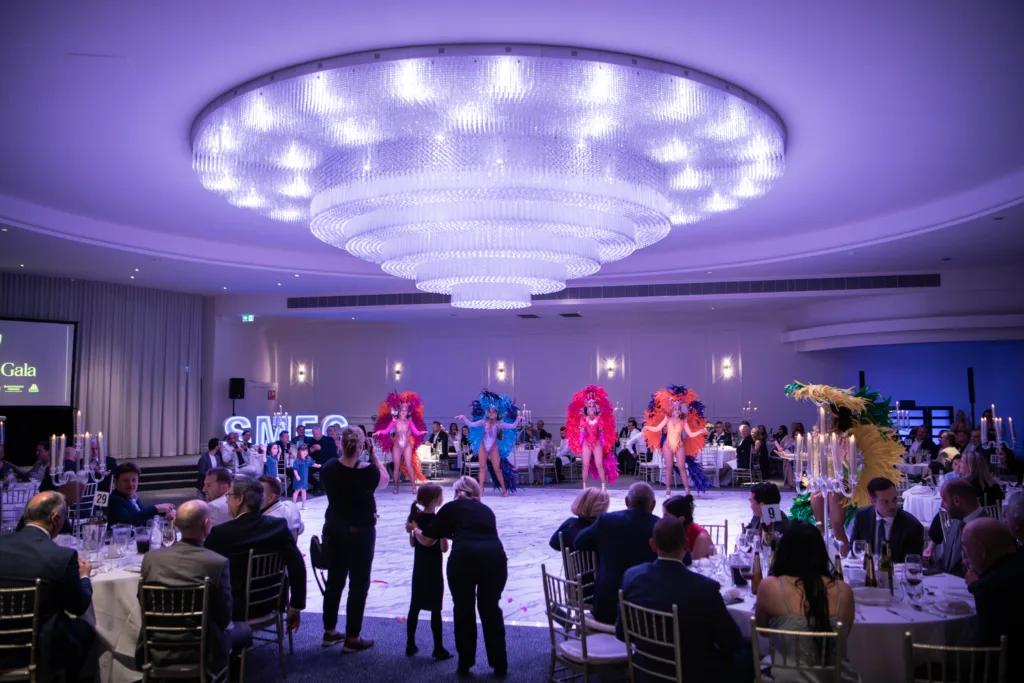
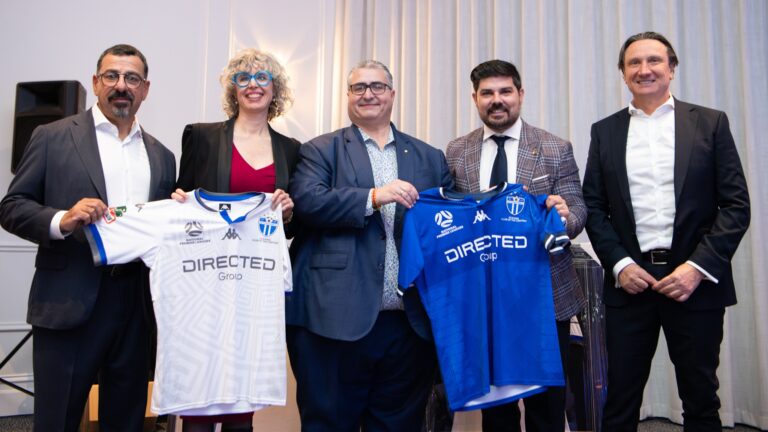
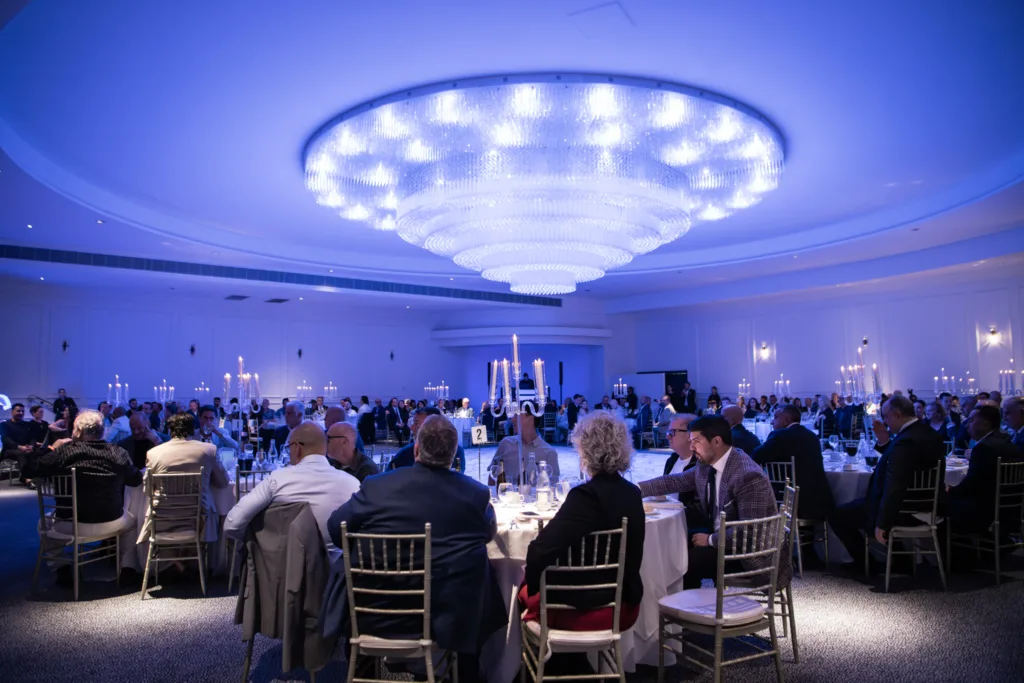
South Melbourne FC proudly hosted its Mid-Season Gala at the Hudson Room within Melrose Receptions, welcoming over 350 guests for a night that celebrated the entire football club.

A valued partner of South, Melrose Receptions once again delivered a first-class experience, with special thanks extended to Ken Skoullos and his family for their outstanding hospitality throughout the evening.

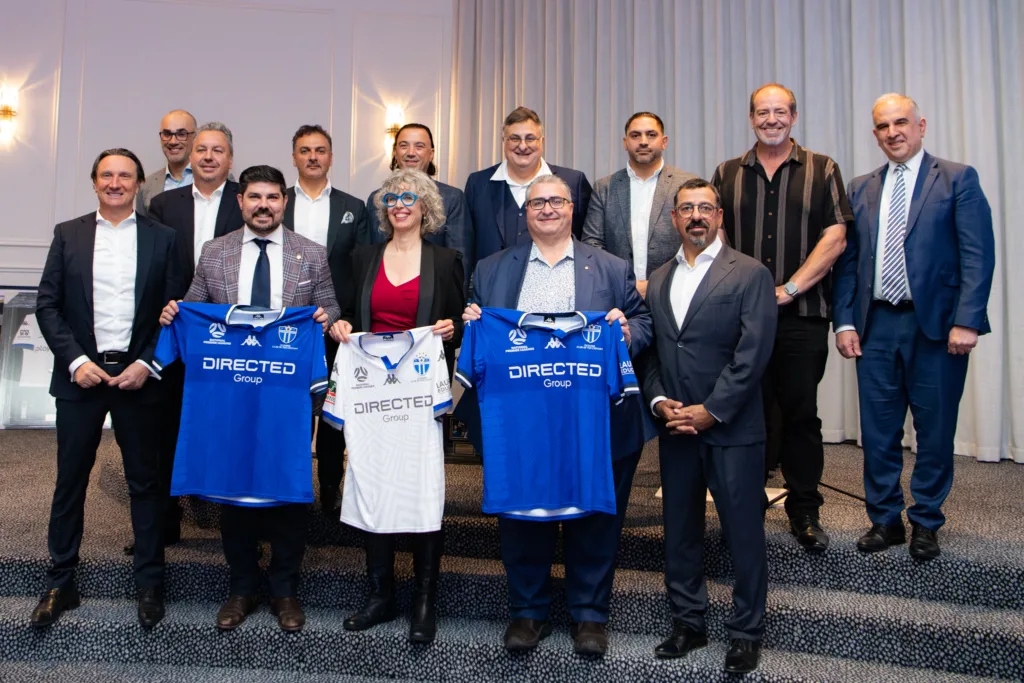
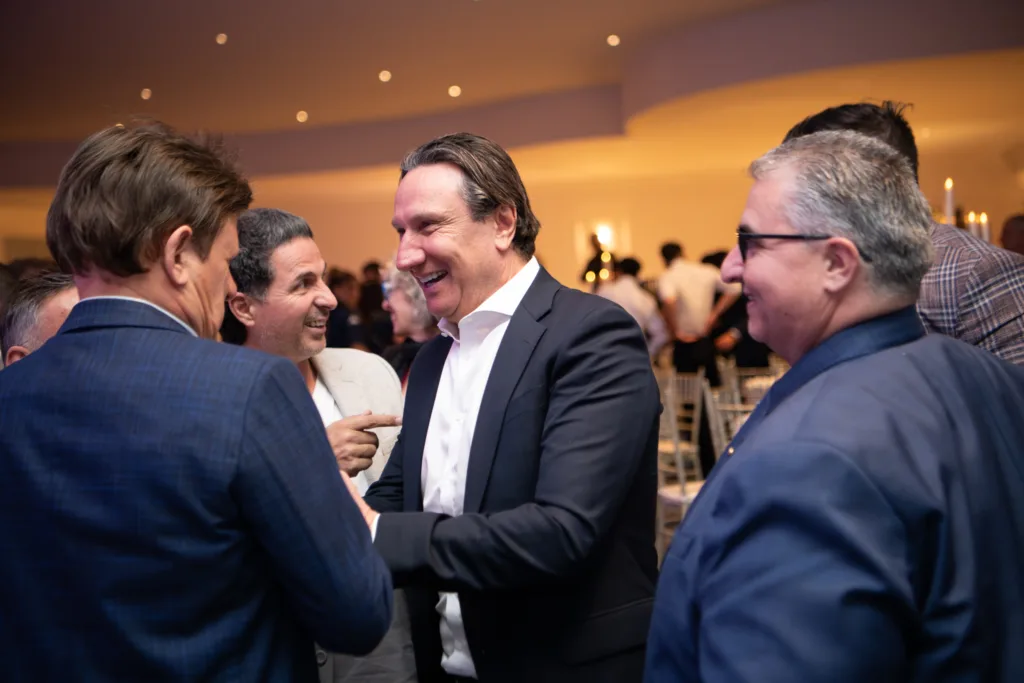
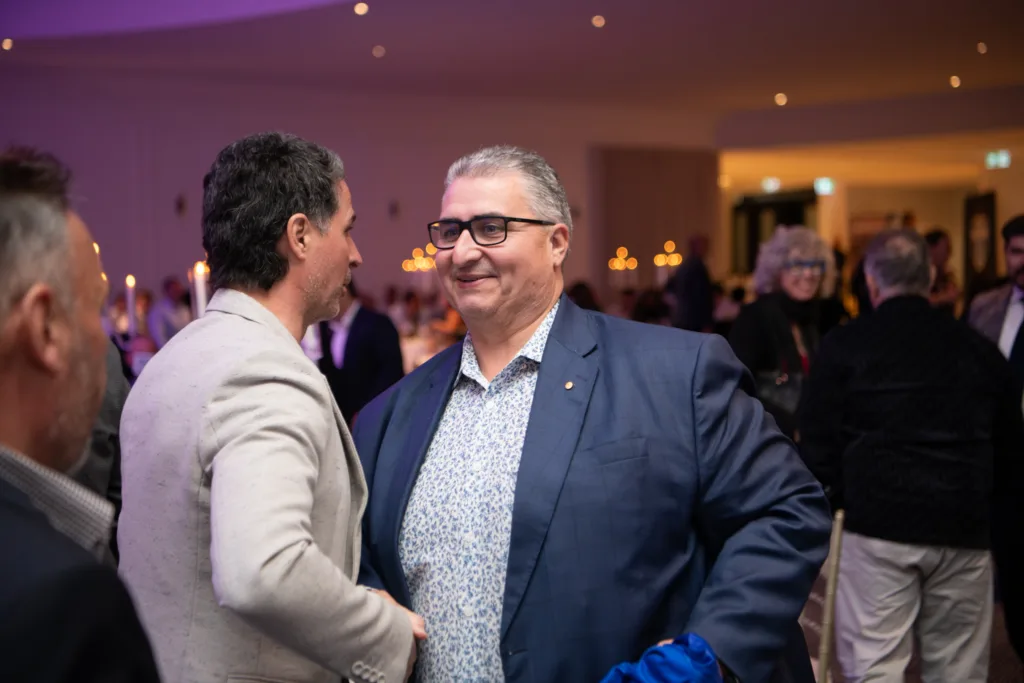
The event brought together all facets of the club, reflecting the true “One Club” philosophy. Players and representatives from the senior men’s and women’s programs, junior boys and girls, and the All Abilities teams were joined by staff, volunteers, partners and supporters in a strong show of unity.

south melbourne fc
The event brought together all facets of the club.

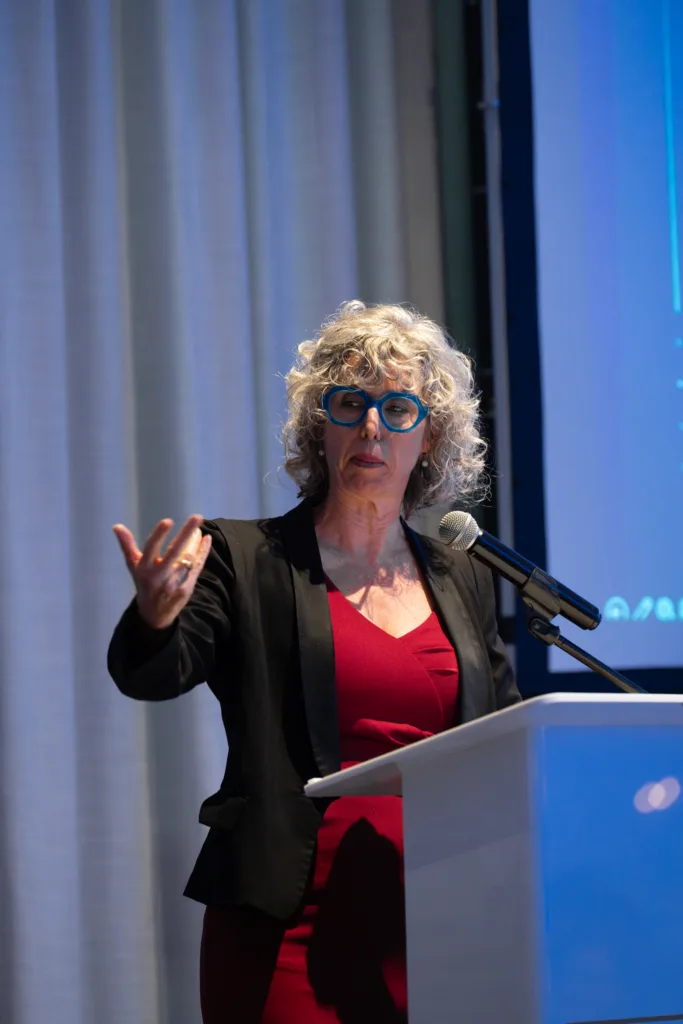
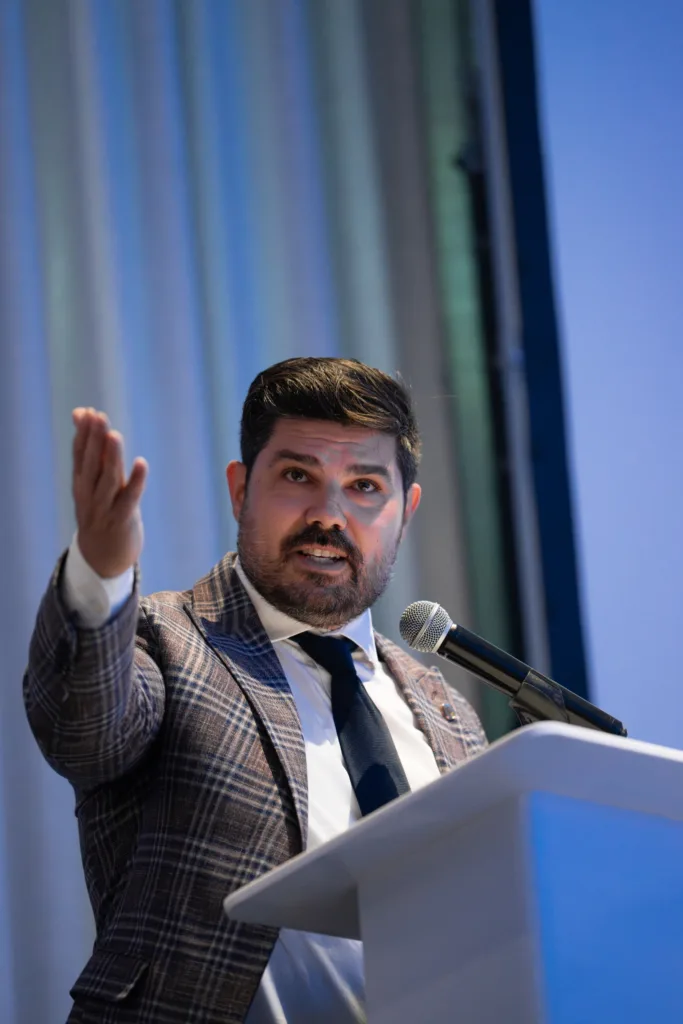
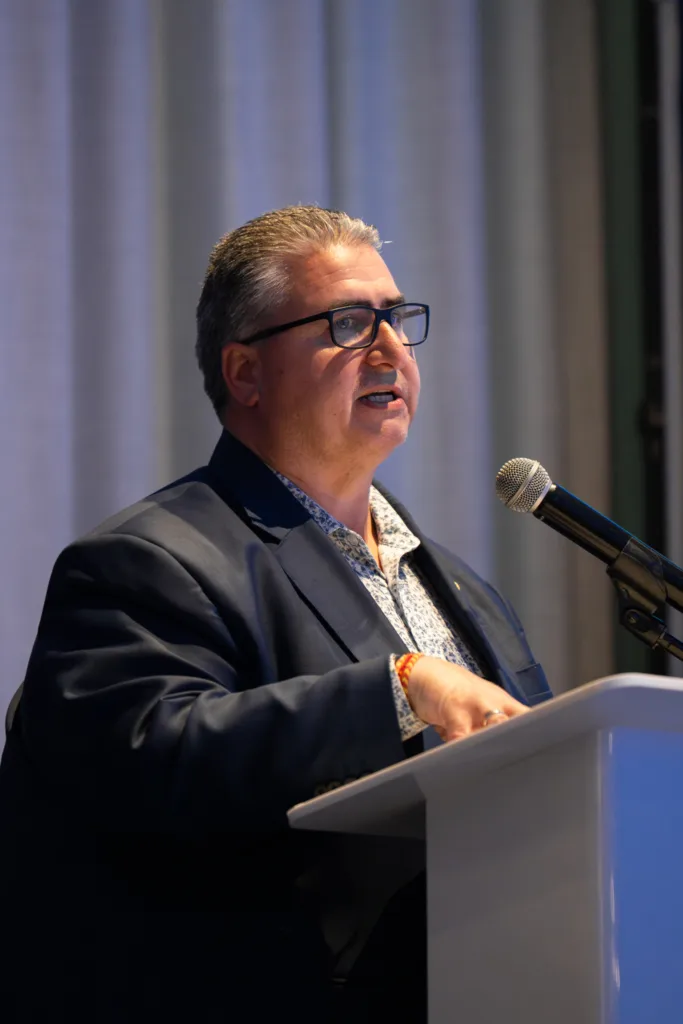
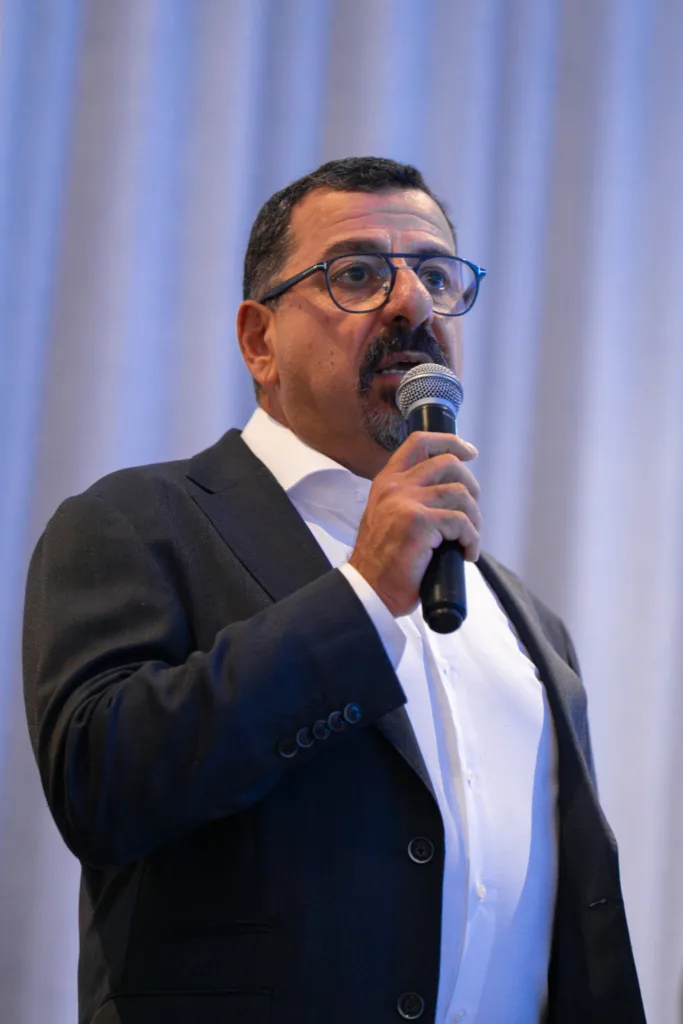
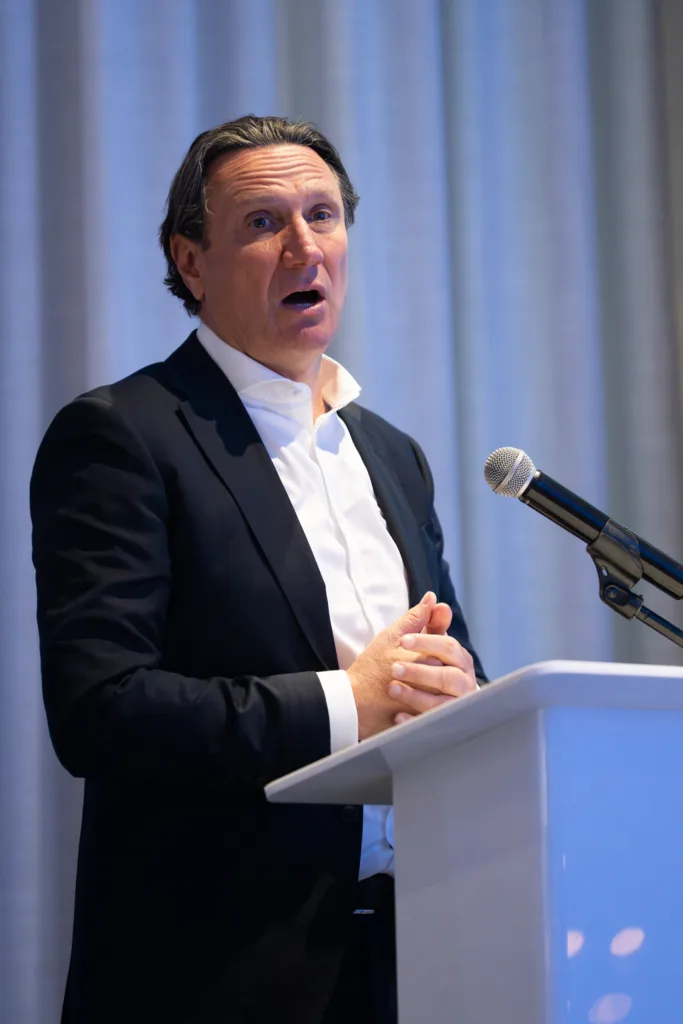
Hosted by Georgia Rajic, the evening commenced with addresses from Co-Presidents Bill Papastergiadis and Andrew Mesourouni, who set the tone for the night and outlined the club’s direction both on and off the pitch.

A key highlight early in the evening was the introduction of Nina Taylor and Anthony Cianflone as Joint Number 1 Ticket Holders at a state level, joined by respected advocate Lee Tarlamis, further strengthening the club’s ties within the broader football and political landscape.

The Co-Presidents also announced the club’s new Board and Financial Directors, marking an important step in strengthening governance and future planning. The Board, led by Co-Presidents Bill Papastergiadis and Andrew Mesourouni, includes Nick Duggal, Tass Roufos, Kon Giannakarios, Peter Kokotis, Phillip Dalidakis, John Karantzis, Mario Vinaccia, Peter Konidaris, Tony Margaritis, Marinis Pirpiris, Steve Kyriazis and Theo Chronis.

south melbourne fc

Entertainment throughout the evening reflected the club’s standing within the game. Renowned commentator David Basheer provided insight into the global game and the FIFA World Cup, while also leading a discussion with senior men regarding the club’s involvement in the OFC Pro League.

Hosted by Rajic, an engaging segment followed with senior women’s captain Francesca Iermano and Serbian international Tyla-Jay Vlajnic, highlighting the continued growth and impact of the club’s female program.

A major outcome of the evening was the incredible level of support shown through pledges and player sponsorships, with just under $300,000 raised. These funds will directly contribute to the continued development of all programs across the club.

south melbourne fc

The Powerchair team was also recognised following their VPL Cup triumph, with Head of Program Nathan McLean and Captain/Coach Fid Constantinides acknowledged for their leadership and achievement.

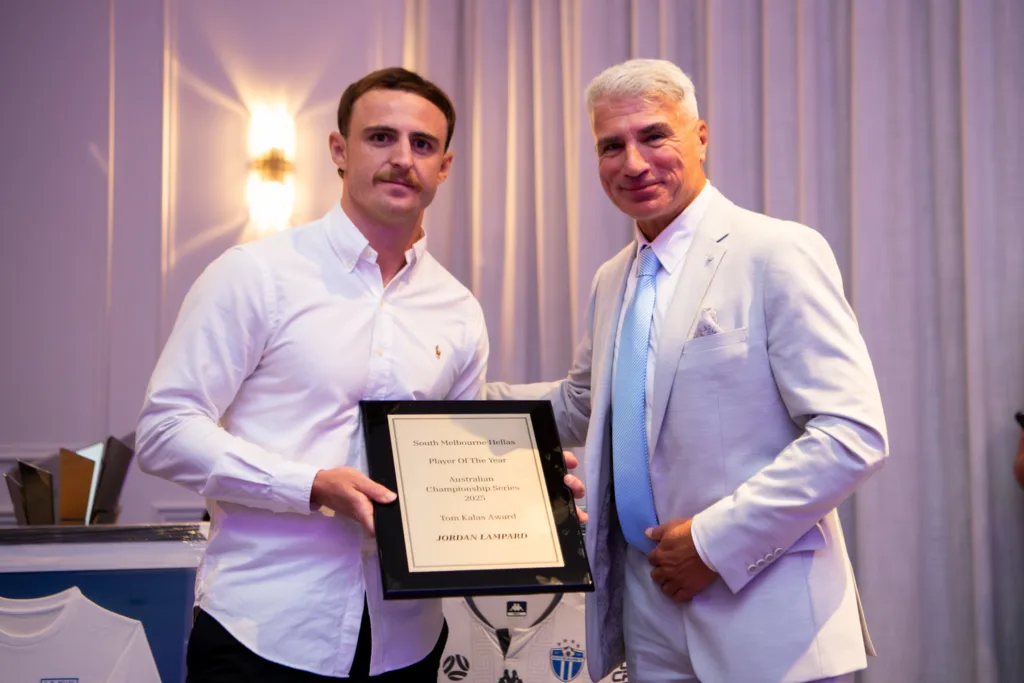
The Thomas Kalas Medal was presented to Jordon Lampard for his outstanding form in the Australian Championship. Named in honour of Thomas Kalas, a former board member instrumental in the formation of the Australian Championship, the award recognises his lasting impact on the club and the broader football landscape through his continued advocacy, always pushing for what is right in the game and fighting for clubs, our club, and everything that football should represent.

south melbourne fc
Jordon Lompard.

One of the most significant moments of the night came through the presentation of an award honouring service and dedication to South Melbourne Hellas. Named in honour of the late Jimmy Armstrong, the award recognises individuals who embody the values and spirit of the club.

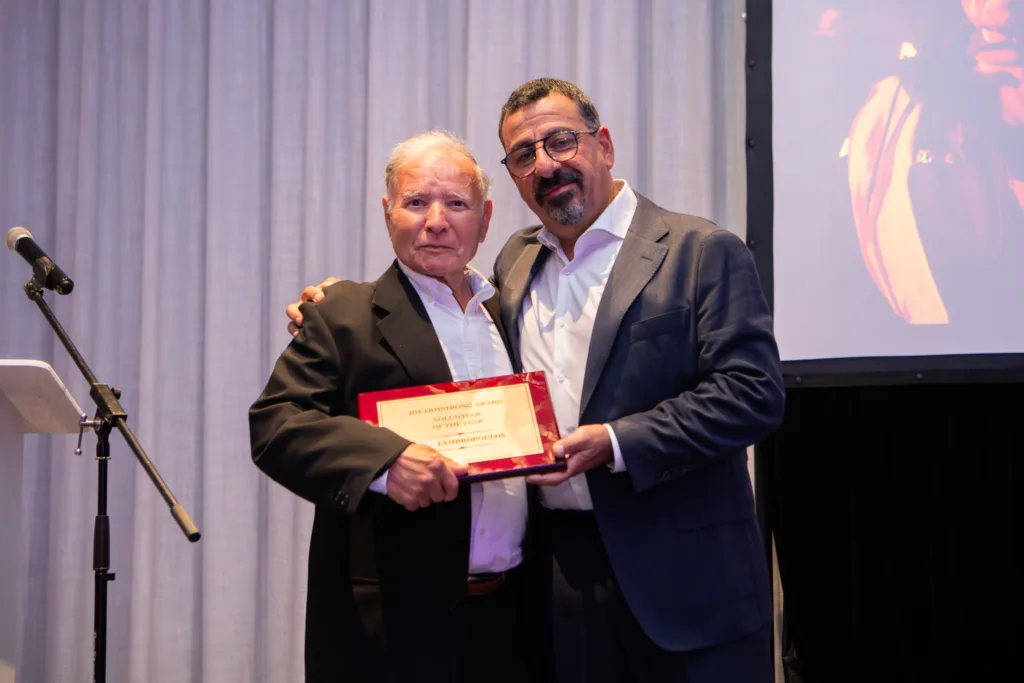
Co-President Mesourouni presented the inaugural honour to Jimmy Lambropoulos, whose connection to South spans generations. Jimmy has dedicated an incredible 58 years of service to the club. From the moment he walked through the doors, South became his home and its people his family. His contribution, loyalty and love for the club continues to define what it means to be part of South Melbourne Hellas.

south melbourne fc
Mesourouni (right) presented an award to Jimmy Lambropoulos (left).

Both Co-Presidents, Papastergiadis and Mesourouni, reinforced the importance of unity across all levels of the organisation as they continue to lead the charge across the club.

They highlighted that the strength of South Melbourne Hellas lies in its people, from juniors to seniors, volunteers to supporters, all contributing to a shared vision, while emphasising the importance of remaining connected as one club and ensuring every program and individual is part of the same journey.

“South Melbourne Hellas has always been built on its people. Nights like this show the strength of our club, bringing together every part of our football family. From our juniors to our senior programs, our volunteers to our supporters, we are united in where we are heading and what we want to achieve,” Papastergiadis said.

Mesourouni added, “Hellas continues to grow because we stay connected as one club. The support we have received, particularly from our corporate partners, plays a significant role in allowing us to invest across all programs and continue building something meaningful for the future. What we are building is something special, and it is driven by a genuine passion for South and a commitment to the future of the game.”

South Melbourne’s continued growth was also reflected in its performances on the field, with the club proudly competing in the OFC Pro League on the international stage, while maintaining a clear pathway from youth to senior football across both the men’s and women’s programs.

The Mid-Season Gala served as a powerful reflection of South Melbourne FC’s growth, unity and ambition, a club built on strong foundations, proud history and a clear direction for the future.

*Photos by Luke Radziminski

St George Thornbury marks feast day and 60 years with community celebration

0

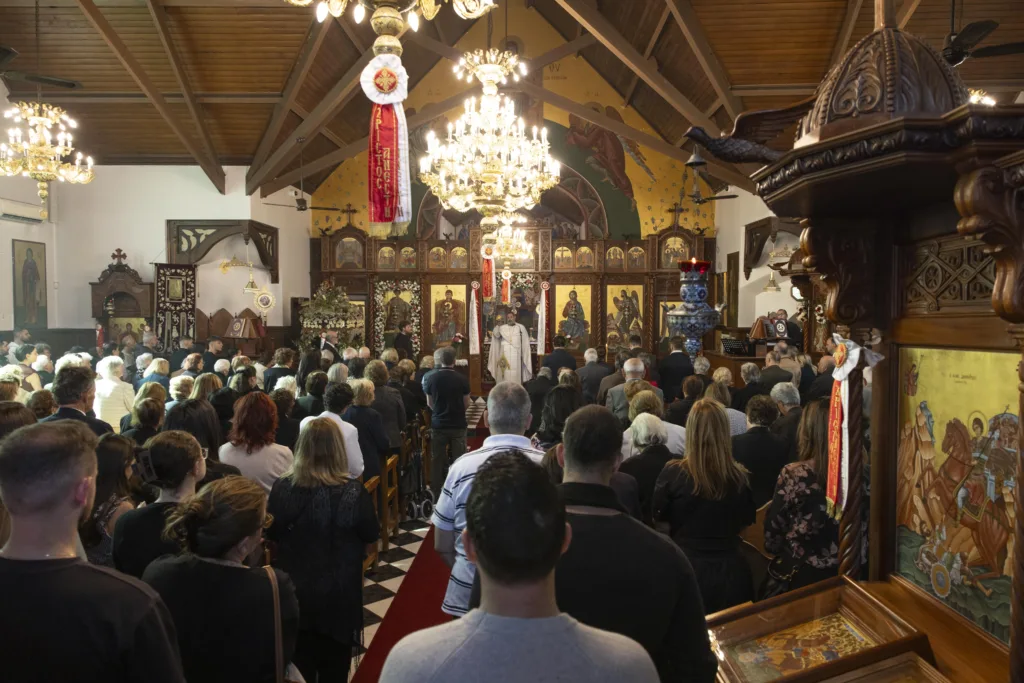
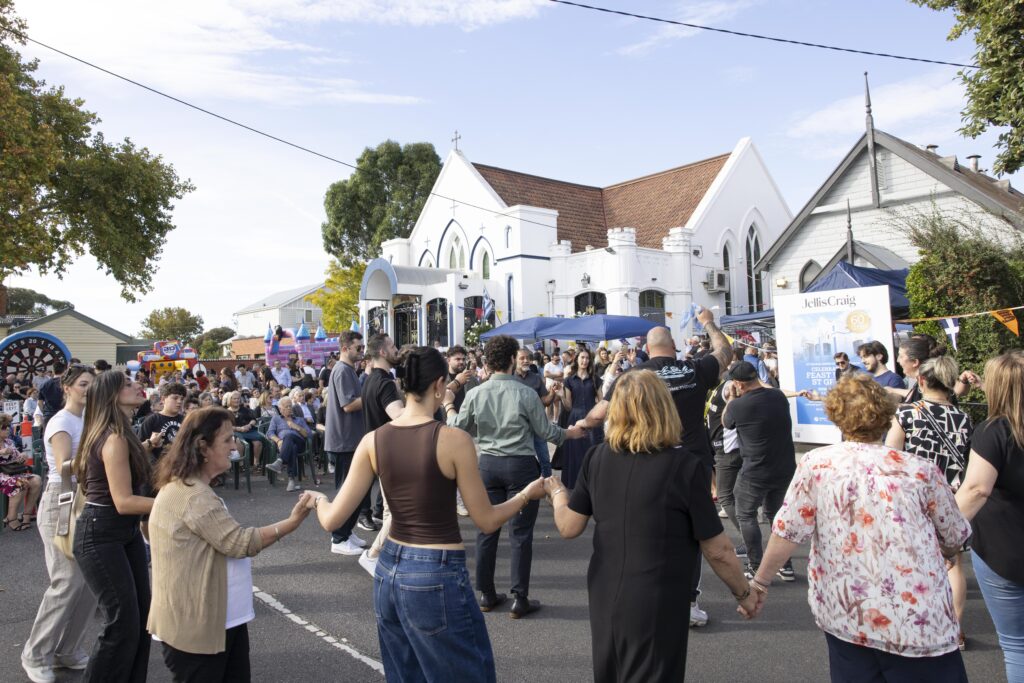
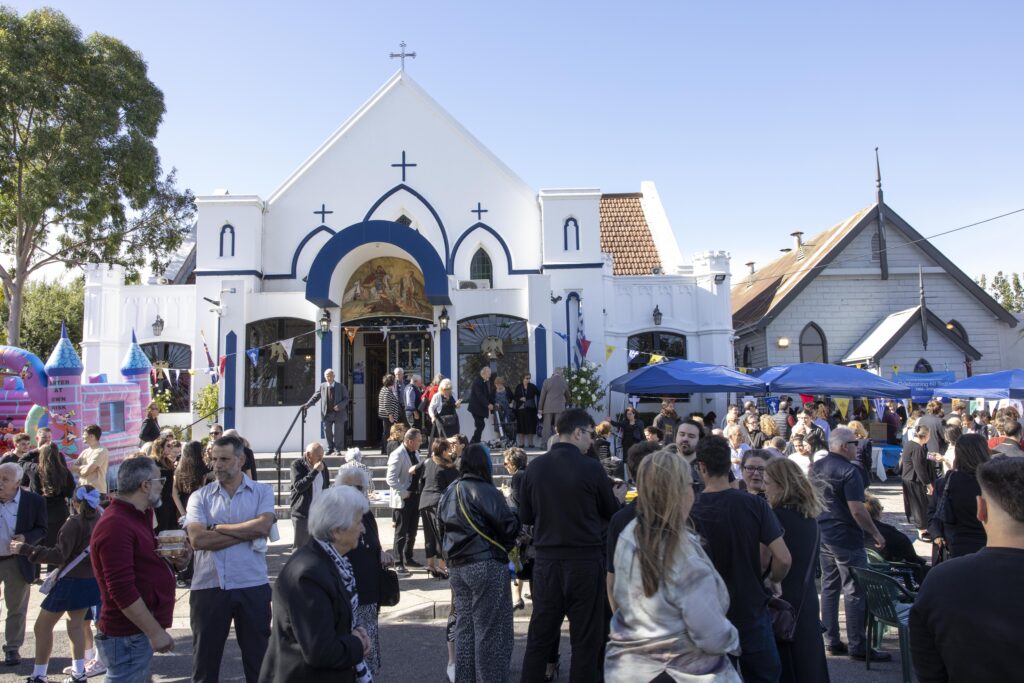
The Greek Community of Melbourne’s (GCM) St George Church in Thornbury, marked a major milestone on Sunday, April 26, celebrating both its Feast Day and its 60th anniversary with a large community event. 

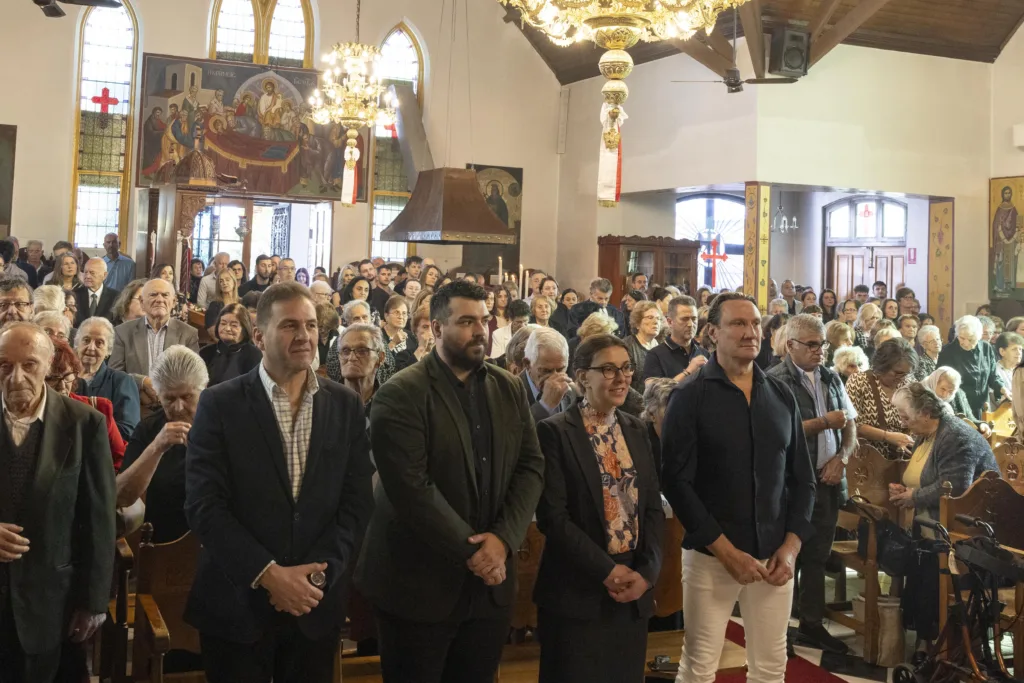
The day brought together parishioners, families, neighbours and the wider community, and included the Divine Liturgy led by Parish Priest Fr. Harris Vezos and the community festival that followed. 

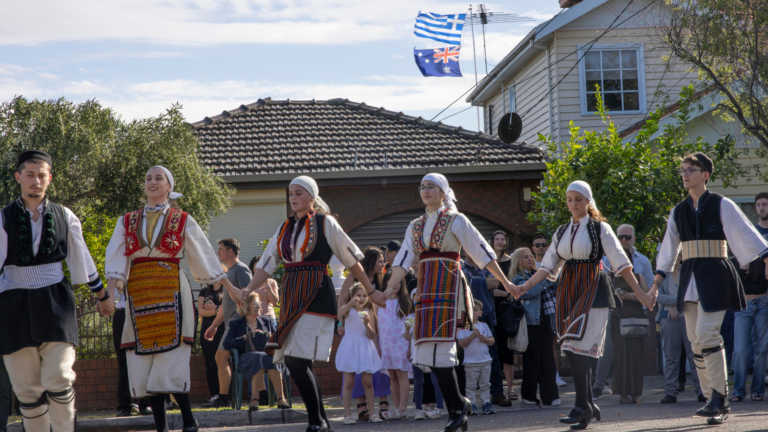
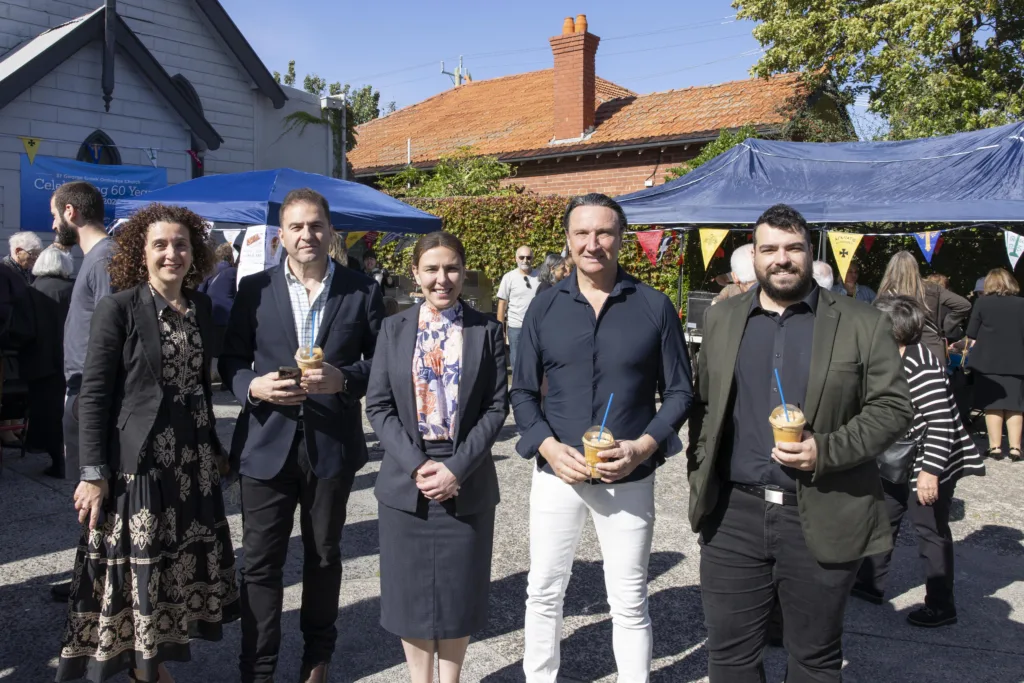
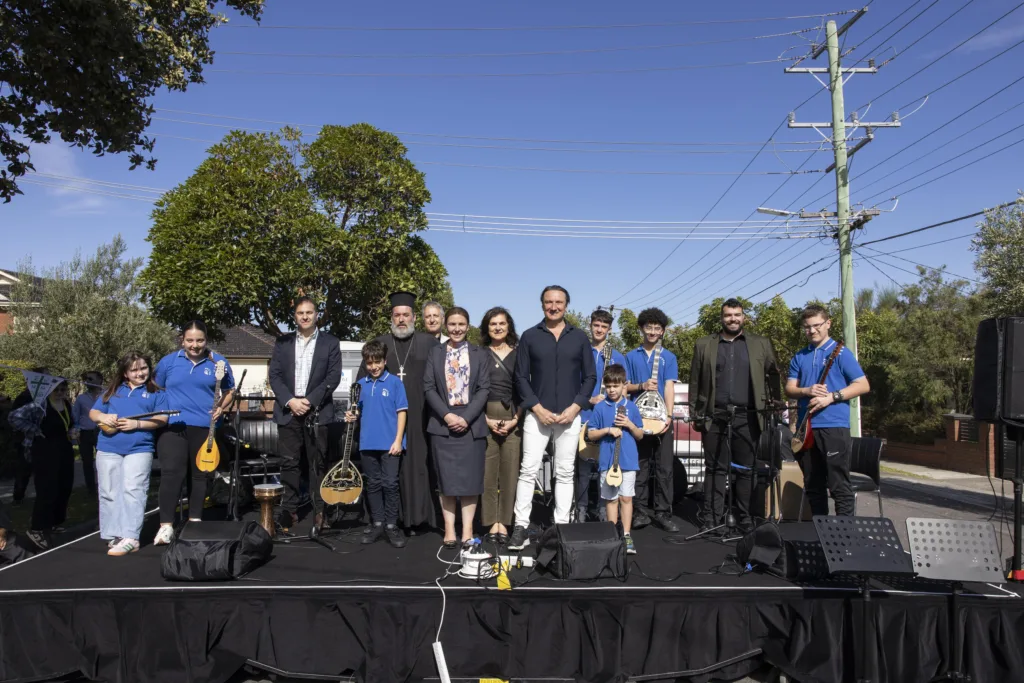
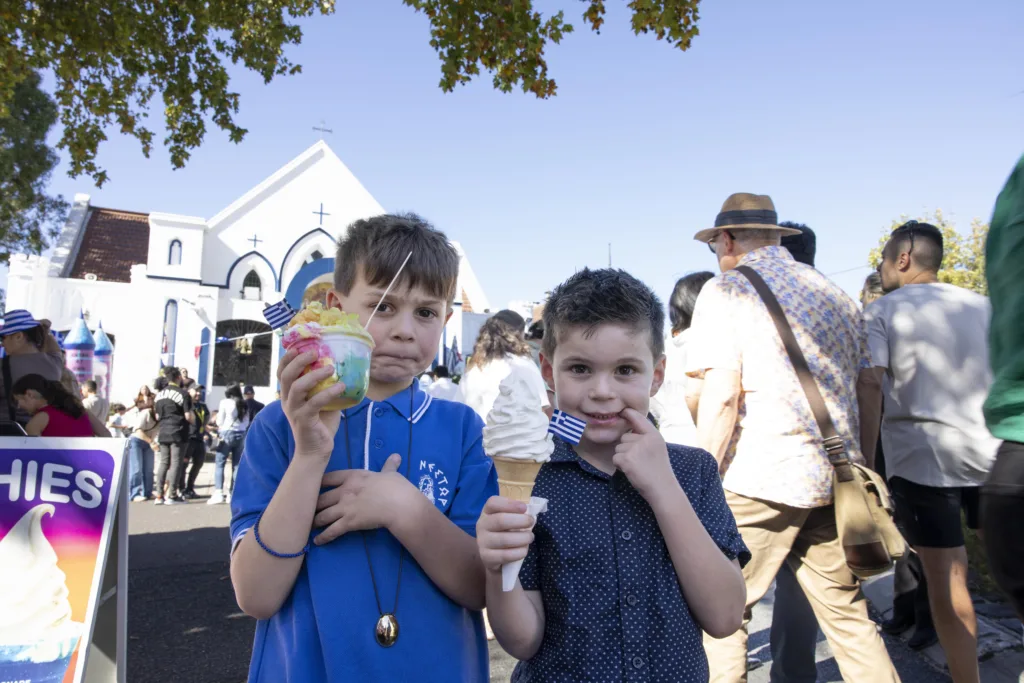
St David Street was closed to traffic as the area opened into a community space, with live music, traditional dance, pop up market stalls and activities for children throughout the day. 

Entertainment included performances by well known Melbourne band Demotika, along with dance groups O Periklis, the GCM Dance Group and Florina Aristotelis, entertaining the crowd. 

The event was attended by Mayor of Darebin Cr Emily Dimitriadis and Cr Vasilios Tsalkos, alongside members of the GCM Board, including President Bill Papastergiadis OAM, Simela Stamatopoulos, Chris Sikavitsas, Jim Bossinakis, Vicki Kyritsis, Spiridoula Demetriou and Nick Koukouvitakis. 

“Marking 60 years of St George’s is not only about recognising the generations who built and sustained this church and its programs, but it’s about the establishment of this important community hub that the church has developed into. It’s a place of worship, it’s a place to gather, it’s a place from which to deliver service,” Papastergiadis said.

“Days like today show that the Church is and continues to be an important part of people’s lives, bringing the community together across all ages.” 

In his speech, Papastergiadis referred to the first feast day held at the Thornbury church referencing a 60-year-old letter sourced in the GCM archives by the then-GCM Secretary – Mr Deliyiannis – inviting people to attend the start of the church’s services. 

“It is poignant to see that 60 years ago, we were staging similar events and celebrations for what is now an establish community stronghold in Melbourne’s inner Northern suburbs,” Papastergiadis said. 

In her speech, Darebin Mayor Cr Dimitriadis said “the importance of community and the importance of our multicultural society is best reflected in neighbourhood events such as this. It is what makes Darebin, such a great place to live in.” 

Special acknowledgment was given to the work of the Church Committee and the Philoptochos, whose ongoing efforts continue to support the church and its community. 

“This celebration shows what can be achieved when the community comes together around the church,” Nick Koukouvitakis, Chair of the Church Committee, said. 

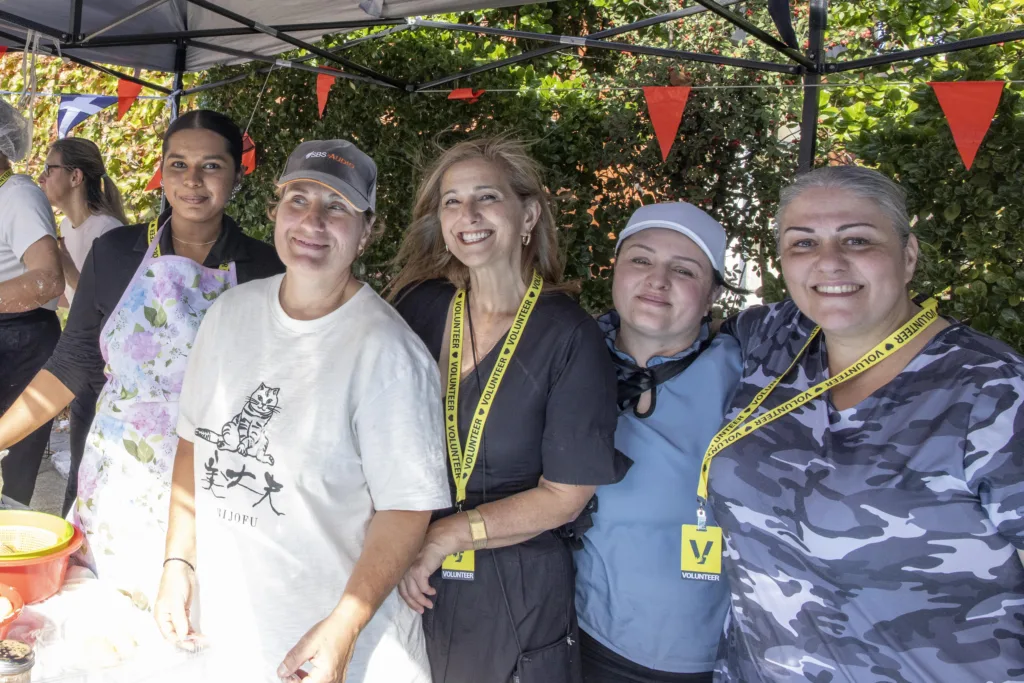
“From the volunteers to the families who came through, it’s that support that’s kept St George’s going all these years.” 

The event reflected the ongoing role of the Church as a place where people come together, stay connected and continue traditions across generations. 

*All photos by Andy McMaster.

GCM students represent Australia at international radio theatre festival

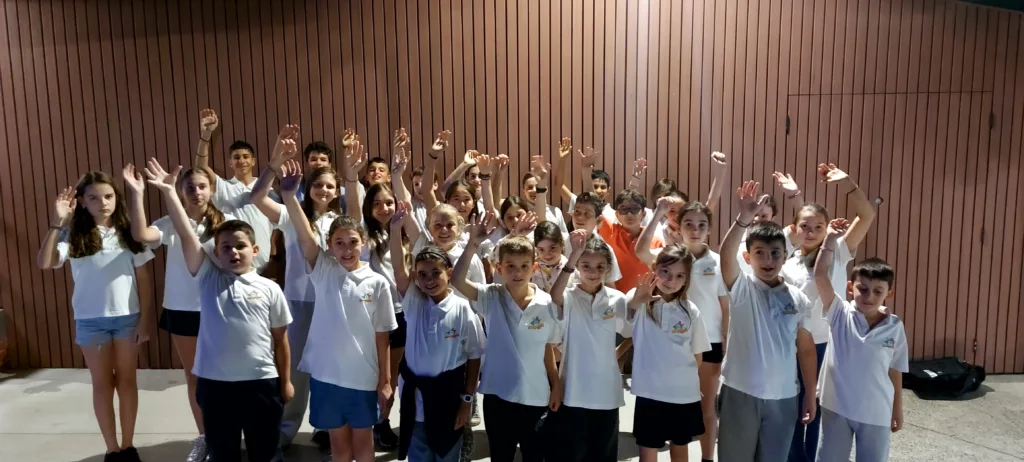
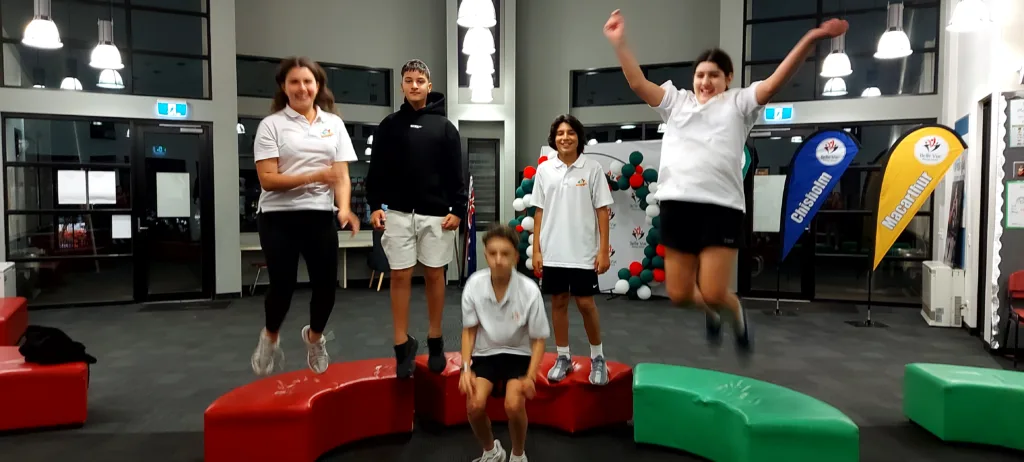
The schools of the Greek Community of Melbourne (GCM) are once again proudly participating in the 7th International Radio Theatre Festival Youth Theatre On Air 2026, representing Australia with five original audio theatre productions. 

The festival brings together young creators from Greece, Cyprus, and Australia, and is organised by Motivation in Arts (Paphos), Theatrical Visual Arts Centre (Thessaloniki), and Creative Drama & Arts (Melbourne), with ERT as the Official Media Sponsor.  

The productions were created by students from the Community’s Greek Language and Culture Schools (Balwyn, Bentleigh, and Mathesis campuses), under the guidance of drama educator Katerina Poutachidou. The works showcase students’ creativity, collaboration, and their connection to the Greek language, history, and culture. 

This year’s entries include: 

• The Turnip – Balwyn (Year 4) 
• The Exodus of Messolonghi – Bentleigh (Years 3–6) 
• April and Love – Bentleigh (Year 9) 
• When Books Talk – Balwyn (Year 7) 
• The Komboloi – Mathesis (Years 7–8) 

The public can listen to the works and vote for the Audience Award until April 29: 
https://www.dramacenter.gr/theatro-mprosta-apo-ena-mik 

(The first five works on the page are Australia’s entries.) 

The online awards ceremony will take place on May 2, while selected works will be broadcast internationally, including on “The Voice of Greece” (ERA 5), RIK, and World Radio Prague. 

This participation marks an important moment for Greek language education in the diaspora, giving young people a voice while strengthening their connection to Greek culture. 

Speaking in which tongues? The liturgical language debate

0

By Dean Kalimniou

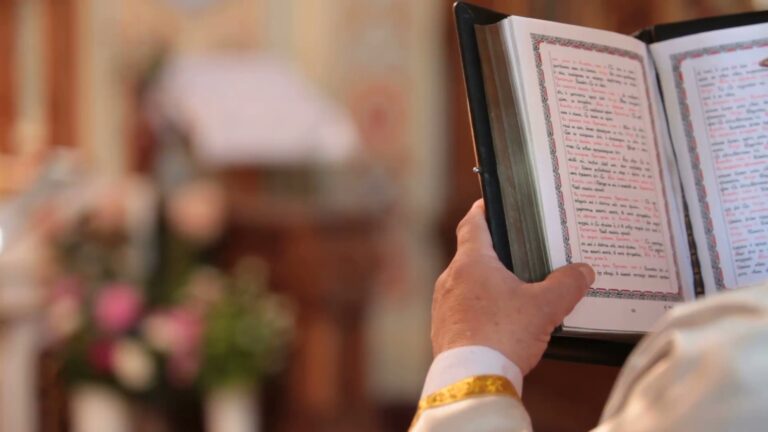
The present debate within the Greek community of Australia concerning the language of the Divine Liturgy unfolds with a curious intensity, as though beneath its surface there stirs a deeper anxiety about continuity, belonging, and the fragile architecture of memory.

It is a debate that draws upon history, sentiment, theology, and the lived realities of a diasporic existence that has long ceased to be anchored in a single linguistic world, and yet continues to seek, with varying degrees of urgency, a point of coherence.

For my own part, I admit at the outset to a profound attachment to the Greek language of the liturgy, one that has its origins in childhood and which has only deepened with time. The cadences of the troparia, the intricate weaving of doctrine into poetry, the subtle harmonies through which theology is rendered audible, all these have shaped my sensibility in ways that defy easy articulation. When the hymns are chanted in Greek, there arises a sense of aesthetic and spiritual completeness, as though language itself becomes an icon through which the divine is intimated. This experience, I readily concede, is subjective. It belongs to the realm of personal formation, of memory, of the ear attuned to certain sounds and not others.

In English, I find no such resonance. Others may well experience the inverse. When I hear the troparia in Greek I am entranced and enthralled, seized by the artistry of the language, by its poetics, by the astonishing skill with which fearsome and intricate theology is distilled into phrases of such delicacy and force. That I do not experience this in English is no argument. It is a confession. I prefer the liturgy in Greek and derive comfort from experiencing it in the language my ancestors have participated in it, down the centuries.

Yet it is precisely here that the tension emerges, and it is a tension that is neither new nor peculiar to our circumstances. The Orthodox Church, from its earliest centuries, has prided itself upon its capacity for evangelisation, for the transmission of its message across linguistic and cultural boundaries. The mission of Saints Cyril and Methodius stands as a testament to this impulse, their creation of an alphabet for the Slavic peoples arising from the conviction that the Gospel must be understood if it is to be embraced. The subsequent elevation of Church Slavonic into a liturgical language reflects a paradox that has recurred throughout religious history, whereby a vernacular, once sanctified, assumes a permanence that transcends its original communicative function.

The Greek Orthodox tradition itself participates in this paradox. The language of the liturgy, though rooted in a historical vernacular, has long since acquired a sacral quality that resists reduction to mere utility. In this respect, it stands alongside other religious traditions in which language operates as a vessel of continuity rather than immediate comprehension. Latin persisted within the Western Church until the reforms of the Second Vatican Council. Sanskrit continues to bear the weight of sacred Hindu texts. Classical Arabic remains the language of the Qur’an, its recitation uniting believers across diverse linguistic landscapes. The Coptic Church preserves a hybrid liturgical form derived from a language no longer spoken in daily life as well as Greek, and yet this has not diminished in the slightest the immediacy, primacy, or cultural indispensability of that sacred tongue. The irony is instructive. Comprehension has not proven to be the sole or even primary condition of devotion.

What is striking in these examples is the absence of any simple correlation between understanding and devotion. Millions participate in rituals conducted in languages that elude their full comprehension, and yet find within them a depth of meaning that transcends the literal. The sacred language becomes, in such contexts, a repository of continuity, a bridge to an ancestral past that remains constitutive of present identity.

At the same time, there exist countervailing examples within the Orthodox world itself. The Greek Orthodox Church of Antioch, once predominantly Greek in its liturgical expression, has embraced Arabic as a language of worship, reflecting the linguistic realities of its faithful. This shift underscores a principle that has always coexisted with the preservation of sacred languages, namely the imperative of accessibility. If worship is to form, instruct, and gather the faithful, there remains a compelling case that the faithful ought to know, at least in substantial measure, what it is they are affirming. It is in this context that the words of Saint John Chrysostom acquire their proper force: “If you do not know what is being said, you say ‘Amen’ in vain.” That observation cannot be brushed aside lightly, for it arises from a pastoral concern as much as a theological one.

The early twentieth century controversy in Greece over Queen Olga’s initiative to translate the Bible into the vernacular, which provoked riots and intense political upheaval, reveals the extent to which language can become a site of contestation, where questions of authority, identity, and legitimacy converge. The so called Evangelika disturbances did not concern mere philology. They exposed a deep fear that once sacred language is surrendered, a civilisation begins to forfeit the forms through which it has imagined itself.

Australia inherits this complex historical legacy and refracts it through its own particular conditions. It is a society in which monolingualism predominates, where the acquisition of foreign languages often encounters resistance that borders on the existential. Within such a context, the transmission of Greek across generations becomes fraught with difficulty. The children and grandchildren of migrants, while often expressing pride in their heritage, increasingly express the view that they find themselves estranged from the language that once served as its primary vehicle. This estrangement manifests not only in everyday communication, but also in the realm of worship, where some claim the liturgical language is an impenetrable barrier. While Australia is a multicultural society, it is, in many respects, a society in which foreign languages are regarded with suspicion, inconvenience, or polite impatience, and this almost ontological hysteria before the task of language learning is transmitted to and internalised by descendants of migrants with remarkable efficiency.

I find myself unable to comprehend fully the reasons for this disconnection, yet its existence is undeniable. There are Greek Australians for whom the language of their ancestors has receded into a symbolic realm, invoked in moments of celebration or nostalgia, yet absent from the texture of daily life. For such individuals, the liturgy in Greek may evoke a sense of exclusion rather than belonging. This is particularly so in an age of mixed marriages, diffuse communal loyalties, and conversion, where the parish contains not only those formed by inherited Greekness, however attenuated, but also those who approach Orthodoxy from outside the ethnic fold altogether.

One may insist that we are Greek and that Greek therefore belongs naturally in our churches, yet this assertion becomes unstable the moment one asks what occurs when Greeks no longer feel particularly Greek, when their descendants inherit surname without language, sentiment without practice, ancestry without immersion. What, too, of the convert for whom the faith is real and urgent, yet for whom Greek is a wall rather than a window? What of the spouse in a mixed marriage who stands beside the family, faithful, willing, present, and yet perpetually unaddressed? These are insistent challenges which are generally addressed via social interaction rather than linguistic iconoclasm.

Those who advocate for the retention of Greek within the liturgy often appeal to history, and with some justification. In the Balkans, liturgical language did not merely reflect identity. It enforced and contested it. To worship in Greek, Bulgarian, or Romanian was to declare allegiance within a landscape where church, school, and nation were inseparable. This was no abstract cultural preference. It unfolded within a struggle marked by coercion, reprisals, and at times outright violence, particularly during the upheavals surrounding the Balkan Wars, when competing national projects sought to secure populations through ecclesiastical and linguistic control. To choose a liturgical language was, in effect, to choose a side, and that choice could carry grave consequences. The Church stood at the centre of this process, preserving Greek identity in some contexts with remarkable tenacity, while in others becoming entangled in projects that subordinated faith to emerging nationalisms, a dynamic that would ultimately lead to the formal condemnation of ethnophyletism as a heresy.

In Australia, the situation is markedly different. The social and political conditions that once rendered language a determinant of identity have been supplanted by a multicultural framework in which affiliations are more fluid and less immediately consequential. The argument that the Greek language must be preserved within the liturgy as a bulwark of identity therefore requires careful examination. It retains symbolic force, yet its practical efficacy may be diminished. Many argue that attendance at a Greek church no longer determines allegiance in any immediate political sense, and the old Balkan equation between liturgical language and identity does not operate with the same urgency.

Equally, the claim that the use of Greek alienates the faithful and contributes to declining attendance demands scrutiny. If language alone were the determining factor, one would expect other English-speaking churches to be flourishing. The evidence suggests otherwise. Secularisation exerts its influence across denominational and linguistic lines, reshaping patterns of religious engagement in ways that cannot be reduced to questions of comprehension. If the central difficulty were simply that people do not understand Greek, Protestant and Catholic churches conducted in English should be overflowing. They are not. The crisis of religious participation in the contemporary West has causes far deeper than vocabulary.

At the same time, there are communities, such as the Coptic and Assyrian churches, which have introduced English liturgies for younger generations and have witnessed significant participation. This phenomenon invites a more nuanced analysis. For many from Middle Eastern backgrounds, religious identity assumes a primacy that transcends linguistic considerations. In the Assyrian case, however, language retains a central role, indicating that the relationship between language and worship is mediated by a complex interplay of priorities and historical experiences. This suggests that the question is not simply whether language matters. It suggests rather that communities order their inheritances differently. Some privilege comprehension in worship. Some privilege continuity of ancestral speech. Some seek a hybrid equilibrium. These are, relatively new and not established communities. The answer, in other words, is rarely binary.

The Greek community in Australia occupies a position that resists simple categorisation. It is a community in which multiple languages coexist, often within the same individual, each associated with different registers of experience. Greek may function as the language of heritage and ceremony, English as the language of everyday interaction, and the liturgy as a space where these dimensions intersect. The question, therefore, is whether a synthesis can be achieved that honours this multiplicity without reducing it to a lowest common denominator. Perhaps the true challenge is to discover a mode of worship that reflects the multifaceted nature of our community, one in which several languages may coexist in different registers at the same time, and in which pastoral reality is neither sacrificed to aesthetic nostalgia nor severed from inheritance.

It is also far from self-evident that the assumptions inherited from an earlier migrant era remain empirically true. Much is asserted in communal discourse about the Church as guardian of language, identity, and continuity, yet little serious evidence appears to have been gathered as to how later generations actually experience these institutions, how relevant they find them, or what forms of belonging they now seek. In an age of secularisation, selective participation, and assimilation, the old certainties may be more rhetorical than real. Then again, given the longevity of the Church’s experience we would do well to view its entire trajectory before assume reactive positions.

What is perhaps most revealing in the current debate is that the language in which it is conducted by all parties is primarily English. Whether one militates for the retention of Greek or urges the introduction of English, one does so, overwhelmingly, in the language of the surrounding society. That fact alone says a great deal about where the community now stands. The debate about Greek is largely no longer being waged in Greek. The Greek language, even as it is defended or contested, becomes the object of a discourse that unfolds outside its own parameters.

In such a moment, one recalls the teaching of Saint Kosmas the Aetolian, who regarded the Greek language as indispensable to the renewal of the people. He spoke of it as a treasure through which faith, education, and collective self-recognition might be restored, binding language to liberation and renaissance, to the recovery of a people through the recovery of its speech. Yet the conditions of contemporary Australia are altogether different. The language now stands widely acknowledged to be in terminal decline among many of the third generation, and its preservation can no longer be assumed merely because it is praised. The question that lingers is whether the Saint’s premise itself still holds. In my opinion, the Saint’s words hold the key to our survival.

The debate, then, reveals less a division between opposing camps than a community in the midst of negotiation, seeking to reconcile the claims of tradition with the demands of present reality. It is a negotiation that resists definitive resolution, for it touches upon elements that are deeply personal and collectively significant. Language, in this sense, becomes both a symbol and a practice, a site where memory, identity, and belief converge. The fact that opinion appears so evenly divided is itself fascinating, for it suggests not a settled communal instinct but a people suspended between inheritances, uncertain which losses they are prepared to endure and which they still imagine reversible.

An acknowledgment of this complexity, a willingness to move beyond binaries and an embracing of a plurality that reflects the lived experience of the community may assist in interrogating the issue. Such an approach would require a sensitivity to the diverse ways in which individuals relate to language and worship, an openness to forms of expression that honour both heritage and accessibility. A hybrid solution may prove neither compromise nor capitulation, and may instead constitute an authentic response to a community that already lives in layered linguistic worlds, hopefully allowing those who do not see the importance of retaining Greek, to place it in its proper context.

Whether the Greek language will continue to occupy a central place within the liturgy in Australia remains an open question. What is certain is that the discussion itself has illuminated the enduring significance of language as a bearer of meaning, a marker of belonging, and a medium through which the sacred is encountered. In the end, the future of the liturgical language will depend upon the choices of those who inhabit this tradition, choices that will shape the contours of identity for generations to come. It remains to be seen whether Greek will endure within the liturgy as a holy language lovingly transmitted, or whether it will eventually be discarded by those who no longer experience it as inheritance, only as obstacle. That decision, when it comes, will say much not only about how Greek Australians (and those who join them) pray, but about who they believe themselves to be.
Roll the dice: Perth’s Greek community gets set for Tavli championships

0

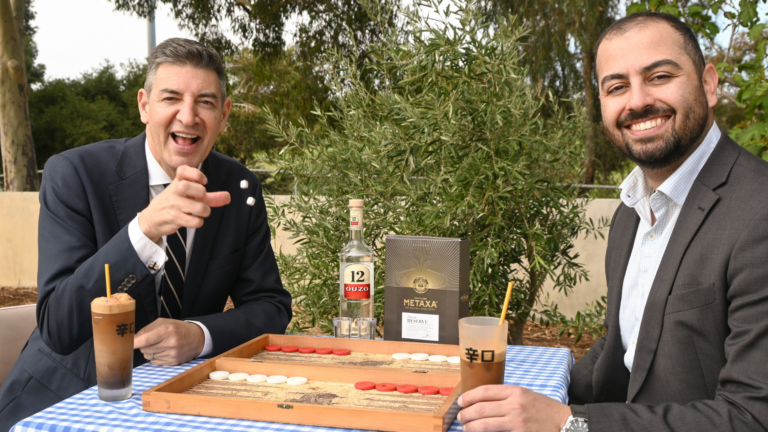
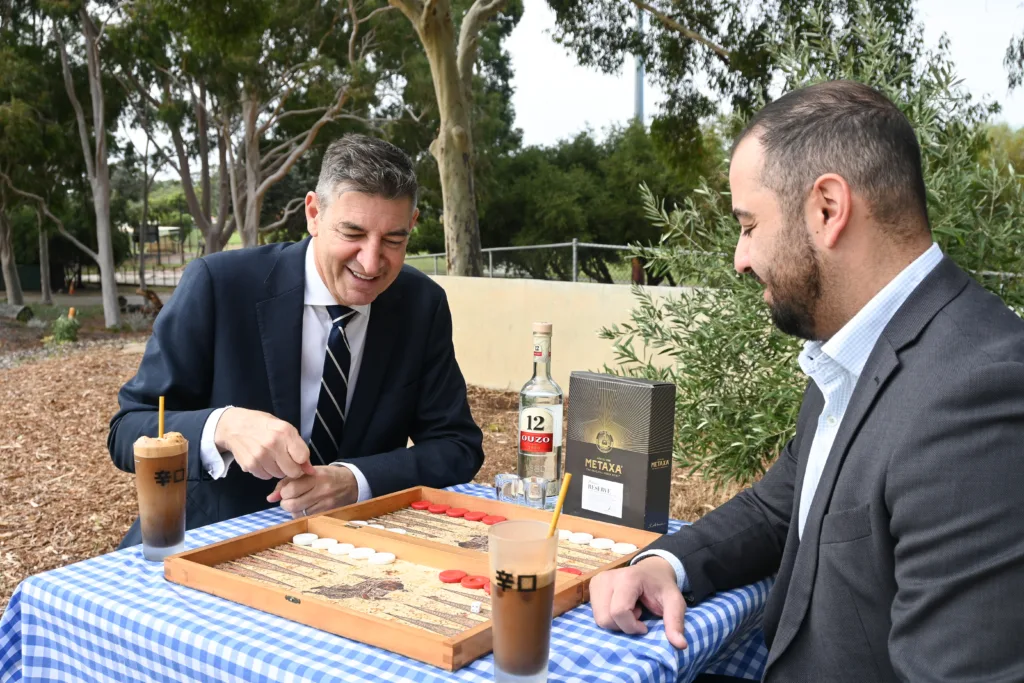
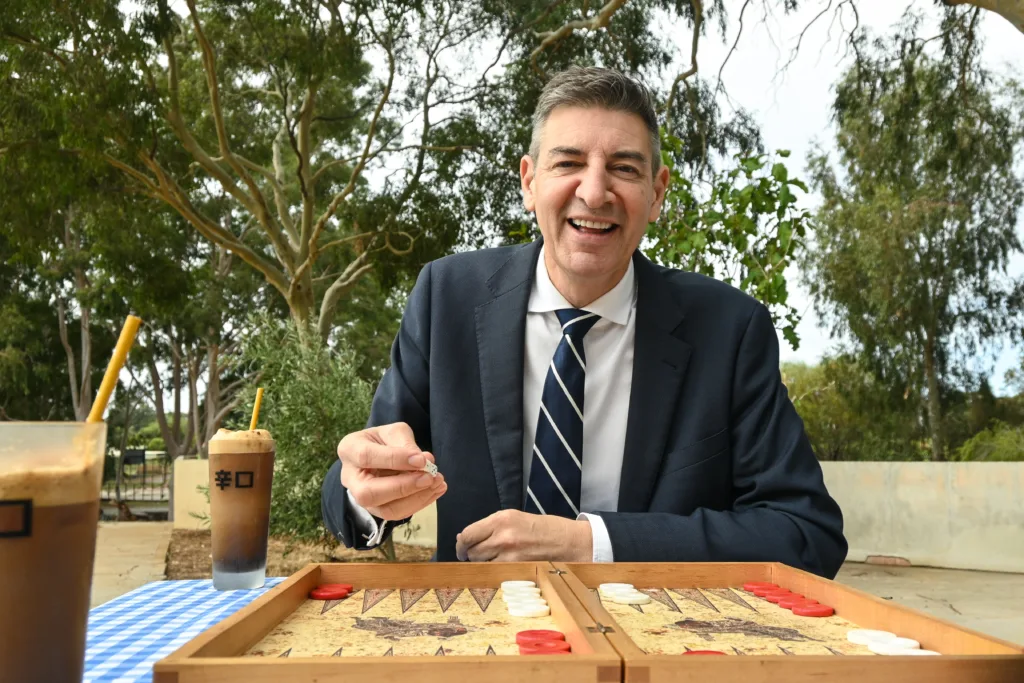
The Hellenic Community of Western Australia is inviting players of all skill levels to take part in its inaugural Tavli (backgammon) tournament, bringing strategy, tradition and a touch of friendly rivalry to the heart of Northbridge.

Set to take place on Sunday, 3 May 2026, the championship celebrates the timeless appeal of Tavli – a game deeply embedded in Greek culture.

Whether a seasoned strategist or a confident quiet contender, the tournament is open to all players of all abilities.

CEO of the Hellenic Community of Western Australia, Paul Savvas, said the tournament marks an exciting new addition to the organisation’s cultural calendar.

“Tavli is more than just a game – it’s a tradition that has brought people together in homes and community spaces for generations,” Mr Savvas said.

“This inaugural championship is about celebrating that heritage while creating a welcoming and social environment for both experienced players and newcomers alike.

“We’re proud to open our doors to the wider community and invite everyone to be part of what we hope will become a much-loved annual event.”

WA Opposition Leader Basil Zempilas encouraged members of Perth’s Greek diaspora to embrace the opportunity to connect through a cherished cultural pastime.

“Tavli has long been a symbol of community, conversation and competition within Greek culture,” Mr Zempilas said.

“I encourage members of the Greek diaspora across Perth to get involved, reconnect with tradition and enjoy the camaraderie that games like this inspire.”

Participants are encouraged to register their interest early, with limited spots available for what is expected to become a staple event on the community calendar.

Those interested in participating can submit an expression of interest via the official registration form, which can be found here with confirmations to be issued closer to the event date.

Registration costs are $25 per entrant with the winner eligible to win up to $400 in prize money.

Royal Australian Mint honours Greece and Crete campaign with new commemorative coin

0

The Royal Australian Mint has recently announced the release of its new commemorative coin series titled “1941: Service Amid Strife – Second World War Release”, recognising significant theatres of the Second World War and the service of those who fought within them.

As part of this important national release, one of the three coins pays tribute to the Greece and
Crete of 1941 – an enduring symbol of the shared sacrifice and friendship between Australia and
Greece.

The Greece and Crete design powerfully captures the intensity of the German aerial assault on the
island of Crete in 1941. The imagery depicts junkers aircrafts flying in formation overhead, with
German paratroopers descending through the sky. At the centre of the design stands an Australian
Army soldier manning an anti-aircraft gun, aimed skyward in defence against the advancing enemy.

The soldier is positioned atop a structure inspired by Minoan columns – an architectural feature
synonymous with Crete – symbolising the island’s deep historical and cultural legacy.

A horizontal line of standing figures represents those who were wounded, those who continued to fight, and those who made the ultimate sacrifice during the campaign. The inclusion of blue and white colour printing reflects the stripes of the Greek flag, further reinforcing the connection to Greece.

The Cretan Federation of Australia and New Zealand have expressed their warm appreciation to the Royal Australian Mint on this meaningful initiative, which recognises the significance of the Greece and Crete campaigns in Australia’s wartime history.

This commemorative coin serves not only as a tribute to the bravery and sacrifice of those who served, but also as a lasting reminder of the enduring friendship between the Australian and Greek peoples – one forged in the shared struggles of 1941 and carried forward through generations.

The Federation encourages members of the Greek Australian community, as well as the broader public, to purchase this commemorative keepsake coin and preserving this important chapter of our shared history.

Wedding dress designer Mary Ioannidis’ court win after 2020 dog attack

0

A NSW appeals court has upheld a damages award in favour of prominent bridal designer Mary Ioannidis, confirming a lower court ruling that found she suffered significant physical and psychological injuries following a dog attack in 2020.

The NSW Court of Appeal dismissed an appeal brought by the original defendant, Ms Carretero, and affirmed a District Court judgment awarding Ms Ioannidis $101,788.63 in damages.

The case stemmed from an incident in April 2020 in which Ms Ioannidis was attacked while walking her dog. The court heard she sustained injuries to her hand after Ms Carretero’s dog attacked both her and her pet.

The Court of Appeal found the primary judge had not erred in the ways alleged by the appellant, allowing the original judgment to stand.

Ms Ioannidis, known for her bridal and evening gown designs, has had limited involvement in dressmaking since the incident, with the court accepting evidence that the injuries affected her ability to continue working in her profession.

In a statement following the decision, Shine Lawyers Senior Associate Brittany Vella said the outcome recognised the lasting impact of the attack on her client.

“Today’s outcome acknowledges the seriousness of what she endured and the life-altering consequences she has lived with,” Ms Vella said.

The appeal judgment also upheld the District Court’s findings on damages and reinforced legal principles surrounding liability and compensation in animal-related injury claims in NSW.

According to legal representatives, the case highlights the broader prevalence of dog-related injuries in Australia, with thousands of people hospitalised each year following dog attacks.

Ray White Oakleigh fined over underquoting under former operator Chris Kelepouris

A Melbourne real estate agency has been fined $600,000 after admitting to underquoting nine properties during sales campaigns in 2022 and 2023.

The Federal Court found the former licensee of Ray White Oakleigh, White Ray (Oakleigh) Pty Ltd, engaged in misleading and deceptive conduct by advertising homes at prices it knew were significantly below their expected market value.

The agency’s former licensee, Chris Kelepouris, oversaw the business before it came under new ownership. In some cases, properties were advertised at more than 30 per cent below the prices agents expected they would achieve, with homes ultimately selling for much higher amounts.

Justice John Snaden said the conduct created false expectations among buyers, potentially leading them to spend time and money investigating properties they may never have realistically secured.

The court heard the agency earned more than $200,000 in commissions from the sales, including bonuses tied to properties selling above reserve.

A spokesperson for Ray White said the Oakleigh office has operated under new ownership since August and acknowledged that inadequate compliance systems existed under previous management.

Former Ray White Oakleigh agent Nick Strilakos was also previously investigated by Consumer Affairs Victoria over alleged misleading conduct. Proceedings against him were dismissed last year after he agreed not to sell real estate for 12 months and undertake additional training.

Kelepouris remains within the Ray White network as founder and principal director of Ray White Ashburton.

Victoria’s Consumer Affairs Minister Paul Edbrooke described the ruling as a “big win” for the regulator’s underquoting taskforce.

Source: Sydney Morning Herald.

Steven Demetriou jailed after string of Dan Murphy’s thefts across Melbourne

Steven Demetriou has been sentenced to three months’ jail after pleading guilty to a series of thefts, including multiple bottle shop heists across Melbourne, and telling a magistrate he preferred immediate imprisonment over a community corrections order.

Demetriou appeared at Sunshine Magistrates’ Court on Tuesday, where he admitted to stealing thousands of dollars worth of alcohol from Dan Murphy’s stores and other retailers during March. He was in custody during the proceedings.

The court heard he stole $2018 worth of alcohol from a Dan Murphy’s in Sydney Road, Fawkner on March 9, followed by a second theft the next day at a Dan Murphy’s in Essendon, taking vodka, Jameson and scotch valued at nearly $500.

He also stole from a Dan Murphy’s in Ascot Vale, with total alcohol thefts exceeding $1500.

Dan Murphy’s in Fawkner.

Beyond alcohol, Demetriou also admitted stealing a $1000 display laptop from a store in Taylors Lakes and $756 worth of goods from Supercheap Auto in Sunshine.

His lawyer Richard Revill told the court Demetriou had a “longstanding heroin addiction” and had experienced homelessness, including periods living in caravan parks.

He sought a “discounted” sentence, citing his client’s early guilty plea and the fact the offending “didn’t involve any actual violence or threatening behaviour.”

Demetriou also made a direct request to the court to avoid supervision. Magistrate David Langton noted: “Straight sentence, no corrections order,” saying it left him with “little option” but to impose immediate imprisonment for the “substantial shop steals.”

Demetriou was convicted and sentenced to three months’ jail, with 41 days already served in pre-sentence detention.

Source: Herald Sun.

McDonald’s wins approval for Northcote store despite community backlash

McDonald’s has secured approval to build a 24/7 restaurant on High Street in Northcote after the Victorian Civil and Administrative Tribunal (VCAT) overturned a Darebin Council decision blocking the development.

The fast-food giant successfully appealed the council’s 2025 rejection of its proposed $2 million outlet at 323 High Street, a site vacant for more than a year following a fire.

The strip was named the world’s “coolest street” by Time Out in 2024, with opponents arguing the restaurant would not fit the area’s character.

VCAT member Michael Deidun said the tribunal could not refuse the proposal based on brand or cultural fit. “This Tribunal does not have the power to review the corporate approach of McDonalds, its work practices and ethics, the type of food it produces, its impact on human health, or whether it fits the ‘cool’ vibes of its context,” he said.

McDonald’s welcomed the ruling, stating the project would generate about 100 construction jobs and a further 100 ongoing roles.

“The restaurant represents an investment of more than $2 million and reflects McDonald’s ongoing commitment to employment-generating development across Victoria,” the company said, adding: “We look forward to joining Northcote and playing an active role in the local community when the restaurant opens later this year.”

The decision has reignited strong local opposition. More than 11,000 people signed a petition against the development, raising concerns about traffic, litter and the impact on small businesses.

Darebin councillor Emily Dimitriades, who opposed the project during the original council vote, highlighted community concerns.

“This proposal has gained significant community concerns, on issues such as safety, local character, neighbourhood amenity and the viability of small businesses,” she said.

Residents have also expressed disappointment at the outcome, with some arguing the restaurant will alter the “vibe” of High Street, while others fear it could hurt struggling local businesses.

Despite the backlash, the council said it would work with McDonald’s to ensure permit conditions are applied in a way that “minimises impacts on neighbouring businesses, residents and the broader local amenity.”

Source: ABC.