Home Blog Page 47

Hellsoc UNSW Ball celebrates Greek culture, scholarships and community spirit

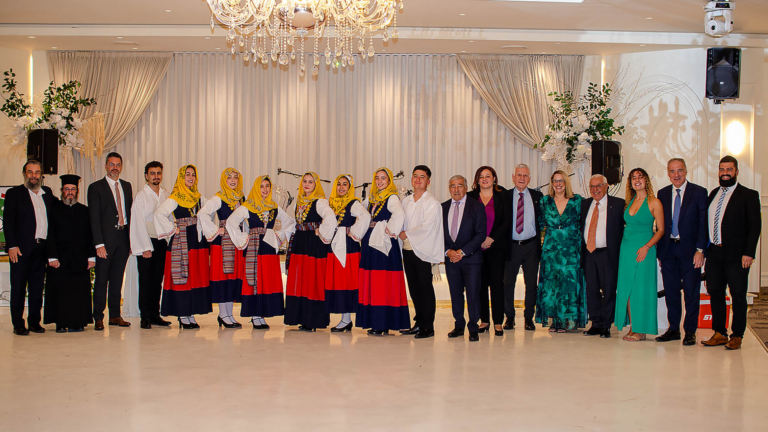
The Hellenic Society (Hellsoc) at the University of New South Wales, in conjunction with the Foundation for Hellenic Studies, proudly hosted its Annual Hellsoc Ball on Saturday, April 18 at The Clairemont, Bankstown. 

The event brought together students, academics, community leaders and organisations in a vibrant celebration of Hellenic culture, education and community spirit.

The evening commenced with guest arrivals and pre-dinner drinks, accompanied by live music from the Cretan Youth Association. Guests enjoyed traditional meze while participating in raffle sales and silent auction bidding, creating a warm and engaging atmosphere. 

Proceedings formally began at 7:30pm, with Michael Peters welcoming attendees, followed by an Acknowledgement of Country delivered by Emily Wilcox. The evening was expertly guided by MC Paul Nicolaou, Chairman of the Foundation for Hellenic Studies at UNSW.

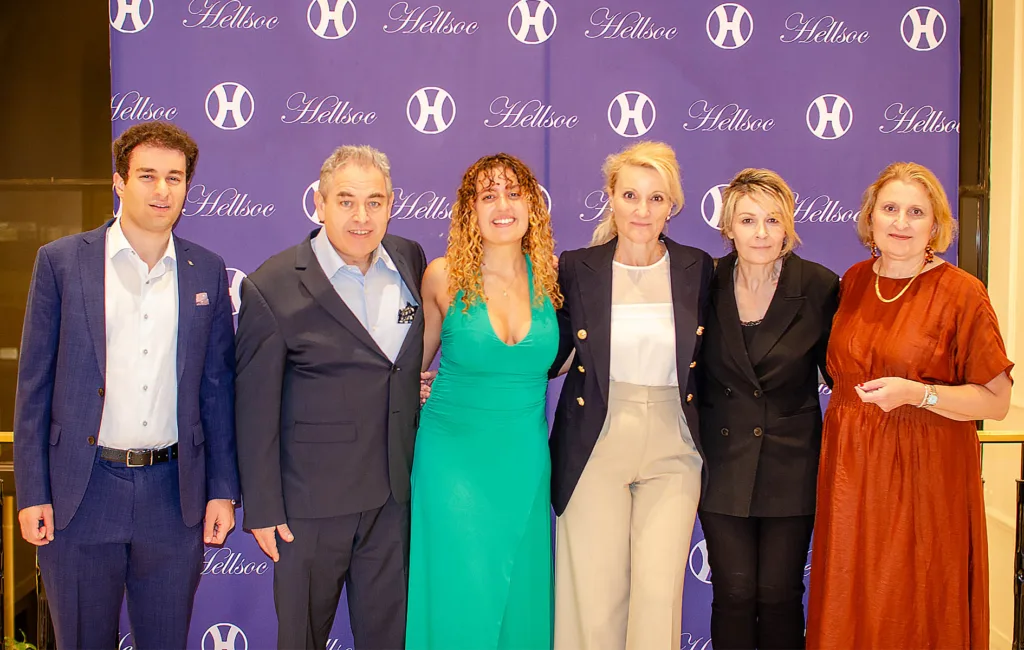
A distinguished lineup of speakers addressed the audience, including George Skemperis, Consul General of Greece in Sydney; Con Apoifis, President of the Greek Orthodox Community of NSW; Costa Vertzayias AM, Founder of Hellsoc and former President of the Foundation for Hellenic Studies; Dr Vassilis Adrahtas, Greek Studies Convenor at UNSW; and HELLSOC President Dimitra Mavrocordatos. 

Each speaker emphasised the importance of preserving the Greek language and culture, while highlighting the vital role of education and community collaboration. 
Speakers also mentioned the importance of continued advocacy for initiatives such as the 1821 Scholarship as vital to supporting and sustaining Modern Greek studies for youth and for generations to come. 

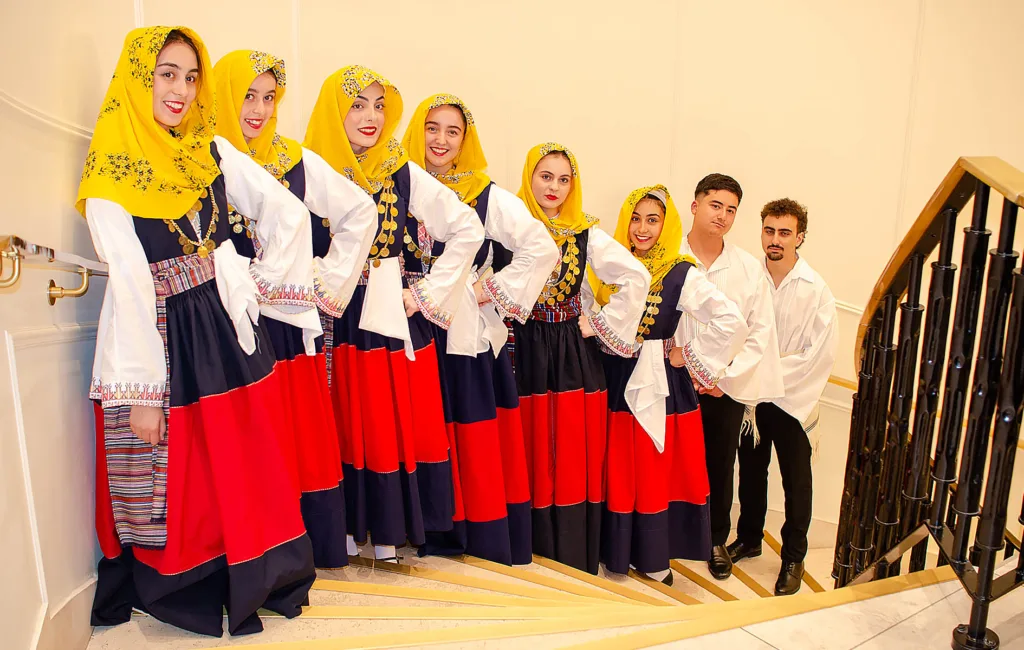
Grace was delivered by Father Socrates Dokos prior to the main course, followed by a vibrant performance by the Hellenic Lyceum youth dancers.

A highlight of the evening was the presentation of the prestigious 1821 Scholarships, recognising students committed to the study of Greek language and culture. 

The Late Emmanuel Alfieris 1821 Scholarship was awarded to Terry Rakis; The Property Association 1821 Scholarship to Chris Rakis; The O’Connell Solicitors 1821 Scholarship to Gregory Biris; The Daughters of Penelope Sydney 1821 Scholarship in memory of Chrysanthy and Tessa Mallos to Despina De Francesco; The Chapter Artemis No. 5 Daughters of Penelope Sydney 1821 Scholarship to Sophie Diamantaras; and The First Education 1821 Scholarship to Samin Rezaei. These scholarships reflect the ongoing commitment of donors to investing in future generations.

The success of the evening was underpinned by the generosity of sponsors and donors. Major sponsors included Trend Lighting ($3,000), Hillsdale Dental ($1,000), Spiro Premetis ($1,000), Angelo Hatsatouris ($1,000), Atomic Business Advisers ($500) and The Republic Hotel ($500). 

Significant financial contributions were also received from The Pan-Arcadian Association ($10,000), the Aroney Trust ($6,500), the Greek Orthodox Community of NSW ($2,000), Costas Lianos ($1,000), Dr James and Barbara Giallussi ($1,000), Costa Vertzayias ($1,000) and Katerina Vetsikas / Bilingual Bookshop ($500). Additional acknowledgement is extended to Dimitra Mavrocordatos’ parents for their valued support. 
Fundraising activities were a major success, with strong participation in both the raffle and auction. Raffle prizes included a $1,600 two-night stay at the Ramada Resort by Wyndham Shoal Bay, a $1,100 First Education voucher, a $450 Camden mower and chainsaw package, a $400 oral care pack, a $260 Filoxenia hamper, a $250 Dedes Waterfront Group voucher, multiple vouchers from the Greek Bilingual Bookshop, Mr Roses floral selections, a Wellness 2U Group personal training voucher, Thai by the Beach dining vouchers and board games from First Games, among others.

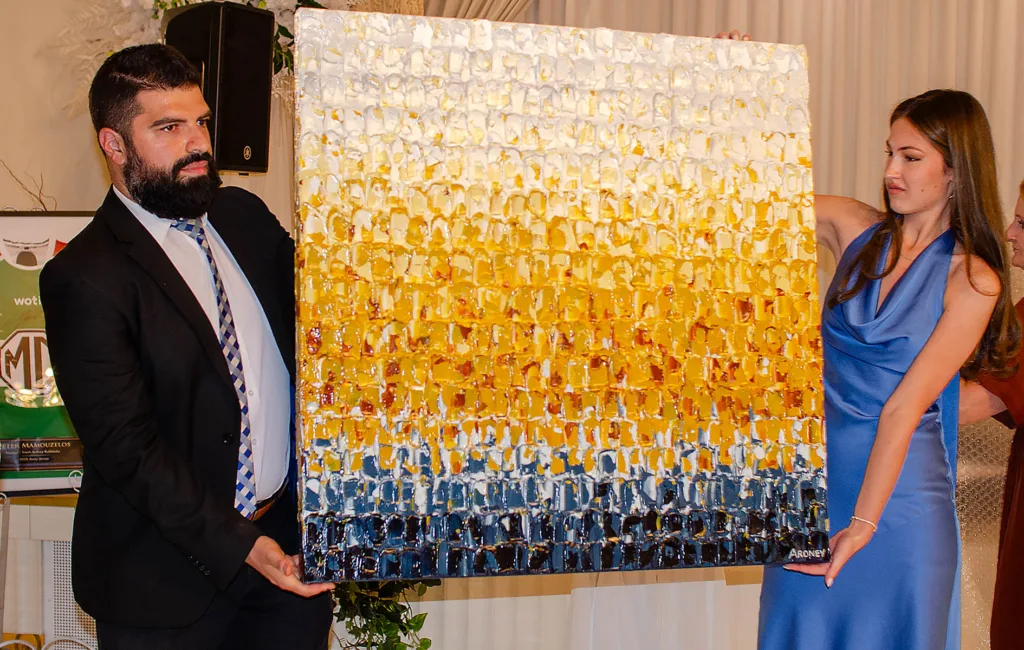
The live auction was a standout feature of the evening. Felicia Aroney’s cubic painting “Sunkissed” was sold for $2,700 to Mark Ullmann, while a South Sydney Rabbitohs jersey signed by Peter Mamouzelos was secured by Con Apoifis for $700.

A complimentary mug, customised with The Foundation for Hellenic Studies logo and the Hellsoc logo, was placed at each seat, alongside a cherished Hellsoc keepsake, The Oracle, revived by the 2025 HELLSOC Committee and lovingly designed by committee member Samantha Szatow

Hellsoc representatives Peter Koumoulas (Treasurer) and Peter Kotsis (Grievance Officer) formally acknowledged all donors and sponsors, highlighting the strength, unity and generosity of the Greek Australian community.
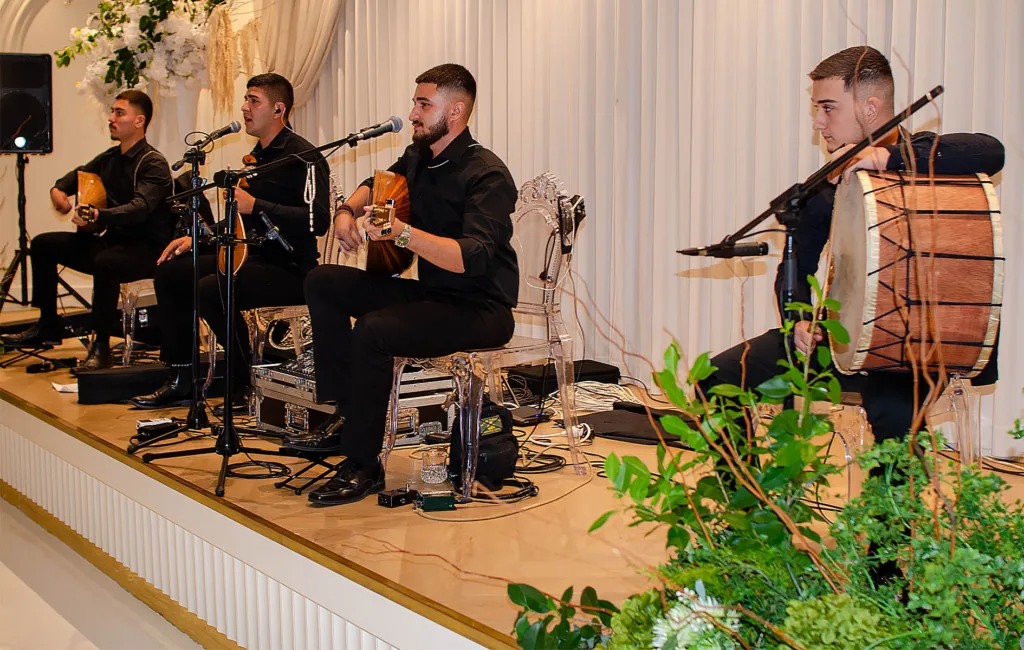
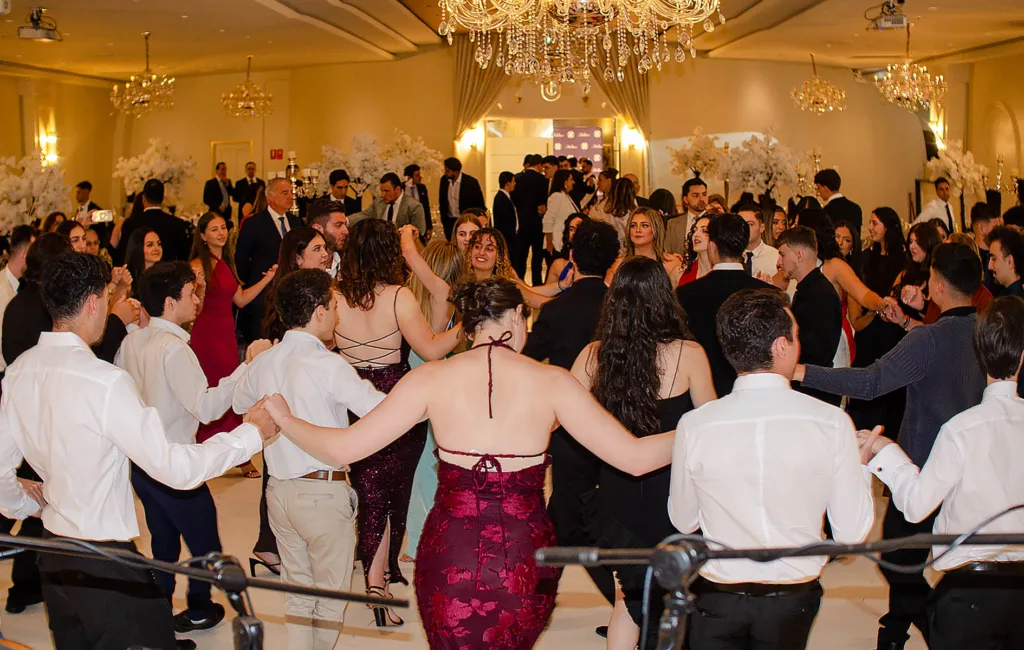
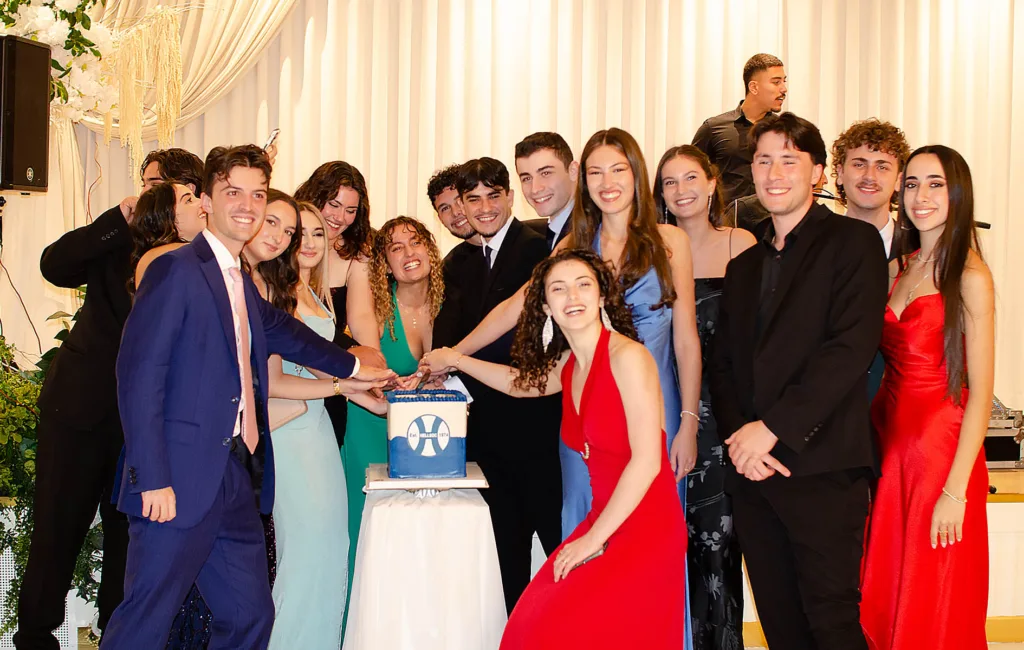
The evening concluded with a celebratory cake cutting before transitioning into lively entertainment, featuring performances by the Cretan Youth Association-Kritika Sydney, DJ Marakus and a bouzouki performance by Mangafas. 

The dance floor remained full, reflecting the enduring spirit, pride and cultural connection shared by all in attendance.

The 2026 Hellsoc Annual Ball was a resounding success, seamlessly blending tradition, education and celebration while reinforcing the importance of supporting Greek language and culture and investing in future generations within the Australian community.
Greek and Jewish leaders call for unity after Australian Hellenic Choir controversy

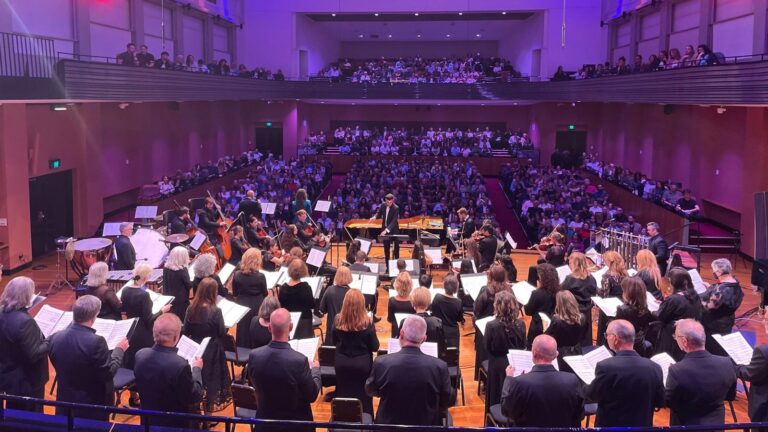
Community leaders and cultural organisations have responded to the controversy surrounding the cancelled Hope and Unity concert, urging solidarity between Greek and Jewish Australians while rejecting claims that the dispute reflects broader tensions between the two communities.

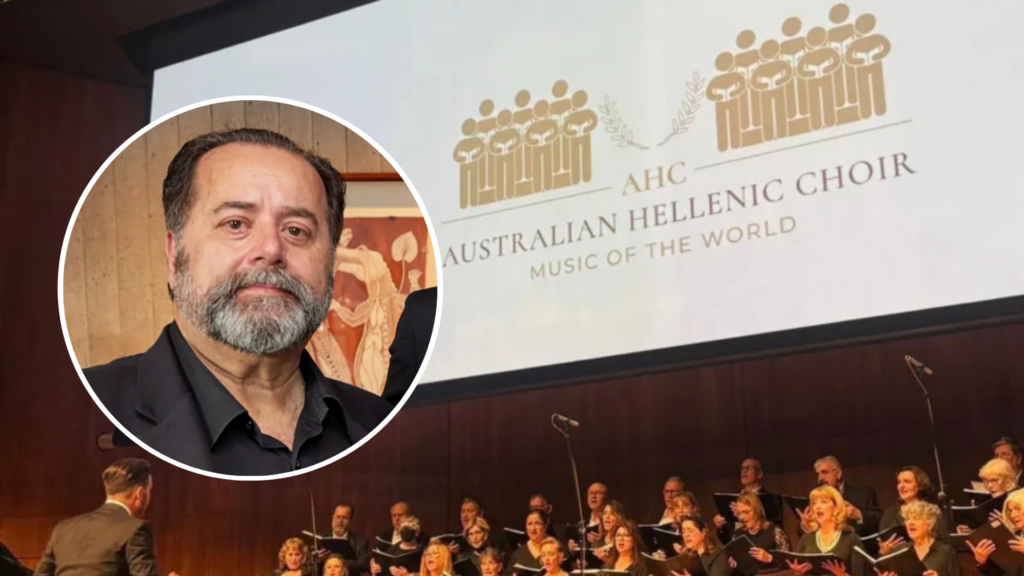
The Australian Hellenic Choir recently issued a public clarification denying accusations of antisemitism after media reports linked the cancellation of the proposed performance with the Sydney Jewish Choral Society to political objections among choir members.

In its statement, the Choir’s Committee of Management said recent reporting had “inaccurately suggested” members were motivated by antisemitic views.

The choir stressed that “Antisemitism, or any other form of discrimination, has no place in our organisation,” and said members voted against participating due to time constraints, given preparations for another concert were already underway.

The proposed Hope and Unity concert was due to take place at Sydney Town Hall on June 28 and was intended to raise funds for families affected by the 2024 Bondi Beach terror attack.

The clarification followed comments made by choir President James Tsolakis in earlier reporting, in which he expressed disappointment over the cancellation and suggested concerns within the wider community had influenced the outcome.

Tsolakis said he was “extremely disappointed and pretty upset” by the decision, noting the choirs had previously performed together without issue in 2022.

“There’s a bit of antisemitism in the Greek community; I didn’t realise the extent of it. Unfortunately, we have a lot of people in the community blaming the Jewish community for what’s happening in Israel, Palestine … that’s not correct,” Tsolakis said.

“You want to hate (Israeli Prime Minister Benjamin) Netanyahu? Hate Netanyahu, but what have the Jewish people done to you? The whole antisemitism thing has got to be wound back.”

jim tsolakis australian hellenic choir

Since the controversy emerged, several Greek and Jewish community figures have publicly addressed the matter, emphasising the longstanding relationship between the two communities.

The Jewish Hellenic Association of Victoria (JHAV) said it was saddened by the concert’s cancellation, describing the event as an opportunity to reinforce shared values of remembrance, compassion and solidarity.

In a statement issued by Dean Kalimniou on behalf of JHAV, the organisation said the concert had been conceived “as a gesture of reconciliation and remembrance” and argued that music and culture should continue to serve as bridges between communities.

“The answer to hatred is not separation but robust debate and principled solidarity,” the statement read.

JHAV also stressed that disagreement over international affairs should not translate into hostility toward Jewish Australians, reaffirming that antisemitism and communal suspicion have no place in Australian society.

New Democracy in North Australia (Sydney) also released a statement condemning antisemitism and distancing the broader Greek Australian community from suggestions of hostility toward Jewish Australians.

President John Kallimanis said Greek Australians had historically promoted multiculturalism, coexistence and cross-cultural friendship.

“By no means does this tiny minority represent the inclusive and pro-Jewish sentiments of the broader Greek Australian community,” he said.

Meanwhile, the Sydney Jewish Choral Society indicated it remained open to future collaboration despite the cancellation.

Chair Anne Spira told The Australian the choir was disappointed but would welcome another opportunity to perform alongside the Australian Hellenic Choir.

“Our choir is strengthened with resolve to celebrate the beauty and richness of our Jewish musical heritage and to continue to build bridges between communities,” she said.

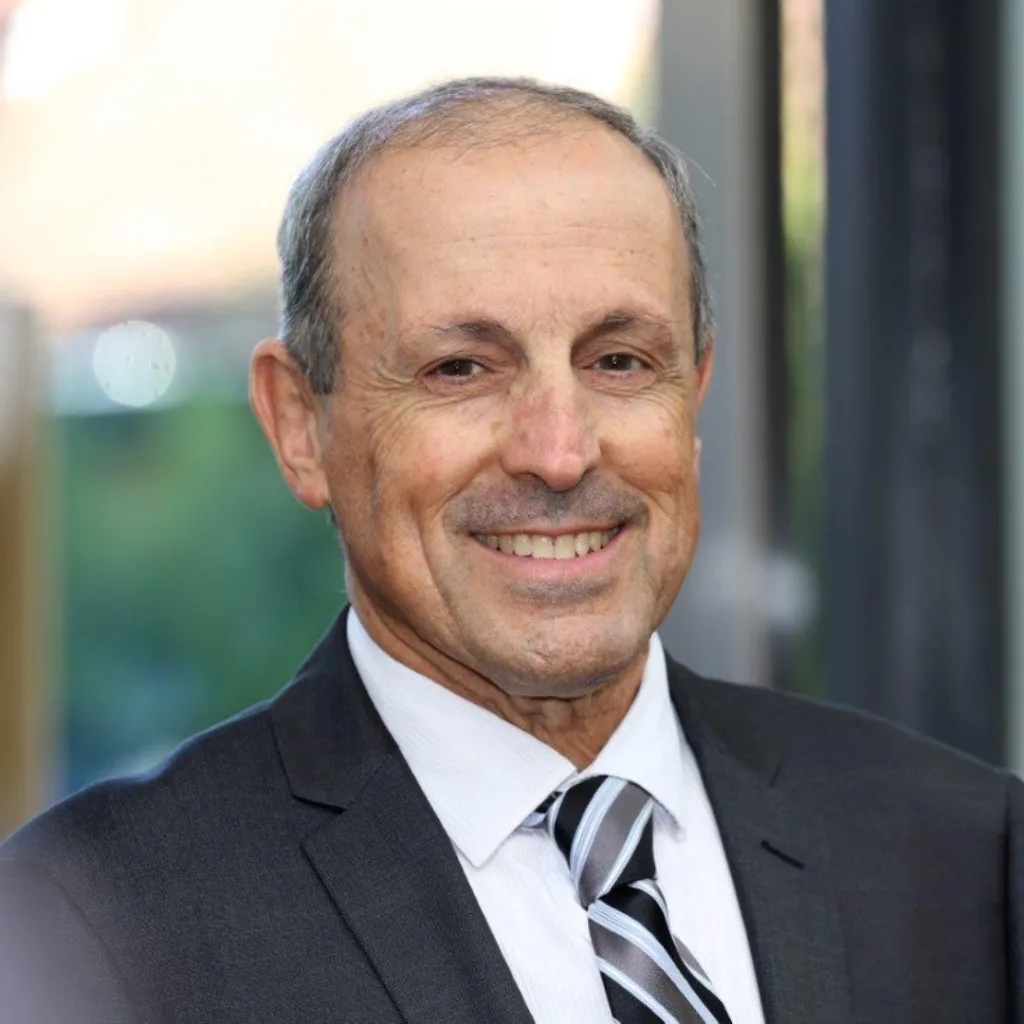
Former Multicultural NSW chair and former chief executive of the NSW Jewish Board of Deputies, Vic Alhadeff – whose family came from the Greek island of Rhodes and whose paternal grandparents died in Auschwitz – had been expected to emcee the event. He told The Greek Herald the cancellation was painful for members of the Jewish community.
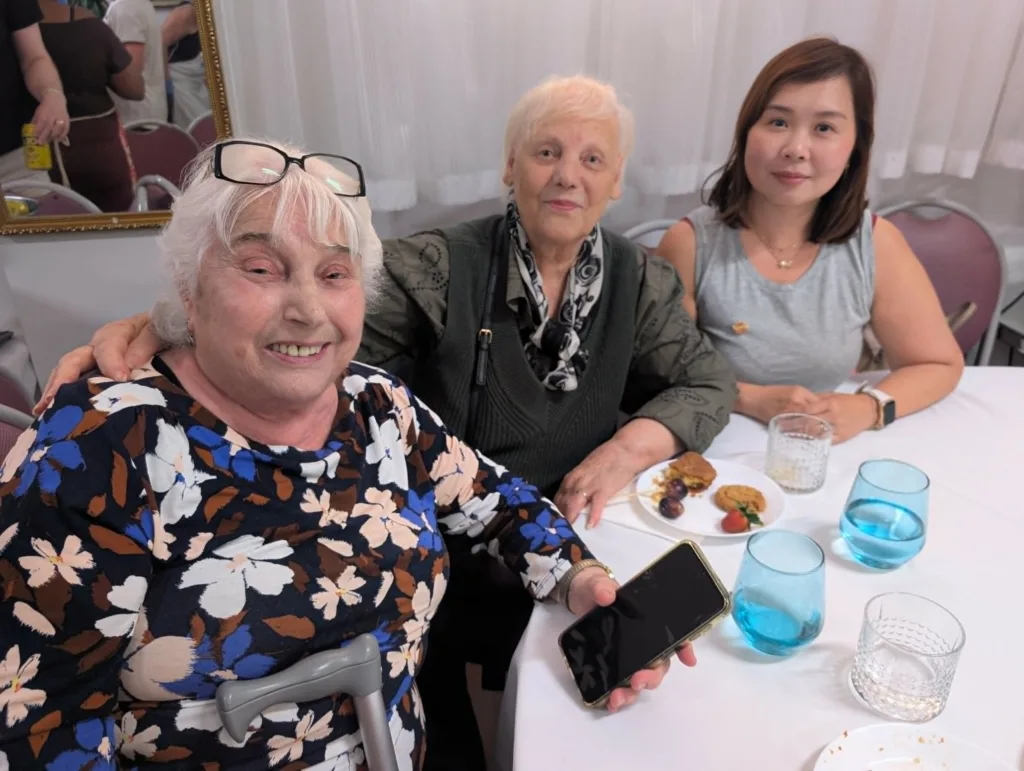
Former Multicultural NSW chair and former chief executive of the NSW Jewish Board of Deputies, Vic Alhadeff.

“The decision by some of the Hellenic choristers to walk away from the event was extremely hurtful to the Jewish community, particularly as it occurred during what has been an exceptionally distressing social climate for Jewish Australians,” he said.

However, he added that the relationship between Greek and Jewish Australians remained strong.

“Australia’s Greek and Jewish communities have enjoyed a long, collaborative and mutually supportive friendship, and our hope is that the two choirs will again share a platform in the foreseeable future.

“We urge all people of goodwill to overcome any perceived challenges and move on from this unprecedented impasse.”

Despite the recent controversy, several organisations have emphasised that the broader relationship between Greek and Jewish Australians extends well beyond a single cultural event, pointing instead to decades of shared engagement, historical ties and mutual support.

Faith and suffering explored at first-ever SOFIA UTS forum 

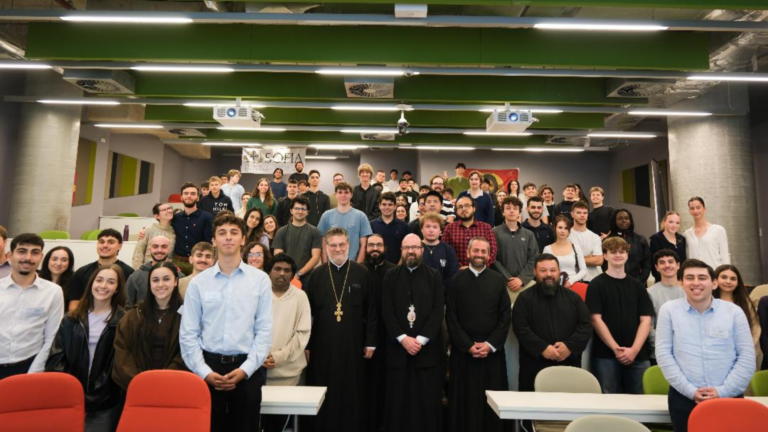
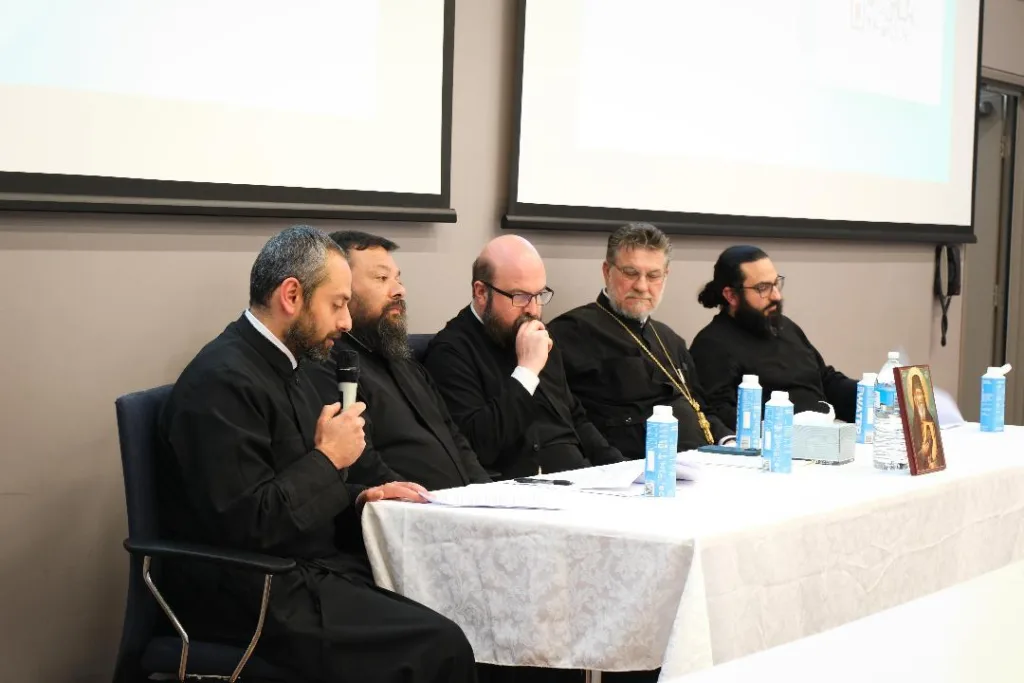
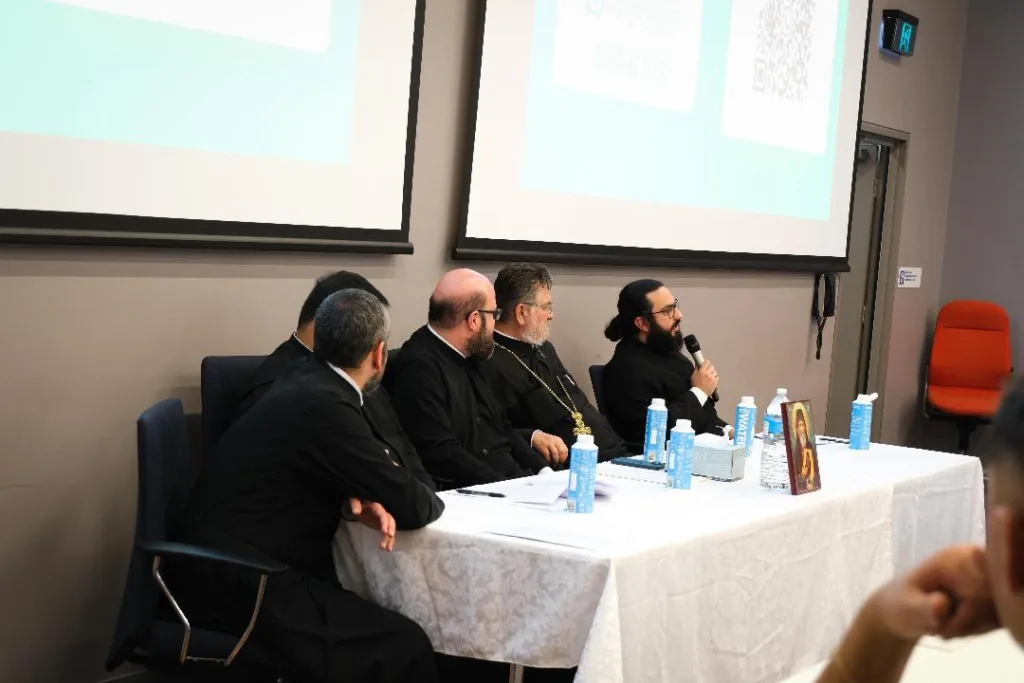
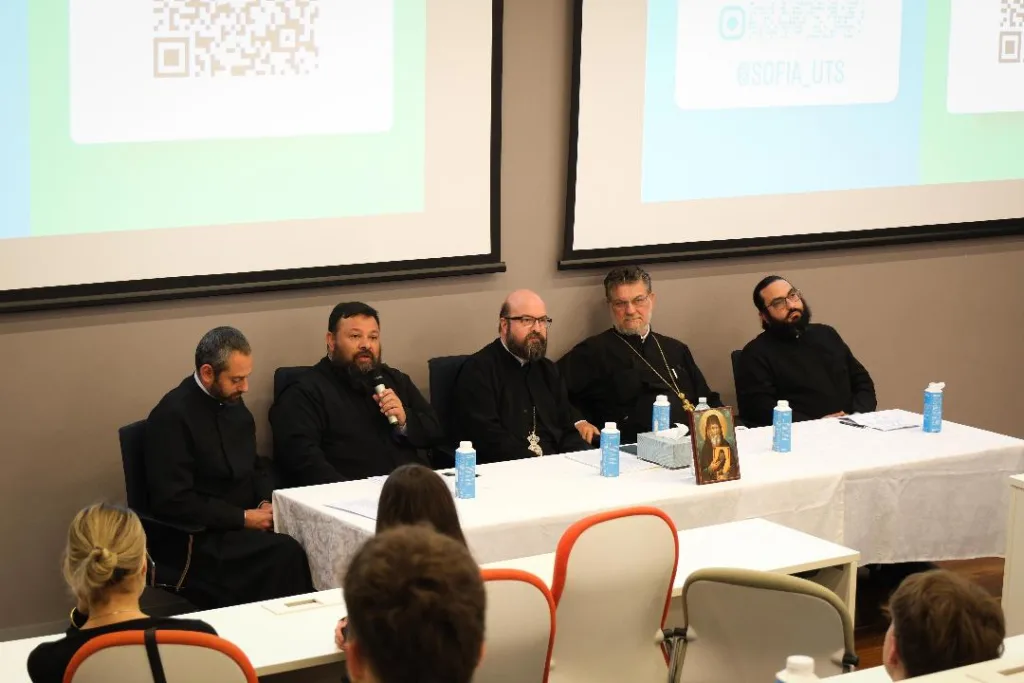
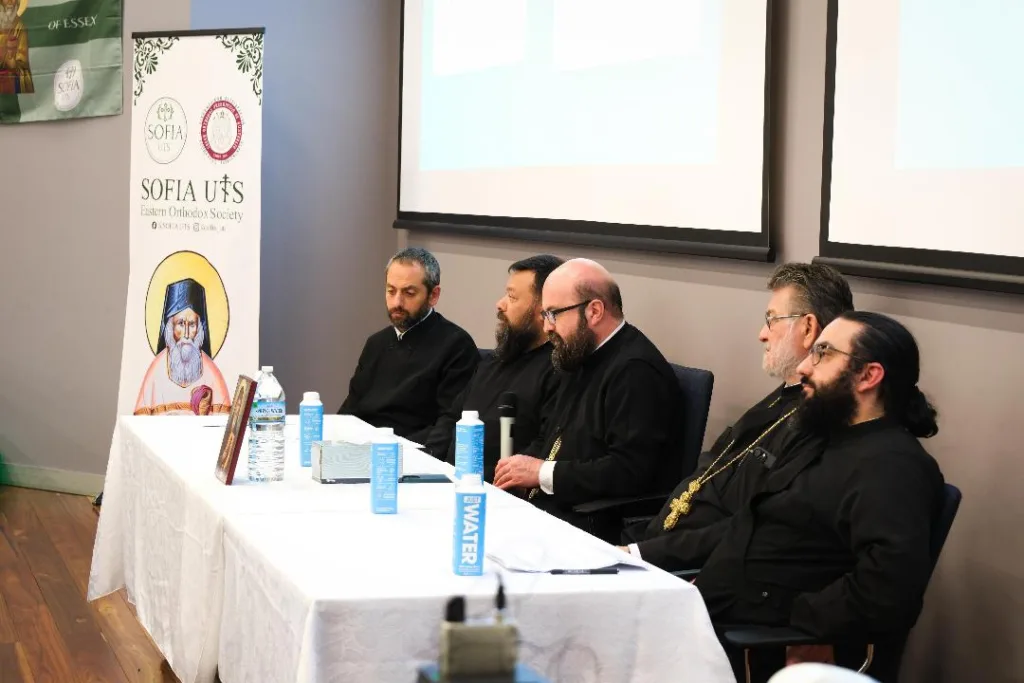
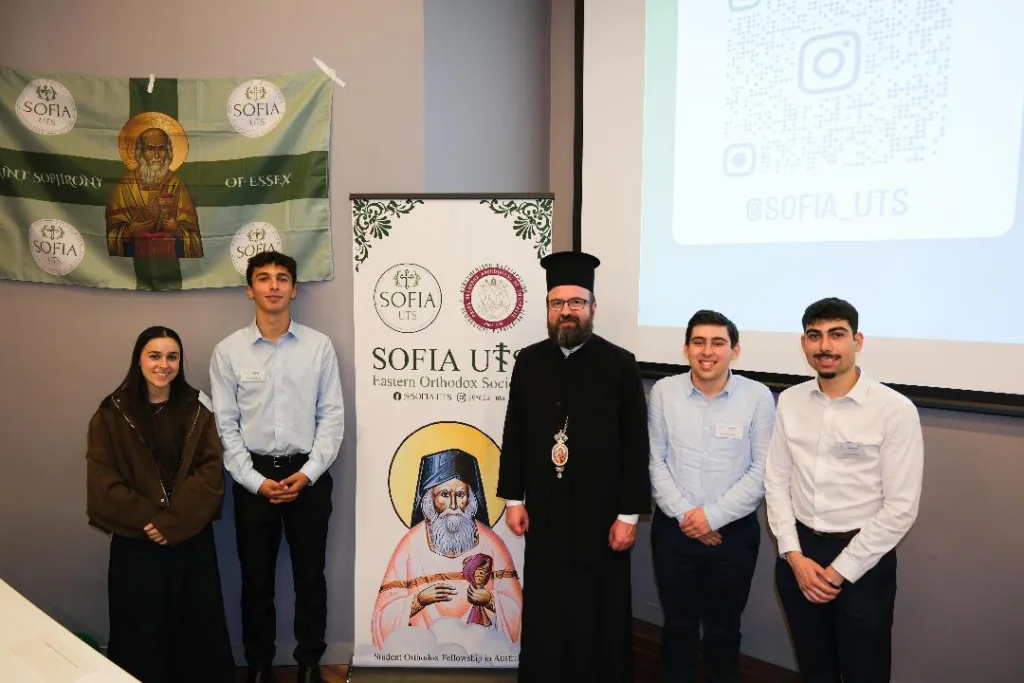
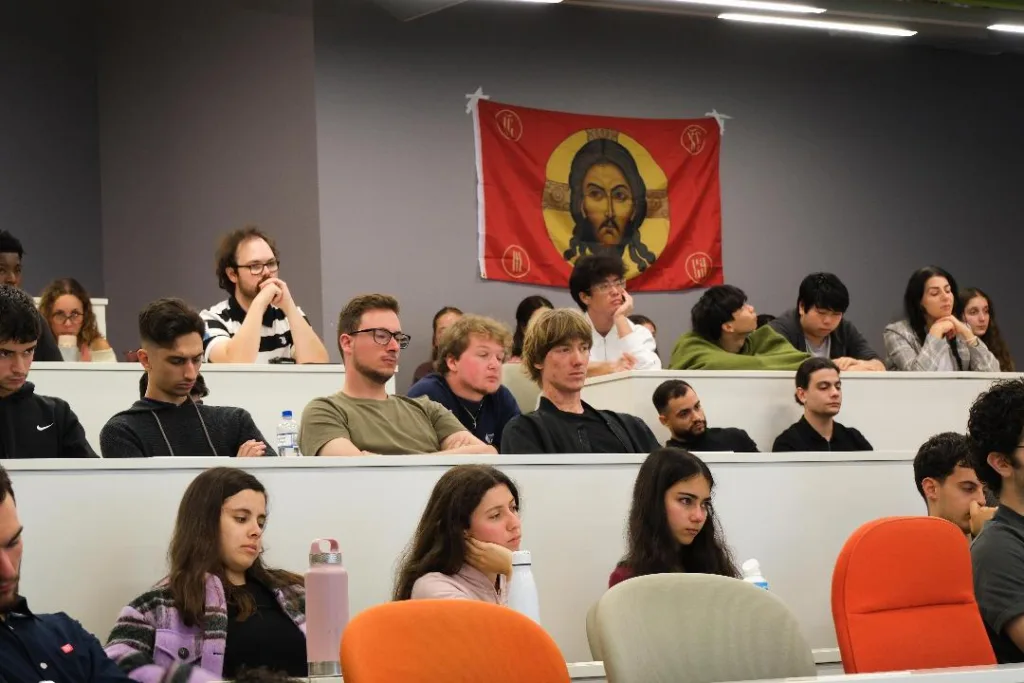
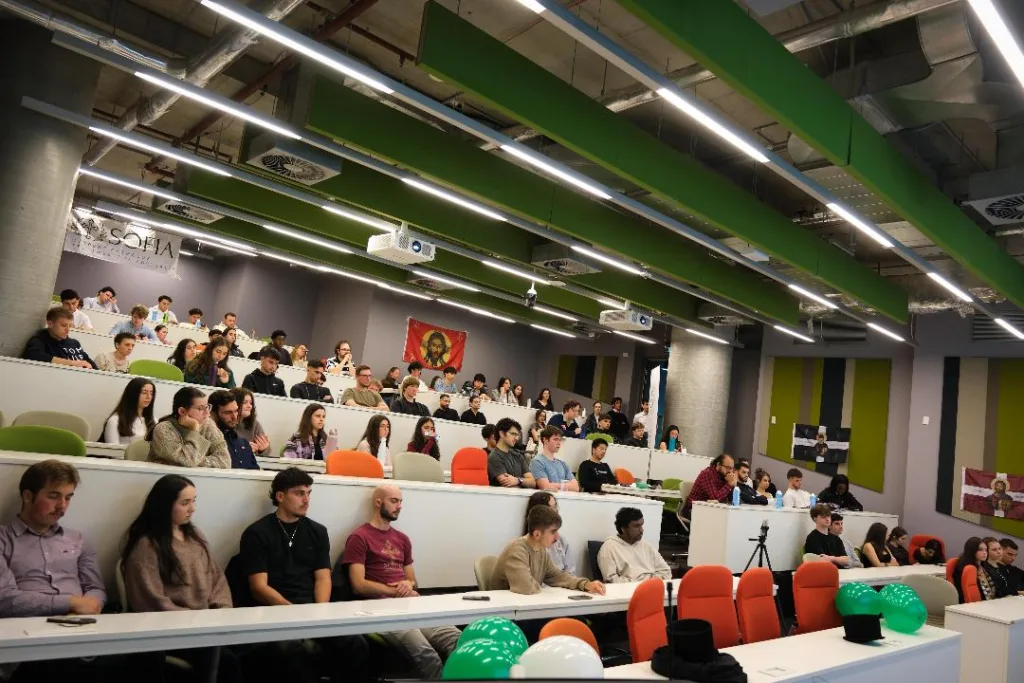
More than 100 people gathered at the University of Technology Sydney for the first-ever forum hosted by the Students Orthodox Fellowship in Australia (SOFIA), marking what organisers described as the largest event in the group’s history.

Held at the UTS campus in Ultimo, the event brought together clergy from three Orthodox Archdioceses, including His Grace Bishop Christophoros of Kerasounta, Chancellor of the Greek Orthodox Archdiocese of Australia.

The forum explored the theme of suffering and faith, centred around the question: “Why does God allow suffering?” Panel discussions examined theological concepts including the Fall and its consequences, Christ as co-sufferer, and the role of Theosis as a spiritual path through suffering.

Organisers said the event was designed to encourage meaningful engagement with Orthodox teachings while creating a welcoming environment for students interested in faith and spirituality.
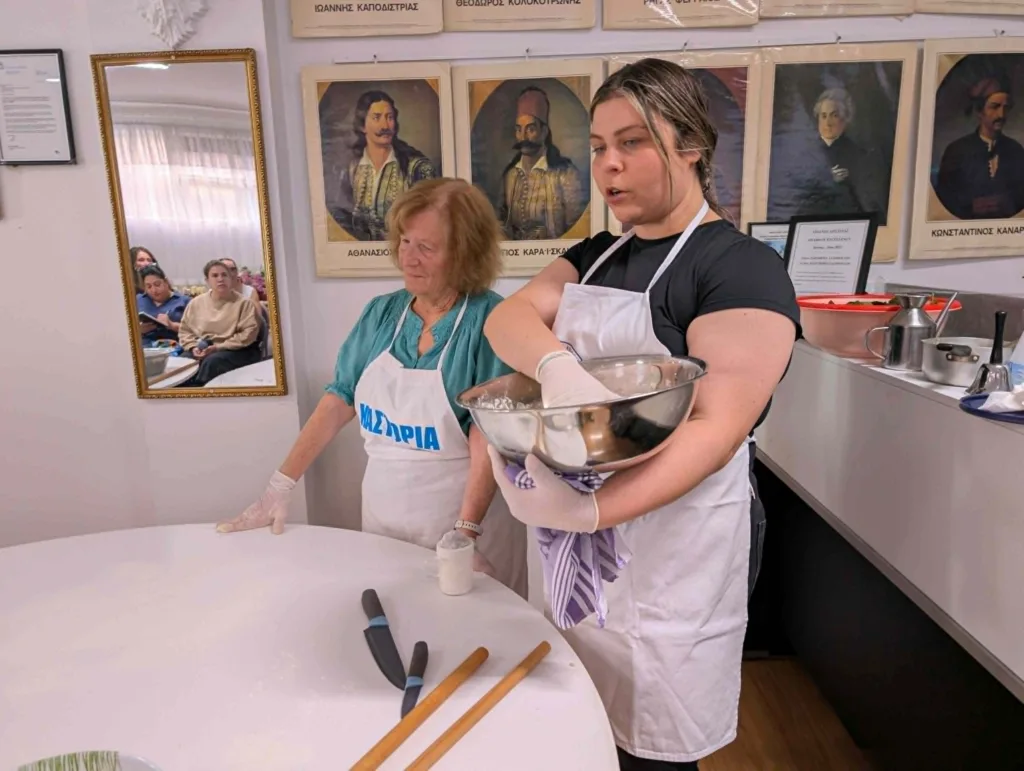
A Q&A session followed the panel discussion, allowing attendees to ask questions and reflect on the themes raised during the evening.

The forum concluded with pizza, refreshments and social activities, including mini games, providing students with an opportunity to connect in a relaxed setting.

SOFIA UTS organisers said the success of the event reflected growing interest in Orthodox Christian discussion on campus.

“The executive committee would like to stress that this event is indicative that Orthodox is present at UTS and open for all those who are curious enough to inquire,” organisers said.

The event formed part of SOFIA’s broader mission to build community among Orthodox students and foster conversations around faith, identity and spiritual life within university settings.

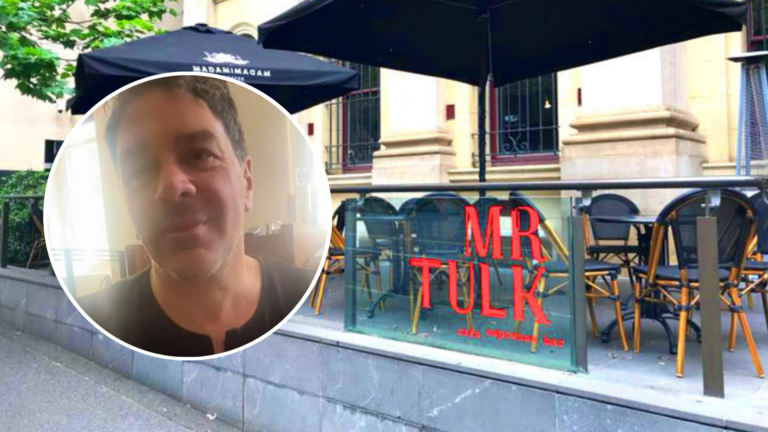
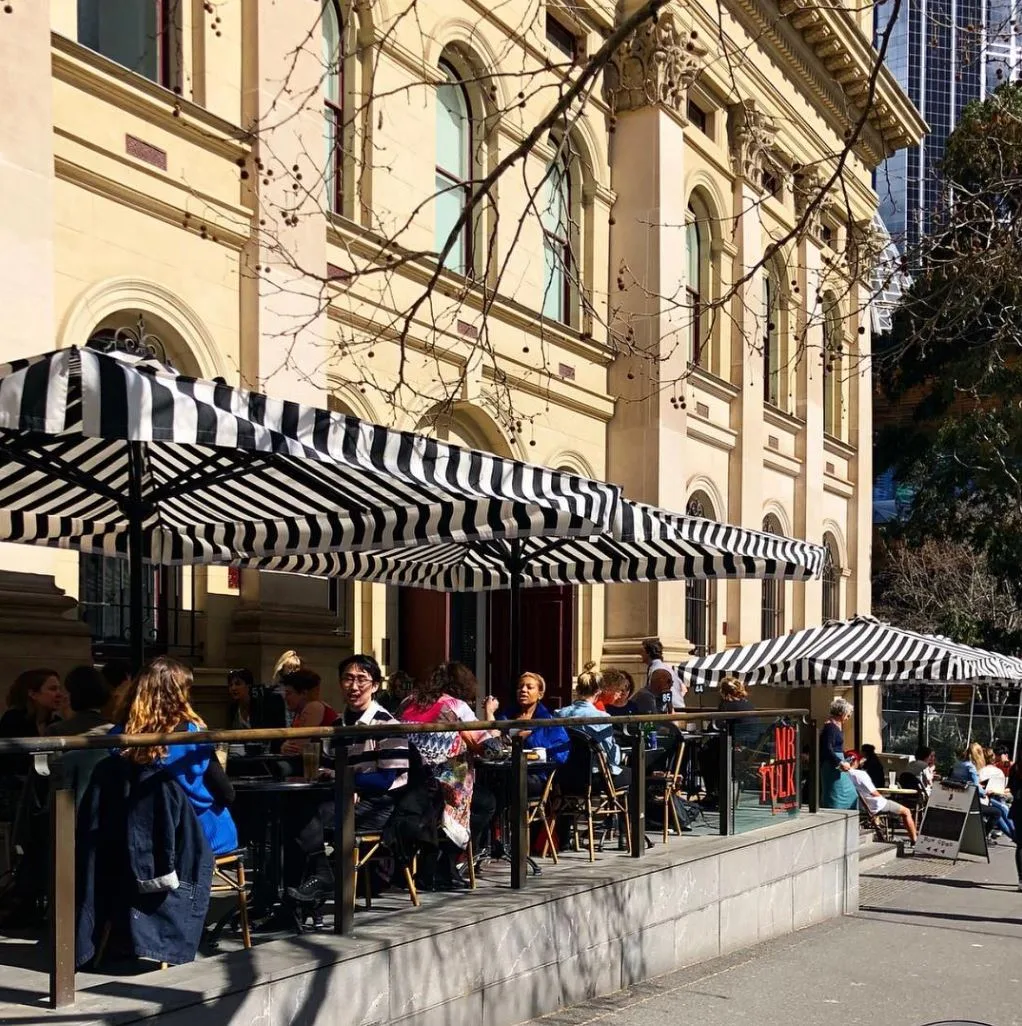
Mr Tulk’s Michael Togias challenges library ban as Melbourne café prepares to close 

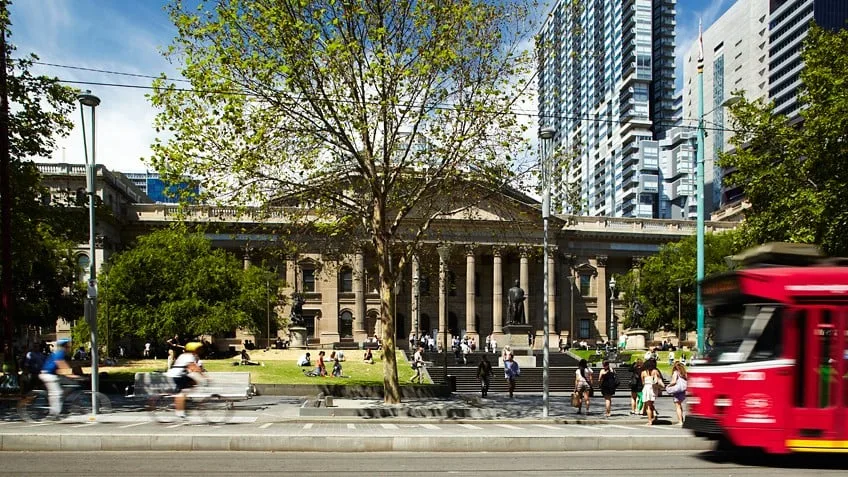
A dispute between Mr Tulk café owner Michael Togias and the State Library Victoria has continued ahead of the planned closure of the Melbourne CBD café.

Mr Tulk café, located inside the State Library Victoria, is set to close on May 13 at the end of its lease agreement after a public tender process awarded the site to catering company The Big Group.

The closure has prompted community support for the business, with a petition calling for Mr Tulk to remain open attracting more than 6,000 signatures.

Togias said the café had become closely linked to the library experience for many visitors.

“For a lot of people, the reason they come to the library is for Mr Tulk, so if Mr Tulk wasn’t there, they’re not coming back,” he told The Greek Herald.

Togias also said his business partnered with an NDIS provider to train young people with disabilities in hospitality roles.

Library access restriction disputed

As the closure date approaches, Togias said he has been issued a ban from entering the State Library Victoria until September 2026.

“They’ve banned me from the library for six months. They’re trying to set agendas and narratives, it’s just such a battle just to deal with them, it’s really hard,” Togias said. “We certainly feel vilified and harassed and bullied.”

Togias said he disputes the reasons given for the restriction and denies allegations relating to incidents at the library.
“They said that I was in the library and they had to call security to take me away, it never happened,” he said.
He also referred to a separate visit to the Guild Café, another hospitality venue inside the library, with writer Gideon Haigh.

“He wanted to go for a walk up there to see what they’d done to the Guild, because we were running Guild café… he just wanted to take a couple of pictures, and we stayed there for a couple of minutes. He took the pictures and we left.”

Togias said he has requested further clarification regarding the circumstances that led to the restriction.

“It just never happened… We’ve asked them to produce security footage to explain how they’ve come to that decision, but they won’t produce it, they won’t have a meeting with us. It’s been really tough, it’s been really tough,” he said.

The State Library Victoria said it is unable to comment on individual cases.

According to the library’s published conditions of entry, visitors are expected to treat staff and other patrons with courtesy and respect. The library also reserves the right to refuse entry or prohibit access for a specified period if those conditions are breached.

“They’re not producing any footage to confirm or deny,” Togias said. “We’re really upset and we obviously want to clear my name. I’ve been in business in Melbourne for 20 years in the CBD. I want my name cleared.”

Togias said he has received legal correspondence relating to the petition, behaviour concerns and enforcement of the restriction.

Tender process and library response

Regarding the lease process, the State Library Victoria said the site was subject to a standard public tender following the expiry of the previous agreement.

“The 15-year lease for the operation of Mr Tulk Café at State Library Victoria expired in 2026 and there was no provision for further extension under that agreement,” the library said in a statement to The Greek Herald.

“The Library was therefore required to undertake a public tender process to secure a new long-term lease agreement following the Victorian Government Purchasing Board Guidelines.”

The library said the tender process complied with Victorian Government requirements.

“The tender followed all Victorian Government guidelines, ensuring a competitive, robust and equitable process and the successful provider was selected through this process.

“The space will continue to operate as a café that is open to the public.”

Calls for further review

Writer John A. Martino, who supports Togias, said he intends to pursue legal action over the outcome of the tender agreement.

Martino said he plans to seek access to documents related to the tender through a Freedom of Information request and may pursue the matter through the Victorian Civil and Administrative Tribunal (VCAT).

He also said he intends to seek ministerial attention to the matter.

The dispute comes as Mr Tulk prepares to close after 15 years operating within one of Melbourne’s best-known public institutions.

Flour, family and filoxenia as Kastoria Club brings generations together at pita workshop 

0

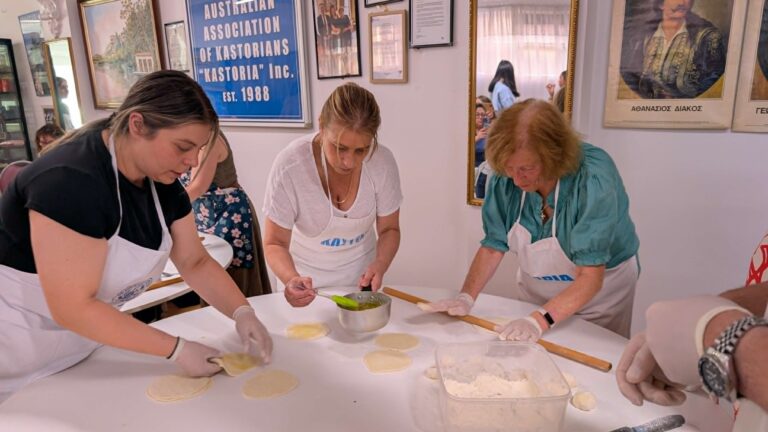
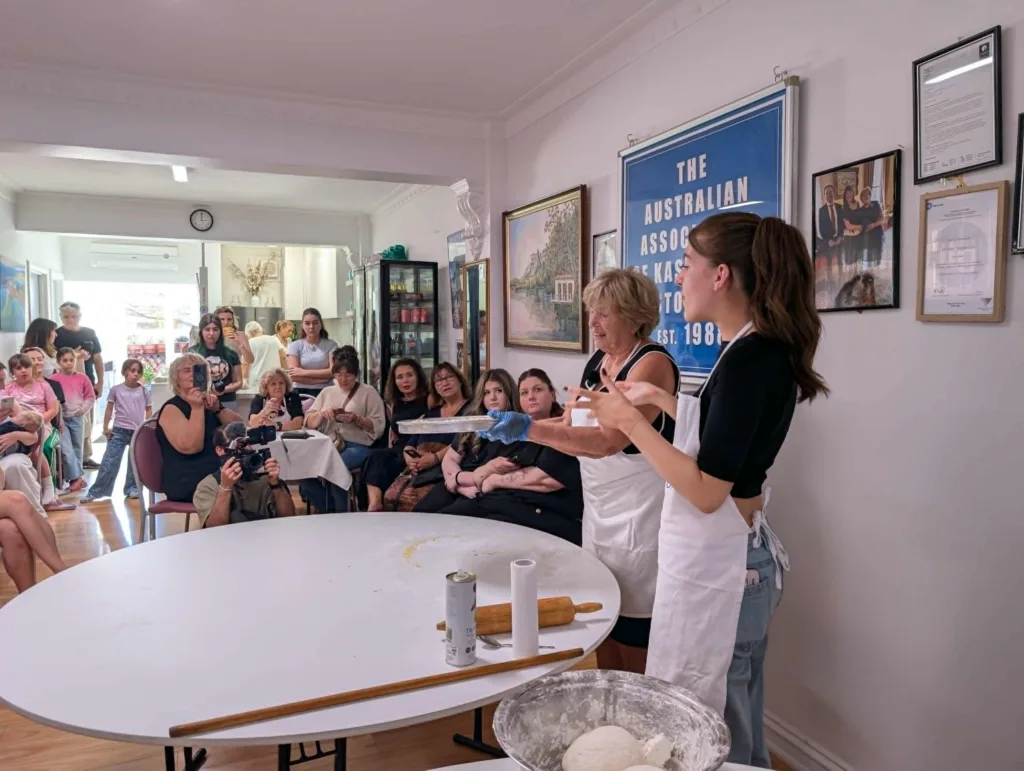
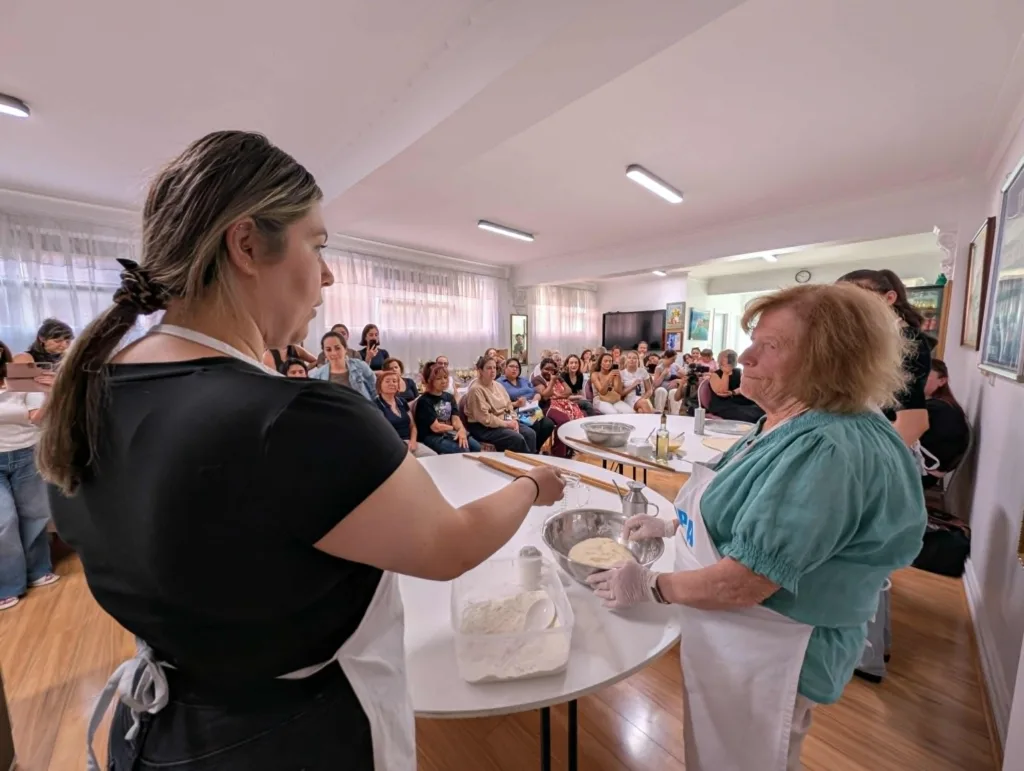
The hall at the Australian Association of Kastorians wasn’t built for this kind of crowd.

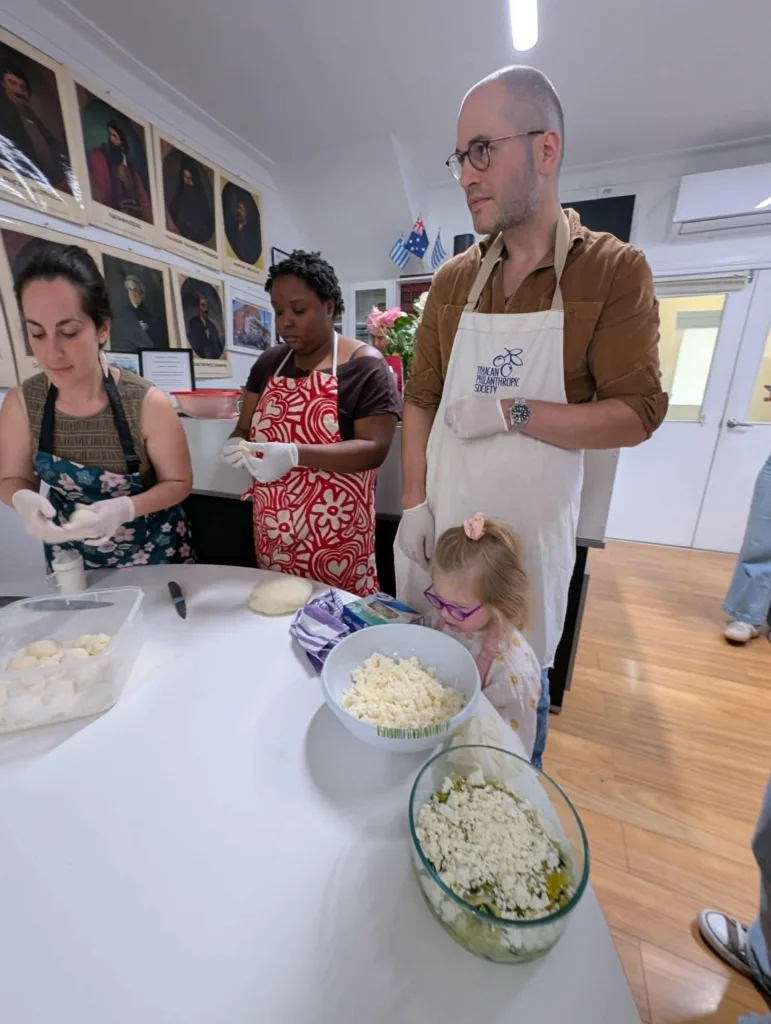
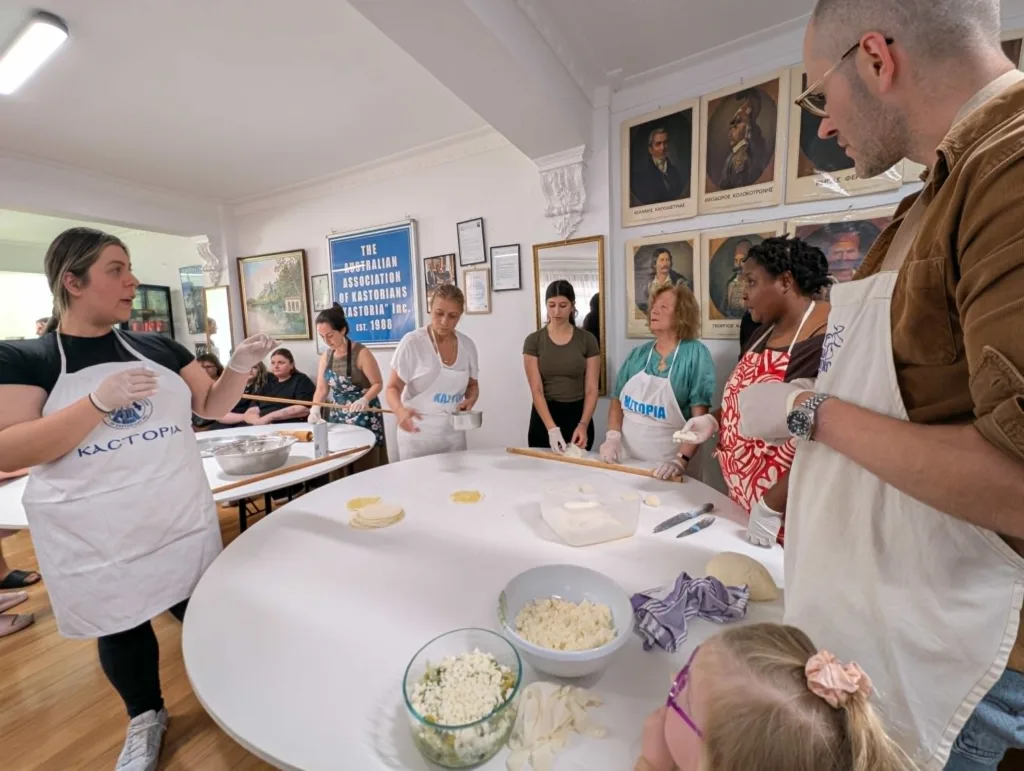
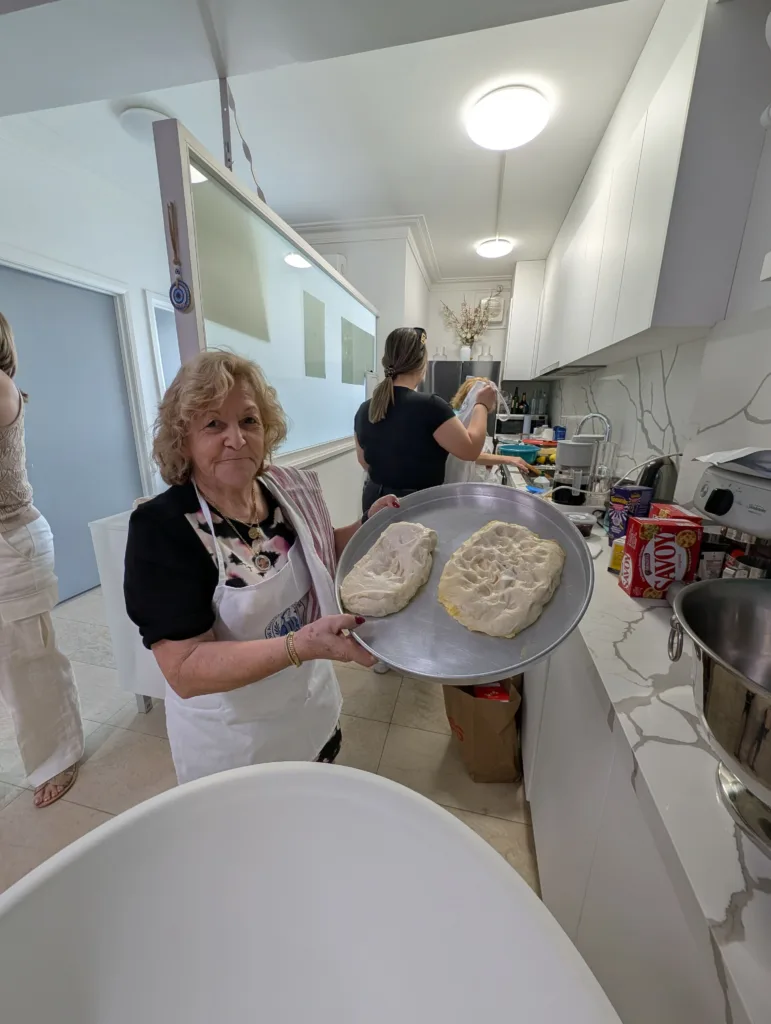
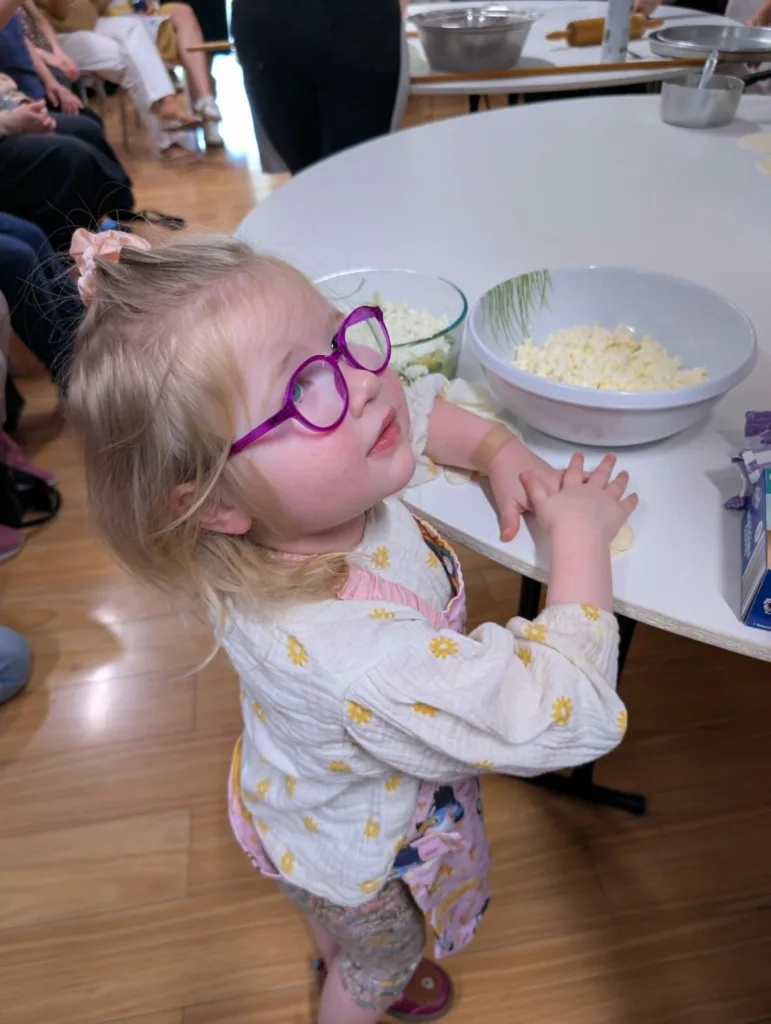
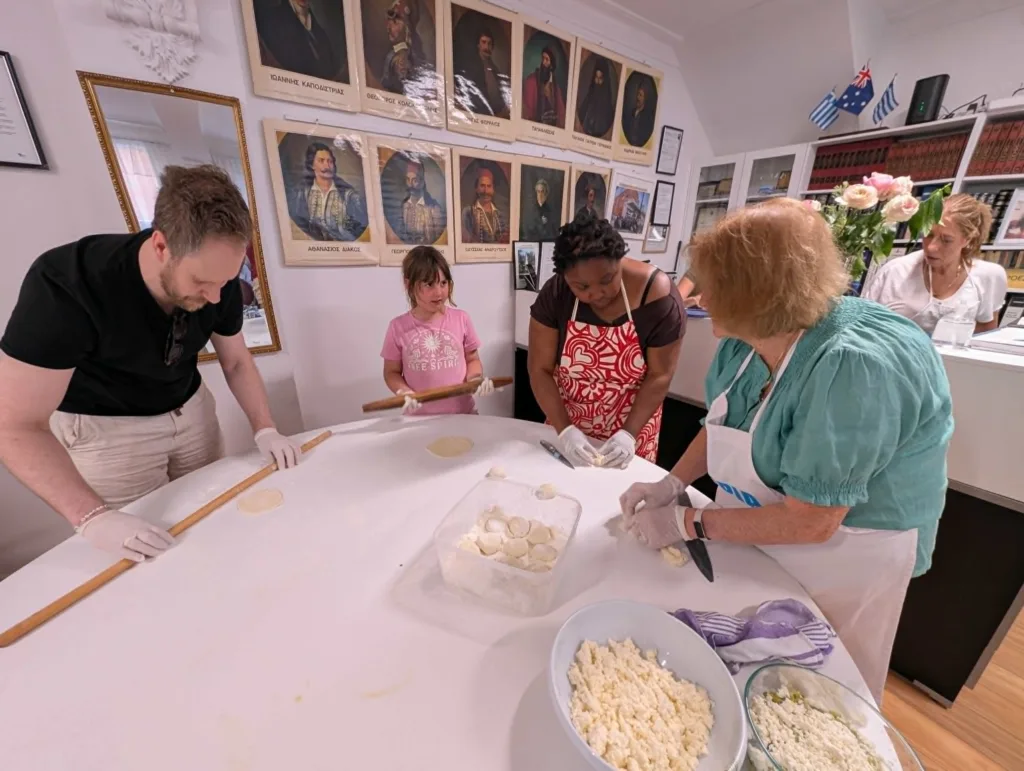
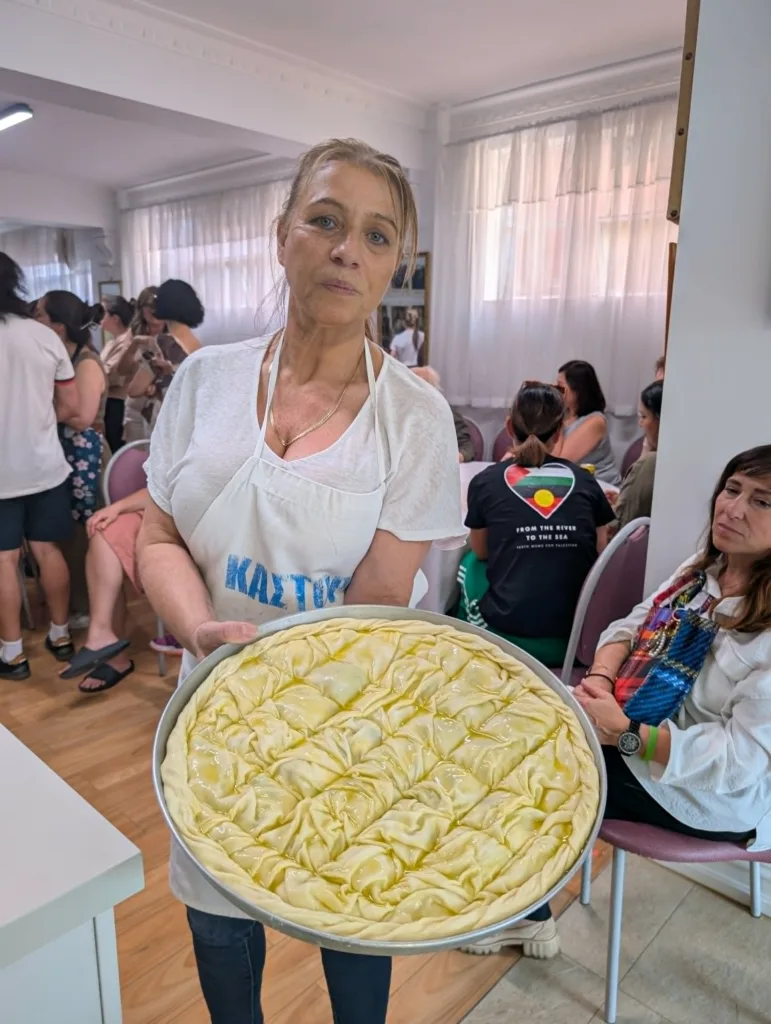
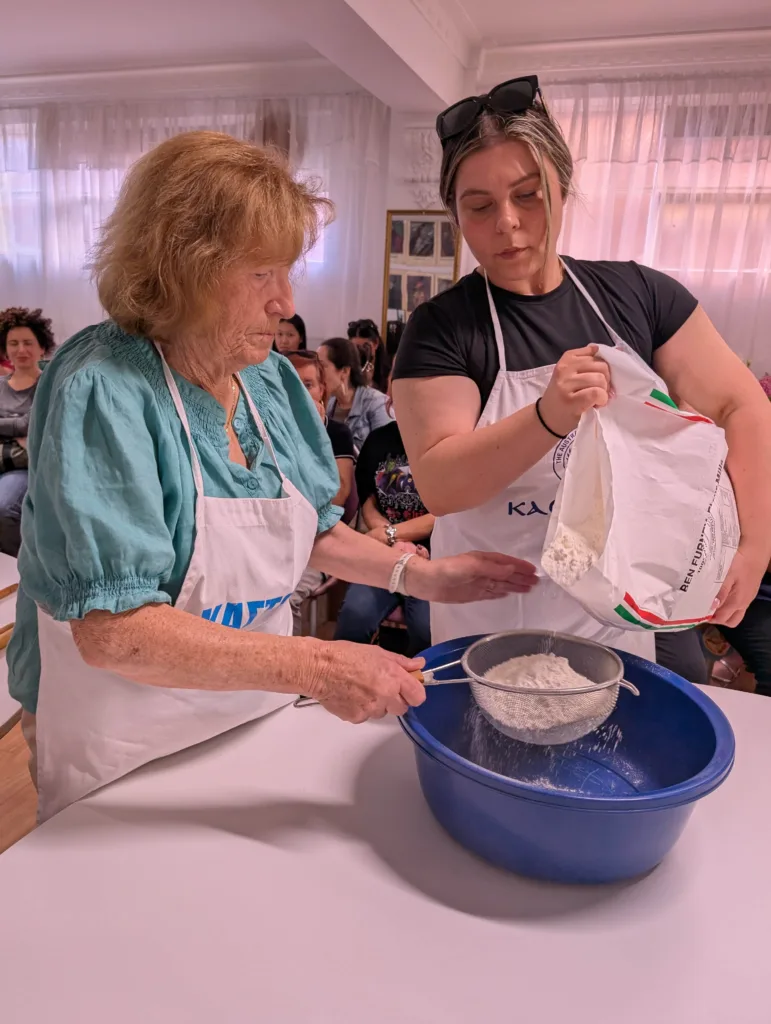
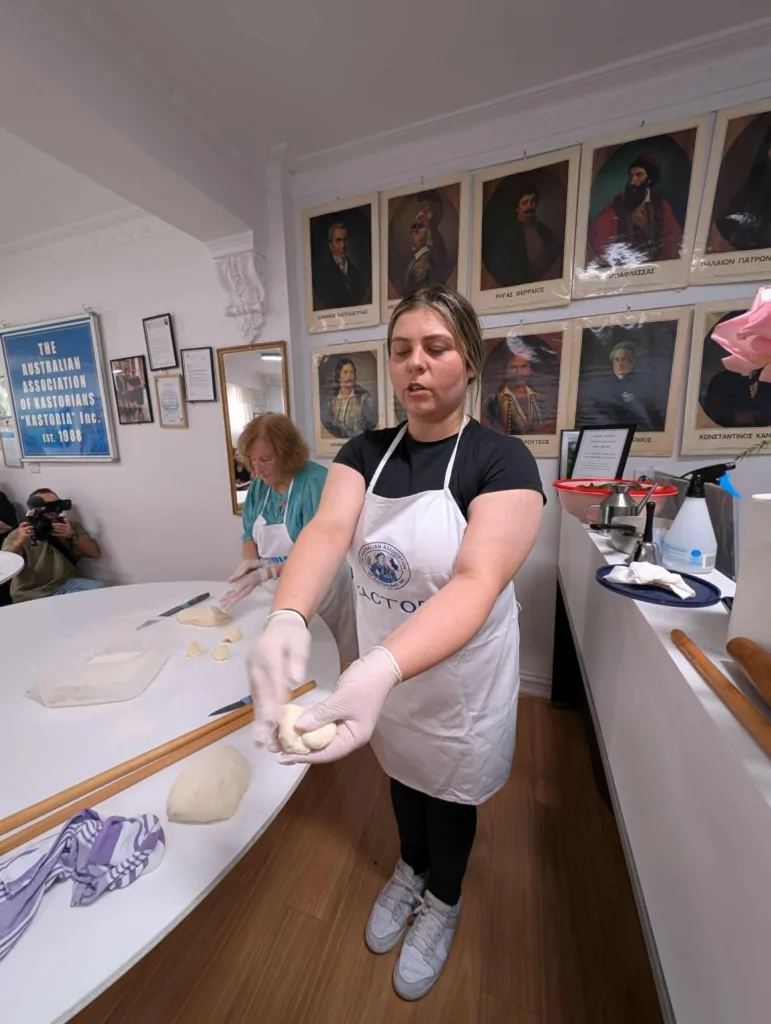
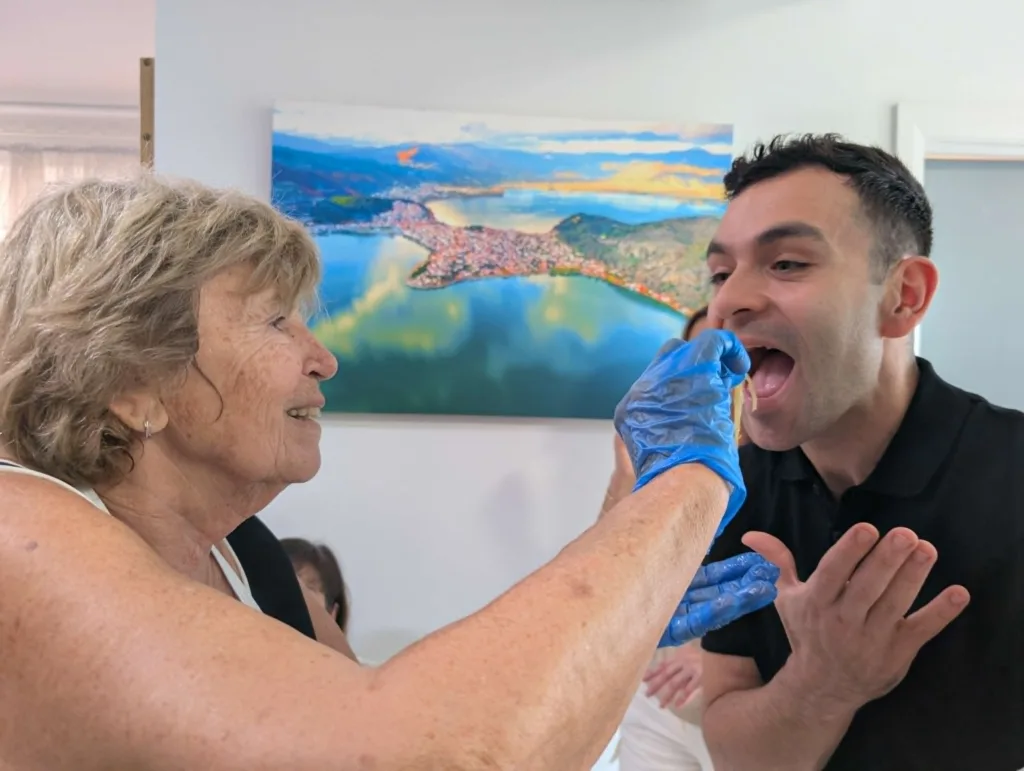
By mid-afternoon it was packed, standing room only, as people pressed in around long tables, craning to watch dough being stretched, filled and folded. No one just stood back; they leaned in, asked questions, swapped stories and joined in, though in a more communal way than the organisers had originally intended. 

“This is overwhelming,” said Stacey Goulas, daughter of President Elly Lalopoulos, taking it all in. “We got way more participants than we bargained for.” 

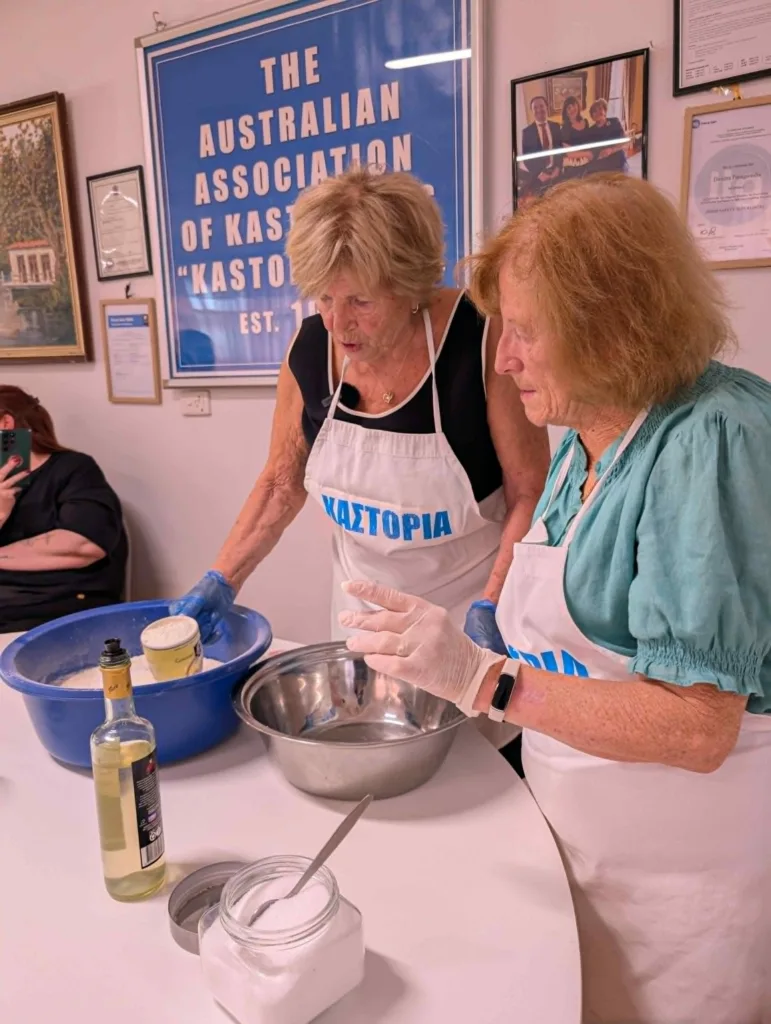
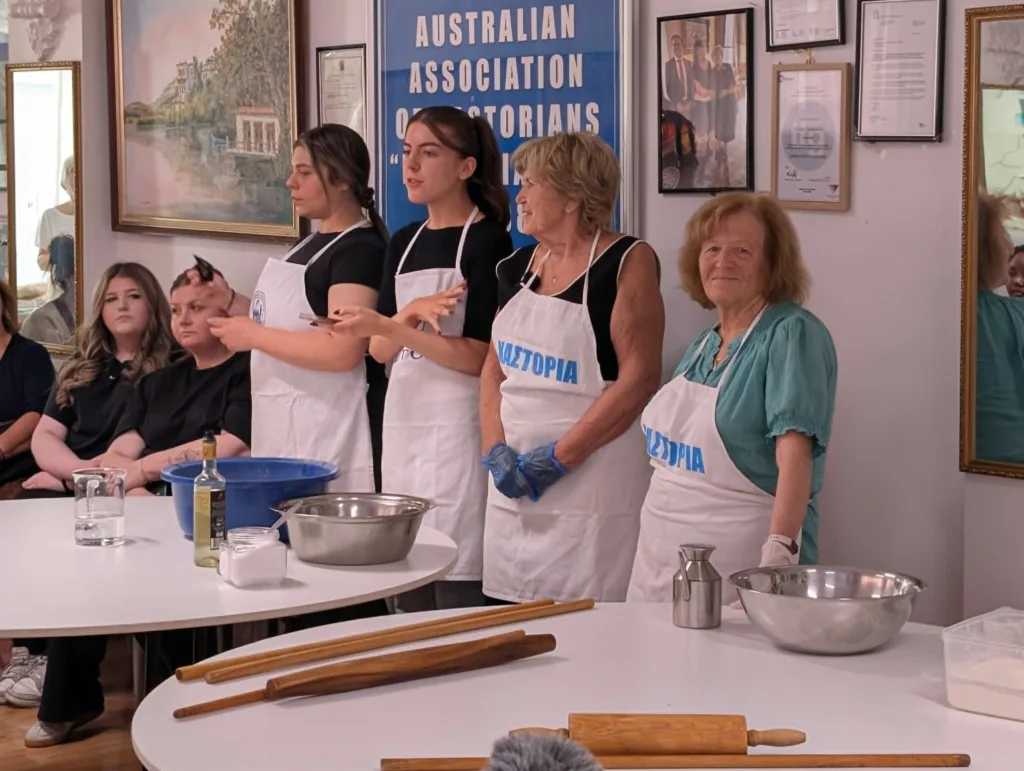
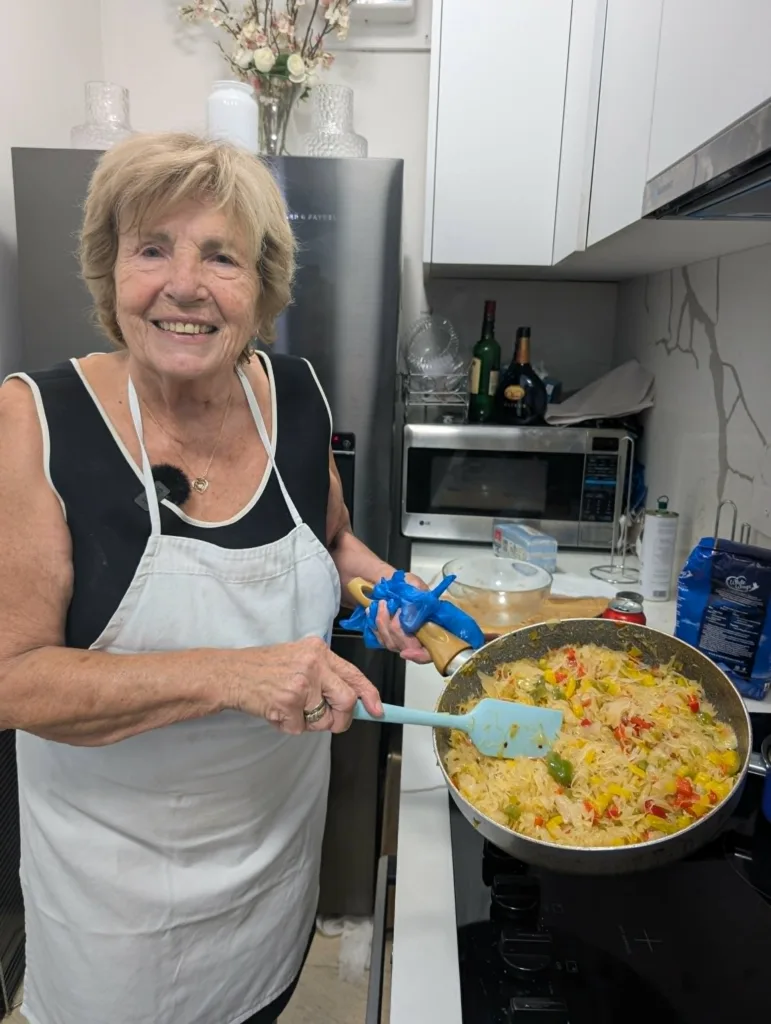
At the centre were two grandmothers and two granddaughters, working side by side and describing the process in Greek and English, each in their own way. Their hands moved with quiet certainty and symmetry, brushing oil, layering fillings, folding by feel. Around them gathered people from across Greece, along with locals of non-Greek background like Angelina from Indonesia who caught wind of the workshop on social media.

This wasn’t about recipes. It was about memory.

Lalopoulos made her first pita at 12. Back then, she says, necessity shaped everything.

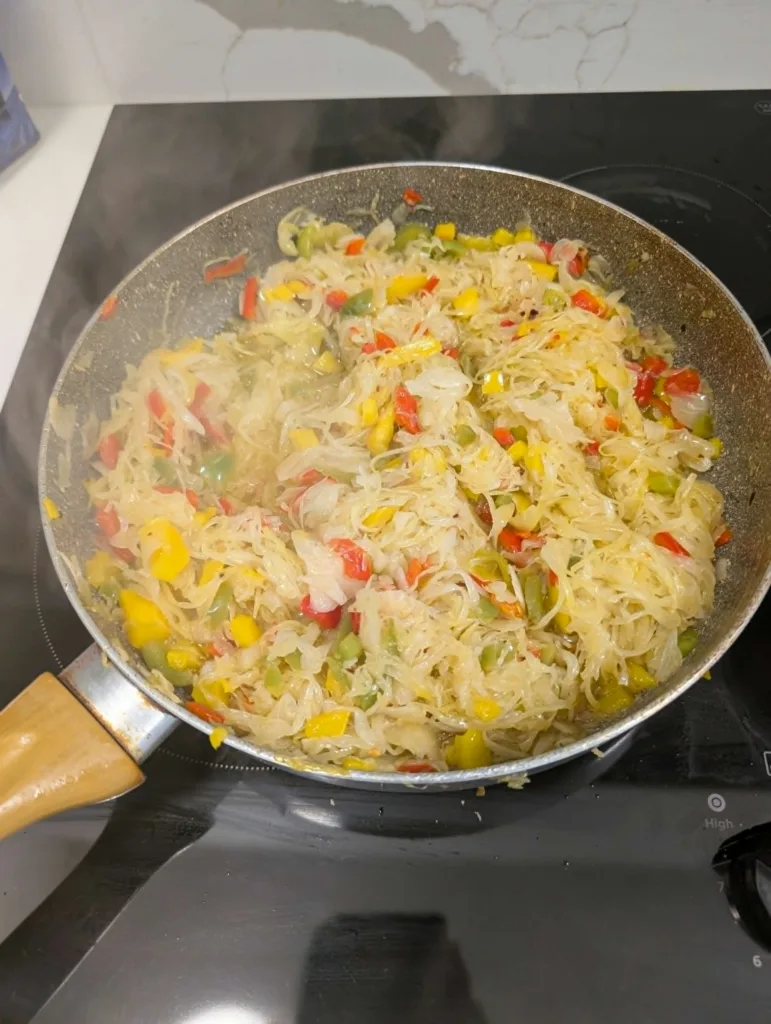
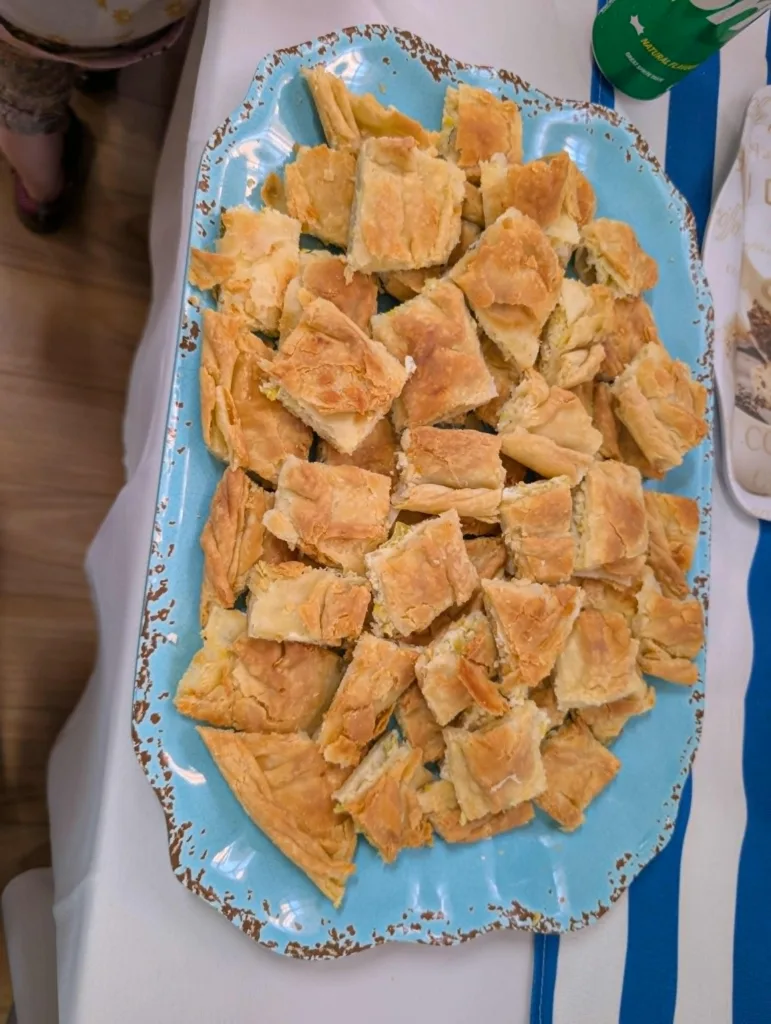
“We were poor growing up and cabbage was affordable, so we found different ways of using it, including in pites,” she said, pointing to the toursi pita, one of the many different types that day. “It’s spicy, as we add chilli.”

She smiles, noting that near Kastoria sits the village of Boukovo (Greek name for chilli), a reminder that even the simplest ingredients carry a sense of place.

The workshop was the idea of criminology student/youth justice supervisor Tania Galanos, who teamed up with her grandmother Dimitra Panagiotidis to bring it to life.

“We wanted to bring generations together and spark curiosity in young people about their culture,” she said. “It’s also about sharing what happens in our homes. You can’t capture that on social media, the atmosphere, the love, it’s just not the same.”

At another table, Lalopoulos worked alongside her granddaughter arts/law student Lily Koukouvitakis, passing on the details that don’t make it into recipes, how thin is thin enough, when the dough “feels right,” when to trust your hands.

Nearby, people furiously took notes, quickly realising there were no measurements to follow.

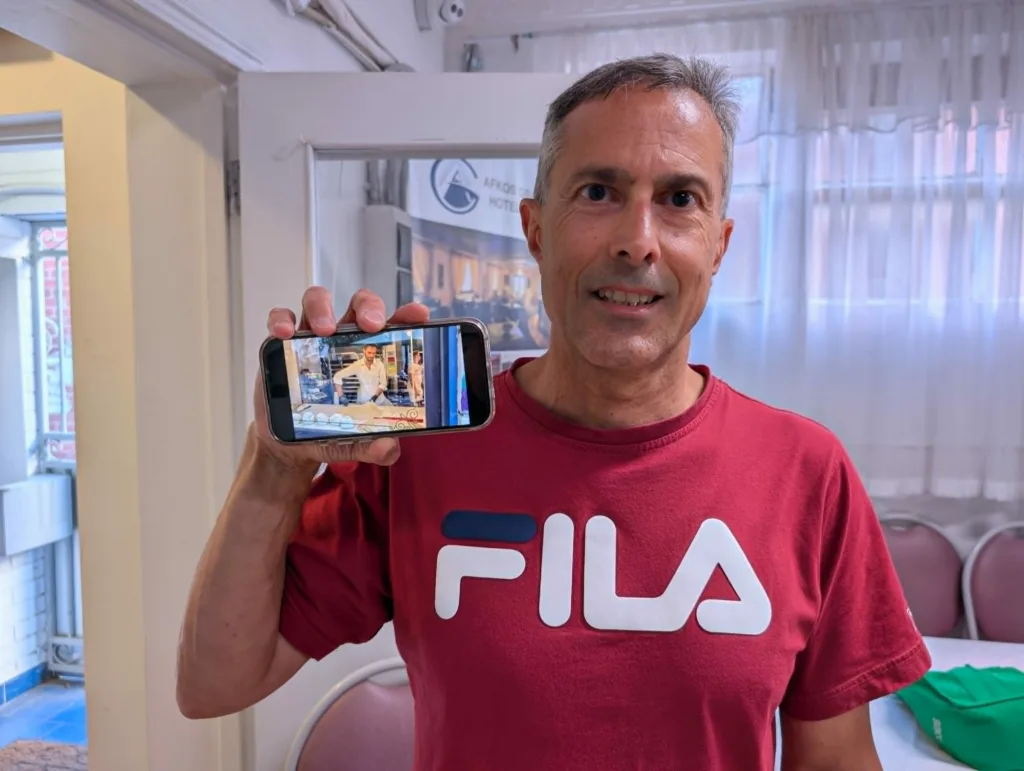
Pantelis, formerly in construction, watched closely. “I make my own, but I came to pick up a few extra tricks,” he said, pulling out his phone to show a saved video of a pita maker in Monastiraki that he snapped while on holiday last year.

Anna, a professional baker preparing to launch her own business, came for a similar reason, but for her, it went beyond technique.

“There’s something in the way yiayia does it that you just can’t replicate from a recipe,” she said.

Even the room itself seemed to hum with something larger. Local creative, Dr Dean Kotsianis, known for his work with Yitonia, took it in from the sidelines.

“There’s something powerful about watching tradition happen in real time,” he said. “It’s not staged, it’s lived. That’s what people connect to.”

If the turnout proved anything, it’s this: people are hungry not just for food, but for intergenerational connection. All ages were represented, even kids playing outside in the courtyard.

The Kastoria Club opens its doors most Sundays from 12:30pm to 6pm, serving yiayia-made dishes from Kastoria and the wider Macedonian region. Regular cook Dimitra, “the best in the world,” according to Lalopoulos, dishes up classics like gigantes sto fourno, while special days like 25 March bring out favourites such as bakaliaro and skordalia.

But if the pita workshop showed anything, it’s that the real draw isn’t just what’s on the table, it’s how it’s shared.

Because in a room of flour-dusted hands, laughter and quiet instruction, tradition didn’t feel like something remembered but something still alive.

Following the workshop’s success, the Association plans to host more sessions, smaller in size, in an effort to keep yiayia’s recipes alive by passing them on to future generations, one handful of dough at a time.

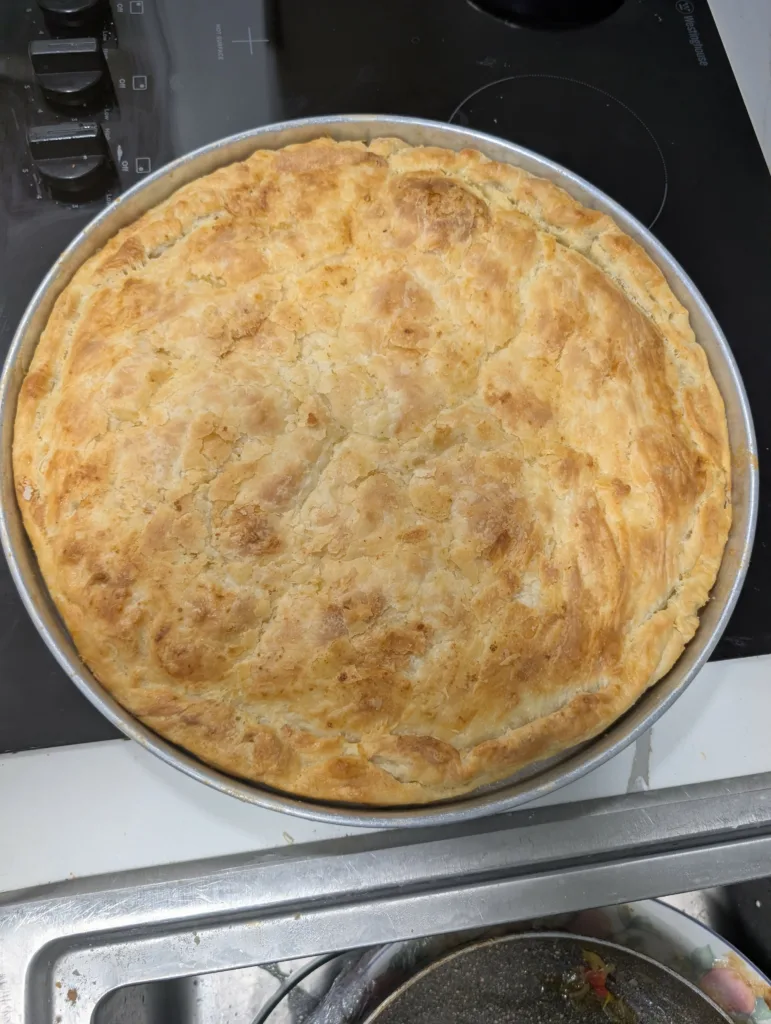
1. Tyropita (Feta cheese pita)

Ingredients

  • 4 cups flour (plus extra for kneading)
  • 1 tsp olive oil
  • 1 tsp white wine vinegar
  • 2 pinches salt
  • 2 cups water
  • Butter (melted, for drizzling)
  • 500g feta cheese
  • 6 eggs

Instructions

  1. Prepare the Dough: In a large bowl, combine flour, olive oil, vinegar, salt, and water. Mix by hand.
  2. Knead: Gradually add more flour until the dough no longer sticks to the bowl or your hands.
  3. Develop Texture: Lightly oil your workbench. Knead by folding and stretching until smooth and elastic.
  4. Rest: Separate the dough into two equal pieces. Drizzle with butter and let them rest for 1 hour.
  5. Prepare Filling: Crumble feta into a bowl and mix with 6 eggs.
  6. Roll the Phyllo: Roll the two dough balls into thin sheets. Press gently to ensure they are thin without tearing.
  7. Assemble: Preheat oven to 180°C. Grease a pan and lay down the first sheet, ensuring 3cm hangs over the sides.
  8. Fill: Spread the feta/egg mixture evenly over the dough.
  9. Seal: Place the second sheet on top. Fold bottom edges over the top and pinch to seal.
  10. Bake: Drizzle with melted butter and bake at 180°C for approximately 40 minutes.

2. Kastoria lahanopita (Cabbage pita)

Ingredients

  • 4 cups flour (plus extra)
  • Olive oil / white wine vinegar / salt
  • 2 cups water
  • Butter (melted)
  • Cabbage
  • 3 Peppers
  • Chili (to taste)

Instructions

  1. Dough: Mix flour, 1 tsp oil, 1 tsp vinegar, 2 pinches salt, and 2 cups water. Knead until smooth.
  2. Rest: Separate into two pieces, drizzle with butter, and rest for 1 hour.
  3. Prepare Filling: Thinly slice cabbage, 3 peppers, and chili.
  4. Sauté: Heat olive oil and fry the vegetables for ~15 minutes until cabbage is golden.
  5. Assemble: Roll out dough. Place first sheet in pan (3cm overhang). Spread cabbage filling inside.
  6. Seal & Bake: Add second sheet on top. Pinch edges firmly. Drizzle with butter and bake at 180°C for 40 minutes.

3. Prasopita (Leek pita)

Ingredients

  • 350ml lukewarm water
  • 1/2 tbsp salt
  • 3/4 tbsp plive oil (plus extra for sautéing)
  • 3/4 tbsp white wine vinegar
  • Approx. 750g flour
  • 500g feta cheese
  • 3 leeks
  • 5 spring onions
  • 125g butter (melted) + 1/2 cup olive oil (for brushing)
  • 3 eggs

Instructions

  1. Prepare Dough: Combine water, salt, olive oil, and vinegar. Gradually add flour (approx. 750g) until a non-sticky dough forms.
  2. Prepare Filling: Finely chop the 3 leeks and 5 spring onions. Sauté in a pan with olive oil until soft.
  3. Mix Filling: Once cooled, mix the sautéed vegetables with the crumbled feta and 3 eggs.
  4. Divide Dough: Divide the dough into 10 small pieces total.
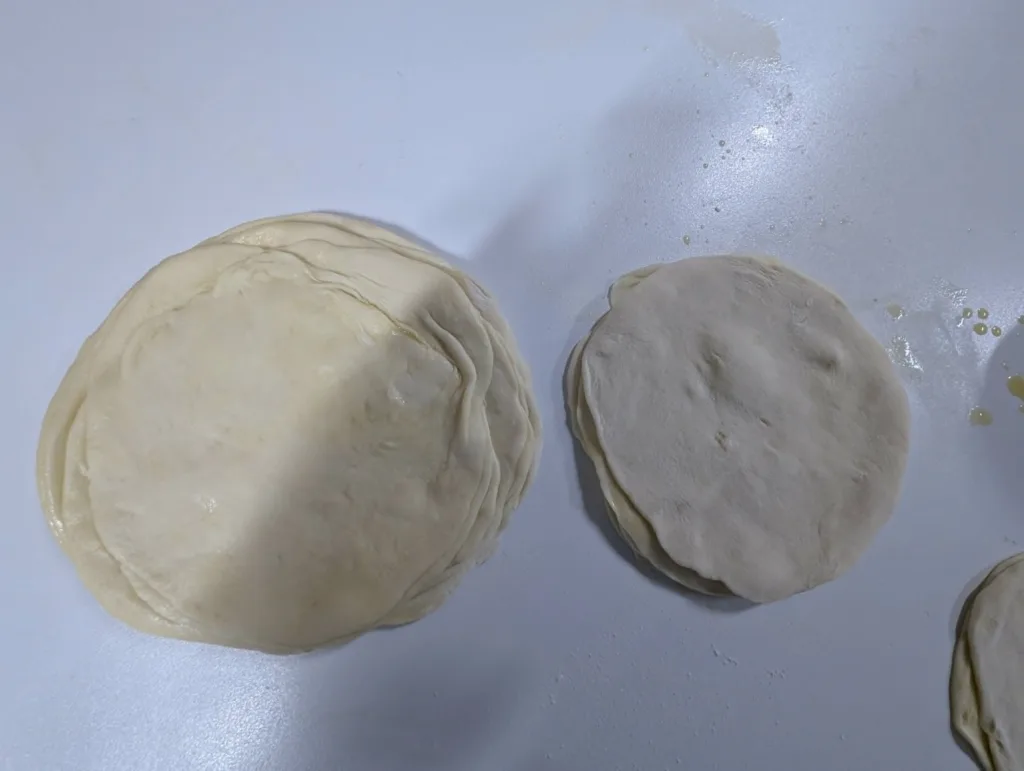
  5. Stack Phyllo: Roll each piece to the size of a pancake.
    • Bottom Layer: Stack 6 pieces, brushing butter-oil between each.
    • Middle Layer: Stack 1 piece (this is your moisture barrier).
    • Top Layer: Stack the remaining 3 pieces, brushing butter-oil between each.
  6. Roll & Assemble: Roll the three stacks into large sheets. Drizzle a pan with the butter-oil mix.
  7. The Layering: * Lay down the Bottom Layer (6-sheet stack), leaving 3cm at the sides.
    • Spread ALL of the filling over this base.
    • Place the Middle Layer (1-sheet stack) directly over the filling. This acts as a barrier to keep the top crisp.
    • Place the Top Layer (3-sheet stack) on the very top.
  8. Seal & Bake: Fold the bottom edges over the top and pinch shut. Drizzle with the remaining butter-oil. Bake at 180°C for 40 minutes.

4. Spanakopita (Spinach & ricotta pita)

Ingredients

  • 700ml Lukewarm water
  • 1.5 tbsp Olive oil / 1 tbsp Salt / 1.5 tbsp White wine vinegar
  • Approx. 1.5kg Flour
  • 350g Ricotta / 280g Spinach / 4 Eggs
  • 250g Butter + 1 cup Olive oil

Instructions

  1. Dough: Mix water, salt, oil, and vinegar. Incorporate flour until non-sticky. Rest.
  2. Filling: Combine spinach, ricotta, 4 eggs, and salt.
  3. Layers: Divide dough into 20 pieces. Stack into three groups: 12 (bottom), 2 (middle), and 6 (top), brushing butter-oil between every layer.
  4. Assemble: Lay the 12-sheet layer in a pan. Spread 3/4 of the filling. Add the middle 2-sheet layer (ruffled), then the rest of the filling.
  5. Seal: Top with the 6-sheet layer. Pinch edges, drizzle with butter-oil, and bake at 180°C for 40 minutes.

Themistocles Kritikakos addresses intergenerational trauma at Armenian Genocide event 

0

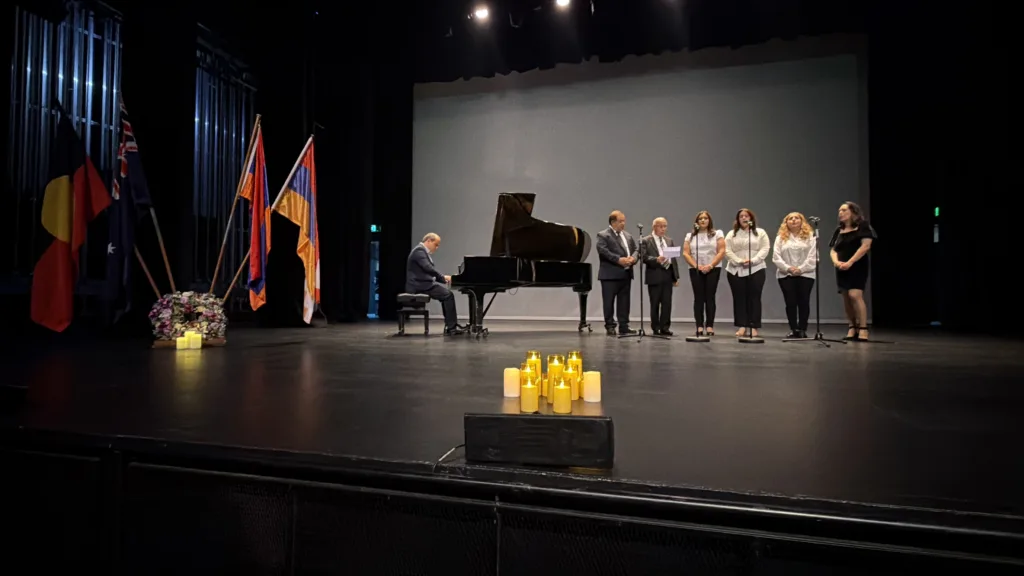
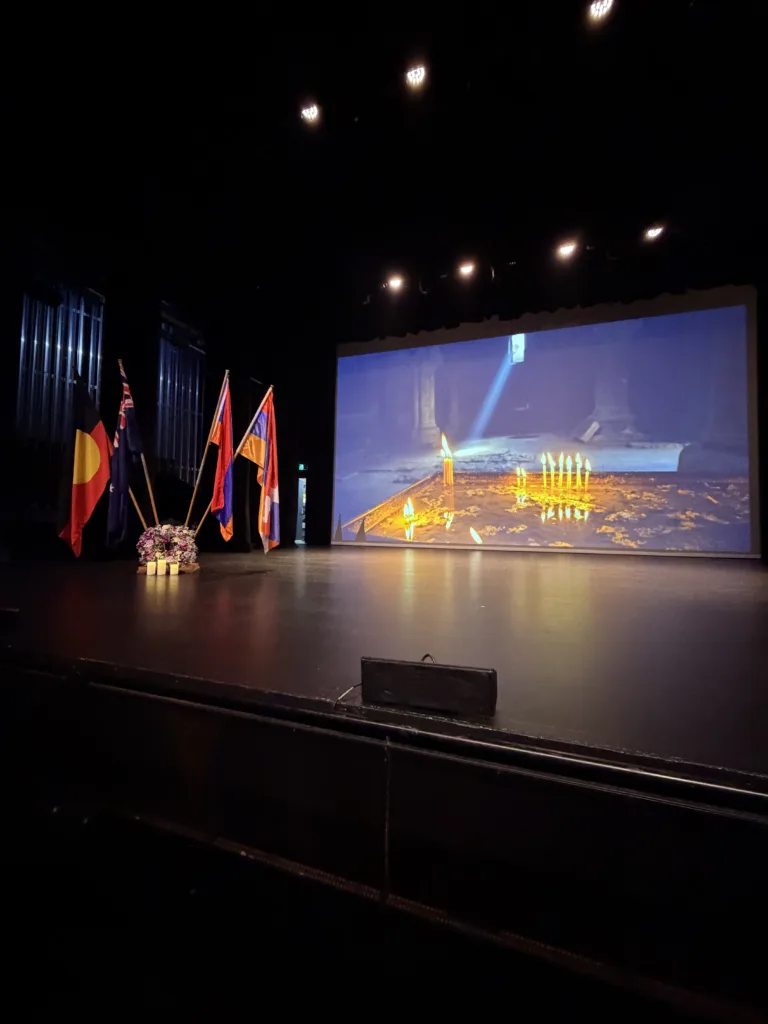
More than 300 people gathered in Melbourne last week to commemorate 111 years since the Armenian genocide, with the event also recognising the suffering of Greek and Assyrian communities during the same period.

Held before community members, clergy and dignitaries, the commemoration reflected on the lasting impact of the atrocities committed between 1914 and 1923, while highlighting the continued push for genocide recognition in Australia.

The ceremony featured a cultural program of music, poetry and dance centred on themes of loss, survival and cultural endurance. Messages of support were delivered by political representatives and community allies, reinforcing solidarity across communities affected by historical persecution.

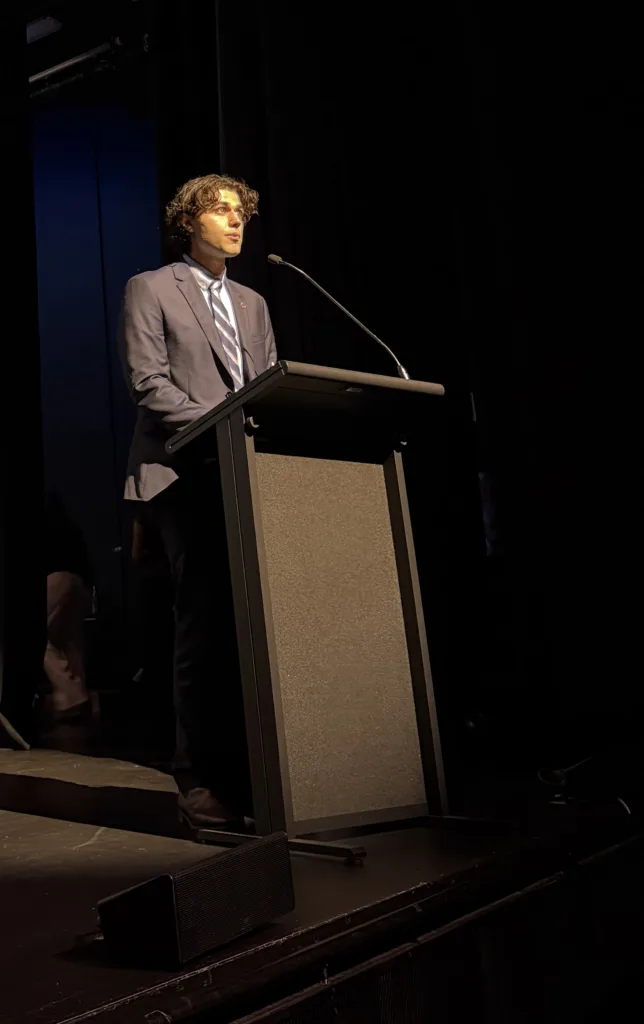
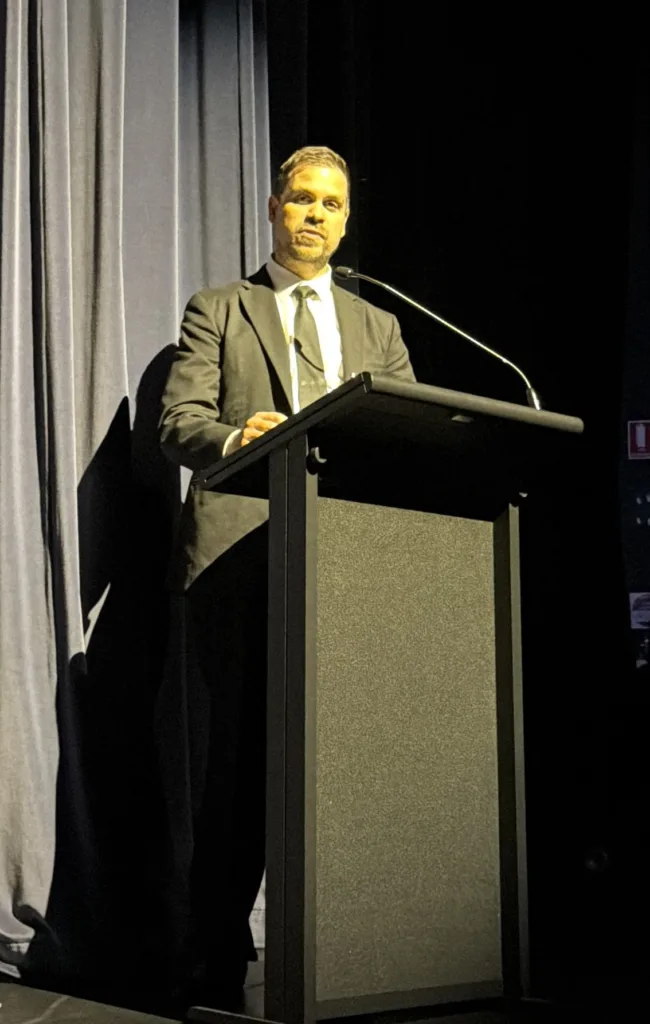
A keynote address was delivered by Themistocles Kritikakos, titled “Memory, Trauma, and the Struggle for Genocide Recognition in Australia.”

Dr Kritikakos explored the long-term effects of the Armenian, Greek and Assyrian genocides across generations, arguing that trauma continues to shape descendants through silence, fragmented histories and inherited memory.

He emphasised the role of diaspora communities in preserving collective memory and advancing recognition efforts, noting that Armenian Australians have played a leading role in advocating for acknowledgement and public awareness.

Dr Kritikakos also highlighted Australia’s historical links to the events through eyewitness testimonies and humanitarian responses during and after the First World War, while pointing to what he described as a continuing gap between commemoration and formal recognition in Australian public memory.

Referencing recent developments in Artsakh, he noted the displacement of more than 100,000 Armenians and argued that denial contributes to the continuation of historical injustice.

He concluded that recognition of these genocides remains essential not only for affected communities, but also for a fuller understanding of Australia’s historical relationship to global humanitarian crises.

Dr George Taleporos appointed to NDIS consultation forum

Disability sector leader Dr George Taleporos has been appointed to the NDIS Quality and Safeguards Commission’s Sector Consultation Forum, in a role running from 20 April 2026 to 24 March 2028.

Dr Taleporos confirmed the appointment in a LinkedIn post, saying he was “pleased to share” the news and looked forward to contributing to the Commission’s work, “raising community concerns with decision-makers, and helping to put forward practical, implementable solutions.”

He said regulation must “protect people with disability and our families without undermining our right to choice and control over our supports and our lives,” and called for stronger accountability for providers when services “infringe on our human rights.”

Dr Taleporos also said he would advocate for a “self-directed registration category” in future changes to provider registration, allowing people who self-manage and self-direct supports to continue building individualised arrangements.

Former Sydney Airport CFO Stephen Mentzines pleads not guilty to drug supply charges

Stephen Mentzines, the former Chief Financial Officer of Sydney Airport, has pleaded not guilty to supplying and possessing party drugs including methylamphetamine and cocaine.

The 66-year-old from Chatswood, also a former Macquarie Group executive, is facing four charges after being arrested late last year.

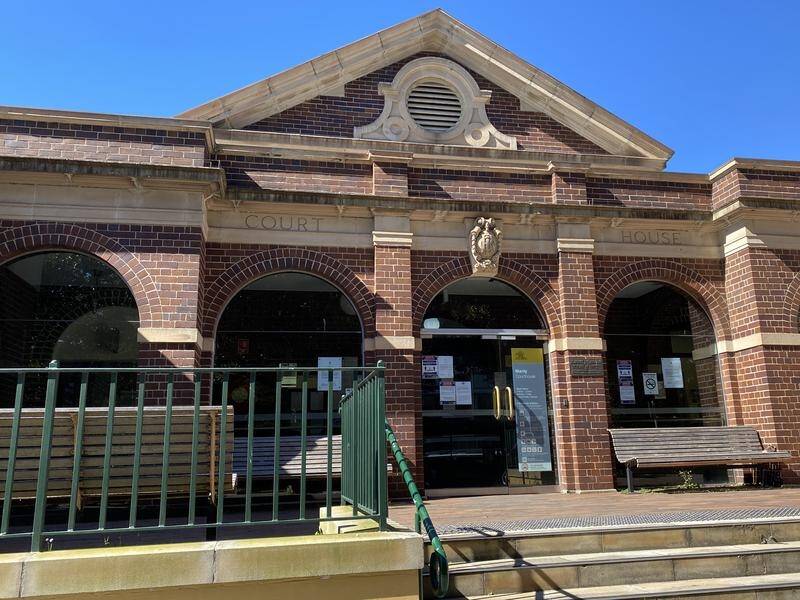
Police allege Mentzines supplied 9.26 grams of methylamphetamine and 4.7 grams of cocaine in North Sydney on December 6, and also possessed both substances. He has formally entered not guilty pleas to all charges in Manly Local Court.

Manly Local Court.

Mentzines did not appear in court, where a three-hour hearing was scheduled for February 3, with police body-worn camera footage expected to be shown.

He is currently on strict conditional bail requiring daily reporting to police, a nightly curfew between 9pm and 6am, abstinence from drugs and alcohol, and compliance with treatment directions.

He is also subject to random drug and alcohol testing up to three times a week and is banned from entering airports or other international departure points.

Mentzines served as CFO of Sydney Airport between 2012 and 2015 and later held senior roles at Magellan Funds Group and Macquarie Group, where he worked for more than 13 years in global infrastructure and investment leadership positions.

Source: Daily Telegraph.

Classical Greek faces uncertain future in Victorian schools

Classical Greek studies in Victoria are under threat after Xavier College confirmed it will end its program after 147 years due to low enrolments.

According to Sydney Morning Herald, the school said numbers had “not been historically consistent” but added it had “not closed the door to classical Greek if student interest grows”.

Only four students currently studying the subject will be unable to continue at VCE level, reflecting a broader decline, with just three Year 12 students enrolled statewide last year.

Students and teachers warned the subject’s future is at risk. “I think it’s a shame it may not continue, since I really enjoy the subject,” one student said, while another added: “taking the subject out of VCE isn’t really the answer.”

Teacher Miltiadis Paikopoulos said the subject had long faced “chronic problems” with enrolments, adding: “The skills you learn from classical Greek… flow through to all of the other subjects.”

Education authorities warn courses with fewer than 15 students could be discontinued by 2030 unless numbers improve.

Source: Sydney Morning Herald.

Mixed results for St George Basketball

St George Basketball’s senior men hosted the Newcastle Falcons on Saturday night at Hurstville Stadium in a physical, hard-fought contest.

The Saints started slowly in the first quarter but managed to stay within reach. Newcastle’s experience showed throughout the game, while St George’s younger players continued to prove their value alongside the senior core. At halftime, St George trailed 42–54.

The second half saw key Saints players fall into foul trouble, but the team stuck to the game plan and remained within striking distance. Despite closing the gap to within 10 points, St George couldn’t overcome Newcastle, with the Falcons securing a 104–94 victory.

With a strong Greek heritage presence within the squad, St George will regroup and look to bounce back this Saturday away against the Hornsby Ku-Ring-Gai Spiders.

Greek Heritage Player Performances:

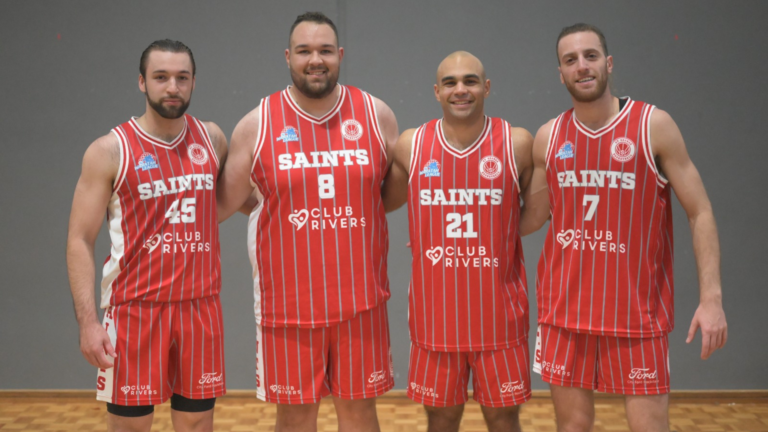
  • Loukas Triantis (Sponsored by Bacino Bar): 35 points, 5 rebounds, 10 assists, 1 steal 
  • Yianni Trikilis: 29 points, 4 rebounds, 3 assists 
  • Nicholas Alexander: Strong contribution on the boards 
  • Ross Aliferis (Sponsored by Valsamis & Associates): Limited minutes after returning from a four-week injury layoff 

Head Coach George Aliferis said: “I was devastated with the loss to Newcastle. We just couldn’t get ahead of them. Our rebounding was poor, which gave Newcastle too many second-chance opportunities. We need to respond and come away with a win this Saturday.”

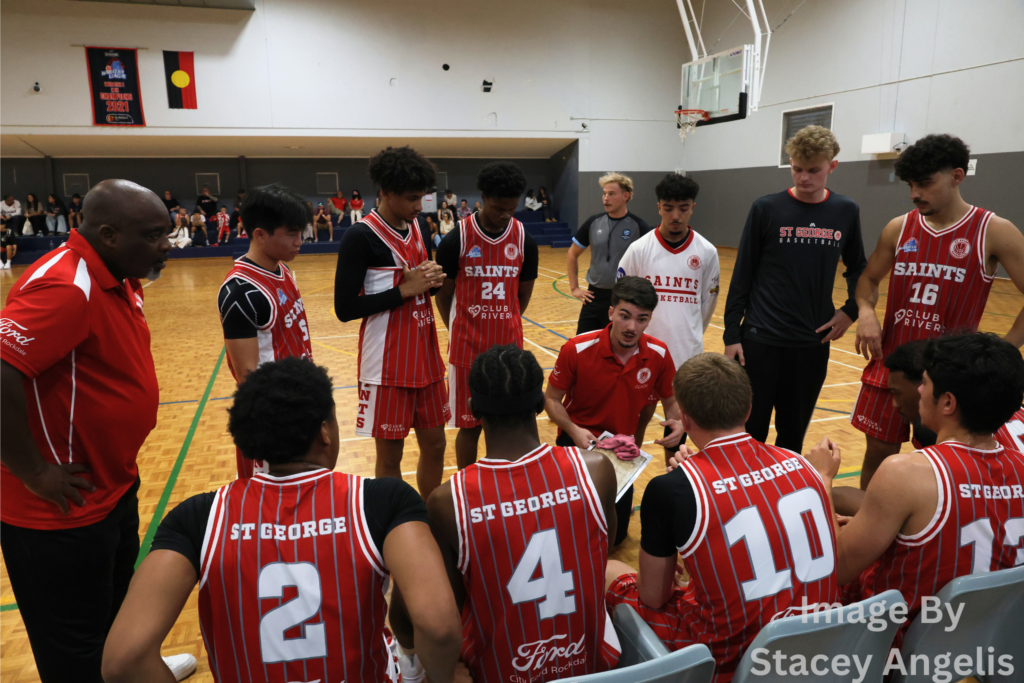
The Youth League Men’s Red team delivered a dominant performance against the Tamworth Thunderbolts on Sunday, securing a 106–78 victory to move to a 3–0 start to the season.

The Saints set the tone early, forcing turnovers and capitalising in transition, scoring 21 points off turnovers in the first quarter to take a 38–21 lead. Despite foul trouble slowing momentum in the second quarter, they held a strong 62–43 advantage at halftime.

Tamworth made a push in the third quarter, but St George responded with disciplined defence to extend the lead to 84–58 heading into the final period. The Saints maintained control in the fourth to close out an impressive win.

Angelo Tsitsos, Assistant Coach said, “Really proud of the group and the way they approached the game from the opening tip. We spoke about setting the tone early with our defence, and to come out and generate that many points off turnovers in the first quarter showed the intent we want to play with. We defended, we shared the ball, and we stayed disciplined. Tamworth challenged us at different stages, but the boys showed maturity to regain control and finish the game the right way. To be 3-0 to start the season is a great reward for the work they’ve been putting in, but we know there’s still plenty to improve.”

Key Contributors:

  • Jaxon Frintzilas: 23 points, 6 rebounds, 2 assists, 2 steals 
  • Tao Smith: 16 points, 4 rebounds, 10 assists, 4 steals 
  • Abdul Banse: 19 points, 5 rebounds, 7 assists, 4 steals 

Other Results:

  • U14 Boys def. Macarthur United 54–44 
  • U14 Girls def. Marrickville Spirit 39–28 
  • U12 Girls def. Sutherland Sharks 38–26 
  • U18 Boys def. Bankstown Bruins 94–87 
  • U18 Boys White def. Parramatta Cumberland 100–47 

*Photos by Stacey Angelis