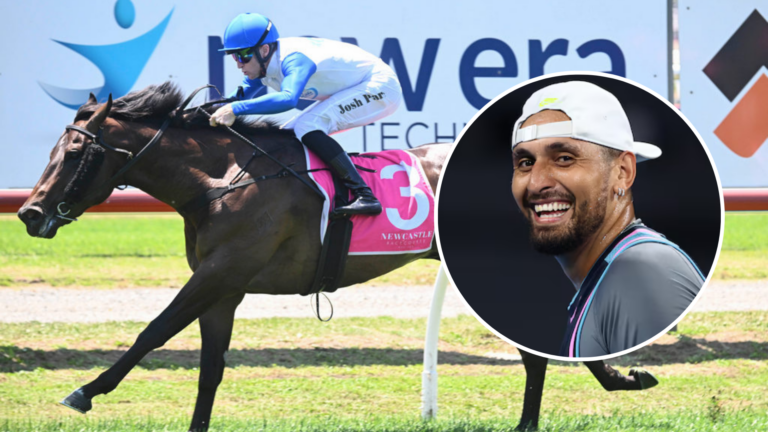
A colt part-owned by tennis star Nick Kyrgios has surged into contention for the $3 million Magic Millions 2YO Classic after a commanding debut win at Newcastle.
Seeiaye, trained by Peter Snowden, led throughout to take out the Max Lees Classic (900m) on Saturday, instantly repaying his modest $65,000 purchase price from the Magic Millions Gold Coast Yearling Sale.
A return trip to the Gold Coast early next year is now firmly planned.
“He is a Magic Millions horse so that will certainly be in our mind with what we do from now on,” Snowden said, adding that the stable would decide “next week” whether to give the colt another run or a freshen-up.
Snowden said he had been cautious about Seeiaye’s coltish behaviour, but the two-year-old delivered a “really nice” and professional performance.
Jockey Josh Parr used the inside draw to perfection, controlling the race before Seeiaye kicked clear to win by 1¾ lengths.
“He made good use of barrier one,” Parr said. “He showed nice speed to lead… I let him loose and he got to a really good speed.”
Snowden praised Parr’s judgement, noting the colt’s natural pace carried him to the front despite a slow start.
The victory places Seeiaye firmly on the Magic Millions path and highlights Kyrgios’s growing footprint in racehorse ownership.
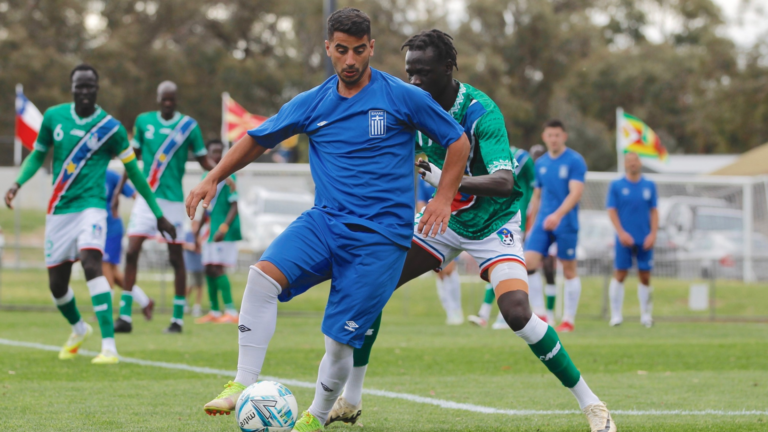
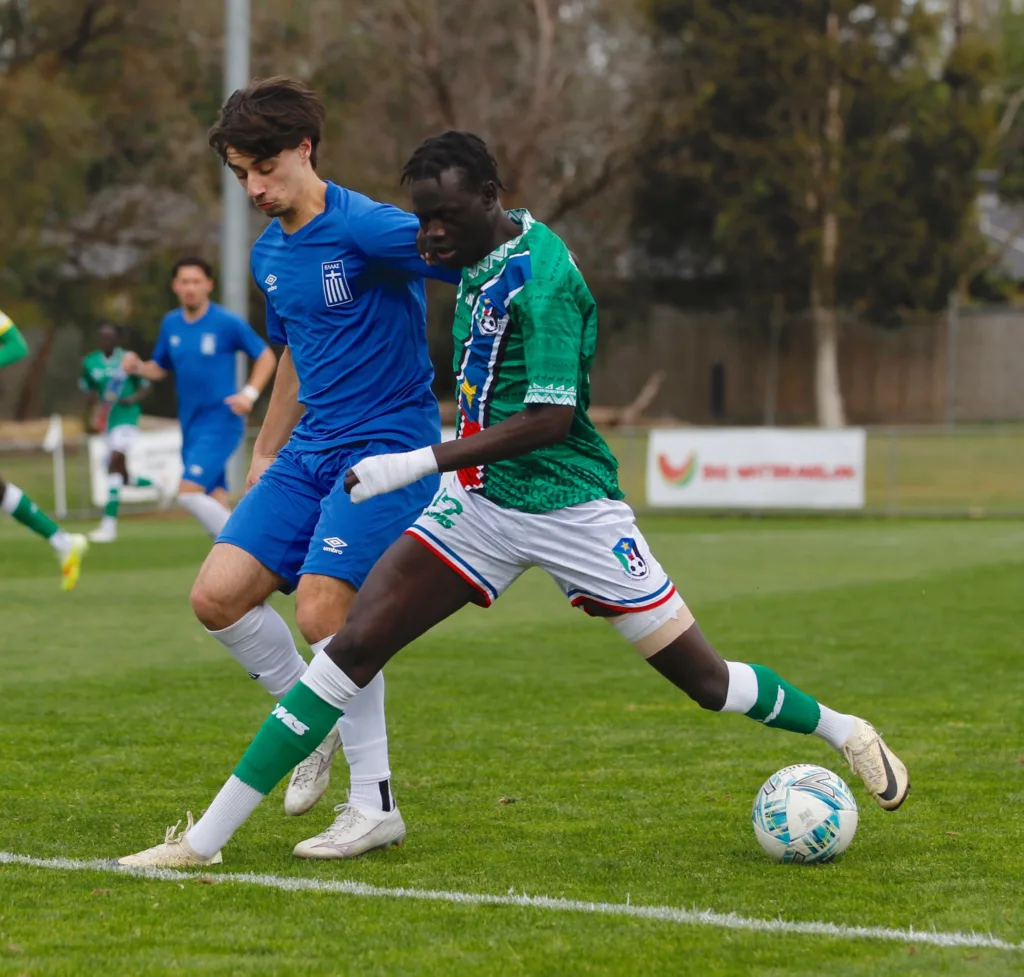
Team Greece fought valiantly in its All Nations Cup semi-final against South Sudan with a 2 – 2 draw at full time, but unfortunately failed to qualify for the final after losing the penalty shootout 4 – 3.
Trailing 2 – 0 at halftime, Team Greece looked in trouble after a dominant first half display by South Sudan. Coach George Katsakis addressed the boys at halftime and they came out a completely different side.
They dominated the half and controlled the play, creating numerous opportunities to score and it wasn’t until the 75th min when Nathan Stamatelos scored to give Greece a glimmer of hope.
Team Greece kept pressing and were rewarded a penalty in the 89th minute which unfortunately was missed.
With seconds to go and virtually the last play of the game, Greece was rewarded a foul just outside the box, which Trent Skapetis struck and scored to level the scores at 2 – 2. The referee blew for full time and the teams took their penalties, resulting in a win for South Sudan.
Photo: The Sporting Wall.
Michael Karamitos, Greek Community of Melbourne (GCM) Board Member, said, “What an amazing spectacle we have just witnessed.”
“After trailing 2 – 0 at halftime, our boys dug deep in the second half and gave themselves every opportunity to win the match. We at the community are so proud of their efforts and also a very big thank you to our coaches George Katsakis and Kon Tangalakis in leading our team,” Karamitos said.
GCM President Bill Papastergiadis also commented following the semi-final.
“Our team played for the jumper today and as President of our Community, I’m so proud of what they have accomplished the last five weeks,” Mr Papastergiadis said.
“Unfortunately, the result didn’t go our way today, however we are so proud of Team Greece and I wish South Sudan and Cyprus all the best for the final next weekend.
“A very big thank you also to Knox City FC for hosting the tournament and we look forward to coming back next year to compete once again.”
Teenager Aaron Papazoglu faces multiple serious driving charges after a fatal crash in Hornsby that killed 33-year-old Samanvidha Dhareshwar, who was eight months pregnant, and her unborn baby.
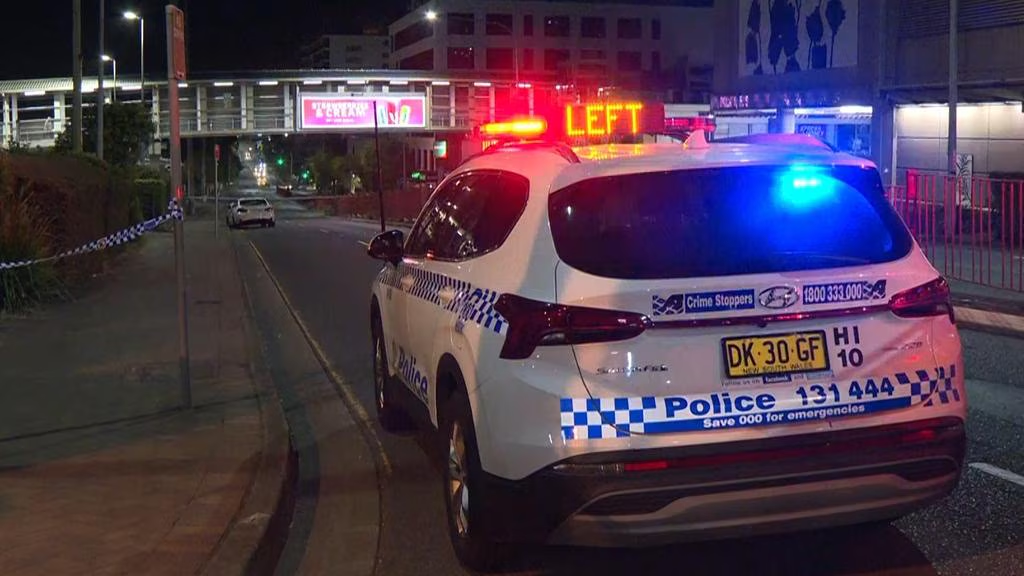
Police allege the 19-year-old P-plater caused the collision on Friday night when his BMW struck the back of a Kia, forcing it forward into Dhareshwar as she walked toward Hornsby train station with her husband.
Police said paramedics fought to save the mother and baby, but both died shortly after. Assistant Commissioner David Driver described it as a “terrible, terrible story.”
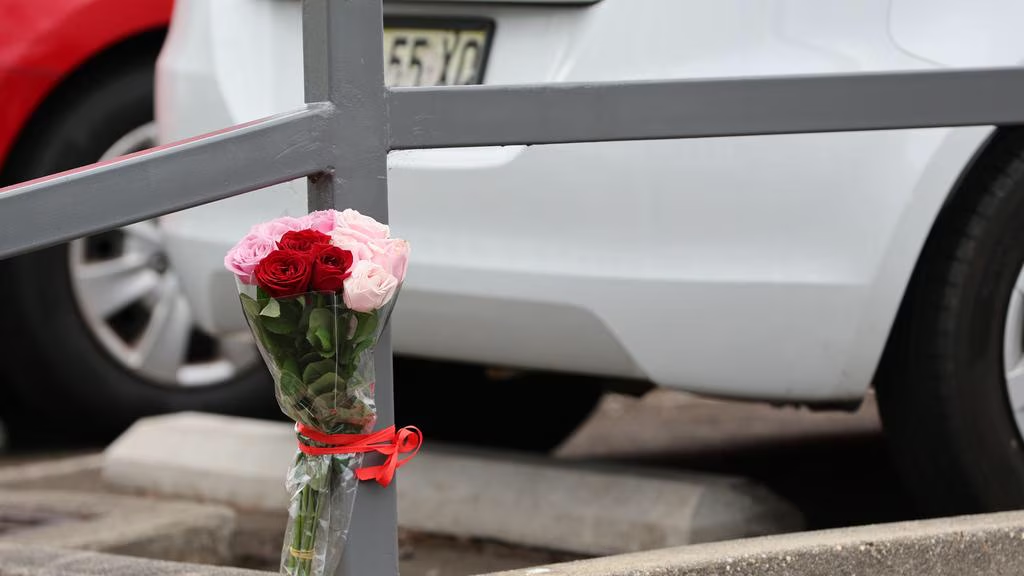
The scene of a car crash in Hornsby on Friday night. Photo: TNV.
Papazoglu and the Kia driver were uninjured and taken for mandatory testing. After being released from hospital, he was arrested a few hours later following a Crash Investigation Unit probe.
At Hornsby Police Station, he was charged with dangerous driving occasioning death, drive manner dangerous, negligent driving occasioning death, and cause loss of foetus – death of pregnant woman.
Police sources allege that while in custody, Papazoglu repeatedly asked officers about the condition of his BMW rather than the victims.
As locals laid flowers at the scene, Papazoglu appeared before Parramatta Bail Court on Sunday.
Photo: NewsWire / Damian Shaw.
His lawyer, Patrick Schmidt, argued for release, citing no prior criminal or traffic history, university studies, work in after-school care, strong family support and the fact “it’s not uncommon for people to punch through an orange light.”
He stressed there were no allegations of alcohol, drugs or street racing.
Prosecutor Candice Chapman opposed bail, saying Papazoglu posed an “ongoing risk to community safety” and that “this wasn’t a momentary lapse of judgement.”
Magistrate Ray Plibersek refused bail, calling the circumstances “very serious” and “tragic,” adding: “My heart goes out to that family for their loss.”
As he was taken back into custody, Papazoglu said, “I just really want to see my family.”
Tributes continued to grow at the crash site, including a note from a witness that read, “Words can’t describe how sorry I am that this has happened to you… I pray for you and your little one, that you are held with love as you leave this world.”
Greece and Ukraine have finalised an agreement to channel US liquefied natural gas to Ukraine through Greek infrastructure, a move officials say will reinforce regional energy security ahead of a challenging winter.
The deal, signed Sunday by DEPA Commerce and Naftogaz, provides for US LNG deliveries from December 2025 to March 2026 via the “Vertical Corridor,” with flows expected to start in January.
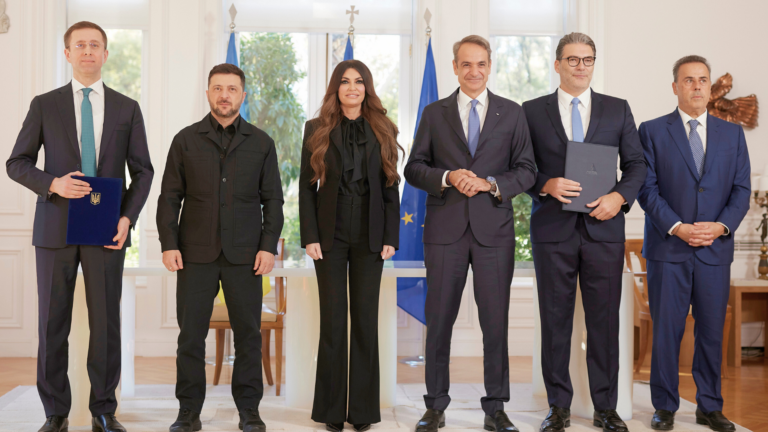
Prime Minister Kyriakos Mitsotakis, Ukrainian President Volodymyr Zelenskyy, Energy Minister Stavros Papastavrou and US Ambassador Kimberly Guilfoyle attended the ceremony.
Greek officials said the arrangement will help maintain steady gas supplies to Europe and offer “critical support” to Ukraine.
Η Ελλάδα καθίσταται πλέον κόμβος τροφοδοσίας της Κεντρικής και της Ανατολικής Ευρώπης με αμερικανικό υγροποιημένο φυσικό αέριο, συμβάλλοντας στην ενεργειακή σταθερότητα, ανθεκτικότητα και ασφάλεια. Ενώ η Ουκρανία αποκτά πρόσβαση σε διαφοροποιημένες και αξιόπιστες πηγές ενέργειας.
At a joint press briefing, Mitsotakis reaffirmed Greece’s backing of Kyiv, saying, “We stand with the Ukrainian people… the inviolability of borders is nonnegotiable,” and described Greece as a “steady ally.”
He also underlined the creation of “a new secure energy artery from south to north.”
Zelenskyy thanked Greece for its “continuous, substantive and multifaceted support,” noting persistent attacks on Ukraine’s energy infrastructure.
He welcomed Greek and US involvement and urged continued pressure on Russia, stating, “Russia deserves further sanctions.”
The Ukrainian leader held earlier meetings in Athens with President Konstantinos Tasoulas and Mitsotakis, focusing on energy cooperation and ongoing Greek support.
More than 250 bridges across Greece are being transformed into “smart” structures as part of a major national project that uses Internet of Things (IoT) technology to monitor their structural health in real time.
Through a system of fibre-optic networks and sensors, each bridge will continuously transmit data, such as vibrations, strain, water levels, and movement, to scientists, allowing them to detect wear, stress, and potential safety risks before they escalate.
The initiative, which will be completed by June 2026, prioritises bridges with heavy traffic or aging infrastructure, many over 70 years old, across all 13 regions of Greece.
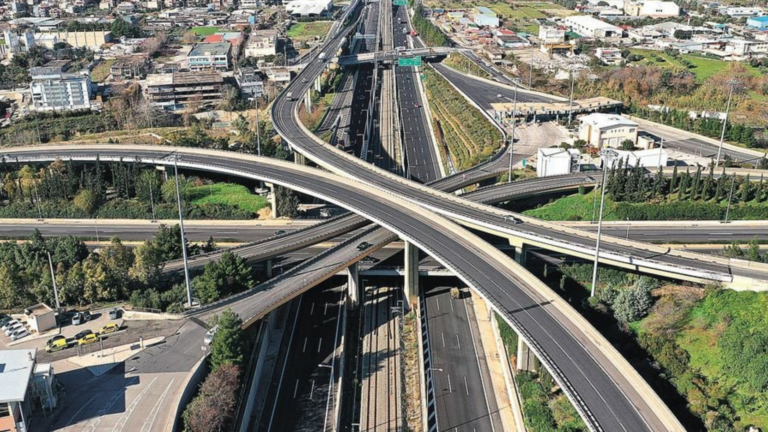
The first 36 to be upgraded are in Attica, including key bridges along Kifisos and Poseidonos Avenues and major interchanges like Syngrou, Kifisias, and Katechaki.
The system represents a major step forward in preventing structural failures, following a series of bridge collapses in recent years, including incidents in Thessaloniki, Rhodes, and Patras.
According to a study by the Association of Civil Engineers of Greece, many bridges in the country have exceeded their expected service life and lack adequate seismic design, particularly those built before 1993.
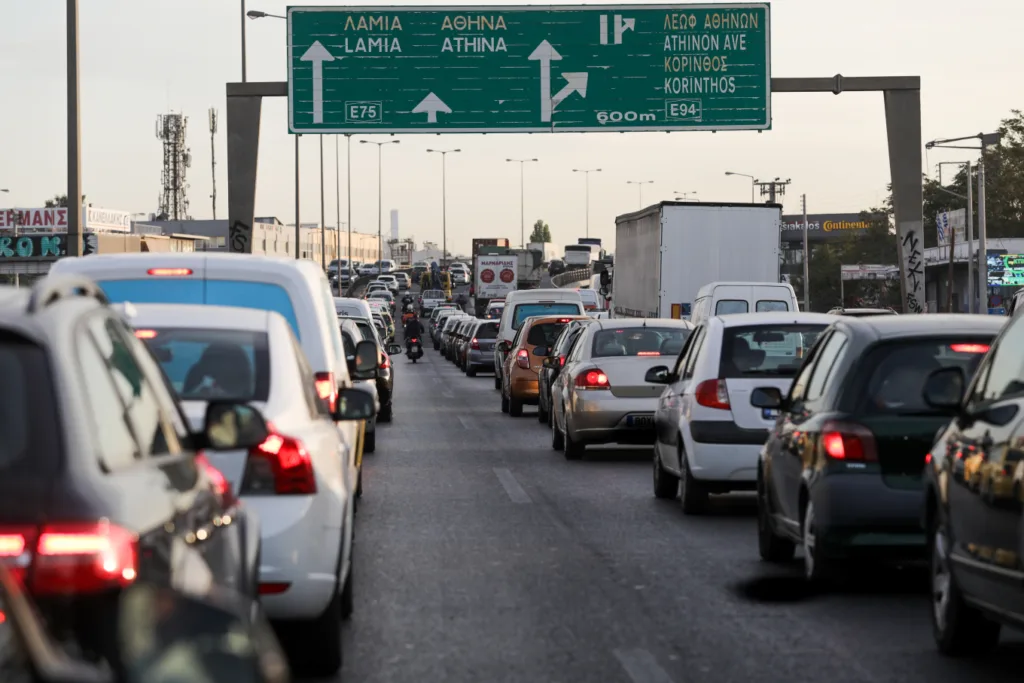
Heavy traffic, such as on Kifisos Avenue, where some lanes now carry up to 8,000 vehicles per hour, has further pushed infrastructure beyond its limits.
Each “smart” bridge station will be equipped with multiple sensors, including vibrographs, axial strain and temperature sensors, and water-level detectors. Data is analysed through algorithms and AI to identify early signs of structural degradation.
Engineers say the real-time monitoring network will enable targeted maintenance and prevent accidents, ensuring that Greece’s modern “master builders” no longer need to rely on endless manual inspections, but on technology that safeguards both infrastructure and lives.
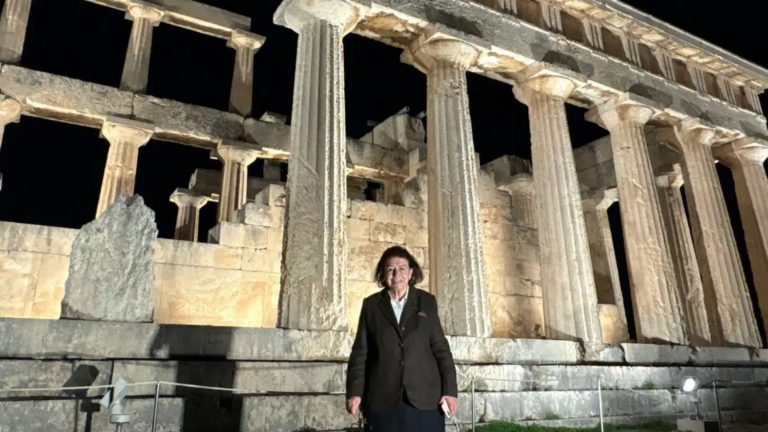
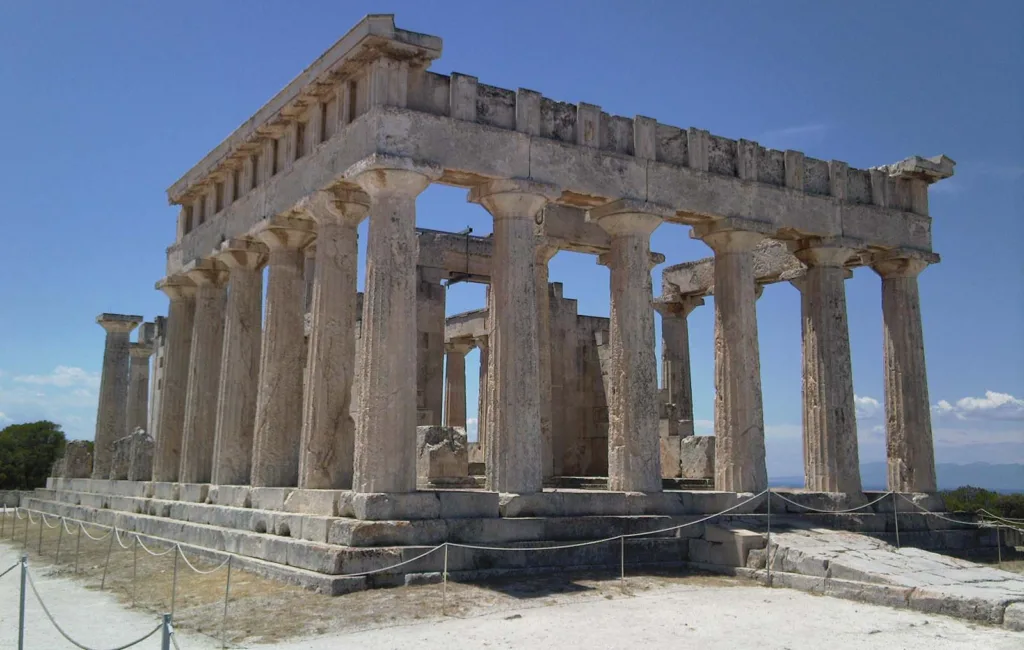
The ancient Temple of Aphaia on Aegina has undergone a €1.5 million restoration, breathing new life into one of Greece’s best-preserved monuments.
Greek Culture Minister Lina Mendoni inaugurated the project this week, part of the Culture Ministry’s broader effort to preserve and modernise key archaeological sites.
The works, carried out by the Directorate for the Restoration of Ancient Monuments, included sanctuary restoration, a new fire protection system, improved accessibility with a lift for visitors with disabilities, redesigned entrances, new walking paths and viewing points, updated fencing, and a new guardhouse.
A highlight of the project is the lighting design by Eleftheria Deko, known for illuminating the Acropolis and the Athens 2004 Olympic Games ceremonies.
Her design enhances the temple’s architectural beauty while emphasising energy efficiency and environmental sustainability.
“The project reflects three core priorities of the ministry,” said Mendoni.
“Upgrading infrastructure at archaeological sites to enhance the visitor experience, ensuring accessibility for all, and protecting our cultural heritage from the impacts of climate change.”
Built around 500–490 BC and dedicated to the goddess Aphaia, the temple remains a striking example of Doric architecture.
Set on a pine-covered hill overlooking the Saronic Gulf, it continues to draw more than 100,000 visitors each year.
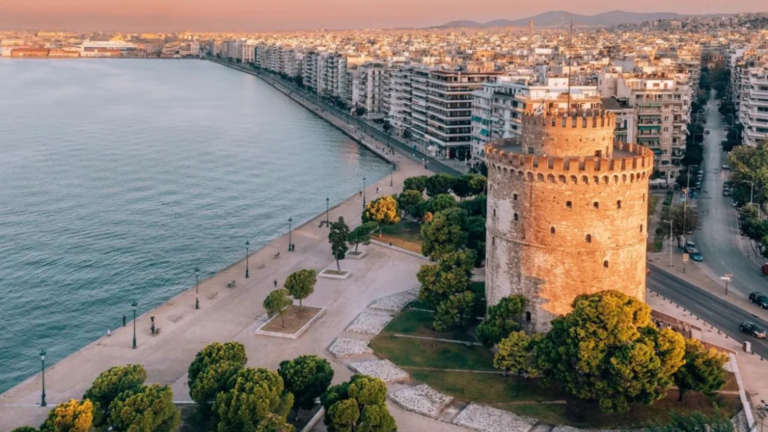
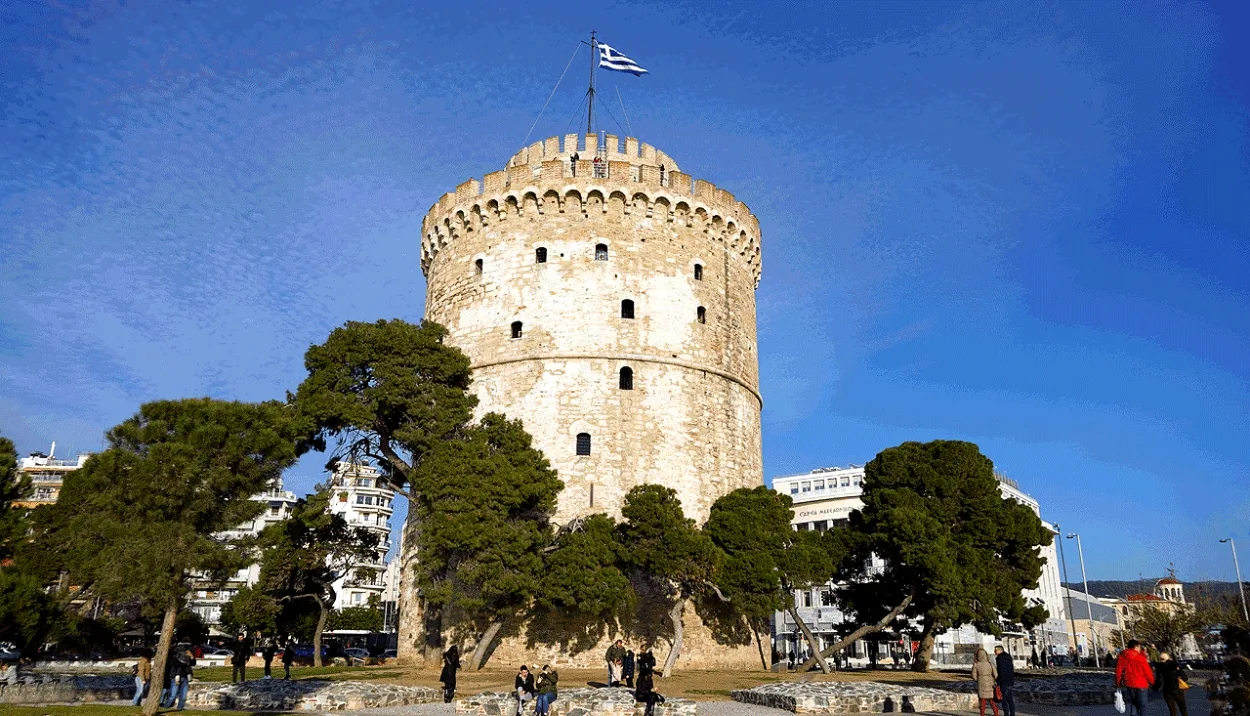
Thessaloniki’s iconic White Tower has been officially added to the European Film Academy’s (EFA) prestigious list of Treasures of European Film Culture.
The announcement was marked by a ceremony on November 7 in White Tower Square during the 66th Thessaloniki International Film Festival.
Organised by the Festival in collaboration with the EFA and the National Centre of Audiovisual Media and Communication, and supported by the Ephorate of Antiquities of Thessaloniki City and the Museum of Byzantine Culture, the event highlighted the Tower’s cultural and cinematic significance.
EFA Board Chairman Mike Downey noted, “The White Tower is the first monument in Greece to join this growing network, which reflects the richness and magic of European cinema. It carries a long history as the symbol of Thessaloniki and has served as the backdrop for numerous films by Theo Angelopoulos, arguably the most important figure in Greek cinema.”
Since 2008, the White Tower has hosted a permanent exhibition on Thessaloniki’s history, from its founding in 316 BC to the 20th century, showcasing the city’s cultural heritage through multimedia displays and minimal archaeological artefacts.
Its inclusion in the EFA cinematic treasure map underscores both its historical legacy and Thessaloniki’s enduring connection to the art of film, reinforcing the Tower as a symbol of stories that unite Europe’s past and present.
It’s exactly 35 years ago to the week in 1990 when I first visited what I still describe as the most bizarre country I’ve ever been, Albania.
This country was virtually unknown to the outside world back then as very few were allowed to visit and if they did it was under strict surveillance with an Albanian tour guide who in reality kept an eye on everyone to ensure they did not mix with the local people and spread what they deemed western propaganda. So every hour of your stay was highly organised, giving you little time to explore places on your own.
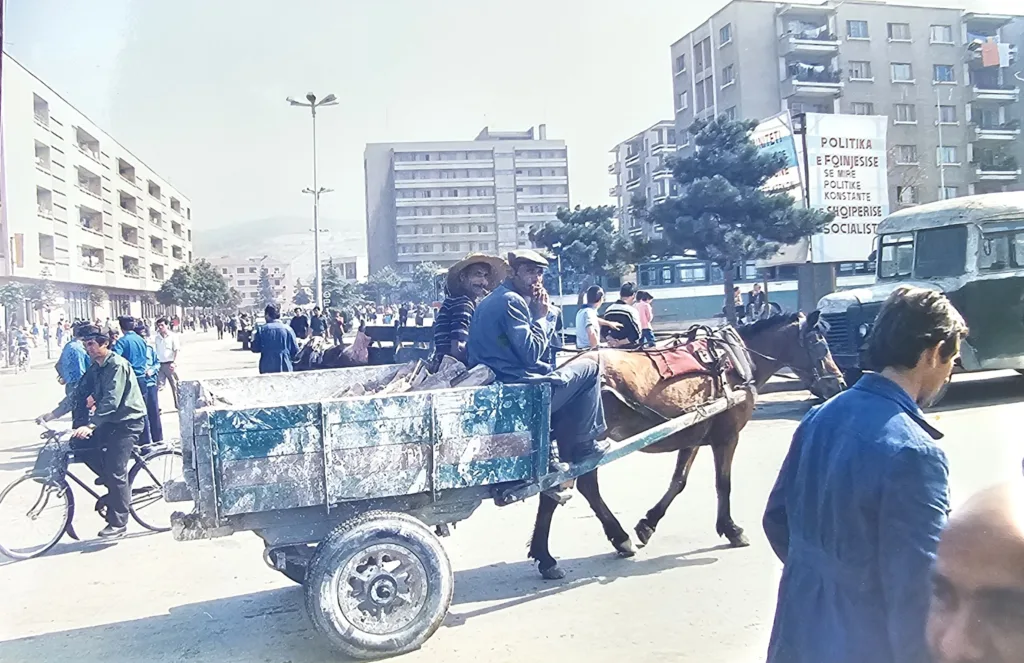
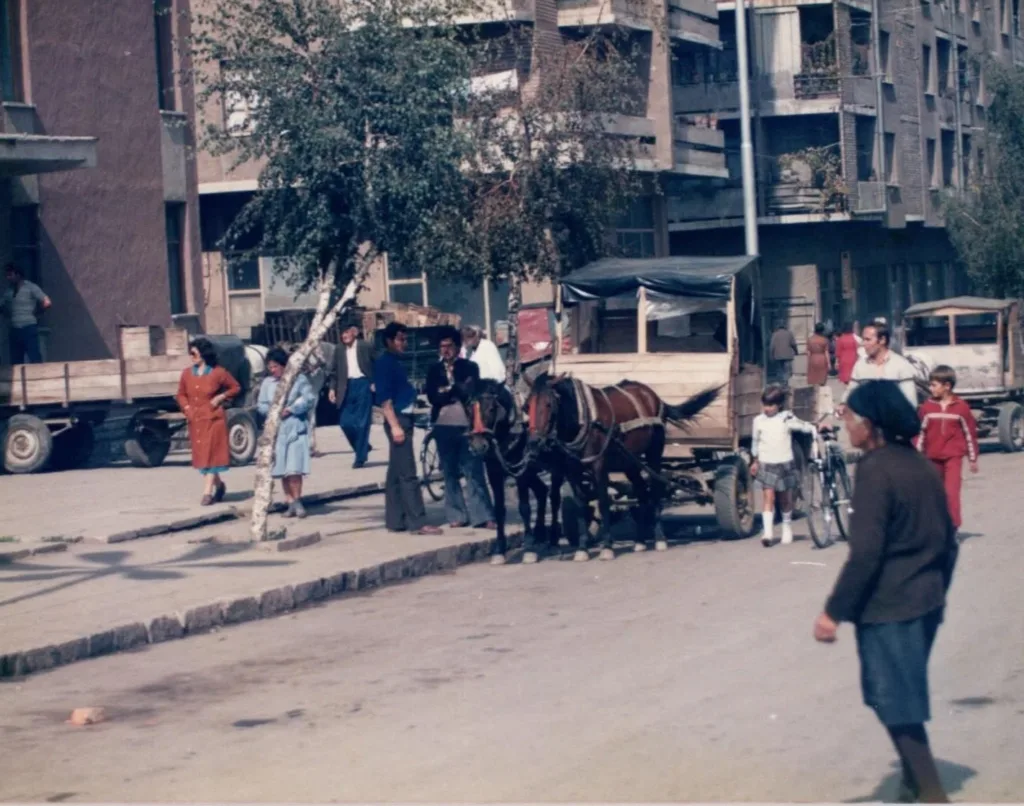
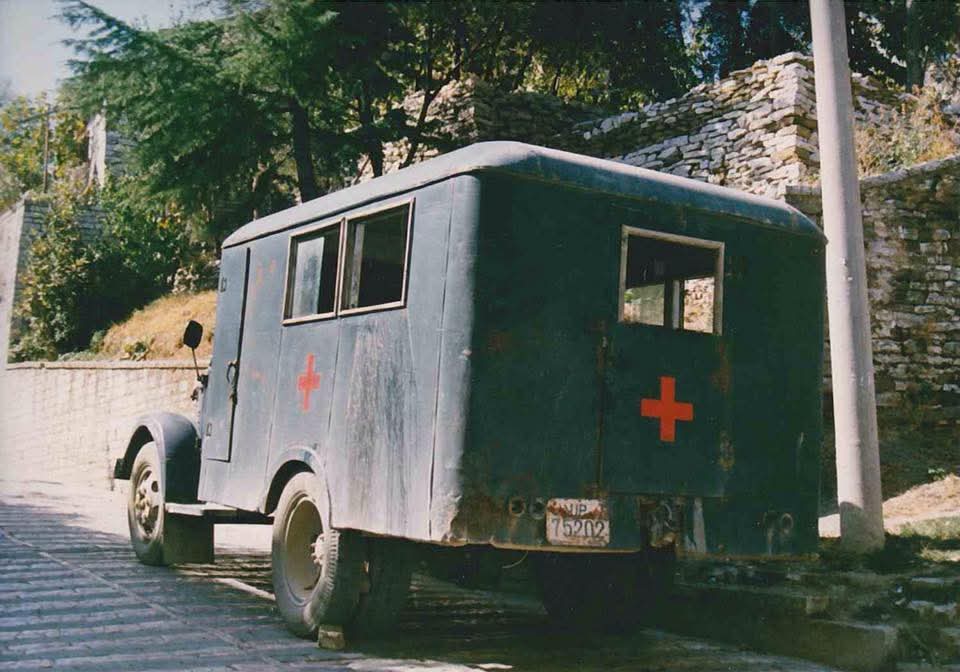
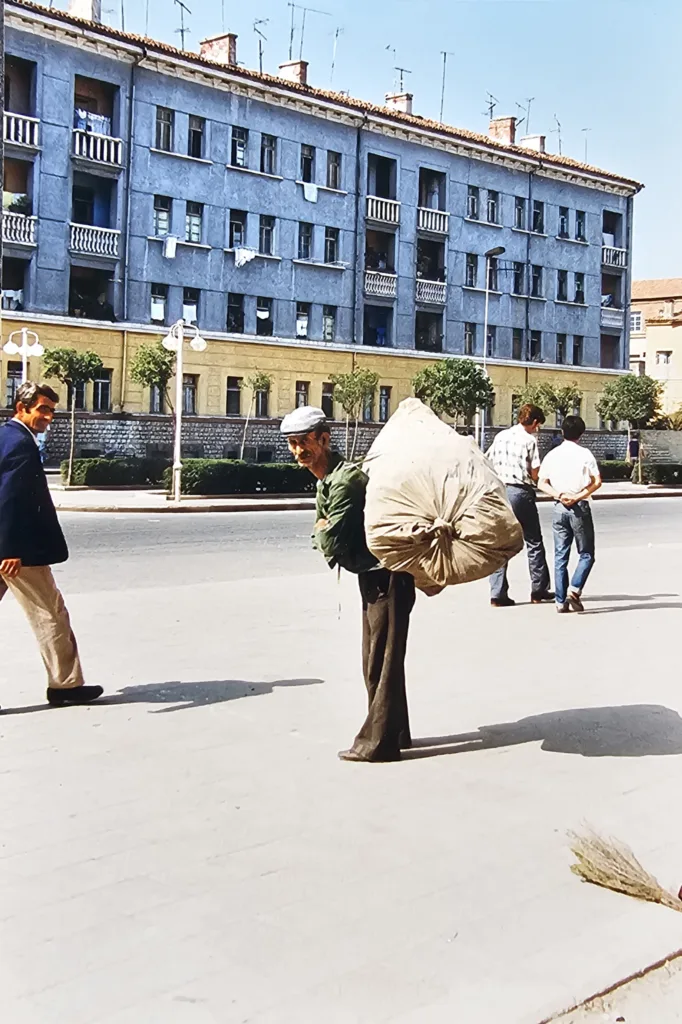
It was a country which had less than 2,000 cars in the country and only six sets of traffic lights. Instead of cars, many had a horse and cart to transport goods.
It was a country which had less than 2,000 cars in the country.
It was estimated that 1 in 3 people were informers to the ‘sigurimi,’ the nation’s dreaded communist era secret police force. Although everyone knew about North Korea as a hardline communist country, very few knew about Albania.
Thousands were falsely accused of being traitors to the state and either executed or sent to distant prisons away from their families.
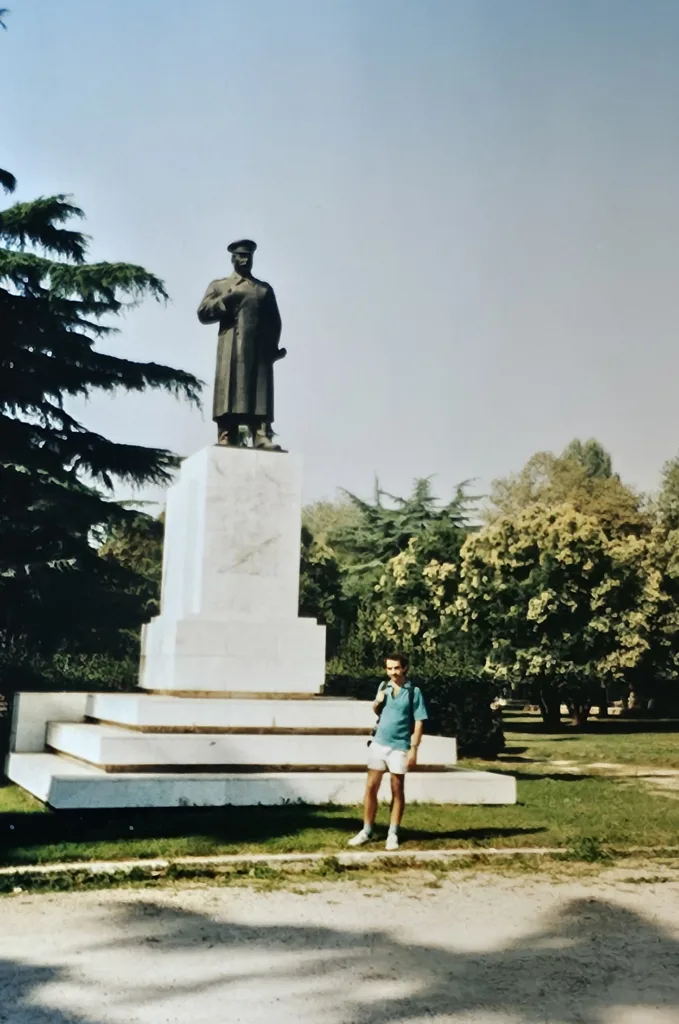
No matter what town I visited there was always a statue of Stalin in every main square.
In October 1990, I got my chance to visit Albania, intrigued to know what it was like as we never heard news about it. It stood as a mystery. I joined a bus trip organised from Athens by soccer fans to go and watch a Greek team play an Albanian side.
Our first encounter with Albanian authorities was at the Greek-Albanian border where they checked thoroughly our bags making sure there were no western propaganda reading material and religious items, after all Albania was the only country in the world that had banned religion outright and declared itself an atheist state.
The first stopover was at Agio Saranda – a small town on the southern coast of Albania and less than a 30 minute ferry ride from Corfu.
My room mate during the trip was an American doing ‘research’ on Albania and the Balkans in the hope of writing a book about it. He eventually did called “Balkan Ghosts”.
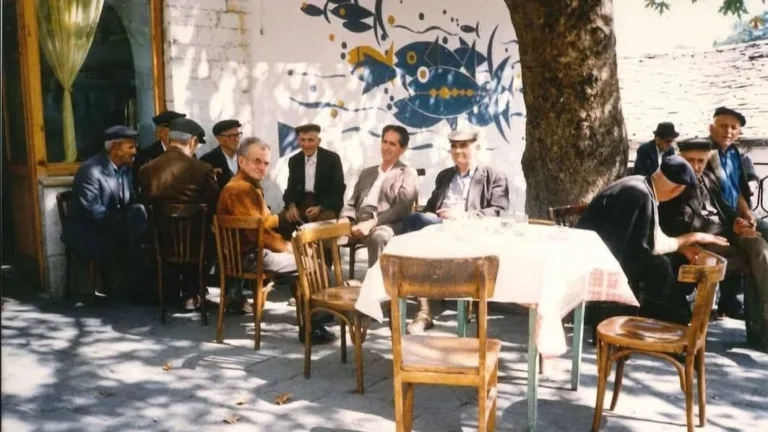
During my first morning in Saranda, Robert and I walked to the centre of town and entered a cafe just to have a look and the staff could tell straight away by the way we were dressed we weren’t Albanian. Knowing there was a large Greek community there, I asked in Greek if they spoke it and yes they did.
When I told them I was from Australia they were surprised as they’d never met anyone from there, immediately wanting to shout us a drink and insisting we not pay. Within minutes we were surrounded by scores of people wanting to ask if I knew some relative who’d left over 40 years ago for Australia. They had no idea of the size of Australia, thinking I might know them. It was a surreal experience.
When I visited Saranda last year (in 2024) the difference was obvious, a complete makeover, the town is inundated with what seems like hundreds of new hotels, apartments blocks, bars, cafes, and restaurants along the main promenade, and thousands of foreign tourists visiting it and its nearby pristine sandy beaches.
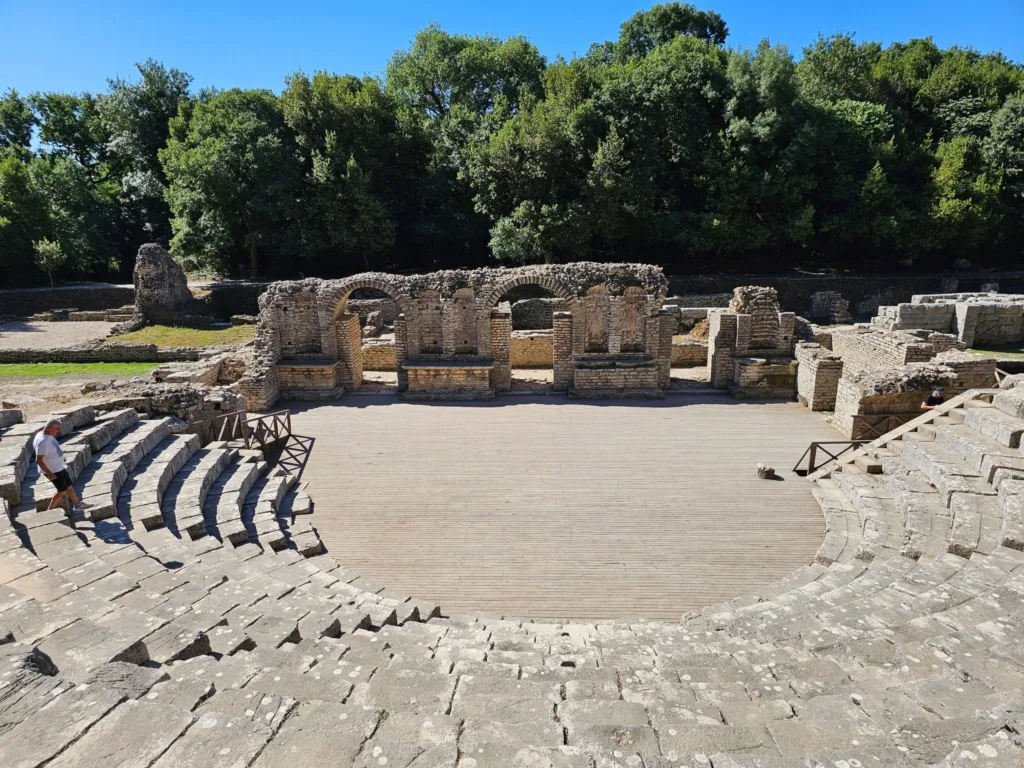
Just minutes by car from Saranda is the ancient site of Butrint which has an amphitheatre and other Greek and Roman ruins including a Venetian castle, a highly recommended place to visit.
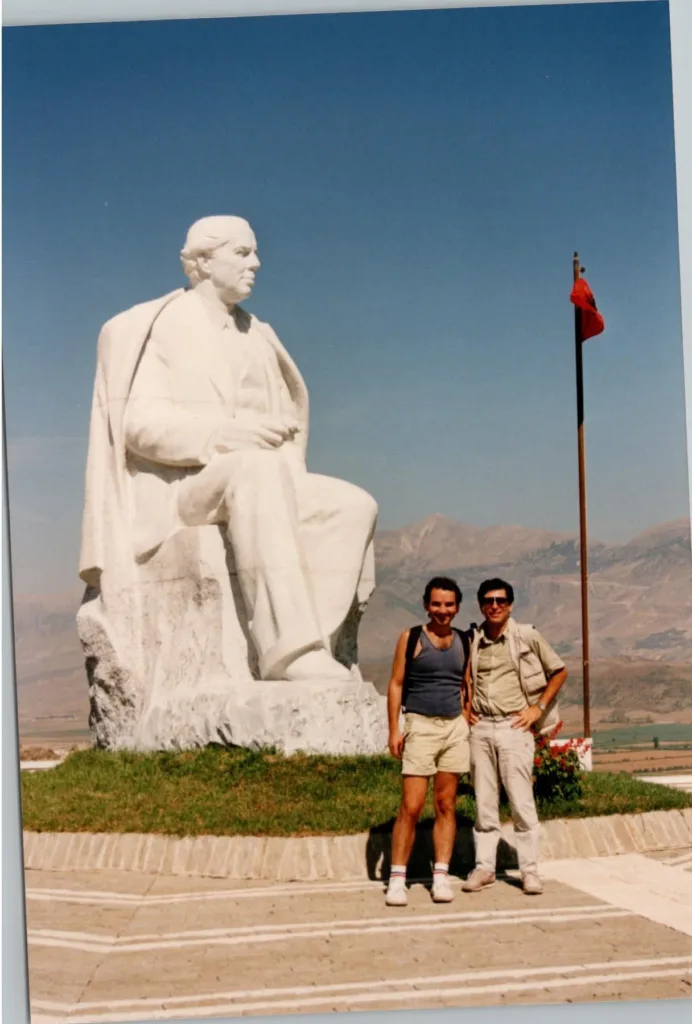
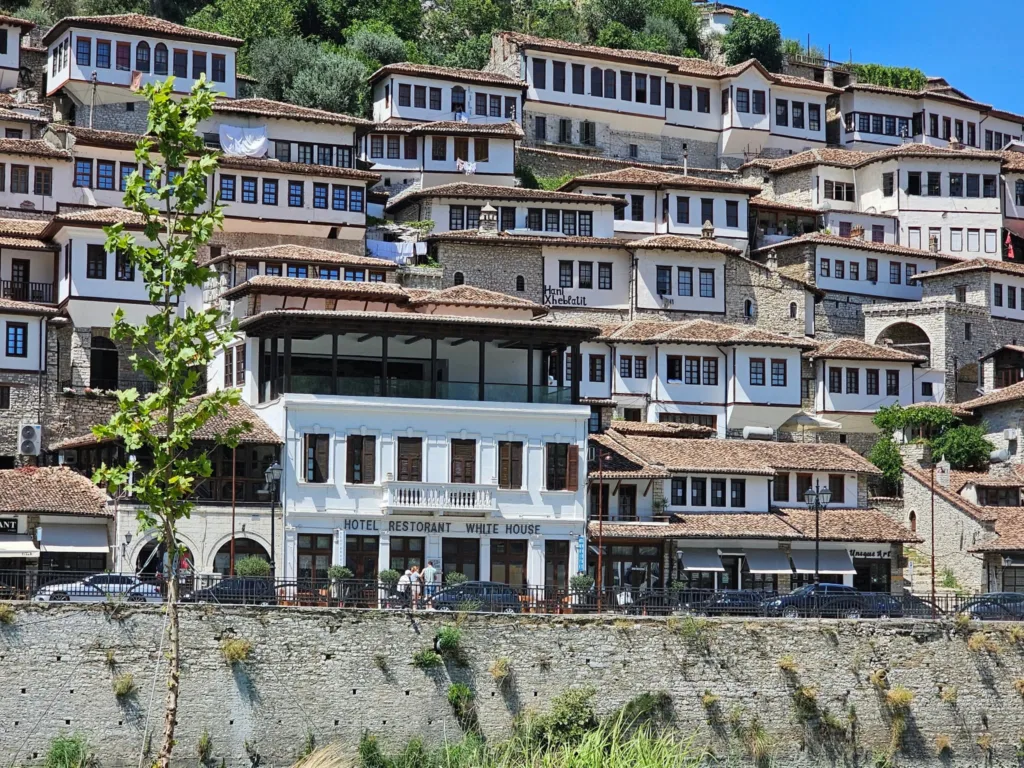
From there we went to Gjirokastra where Albania’s dictator Enver Hoxha was born, the town is a UNESCO World Heritage Site with its Ottoman style stone houses and cobblestone streets and a huge castle overlooking it plus the bridge of Ali Pasha. When I visited in 1990 there was a huge statue of Hoxha that stood several metres high, but when I went there last year it had been removed and a restaurant stands there now.
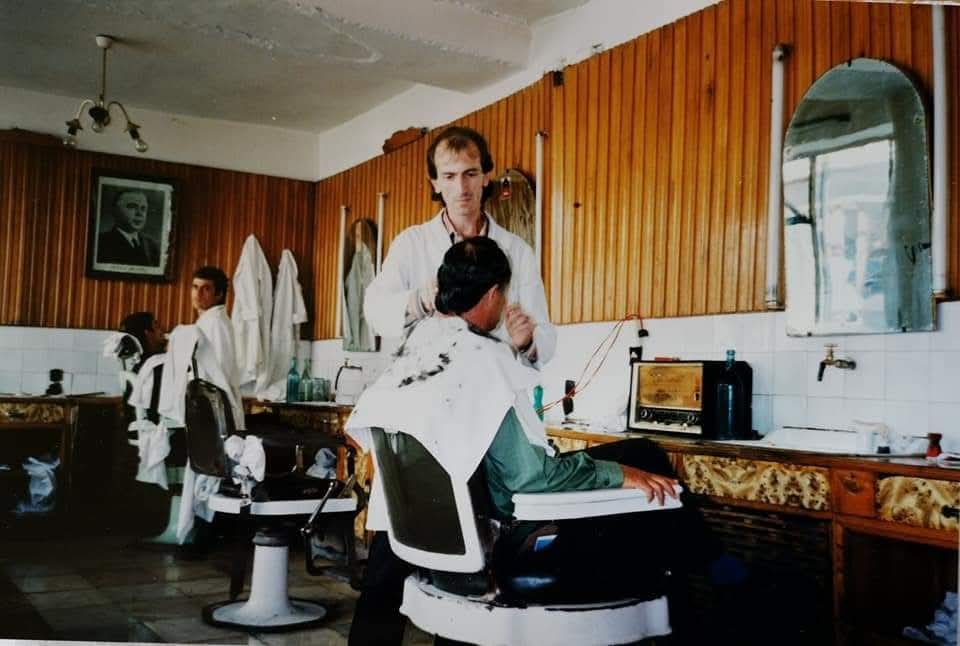
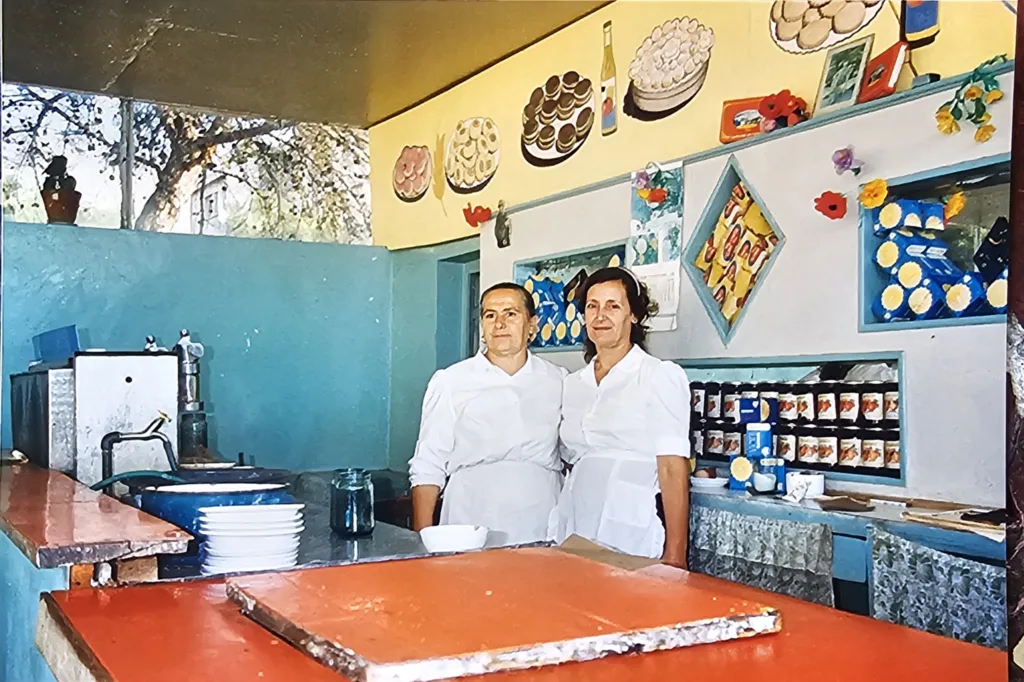
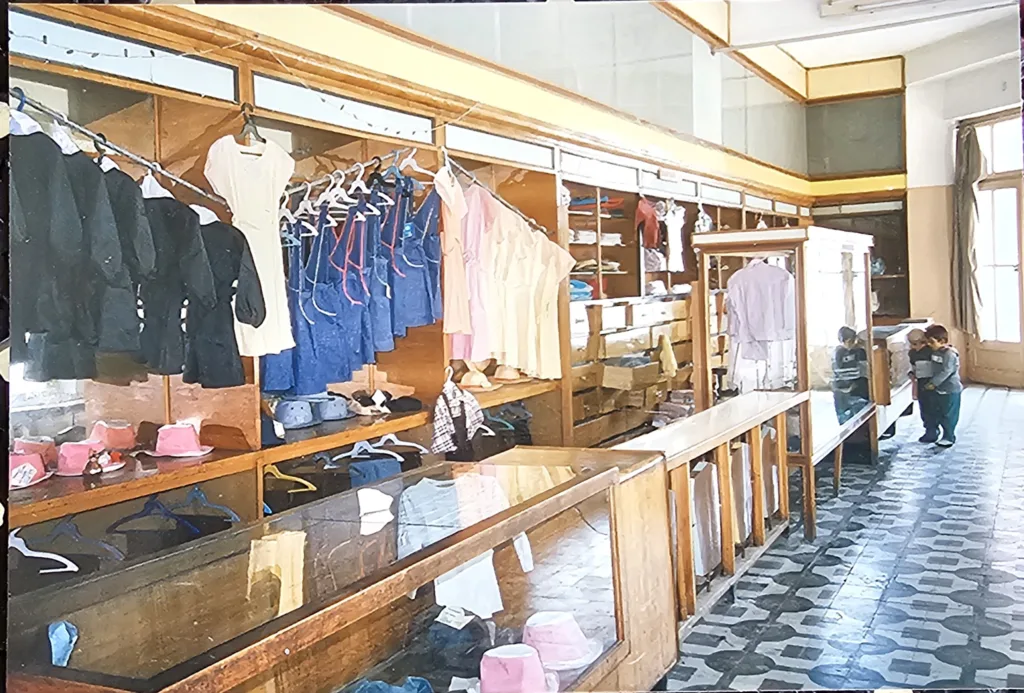
Along the streets in the old part of town in 1990 there were mostly little shops and businesses catering for the locals including barber shops, cobblers and tailors, but in 2024 those streets are full of souvenir stalls and bars catering for the tourists.
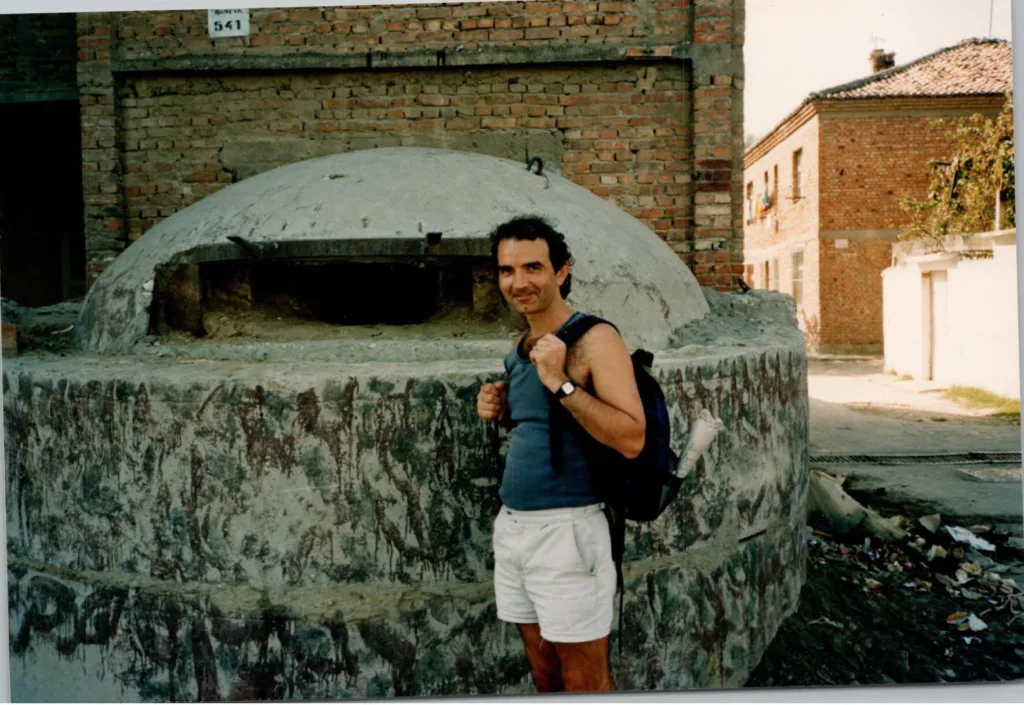
I should mention that wherever you went in 1990, you saw thousands of concrete bunkers throughout Albania that Hoxha had ordered to be built in various sizes so citizens could defend themselves if they were ever invaded. Last year I saw only a few left as a reminder of the past or turned into funky little bars.
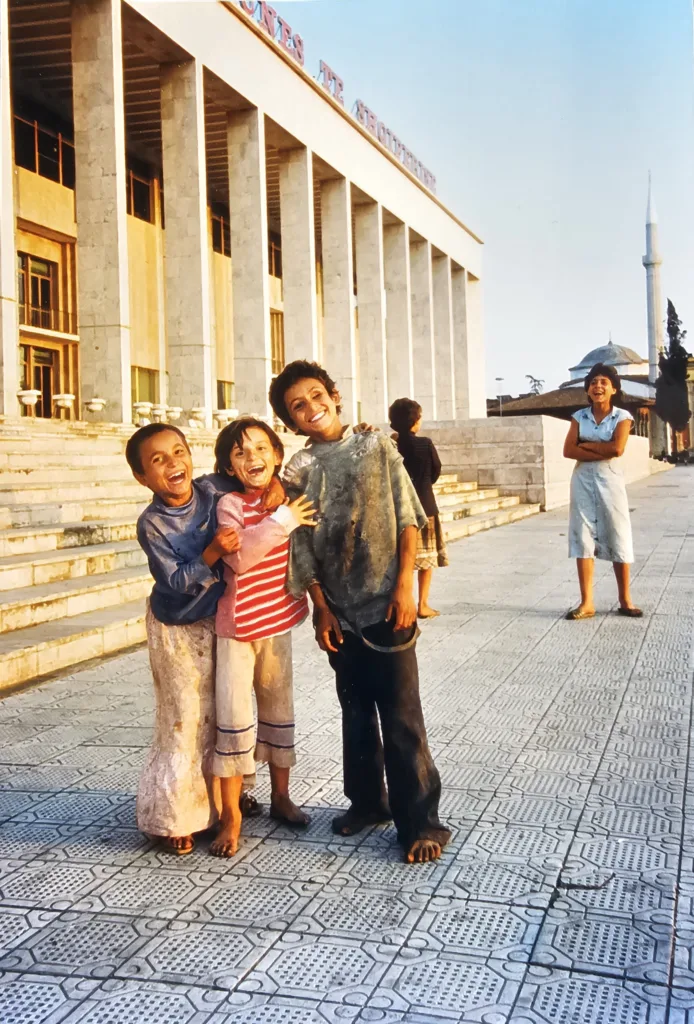
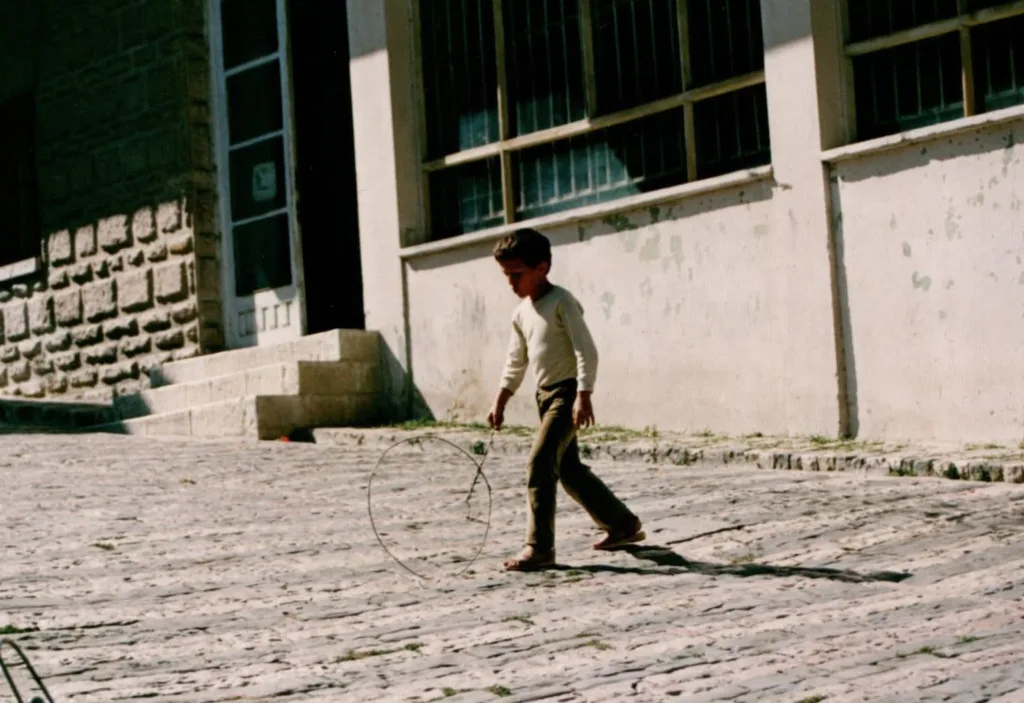
One image that struck me on my first visit was of a boy playing along a footpath with a hoop and a long piece of wire around it and trying to wheel it around upright – something kids did in Greece decades earlier.
After a couple of days on the guided tour, a few of us decided we’d had enough and “ran off” to travel independently by train to the capital Tirana and meet the rest of the tour there.
We were followed during our journey by what can only be described as an incompetent plain clothes security police officer.
In Tirana, we went to what was the only museum of it’s type in the world – the Museum of Religion where they had things such as icons on walls as though they were figures of art.
The museum is no longer in existence but many churches now exist from what is the largest mosque in the Balkans built by the Saudis to a huge Greek Orthodox church – both in Tirana.
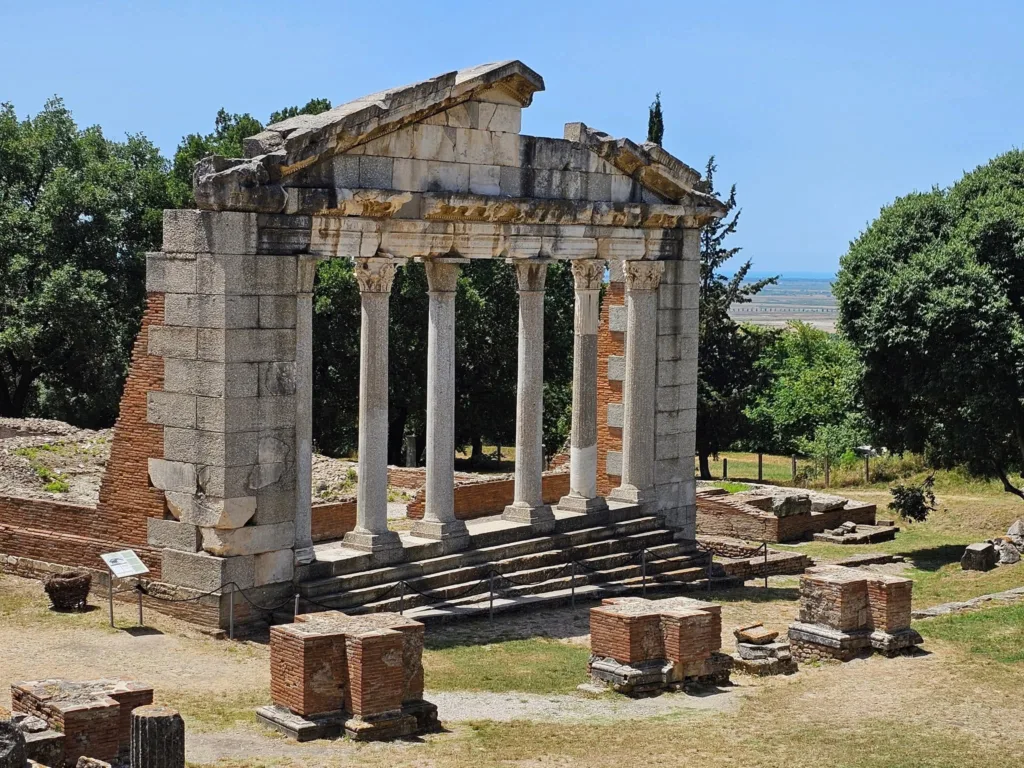
Highly recommended to visit is Apollonia, an ancient town founded by Greeks with wonderful ruins and very few tourists there as it’s not widely known. Next to it is a beautiful 13th century Byzantine church and monastery.
The difference between my 1990 and 2024 visits were like night and day.
If you have time take a quick visit to Albania, you won’t regret it.
By Anastasia Miliou, Attorney at the Supreme Courts
Most people have heard of usucaption (known in Greek law as chrisiktisia). In simple terms, it means that if someone uses a property as if it were their own for 20 continuous years, they can eventually become its legal owner.
This 20-year period counts from the first moment the person starts acting like the owner.
But things become more complicated when the property is shared — for example, a home inherited by siblings, where each one owns a part of it.
By default, the law says that if you are a co-owner and you use the whole property, you are considered to be doing so on behalf of all co-owners. This means you cannot claim full ownership just because you used it more than the others.
A co-owner can eventually take full ownership through usucaption, but only if they clearly inform the other co-owners that:
they will now be using a larger share than their own, or
they will be using the entire property exclusively for themselves.
Once the other co-owners are aware of this, the 20-year countdown begins.
The notification can be:
Explicit – directly telling the others in writing or in person
Indirect – through actions that clearly show the person is taking over the whole property (for example, locking out others, renting it out alone, or making major renovations)
What matters is that the other co-owners become aware of it.
If the co-owners have already made an informal division among themselves — even verbally — and each person uses their agreed part exclusively, then no extra notification is needed. From that moment, each person uses their part on their own responsibility.
In many families, shared properties come from inheritance. For example:
A father dies and leaves a house to his three children.
They all own it together as co-heirs.
Even if one child lives in the entire house, the law still sees them as holding it for all three, unless they clearly tell the others that they now claim it exclusively for themselves.
Summary
A co-owner can become full owner of a shared property only if:
They clearly inform the other co-owners that they now claim the whole property.
From that point on, they use it exclusively for at least 20 years without interruption.
Simply living in or using the whole property is not enough.
*Anastasia C. Miliou is an Attorney at Law at the Supreme Courts with experience in international law and a large clientele in both Greece and abroad. Her telephone number is 6945028153. If you would like questions answered as part of her articles in English online, you can e-mail her at natmil@otenet.gr or visit www.legalaction.gr
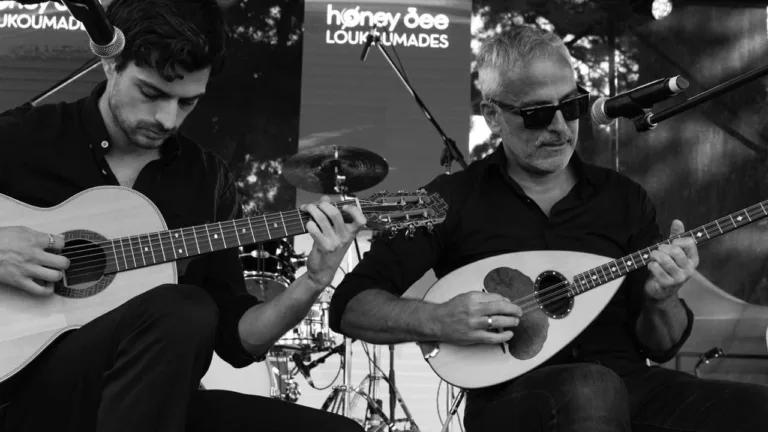
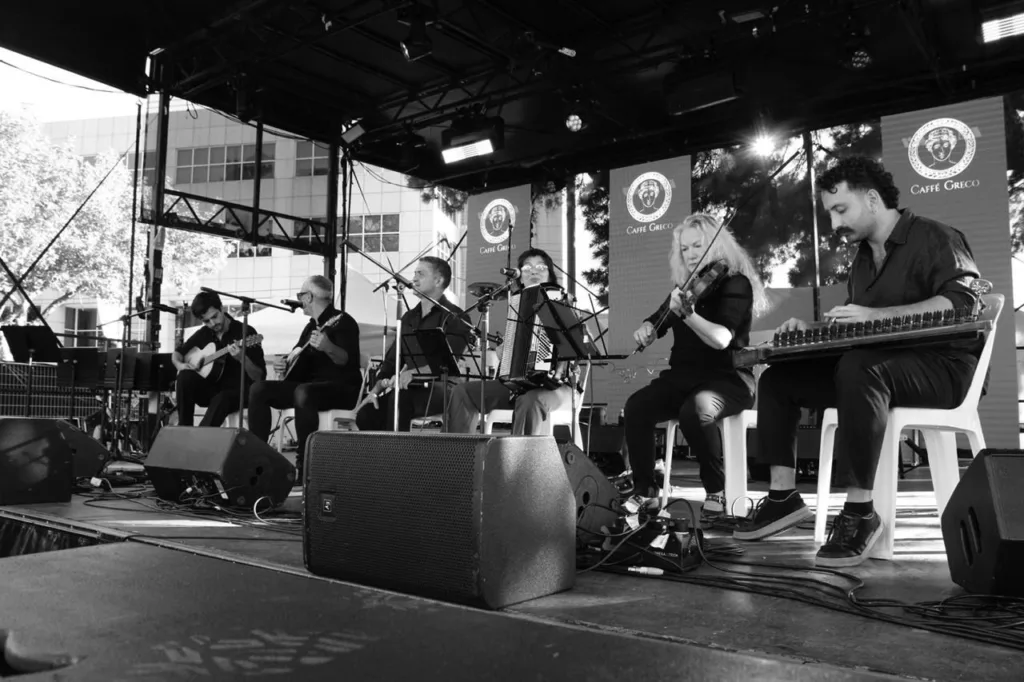
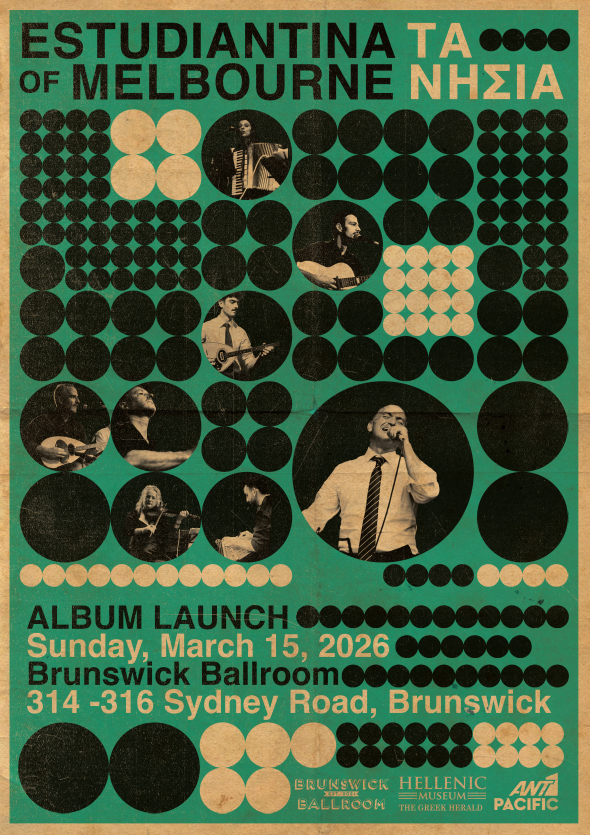
Estudiantina of Melbourne have announced the release of their highly anticipated second album, Ta Nisia (The Islands), with a special live launch event at the iconic Brunswick Ballroom on Sunday, 15 March 2026.
Following the success of their debut album Journey to Rebetika, the ensemble returns with a work that captures both continuity and transformation. Ta Nisia is more than a musical homage to the sunlit Greek islands. It marks a pivotal evolution in the group’s artistic journey – honouring their roots in Smyrneika and rebetiko while boldly embracing new creative directions.
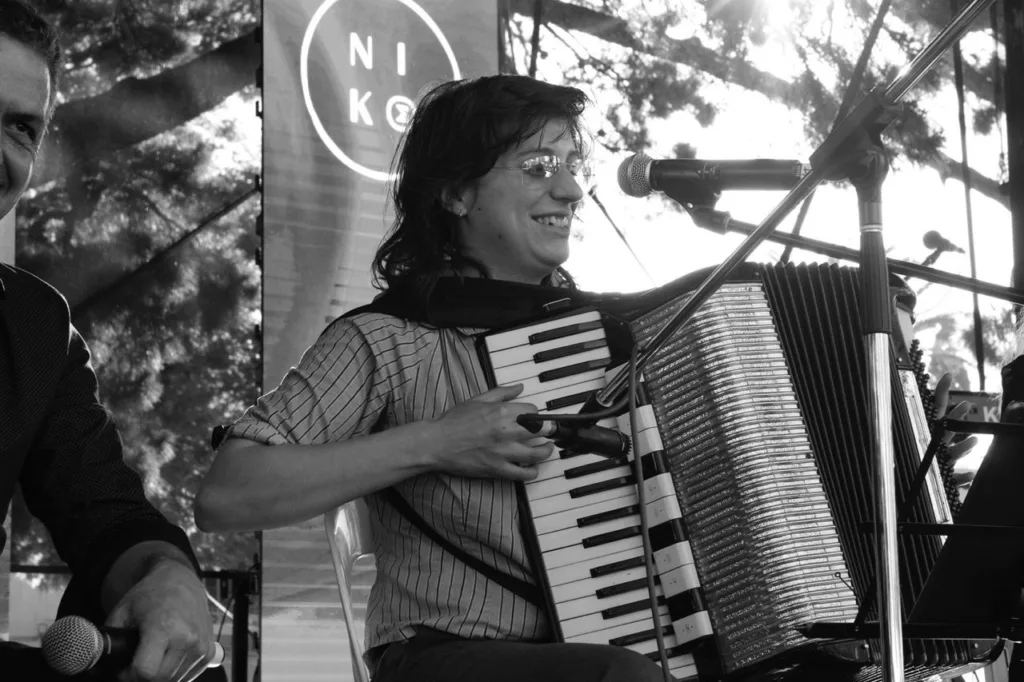
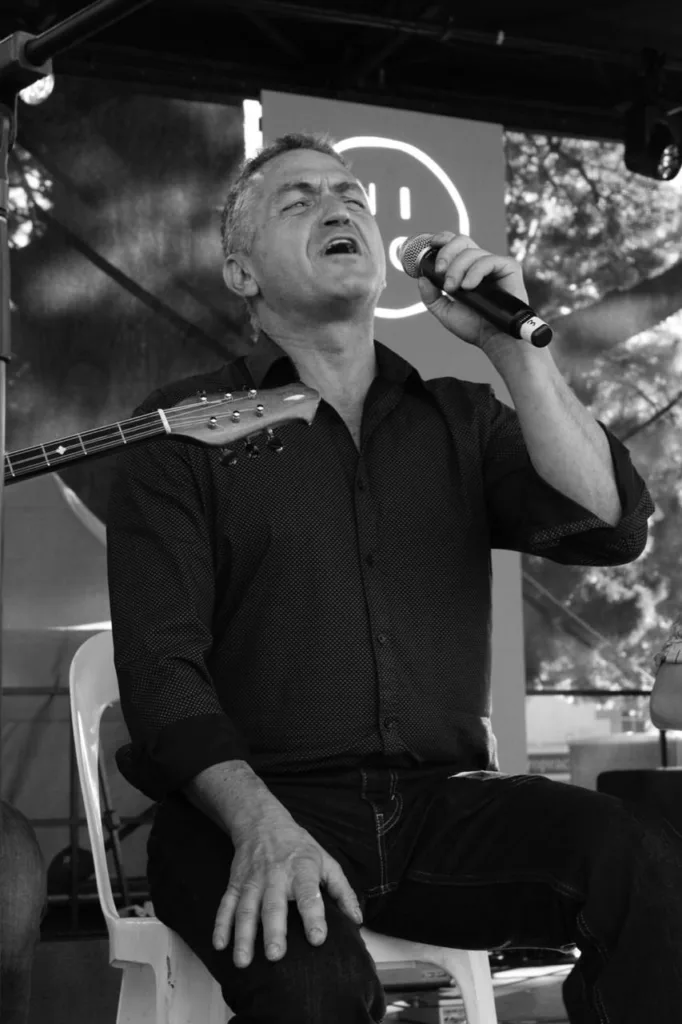
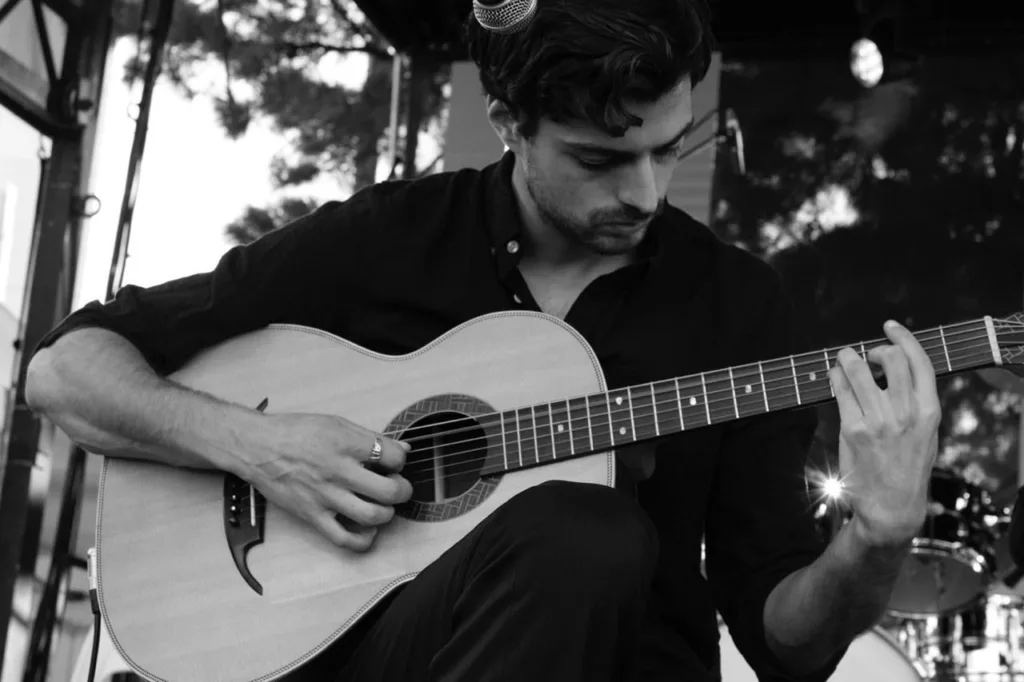
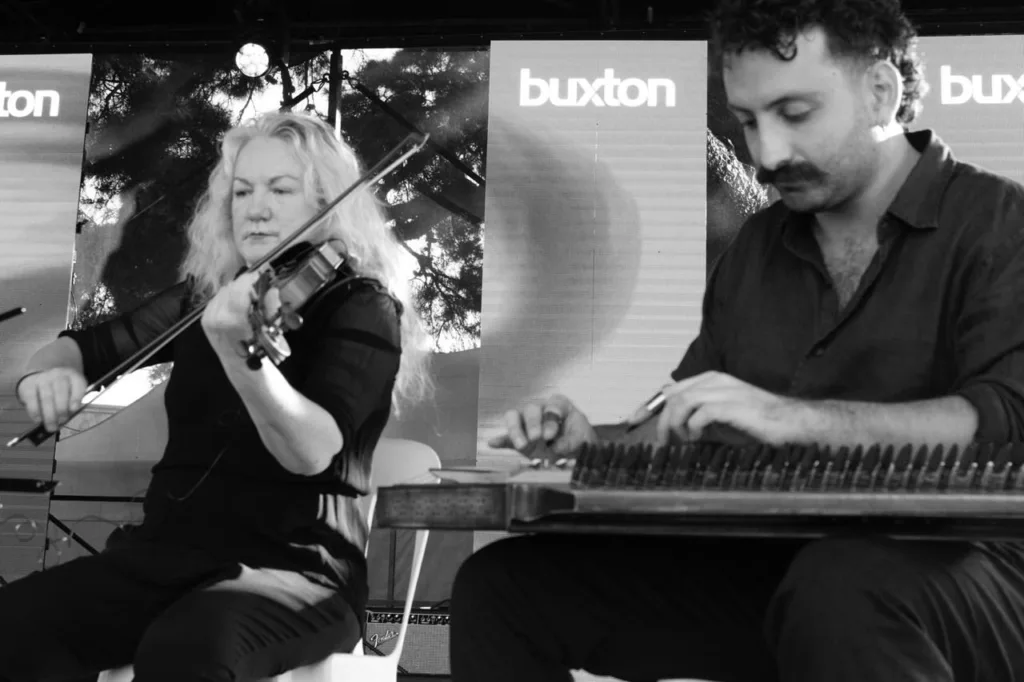
Estudiantina of Melbourne unveil second album ‘Ta Nisia’ (The Islands). All photos by Sarah Jane Wentzki.
Ta Nisia operates on both literal and metaphorical levels. Literally, it conjures the shimmering coastlines of the Aegean – whitewashed villages, salt-washed air and glistening seas – reflecting the ensemble’s commitment to Greek musical traditions.
Metaphorically, the album forms a constellation of musical “islands”: each track stands alone yet remains connected to a wider narrative of migration, identity, growth and belonging.
The ensemble’s core musicians for this album are: Maria Antaras-Dalamagas – Accordion, Vocals, Vagelis Ginis – Vocals, Camille El Feghali – Qanun, Jenny Dixon – Violin, Alex Petropoulos – Guitar, Paul Karalis – Bouzouki, Con Kalamaras – Bouzouki, Vocals, Rosco Heck – Percussion.
But also expanding with guest artists Indra Buraczewska (double bass) and Tim Meyen (cimbalom – a rare 145-string Austro-Hungarian instrument) further enrich the soundscape, adding depth, texture and a gentle push into unexplored musical territories.
This album stands as a cultural snapshot of Melbourne’s vibrant multicultural landscape. It speaks to the universality of music – an international language that transcends borders, time and language. At the same time, it pays tribute to Melbourne itself: a city that has quietly but powerfully brought these musicians together.
In many ways, Melbourne becomes an unspoken member of the ensemble – nurturing their creativity and shaping their collective voice.
Ta Nisia represents the ensemble’s continuous growth as artists and as individuals. Through performances at festivals and events across Australia, Estudiantina of Melbourne have cultivated a distinctive sound that now resonates internationally. Their work has received attention from Greek media across several continents, firmly positioning them within the global Greek musical diaspora.
This event is proudly supported by Brunswick Ballroom, ANT Pacific, The Greek Herald, The Hellenic Museum, Neos Kosmos, and the Greek Orthodox Community of Melbourne.