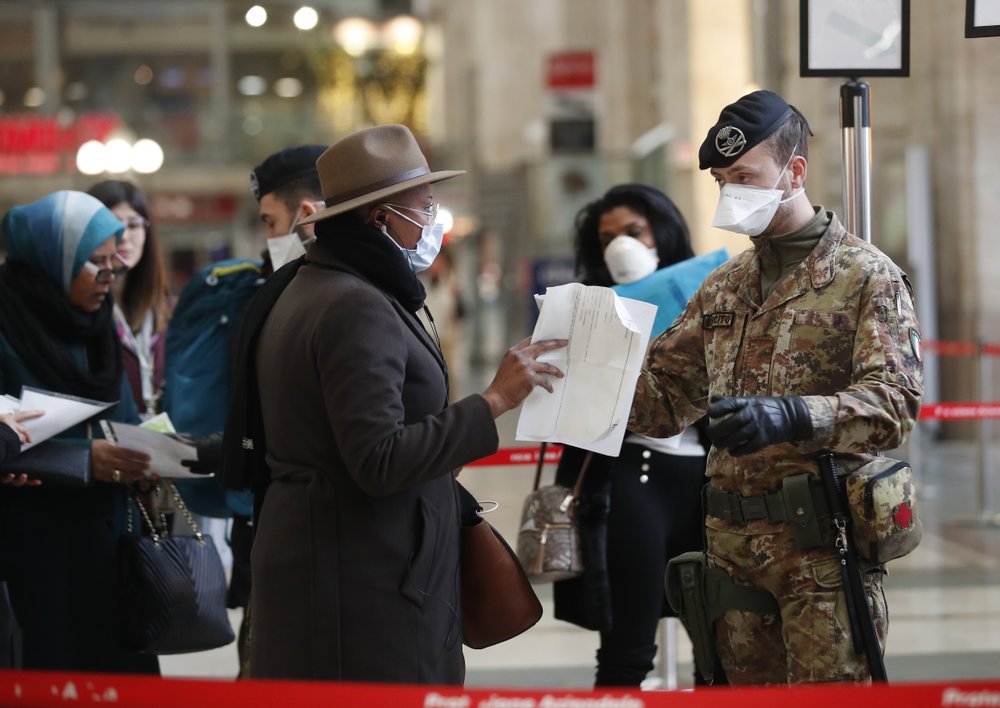
The whole of Italy is being put on lockdown as the country attempts to stop the rapid spread of coronavirus. The COVID-19 virus has already led to 463 deaths in Italy, an increase of almost 100 in a 24-hour period, and more than 9,000 confirmed infections in just over two weeks.
All sports events, including Italian football’s Serie A competition, have now been suspended until further notice. Public gatherings are also banned, with movement across the nation being severely restricted in an attempt to contain the COVID-19 virus.
Until 3 April, around 60 million people will effectively be under quarantine by the strict measures which had already been introduced in northern and some central areas over the weekend.
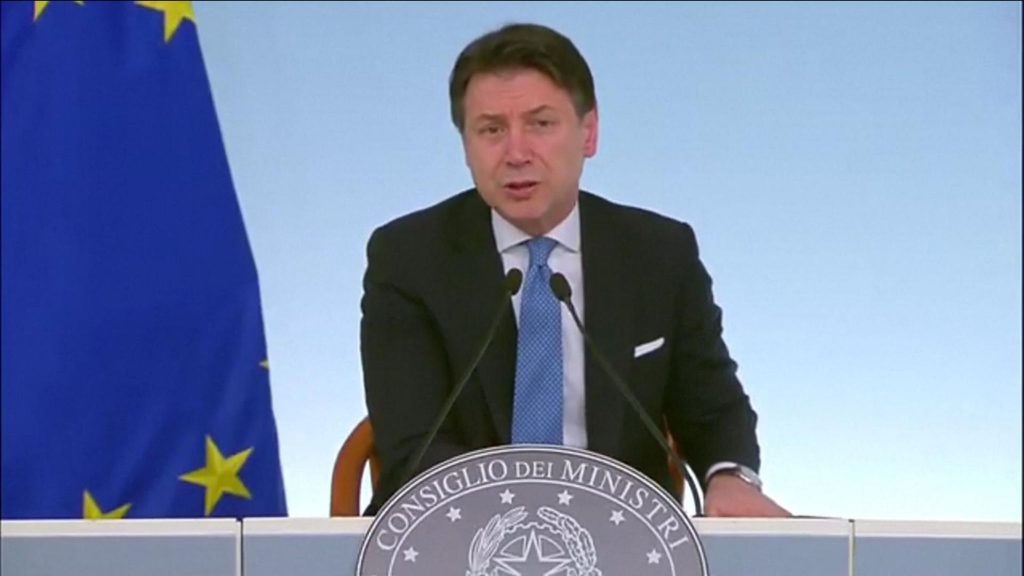
Italy’s Prime Minister Giuseppe Conte has urged people to please stay in their homes, saying: “The future depends on us and everyone must do their part.”
The Prime Minister added that public transport will remain operational, yet people should only move around for work and emergencies. The closure of schools and universities across the country is being extended to 3 April.
Greece’s ministry of foreign affairs has sent a message of support and solidarity to Italy on Twitter, with the message reading: “A message of support & solidarity to our Italian friends who bravely face the emergency #coronavirus. Our thoughts go to the families of the victims, to all those affected & to the medical staff who face this emergency with altruism.”
More than 300 of Italy’s fatalities are in the Lombardy region – which includes the country’s financial capital Milan.
The prior measures in Lombardy had affected 10 million residents, and another six million in the provinces of Modena, Parma, Piacenza, Reggio Emilia, Rimini, Pesaro and Urbino, Alessandria, Asti, Novara, Verbano-Cusio-Ossola, Vercelli, Padua, Treviso and the tourist hotspot of Venice.
The coronavirus has now infected approximately 112,000 people, with 3,884 having died. Greece’s COVID-19 infections have now increased to a total of 84, with no deaths being recorded yet.
Numerous events in Greece have been cancelled. Athens’ half-marathon scheduled for March 22 will be postponed, it was made public on Monday afternoon.
