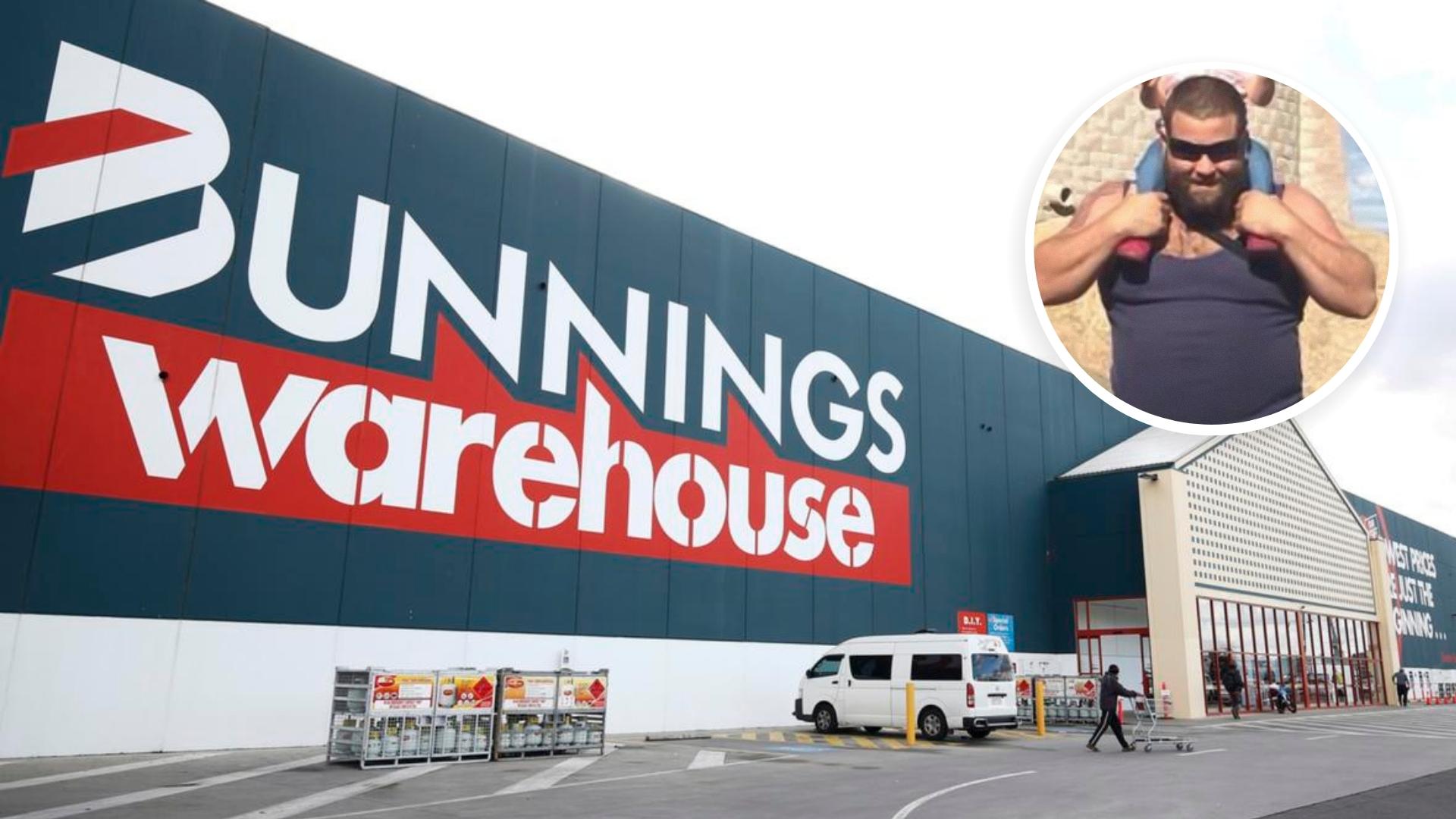
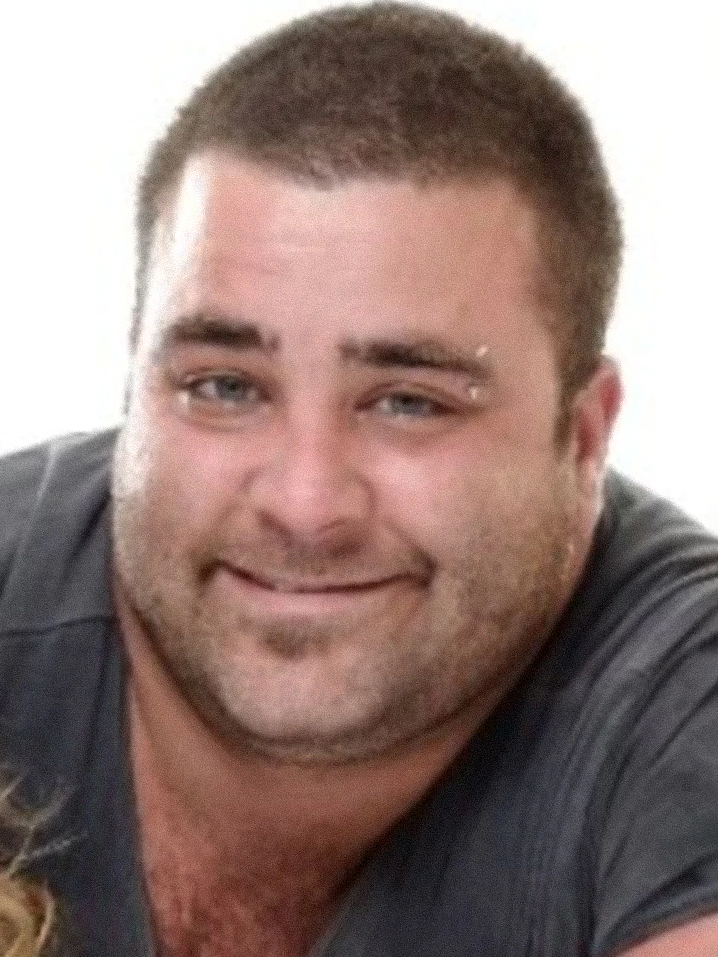
Anthony James Georgiou might not have died in September 2016 if Bunnings Warehouse security hadn’t tackled him to the ground, the Victorian Coroner’s Court heard on Wednesday.
During the 2016 incident, the two contracted security guards were acting on suspicion that Georgiou was trying to steal a saw blade from the Frankston Bunnings store in Melbourne’s southeast.
When approached by the “loss prevention officers,” Georgiou, 31, allegedly became aggressive and the officers attempted to stop him from getting away.
In the ensuing struggle, he was tackled to the ground and one of the guards placed him in a headlock.
Whilst detained, Georgiou was heard screaming “help me, let me go,” before he fell unconscious.
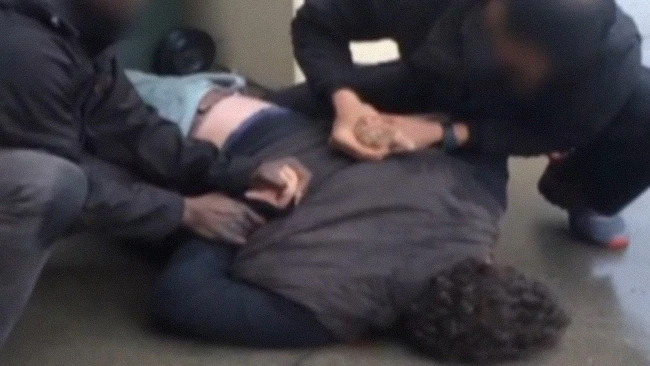
He was taken to hospital where he passed later in the day. He was found to have drugs in his system and a heart problem.
Coroner Darren Bracken found that the combination of Georgiou’s use of methamphetamine, his weight, pre-existing heart condition and his detainment by the Bunnings guards was fatal.
“There seems little doubt that had Mr Georgiou not been involved in the struggle with [the security personnel] he would have walked away from Bunnings that day,” Bracken said.
“Mr Georgiou’s death was a tragedy for his family as well as for all others involved.”

According to Bunnings’ code of conduct at the time, loss prevention officers were never to physically restrain an offender except in self-defence.
Bracken found that both officers involved in the 2016 incident had not been adequately trained to deal with the situation or shown the Bunnings code of conduct. He said this might have prevented the altercation from turning violent.
Georgiou’s daughter and former partner are also pursuing a separate legal claim against the security officers, their employer (New Security Solutions) and Bunnings, maintaining they have suffered psychological injuries that will continue to require treatment.
“As the coroner has found, Mr Georgiou’s death was preventable and had it not been for the struggle that occurred with the untrained loss prevention officers working at Bunnings that day, he most likely would not have died in the hours that followed,” their lawyer, Neha Pratap said.
“No one should have to pay for a mistake they’ve made with their life.”
SOURCE: WA Today

