When a group stepped off their boat onto the uninhabited Greek island ahead, they weren’t there for the ruins or the goats—like most visitors. Their mission was different: to find reptiles. The team of scientists made multiple visits to Despotiko, a small island in the Aegean Sea, during June 2024 to search for reptiles and amphibians.
According to miamiherald.com, the “Aegean Islands are a known hotspot” for such creatures, and “have been extensively studied”—except for Despotiko, as noted in a study published April 3 in the journal Herpetozoa. “Records of fauna on Despotiko are relatively limited,” the researchers noted. Although a regional study was conducted back in the 1970s, it had only identified five reptile species on the island.
Hoping to expand that list, the team systematically explored the island, walking transects and “flipping rocks” to locate animals, according to the study. They also interviewed archaeologists—the island’s most consistent visitors—about “past ad-hoc” sightings.
Their efforts yielded impressive results. The team documented two reptile species that had never before been recorded on Despotiko.
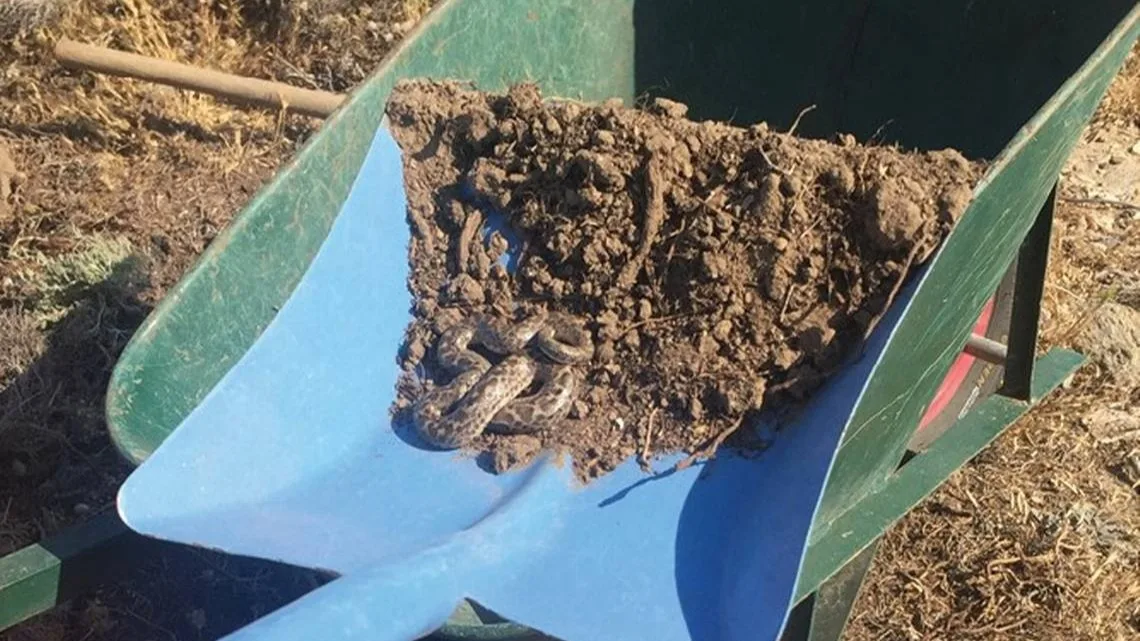
The first was Eryx jaculus, or javelin sand boa, which had actually been spotted in 2019 by archaeologists. They described finding the snake “curled under a white rock.” A photo from the encounter shows the patterned snake coiled on a shovel filled with dirt. Researchers explained that “reptiles in Greece often use archaeological sites (for hibernation) and, when excavations resume in the spring, it is quite common for archaeologists to encounter snakes.” However, the “javelin sand boa follows a cryptic behavioural pattern and, thus, is rarely observed.”
The second new find was Lacerta citrovittata, a large lizard species also known as the Cycladic green lizard or the Tinos green lizard. During their surveys, researchers found two individuals and received reports of two additional sightings “within the archaeological site.” A photo captured one of these striking lizards in its natural habitat.
In addition to the new records, the team also documented geckos, skinks, and several other snakes and lizards. They observed that the “enclosed archaeological site had greater reptile diversity and richness than outside the site.” No amphibians were encountered during the surveys.
The team concluded, “Our study on Despotiko (reptiles and amphibians), with two new records, comes to improve our knowledge and understanding of the reptilian diversity of the archipelago.”
Source: miamiherald.com
