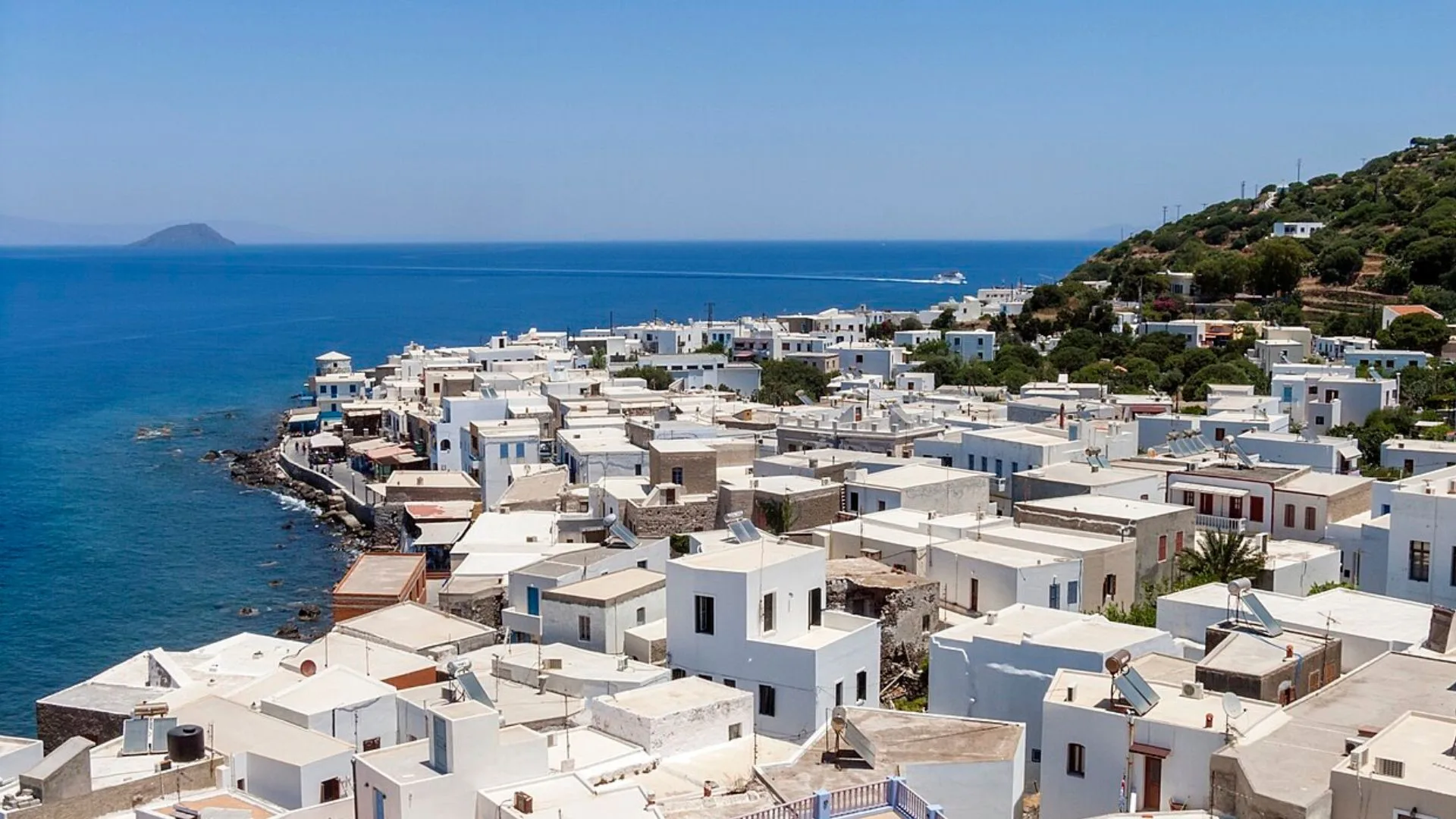
The volcanic island of Nisyros in the southern Aegean is entering a new phase of development after joining the UNESCO Global Geoparks Network in 2025. Known for its striking volcanic landscapes, thermal springs and traditional villages, the island has increasingly attracted visitors seeking nature-based and slower travel experiences, according to ekathimerini.com.
Local authorities are now working to ensure that the UNESCO designation supports sustainable growth while preserving the island’s fragile environment. Earlier this month, the Municipality of Nisyros presented a strategic plan that combines environmental protection, infrastructure improvements and digital tools to strengthen tourism and local development.
“The goals for the new year set out a realistic yet ambitious roadmap for a resilient, sustainable and vibrant Nisyros, to be achieved through close cooperation between the municipality and its citizens,” Mayor Christofis Koronaios said.
Central to the strategy is the further development of the Nisyros Geopark, which highlights the island’s volcanic heritage while linking geology, culture and sustainable economic activity. The framework also addresses environmental challenges such as geothermal management, overgrazing and hunting.
Nisyros now joins several Greek geoparks, including the Lesvos Petrified Forest, Vikos-Aoos, Mount Chelmos-Vouraikos, Psiloritis, Sitia and Kefalonia-Ithaki, showcasing the country’s diverse geological landscapes.
The municipality is also upgrading digital tools and applications to guide visitors along more than 40 marked hiking routes across the island’s craters, hillsides and coastal viewpoints, encouraging longer and more immersive stays.
Additional projects include the planned renovation of the island’s thermal baths at Loutra, expected to restart in 2026, and maintenance work at the heliport to improve accessibility and emergency connectivity. Cultural initiatives, including the Geo Nisyros Summer Festival, aim to extend tourism beyond the peak summer season.
Source: ekathimerini.com
This article first appeared in Greece Is (www.greece-is.com), a Kathimerini publishing initiative.
