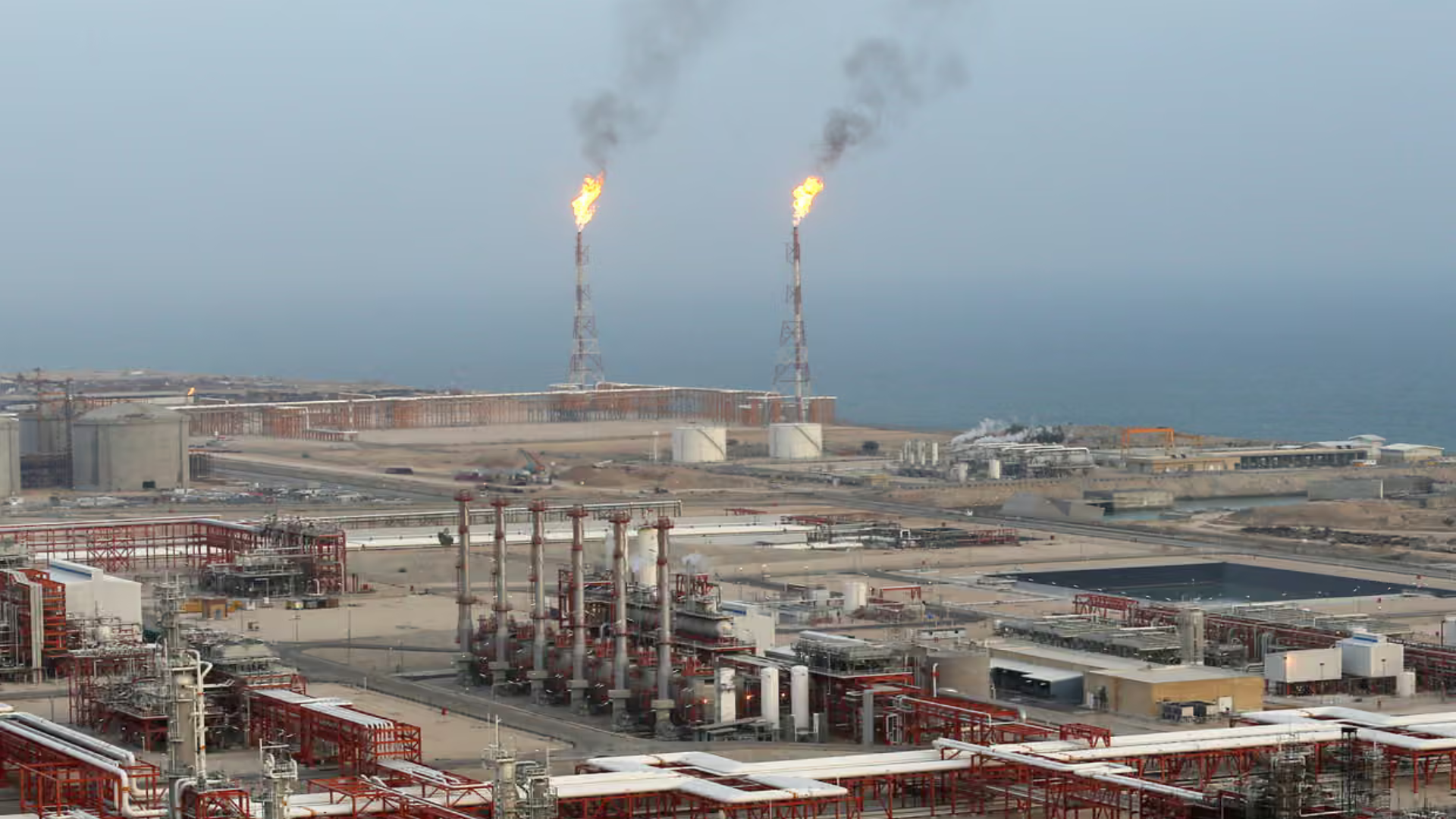
Iran has confirmed its intelligence minister, Esmaeil Khatib, was killed in an Israeli strike, marking the third high-profile assassination of senior figures in two days as the conflict intensifies.
In a major escalation, strikes hit Iran’s massive South Pars gas field, sending global oil prices surging, while Tehran retaliated by targeting sites across the Gulf, including attacks on Qatar and missile launches towards Saudi Arabia.
Iran’s president Masoud Pezeshkian warned of “uncontrollable consequences” following the attack on energy infrastructure, saying: “This will complicate the situation and could have uncontrollable consequences, the scope of which could engulf the entire world.”
أدينُ بشدّةٍ استهدافَ البُنى التحتية للطاقة في إيران.
— Masoud Pezeshkian (@drpezeshkian) March 18, 2026
إنّ هذه الأعمالَ العدوانية لن تُحقّق أيّ مكسبٍ للعدوّ الصهيوني–الأمريكي وداعميه.
بل ستُعقّد الأوضاع، وقد تُفضي إلى تداعياتٍ خارجةٍ عن السيطرة تمتدّ آثارها لتطال العالم بأسره.
The violence has raised fears of a broader energy crisis, with analysts warning markets are “back in panic mode” and Brent crude briefly rising close to $US110 a barrel.
The conflict has also affected Australia, with an Iranian projectile striking near Al Minhad Air Base in the United Arab Emirates, damaging Australian facilities.
Prime Minister Anthony Albanese said: “I can confirm that no Australian personnel were injured, and everyone is absolutely safe at this point in time.”
He added there was “minor damage to an accommodation block and a medical facility due to a small fire that was created as a result of that projectile hitting a road leading up to that base.”
As the war enters its third week, US intelligence says Iran’s regime remains “intact but largely degraded”, warning it is still capable of attacking regional and Western interests.
Source: ABC.
