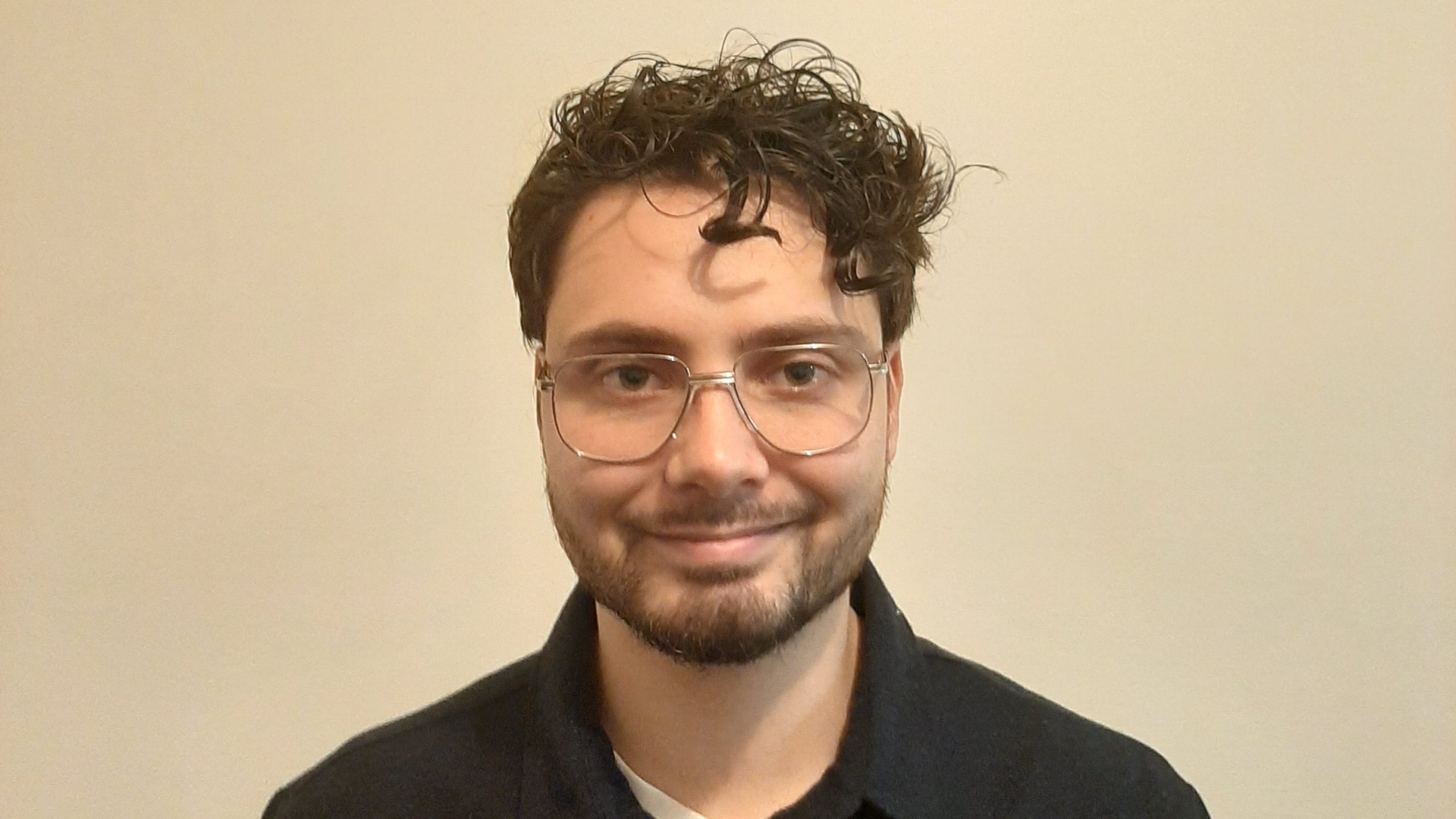
Yianni Cartledge will present an online lecture entitled The Chios Massacre (1822) and Chiot Emigration, on Thursday 22 July, at 7.00pm, as part of the Greek History and Culture Seminars, offered by the Greek Community of Melbourne.
This presentation explores the 1822 Chios Massacre, where 100,000 Chiots were either killed, enslaved or displaced, and the coerced diaspora it produced. Scholars of the Greek War of Independence have previously acknowledged that the massacre was a pivotal moment in the war, although few have elaborated significantly on its long-term outcomes.
This seminar focusses on the large Chiot diaspora that fled the massacre to the ports of Europe, particularly London. Firstly, an interrogation of the realities of the Chios Massacre will be provided, with a look at comparative cases, such as the massacres at Tripolitsa, Istanbul and Psara. The resulting Chiot diaspora will then be analysed in the context of wider migration history, to ascertain the nature, features, demographics and stories of their emigration.

Discussion of Chiot settlement and community building, as well as their lasting legacies and the memory of the massacre, will place their story into the wider tapestry of emigration narratives.
Yianni Cartledge is a candidate for PhD at Flinders University, South Australia. Having a passion for Greek, Ottoman, British and Australian histories, as well as migration and diaspora histories, his current project aims to combine all these areas. The thesis, titled ‘Aegean Islander Migration to the United Kingdom and Australia, 1815-1945: Emigration, Settlement, Community Building and Integration’, will investigate the cases of the Chiots of London and Ikarians of South Australia.
His 2018 honours thesis explored the 1822 Chios Massacre under the Ottoman Empire and the ways in which it affected British attitudes towards the Greeks, leading to Christian-humanitarian intervention. An article deriving from his thesis, titled ‘The Chios Massacre (1822) and early British Christian-humanitarianism’, was published in February 2020 in Historical Research.
When: Thursday 22 July 2021, 7pm
Where: ONLINE ONLY through Facebook, Youtube.
 and Chiot Emigration.)