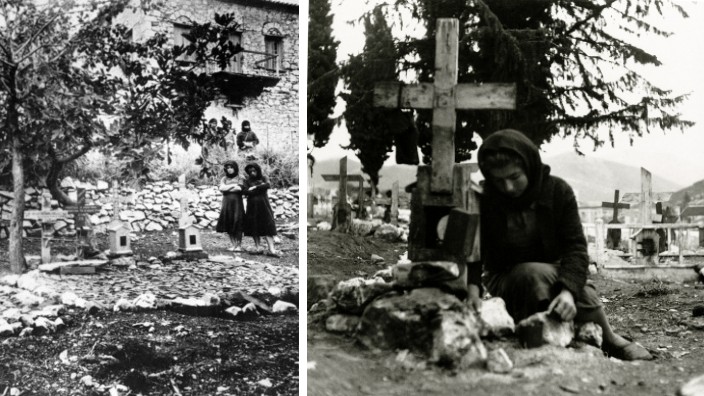
Remembering the victims of the Distomo massacre

·

Regarded as one of the most heinous crimes committed by the Nazis in occupied Greece, 228 residents (114 women and 104 men) were executed inhumanely in the Greek town of Distomo on June 10, 1944.

After suffering a defeat to the Greeks at Katavothra, leaving 15 German soldiers dead and as many wounded, the Germans took revenge on the innocent residents of Distomo.
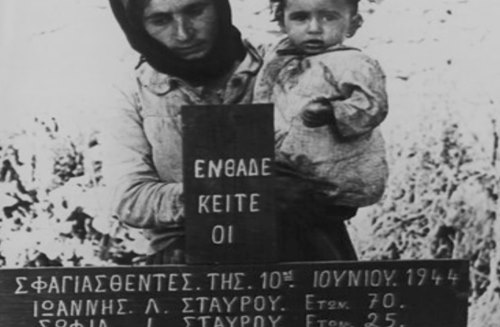
Ordered by German Lieutenant Hans Zambel, Distomo was set on fire and 218 residents were executed, including 45 children and 20 infants.

According to survivors, SS forces “bayoneted babies in their cribs, stabbed pregnant women, and beheaded the village priest.”
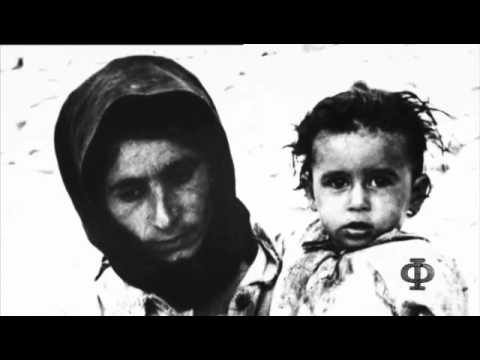
The barbaric brutality received international outcry at the time, yet the German administration in Athens blamed the residents of Distomo for not complying with military orders.

Following the Germans’ withdrawal from Greece, the Greek War Crimes Bureau was able to find and arrest Zambel, who had taken refuge in Paris.
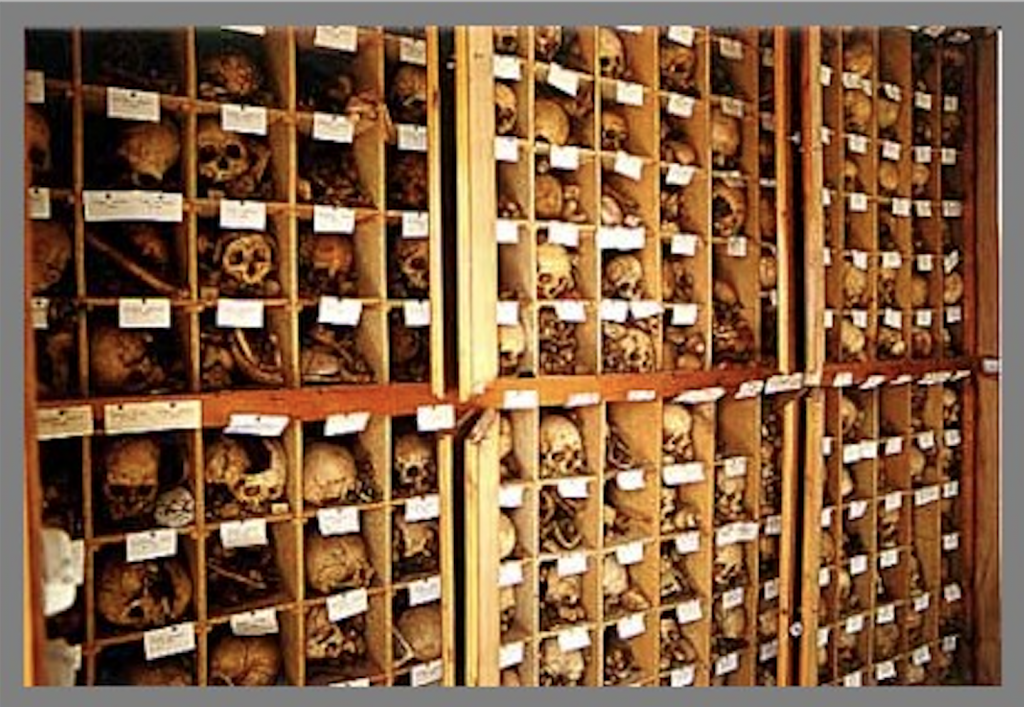
In August 1949, he confessed to the extent of the German atrocities in Distomo.

A film about the tragic massacre, titled ‘A Song For Argyrishas’, has since been made and follows the perspective of four-year-old survivor Argyris Sfountouris.

Share:

KEEP UP TO DATE WITH TGH

By subscribing you accept our Terms of Service and Privacy Policy.

Latest News

Greece grants permanent protected status to wildlife haven Gyaros

Greece has formally enacted legislation designating Gyaros as a marine protected area, securing long-term safeguards.

‘You’re in the army now!’ Melbourne Yale graduate pauses pro football to serve Greece

“I had to decide: do I leave Greece, or stay and do my military service?” he says, regarding his professional career in the country.

From Laconia to Sydney: Peter Tsigounis’ lifelong service bridging Greece and Australia

Peter Tsigounis has devoted the last decade to being President of the Greek Returned Ex-Serviceman League of NSW.

Gallipoli and the unfinished story of Australia

Dawn services, commemorative rituals, and public narratives continue to reinforce the emotional and symbolic power of Gallipoli.

Historian’s 18-year journey to recognise Australia’s ‘Second Anzacs’

An accidental discovery in 2008 set Dr Michael Bendon on an 18-year mission to recognise Australia’s overlooked “Second Anzacs".

You May Also Like

Domestic violence, gender equality and empowerment: HACCI to celebrate IWD

The Hellenic Australian Chamber of Commerce and Industry (HACCI) is holding its annual International Women’s Day event on Monday, March 3.

Insight or Perspective: A solution for the continuation of Modern Greek Studies in Sydney

"An issue affecting Modern Greek Studies is that they are offered at three different Universities in Sydney," writes Eleni Elefterias.

Stefanos Tsitsipas outlasts Fritz to reach Australian Open quarter-finals

Greek fourth seed, Stefanos Tsitsipas, survived a gruelling fourth-round battle with American, Taylor Fritz, on Monday.