By Ilektra Takuridu.
The Greek Orthodox church is privileged to have such beautiful Easter traditions that are rich in history and full of symbolism. These traditions are what make the holiday truly special.
Here are five of the most important Greek Easter traditions you should know about.
Tsoureki and dying eggs red:
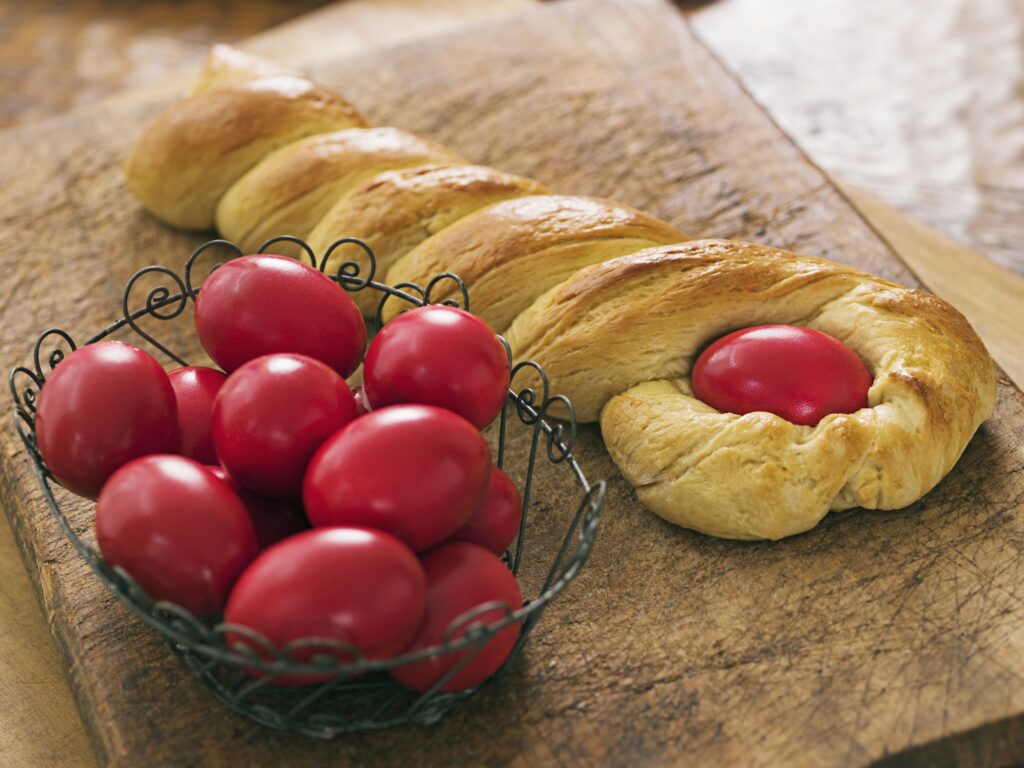
One of the most important Easter traditions is the baking of Greek-style sweet brioche bread, called Tsoureki. It is made so that there are three braids, these are done to represent the three aspects of the Holy Trinity. On the same day, eggs are dyed red, the colour symbolizes the blood of Jesus. Both the Tsoureki and red eggs are made on Holy Thursday but can only be eaten on Easter Sunday.
Epitaphios:
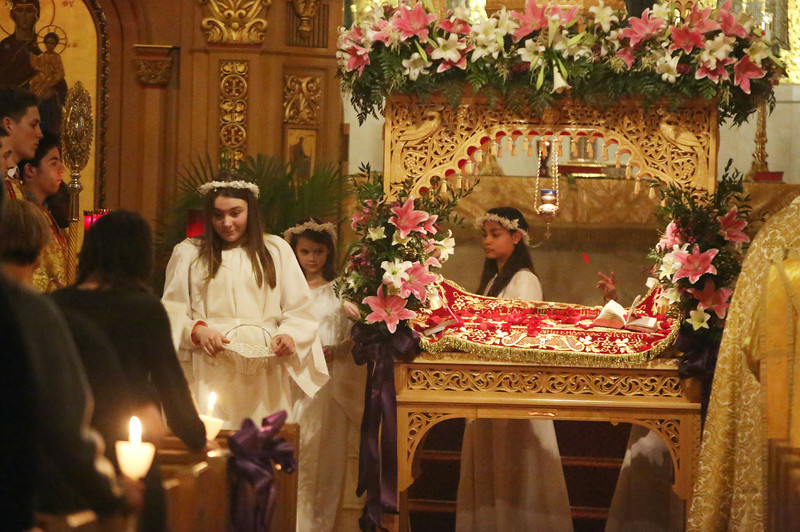
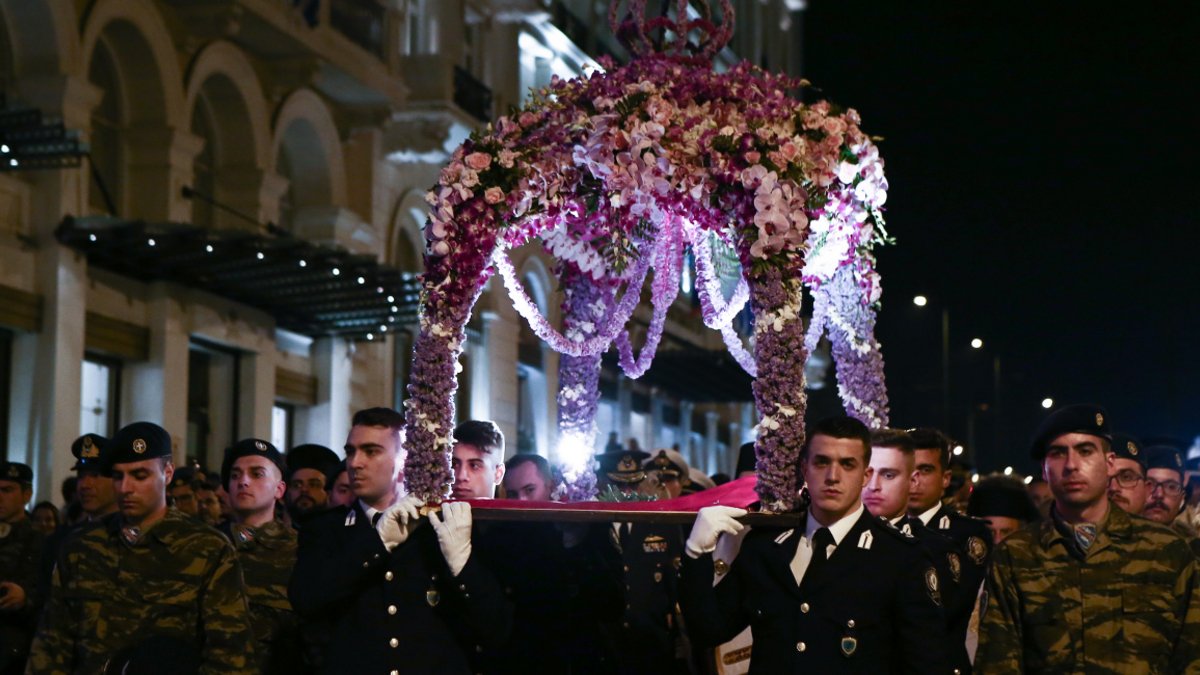
Epitaphios is a wooden bier structure that holds the icon of Jesus Christ. This icon is taken through the main roads of the village for everyone to see. Members of a local band play music and people who follow the procession sing Greek religious hymns and light candles. The wooden bier is always decorated with the most colourful flowers that have a symbolic meaning. Most common colours are red, which symbolize the blood, purple symbolize the mourning of Jesus and finally white, which symbolize purity. This ceremony takes place at night, on Good Friday.
“Lambada” – the Easter candle:
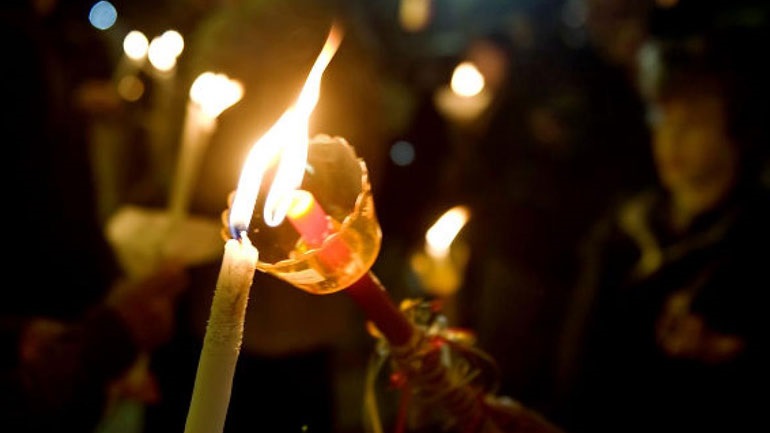
Candles are the most significant part of the Greek Easter. In most Greek families, Godparents buy for their Godchildren a decorated Easter Candle, called the Lambada. These candles are usually decorated with jewels or small toys that are attached to the candle with a colourful ribbon.
The midnight service:
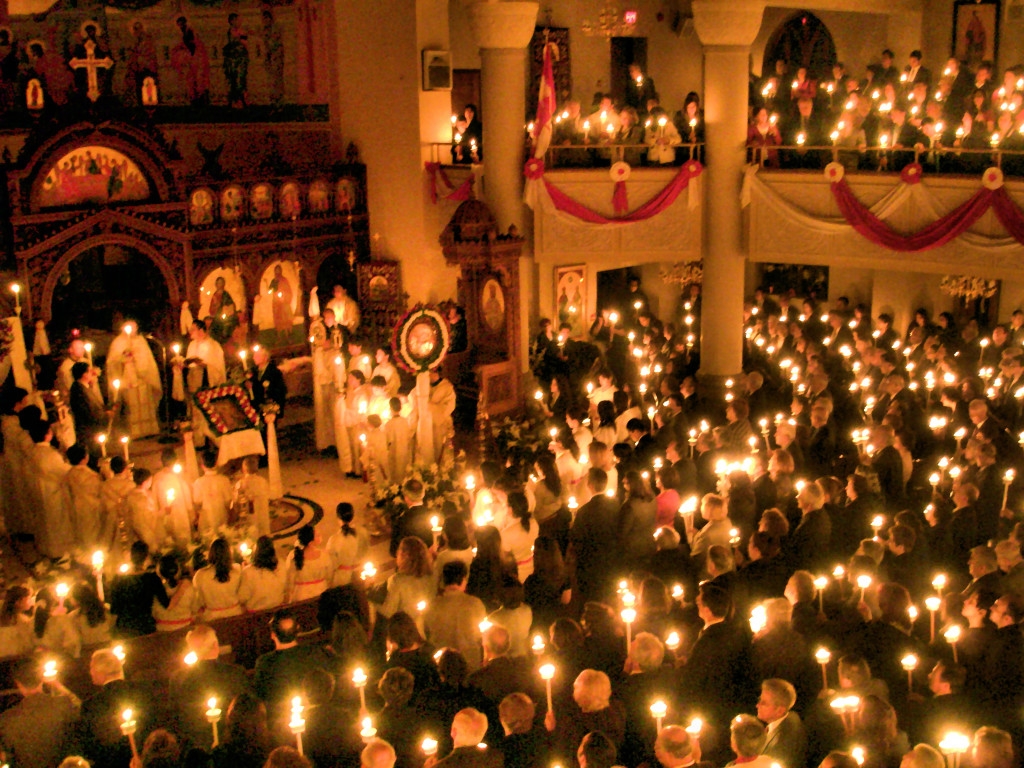
At midnight on Holy Saturday, people meet in the church with their candles to participate in the Resurrection Liturgy. At exactly at midnight, the church goes completely dark and the priest lights a candle. This candle represents the eternal flame of Jesus. The priest then shares the flame and people begin to light up each other’s candles. Whilst this is happening, church bells start to ring and the sky is lit up with fireworks. Tradition says the first person who has their candle lit up by the Priest will have luck all year. People after the midnight service come back home with their candle still lit to mark a cross on top of their doorway, which is a sign of a blessing.
Roasting Lamb (Souvla):
Easter Sunday is the day where the whole family meets early to prepare the spit-roasted lamb, this day as any big Greek celebration, is full of traditional music and dance. The lamb’s significance goes back to the old testament, where Abraham is asked to sacrifice his son to God. There are many different ways how to prepare the Lamb usually, the preparation it depending on the region, but the most common way is to rub the lamb with olive oil, garlic, lemon and then sprinkle it with spices like dried oregano, salt and pepper.

