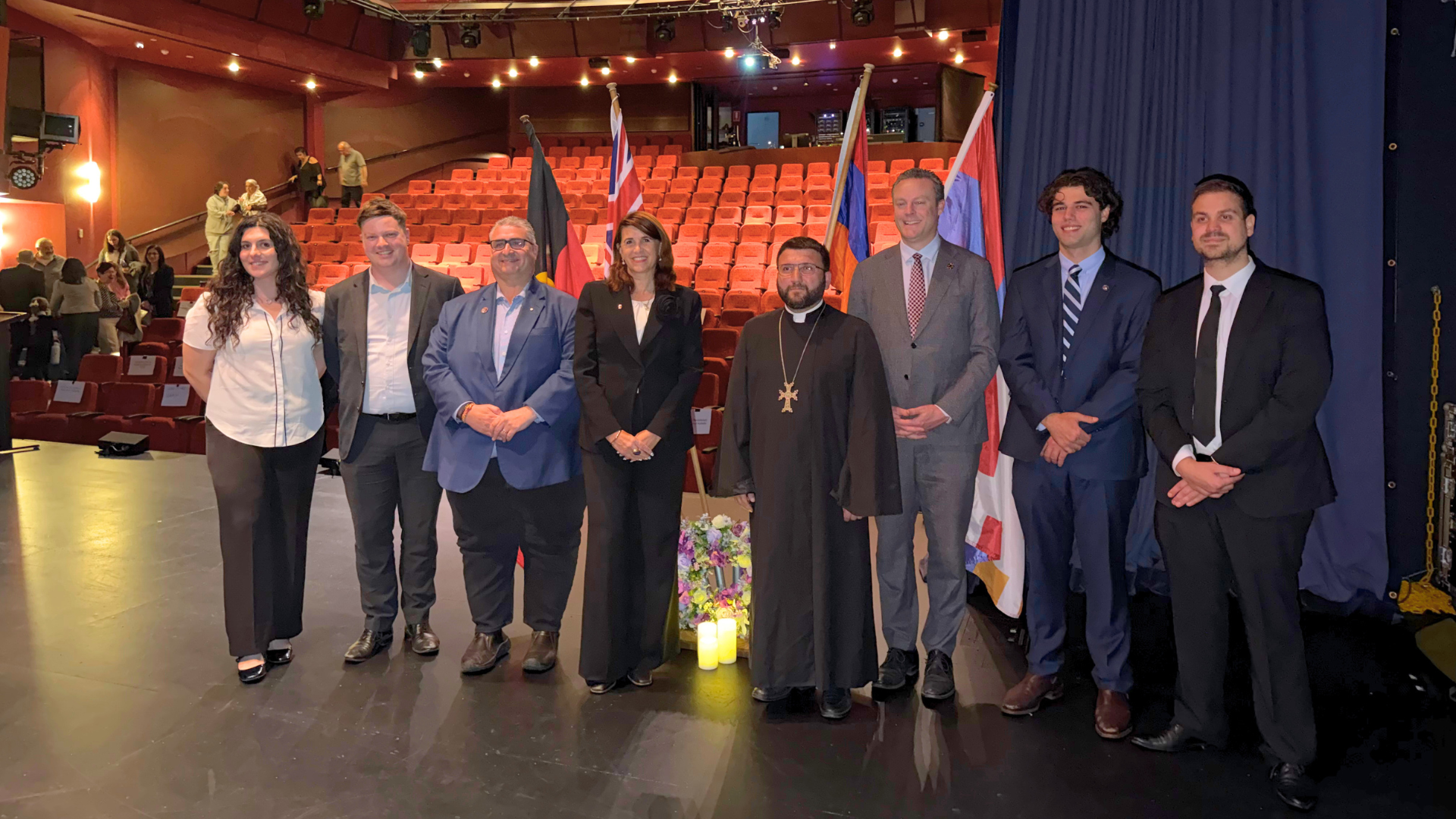
More than 300 people gathered in Melbourne last week to commemorate 111 years since the Armenian genocide, with the event also recognising the suffering of Greek and Assyrian communities during the same period.
Held before community members, clergy and dignitaries, the commemoration reflected on the lasting impact of the atrocities committed between 1914 and 1923, while highlighting the continued push for genocide recognition in Australia.
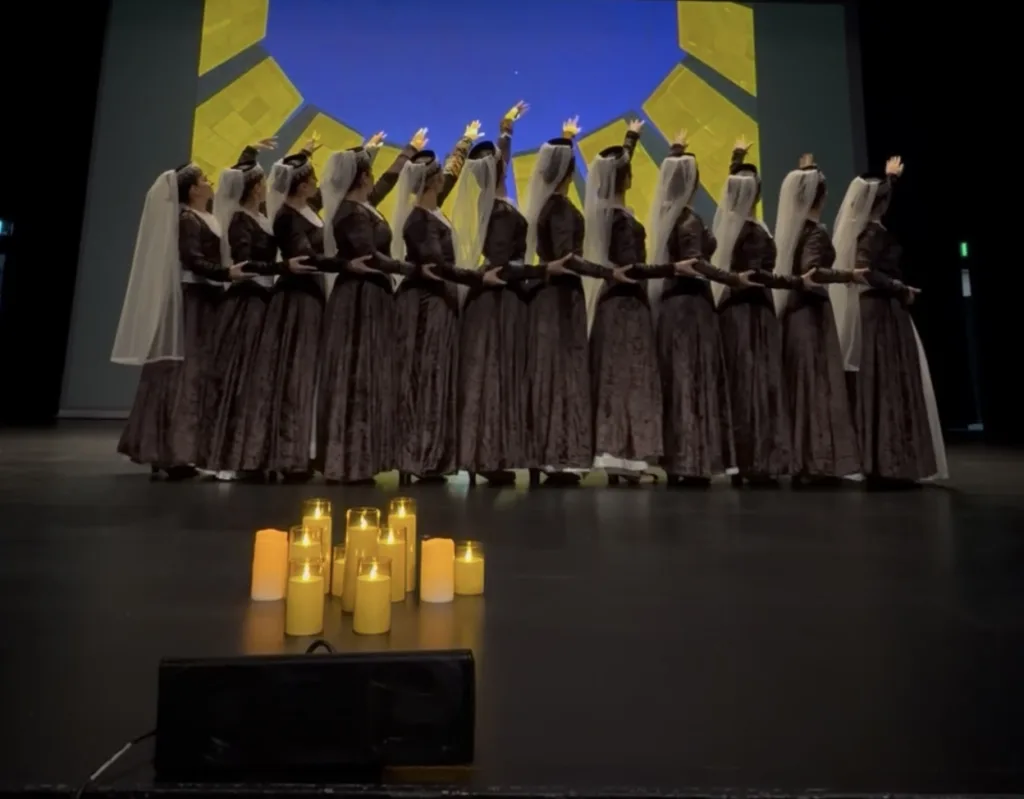
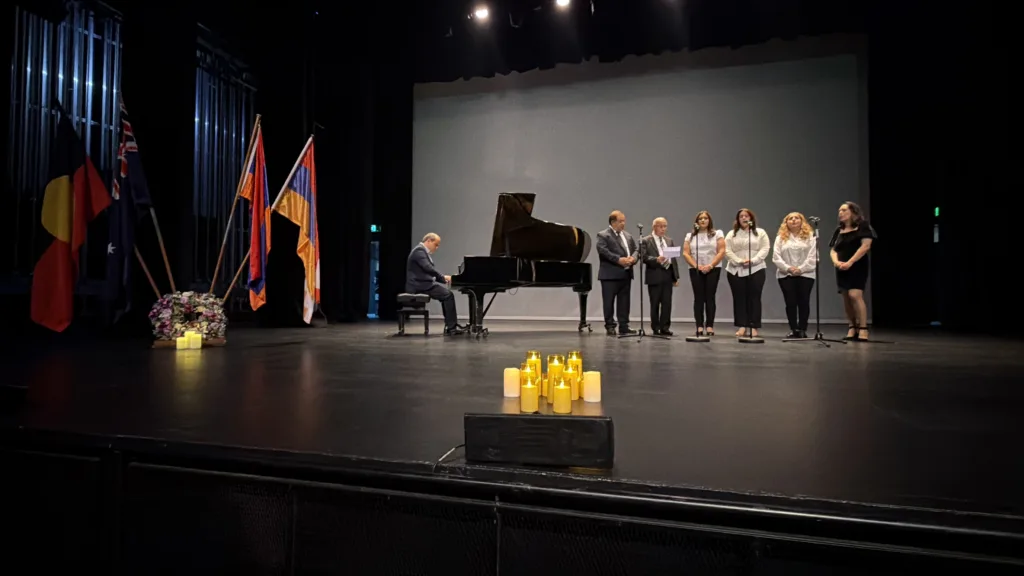
The ceremony featured a cultural program of music, poetry and dance centred on themes of loss, survival and cultural endurance. Messages of support were delivered by political representatives and community allies, reinforcing solidarity across communities affected by historical persecution.
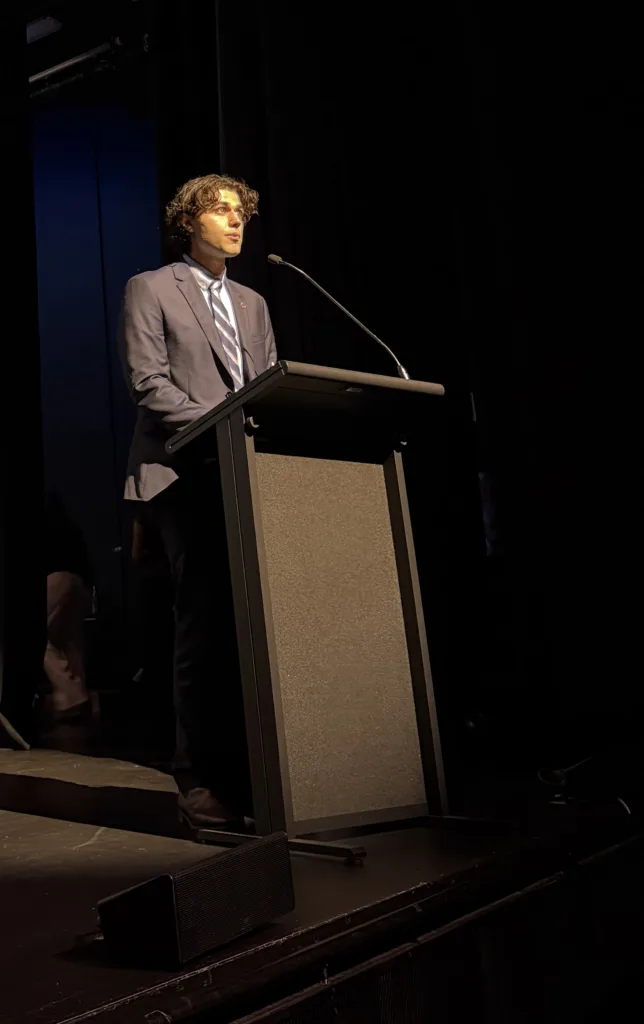
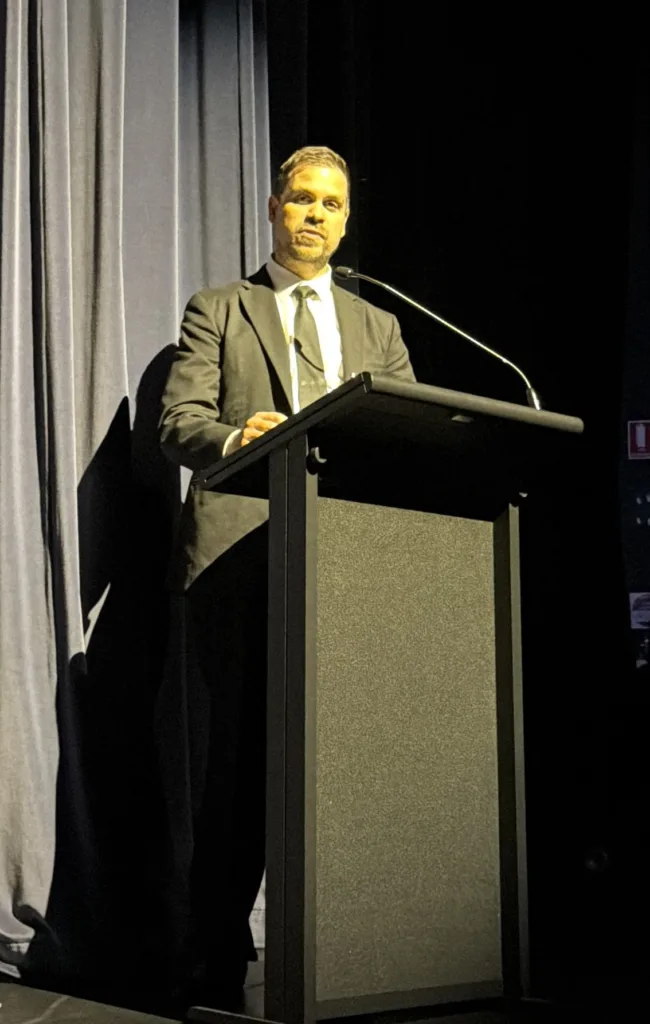
A keynote address was delivered by Themistocles Kritikakos, titled “Memory, Trauma, and the Struggle for Genocide Recognition in Australia.”
Dr Kritikakos explored the long-term effects of the Armenian, Greek and Assyrian genocides across generations, arguing that trauma continues to shape descendants through silence, fragmented histories and inherited memory.
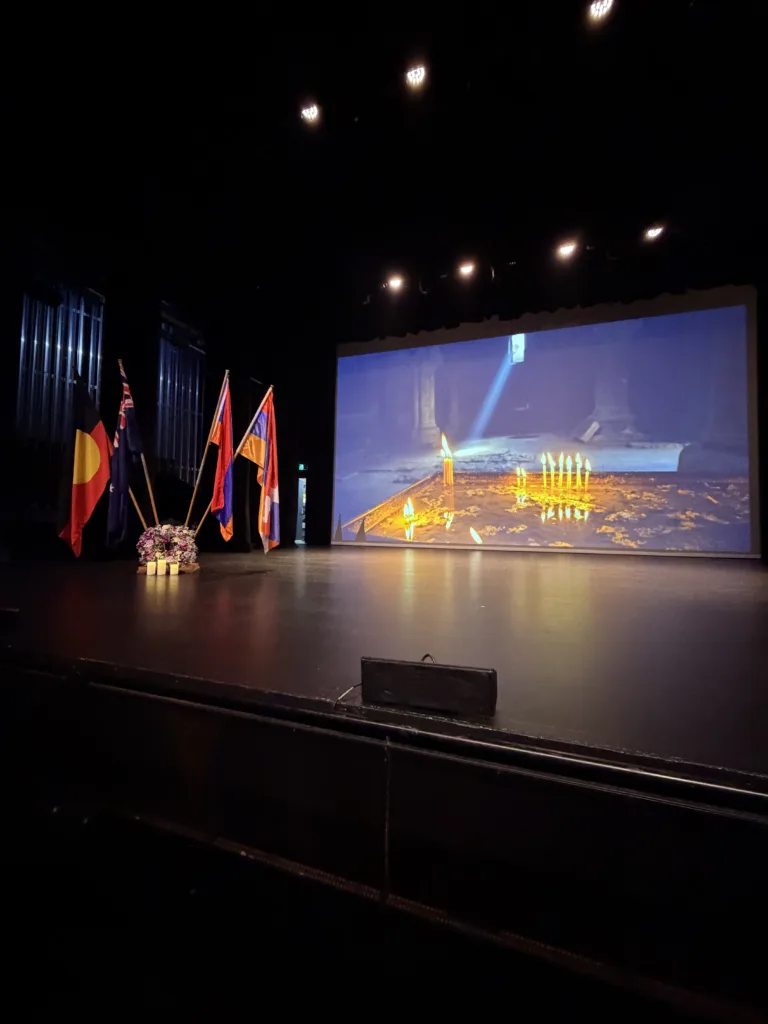
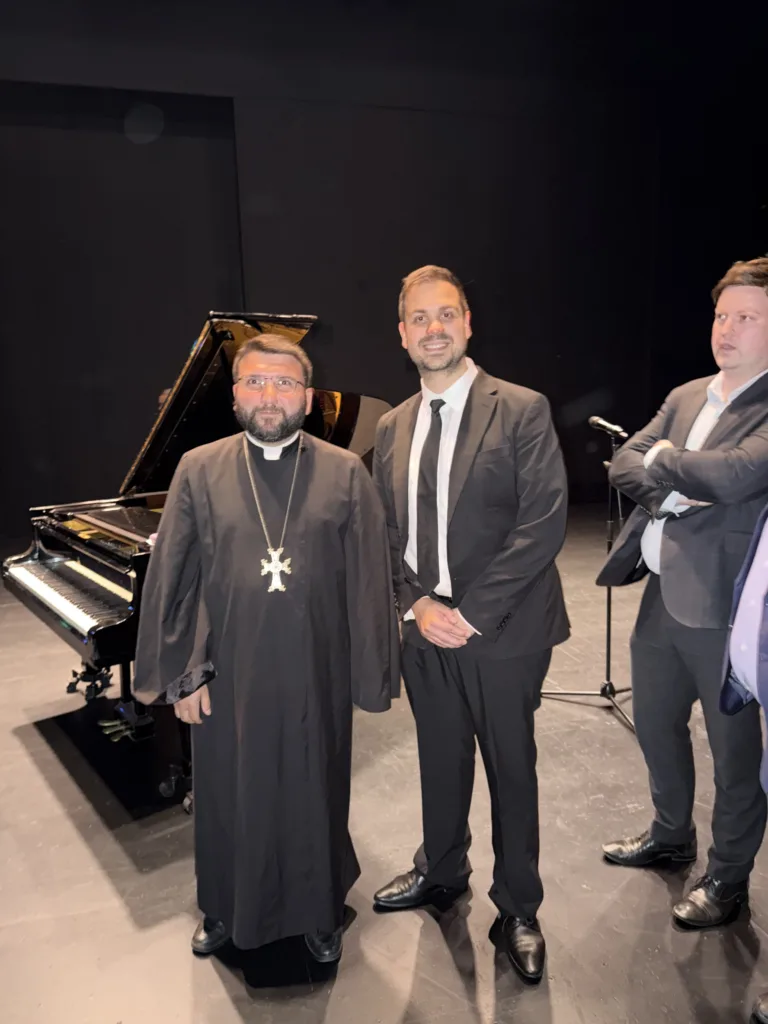
He emphasised the role of diaspora communities in preserving collective memory and advancing recognition efforts, noting that Armenian Australians have played a leading role in advocating for acknowledgement and public awareness.
Dr Kritikakos also highlighted Australia’s historical links to the events through eyewitness testimonies and humanitarian responses during and after the First World War, while pointing to what he described as a continuing gap between commemoration and formal recognition in Australian public memory.
Referencing recent developments in Artsakh, he noted the displacement of more than 100,000 Armenians and argued that denial contributes to the continuation of historical injustice.
He concluded that recognition of these genocides remains essential not only for affected communities, but also for a fuller understanding of Australia’s historical relationship to global humanitarian crises.
