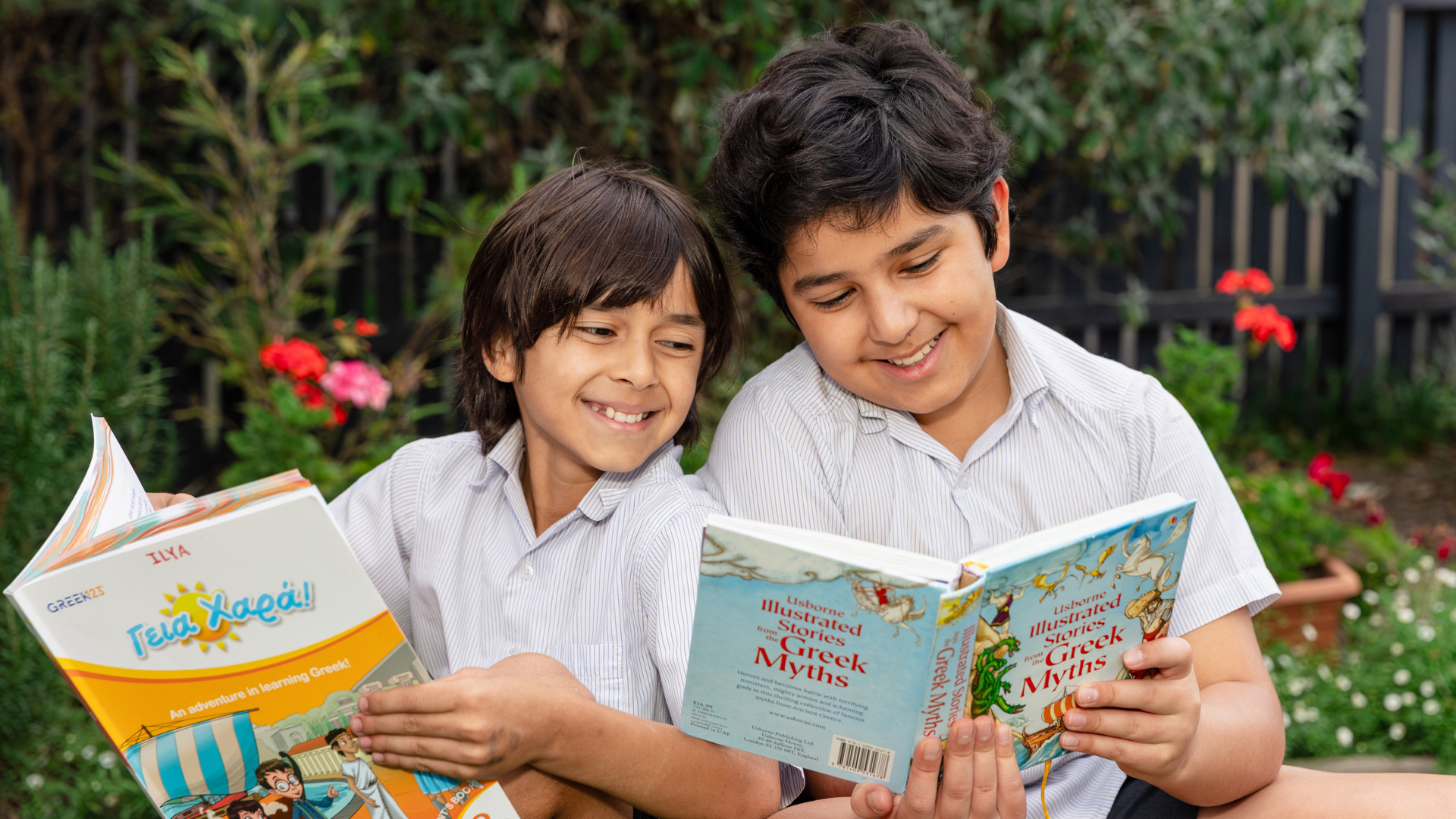
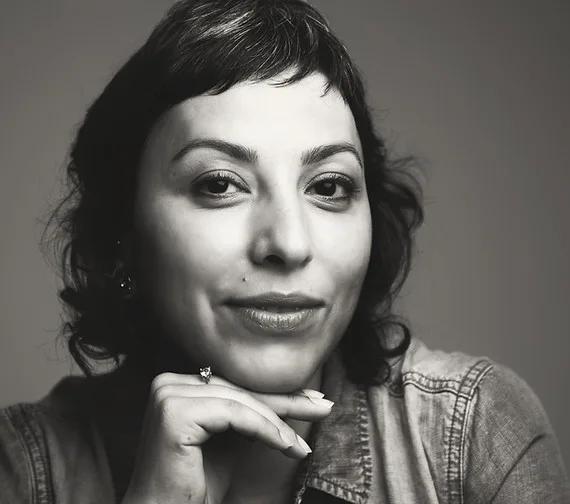
For Attie Mohebali, a photographer originally from Iran, sending her children to learn Greek in Australia is about far more than just schoolwork.
Growing up, Attie lived in a whirlwind of cultures. Born in Iran, she spent her early years in Senegal and later years in Malaysia. Between the ages of eight and 14, she lived in Athens while her father, a diplomat, was stationed there.
“I loved Greece when I lived there. The people, the culture, the music… I loved it all,” she recalls.
“Even though I went to an international school and learned English, the exposure planted a seed. Greek was always around me, in songs on the school bus, in the streets, in everyday life. I didn’t fully learn it then, but it stayed with me.”
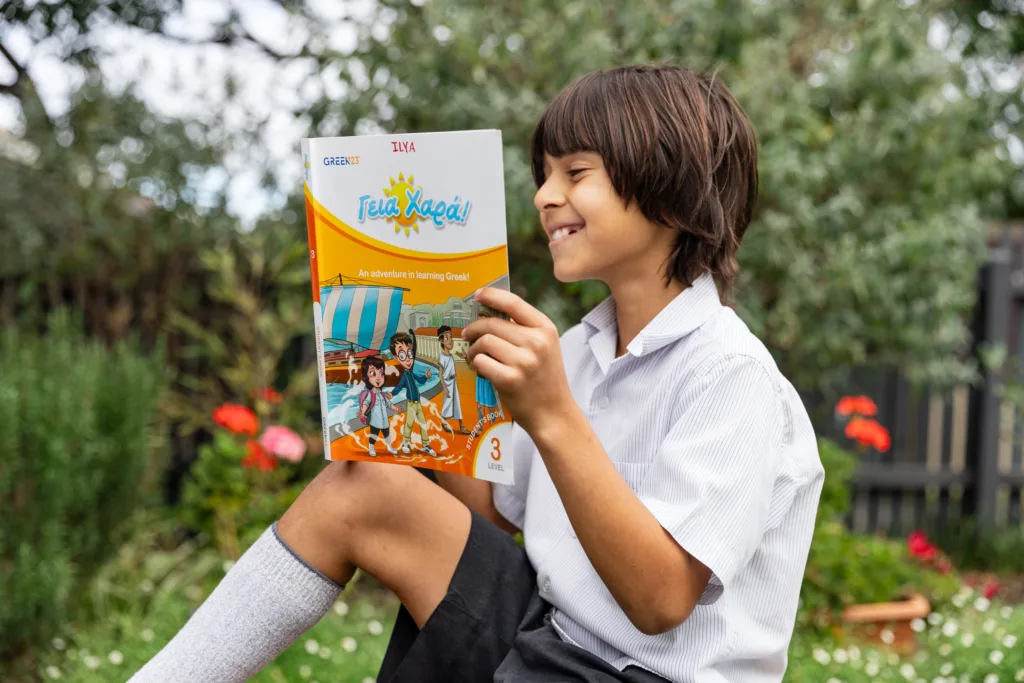
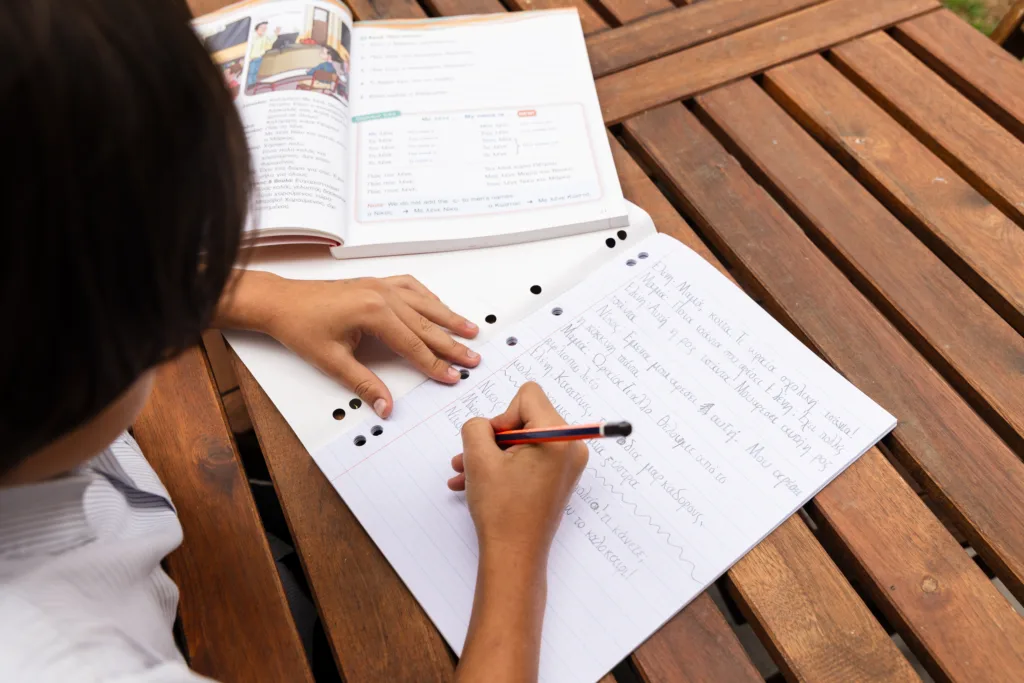
When her children, now 10 and 12, had the opportunity to attend Alphington Grammar and learn the Greek language, Attie was determined they experience the same cultural immersion she once did. Both are now in the school’s advanced Greek language classes, speaking fluently, sometimes surpassing children from Greek families.
“I don’t speak Greek fluently, but I’ve learned the grammar and a few words so I can try to keep up with the kids. It’s amazing to see them pick it up so quickly,” she says.
At home, the children navigate three very different alphabets: Persian, English, and Greek. Attie believes this linguistic variety strengthens their minds.
“Learning other languages doesn’t just teach words; it teaches new ways of thinking. It makes kids smarter, and more open to the world,” she says.
She points to the deep-rooted connection between her Persian heritage and the Greek language her children are learning.
“Persians and Greeks have always been intertwined, regardless of shifting politics or conflicts. At a human level, there has always been a connection and a sense of similarity,” she says.
Even Alexander the Great learned Persian when he expanded his empire, effectively blending Greek and Persian cultures. Millennia later, Attie wants her children to navigate that same cultural “bridge” between worlds.
Her younger son, 10-year-old Ilya Darban, thrives on the adventure of language.
“I love learning Greek because it feels like being in a whole new world. I also love sports, and it’s exciting to go to the country where the Olympics started and speak the original language,” he says.
Her older son, Yashar Darban, takes a more academic perspective.
“I love learning Greek because it helps me understand the roots of words we use in English, like geometry, photography, and even arachnophobia,” he says.
Attie agrees: “Many of our scientific words and philosophies come from Greek. You can see the influence in English, and even in Persian there are words you might not realise are originally Greek.”
Photography has been Attie’s lifelong passion. While she speaks English, Persian, Spanish, and now some Greek, she views language much like her camera. Greek is another way to adjust the focus.
“It opens a new lens on history, culture, and thought,” she says.
This global perspective is particularly poignant given the current climate in her homeland. Despite living far from Iran, Attie’s heritage remains a constant presence.
“Every day I think of the people in Iran, family, friends, and ordinary people caught up in conflict. Many want freedom and peace, but everything is uncertain at the moment,” she says.
Learning Greek, she adds, gives her children a broader window into the world and a language of understanding that transcends modern conflict.
She encourages her children to embrace their roots while exploring the world. Trips to Greece are part of the plan, where she hopes they will confidently order food, read signs, and fully immerse themselves in the local culture.
“We have a deal. I tell them that once in Greece, I’ll allow them to order anything they want,” she laughs, “even if we end up with nothing but dessert on the table.”
For the Darban siblings, Greek is more than a subject; it’s a passport to adventure, a bridge across history, and a lens through which to see the world.
