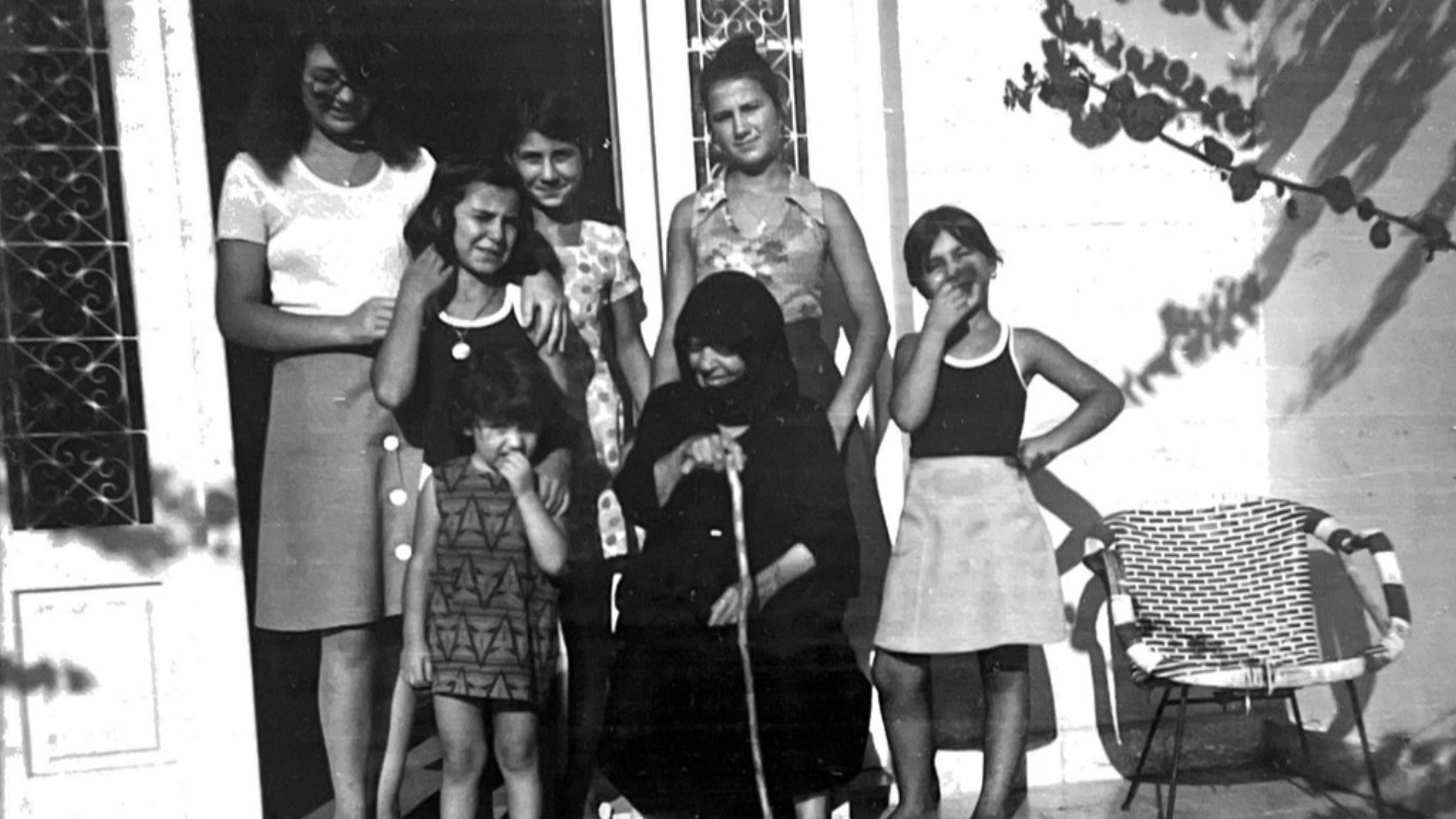
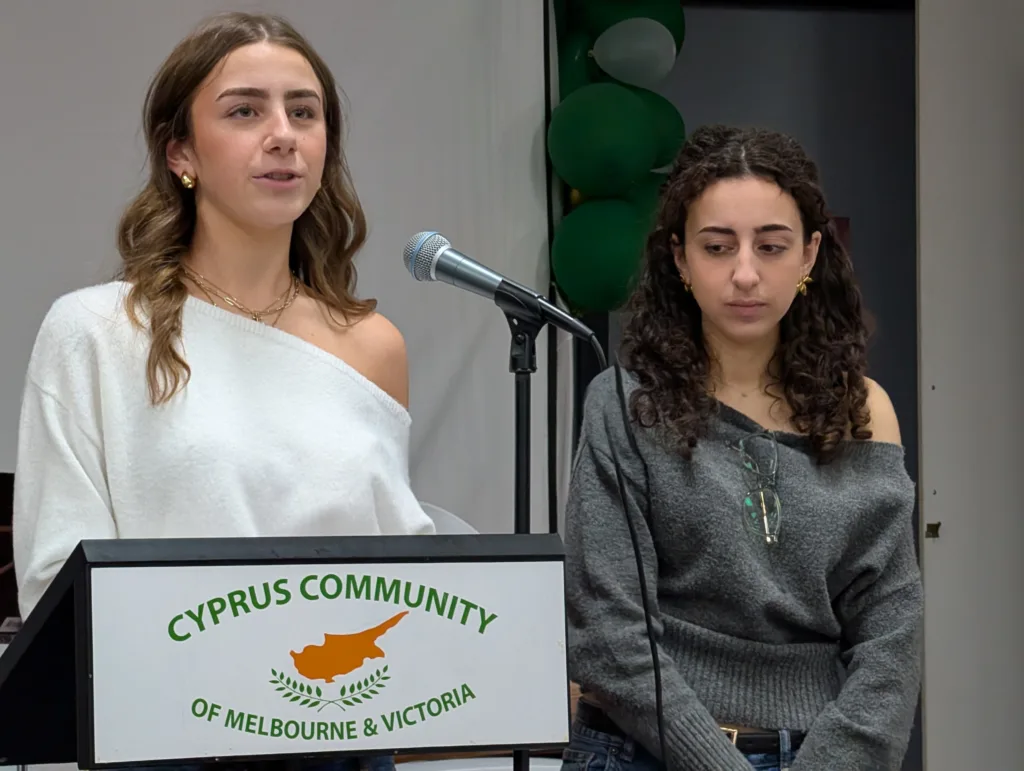
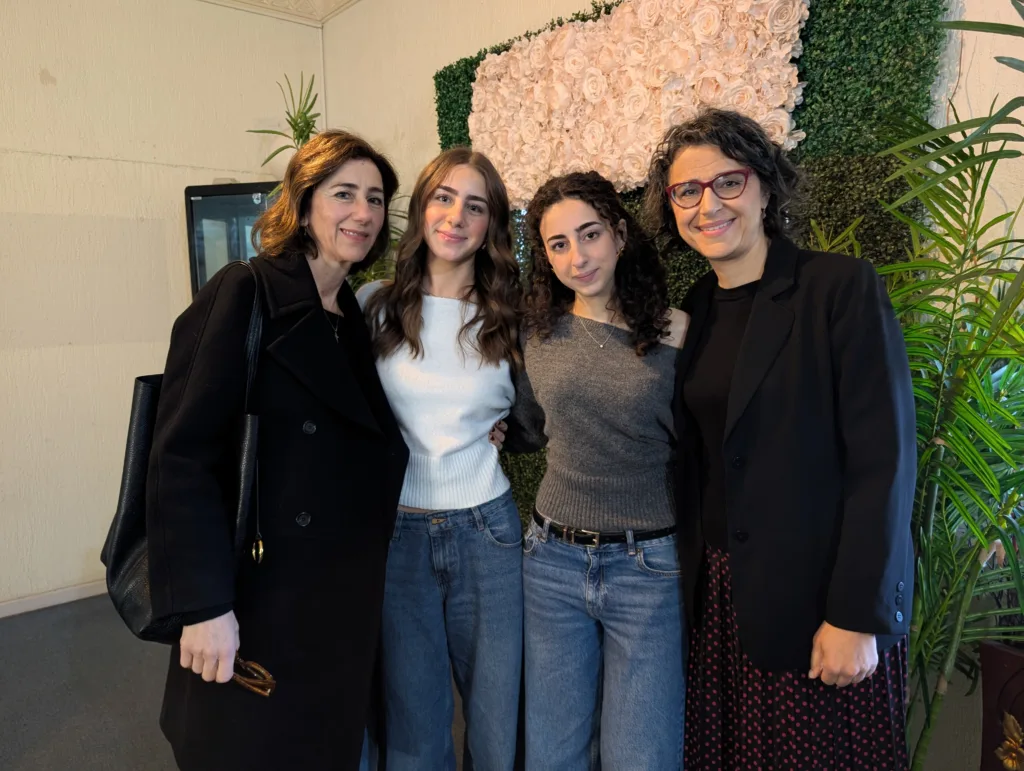
Fifty-one years after the second phase of the Turkish invasion of Cyprus on 14 August 1974, two young students – Georgia Vardavakis and Savina Koumidis – shared deeply personal reflections on its ongoing impact.
Their words – spoken at a commemoration event held in Melbourne in July 2025 – captured not just historical memory, but the lived inheritance of trauma, resilience, and identity carried across generations.
Georgia Vardavakis: ‘Some wounds never close’
For Georgia Vardavakis, the Cyprus issue is not an abstract historical event – it is part of her family’s DNA.
“The fateful day of July 20, 1974 brought a weight that every Cypriot family carries within it. A moment that froze time. A wound that still has not healed,” she said.
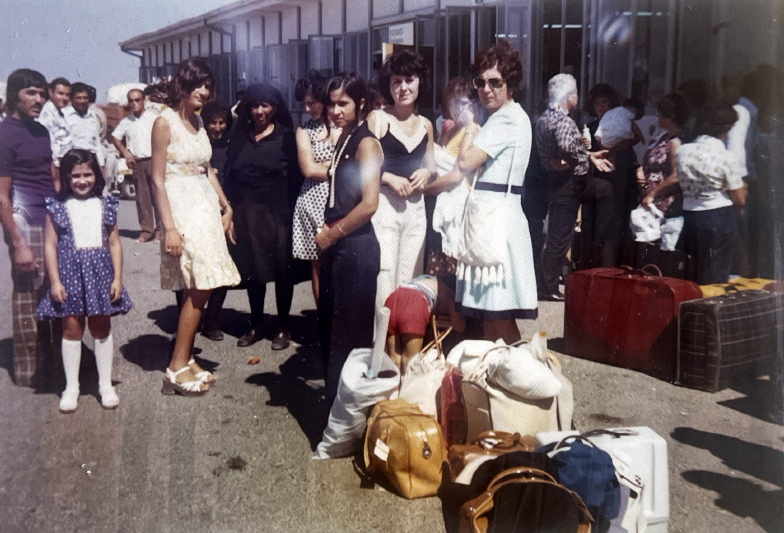
Her grandmother, the eldest of seven daughters, was just 17 years old – the same age Georgia is now – when she heard the radio announcement: ‘Today the Turks have invaded Cyprus.’ Fear took hold, and although her great-grandmother hoped they would return home within days, “51 years have passed and she has not gone back to her village.”
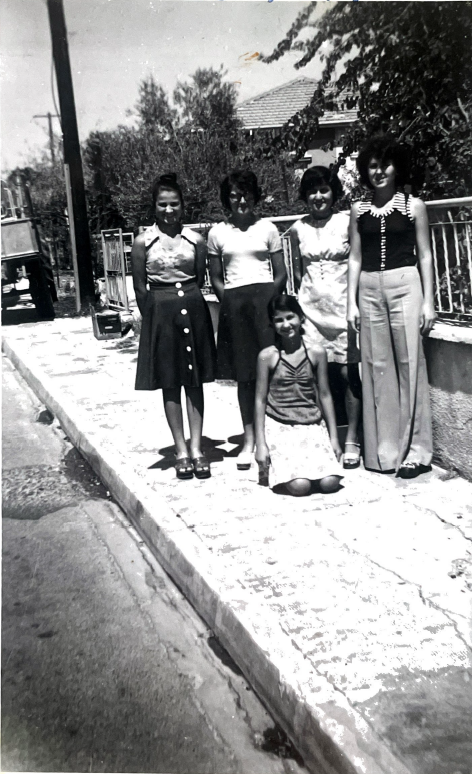
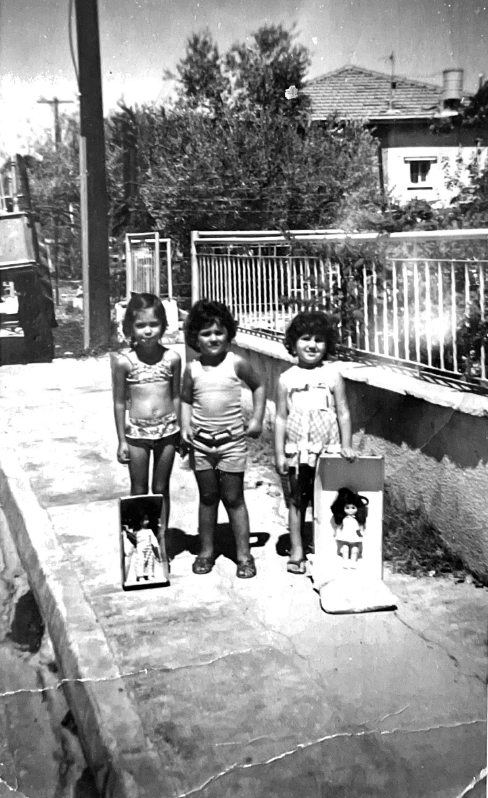
Georgia spoke of the relentless bombings, the second phase of the invasion on 14 August, and the forced displacement of even the elderly who wished to stay. Her grandmother called it “uprooting… like 200,000 trees being dug from their land.”
While her grandmother’s family managed to migrate to Australia, they faced the struggles of adapting to a foreign land, learning a new language, and starting from nothing.
“It takes years for a tree to grow roots again. Years to feel like you belong somewhere again,” Georgia reflected.
Some scars remain raw. “Even now, at 68, [my grandmother] shivers when she hears planes. Some wounds never close.”
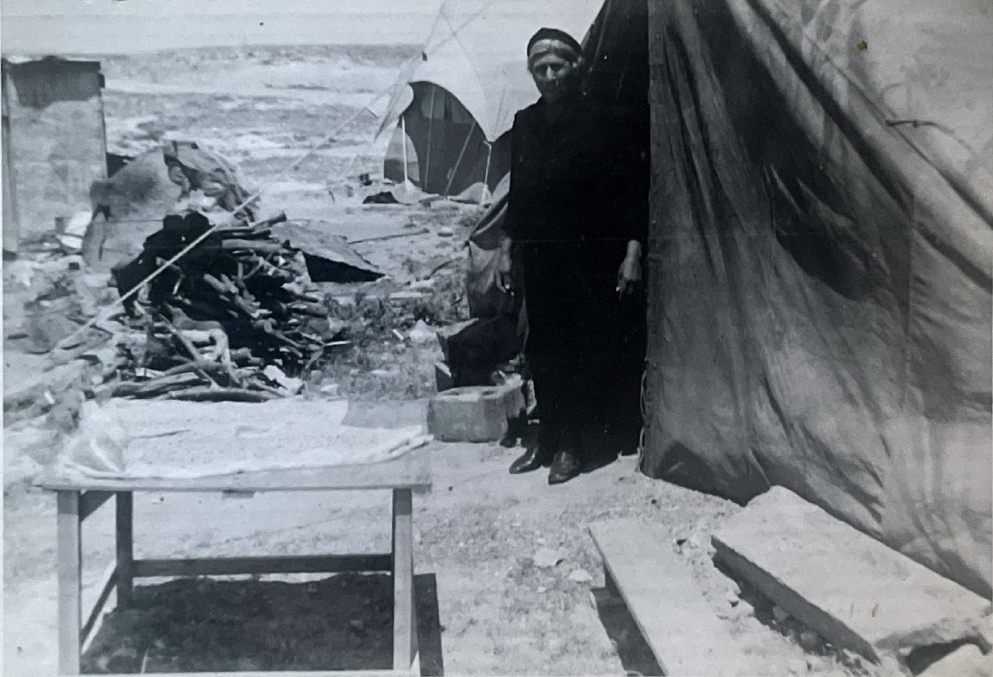
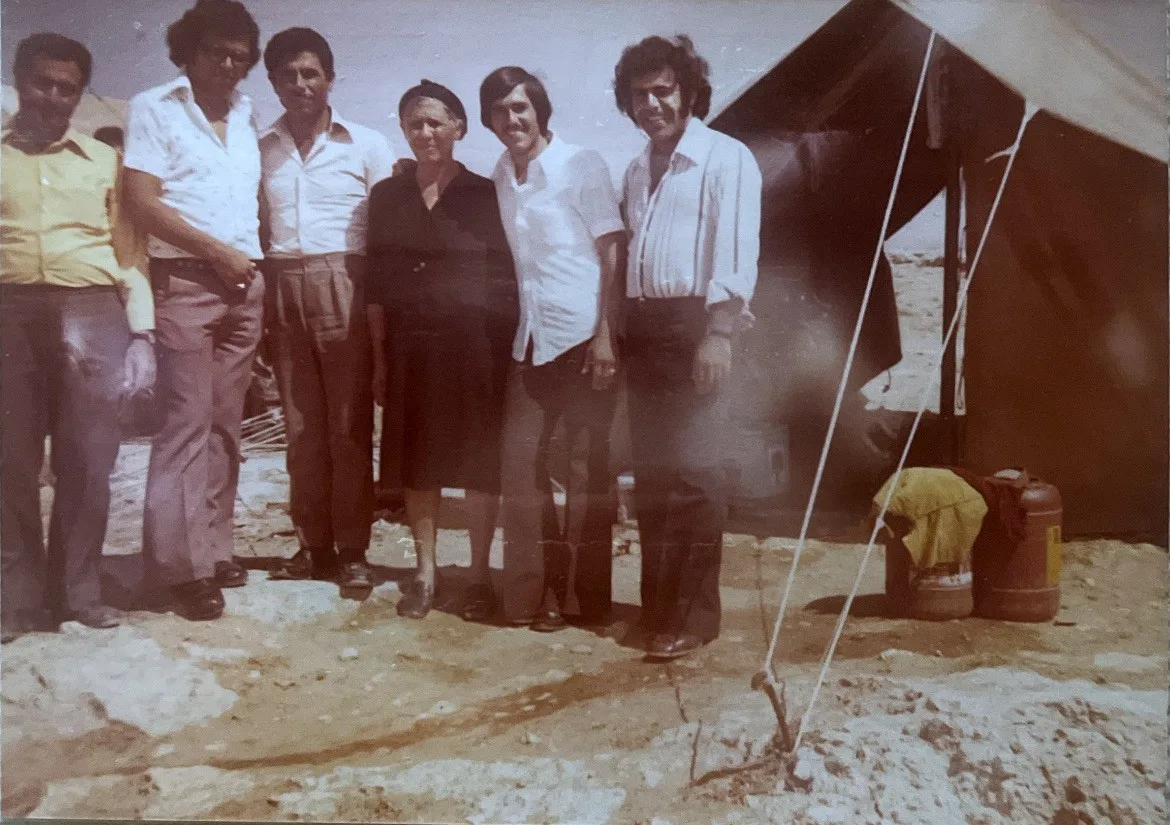
Her grandfather’s family spent over a year in refugee camps before being placed in the vacated homes of Turkish Cypriots. “Some of them still remain there and feel like strangers in their own homes,” she said.
For Georgia, the generational impact is clear. On her only visit to Cyprus, standing at the divided border, she finally understood why her great-grandmother never returned: “She didn’t want to feel like a stranger in her homeland — unwanted.”
“Cyprus is not just a divided island,” she concluded. “It is a symbol of endurance. Memory. And the courage it takes to survive when everything is taken from you.”
Savina Koumidis: ‘When we say “we do not forget”, it is a promise’
Savina Koumidis grew up surrounded by voices telling stories of the 1974 invasion – but these were not tales from books or documentaries.
“Everyone had something to say; voices spoke over one another because each person held a memory, a small personal trauma from that day,” she recalled.
Her parents were refugees. Her mother, one of seven sisters, “learnt what loss meant before she learnt what life meant.”
Savina’s speech was a tapestry of her mother’s and aunts’ memories – each fragment revealing a different facet of displacement.
Androula, the eldest, “had to hide her own fear to support her parents.” Kika remembered the defiant radio announcement, followed by weeks of bombs and the day the family was loaded into a truck to leave everything behind.
Zoe, just 14, took her embroidery and her mother’s silver before looking around her home one last time. “For days she cried – for the animals, the orchards, the new shoes she left behind.”
Soula was 11, crammed with 80 others into one house, waiting for a return that never came. Eleni recalled her mother hurriedly wrapping warm bread while her father tended to the animals one last time. Antonia, barely 7, hid under a metal bed with pillows pressed to her ears to block the sound of bombs – a fear that followed her to Australia, where she would hide at the sound of aeroplanes.
And then the youngest sister – Savina’s own mother – who “grew up in the void the war left behind,” often considered too small to understand, her own trauma unacknowledged.
For Savina, these stories are not just family history, but a call to remembrance: “When we say ‘we do not forget’, it is not just a slogan. It is a promise. To not forget the faces behind the history. To hear the voices of the victims.”
A shared legacy of loss and resilience
Both speeches, while deeply personal, speak to the universal experience of intergenerational trauma among Cypriot families in the diaspora.
The memories of war are not locked in the past – they are relived in family stories, in cultural rituals, and even in physical reactions to certain sounds.
For Georgia and Savina, telling these stories is not just about remembering 1974 – it is about ensuring that the next generation inherits not only the pain, but also the resilience, dignity, and determination of those who came before them.
